Tour castles in Transylvania. Dracula. Peles.and Rasnov fortress
Active
8h
For a full refund, cancel at least 24 hours before the scheduled departure time.
Instant confirmation
Mobile or paper ticket accepted
About this experience
Count Dracula, first appeared in the novel “Dracula”, published in England in 1897, by the Irish writer Bram Stoker. But the name “Dracula”, far from being a frightening term, derives from the Crusader Order of the Dragon with which Order both Vlad Tepes and his father had been associated. The rest of the Dracula myth derives from the legends and popular beliefs in ghosts and vampires prevalent throughout Transylvania.
Count Dracula - Discover the history of the most popular horror character - Explore Bran Castle - Buy Tickets Online
Stoker’s Count Dracula is a centuries-old vampire, sorcerer, and Transylvanian nobleman, who claims to be a Székely descended from Attila the Hun. He inhabits a decaying castle in the Carpathian Mountains. In his conversations with the character Jonathan Harker, Dracula reveals himself as intensely proud of his boyar culture with a yearning for memories of his past.
Available options
Tour castles in Transylvania. Dracula. Peles.and Rasnov fortress
Pickup included
What's included
Air-conditioned vehicle
Detailed itinerary
1
Stop 1
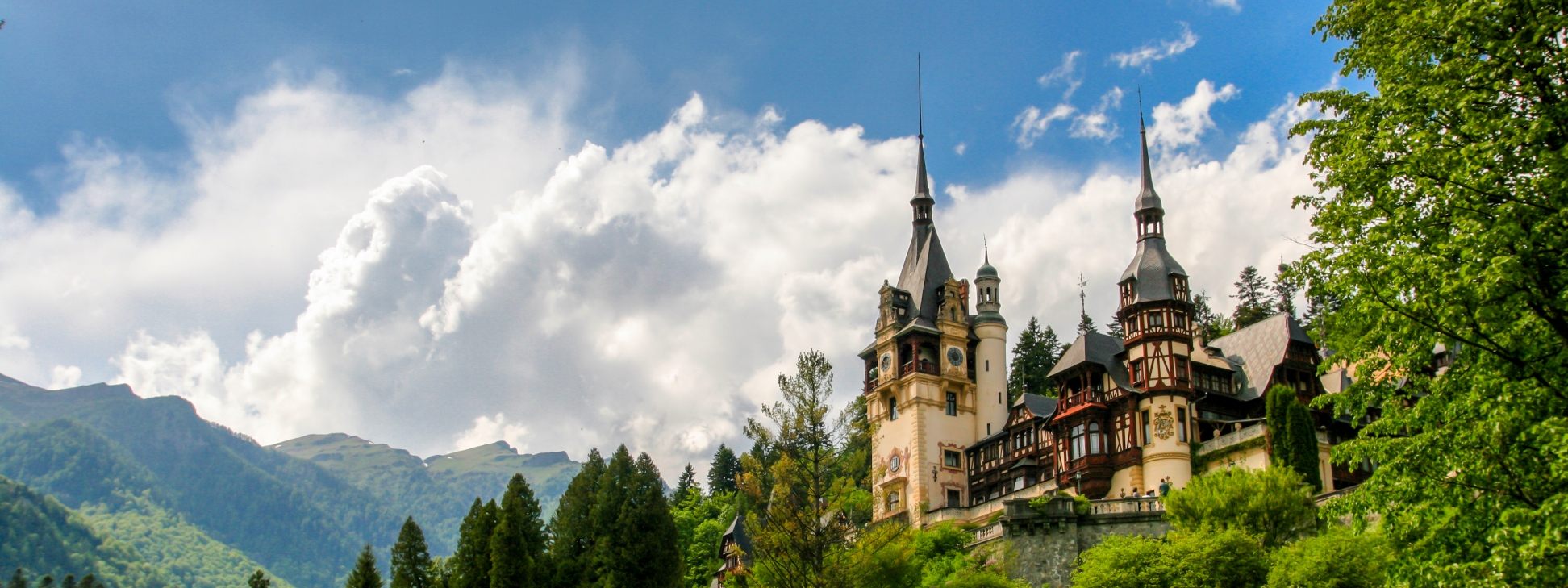
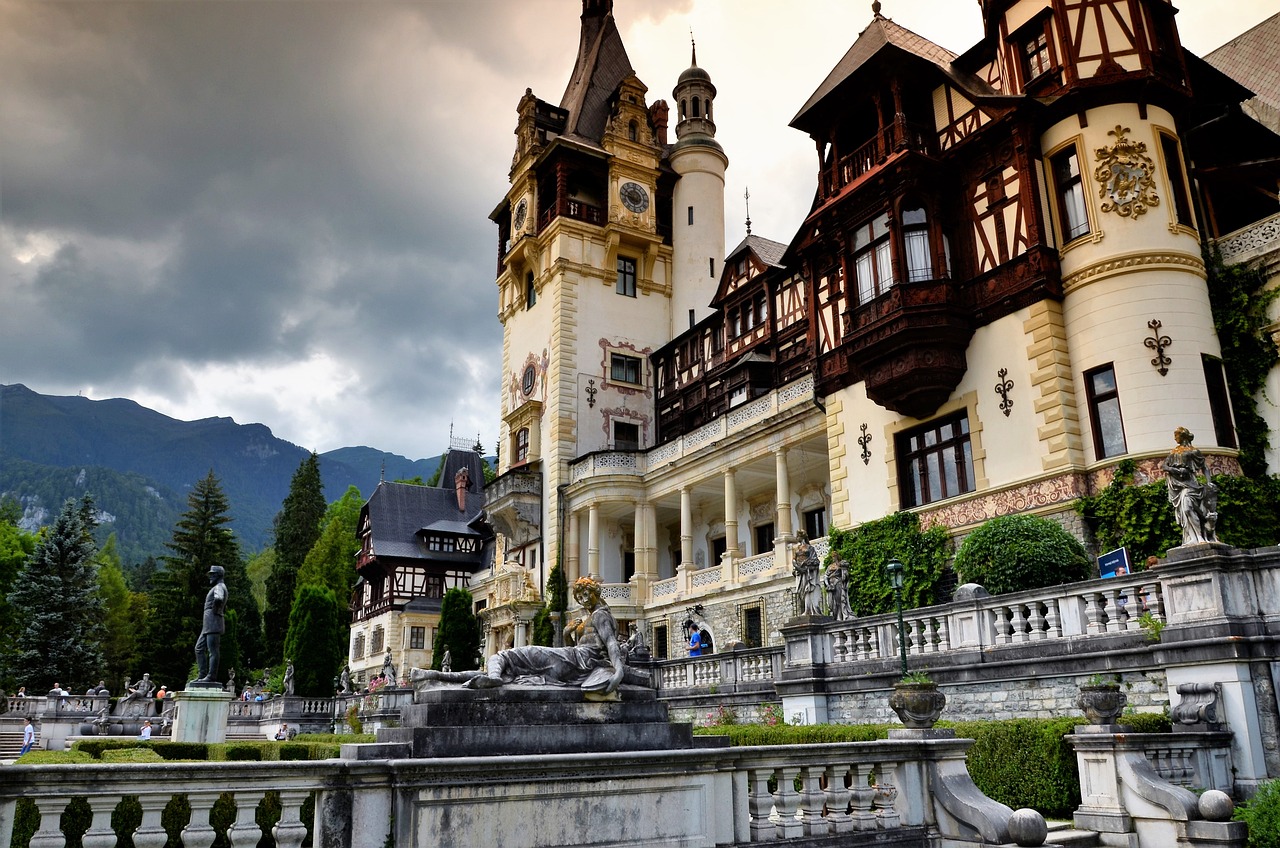
Peles Castle in Sinaia, the summer residence of the kings of Romania, was built at the request of King Carol I of Romania, according to the plans of architects Johannes Schultz, Carol Benesch [2] and Karel Liman, and was decorated by the famous decorators J. D. Heymann from Hamburg, August Bembé of Mainz and Bernhard Ludwig of Vienna.
Peles Castle is one of the most important historical buildings in Romania, having a unique character and is, by its historical and artistic value, one of the most important monuments of this kind in Europe in the second half of the nineteenth century. -lea.In 1883, the official inauguration of Peles took place, which the ruler saw as a "seat" of the new dynasty. And his settlement on Prahova Valley was not accidental. Not far away, in Predeal, was at that time Romania's border with Austria-Hungary. But later, after the union of Transylvania with the Old Kingdom, the castle came to be located right in the heart of the country.
2
Stop 2
Râşnov fortress is undergoing maintenance and restoration works;
as a result, access inside the fortress cannot be permitted.
Currently visitors can access the grouds / garden only and admire the exterior.
Râşnov Fortress (Rosenau in German), is located on a rocky hilltop in the Carpathian Mountains, 650 ft. above the town of Râşnov. First mentioned in an official document in 1331, the fortress was built by Teutonic Knights as protection against invading Tartars and was later enlarged by the local Saxon population.
Strategically located on the commercial route linking the provinces of Transylvania and Walachia, Râşnov differs from other Saxon fortresses in that it was designed as a place of refuge over extended periods of time. As such, it had at least 30 houses, a school, a chapel and other buildings more commonly associated with a village.
3
Stop 3
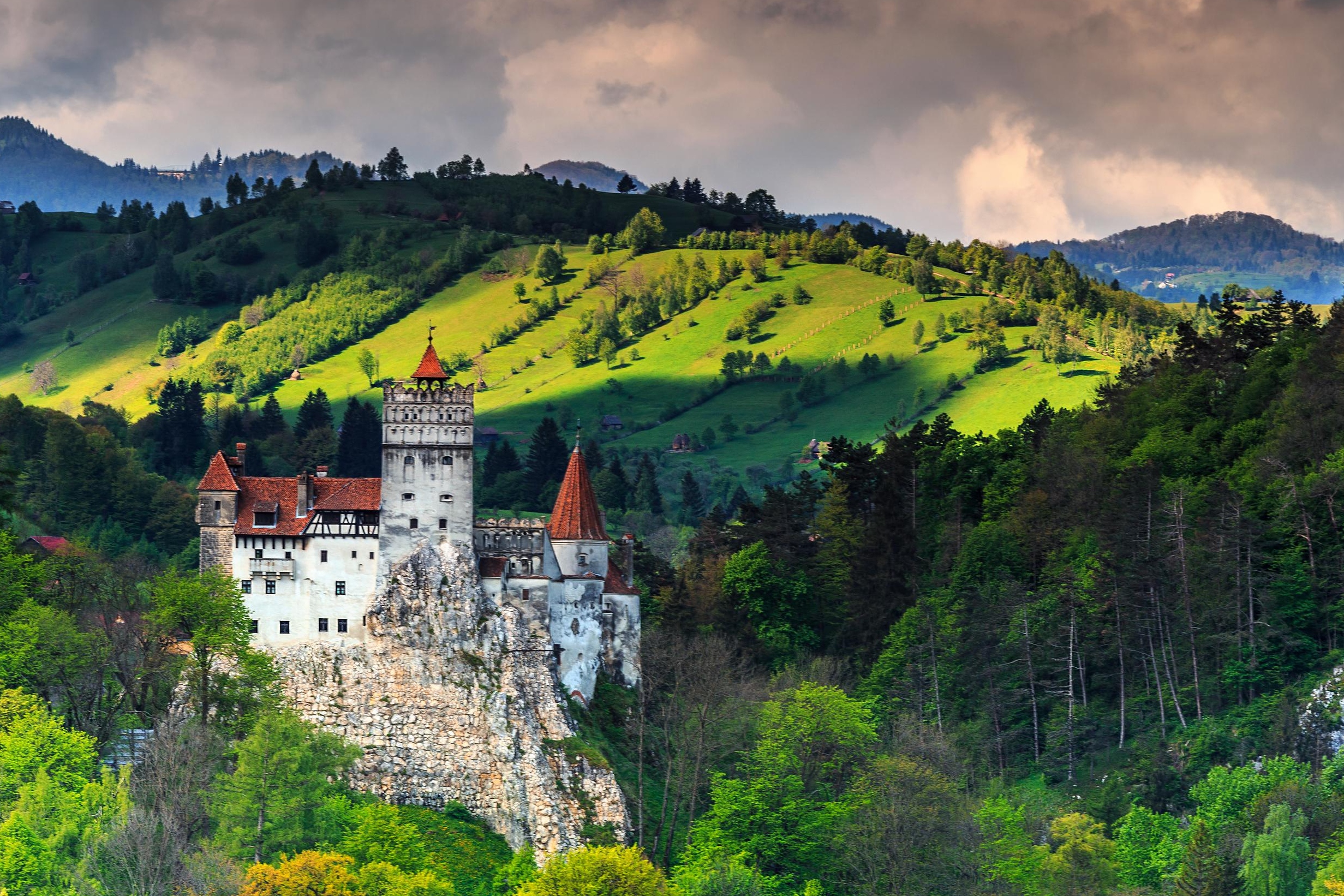
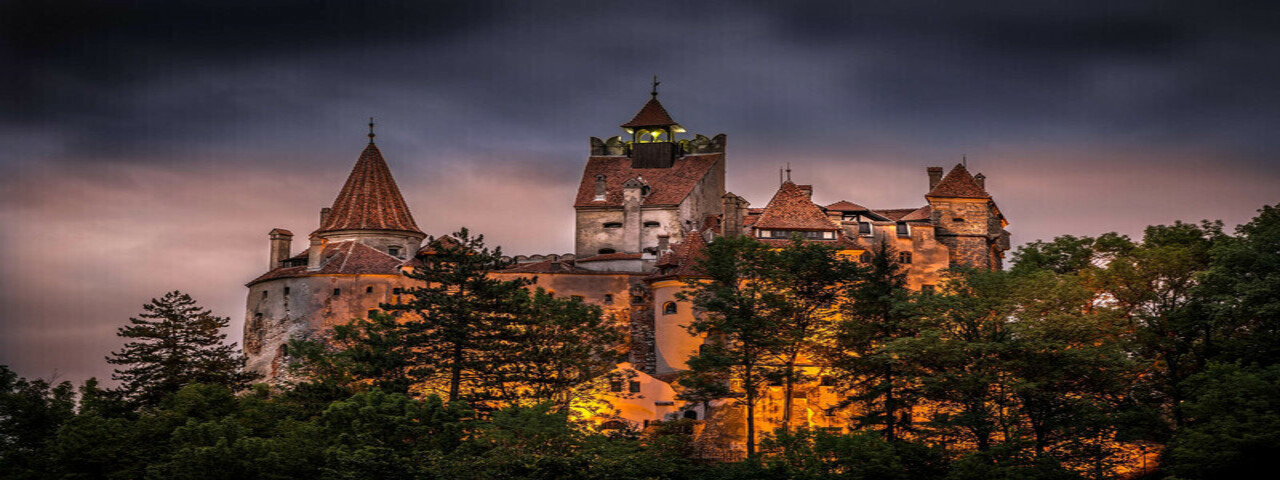
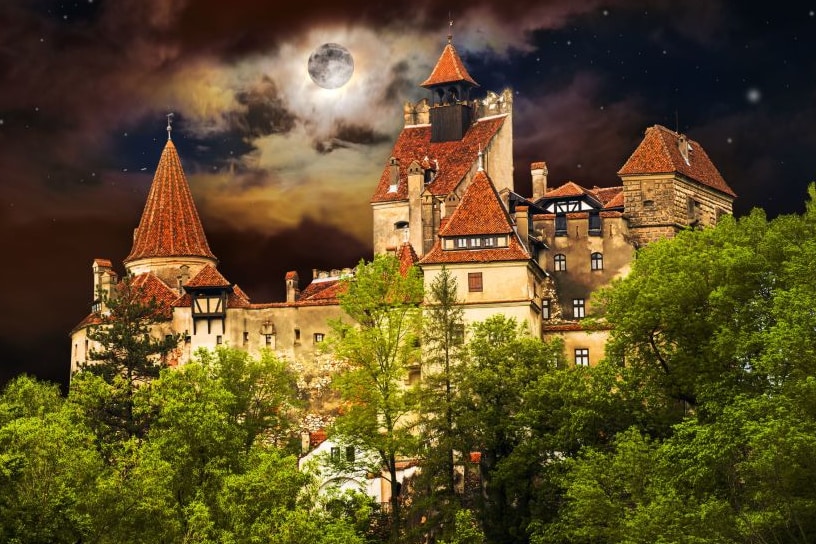
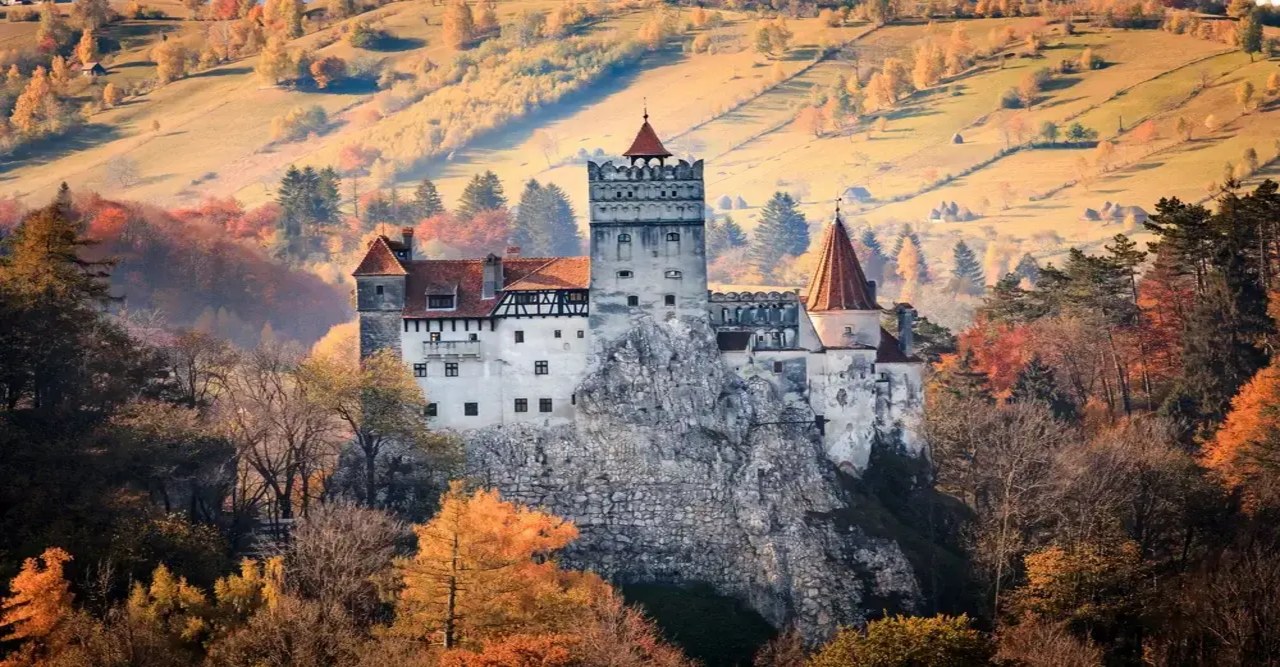
Bram Stoker’s character, Dracula, is a Transylvanian Count with a castle located high above a valley perched on a rock with a flowing river below in the Principality of Transylvania.
This character is often confused with Vlad Tepes (Vlad the Impaler), sometimes known as Vlad Dracul, who was a Walachian Prince with a castle, now in ruins, located in the Principality of Wallachia. Because Bran Castle is the only castle in all of Transylvania that actually fits Bram Stoker’s description of Dracula’s Castle, it is known throughout the world as Dracula’s Castle. Chapter 2, May 5 of “Dracula” describes the Count’s castle as “. . . on the very edge of a terrific precipice . . . with occasionally a deep rift where there is a chasm [with] silver threads where the rivers wind in deep gorges through the forests.”
What's not included
Entrance tickets to Bran Castle 90 ron/person. Peleș Castle 100 ron/person. Râșnov Cable Car 30 ron/person. Total
Available languages
Guide guide
EN
Important information
Public transportation options are available nearby
Infants are required to sit on an adult’s lap
Specialized infant seats are available
Suitable for all physical fitness levels
About Brasov
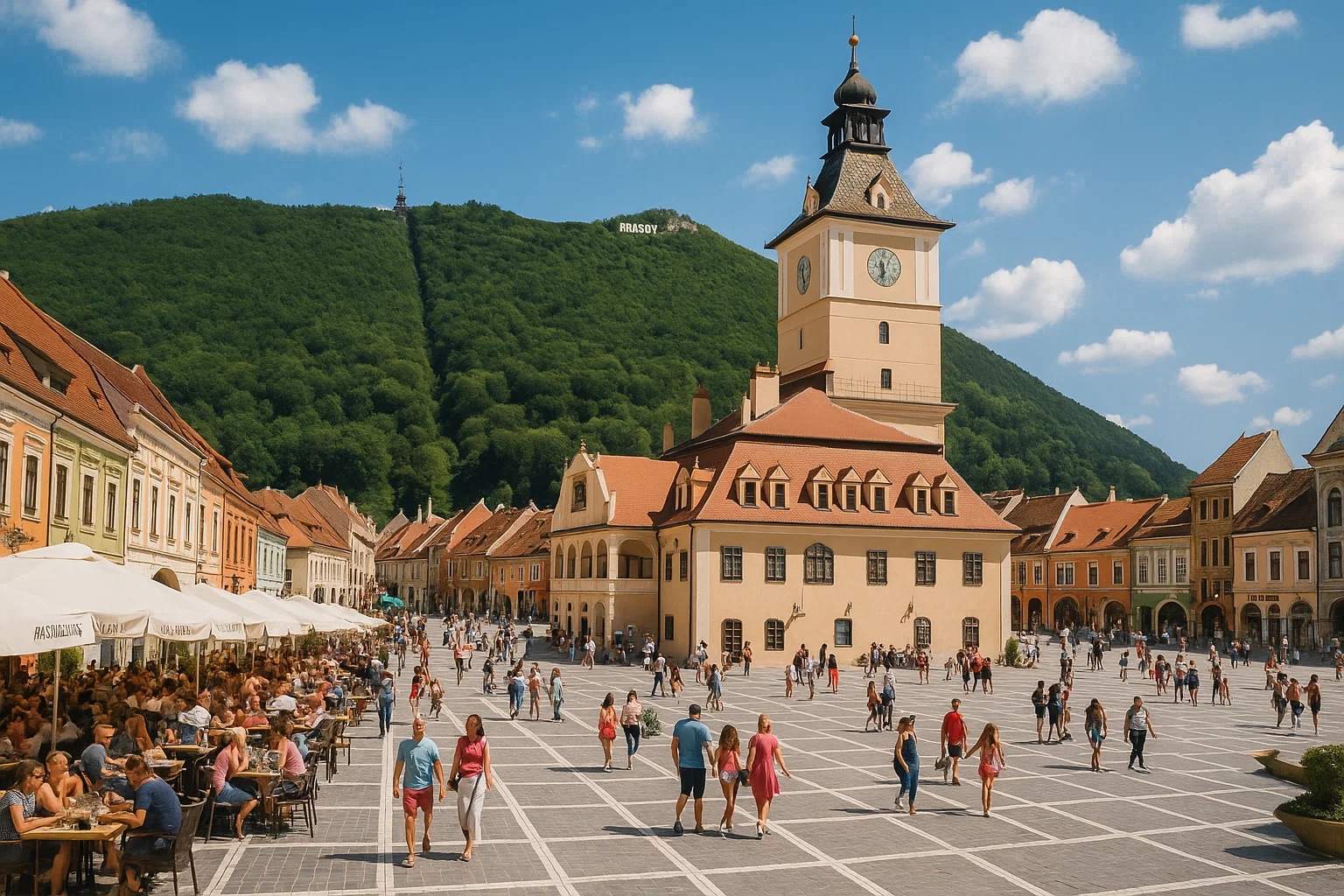
Brasov is a charming city in Transylvania, surrounded by the Carpathian Mountains. Known for its rich history, medieval architecture, and vibrant cultural scene, it's a perfect blend of past and present. The city is also a gateway to some of Romania's most stunning natural landscapes, including Bran Castle and Piatra Craiului National Park.
Top Attractions
Black Church (Biserica Neagră)
A stunning Gothic-style church, the largest in Romania, known for its impressive architecture and rich history.
Historical/Architectural
1-2 hours
3 EUR
Bran Castle
Often associated with Dracula, this medieval fortress is one of Romania's most famous landmarks.
Historical
3-4 hours
10 EUR
Piatra Craiului National Park
A breathtaking national park with dramatic limestone ridges, ideal for hiking and nature lovers.
Nature
Full day
Free
Rasnov Citadel
A well-preserved medieval fortress offering insights into Transylvanian history and panoramic views.
Historical
2-3 hours
4 EUR
Brasov Old Town
The historic heart of Brasov, filled with colorful buildings, charming squares, and vibrant cafes.
Cultural
Half day
Free
Must-Try Local Dishes
Sarmale
Cabbage rolls stuffed with a mixture of minced meat, rice, and spices
Main Course
Contains pork and beef
Mici
Grilled minced meat rolls, typically made with a mix of pork, beef, and lamb
Snack
Contains pork, beef, and lamb
Papanasi
Fried dough balls served with sour cream and jam
Dessert
Vegetarian-friendly
Popular Activities
Hiking in Piatra Craiului National Park
Skiing in Poiana Brașov
Coffee at Café Athenaeum
Strolling through Old Town
Visiting Black Church
Exploring Rasnov Citadel
Skiing
Snowboarding
Best Time to Visit
June to August
This is the busiest time with warm weather and numerous outdoor festivals. Ideal for hiking, sightseeing, and enjoying the vibrant city life.
15°C to 30°C
59°F to 86°F
Practical Information
Language
- Official: Romanian
- Widely spoken: English, German, Hungarian
- English: Moderately spoken
Currency
Romanian Leu (RON)
Time Zone
EET (GMT+2)
Electricity
230VV, 50HzHz
Safety Information
Overall Safety Rating: Generally safe
Brasov is generally safe for tourists, with low crime rates. However, petty theft and pickpocketing can occur in crowded areas.
Important Precautions:
- • Keep valuables secure
- • Use licensed taxis
- • Be cautious of strangers approaching you with unsolicited offers
Getting there
By air
- Brasov International Airport (GH1) • 12 km from city center
By train
Brasov Railway Station
By bus
Brasov Bus Station
Getting around
Public transport
Affordable and efficient, with frequent services. Buses are the primary mode of public transport in Brasov.
Taxis
Available • Apps: Uber, Bolt
Rentals
Car, Bike, Scooter
Neighborhoods
City Center
Râșnov
Poiana Brașov
Day trips
Bran Castle
30 km • Half day
Explore the famous Bran Castle, often associated with Dracula, and enjoy the scenic surroundings.
Piatra Craiului National Park
20 km • Full day
Hike through stunning landscapes and enjoy the natural beauty of this national park.
Râșnov
15 km • Half day
Visit the historic Rasnov Citadel and enjoy the scenic views and outdoor activities.
Festivals
Brasov Folk Festival • July
Christmas Market • December
Pro tips
- Visit the Black Church early in the morning to avoid crowds
- Combine a visit to Bran Castle with a hike in Piatra Craiului National Park for a full day of history and nature
- Explore the local markets for unique souvenirs and traditional crafts
- Try traditional Romanian dishes like sarmale and mici at local restaurants
- Use public transport or walk to explore the city center, as it's compact and pedestrian-friendly
From $25
per person
Price varies by option
Secure booking
Free cancellation available
Instant confirmation