Guided tour of Aquileia, a UNESCO site for its Roman history
Active
2h
For a full refund, cancel at least 24 hours before the scheduled departure time.
Manual confirmation
Mobile or paper ticket accepted
About this experience
Come and discover Aquileia, a Roman city and UNESCO site.
It's hard to imagine, but once upon a time, during the heyday of the Roman Empire, this small village near the Adriatic coast was a bustling commercial city that due to its size and splendor was the fourth largest city in Italy!
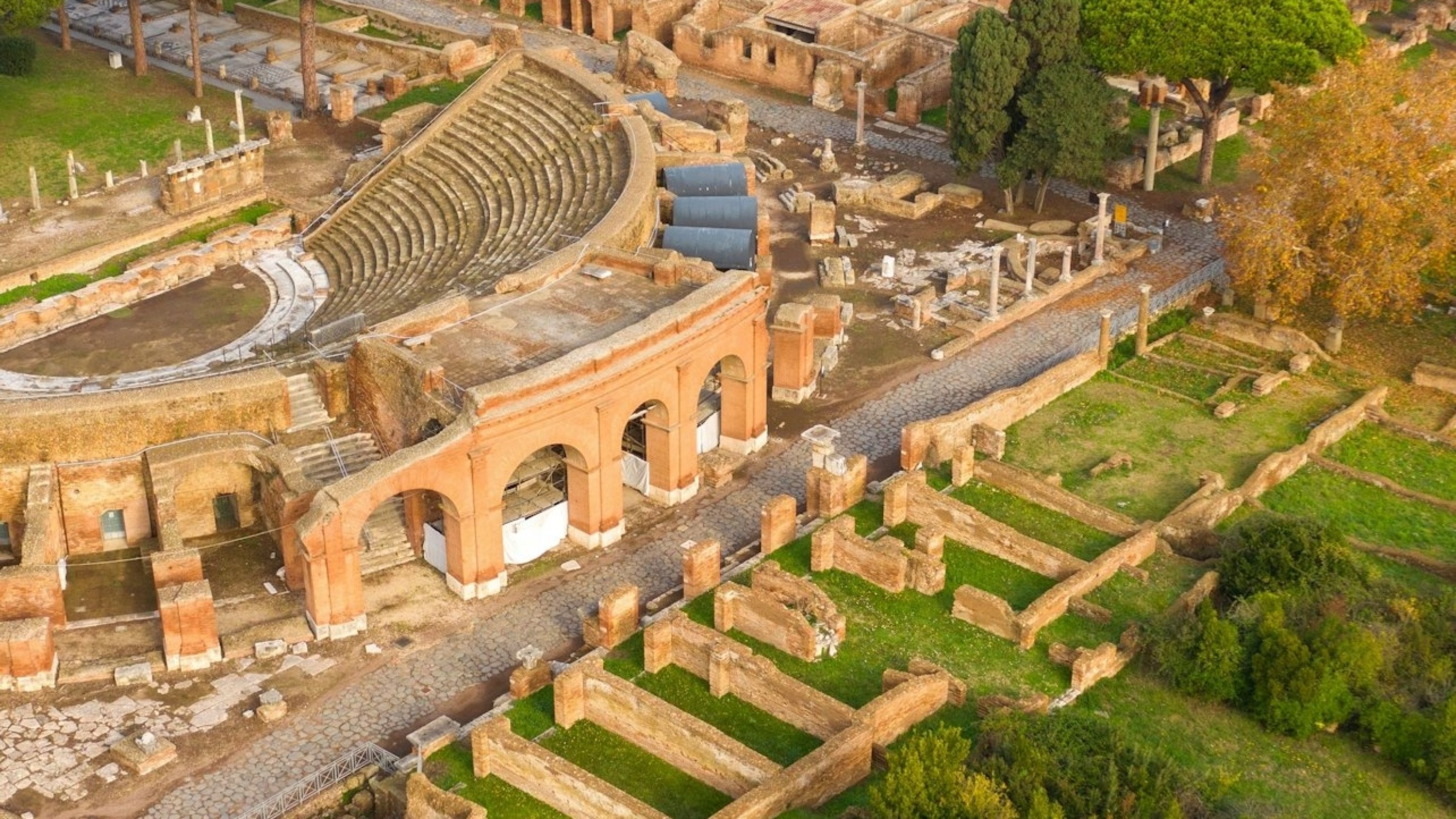
Aquileia is an exceptional archaeological site which has been part of the UNESCO world heritage site since 1998. We will visit the excavations and ancient remains of the Roman Forum, the imposing structures of the old river port and the remains of the Roman Domus.
Don't miss the magnificent Early Christian Basilica which houses the largest mosaic floor in the Western Christian world dating back to the fourth century.
The last gem is Tito Macro's Domus. The largest reconstruction of a real Domus in Italy of 1,700 m2.
From the engine of the Roman city to the wonders of the Middle Ages to end with the history of the First World War: this is the meaning of this very interesting tour.
Available options
Guided tour of Aquileia, a UNESCO site for its Roman history
What's included
The guided walking tour with a certified guide
Detailed itinerary
1
We visit the Basilica of Aquileia with its crypt of frescoes and crypt of excavations. The first early Christian church in Northern Italy, transformed in Romanesque and Gothic style from the 11th century, famous for the largest mosaic floor in Europe of 750 m2 of the fourth century.
2
Remains of the baptistery and mosaics of the fourth century.
3
The remains of 3 levels of mosaic floors dating back to the first century BC.C up to the 4th century AD.C becoming the bishop's palace in the fourth century.
4
The largest reconstruction in Italy of a true Roman Domus where we can observe the ancient mosaic floors and understand its structure and functionality.
5
Taking a walk along the Via Sacra we pass in front of the excavations of the former river port of Aquileia from the Roman era.
6
We stop to observe the excavations of the Roman Forum of Aquileia
7
Roman road
What's not included
Entrance Basilica of Aquileia, baptistery, domus Tito Macro and remains floor episcopal palace.
Available languages
Guide guide
DE
EN
IT
NL
Reviews breakdown
Viator
5.0
2 reviews
5★
2
4★
0
3★
0
2★
0
1★
0
Tripadvisor
5.0
6 reviews
5★
6
4★
0
3★
0
2★
0
1★
0
Important information
Wheelchair accessible
Public transportation options are available nearby
Transportation options are wheelchair accessible
Suitable for all physical fitness levels
Meeting point
main car park in Via Giulia Augusta
Important notes
tickets must be given to the guide
About Friuli-Venezia Giulia
Friuli-Venezia Giulia is a picturesque and diverse region in northeastern Italy, where the Alps meet the Adriatic Sea. Known for its rich cultural heritage, stunning landscapes, and delicious cuisine, it offers a unique blend of Italian, Austrian, and Slavic influences. This region is perfect for travelers seeking a mix of history, nature, and gastronomy.
Top Attractions
Trieste
Trieste is a charming coastal city with a rich history and a unique blend of Italian, Austrian, and Slavic influences. It's known for its stunning architecture, vibrant cafes, and cultural attractions.
Historical/Cultural
2-3 days
Moderate
Udine
Udine is a beautiful city with a medieval old town, elegant palaces, and a rich cultural heritage. It's known for its stunning architecture, vibrant markets, and delicious local cuisine.
Historical/Cultural
1-2 days
Moderate
Cividale del Friuli
Cividale del Friuli is a historic town with a rich cultural heritage and a unique blend of Italian and Slavic influences. It's known for its stunning architecture, vibrant festivals, and delicious local cuisine.
Historical/Cultural
Half day
Moderate
Carso
Carso is a stunning natural area with a unique landscape of limestone plateaus, caves, and forests. It's known for its hiking trails, scenic views, and rich biodiversity.
Nature
Half day to full day
Free to Moderate
Grado
Grado is a beautiful coastal town with a long sandy beach, crystal-clear waters, and a vibrant atmosphere. It's known for its beach activities, water sports, and delicious seafood.
Beach
Half day to full day
Moderate
Must-Try Local Dishes
Cjarsons
Cjarsons are sweet or savory dumplings filled with a mixture of breadcrumbs, raisins, dried figs, walnuts, cinnamon, and lemon zest. They are typically served with a sauce made from melted butter, sugar, and cinnamon.
Dumplings
Vegetarian
Frico
Frico is a crispy cheese pancake made with Montasio cheese, potatoes, and onions. It is typically served as a snack or appetizer.
Snack
Vegetarian
Gnocchi di Susine
Gnocchi di Susine are sweet dumplings made with plums, flour, and sugar. They are typically served with a sauce made from melted butter, sugar, and cinnamon.
Dessert
Vegetarian
Brodeto di Pesce
Brodeto di Pesce is a traditional fish stew made with a variety of fresh fish, tomatoes, onions, garlic, and white wine. It is typically served with polenta or crusty bread.
Main Course
Contains seafood
Popular Activities
Hiking in the Carso
Cycling in the countryside
Water sports in Grado
Sunbathing in Grado
Enjoying a coffee in a historic cafe
Exploring the old towns
Visiting museums and galleries
Exploring historic churches and castles
Best Time to Visit
May to September
This is the best time to visit for warm weather and outdoor activities. The region is lively with festivals, beach activities, and hiking opportunities. The crowds are high, especially in July and August.
15°C to 30°C
59°F to 86°F
Practical Information
Language
- Official: Italian
- Widely spoken: Slovene, German, English
- English: Moderately spoken
Currency
Euro (EUR)
Time Zone
GMT+1 (CET), GMT+2 (CEST during daylight saving time)
Electricity
230VV, 50HzHz
Safety Information
Overall Safety Rating: Generally safe
Friuli-Venezia Giulia is generally safe for travelers, with low crime rates and a welcoming atmosphere. However, it is always advisable to take basic precautions to ensure a safe and enjoyable trip.
Important Precautions:
- • Keep valuables secure and out of sight
- • Use licensed taxis or ride-sharing services
- • Be cautious of strangers approaching you with petitions or surveys
Getting there
By air
- Trieste Ronchi dei Legionari Airport • 30 km from Trieste
By train
Trieste Centrale, Udine
By bus
Trieste, Udine, Gorizia
Getting around
Public transport
The bus network in Trieste and other major cities is efficient and covers most areas. Buses are the primary mode of public transport.
Taxis
Available • Apps: FreeNow, ItTaxi
Rentals
Car, Bike, Scooter
Neighborhoods
Trieste Centro Storico
Udine Centro Storico
Gorizia Centro Storico
Day trips
Venice
150 km • Full day
Venice is a romantic and enchanting city built on water, known for its canals, gondolas, and stunning architecture. It is a popular day trip from Friuli-Venezia Giulia.
Ljubljana
80 km • Full day
Ljubljana is the charming capital of Slovenia, known for its stunning architecture, vibrant cafes, and rich cultural heritage. It is a popular day trip from Friuli-Venezia Giulia.
Grado
60 km • Half day to full day
Grado is a beautiful coastal town with a long sandy beach, crystal-clear waters, and a vibrant atmosphere. It is a popular day trip from Friuli-Venezia Giulia.
Festivals
Grape and Wine Festival • September
Christmas Markets • December
Carnevale di Venezia • February/March
Pro tips
- Visit the historic cafes in Trieste for a taste of the city's rich cultural heritage and delicious coffee.
- Explore the region's agriturismi (farm stays) for an authentic and unique experience, allowing you to immerse yourself in the region's culture and landscape.
- Try the local wines and enjoy a wine tasting tour to discover the region's rich wine culture and high-quality wines.
- Visit the Temple Valley in Cividale del Friuli for a unique cultural experience, featuring a blend of Italian and Slavic influences.
- Explore the Grotta Gigante, one of the largest caves in the world, for a stunning and unforgettable experience.
From $25
per person
Price varies by option
Secure booking
Free cancellation available