Arrabida & Wine Experience
Active
8h
For a full refund, cancel at least 24 hours before the scheduled departure time.
Instant confirmation
Mobile or paper ticket accepted
About this experience
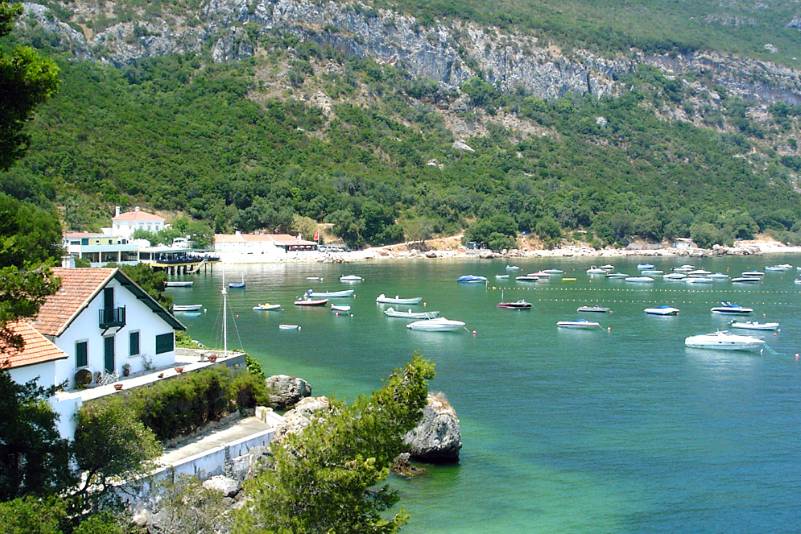
Arrábida Natural Park covers an area of 10,800 hectares, covering areas of the municipalities of Setubal, Palmela and Sesimbra. The originality of the landscape is due not only to its natural characteristics but also to the remote humanization of these spaces, which in general was developed in harmony with the natural environment involving history and cultural heritage. A sublime combination with a wine tasting is one of the most famous and emblematic treasures of this region that you will find in a sublime visit.
We´re specialized in services and unique travel experiences in Portugal.
Our experience is your guarantee that we understand, meet and exceed your expectations. We invite you to experience the authenticity of a full day tour through Arrábida, Setúbal & Palmela.
Where you will know the best of Portugal!
Available options
Arrabida & Wine Experience
Pickup included
What's included
Private transportation
Bottled water
Air-conditioned vehicle
Free Wifi Internet
Detailed itinerary
1
Stop 1
Inspiring for some, symbol of dictatorship and obscurantism for others, the monument to Christ leaves no one indifferent. It was inaugurated across the Tagus in 1959, as a way for the Portuguese episcopate to thank God for having spared Lisbon from World War II.
The 28 meter-high (90ft) image of Christ stands at a 75 meter-tall pedestal (246ft), and an elevator takes visitors up to the feet of the statue, with the 25 April Bridge standing right below. From the statue or from the terrace across the monument there´s a beautiful panoramic view of practically the entire city of Lisbon.
2
The vineyard has 14 ha and was planted in 1972. At the request of Thomas Scoville, then owner of Quinta da Bacalhôa, António Avillez installed a vineyard here to produce a wine with a similar design to that used in Bordeaux, namely in Médoc. Cabernet Sauvignon, Merlot and Petit Verdot are the red varieties produced here. The vineyard planted at Quinta da Bacalhôa finds the ideal terroir for the production of excellent wines: well-drained clay-limestone soils and mild climate due to the strong Atlantic influence.
Discover a privileged landscape passing along the gardens and the vineyards to the lake house, where you can find the first tile dated in Portugal and discover the unique pieces of art from the private art collection of the Commander.
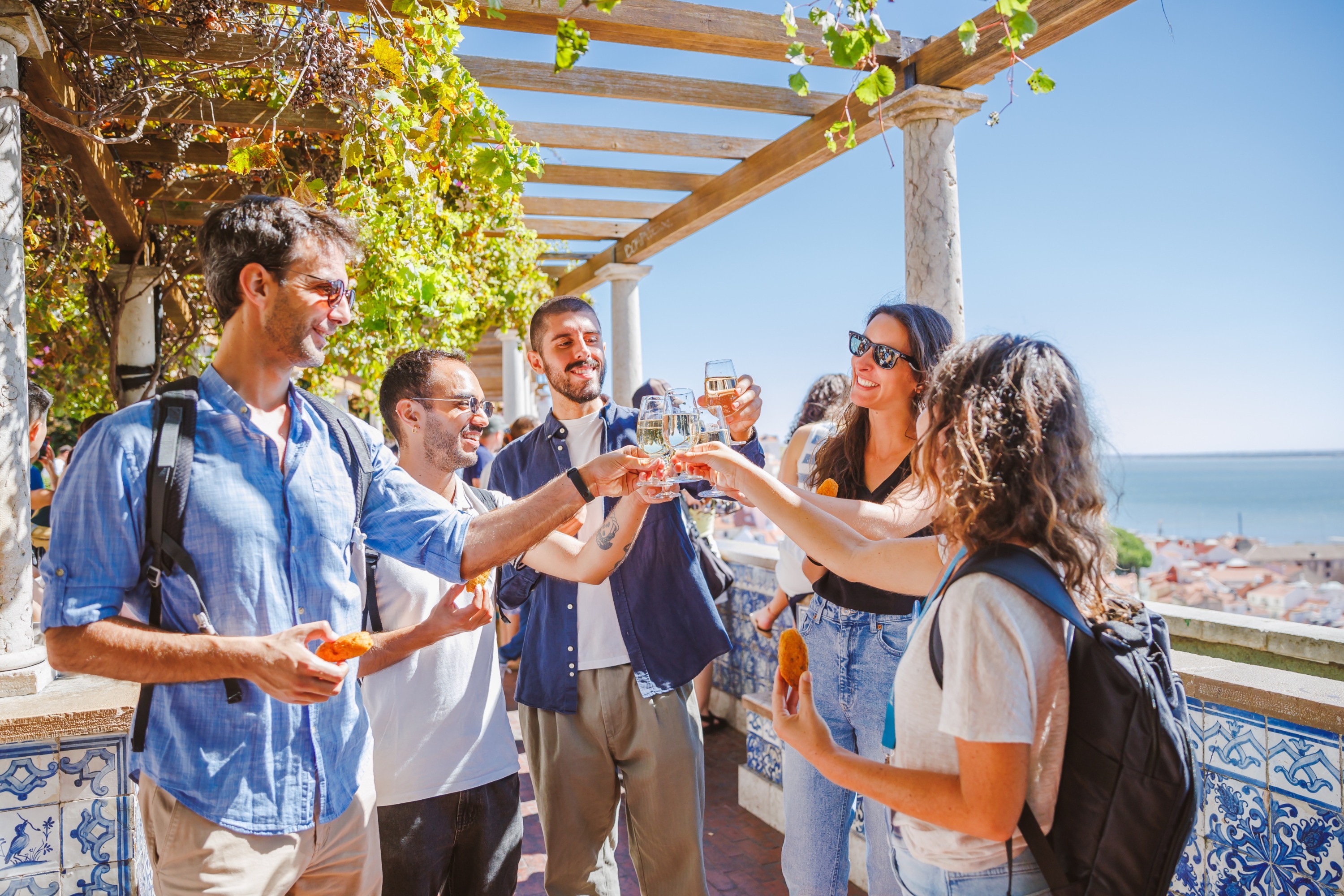
The experience includes a visit to the Bacalhôa Museum and ends with a wine tasting.
3
Stop 3
The Palmela castle is located on one of the highest points in the Arrabida Mountain. It is difficult to get to and was hence ideal for its role in defending the surrounding lands.
During the Christian Reconquest led by the first king of Portugal, Afonso Henriques, Palmela was part of the defensive line built south of the Tagus. At that time, the king bestowed the lands of Palmela, Almada and Alcácer to the Order of Holy Sword which took on responsibility for their defense and settlement. In 1205, king Sancho I reaffirmed this gift by installing the Order´s Chapter in the castle.
In the 15th century, king John I set about a series of restoration projects, particularly focusing on the Donjon tower, and decreeing the construction of the convent that would become the Order's headquarters as from 1443. The castle underwent further alterations in the 17th century, during the reign of king Pedro II.
The Santiago convent remained active through the prohibition of religious orders in 1834. After a period left abandoned, the building was restored by the state in 1945 and transformed into the Pousada (manor hotel) of Portugal.
4
Around 1 km from the city of Setubal, there is the imposing Fort of St. Philip (Saint Philip) guarding access to the Sado river. It is named after the king who ordered its construction, Philip I of Portugal and the II of Spain, in 1590. Italian military engineer Filipe Terzi, protégé of the Spanish Royal Court, was awarded the project. It was completed in 1600 but under the guidance of Leonardo Torreano due to the death of Filipe Terzi.
These fortifications are an example of the adaptations being made due to new military strategies and the progress in ballistic firepower that were being made at the beginning of the 17th century. The star shape and the thickness of the double walls, and wide moat, ensured attacks could not be concentrated hence increasing the defensive effectiveness.
On the inside, the fort was protecting a number of buildings including the former governors residence and a small chapel decorated in tiles completed by the artist Policarpo de Oliveira Bernardes. These represent scenes from the life of Saint Philip and are dated 1736.
What's not included
Tickets / Meals / Gratuities
Any Private Expenses
Available languages
Guide guide
EN
Reviews breakdown
Tripadvisor
5.0
2 reviews
5★
2
4★
0
3★
0
2★
0
1★
0
Important information
Specialized infant seats are available
Public transportation options are available nearby
Infants and small children can ride in a pram or stroller
Suitable for all physical fitness levels
About Lisbon
Lisbon, the capital of Portugal, is a vibrant city known for its rich history, stunning architecture, and warm climate. With its charming streets, historic trams, and breathtaking viewpoints, Lisbon offers a unique blend of old-world charm and modern energy.
Top Attractions
Belém Tower
A UNESCO World Heritage Site, this 16th-century tower is an iconic symbol of Lisbon's Age of Discoveries.
Historical
1-2 hours
€6
Alfama District
Lisbon's oldest district, known for its narrow, winding streets, Fado music, and historic charm.
Historical
Half day
Free to explore, attractions may have entry fees
Sintra
A UNESCO World Heritage Site, Sintra is a romantic town with stunning palaces and castles.
Historical
Full day
Varies by attraction, around €10-€15 per site
Must-Try Local Dishes
Bacalhau à Brás
Shredded codfish with eggs, potatoes, and onions
Main Dish
Contains fish and eggs
Pastel de Nata
Custard tart with a flaky pastry crust
Dessert
Contains dairy and eggs
Francesinha
A sandwich with meat, cheese, and a beer-based sauce
Main Dish
Contains meat, cheese, and gluten
Popular Activities
Hiking in Sintra
Surfing in Ericeira
Parasailing in Cascais
Beach lounging in Costa da Caparica
Spa day in a luxury hotel
Picnic in Jardim da Estrela
Visiting museums and galleries
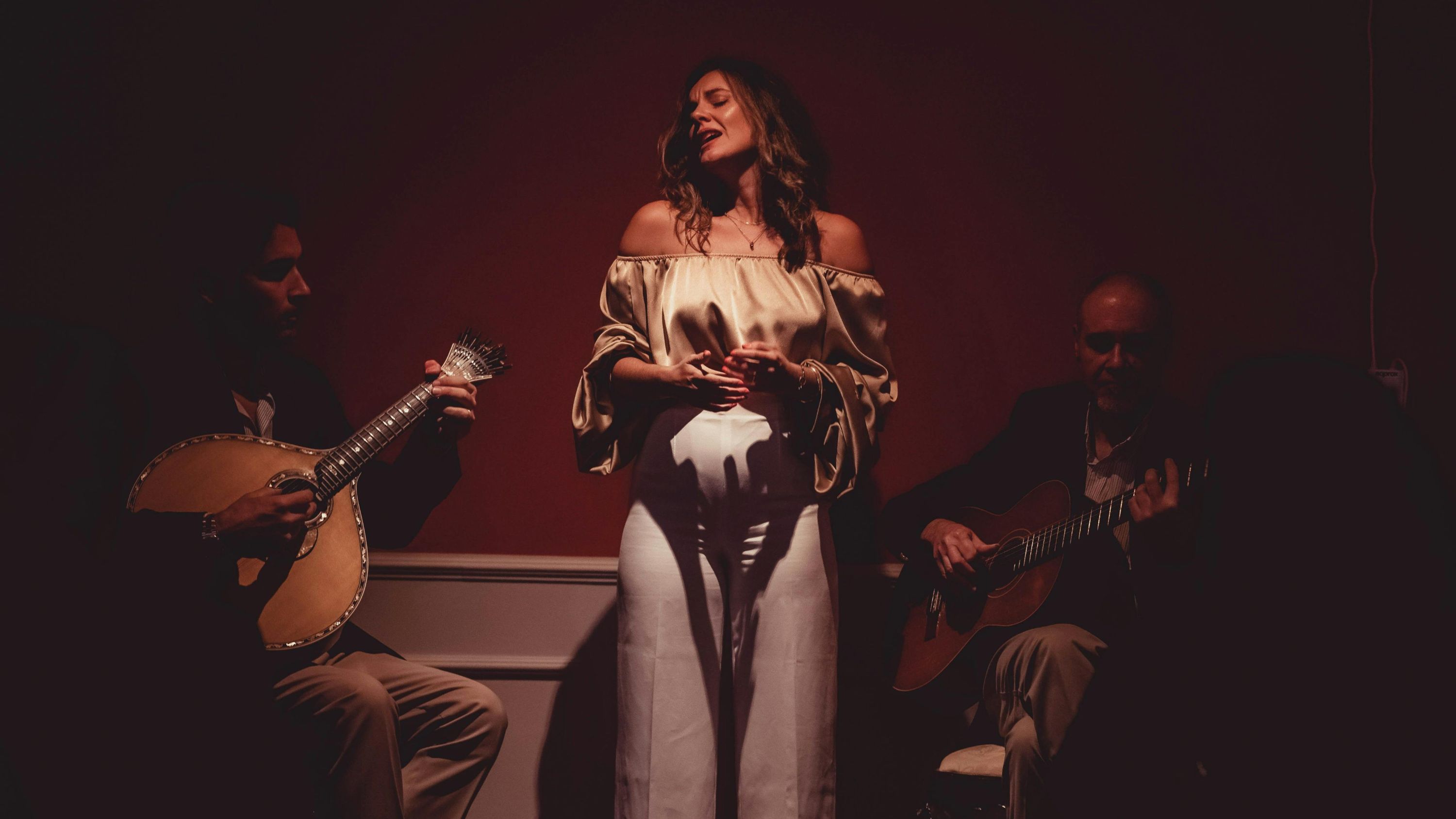
Attending Fado performances
Best Time to Visit
March to May, September to October
These months offer pleasant weather and fewer crowds, making it ideal for sightseeing and outdoor activities.
15-25°C
59-77°F
Practical Information
Language
- Official: Portuguese
- Widely spoken: English, Spanish, French
- English: Moderately spoken
Currency
Euro (EUR)
Time Zone
GMT+1 (Western European Time, WET)
Electricity
230VV, 50HzHz
Safety Information
Overall Safety Rating: Generally safe
Lisbon is generally safe, but pickpocketing and petty theft can occur in crowded areas.
Important Precautions:
- • Be cautious of pickpockets in crowded areas
- • Use licensed taxis or ride-sharing apps
- • Avoid walking alone at night in less crowded areas
Getting there
By air
- Humberto Delgado Airport • 7 km from city center
By train
Santa Apolónia, Oriente
By bus
Sete Rios, Jardim do Campo Grande, Gare do Oriente
Getting around
Public transport
Efficient and clean, with four lines connecting major attractions.
Taxis
Available • Apps: Bolt, FreeNow
Rentals
Car, Bike, Scooter
Neighborhoods
Alfama
Baixa
Bairro Alto
Day trips
Sintra
25 km from Lisbon • Full day
A romantic town with stunning palaces, castles, and lush gardens.
Cascais
30 km from Lisbon • Half day to full day
A charming coastal town with beautiful beaches, historic sites, and a relaxed atmosphere.
Óbidos
80 km from Lisbon • Full day
A medieval town with a well-preserved castle, narrow streets, and charming shops.
Festivals
Santos Populares • June 13th
Festival dos Oceanos • June to September
Arraial do Alfoz • June to September
Pro tips
- Visit the Time Out Market for a variety of local and international cuisines
- Take a day trip to Sintra and Cascais for a mix of history and beach relaxation
- Explore the LX Factory for a unique shopping and dining experience
- Ride the historic Tram 28 for a scenic tour of the city
- Visit the MAAT museum for a blend of art, architecture, and technology
From $25
per person
Price varies by option
Secure booking
Free cancellation available
Instant confirmation