Puebla World Heritage Site: pedestrian route
Active
3h
For a full refund, cancel at least 24 hours before the scheduled departure time.
Instant confirmation
Mobile or paper ticket accepted
About this experience
On this walk through the Historic Center of Puebla you will discover why it was named by the UNESCO World Heritage Site. You will visit the main buildings and temples of the downtown neighborhood, in addition to being able to buy typical handicrafts and sweets.
Our certified guide will explain to you the stories and legends that have enriched our ancestors since their foundation.
You will visit the Cathedral, the Gallery of the Treasures of the Cathedral, the Zócalo de Puebla, the Municipal Palace and if possible the Hall of Cabildo where the councilors make our city a better place to live; You will also visit the most impressive jewel of the continent, bathed in gold.
Available options
Puebla World Heritage Site: pedestrian route
What's included
Certified guide
Detailed itinerary
1
Stop 1
It is dedicated to Our Lady of the Immaculate Conception and is the seat of the archdiocese of Puebla. Its construction dates from the year 1539 but it was not until 1690 that it acquired the shape and size that it has today. It is in the Herrera style, with Renaissance facades and baroque interiors. Today, it is considered one of the most beautiful in the world by the many treasures inside.
2
Stop 2
This chapel is considered the maximum jewel of the Mexican baroque thanks to the exquisite decoration that it keeps inside. Its construction dates back to the 17th century and is the first in Mexico dedicated to Our Lady of the Rosary.
The sumptuous decoration onyx, gilded plaster, paintings and tiles lined with 22-carat gold sheets, make the chapel a unique property of its kind!
3
The Municipal Palace is built on what was the former audience, started in 1887 and finished in 1906. The image presented today dates back to the beginning of the 20th century with strong reminiscences of Porphyrian neoclassical architecture, inspired in turn by the French style of fashion.
We can enter the Hall of Cabildo if there is no meeting of officials and the Palace is open to the public.
4
The Zocalo is located in the heart of the historic center of the city of Puebla, surrounded by shops, restaurants, the Cathedral of the city, the City Hall, cafes, etc. Before being called the Zocalo, the area was known as the Plaza de Armas, since if during a battle the enemy dominated it it could control from it the rest of the city.
In the sixteenth and seventeenth centuries the theater functions and other leisure activities were performed in the Zocalo, even its design was different, the fountain was on the side to be able to perform bullfights. In 1869 the current garden was started and from 1872 to 1883 the iron benches were placed.
5
Also called Calle de Santa Clara, because there is the former convent of Poor Clares nuns, who since the eighteenth century make delicious rompopes, sweets and cookies, of different forms and presentations that combine recipes and ingredients. Here you can gastronomic delights.
6
Handicraft market where you can acquire the best memories.
7
It is an attractive corner with a baroque fountain adorned with sculptures, where you can take a pleasant walk to meet the workshops of painters and artists who work in public view.
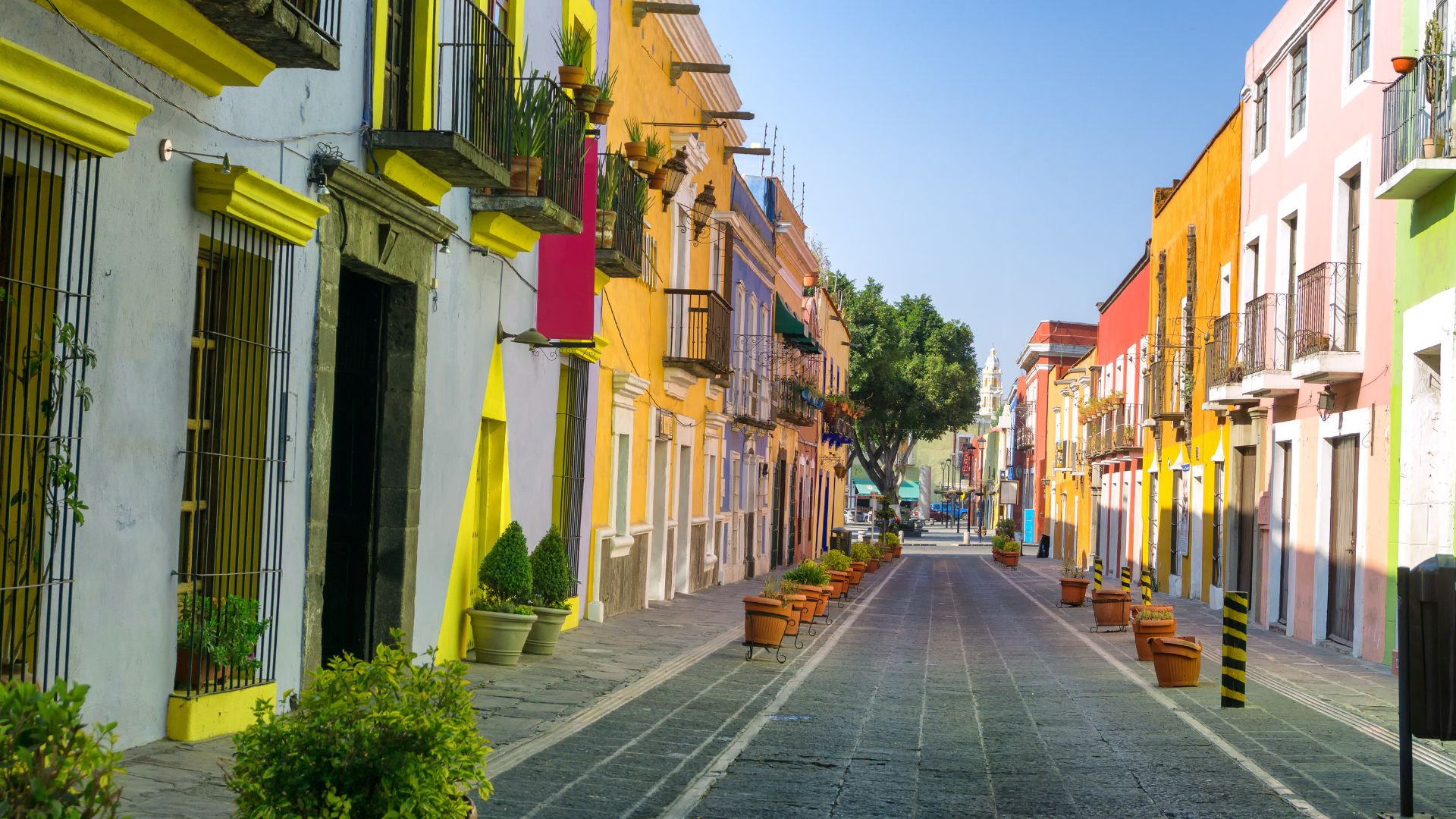
This bohemian neighborhood of Puebla is perfect for a pleasant walk or to sit in a cafe to look at the colorful atmosphere of the street.
What's not included
Meals
Available languages
Guide guide
EN
ES
Reviews breakdown
Viator
5.0
1 reviews
5★
1
4★
0
3★
0
2★
0
1★
0
Important information
Wheelchair accessible
Infants and small children can ride in a pram or stroller
Service animals allowed
Public transportation options are available nearby
Infants are required to sit on an adult’s lap
Transportation options are wheelchair accessible
All areas and surfaces are wheelchair accessible
Travelers should have at least a moderate level of physical fitness
Not recommended for travelers with mobility problems as it is a pedestrian tour
Meeting point
Tip Tours DMC booth located inside "Puebla Visitor´s Centre": Ground floor of the City Hall, under the arches- in front of the City scale model made in bronze. The meeting point isn't in the corner. Tip Tours DMC module inside the Tourist Office under the arches of the Municipal Palace.
Important notes
Please present your receipt to the guide who picks you up at your hotel or to our Tip Tours & DMC representative at the Municipal Tourism office.
About Puebla City
Puebla City, known as the 'City of Angels,' is a colonial gem in Mexico with a rich history, vibrant culture, and stunning architecture. It's famous for its Talavera pottery, mole poblano, and the historic center, a UNESCO World Heritage Site.
Top Attractions
Zócalo
The main square of Puebla, surrounded by beautiful colonial buildings, cafes, and shops.
Historical
1-2 hours
Free
Puebla Cathedral
A stunning example of Mexican Baroque architecture, this cathedral is a must-visit for its history and beauty.
Religious
1 hour
Free (donations welcome)
Rosario Chapel
A small but exquisite chapel known for its intricate interior design and gold leaf decorations.
Architectural
30 minutes
50 MXN
Fort Loreto and Guadalupe
These forts played a significant role in the Battle of Puebla and offer a glimpse into Mexico's history.
Historical
2-3 hours
50 MXN
Libres Market
A bustling market offering a variety of local products, from food to crafts.
Market
1-2 hours
Free to enter (prices vary for items)
Must-Try Local Dishes
Mole Poblano
A rich, complex sauce made with chocolate, chili peppers, and spices, typically served over chicken.
Dinner
Contains meat and chocolate, may contain nuts
Chiles en Nogada
Poblano chili peppers stuffed with picadillo (a mixture of meat, fruits, and spices), topped with walnut sauce and pomegranate seeds.
Dinner
Contains meat and nuts
Cemitas
A sandwich made with sesame seed rolls, filled with various ingredients like meat, cheese, and avocado.
Lunch
Can be customized for dietary restrictions
Tostadas de Tetelas
A traditional dish made with masa (corn dough) filled with cheese and beans, then fried and served with salsa.
Snack
Vegetarian
Popular Activities
Hiking in nearby mountains
Exploring the Great Pyramid of Cholula
Strolling through the Historic Center
Enjoying a meal at a local restaurant
Visiting museums and historical sites
Attending local festivals and events
Visiting nearby waterfalls and natural springs
Enjoying the mild winter weather
Best Time to Visit
November to April
This is the dry season with pleasant weather, making it ideal for sightseeing and outdoor activities.
15-28°C
59-82°F
Practical Information
Language
- Official: Spanish
- Widely spoken: English (in tourist areas)
- English: Moderately spoken in tourist areas
Currency
Mexican Peso (MXN)
Time Zone
GMT-6
Electricity
127VV, 60HzHz
Safety Information
Overall Safety Rating: Generally safe
Puebla is generally safe for tourists, but common sense and precautions should be taken to avoid petty crimes like pickpocketing.
Important Precautions:
- • Keep valuables secure and out of sight
- • Use official taxis or app-based services
- • Be cautious when using ATMs, especially at night
Getting there
By air
- Hermanos Serdán International Airport • 15 km from city center
By train
Puebla Central Station
By bus
CAPU Bus Station, 4 Poniente Bus Station
Getting around
Public transport
The RUTA bus system is the main public transport in Puebla. It's affordable and covers most of the city.
Taxis
Available • Apps: Uber, Didi
Rentals
Car, Bike, Scooter
Neighborhoods
Historic Center
Cholula
La Paz
Day trips
Cholula
10 km from Puebla City • Half day
Cholula is a nearby town known for its Great Pyramid and the Church of Our Lady of Remedies.
Atlixco
30 km from Puebla City • Full day
Atlixco is a picturesque town known for its flowers and scenic views.
San Pedro Cholula
10 km from Puebla City • Half day
A charming town with a mix of history and modern amenities.
Festivals
Festival de los Muertos • November 1-2
Festival de la Virgen de Guadalupe • December 12
Pro tips
- Visit the Great Pyramid of Cholula early in the morning to avoid crowds
- Try mole poblano at a local restaurant for an authentic taste of Puebla
- Explore the Historic Center on foot to discover hidden gems and charming streets
- Use the RUTA bus system for affordable and convenient transportation around the city
- Bargain at markets like Libres Market for the best deals on souvenirs and local products
From $25
per person
Price varies by option
Secure booking
Free cancellation available
Instant confirmation