Ipoh Full Day Heritage Tour from Kuala Lumpur
Active
11h - 12h
For a full refund, cancel at least 24 hours before the scheduled departure time.
Instant confirmation
Mobile or paper ticket accepted
About this experience
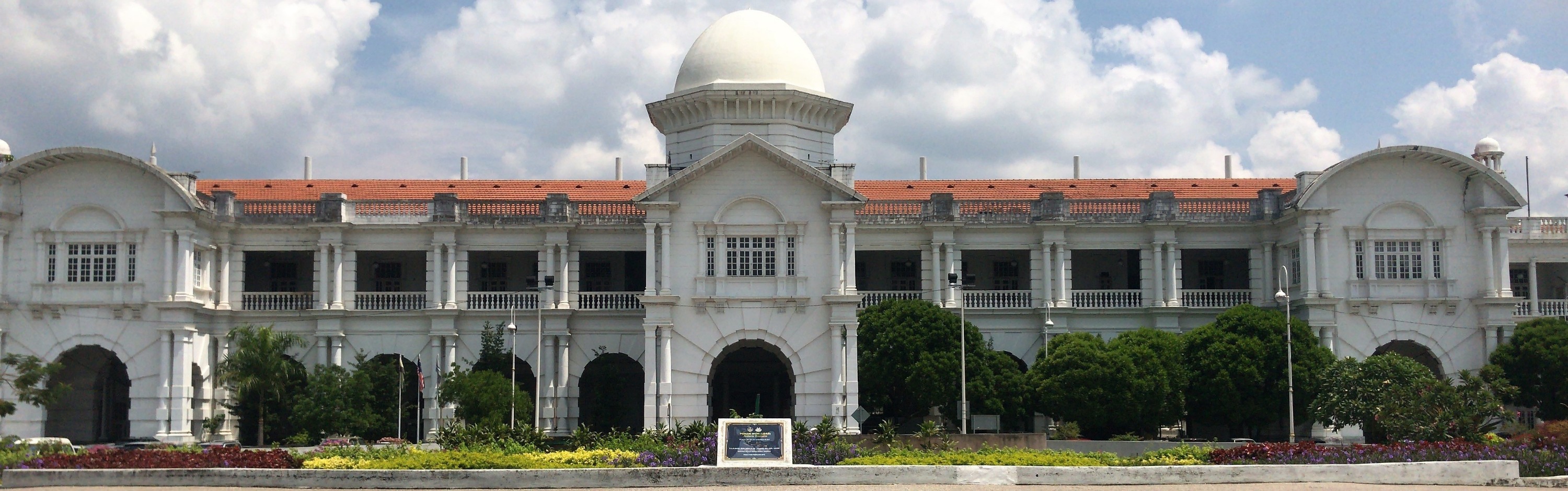
Ipoh has many nice attractions and sights in and around the city. One popular attraction is the Railway Station, Town Hall and High Court. Other attractions are: Ipoh Heritage Walk, Kellie's Castle, Perak Cave with its numerous beautiful Buddha statues.
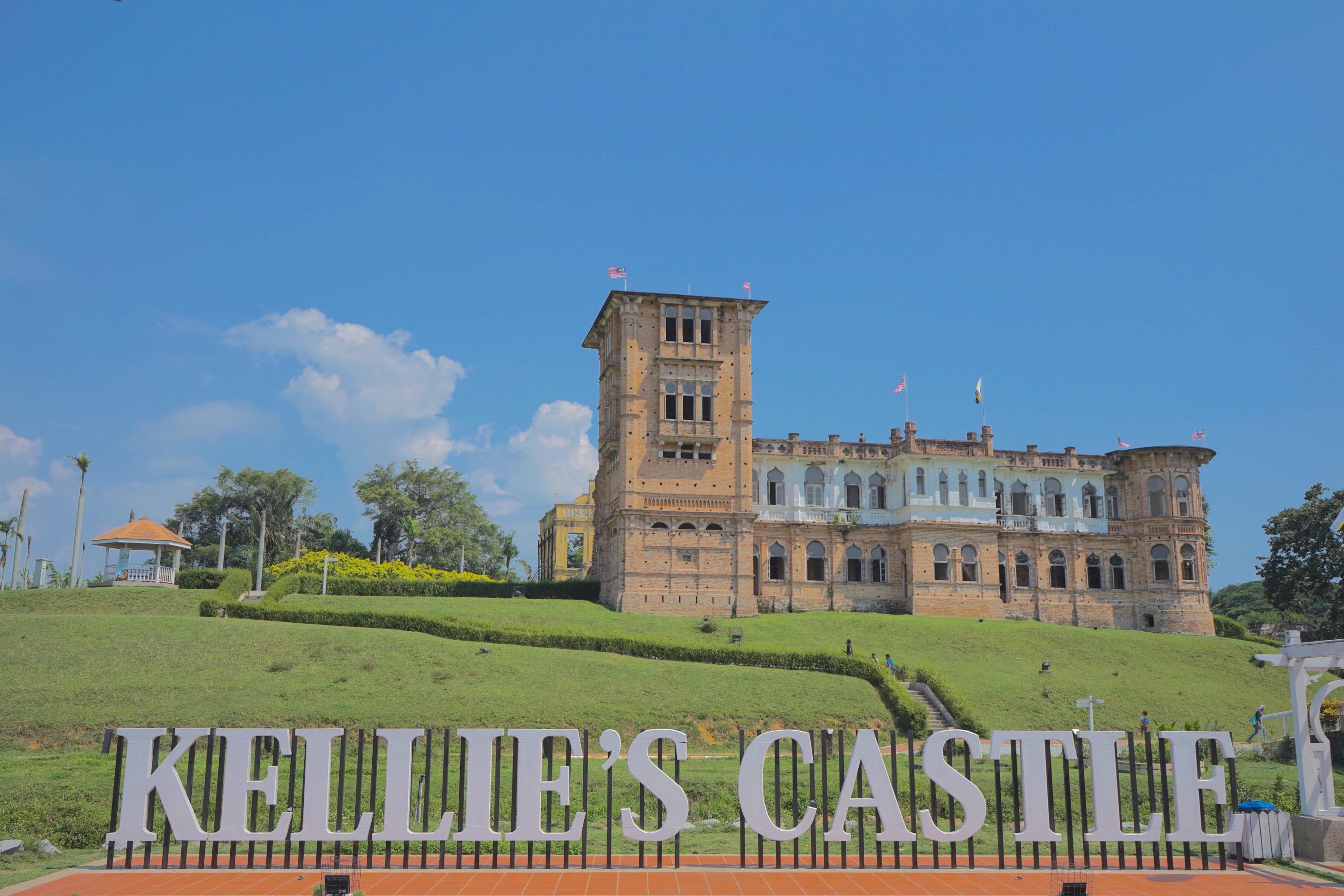
Sam Poh Tong is a Buddhist temple in a limestone cave. To the south, Kellie’s Castle is an unfinished mansion built by a Scottish planter. Southeast, the vast Gua Tempurung cave has dramatic rock formations.
Available options
Ipoh Full Day Heritage Tour from Kuala Lumpur
Pickup included
What's included
Air-conditioned vehicle with English-Speaking Driver
Hotel Pick-up & Drop-off
Detailed itinerary
1
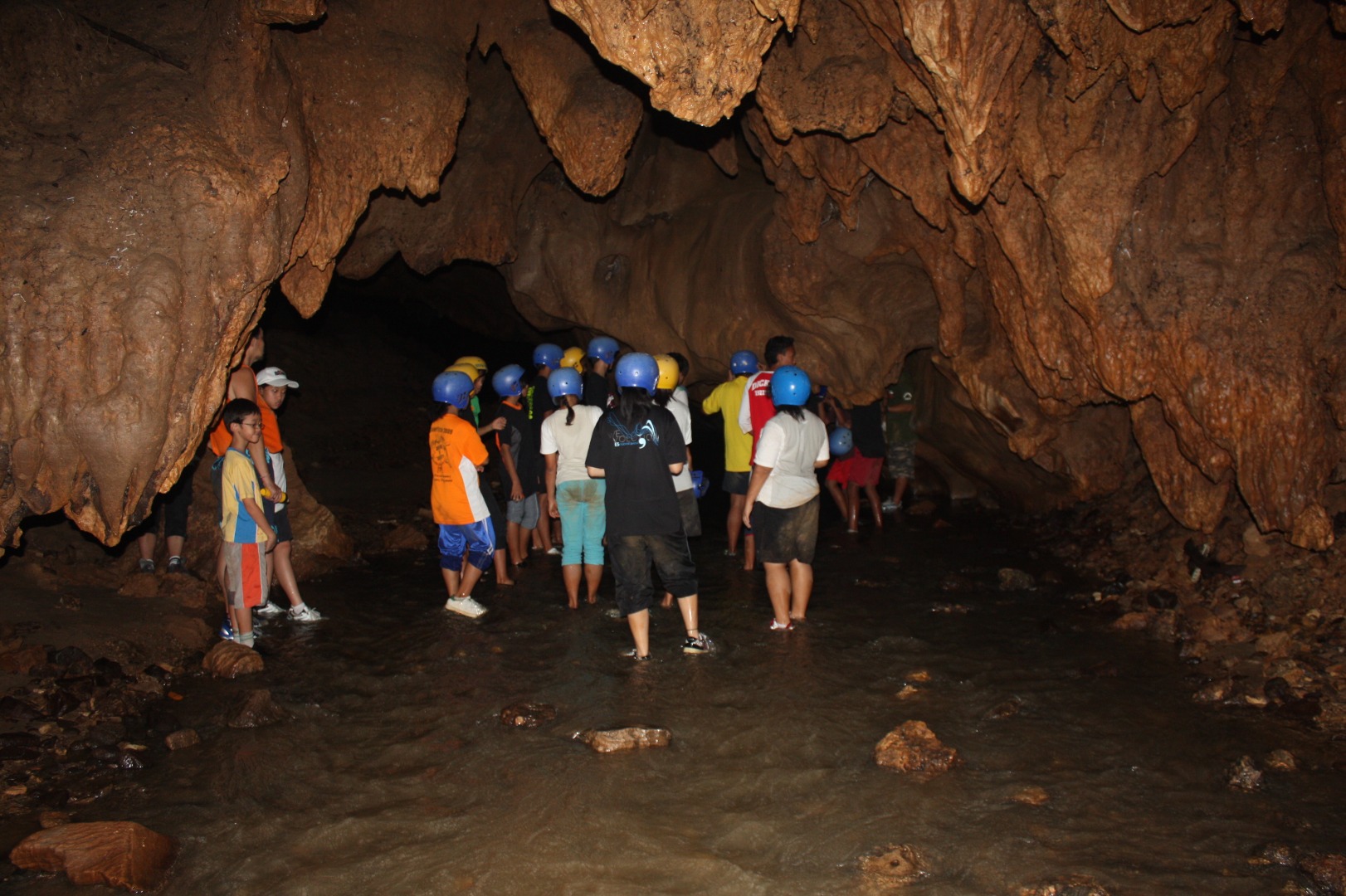
Tempurung Cave it is popular among spelunkers, or caving enthusiasts. More than 3 km long, it is one of the longest caves in Peninsula Malaysia. The tunnel of the cave runs from the east to the west covering a distance of about 2 km under the limestone hills known as Gunung Tempurung and Gunung Gajah. It is made up of 5 large domes and is believed to have existed since 8,000 B.C., about 10,000 years ago.
Each of these domes has different calcium formations and marble there exist in differing temperatures and water levels. These caves are famous for its breathtaking gallery of stalagmites, stalactites and other amazing rock formations that are super speleological wonders, found only in this part of the world.
2
Ipoh Old Town was such a quiet town that travellers would call it a laid-back town with cafes, traditional coffees and food and flourishing street arts. Not much was heard of the three Concubine Lanes. In July 2016, Lonely Planet listed Ipoh as one of the best Asian destinations to visit. Photos of the Concubine Lanes started appearing in news articles.
3
The Ipoh railway station was initially meant to be a hospital and used before the 20th century as such before being turned into a station. The original completion year of 1917 was delayed for three years due to lack of construction materials as well as high costs during World War I.
4
Ipoh Town Hall is one of three colonial era buildings in Ipoh designed by well known British architect Arthur Benison Hubback. The other two, Ipoh High Court and Ipoh Railway Station, are a short distance apart. Ipoh Railway Station is on the opposite side of the road and Ipoh High Court is the building next door.
5
Ipoh State Mosque, or Sultan Idris Shah II Mosque by its official name, opened in 1968. Named after the then sultan, the religious landmark opposite the Railway Station has become a symbol of the city. The white-washed two-storied mosque with a modern style of Islamic architecture has 44 domes and a 38 metre- (125 feet-) tall minaret. Tiny mosaic tiles decorate this must-visit attraction in Ipoh that glistens under the sun.
6
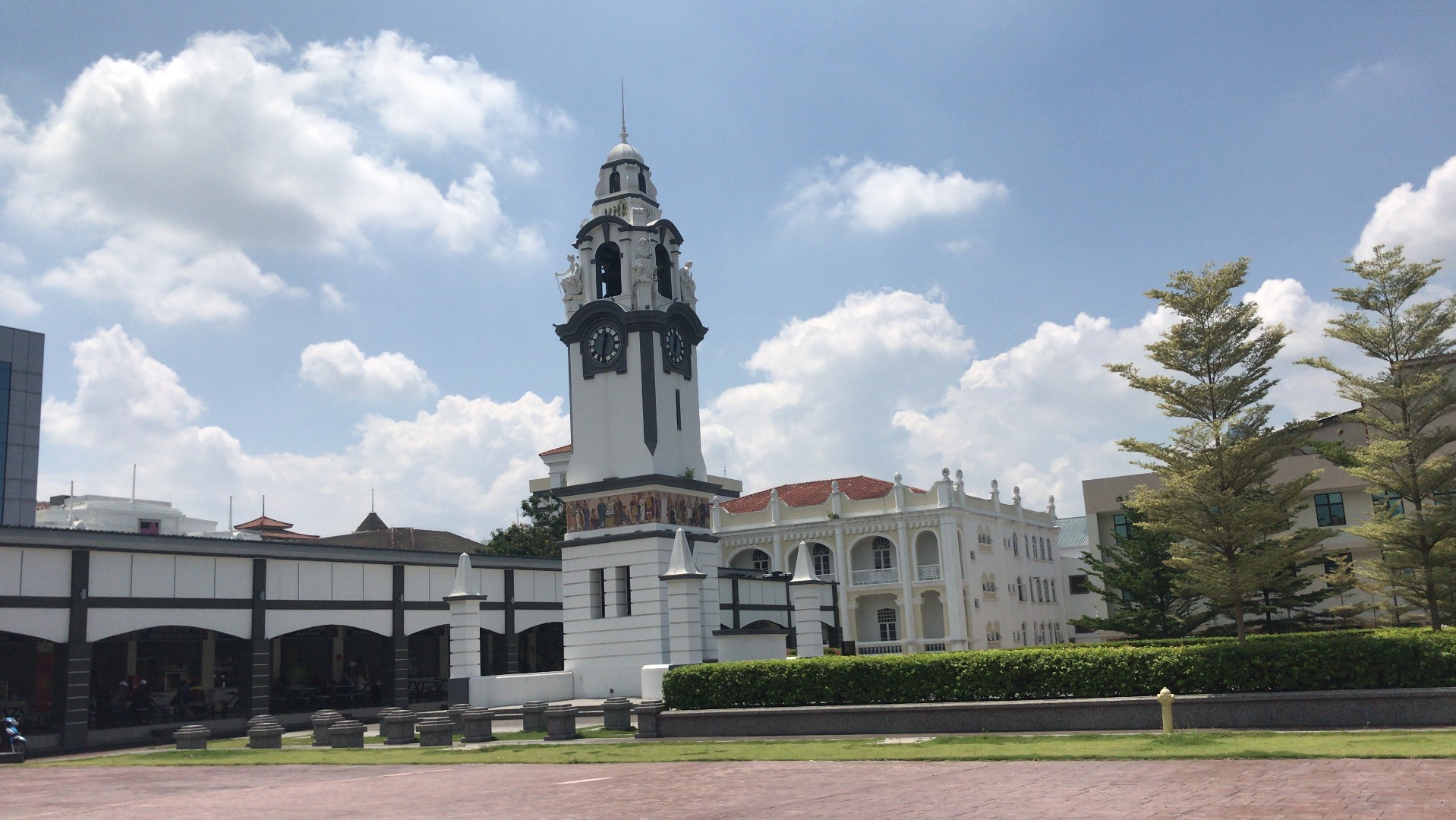
One of the most influential colonial legacies remains as a clock tower. Ipoh’s Birch Memorial Clock Tower in front of Ipoh State Mosque officially opened in 1909. The white-washed structure acts as a memorial to James Birch, the first British resident of Perak.
7
This is one of the most beautiful temples to visit in Ipoh. Outside of prayer times, the area becomes quiet and deserted, offering a serene spot for quiet reflection and to soak up the views. While there isn’t much that distinguishes this temple, the highlight is the setting against the cliffs. The Guan Yin Dan Ba Xian Tong Buddhist cave temple inside a cave sits next door. Some might not see these temples as must-visit attractions in Ipoh, but anyone with a passion for photography will appreciate the view.
8
One of the "Oldest" Club in Malaysia. With it's history dating back earlier than 1895, the Royal Ipoh Club is centrally located in Ipoh amidst the luscious green playing fields of the Ipoh Padang. From it's humble beginning as a laundry house by the Japanese Imperial Army for the officers living at the nearby St. Michael’s Institution, the Royal Ipoh Club has evolved through the years to become one of the oldest elite club in Ipoh.
9
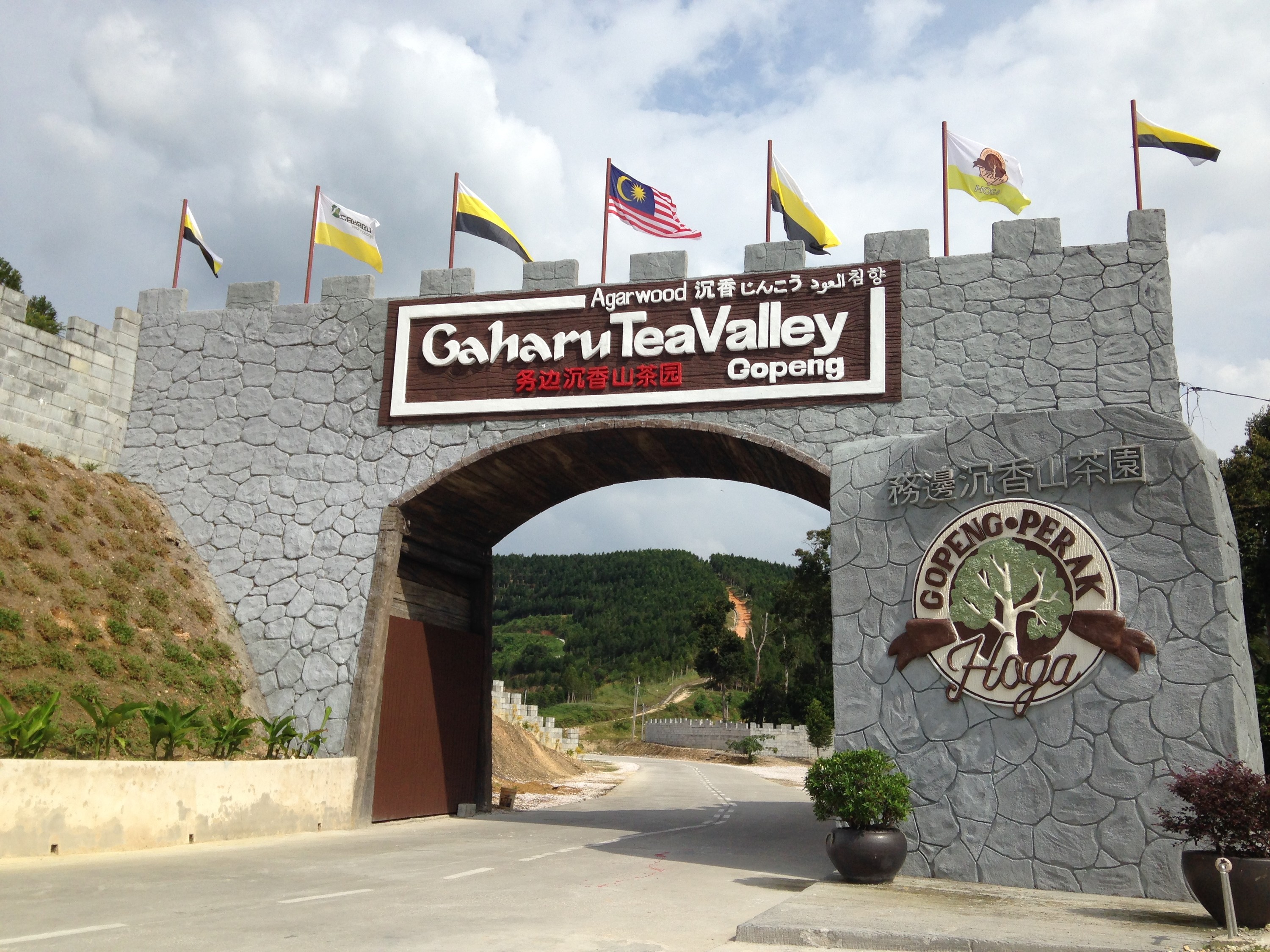
Welcome to the HOGA Experience at Gaharu Tea Valley Gopeng. HOGA had a quiet and unofficial inception in 1992. At present, the plantation located within the quaint little town of Gopeng, has 200,000 trees of a special 12 in 1 super hybrid Aquilaria spp and other natural attractions that will leave you mesmerized.
The Gaharu tree although listed as an endangered species by the Convention on International Trade in Endangered Species of Wild Flora and Fauna known as CITES, is not only organically cultivated here to further prevent its extinction but Gaharu Tea Valley Gopeng is the only plantation with 300 acres of the special 12 in 1 hybrid Aquilaria spp trees.
10
The Kek Lok Tong Cave Temple is a tourist attraction. The cave temple sits on a 12 acre site and was used as early as 1920 as a place of worship. In 1960, the cave became part of an iron mining site, this temple is set in a huge cave in the limestone outcrops behind Gunung Rapat.
The Kek Lok Tong complex comprises a central altar featuring a number of Buddhist figures as well as various deities of the Chinese pantheon. The most unique about the caves is there are another great garden view once you get inside the caves. The limestone hill is made up of light grey to white crystalline Kinta limestone inter bedded with about 5 mm to 1 cm think argillaceous material bands. Primary iron can still be seen within the limestone. The award winning landscape garden features a jogging path circling two lakes and one of the longest reflexology footpaths in Ipoh.
11
Kellie’s Castle in Perak’s Batu Gajah near Ipoh combines romance, tragedy and mystery. Young Scotsman William Kellie Smith moved to British Malaya, now Malaysia, made and lost his fortune and left an unfinished mansion to be reclaimed by the jungle.
12
he Kinta River divides the historic centre of Ipoh into two parts: Old Town and New Town. The history of Ipoh begins with the Old Town during the tin rush. “During the era of the Malay Rajas, Ipoh was only a small village. When the British colonial government ruled Perak, that is around 1877, Ipoh was transformed into a town and came in droves, especially the Chinese who came to seek their fortune so many Chinese subjects came here from Penang.”
13
POH is named after the ipoh tree, famous as the source of blowpipe poison. When the Portuguese attacked Malacca in 1511, the native weapon they most feared was the blowpipe with its poisoned darts. It was reported that every Portuguese soldier hit by darts died except one.
What's not included
Food and drinks, unless specified
Available languages
Written guide
EN
Important information
Infants and small children can ride in a pram or stroller
Infants are required to sit on an adult’s lap
Suitable for all physical fitness levels
About Kuala Lumpur
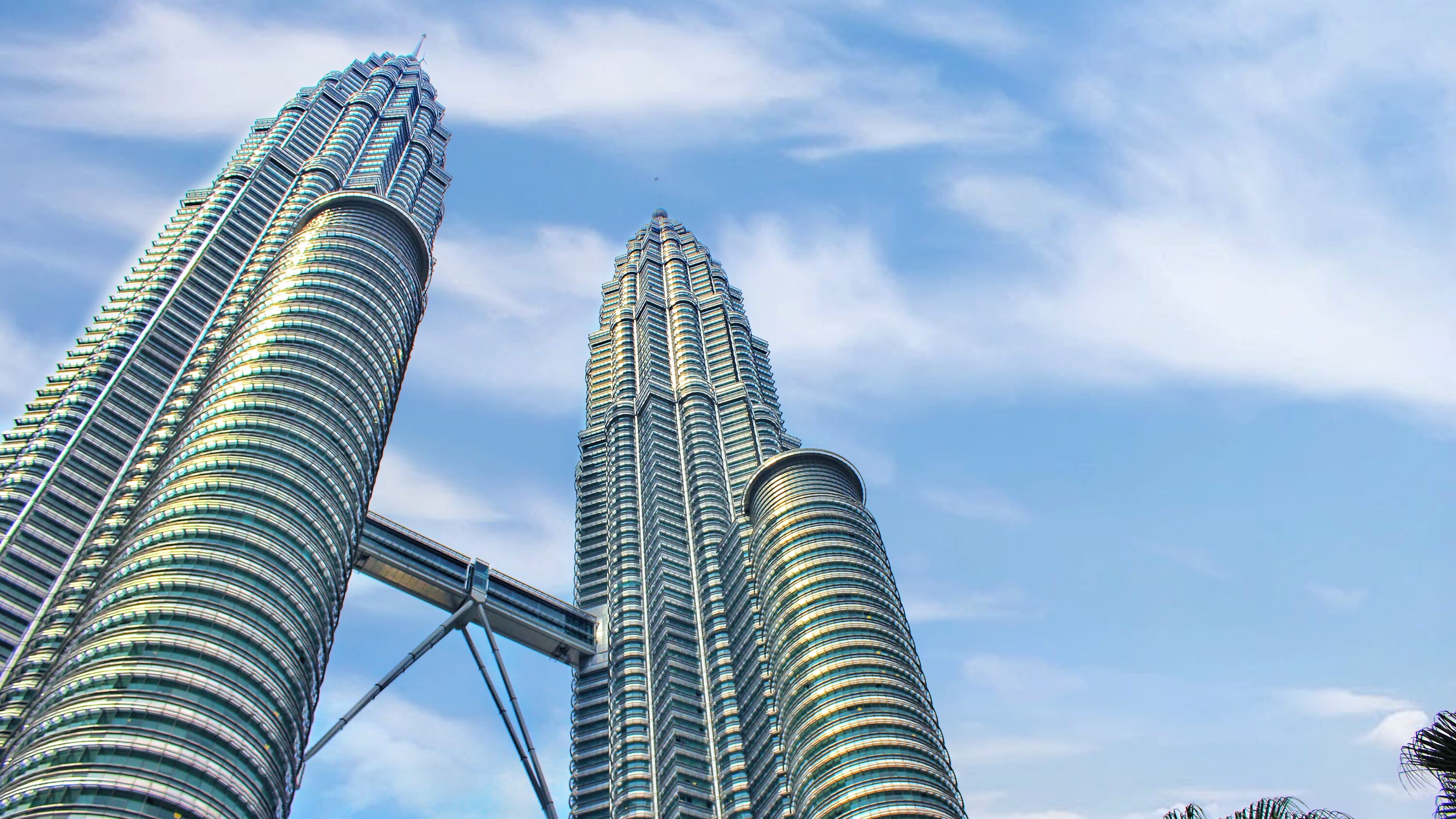
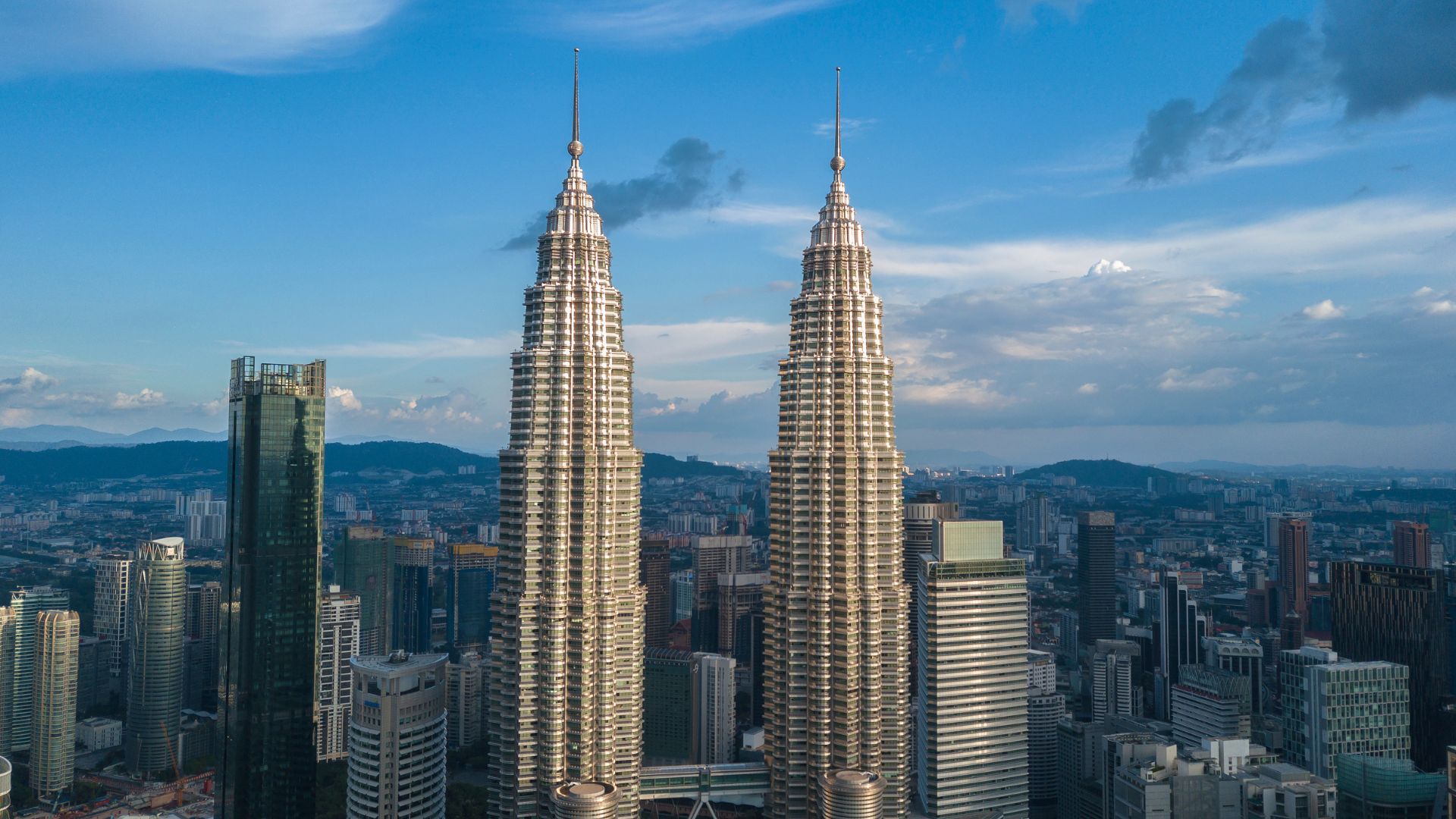
Kuala Lumpur is a vibrant metropolis where modern skyscrapers stand alongside historic mosques and colonial-era buildings. Known for its multicultural diversity, bustling street markets, and iconic landmarks like the Petronas Twin Towers, KL offers a unique blend of tradition and modernity.
Top Attractions
Petronas Twin Towers
The iconic Petronas Twin Towers were the tallest buildings in the world from 1998 to 2004. The towers feature a skybridge and a shopping mall at the base.
Architecture
1-2 hours
MYR 83 (adult), MYR 33 (child)
Batu Caves
Batu Caves is a Hindu shrine and temple complex located in a limestone hill. It is known for its colorful statues and the annual Thaipusam festival.
Religious
2-3 hours
Free (donations welcome)
Kuala Lumpur Tower
The Kuala Lumpur Tower is the second-tallest freestanding tower in the world. It offers panoramic views of the city from its observation deck.
Architecture
1-2 hours
MYR 50 (adult), MYR 30 (child)
Must-Try Local Dishes
Nasi Lemak
Coconut milk-infused rice served with spicy sambal, fried anchovies, peanuts, and boiled egg.
Breakfast/Lunch
Vegetarian options available
Roti Canai
Flaky, layered flatbread served with curry.
Lunch/Dinner
Vegetarian options available
Satay
Grilled skewered meat served with peanut sauce.
Snack
Vegetarian options available
Popular Activities
Hiking in the highlands
Water sports in Port Dickson
Spa treatments
Tea tasting in Cameron Highlands
Visiting temples and mosques
Exploring Chinatown
Swimming
Boat rides
Best Time to Visit
December to February
This period offers cooler temperatures and lower humidity, making it ideal for outdoor activities and sightseeing. The city is lively with various festivals and events.
26-31°C
79-88°F
Practical Information
Language
- Official: Malay
- Widely spoken: English, Chinese, Tamil
- English: Widely spoken
Currency
Malaysian Ringgit (MYR)
Time Zone
GMT+8
Electricity
240VV, 50HzHz
Safety Information
Overall Safety Rating: Generally safe
Kuala Lumpur is generally safe for travelers, with low crime rates and a strong police presence. However, petty crimes like pickpocketing and scams can occur in crowded areas.
Important Precautions:
- • Be cautious of your surroundings
- • Keep valuables secure
- • Use reputable tour operators and transport services
Getting there
By air
- Kuala Lumpur International Airport • 50 km south of the city
By train
Kuala Lumpur Sentral
By bus
Pudu Sentral, Titiwangsa Bus Station
Getting around
Public transport
RapidKL is the main public transport system, including LRT (Light Rail Transit), MRT (Mass Rapid Transit), Monorail, and BRT (Bus Rapid Transit).
Taxis
Available • Apps: Grab
Rentals
Car, Bike, Scooter
Neighborhoods
Bukit Bintang
Chinatown
KLCC
Day trips
Cameron Highlands
200 km north of KL • Full day
A scenic highland region known for its tea plantations, cool climate, and lush landscapes.
Port Dickson
100 km south of KL • Full day
A popular beach destination with beautiful sandy beaches and water sports activities.
Putrajaya
30 km south of KL • Half day
A planned administrative and judicial center with beautiful architecture and landscaped gardens.
Festivals
Thaipusam • January/February (based on the Hindu calendar)
Chinese New Year • January/February (based on the lunar calendar)
Hari Raya Aidilfitri • Varies (based on the Islamic calendar)
Pro tips
- Visit Batu Caves during the Thaipusam festival for a unique cultural experience
- Explore the city's street food scene for authentic and affordable dining options
- Use the RapidKL public transport system to avoid traffic congestion
- Visit the KL Tower Sky Box for a unique and thrilling experience
- Experience the city's nightlife in areas like Changkat Bukit Bintang and Jalan Alor
From $25
per person
Price varies by option
Secure booking
Free cancellation available
Instant confirmation