Batu Caves Tour from Kuala Lumpur
Active
1h
For a full refund, cancel at least 24 hours before the scheduled departure time.
Instant confirmation
Mobile or paper ticket accepted
About this experience
A limestone outcrop located just north of Kuala Lumpur, Batu Caves has three main caves featuring temples and Hindu shrines.
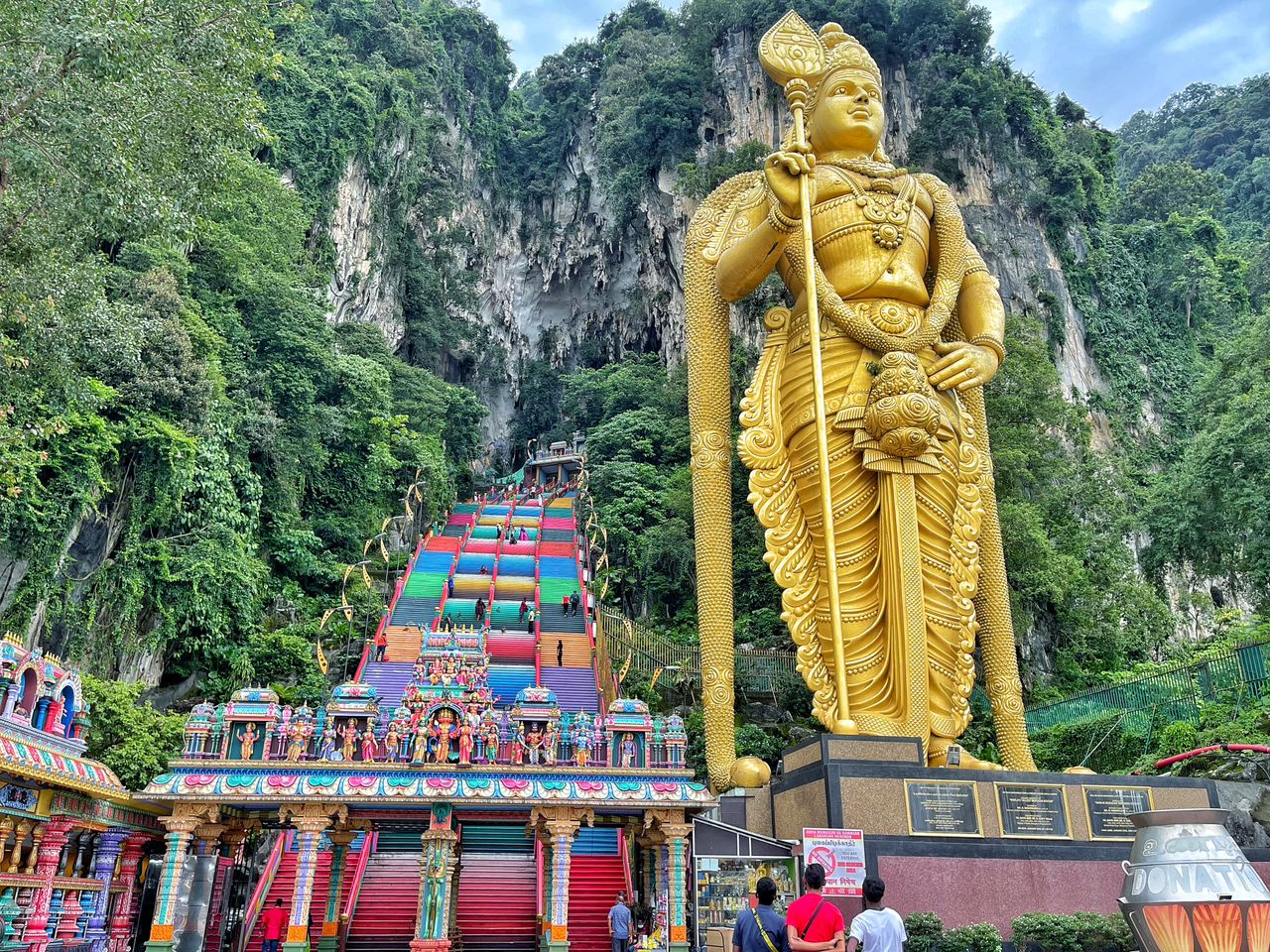
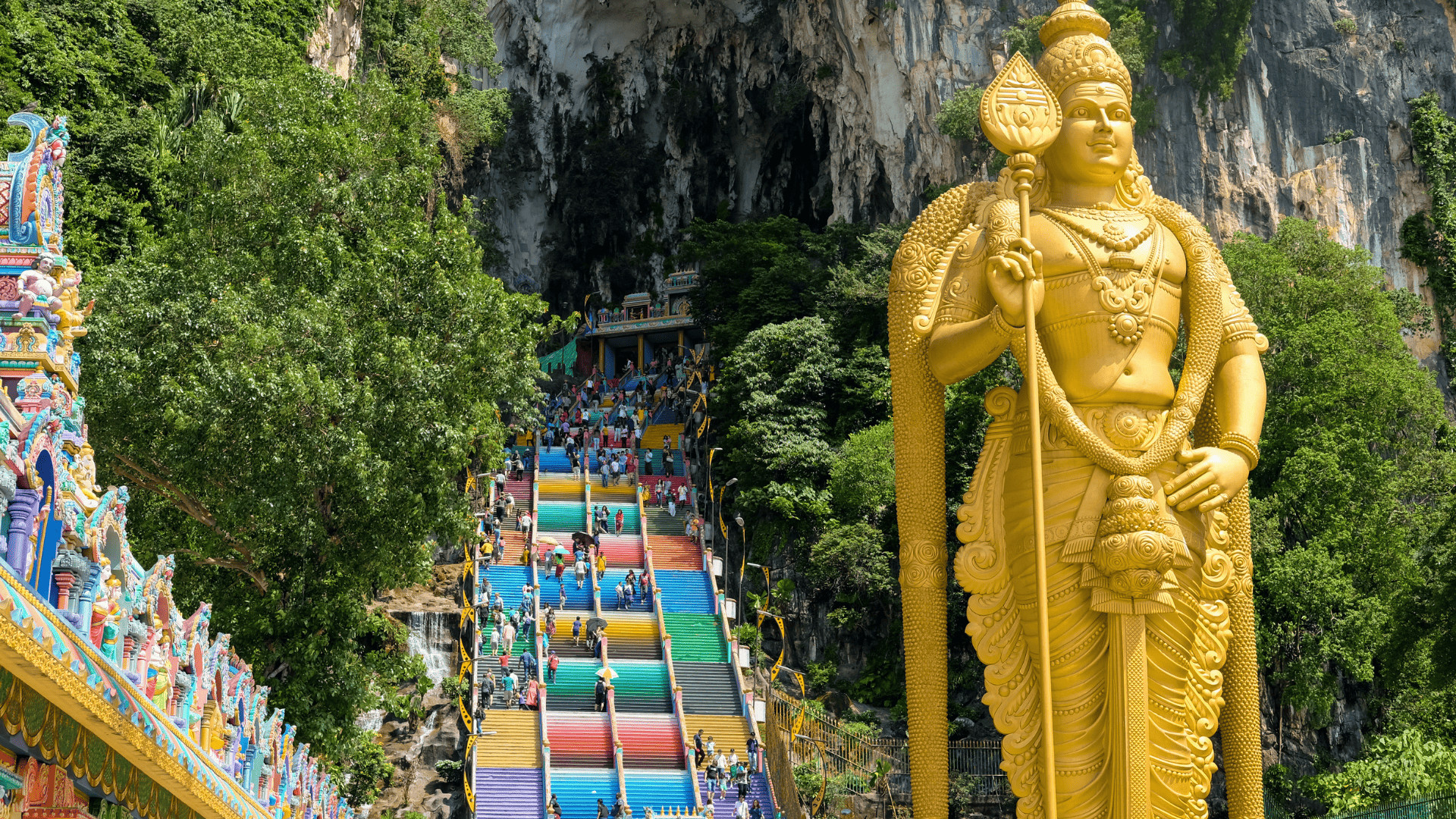
Its main attraction is the large statue of the Hindu God at the entrance, besides a steep 272 climb up its steps to finally view the stunning skyline of the city centre.
Monkeys frolic around the caves, and it is a popular spot for rock climbing enthusiasts. Paintings and scenes of Hindu Gods can also be seen in the Ramayana Cave.
Hotel pickup and drop-off included.
Available options
Batu Caves Tour from Kuala Lumpur
Pickup included
What's included
English-Speaking Driver
Air-conditioned vehicle
Hotel Pick-up & Drop-off
Detailed itinerary
1
Stop 1
Batu Caves is an iconic and popular tourist attraction in Selangor.
Site of a Hindu temple and shrine, Batu Caves attracts thousands of worshippers and tourists, especially during the annual Hindu festival, Thaipusam.
A limestone outcrop located just north of Kuala Lumpur, Batu Caves has three main caves featuring temples and Hindu shrines.
Its main attraction is the large statue of the Hindu God at the entrance, besides a steep 272 climb up its steps to finally view the stunning skyline of the city centre.
Monkeys frolic around the caves, and it is a popular spot for rock climbing enthusiasts. Paintings and scenes of Hindu Gods can also be seen in the Ramayana Cave.
Batu Caves is a place where you should not miss on your visit.
Batu Caves is a limestone hill, which has a series of caves and cave temples, located in Gombak district, 13 kilometres (8 miles) north of Kuala Lumpur, Malaysia. It takes its name from the Sungai Batu or Batu River, which flows past the hill. Batu Caves is also the name of the nearby village.
Batu Caves is one of the most popular Hindu shrines outside India, dedicated to Lord Murugan. It is the focal point of Hindu festival of Thaipusam in Malaysia. It is also known as the 10th Caves or Hill for Lord Muruga as it is one of the ten most important shrines in India and Malaysia. The Lord Murugan statue at the foot of Batu Caves is the second tallest Hindu deity statue in the world with a heroic height of 42.7 metres (140 ft.).
History
The limestone forming Batu Caves is said to be around 400 million years old. Some of the cave entrances were used as shelters by the aboriginal Temuan / Besisi people (a tribe of Orang Asli). As early as 1860, Chinese settlers began excavating guano for fertilising their vegetable patches. However, they became famous only after the limestone hills were recorded by colonial authorities including Daly and Syers as well as American Naturalist, William Hornaday in 1878.
Batu Caves was promoted as a place of worship by K. Thamboosamy Pillai, an Indian trader. He was inspired by the ‘vel’-shaped entrance of the main cave and was inspired to dedicate a temple to Lord Muruga within the caves. In temples dedicated to Lord Murugan, Vel, a divine javelin (spear), is an object of worship.
The history of Batu Caves started in 1891 when Mr. K. Thamboosamy Pillai, who also founded the Sri Maha Mariamman Temple Dhevasthanam, Kuala Lumpur, sent his very close associates, Sri Thiruvengadam Pillai and Sri Kanthapa Thevar to survey for an ideal and suitable place of worship for Lord Sri Murugan.
It was in that year, that the influential descendant of Indian immigrants from Tamil Nadu, India, Mr. K. Thamboosamy Pillai installed the ‘murti’ or consecrated idol of Sri Subramaniar Swamy (Lord Murugan) in the 400-ft. high Temple Cave. From 1892 onwards, the Thaipusam festival in the Tamil month of Thai (which falls in late January/early February) has been celebrated there as the annual festival of Batu Caves. Wooden steps up to the Temple Cave were built in 1920 and have since been replaced by 272 concrete steps.
Rising almost 100 m above the ground, the Batu Caves temple complex consists of three main caves and a few smaller ones. The biggest, referred to as Cathedral Cave or Temple Cave, has a 100 m-high ceiling and features ornate Hindu shrines. To reach it, visitors must climb a precipitous flight of 272 steps.
At the base of the hill are two more cave temples, Art Gallery Cave and Museum Cave, both of which are full of Hindu statues and paintings. This complex was renovated and established as the Cave Villa in 2008. The story of Lord Murugan’s victory over the demon Soorapadam is narrated by many of the shrines. An audio tour is available to visitors.
To the utmost left, as one faces the steep wall of the hill, stands the Ramayana Cave. The Ramayana Cave depicts the story of Rama in a chronicle manner along the irregular walls of the cave. On the way to the Ramayana Cave, there is a 50-foot (15 m) tall statue of Hanuman and a temple dedicated to Hanuman, the noble monkey devotee and aide of Lord Rama. The declaration ceremony of the temple was held in November 2001.
What's not included
Food and drinks, unless specified
Available languages
Written guide
EN
Reviews breakdown
Viator
4.0
9 reviews
5★
6
4★
1
3★
0
2★
0
1★
2
Tripadvisor
1.0
1 reviews
5★
0
4★
0
3★
0
2★
0
1★
1
Important information
Infants and small children can ride in a pram or stroller
Infants are required to sit on an adult’s lap
Suitable for all physical fitness levels
About Kuala Lumpur
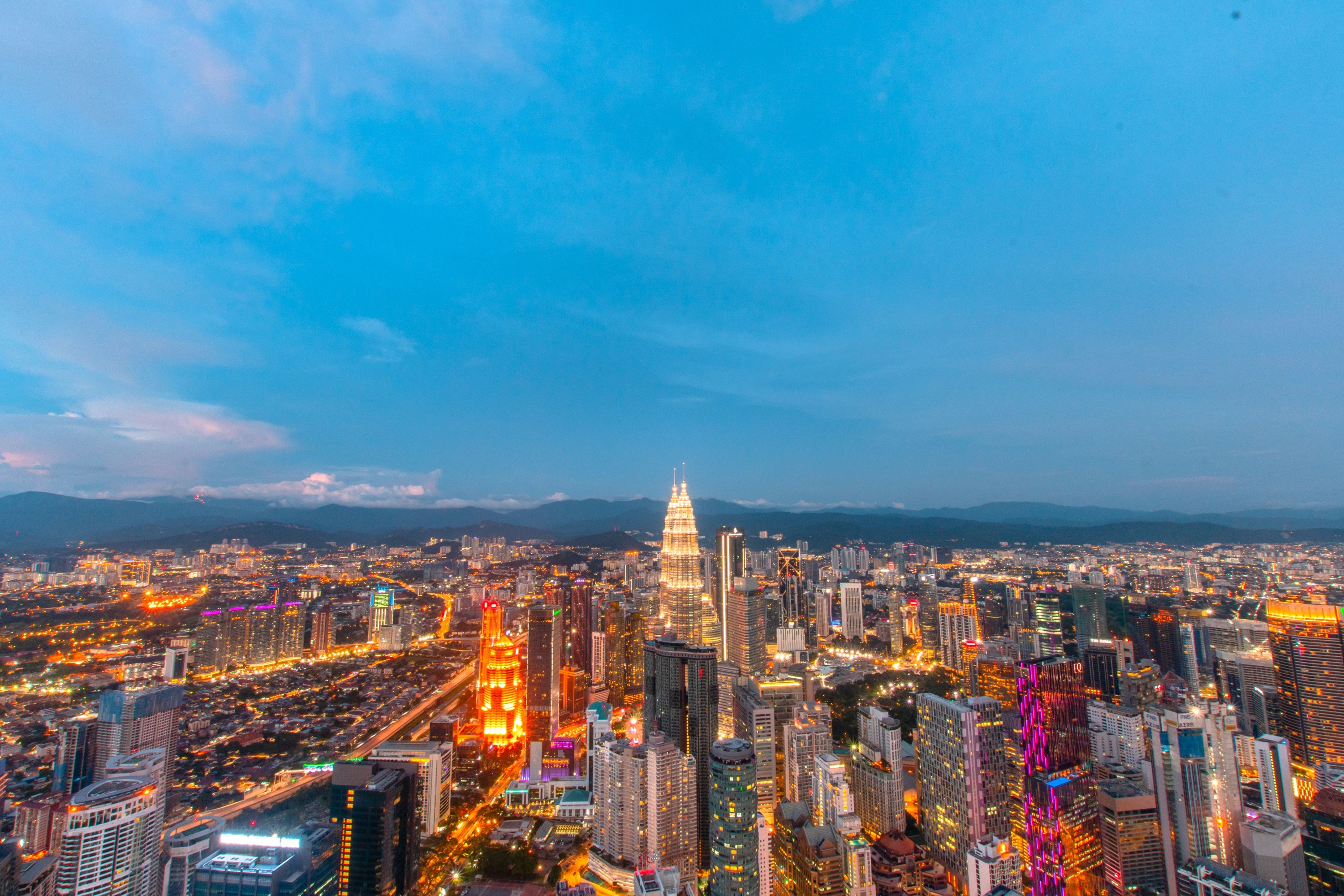
Kuala Lumpur is a vibrant metropolis where modern skyscrapers stand alongside historic mosques and colonial-era buildings. Known for its multicultural diversity, bustling street markets, and iconic landmarks like the Petronas Twin Towers, KL offers a unique blend of tradition and modernity.
Top Attractions
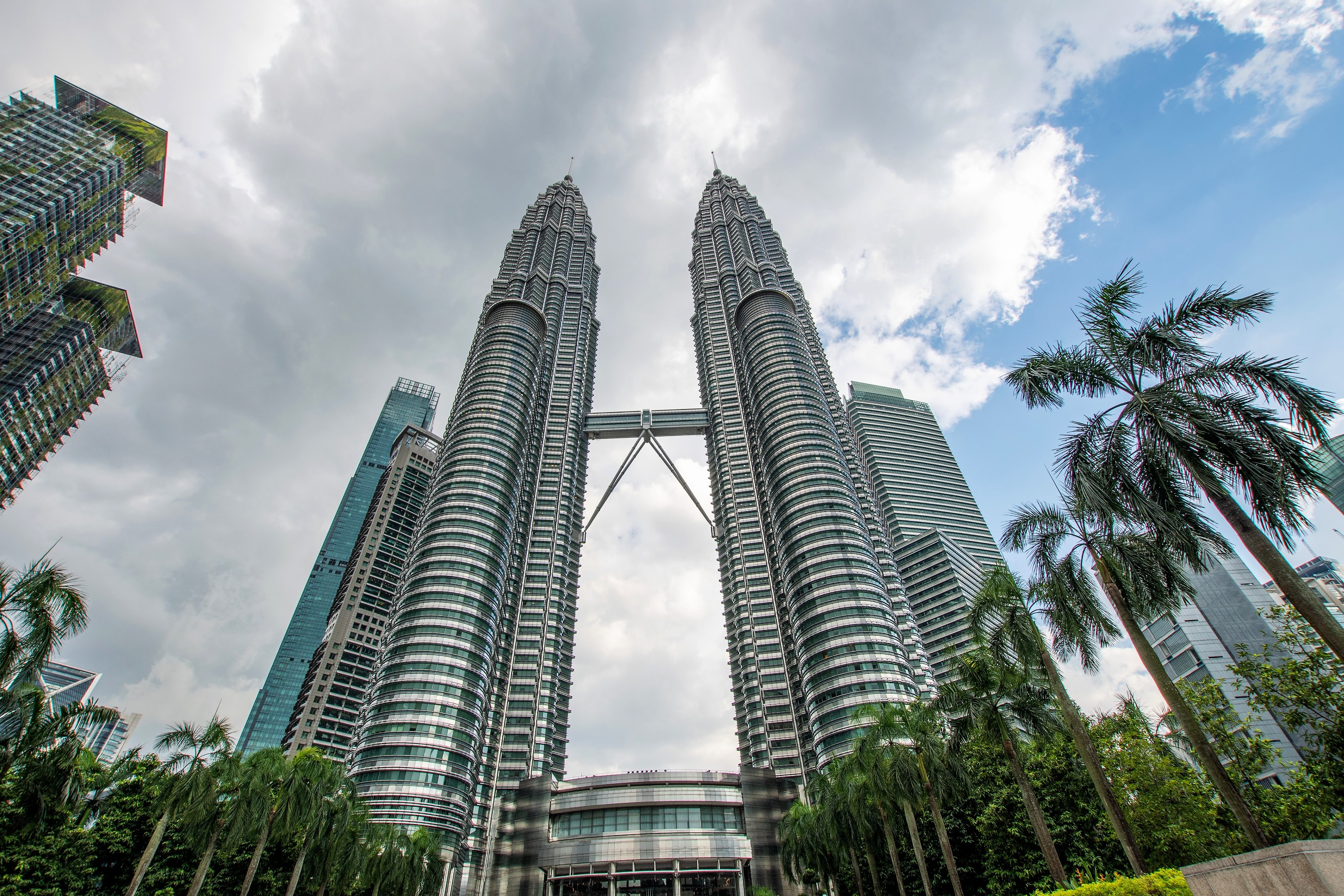
Petronas Twin Towers
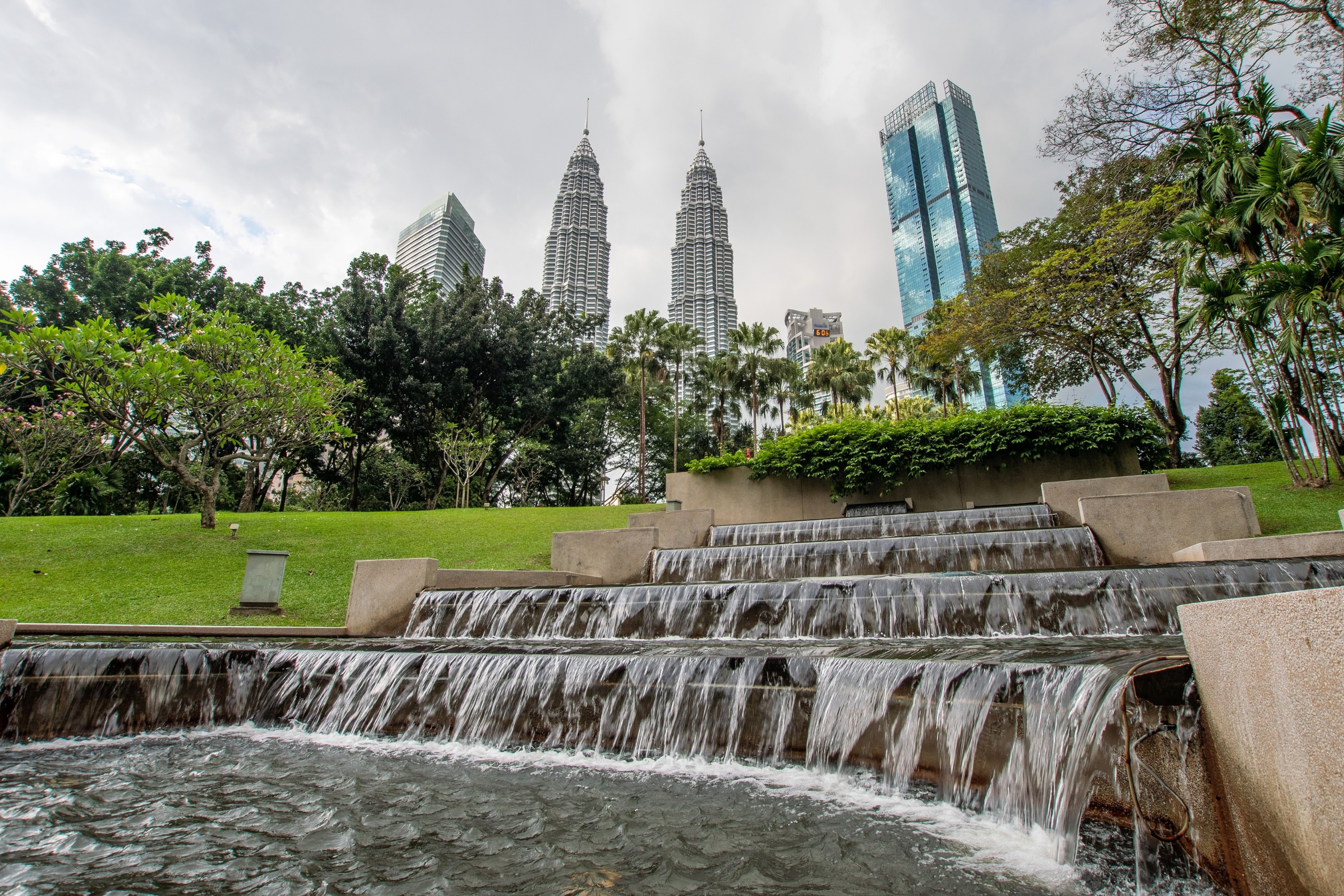
The iconic Petronas Twin Towers were the tallest buildings in the world from 1998 to 2004. The towers feature a skybridge and a shopping mall at the base.
Architecture
1-2 hours
MYR 83 (adult), MYR 33 (child)
Batu Caves
Batu Caves is a Hindu shrine and temple complex located in a limestone hill. It is known for its colorful statues and the annual Thaipusam festival.
Religious
2-3 hours
Free (donations welcome)
Kuala Lumpur Tower
The Kuala Lumpur Tower is the second-tallest freestanding tower in the world. It offers panoramic views of the city from its observation deck.
Architecture
1-2 hours
MYR 50 (adult), MYR 30 (child)
Must-Try Local Dishes
Nasi Lemak
Coconut milk-infused rice served with spicy sambal, fried anchovies, peanuts, and boiled egg.
Breakfast/Lunch
Vegetarian options available
Roti Canai
Flaky, layered flatbread served with curry.
Lunch/Dinner
Vegetarian options available
Satay
Grilled skewered meat served with peanut sauce.
Snack
Vegetarian options available
Popular Activities
Hiking in the highlands
Water sports in Port Dickson
Spa treatments
Tea tasting in Cameron Highlands
Visiting temples and mosques
Exploring Chinatown
Swimming
Boat rides
Best Time to Visit
December to February
This period offers cooler temperatures and lower humidity, making it ideal for outdoor activities and sightseeing. The city is lively with various festivals and events.
26-31°C
79-88°F
Practical Information
Language
- Official: Malay
- Widely spoken: English, Chinese, Tamil
- English: Widely spoken
Currency
Malaysian Ringgit (MYR)
Time Zone
GMT+8
Electricity
240VV, 50HzHz
Safety Information
Overall Safety Rating: Generally safe
Kuala Lumpur is generally safe for travelers, with low crime rates and a strong police presence. However, petty crimes like pickpocketing and scams can occur in crowded areas.
Important Precautions:
- • Be cautious of your surroundings
- • Keep valuables secure
- • Use reputable tour operators and transport services
Getting there
By air
- Kuala Lumpur International Airport • 50 km south of the city
By train
Kuala Lumpur Sentral
By bus
Pudu Sentral, Titiwangsa Bus Station
Getting around
Public transport
RapidKL is the main public transport system, including LRT (Light Rail Transit), MRT (Mass Rapid Transit), Monorail, and BRT (Bus Rapid Transit).
Taxis
Available • Apps: Grab
Rentals
Car, Bike, Scooter
Neighborhoods
Bukit Bintang
Chinatown
KLCC
Day trips
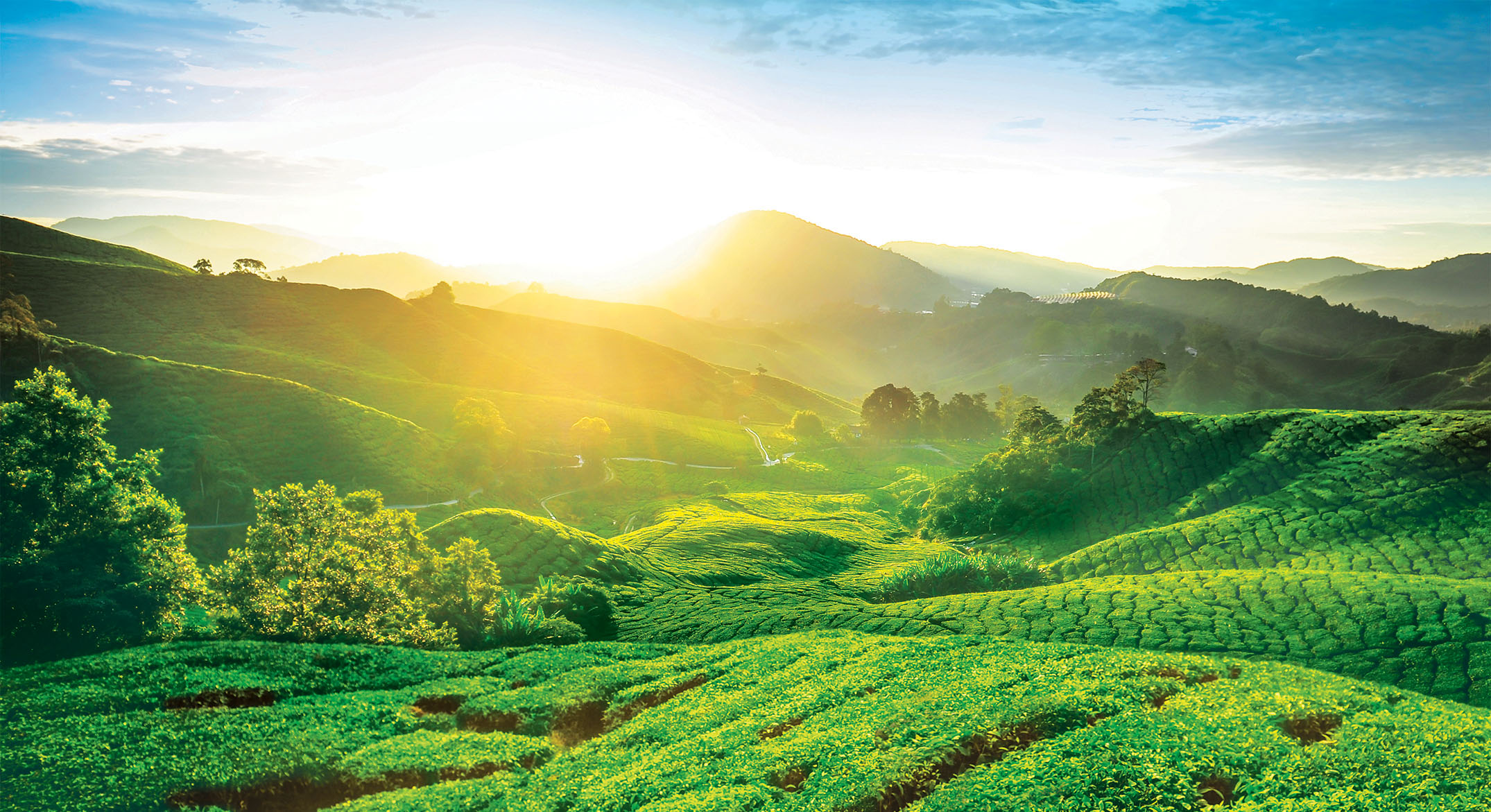
Cameron Highlands
200 km north of KL • Full day
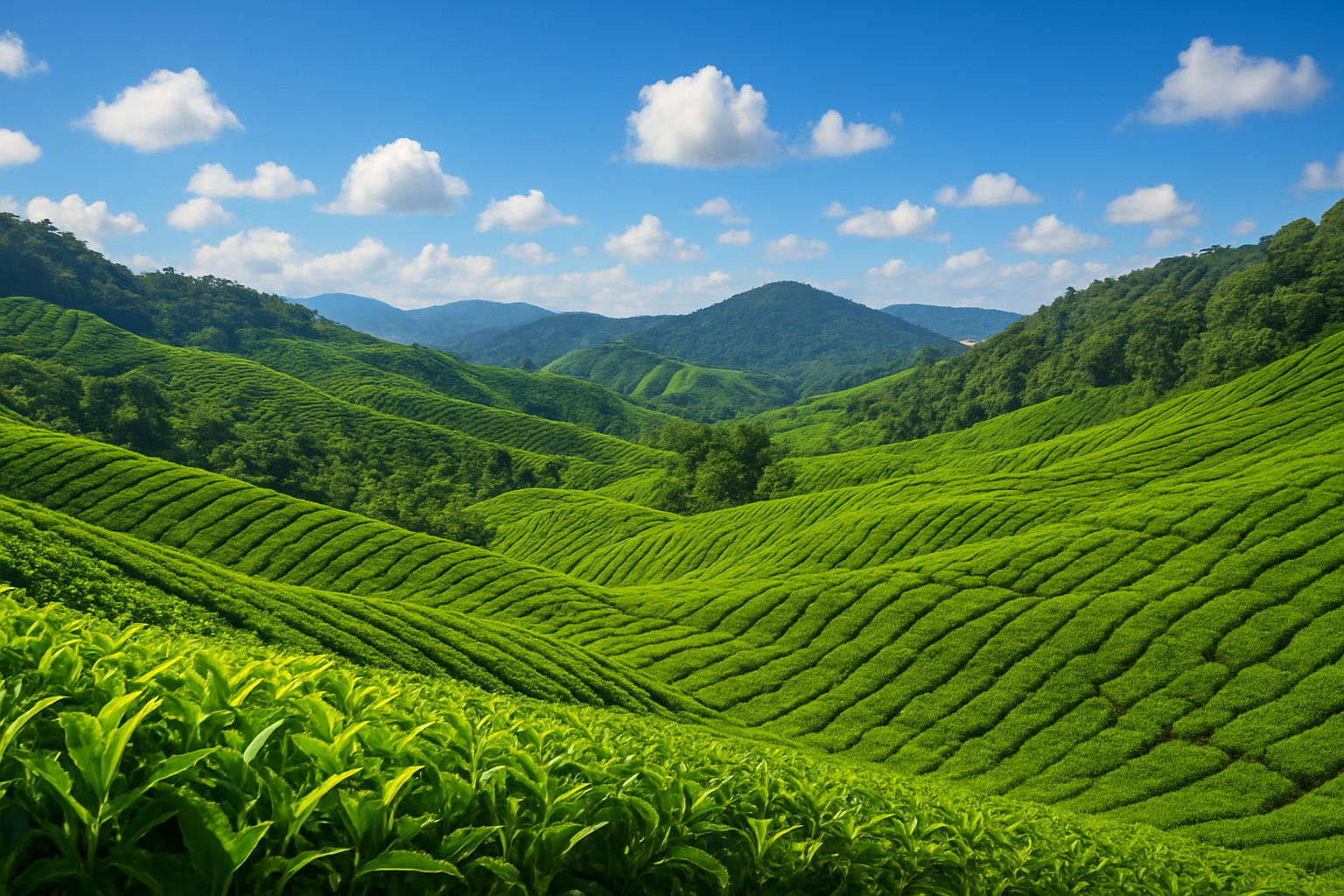
A scenic highland region known for its tea plantations, cool climate, and lush landscapes.
Port Dickson
100 km south of KL • Full day
A popular beach destination with beautiful sandy beaches and water sports activities.
Putrajaya
30 km south of KL • Half day
A planned administrative and judicial center with beautiful architecture and landscaped gardens.
Festivals
Thaipusam • January/February (based on the Hindu calendar)
Chinese New Year • January/February (based on the lunar calendar)
Hari Raya Aidilfitri • Varies (based on the Islamic calendar)
Pro tips
- Visit Batu Caves during the Thaipusam festival for a unique cultural experience
- Explore the city's street food scene for authentic and affordable dining options
- Use the RapidKL public transport system to avoid traffic congestion
- Visit the KL Tower Sky Box for a unique and thrilling experience
- Experience the city's nightlife in areas like Changkat Bukit Bintang and Jalan Alor
From $25
per person
Price varies by option
Secure booking
Free cancellation available
Instant confirmation