Porto Private Tour from Lisbon - Full Day
Active
9h - 10h
For a full refund, cancel at least 24 hours before the scheduled departure time.
Instant confirmation
Mobile or paper ticket accepted
About this experience
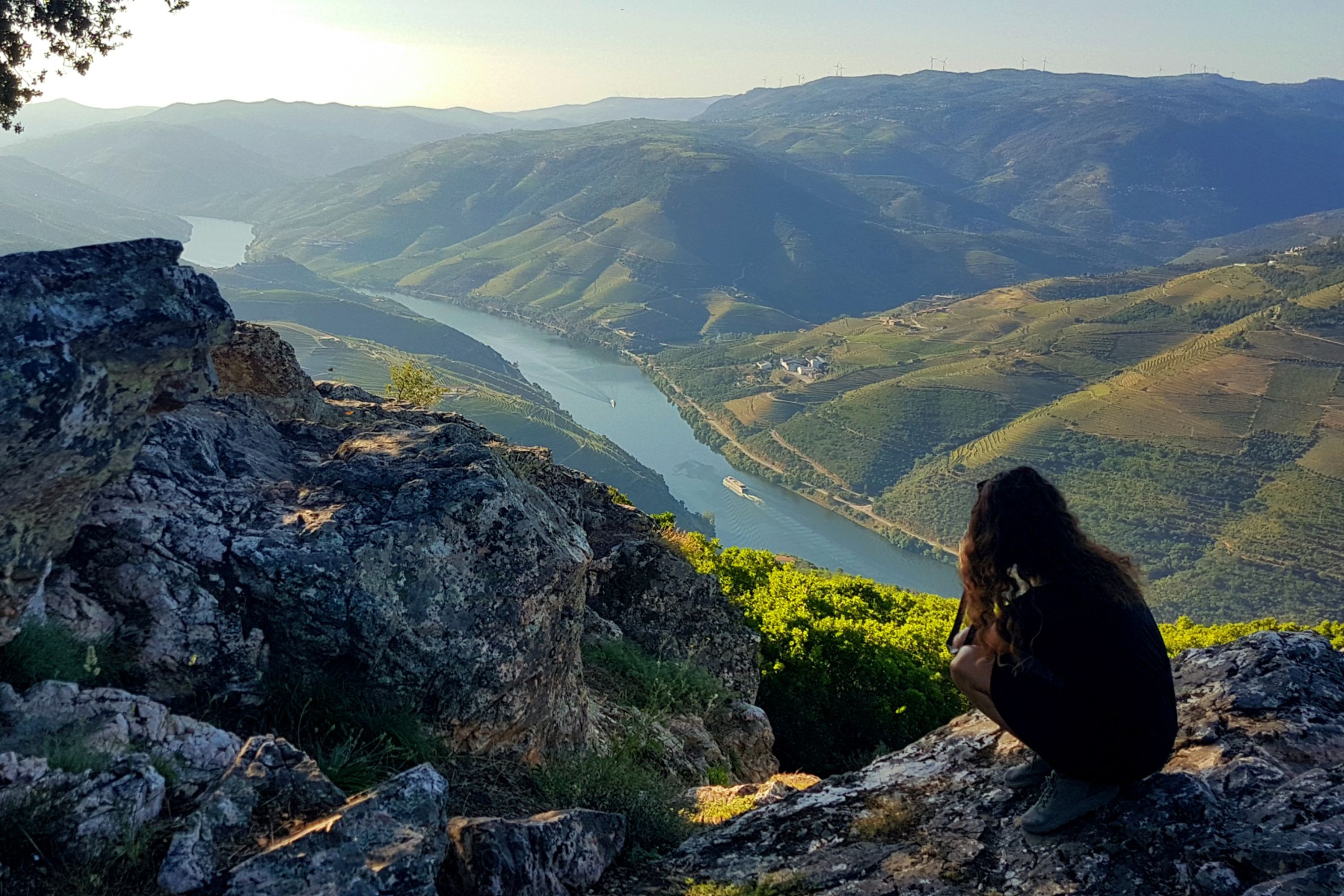
Explore Porto on a full day tour from Lisbon. Known for its delicious signature drink, the center of Porto is also a UNESCO World Heritage Site with beautiful architecture. Visit the vibrant downtown district of Baixa and stroll along the banks of the River Douro and try some local wines and local foods (own expenses). Situated on the river Douro, the city offers a seductive blend of old and new that you can check during this tour.
Available options
1 > 3 PAX
Water<br/>Sedan or Van<br/>Pickup included
8 PAX
Water<br/>Van<br/>Pickup included
4 > 7 PAX
Water<br/>Van<br/>Pickup included
What's included
Hotel pickup and drop-off
Private tour
Bottled water
Driver/escort
Transport by private vehicle
Detailed itinerary
1
Stop 1
Visit of the fantastic city of Porto
2
Stop 2
The Clérigos Church and Tower (18th century) is a remarkable architectural ensemble located in the city of Porto, Portugal, and is considered the ex-libris of this city.
The set is located at the top of Rua dos Clérigos, between the streets of São Filipe Néri (or São Filipe Nery) and Asunción. It integrates three main elements: the Clergy Church, the Clergy Tower and the Brotherhood House, which links the church and the tower and once hosted the other services of the Clergy Brotherhood. Designed by architect Nicolau Nasoni, this ensemble is one of the most notable examples of late Baroque style in Portuguese territory and has been classified as a National Monument since 1910. It is considered Nasoni's most emblematic work, incorporating in the granitic ornamentation "a dynamic rococo morphology alongside vernacular, if not epimaneirist" continuity lines. The most striking architectural elements of the ensemble are characterized by the irregularity and exaggeration of the shapes, which give rise to a surprising scenic effect. "The jagged plants, the undulating façades, highlighted by a counterpoint of overhangs, balconies and recesses, broken arches, and a great profusion of varied windows, complemented by the lush bell tower."
Nasoni was buried in this church, where he spent a lot of time and dedication, and in his recent extensive rehabilitation a crypt was revealed where his grave could be found.
3
Stop 3
The Porto Cathedral, located in the heart of Porto's historic city center, is one of Portugal's oldest and most important monuments.
Story
The beginning of its construction dates from the first half of the twelfth century, and lasted until the early thirteenth century. This first Romanesque building has undergone many changes over the centuries. From the Romanesque era date the general character of the facade with the towers and the beautiful rosette, as well as the body of the three-nave church covered by cannon vault. The vault of the central nave is supported by arches, and the Sé do Porto is one of the first Portuguese buildings in which this architectural element was used.
In the Gothic era, around 1333, was built the funeral chapel of João Gordo, knight of the Order of Hospitalers and collaborator of D. Dinis, buried in a tomb with water. Also from the Gothic era dates the cloister (14th-15th century), built in the reign of D. João I. This king married D. Filipa de Lencastre in the See of Porto in 1387.
The exterior of the Cathedral was greatly modified in the baroque era. Around 1736, Italian architect Nicolau Nasoni added a beautiful baroque galilee to the side facade of the See. Around 1772 a new portal was built to replace the original Romanesque. The balustrades and domes of the towers are also baroque.
To the left of the chancel is a magnificent silver altar, built in the second half of the 17th century by various Portuguese artists. This was saved from the French troops in 1807 by means of a hastily constructed plaster wall.
Still in this left area is especially noteworthy the medieval image of Our Lady of Vandoma, (patron saint of the city).
In the seventeenth century the original Romanesque chancel (which had an ambulatory) was replaced by a larger one in Baroque style. The high altar, built between 1727-1729, is an important work of the Johannine Baroque, designed by Santos Pacheco and carved by Miguel Francisco da Silva. The murals of the chancel are by Nasoni. The southern transept gives access to the 14th century cloisters and the São Vicente Chapel. A graceful 18th-century Nasoni staircase leads to the upper floors, where the tiled panels showcase the life of the Virgin and the Ovid Metamorphoses.
4
Stop 4
Porto - São Bento Train Station, also known as São Bento Station, and originally as Porto Central Station, is managed by Infrarastruras de Portugal, SA, and is a rail interface of the Linha do Minho that serves the city. from Porto in Portugal. It is situated in Praça de Almeida Garrett, and the building of the station, influenced by France, was delineated by the Porto architect José Marques da Silva. It entered the service, provisionally, on November 8, 1896, having only been officially opened on October 5, 1916. Located in the historic center of Porto, the station has established itself as one of the main monuments in the city, being especially famous for its tile panels.
Tiles and architecture
The station's main lobby is lined with historic-themed tiles. Covering an area of about 551 square meters, they represent mainly scenes taken in the north of the country, with portraying, among other things, the Valdevez Arches Tournament (Battle of Valdevez Arches panel), the presentation of Egas Moniz with the children to King Alfonso VII of Leon and Castile in the 12th Century, the entry of D. João I and D. Filipa de Lencastre in Porto (panel Entry of João I in Porto), in 1387, the Conquest of Ceuta, in 1415 , and traditional country life (Panels Views and Rural Scenes); A colorful frieze (History of Transport) is dedicated to the evolution of transport in Portugal, concluding with the inauguration of the railways. They were produced in the Sacavém Factory and installed between 1905 and 1906 by the artist Jorge Colaço, who at that time claimed to be the most popular tile in Portugal. The tiles have a typical Art Nouveau style, using very light colors known as pastel colors.
In addition to the tiles, other aspects to highlight at the station are the coverage of the roads and the monumental façade, which, like most of Marques da Silva's works in the city of Porto, has a strong French influence, especially in the towers. side walls, in a typical Fontainebleau style, oscillating between Renaissance architecture and the Belle Époque.
5
Stop 5
O Palácio da Bolsa, ou Palácio da Associação Comercial do Porto, na cidade do Porto, em Portugal, começou a ser construído em Outubro de 1842, em virtude do encerramento da Casa da Bolsa do Comércio, o que obrigou temporariamente os comerciantes portuenses a discutirem os seus negócios na Rua dos Ingleses, em pleno ar livre.
Com uma mistura de estilos arquitectónicos o edifício apresenta em todo o seu esplendor, traços do neoclássico oitocentista, arquitectura toscana, assim como o neopaladiano inglês.
Sede da Associação Comercial do Porto, serve agora para os mais diversos eventos culturais, sociais e políticos da cidade. O Salão Árabe detém o maior destaque de todas as salas do palácio devido, como o nome indica, a estuques do século XIX legendados a ouro com caracteres arábicos que preenchem as paredes e tecto da sala. É neste salão que tem lugar as homenagens a chefes-de-estado que visitam a cidade.
Na Sala dos Retratos encontra-se uma famosa mesa do entalhador Zeferino José Pinto que levou três anos a ser construída, revelando-se um "exemplar altamente qualificado em todas as exposições internacionais a que concorreu".
6
Stop 6
The Porto Baixa (Downtown) is laid out around the Avenida dos Aliados (Avenue of the Allies), the city´s focal point. At the top of this thoroughfare, there is the imposing Municipal Council building. At the other end, it opens onto the Praça da Liberdade (Liberty Square) where there is a statue of a mounted Pedro IV (19th c.), emperor of Brazil and, like much of Oporto, a supporter of the Liberalism movement. In a show of recognition, the king literally gave his heart to the city, now watched over in the Church of Lapa.
To the side of the square, take a look at the São Bento (Saint Benedict) railway station to see the pictured tiles in the entrance hall. Then head down the Rua das Flores (Street of Flowers), with its goldsmiths and the exuberant baroque façade of the Church of Misericórdia (Compassion), a masterpiece by architect Nicolau Nasoni.
Surrounding this centre, there is a dense network of streets packed with stores and cafes. Of the latter, the magnificent Majestic and the cheerfully bustling Mercado do Bolhão are well worth a visit. On the streets 31 de Janeiro Galeria de Paris and Cândido dos Reis check out the facades with their Art Nouveau finishings.
Heading up Rua de São Filipe Néry, there is the Church and Tower dos Clérigos (Ecclesiastics), the centrepiece of the city and the most original design by Nicolau Nasoni. From 75 metres up in the tower, there is a wonderful panoramic view over the city of Porto and beyond. On the way, nip into the Lello bookshop and admire the lavish decoration bestowed on this temple to culture.
What's not included
Gratuities
Food and drinks
Tickets of the places to visit
Available languages
Guide guide
PT
EN
FR
ES
Important information
Specialized infant seats are available
Infants and small children can ride in a pram or stroller
Service animals allowed
Suitable for all physical fitness levels
Children must be accompanied by an adult
Dress code is smart casual
Operates in all weather conditions, please dress appropriately
Important notes
• Due to the nature of this tour and the safety of all guests, the tour operator reserves the right to refuse service to passengers who are intoxicated or show signs of intoxication. If, as a result, your tour is canceled, you will not be entitled to a refund.
Hotel pickups commence prior to this time
Times are subject to change due to local traffic conditions.
About Lisbon
Lisbon, the capital of Portugal, is a vibrant city known for its rich history, stunning architecture, and warm climate. With its charming streets, historic trams, and breathtaking viewpoints, Lisbon offers a unique blend of old-world charm and modern energy.
Top Attractions
Belém Tower
A UNESCO World Heritage Site, this 16th-century tower is an iconic symbol of Lisbon's Age of Discoveries.
Historical
1-2 hours
€6
Alfama District
Lisbon's oldest district, known for its narrow, winding streets, Fado music, and historic charm.
Historical
Half day
Free to explore, attractions may have entry fees
Sintra
A UNESCO World Heritage Site, Sintra is a romantic town with stunning palaces and castles.
Historical
Full day
Varies by attraction, around €10-€15 per site
Must-Try Local Dishes
Bacalhau à Brás
Shredded codfish with eggs, potatoes, and onions
Main Dish
Contains fish and eggs
Pastel de Nata
Custard tart with a flaky pastry crust
Dessert
Contains dairy and eggs
Francesinha
A sandwich with meat, cheese, and a beer-based sauce
Main Dish
Contains meat, cheese, and gluten
Popular Activities
Hiking in Sintra
Surfing in Ericeira
Parasailing in Cascais
Beach lounging in Costa da Caparica
Spa day in a luxury hotel
Picnic in Jardim da Estrela
Visiting museums and galleries
Attending Fado performances
Best Time to Visit
March to May, September to October
These months offer pleasant weather and fewer crowds, making it ideal for sightseeing and outdoor activities.
15-25°C
59-77°F
Practical Information
Language
- Official: Portuguese
- Widely spoken: English, Spanish, French
- English: Moderately spoken
Currency
Euro (EUR)
Time Zone
GMT+1 (Western European Time, WET)
Electricity
230VV, 50HzHz
Safety Information
Overall Safety Rating: Generally safe
Lisbon is generally safe, but pickpocketing and petty theft can occur in crowded areas.
Important Precautions:
- • Be cautious of pickpockets in crowded areas
- • Use licensed taxis or ride-sharing apps
- • Avoid walking alone at night in less crowded areas
Getting there
By air
- Humberto Delgado Airport • 7 km from city center
By train
Santa Apolónia, Oriente
By bus
Sete Rios, Jardim do Campo Grande, Gare do Oriente
Getting around
Public transport
Efficient and clean, with four lines connecting major attractions.
Taxis
Available • Apps: Bolt, FreeNow
Rentals
Car, Bike, Scooter
Neighborhoods
Alfama
Baixa
Bairro Alto
Day trips
Sintra
25 km from Lisbon • Full day
A romantic town with stunning palaces, castles, and lush gardens.
Cascais
30 km from Lisbon • Half day to full day
A charming coastal town with beautiful beaches, historic sites, and a relaxed atmosphere.
Óbidos
80 km from Lisbon • Full day
A medieval town with a well-preserved castle, narrow streets, and charming shops.
Festivals
Santos Populares • June 13th
Festival dos Oceanos • June to September
Arraial do Alfoz • June to September
Pro tips
- Visit the Time Out Market for a variety of local and international cuisines
- Take a day trip to Sintra and Cascais for a mix of history and beach relaxation
- Explore the LX Factory for a unique shopping and dining experience
- Ride the historic Tram 28 for a scenic tour of the city
- Visit the MAAT museum for a blend of art, architecture, and technology
From $25
per person
Price varies by option
Secure booking
Free cancellation available
Instant confirmation