Ria Formosa & Gastronomy
Active
4h
For a full refund, cancel at least 24 hours before the scheduled departure time.
Manual confirmation
Mobile or paper ticket accepted
About this experience
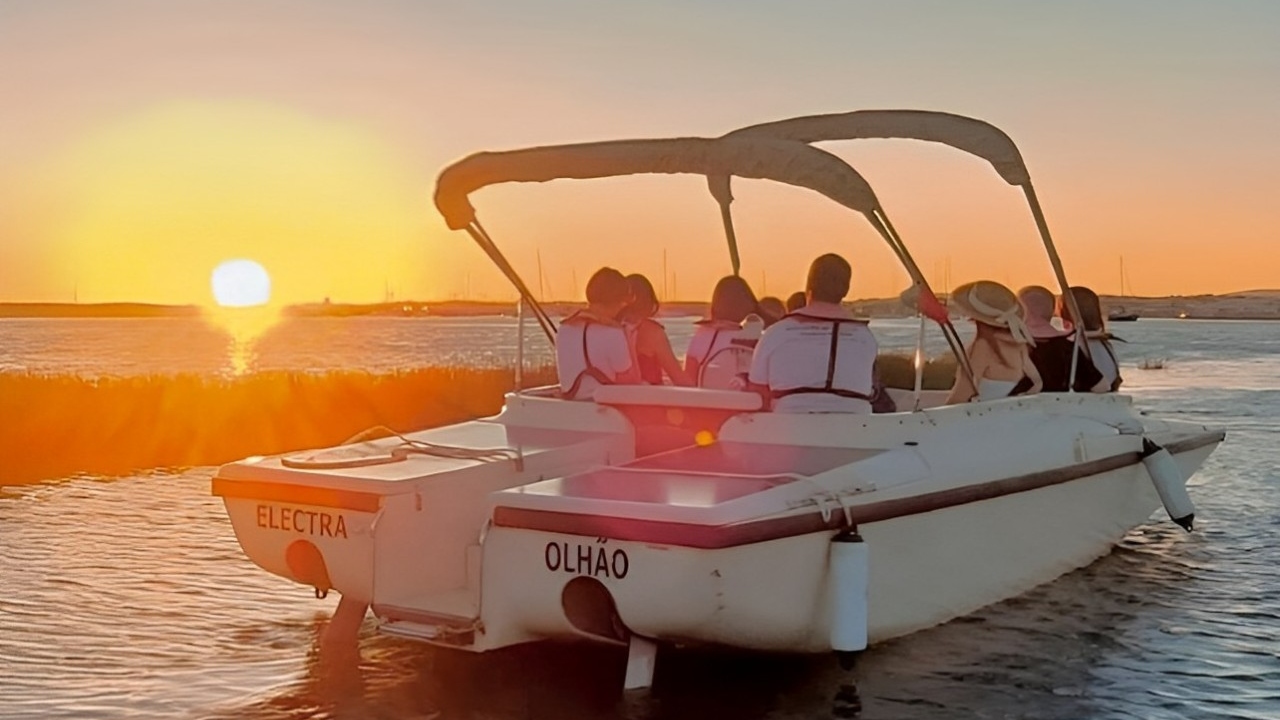
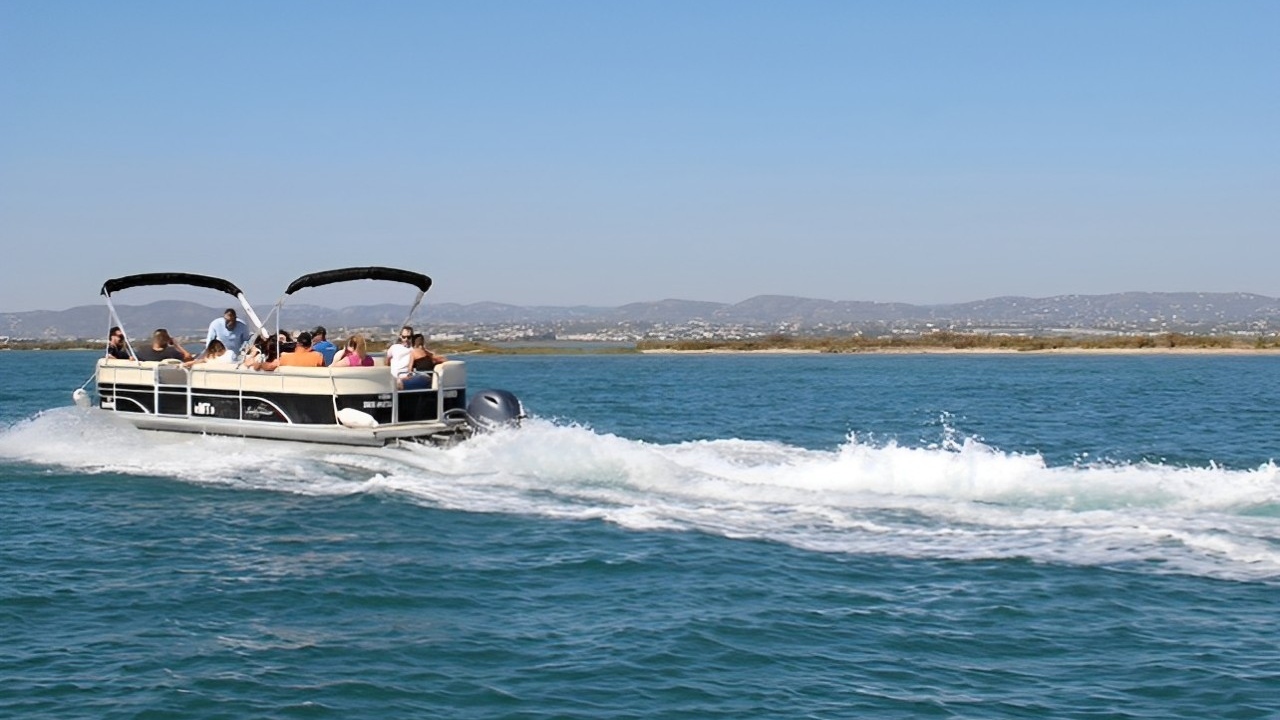
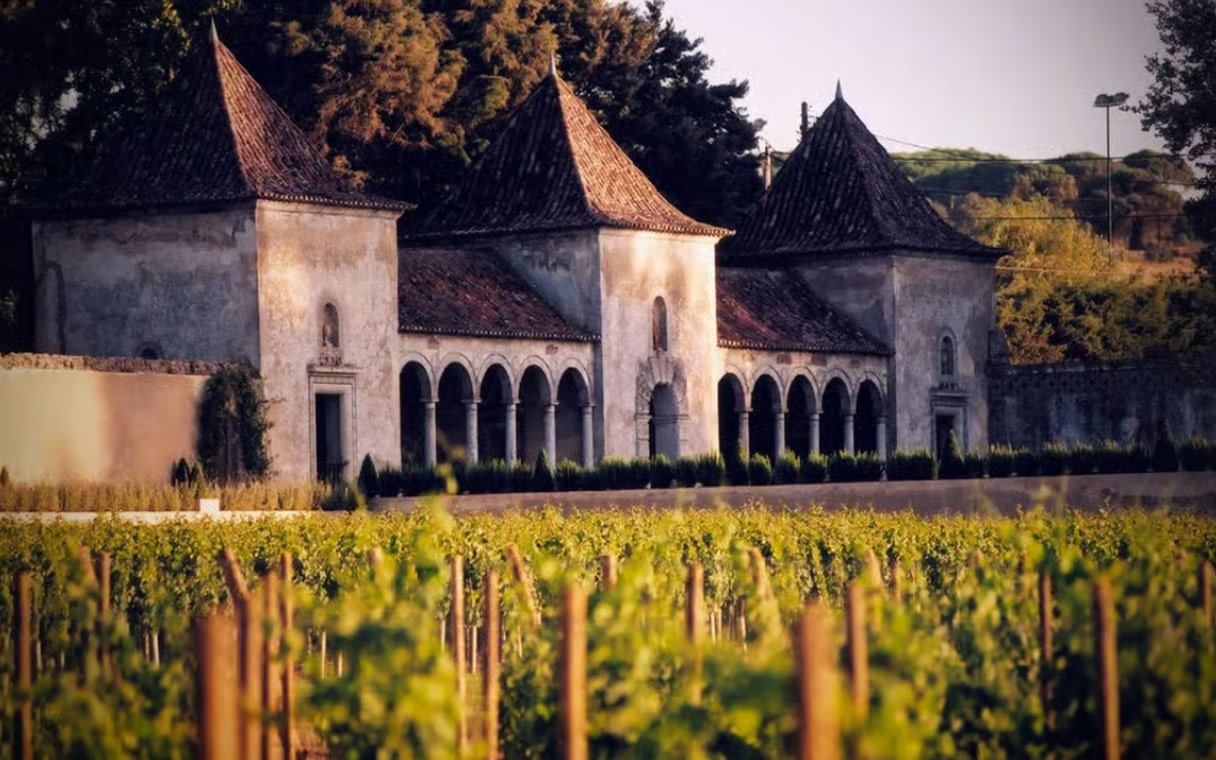
On this tour we will visit Cacela Velha, located in an arenytic elevation in front of the Ria Formosa and the sea. This glimpses one of the most beautiful panoramas of Sotavento algarvio.
In Tavira we will visit the salinas, natural process of sea salt, in this place we will be able to observe some wild birds.
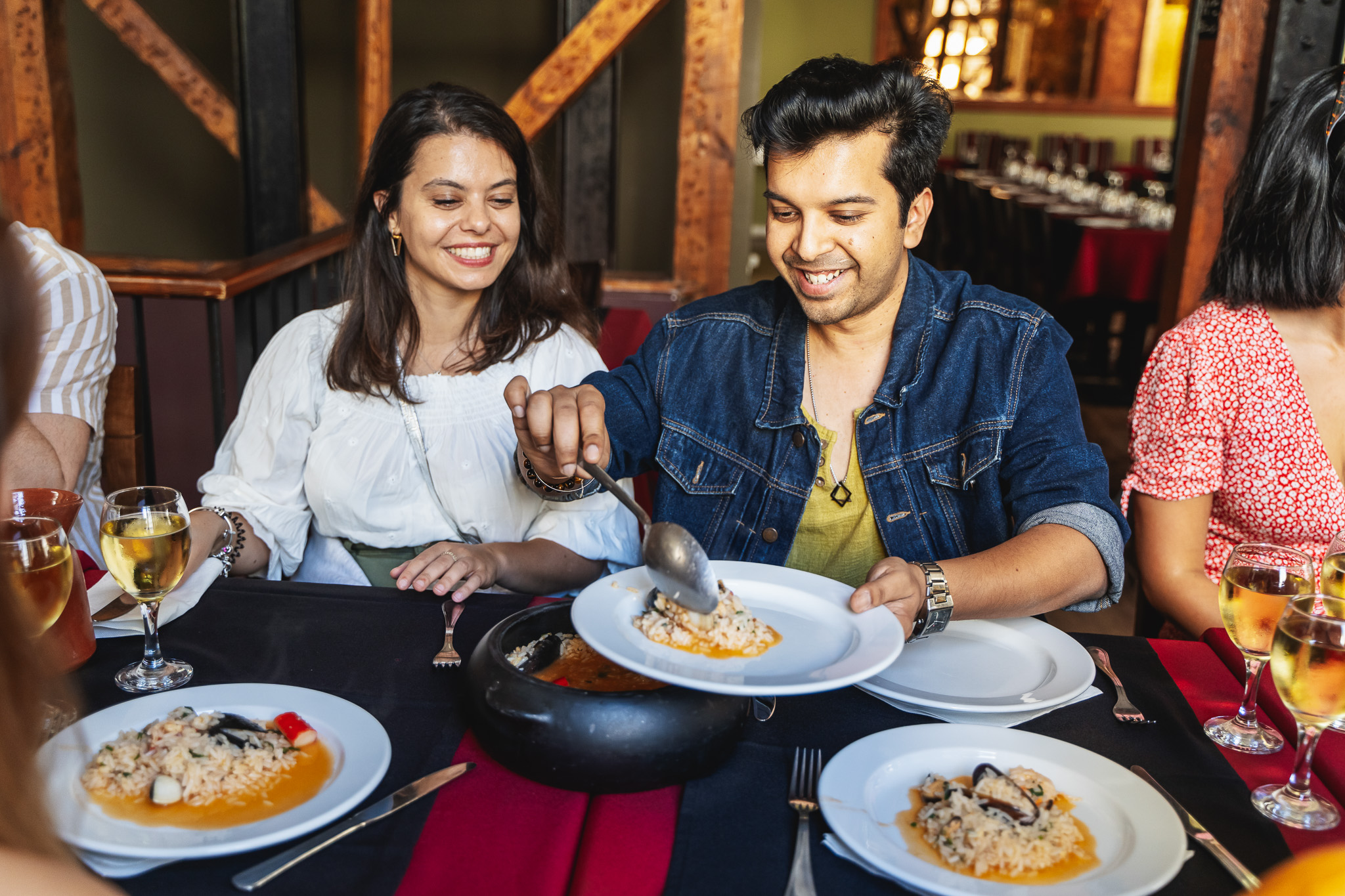
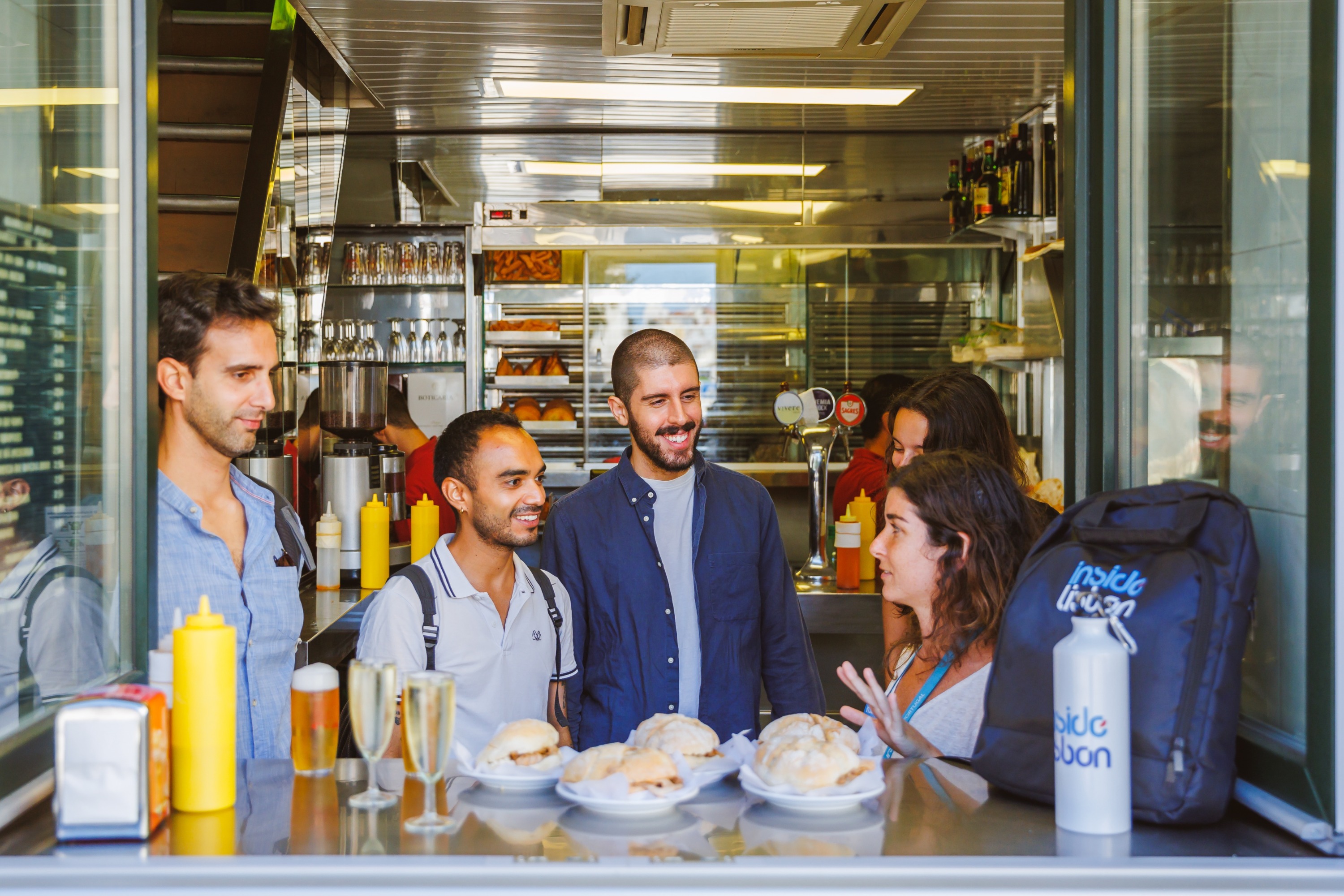
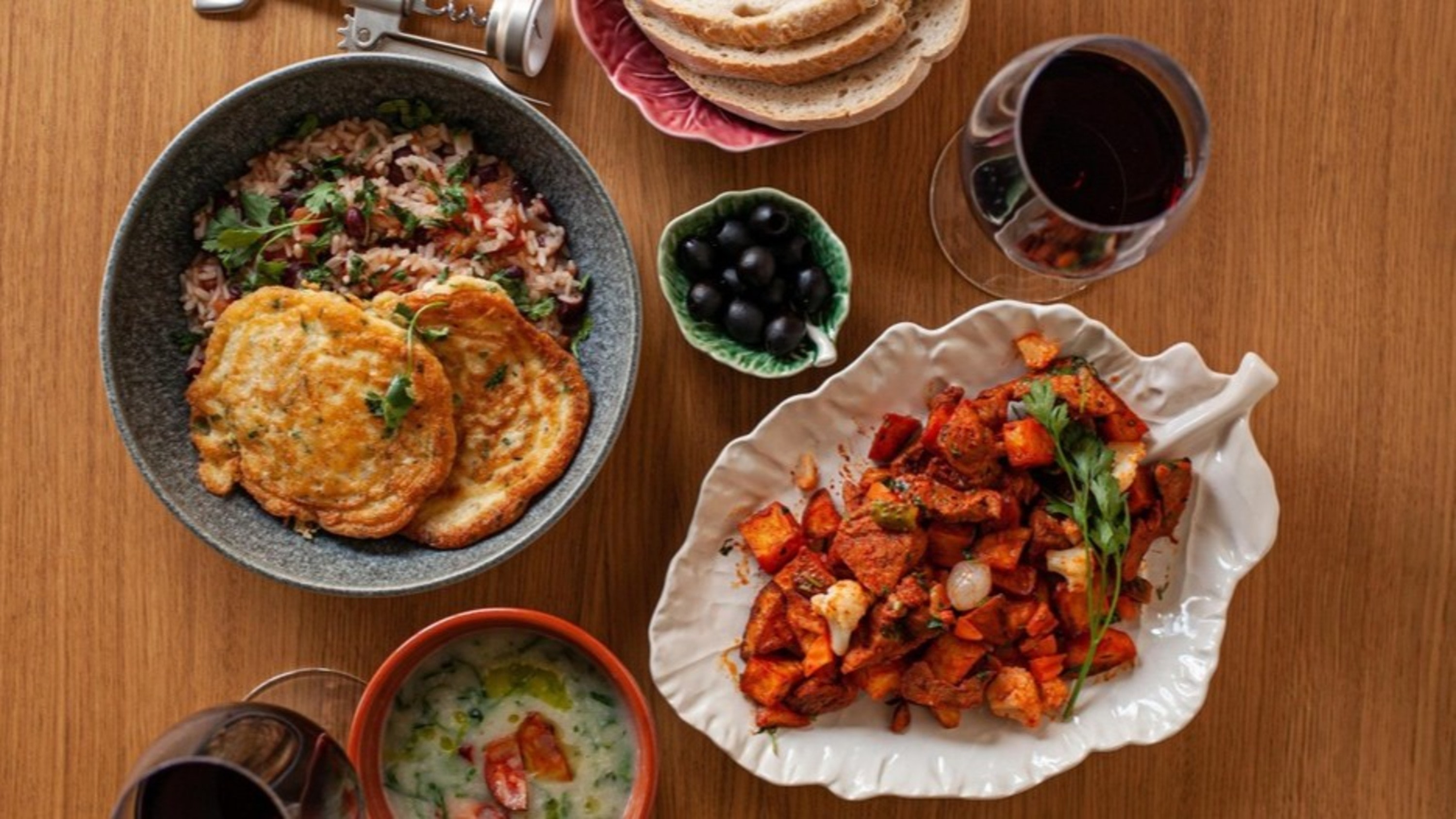
Nature is joined to gastronomy at a local restaurant in Villa Cabanas de Tavira, known for its fishing activity.
An explosion of flavors, a fusion of experiences!
Menu 1
Entry:
Fresh Algarve cheese, with fig and honey
Principal:
Algarve tuna beef with fried sweet potato
Dessert:
Tarte 3 delicacies algarvia
Menu 2
Entry:
Tuna mushroom, with garlic oil and coentros
Principal:
Iberian lizards grilled with fries and salad with mango vinagrete.
Dessert:
Algarve brigadier
Obs. Menus include Couvert and drinks
Drinks: water, soft drinks, white sangria or ink or glass of white or red wine and coffee.
Available options
Ria Formosa & Gastronomy
Pickup included
What's included
Private transportation
Please indicate which lunch menu, available in the description, you want to choose for your meal.
Detailed itinerary
1
The current Matriz Church of Cacela-Velha was built in 1518 on the ruins of the primitive medieval construction, from the end of the thirteenth century, from which it retains a small ogival side door, facing north. Heavily damaged by the earthquake of 1755, it was rebuilt in 1795.
2
Cacela Velha is a village located in an arenytic elevation opposite the Ria Formosa and the sea, whose fortress glimpses one of the most beautiful panoramic of the Algarve sotavento.
It was a passageway for Greek and Phoenician sailors, and according to some authors it was Cunistorgis, the former capital of the Cunees. The Romans expanded it and the Arabs gave it prestige.
3
Castelo de Castro Marim, located in the homonymous village in the Algarve, Portugal, was built in the 13th century by D. Afonso III on Roman and Moorish fortifications, in a strategic position along the river Guadiana, border with Spain.
It has been classified as a National Monument since 1910
4
On the right bank of the Guadiana, the village of Castro Marim is the scene of numerous vestiges that prove its occupation since antiquity. It was populated by Phoenicians, Carthaginians, Greeks, Romans, Visigoths and Arabs. It was conquered by the Moors in 1242 and received forals in 1277. Located near the river, the sea, the plain and the mountain and bordering Ayamonte, Castro Marim was for centuries an important Algarve war square.
5
The Cacela Fortress was built in the 18th century, but its origins go back to prehistoric occupations, Greek, Phoenician, Roman and Arab. Situated on an arenytic elevation overlooking the Ria Formosa and the sea, it stands out for the panorama of the Algarve sotavento. Reconstructed after the earthquake of 1755, it has a polygonal structure and served as a strategic defense point. Today it is part of a museum core and has been a National Monument since 1984.
Available languages
Guide guide
PT
EN
ES
Important information
Public transportation options are available nearby
Suitable for all physical fitness levels
Minimum age 12 years
Meeting point
Maria's Tuk Tuk is 2 minutes from Praça da República or Tavira's Roman Bridge. This is where we start our tour of the Serra de Tavira.
About Faro
Faro is the sunniest city in Portugal and the capital of the Algarve region. Known for its beautiful beaches, historic old town, and vibrant markets, Faro offers a unique blend of cultural heritage and natural beauty. It serves as the perfect starting point for exploring the stunning coastline and picturesque villages of the Algarve.
Top Attractions
Old Town (Cidade Velha)
The Old Town of Faro is a charming area with narrow streets, historic buildings, and vibrant squares. It's the heart of the city and a must-visit for its cultural and architectural heritage.
Historical
2-3 hours
Free to explore
Ria Formosa Natural Park
Ria Formosa is a stunning coastal lagoon and a protected natural park. It's home to a diverse range of wildlife and offers beautiful landscapes and water activities.
Nature
Half day to full day
Free to explore, boat tours cost around €15-20
Faro Cathedral (Catedral de Faro)
The Faro Cathedral is a beautiful example of Baroque architecture and a significant historical landmark. It offers stunning views of the city and the Ria Formosa.
Historical
1 hour
Free entry, donations welcome
Arco da Vila
The Arco da Vila is a historic archway that leads to the Old Town. It's a symbol of Faro and offers a glimpse into the city's rich history.
Historical
15-30 minutes
Free
Faro Marina
The Faro Marina is a vibrant area with restaurants, bars, and shops. It's a great place to relax, enjoy a meal, and watch the boats come and go.
Entertainment
1-2 hours
Free to explore, prices vary for dining and drinks
Must-Try Local Dishes
Cataplana de Marisco
A traditional Portuguese seafood dish cooked in a copper pot called a cataplana. It's filled with a variety of fresh seafood, tomatoes, onions, and spices.
Main Course
Contains seafood, can be made gluten-free
Bacalhau à Brás
A classic Portuguese dish made with shredded codfish, onions, potatoes, and eggs. It's a flavorful and hearty meal.
Main Course
Contains fish, can be made gluten-free
Piri-Piri Chicken
Grilled chicken marinated in a spicy piri-piri sauce. It's a popular dish in the Algarve region.
Main Course
Contains chicken, can be made gluten-free
Pastel de Nata
A traditional Portuguese custard tart with a flaky pastry crust. It's a sweet and creamy treat.
Dessert
Contains dairy and eggs, can be made gluten-free
Popular Activities
Boat tours
Surfing
Hiking
Beach relaxation
Spa treatments
Dining by the water
Sightseeing
Visiting historic sites
Best Time to Visit
June to September
This is the best time to visit Faro for beach activities and outdoor exploration. The weather is warm and sunny, perfect for enjoying the coastline and water sports.
25°C to 35°C
77°F to 95°F
Practical Information
Language
- Official: Portuguese
- Widely spoken: English, Spanish
- English: Moderately spoken
Currency
Euro (EUR)
Time Zone
GMT+1 (Western European Time)
Electricity
230VV, 50HzHz
Safety Information
Overall Safety Rating: Generally safe
Faro is generally a safe destination for travelers. However, as with any tourist destination, it's important to be aware of your surroundings and take precautions to protect yourself and your belongings.
Important Precautions:
- • Keep valuables secure
- • Use licensed taxis
- • Be cautious of pickpockets in crowded areas
Getting there
By air
- Faro Airport • 4 km from city center
By train
Faro Station
By bus
Faro Bus Terminal
Getting around
Public transport
The bus network in Faro is efficient and covers most parts of the city and surrounding areas. Buses are a convenient and affordable way to get around.
Taxis
Available • Apps: Bolt, FreeNow
Rentals
Car, Bike, Scooter
Neighborhoods
Old Town (Cidade Velha)
Marina
Farol
Day trips
Tavira
50 km from Faro • Full day
Tavira is a charming town with a rich history, beautiful architecture, and stunning beaches. It's a great day trip from Faro for those looking to explore more of the Algarve.
Lagos
100 km from Faro • Full day
Lagos is a vibrant coastal town known for its beautiful beaches, historic sites, and adventure activities. It's a great day trip for those looking to combine relaxation and excitement.
Monchique
80 km from Faro • Full day
Monchique is a picturesque mountain town known for its natural beauty, hot springs, and scenic views. It's a great day trip for those looking to escape the coast and enjoy the countryside.
Festivals
Faro International Film Festival • June
Feast of São João • June 23-24
Faro Wine Festival • August
Pro tips
- Visit the Old Town early in the morning or late in the afternoon to avoid crowds and enjoy the best lighting for photos.
- Explore the local markets for fresh produce, traditional products, and unique souvenirs.
- Try the local seafood dishes, particularly those made with fresh fish and shellfish.
- Rent a bike or take a boat tour to explore the Ria Formosa Natural Park and its stunning landscapes.
- Learn a few basic Portuguese phrases to enhance your experience and connect with locals.
From $25
per person
Price varies by option
Secure booking
Free cancellation available