Cidade velha excursion
Active
5h
For a full refund, cancel at least 24 hours before the scheduled departure time.
Instant confirmation
Mobile or paper ticket accepted
About this experience
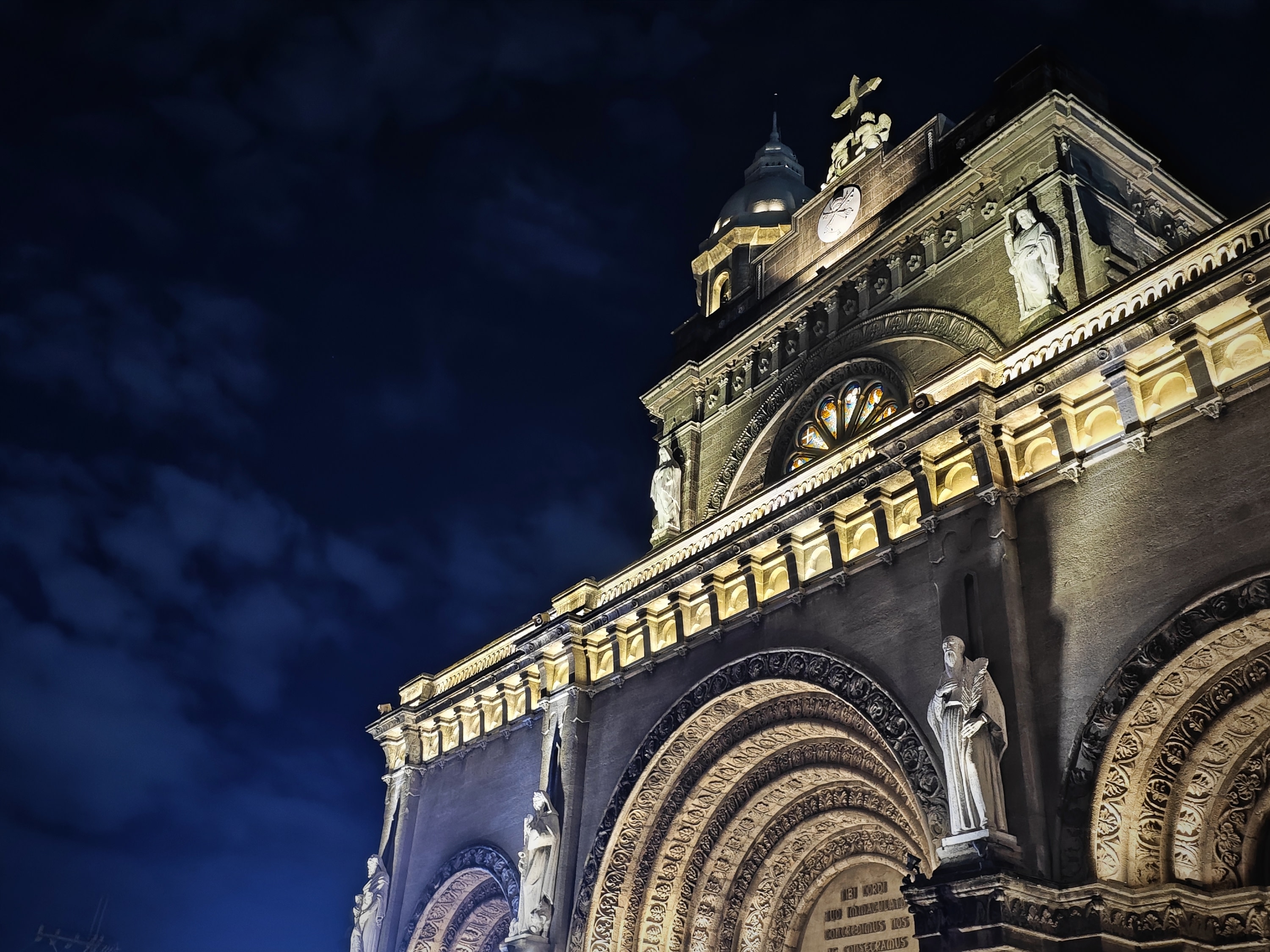
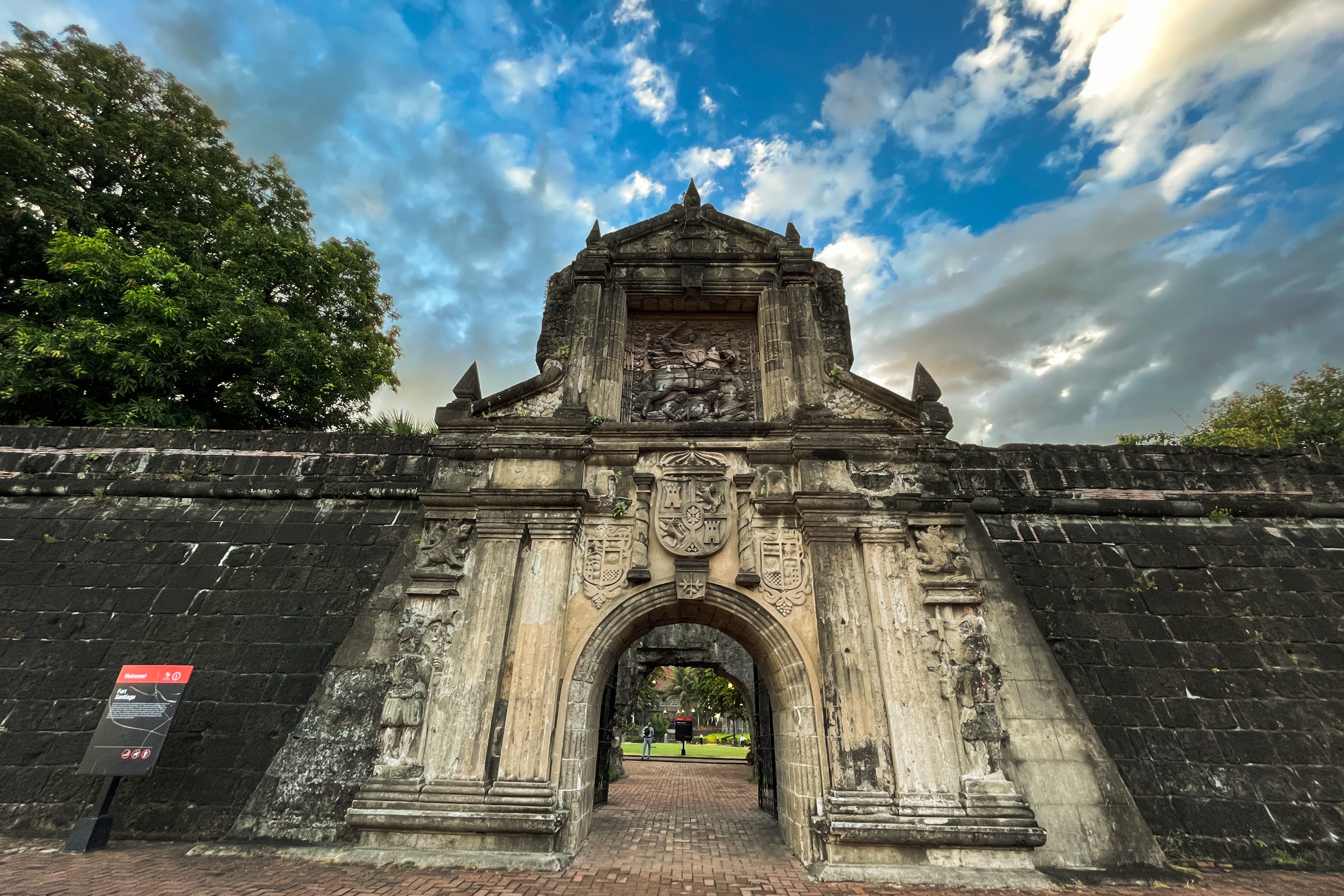
Im this tour we gonna anderstand the history of cape verd, and see the beatifull constrution build by portuguese im century 14.
The island of Santiago was discovered by António da Noli, a Genoese in Portuguese service, in 1460. Da Noli settled at Ribeira Grande with his family members and Portuguese from Algarve and Alentejo in 1462. The settling conditions were good due to the abundance of water from the river Ribeira Grande, which gave it an advantage over the other settlement on Santiago, Alcatrazes.
The settlement became a key port of call for Portuguese colonisation towards Africa and South America. In the 16th and 17th centuries, it was a centre of maritime trade between Africa, the Cape, Brazil and the Caribbean. Due to its proximity to the African coast, it was an essential platform for the trade of enslaved persons.
Available options
Cidade velha excursion
Pickup included
What's included
Air-conditioned vehicle
Detailed itinerary
1
Language
Download PDF
Watch
Edit
Cidade Velha (Portuguese for "old city", also: Santiago de Cabo Verde) is a city[2] in the southern part of the island of Santiago, Cape Verde. Founded in 1462,[3]:77 it is the oldest settlement in Cape Verde and its former capital. Once called Ribeira Grande, its name was changed to Cidade Velha in the late 18th century.[4] It is the seat of the Ribeira Grande de Santiago municipality.
Located off Africa's northwest coast, this town was the first European colonial settlement in the tropics. Some of the meticulously planned original design of the site is still intact, including a royal fortress, two churches and a 16th-century town square. Today, Cidade Velha is an Atlantic shipping stop and center for Creole culture. The city became a UNESCO World Heritage Site and one of the Seven Wonders of Portuguese Origin in the World in 2009.
What's not included
Lunch
Available languages
Guide guide
DE
EN
IT
FR
ES
Reviews breakdown
Tripadvisor
5.0
1 reviews
5★
1
4★
0
3★
0
2★
0
1★
0
Important information
Wheelchair accessible
Infants and small children can ride in a pram or stroller
Service animals allowed
Infants are required to sit on an adult’s lap
Specialized infant seats are available
All areas and surfaces are wheelchair accessible
Not recommended for travelers with poor cardiovascular health
Suitable for all physical fitness levels
About Santiago
Santiago is the largest island in Cape Verde and home to the capital city, Praia. Known for its vibrant culture, historic sites, and stunning natural landscapes, Santiago offers a blend of urban life and traditional Cape Verdean charm. The island's rich history and diverse ecosystems make it a unique and appealing destination for travelers.
Top Attractions
Plateau
The Plateau is the historic center of Praia, featuring colonial architecture, government buildings, and cultural landmarks. It offers a glimpse into the island's past and present.
Historical
1-2 hours
Free
Achada Santo António
A vibrant neighborhood known for its lively atmosphere, local markets, and traditional music. It's a great place to experience authentic Cape Verdean life.
Cultural
Half-day
Free to explore, costs for shopping
Tarrafal Beach
A beautiful beach with golden sand and clear waters, perfect for relaxation and water activities. It's one of the most popular beaches on the island.
Beach
Half-day to full day
Free
Pico de Antónia
The highest peak on the island, offering stunning views and a challenging hike. It's a great spot for nature lovers and adventure seekers.
Nature
Full day
Free
Must-Try Local Dishes
Cachupa
A hearty stew made with corn, beans, and various meats, often considered the national dish of Cape Verde.
Dinner
Vegetarian versions available.
Pastel de Milho
A sweet corn pastry, often filled with coconut or sweet potato, and a popular street food.
Snack
Vegetarian.
Canja
A traditional soup made with chicken, rice, and vegetables, often served with a side of bread.
Dinner
Can be made vegetarian.
Popular Activities
Hiking
Water sports
Exploring local markets
Beach lounging
Sunbathing
Enjoying local cuisine
Visiting historic sites
Experiencing traditional music and dance
Best Time to Visit
November to July
This is the dry season with pleasant weather, making it ideal for outdoor activities and sightseeing. The island is less crowded compared to other tropical destinations.
22°C to 30°C
72°F to 86°F
Practical Information
Language
- Official: Portuguese
- Widely spoken: Cape Verdean Creole
- English: Moderately spoken
Currency
Cape Verdean Escudo (CVE)
Time Zone
GMT-1
Electricity
220VV, 50HzHz
Safety Information
Overall Safety Rating: Generally safe
Santiago is generally safe for travelers, but petty crime such as pickpocketing and bag snatching can occur in crowded areas. Be cautious of your surroundings and keep valuables secure.
Important Precautions:
- • Keep valuables secure
- • Avoid walking alone at night
- • Use reputable taxis and tour operators
Getting there
By air
- Nelson Mandela International Airport • 5 km from Praia city center
By bus
Praia Central Bus Station
Getting around
Public transport
Shared taxis (Aluguer) are a common and affordable way to get around. They operate on fixed routes and can be hailed on the street.
Taxis
Available • Apps: N/A
Rentals
Car, Bike, Scooter
Neighborhoods
Plateau
Achada Santo António
Várzea
Day trips
Tarrafal
20 km from Praia • Half-day to full day
Tarrafal is a beautiful beach town with golden sand and clear waters. It's a great spot for relaxation, water activities, and enjoying local cuisine.
Assomada
30 km from Praia • Half-day to full day
Assomada is a historic town with a rich cultural heritage. It's known for its traditional architecture, local markets, and the famous Achada Furna viewpoint.
Pico de Antónia
40 km from Praia • Full day
Pico de Antónia is the highest peak on the island, offering stunning views and a challenging hike. It's a great spot for nature lovers and adventure seekers.
Festivals
Festival de Santiago • July
Carnival • February
Pro tips
- Learn a few basic phrases in Cape Verdean Creole to enhance your interactions with locals.
- Try the local cuisine, especially the national dish, Cachupa.
- Explore the local markets for unique souvenirs and cultural experiences.
- Visit historic sites and museums to learn about the island's rich history and cultural heritage.
- Respect local customs and traditions, and be mindful of your impact on the environment and communities.
From $25
per person
Price varies by option
Secure booking
Free cancellation available
Instant confirmation