Berber Cooking Class at a Farm in the Countryside & shopping at a rural Souk.
Active
7h
For a full refund, cancel at least 24 hours before the scheduled departure time.
Manual confirmation
Mobile or paper ticket accepted
About this experience
The cooking class is offered in the beautiful Haha-region 35 km south of Essaouira. This is the land of the Berbers, Morocco’s indigenous population. The Berbers of the Haha hills cultivate crops and keep animals, mainly goats and sheep.
We visit a local souk featuring freshly harvested fruit and vegetables, in addition to meat, eggs, honey – in short, all the staples for daily living, including the essential ingredients for our Berber cooking class.
The class takes place at an ecological farm, centred around an authentic Berber kitchen stocked with traditional items for food preparation.
Khadija and Khadija, two lovely local women, show you how they roast barley grains on the fire, and then grind them in a stone mill to produce the flour and semolina used as the basis for traditional flat bread and couscous. We bake flat bread in a clay oven and steam couscous in a traditional clay pot.
We learn to make a traditional tagine of vegetables and goat meat with Moroccan spices and olive oil – oil derived from the olive trees growing on the farm.
Depending on the weather, lunch is served outside if at all possible. Eating in beautiful, calm and natural surroundings is a special event. Following the meal, we enjoy tea infused with fresh herbs from the garden.
As we will be driving through the Argan zone, you have the option to visit an Argan oil cooperative and learn about the production of this beautiful oil - in all the world, a product unique to this area. They will offer us a taste of the lovely things they make with it, too.
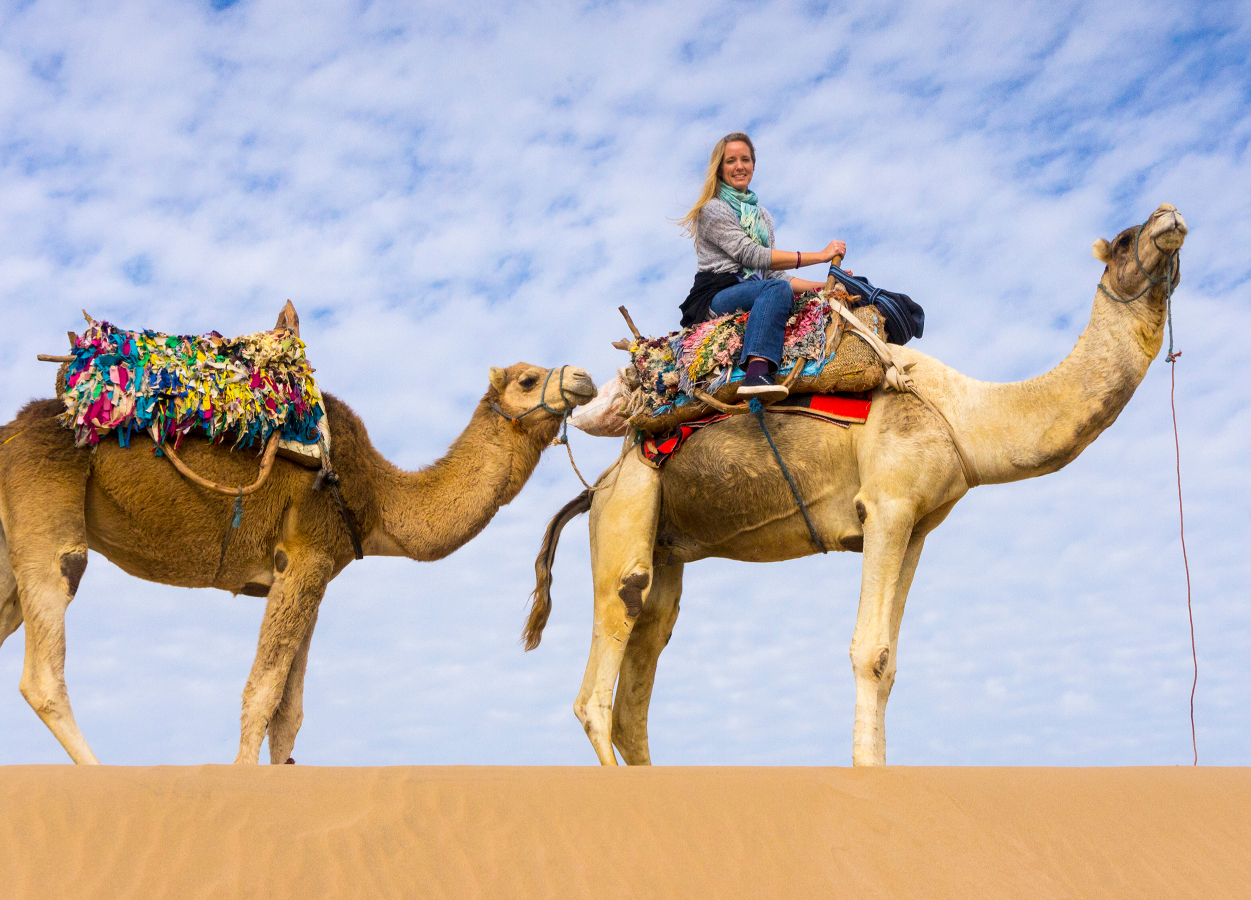
Very likely you will see the famous goats in the trees on this tour to the south of Essaouira.
Available options
Berber Cooking Class at a Farm in the Countryside & shopping at a rural Souk.
What's included
Private transportation
Lunch
Coffee and/or Tea
Available languages
Guide guide
AR
EN
FR
Reviews breakdown
Viator
5.0
1 reviews
5★
1
4★
0
3★
0
2★
0
1★
0
Tripadvisor
4.9
21 reviews
5★
19
4★
1
3★
1
2★
0
1★
0
Important information
Service animals allowed
Specialized infant seats are available
Suitable for all physical fitness levels
Meeting point
Laboratory Abdelkrim Khattabi, near Bab Marrakech
About Essaouira
Essaouira is a charming coastal city known for its well-preserved medieval architecture, vibrant arts scene, and excellent windsurfing conditions. This UNESCO World Heritage site offers a blend of Moroccan and Portuguese influences, making it a unique and appealing destination for travelers.
Top Attractions
Skala de la Ville
A historic rampart with cannons overlooking the Atlantic Ocean, offering stunning views and a glimpse into the city's past.
Historical
30 minutes
Free
Essaouira Beach
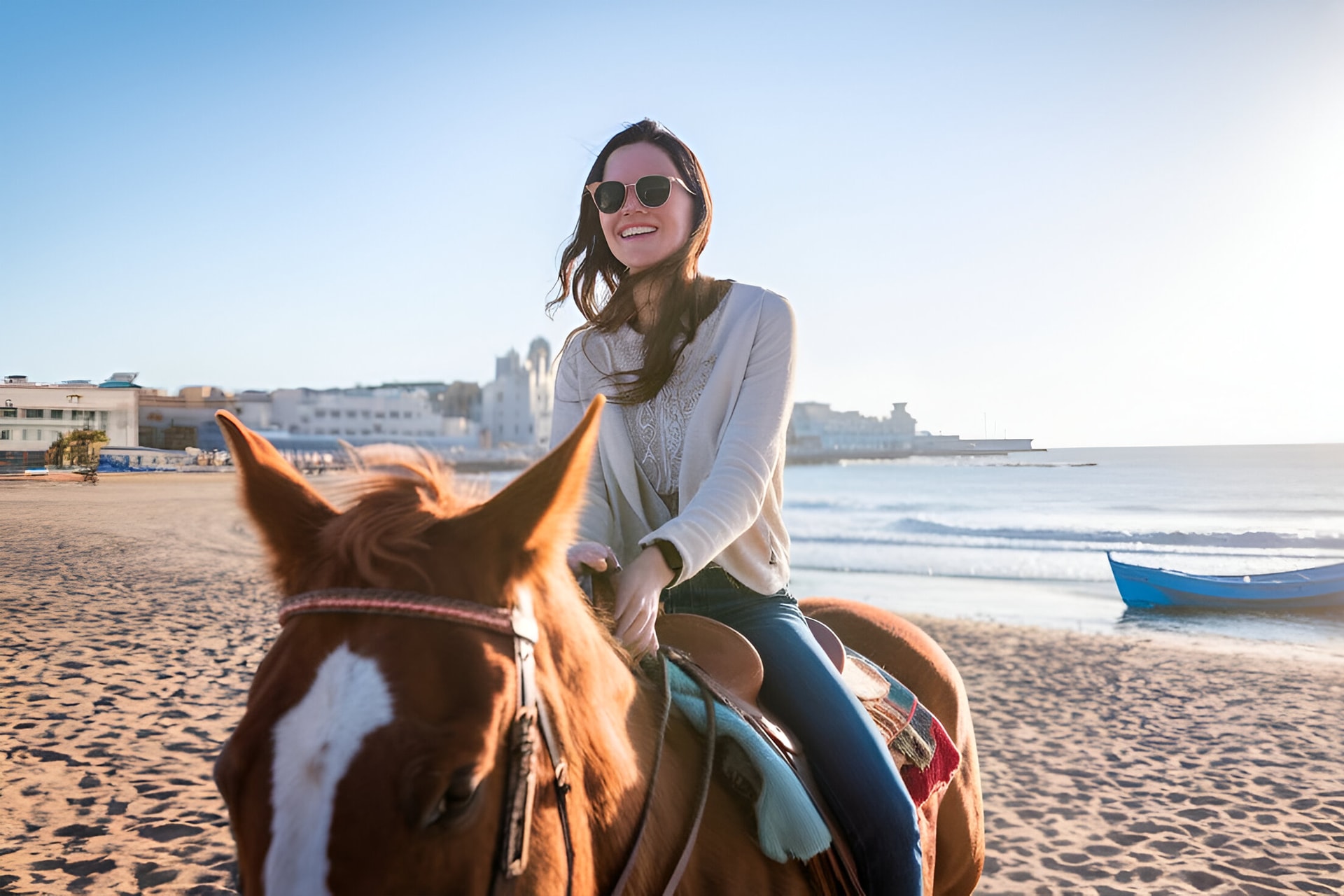
A long, sandy beach popular for windsurfing, kitesurfing, and horseback riding.
Beach
Half day
Free
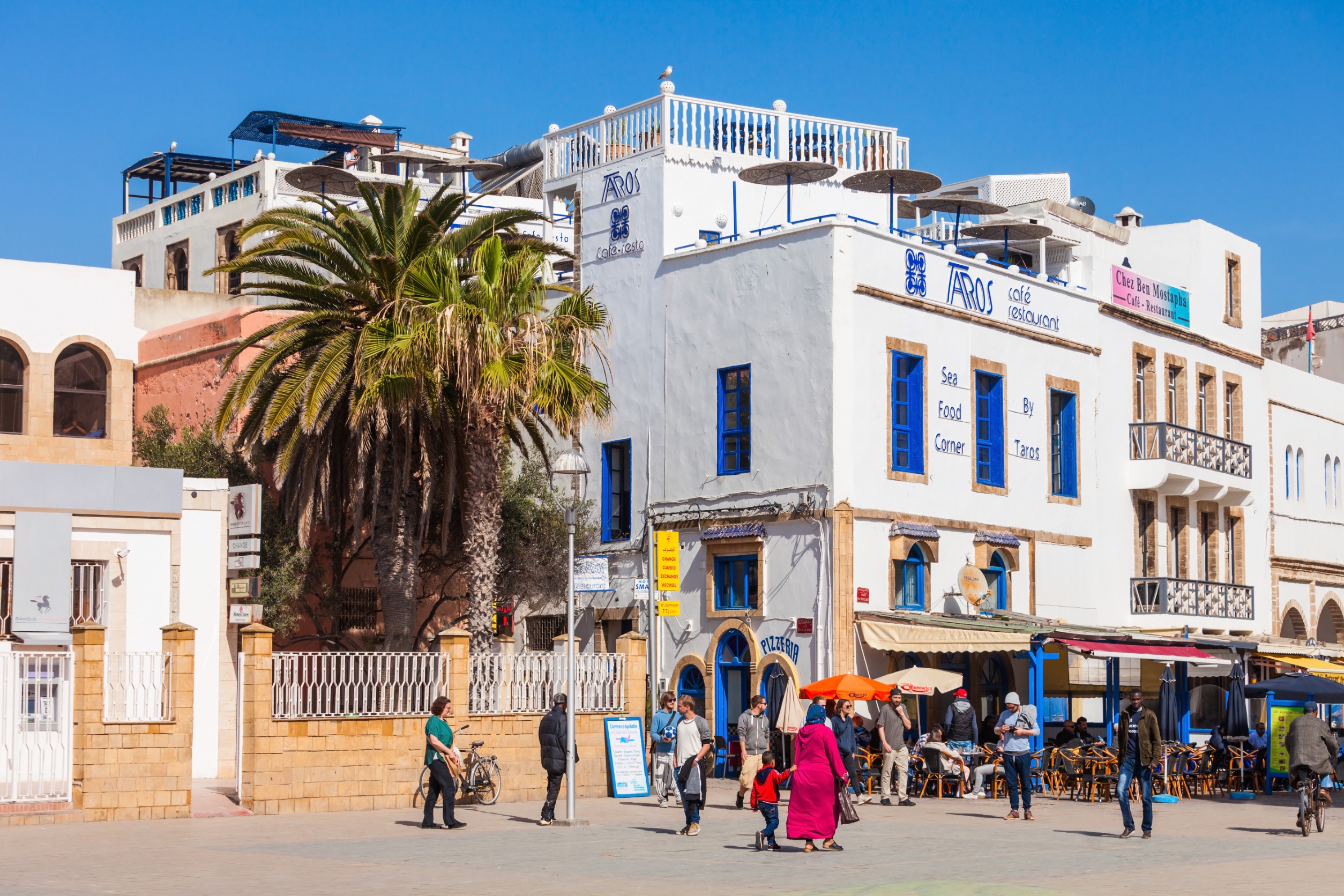
Medina of Essaouira
A UNESCO World Heritage site with narrow, winding streets, vibrant markets, and historic architecture.
Historical
Half day
Free to explore
Must-Try Local Dishes
Tagine
A slow-cooked stew made with meat, vegetables, and spices, often cooked in a traditional clay pot.
Main Course
Can be made with chicken, lamb, or vegetables.
Grilled Fish
Fresh fish grilled to perfection, often served with salads and bread.
Main Course
Vegetarian options available.
Harira
A hearty soup made with lentils, chickpeas, and tomatoes, often served with dates and lemon.
Soup
Vegetarian and vegan options available.
Popular Activities
Windsurfing
Kitesurfing
Horseback Riding
Beach lounging
Spa treatments
Yoga
Exploring the Medina
Visiting local markets
Best Time to Visit
April to June, September to October
The best time to visit Essaouira is during the spring and fall when the weather is pleasant and the city is lively with festivals and events.
18°C to 25°C
64°F to 77°F
Practical Information
Language
- Official: Arabic
- Widely spoken: French, Berber
- English: Moderately spoken
Currency
Moroccan Dirham (MAD)
Time Zone
GMT+0
Electricity
220VV, 50HzHz
Safety Information
Overall Safety Rating: Generally safe
Essaouira is generally safe for tourists, but standard precautions should be taken.
Important Precautions:
- • Keep valuables secure
- • Be cautious of pickpockets in crowded areas
- • Use official taxis
Getting there
By air
- Essaouira-Mogador Airport • 5 km from city center
By bus
Essaouira Bus Station
Getting around
Public transport
Affordable and convenient, but can be crowded.
Taxis
Available • Apps: Not commonly used, but local taxi services can be arranged.
Rentals
Car, Bike, Scooter
Neighborhoods
Medina
Port Area
Day trips
Diabat
5 km • Half day
A small village with a rich history and beautiful beaches.
Sidi Kaouki
25 km • Full day
A beautiful beach known for its surfing and water sports.
Festivals
Gnaoua World Music Festival • June
Essaouira Atlantic Game Fish Festival • September
Pro tips
- Visit the local markets early in the morning for the best selection and prices.
- Try the fresh seafood at the port area for an authentic experience.
- Take a horse-drawn carriage ride through the medina for a unique perspective.
- Learn a few basic phrases in Arabic or French to enhance your experience.
- Book accommodations early for peak seasons, especially during festivals.
From $25
per person
Price varies by option
Secure booking
Free cancellation available