Full-Day Private Tour to Como Lake and Lugano from Milan
Active
10h
All sales are final. No refund is available for cancellations.
Manual confirmation
Mobile or paper ticket accepted
About this experience
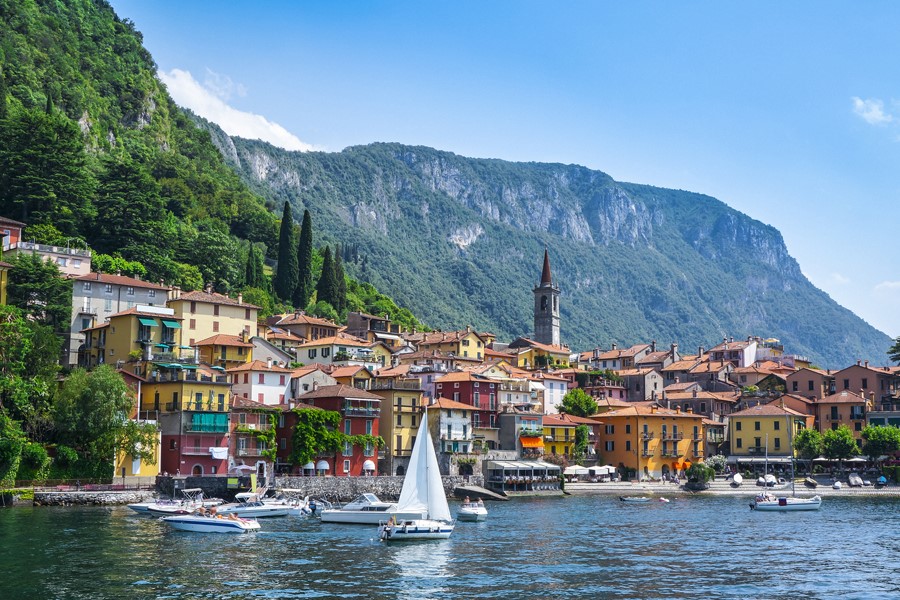
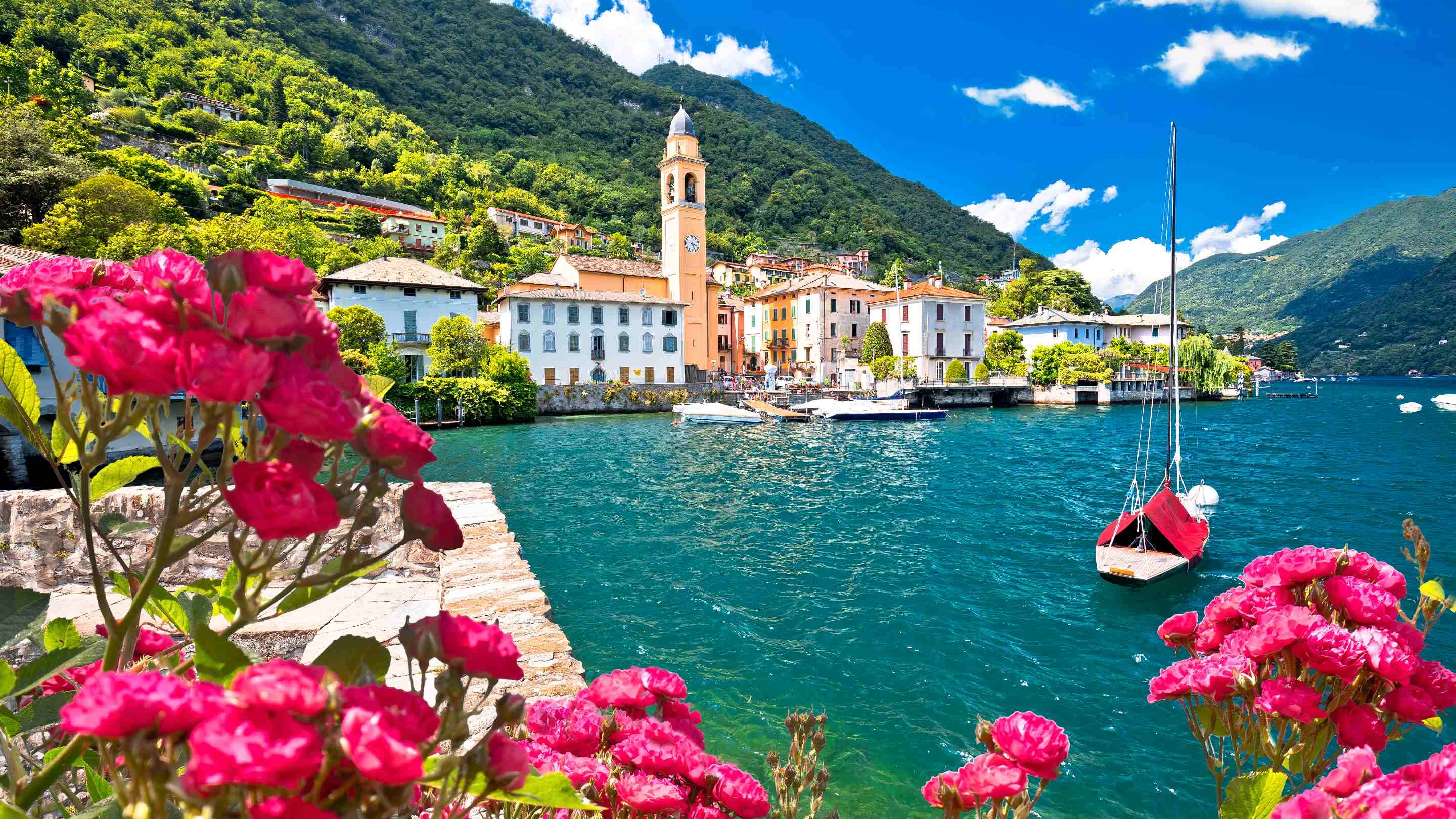
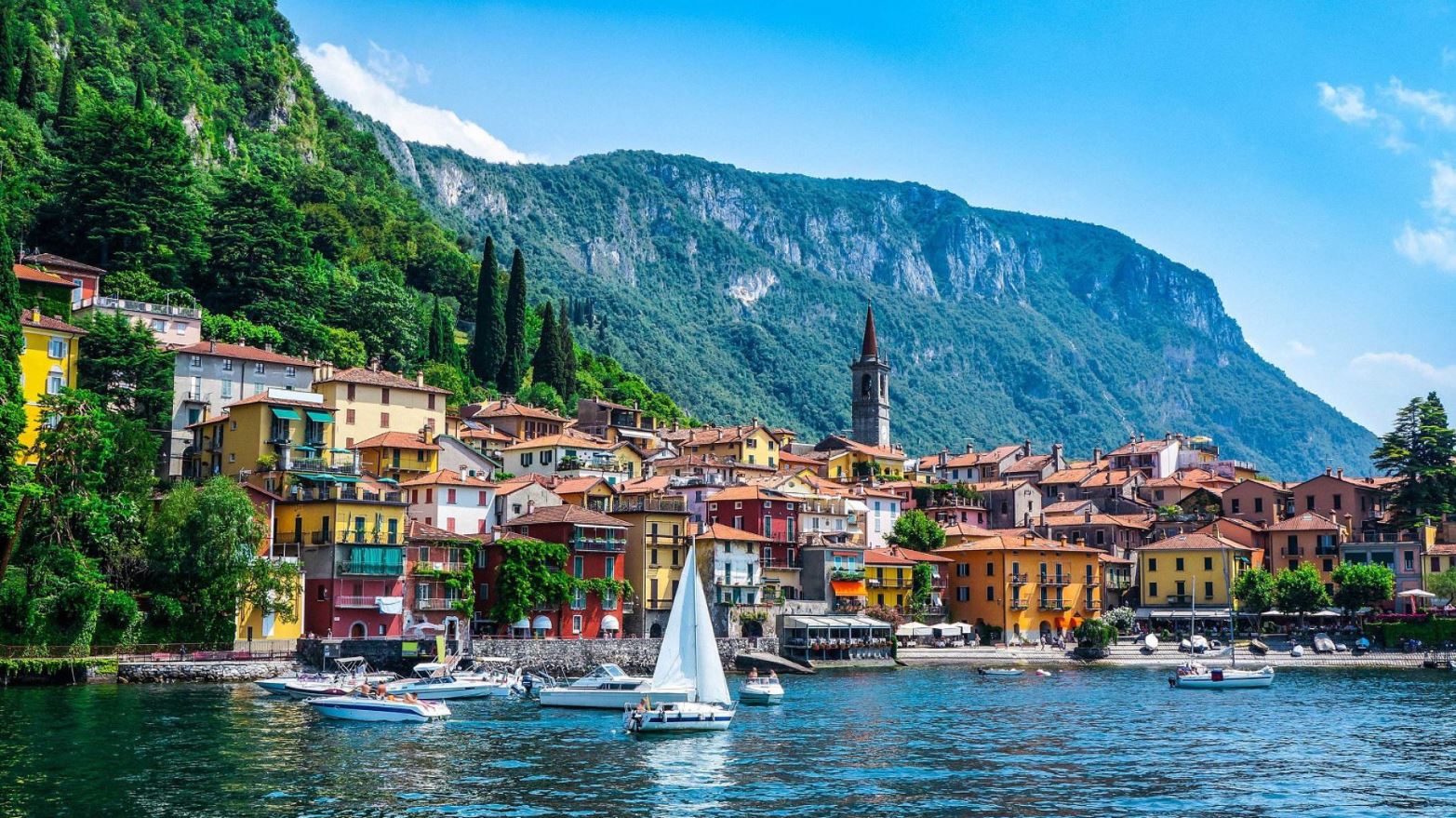
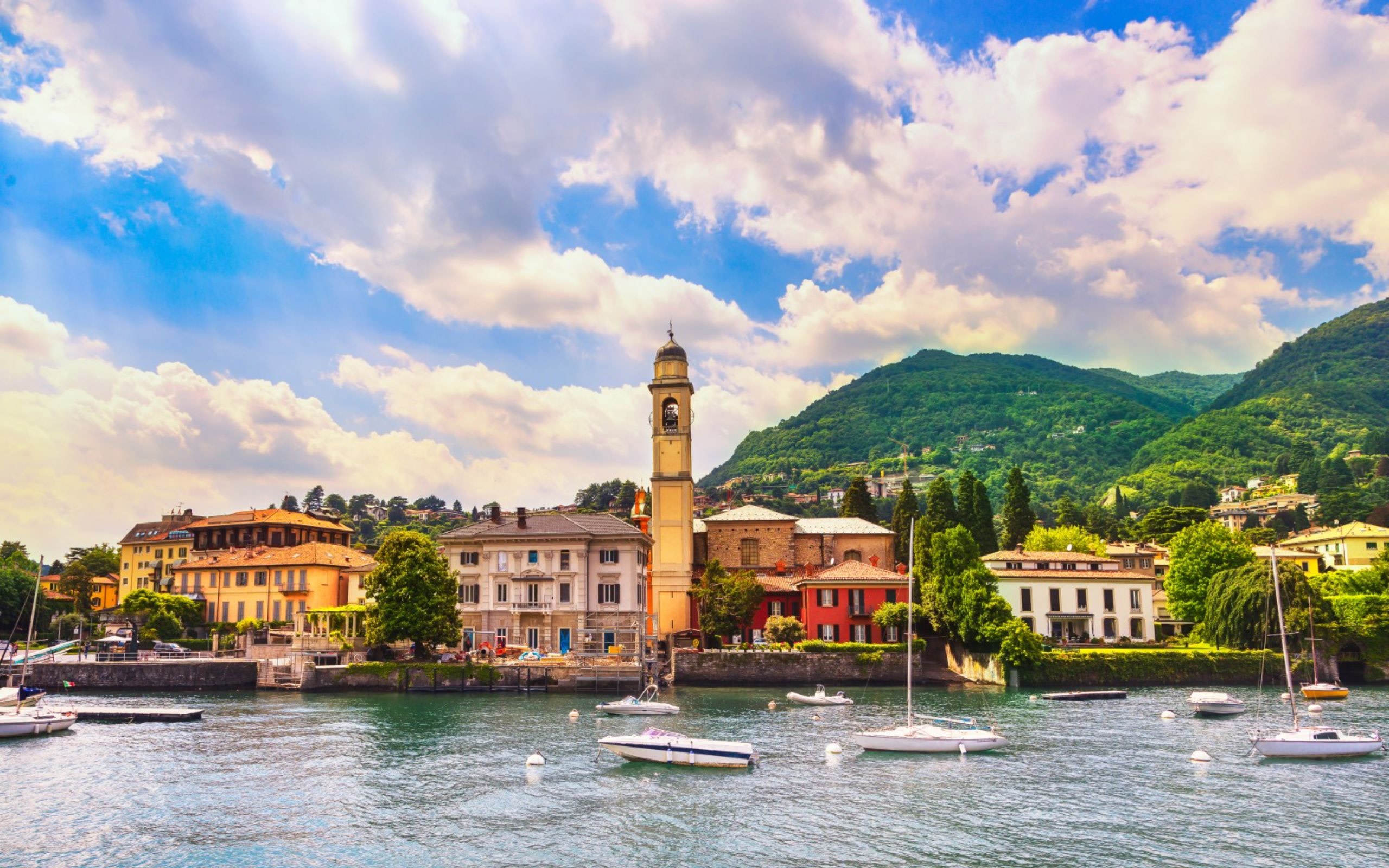
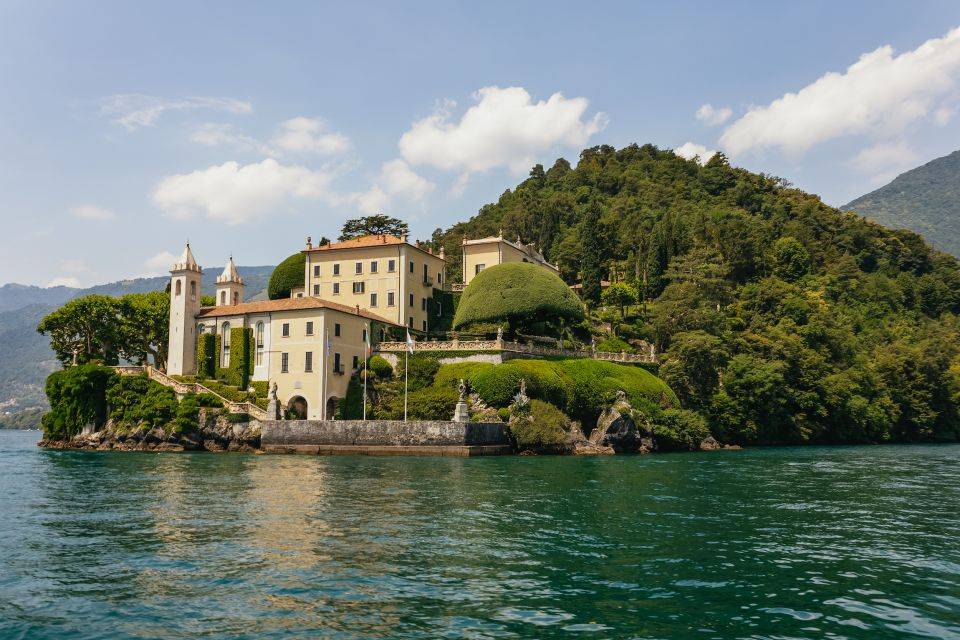
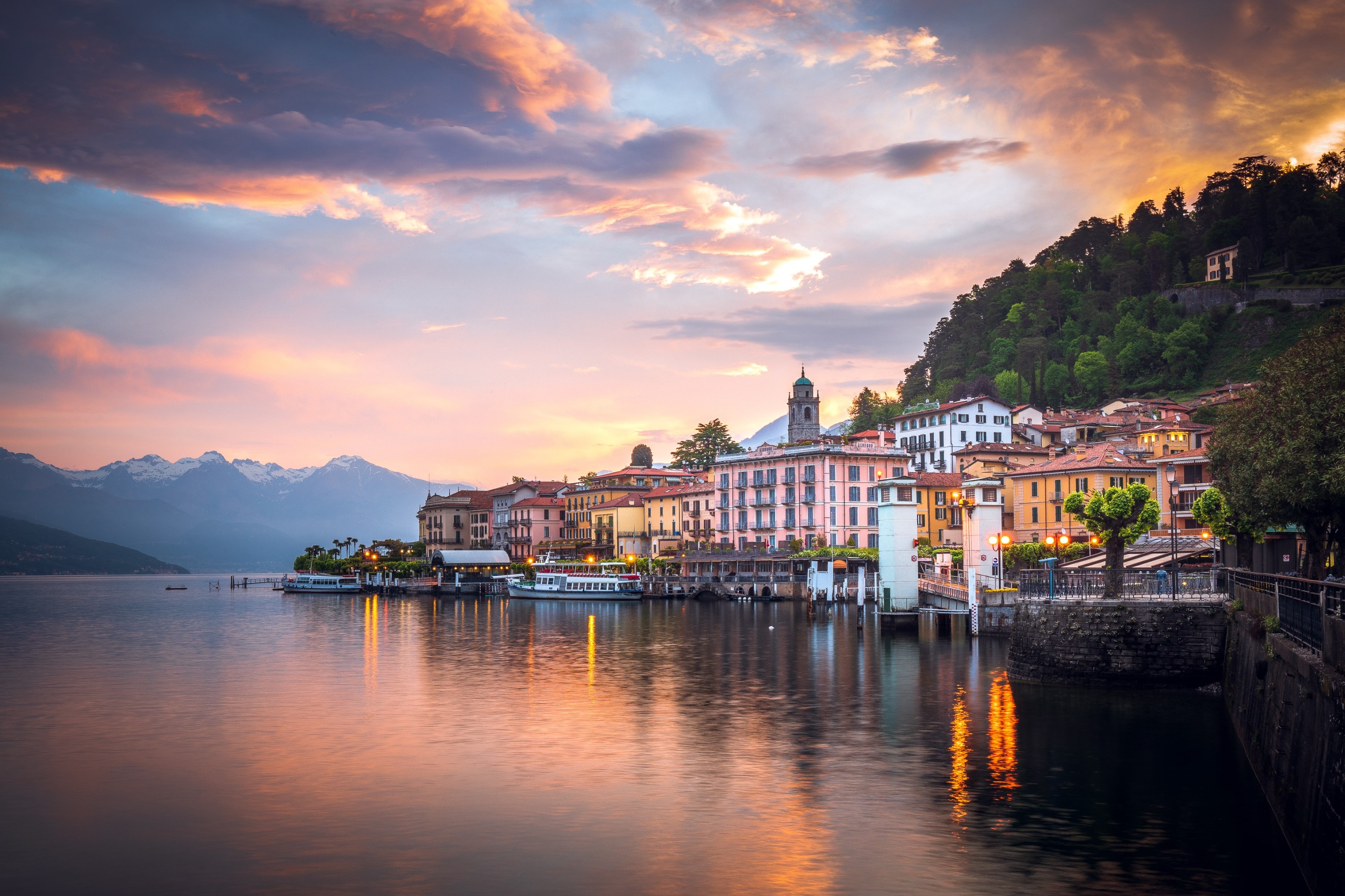
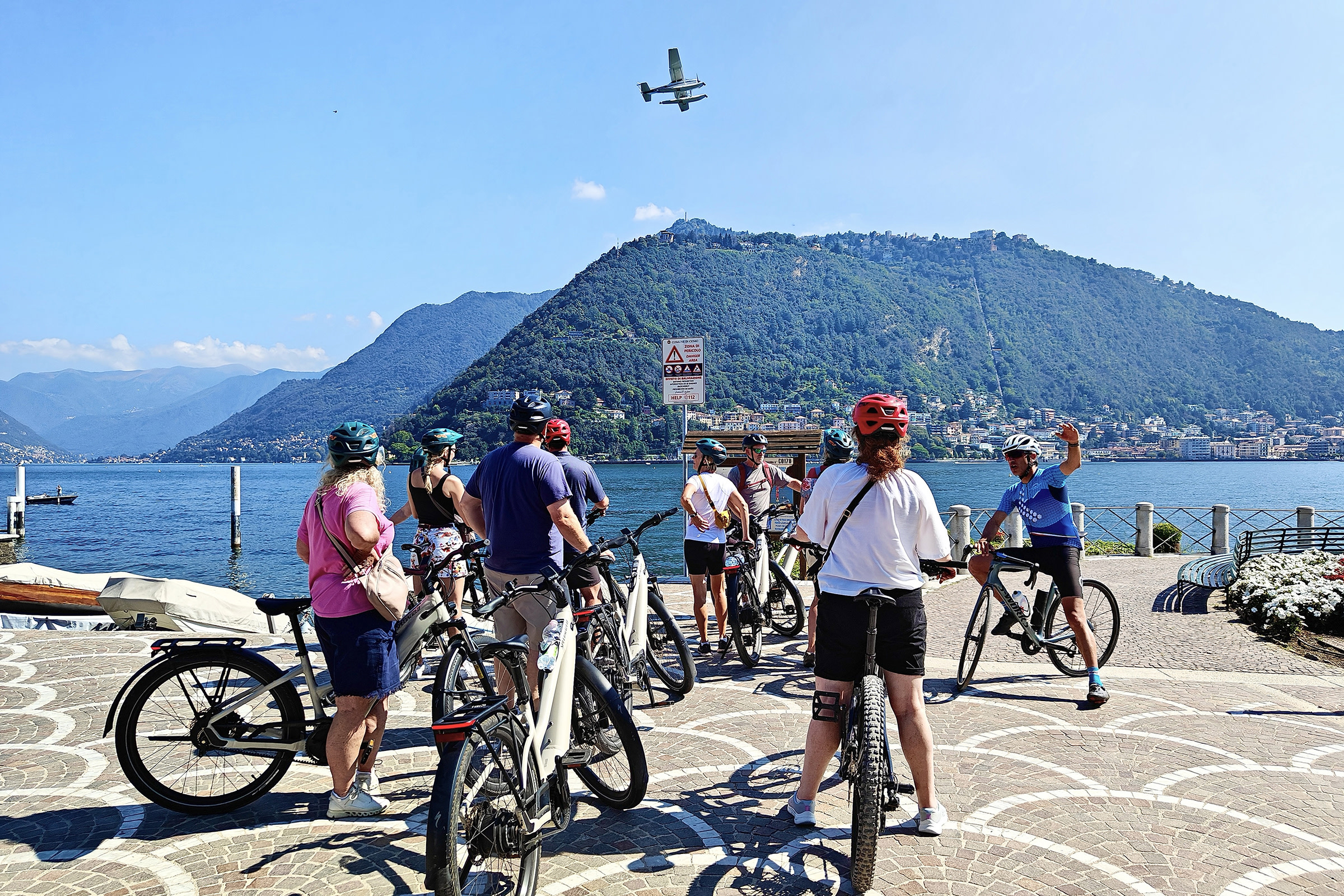
Como is an elegant and vital town: its center is always animated all year round. Its lakeside charm and the sophisticated beauty, the panoramas as far as the eye can see from Brunate, the enchanting villas overlooking the lake make it a very popular destination. Wonder around the city center,enjoying the highlights of the town with your tour guide that you will meet directly on spot and who will accompany you for the rest of your day.
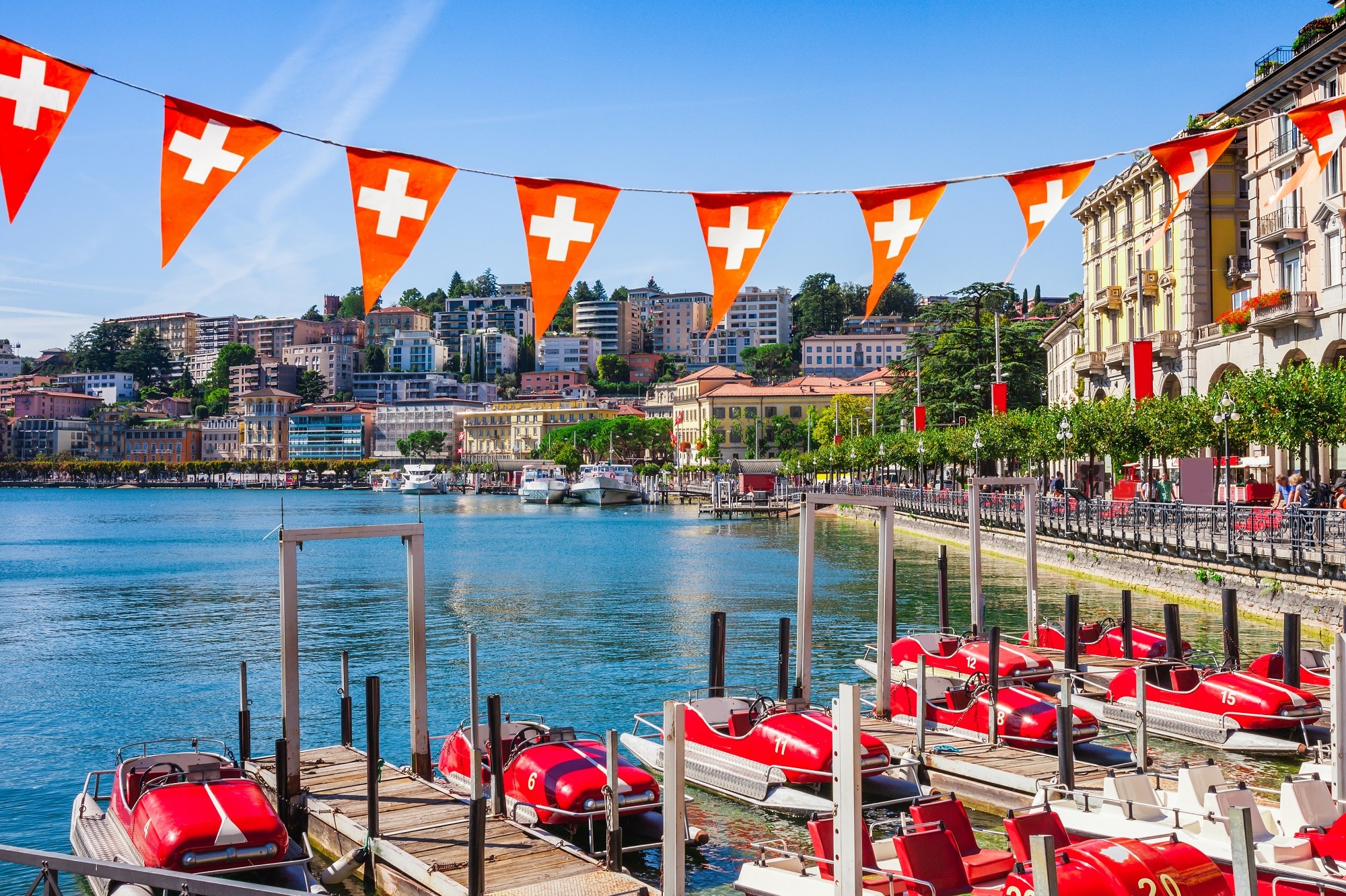
Lugano - the largest city in the Ticino holiday region, as well as being an important congress, banking and business center in Switzerland, is the city of parks and flower gardens, villas and of religious buildings.
A stop for lunch is included during the day. ( at your own expense )
Available options
Como Lake and Lugano
Pickup included
What's included
Transportation at disposal by deluxe vehicle and English speaking driver from/to Milan
English speaking guide to be met in Como
Detailed itinerary
1
The most important center is Como, the city that gives its name to the lake, with its valuable monuments, the pretty old town and the suggestive views. If boats and hydrofoils are an excellent opportunity to admire the city and fully enjoy the beauty of the landscape.
2
Considered one of the most beautiful monuments in northern Italy, the Como Cathedral is a complex and articulated building, started in 1396 and completed in 1740 with the elevation of the dome by Filippo Juvara, architect of the King of Sardinia. The Gothic-style interior is divided into three naves divided by 10 pillars and retains numerous works of considerable importance. Among these: paintings by Bernardino Luini (Adoration of the Magi) and Gaudenzio Ferrari (Marriage of the Virgin and Flight into Egypt), Renaissance tapestries (some based on designs by Giuseppe Arcimboldi), the sixteenth-century altarpiece of Sant'Abbondio, protector of the city, the temple baptismal font from 1590 and the two Romanesque stylofori lions from the ancient church of Santa Maria.
3
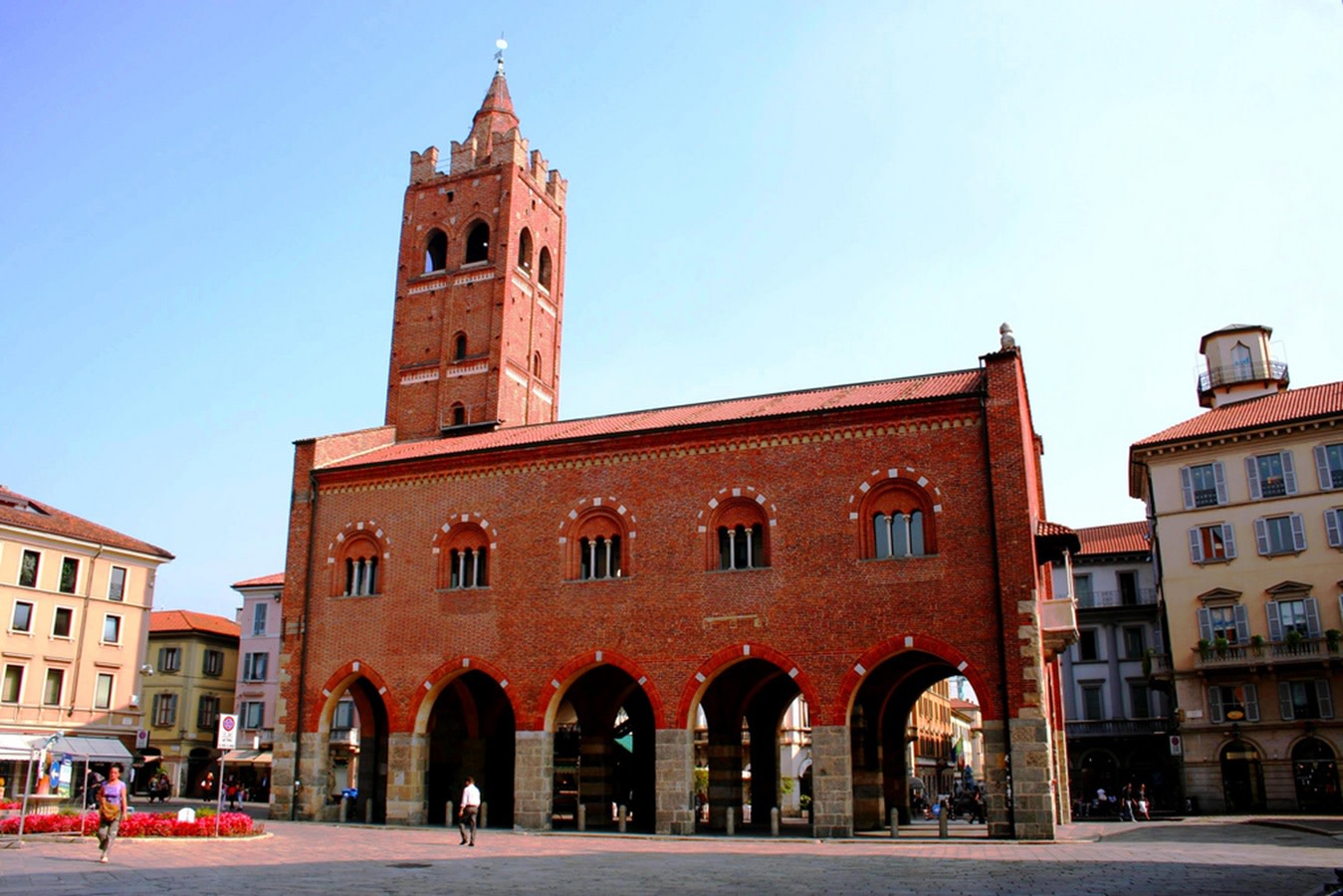
Built in 1215, the Palazzo del Broletto is a splendid example of 15th century marble Gothic art. Initially it was the seat of the Palazzo Comunale, later it was used as a theater in the eighteenth century, as a state archive and is currently home to art exhibitions. The palace, located in the center of the city, represents the symbol of the municipal institutions that wanted to be placed in a strategic position of predominance between the Cathedral and the Bishop's Palace. ( exterior only )
4
Built at the end of the 11th century on the area of the early Christian church dedicated to the Holy Apostles Peter and Paul, the basilica of Sant'Abbondio is a magnificent example of Lombard Romanesque architecture as well as a masterpiece of the Comacini masters, or of those masons - architects - sculptors who spread the Lombard style, not only in Italy but also throughout Europe. Built by Benedictine monks, the church dedicated to the fourth bishop of Como underwent significant alterations since the 16th century which altered its original appearance, fortunately recovered thanks to the restoration carried out in the 19th century.
5
Stop 5
Lugano - the largest city in the Ticino holiday region, as well as being the third largest financial center and an important congress, banking and business center in Switzerland, is also the city of parks and flower gardens, villas and of religious buildings. With its typically Mediterranean atmosphere, Lugano offers all the advantages of a cosmopolitan city while maintaining its spirit of a citizen on a human scale.
What's not included
Admission entrance tickets
Lunch
Gratuities
Available languages
Guide guide
EN
Important information
Specialized infant seats are available
Travelers should have at least a moderate level of physical fitness
Dress code required to enter the places of worship in Como. Shorts or sleeveless tops are not allowed. Knees and shoulders MUST be covered for both men and women.
Not recommended for travelers with motor disabilities
About Milan
Milan, the vibrant capital of Lombardy, is a city where ancient history meets modern luxury. Known for its fashion, art, and design, Milan is a dynamic metropolis that offers a rich cultural experience and a thriving culinary scene.
Top Attractions
Duomo di Milano
The Milan Cathedral is a stunning example of Gothic architecture and the third-largest church in the world. It took nearly six centuries to complete and is a symbol of the city.
Architecture/Religious
1-2 hours
€10-€15
Galleria Vittorio Emanuele II
This historic shopping gallery is one of the world's oldest and most beautiful. It features luxury boutiques, cafes, and the famous mosaic floor of the bull.
Architecture/Shopping
1 hour
Free to enter, shopping varies
Santa Maria delle Grazie
This church and convent house Leonardo da Vinci's famous mural, The Last Supper. The painting is a masterpiece of Renaissance art and a must-see for art lovers.
Historical/Religious
1-2 hours
€10-€15 (advance booking required)
Castello Sforzesco
This medieval castle was built by the Duke of Milan and later renovated by Ludovico Sforza. It houses several museums and art collections, including works by Michelangelo and Leonardo da Vinci.
Historical/Architecture
2-3 hours
€5-€10
Teatro alla Scala
One of the world's most famous opera houses, Teatro alla Scala is a symbol of Milan's rich musical heritage. Guided tours are available to explore the historic theater and museum.
Cultural/Entertainment
1 hour
€10-€15
Must-Try Local Dishes
Risotto alla Milanese
A creamy saffron risotto, a staple of Milanese cuisine.
Main Course
Contains dairy, can be made vegetarian.
Ossobuco
Braised veal shanks, traditionally served with gremolata.
Main Course
Contains meat, can be made gluten-free.
Panzerotti
Fried dough pockets filled with tomato sauce, mozzarella, and other ingredients.
Snack
Contains dairy, can be made vegetarian or vegan.
Cotoletta alla Milanese
A breaded and fried veal cutlet, similar to schnitzel.
Main Course
Contains meat, can be made gluten-free.
Popular Activities
Hiking in the nearby Alps
Cycling along the Navigli canals
Aperitivo in Navigli
Shopping in Galleria Vittorio Emanuele II
Visiting museums and historic sites
Attending opera or ballet performances
Boat tours on Lake Como
Swimming in Lake Como
Best Time to Visit
April to June, September to October
The best time to visit Milan is during the spring and fall when the weather is pleasant, and the city is less crowded. These months offer ideal conditions for exploring the city's attractions.
15-28°C
59-82°F
Practical Information
Language
- Official: Italian
- Widely spoken: English, French, Spanish
- English: Moderately spoken
Currency
Euro (EUR)
Time Zone
GMT+1 (Central European Time, CET), GMT+2 (Central European Summer Time, CEST)
Electricity
230VV, 50HzHz
Safety Information
Overall Safety Rating: Generally safe
Milan is generally safe for tourists, but pickpocketing and petty theft can occur, especially in crowded areas and on public transportation. Be cautious with your belongings and stay alert.
Important Precautions:
- • Keep valuables secure and out of sight
- • Use official taxis or ride-sharing services
- • Be cautious of distractions and common scams
Getting there
By air
- Milano Malpensa Airport • 50 km from city center
- Milano Linate Airport • 7 km from city center
By train
Milano Centrale, Milano Rogoredo
By bus
Lampugnano Bus Station, San Donato Milanese
Getting around
Public transport
The Milano Metro system consists of four lines (M1, M2, M3, M5) and is efficient and easy to use. It is the quickest way to get around the city.
Taxis
Available • Apps: Uber, FreeNow
Rentals
Car, Bike, Scooter
Neighborhoods
Brera
Navigli
Quartiere della Moda
Isola
Day trips
Lake Como
50 km • Full day
Lake Como is a stunning alpine lake known for its beautiful villas, gardens, and scenic views. It is a popular destination for relaxation and outdoor activities.
Bergamo
50 km • Half day
Bergamo is a charming medieval city with a well-preserved old town and a rich history. It offers a mix of historic sites, museums, and local cuisine.
Verona
150 km • Full day
Verona is a romantic city known for its association with Shakespeare's Romeo and Juliet. It offers a mix of historic sites, romantic landmarks, and cultural attractions.
Festivals
Milan Fashion Week • February and September
Milan Design Week • April
Milan Film Festival • September
Pro tips
- Visit the Duomo early in the morning to avoid crowds and long queues
- Explore the Navigli district in the evening for a vibrant aperitivo experience
- Use the ATM Milano app for real-time public transportation schedules and maps
- Consider purchasing a Milan Card for discounts on attractions, transportation, and dining
- Try local specialties like risotto alla Milanese and panzerotti
From $25
per person
Price varies by option
Secure booking
Free cancellation available