Tiwanaku & Pumapunku Day Tour From La Paz
Active
6h - 8h
All sales are final. No refund is available for cancellations.
Instant confirmation
Mobile or paper ticket accepted
About this experience
Tiwanaku was the capital of the Tiwanaku empire between c. 200 - 1200 CE and is situated in the Titicaca basin. At an altitude of 3,850 meters (12,600 ft) it was the highest city in the ancient world and had a peak population of between 30,000 and 70,000 residents. The Tiwanaku Empire, at its largest extent, dominated the altiplano plains and stretched from the Peruvian coast to northern Bolivia and included parts of northern Chile. Tiwanaku is located near the southern (Bolivian) shores of the sacred Lake Titicaca and it would become the Centre of one of the most important of all Andean cultures. The architecture, sculpture, roads, and empire management of Tiwanaku would exert a significant influence on the later Inca civilization.
Available options
EXCLUSIVE PRIVATE EXPERIENCE
TICKETS | GUIDE | TRANSPORT: The Museo Lítico y Cerámico de Tiwanaku is part of the Tiwanaku Archaeological Complex, located just a few minutes<br/>Pickup included
What's included
Complete package - All Admission fees, taxes, and Permits
Professional bilingual guide - Stories & insights
Priority access - No waiting in lines | Guaranteed Service
Premium transportation - Air-conditioned vehicle | Hassle-free service - Hotel transfers
Detailed itinerary
1
Stop 1
Spiritual and Political Centre of the Tiwanaku Culture
The city of Tiwanaku, capital of a powerful pre-Hispanic empire that dominated a large area of the southern Andes and beyond, reached its apogee between 500 and 900 AD. Its monumental remains testify to the cultural and political significance of this civilisation, which is distinct from any of the other pre-Hispanic empires of the Americas.
2
The origin of Puma punku. Puma punku is the most attractive ancient site on the planet. It is a unique in the way it was shaped and constructed. The most significant piece of evidence that we have in the entire ancient alien astronaut puzzle can be found in the highlands of Bolivia.
3
Driving time from la Paz going and back. in total 3 - 4 hours.
4
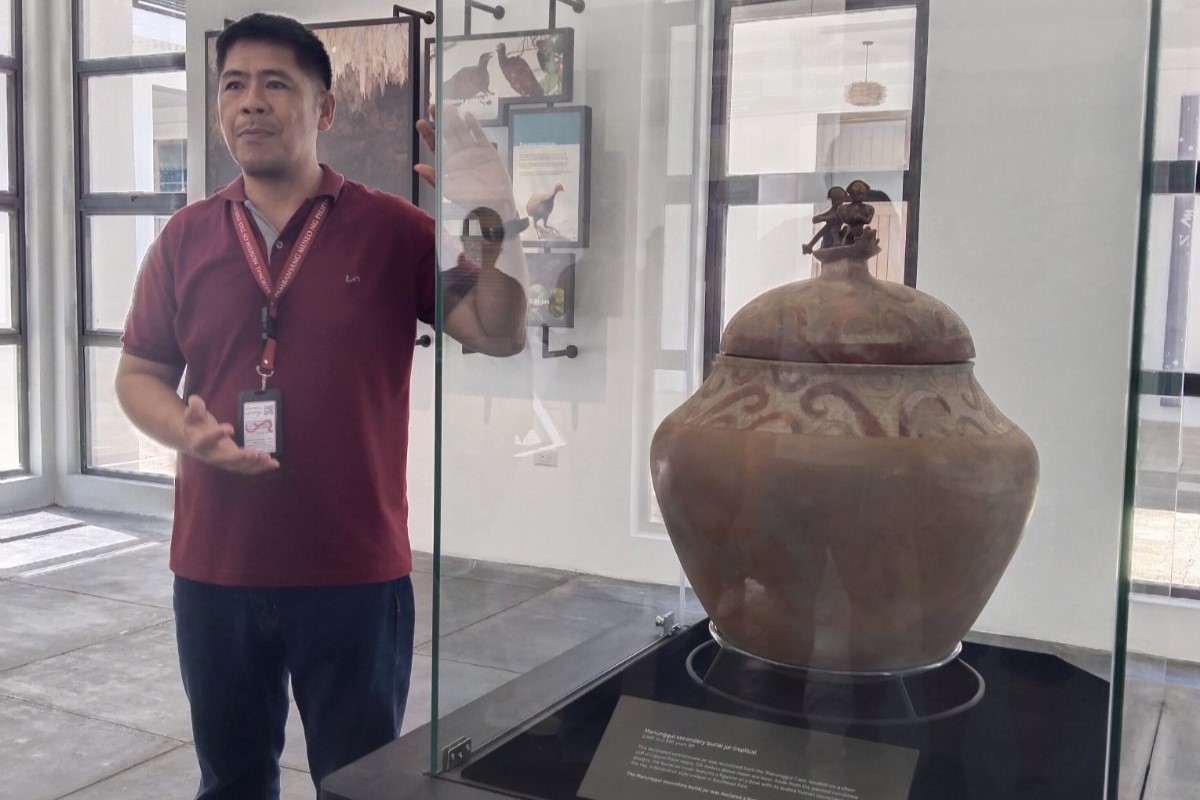
The Museo Lítico y Cerámico de Tiwanaku is part of the Tiwanaku Archaeological Complex, located just a few minutes' walk from the ruins themselves. These two complementary museums provide invaluable insight into the culture, art, and architecture of one of the oldest high-altitude civilizations in the world.
What's not included
Travel insurance | Personal expenses and souvenirs
Meals and beverages are not part of the tour package.
Available languages
Guide guide
DE
PT
EN
IT
FR
ES
Reviews breakdown
Viator
5.0
1 reviews
5★
1
4★
0
3★
0
2★
0
1★
0
Important information
Suitable for all physical fitness levels
The duration of transfers are approximate, the exact duration will depend on the time of day and traffic conditions
clients that would like to be pickup or start the tour at the international airport of el alto - La Paz need to pay aditional charges of USD 15.Per person.
Passport name, number, expiry and country is required at time of booking for all participants
A current valid passport is required on the day of travel
Important notes
• You MUST confirm and obtain any visa requirements prior to border crossing. All visa requirements are the sole responsibility of the traveler
All flight times are approximate and subject to change due to weather conditions and weight restrictions.
Hotel pickups commence prior to this time
About Altiplano
The Altiplano is a vast, high-altitude plateau in the Andes, stretching across western Bolivia. It's known for its stunning landscapes, rich indigenous culture, and historic sites, making it a unique and appealing destination for adventurous travelers.
Top Attractions
Lake Titicaca
Lake Titicaca is the highest navigable lake in the world and a significant cultural and historical site. It's known for its stunning landscapes, traditional communities, and rich indigenous heritage.
Nature
Full day or overnight
Moderate
Salar de Uyuni
The Salar de Uyuni is the world's largest salt flat, offering a surreal and otherworldly landscape. It's a unique and breathtaking destination that attracts visitors from around the world.
Nature
Full day or overnight
Moderate to Expensive
La Paz
La Paz is the administrative capital of Bolivia and a vibrant city known for its rich history, cultural heritage, and stunning landscapes. It's a city of contrasts, with modern amenities and traditional markets.
Cultural
Multiple days
Budget to Moderate
Tiwanaku
Tiwanaku is an ancient archaeological site and UNESCO World Heritage Site, known for its well-preserved ruins and significant cultural and historical importance. It's a must-visit for history and archaeology enthusiasts.
Historical
Half day
Budget
Must-Try Local Dishes
Salteñas
Salteñas are savory pastries filled with a mixture of meat, vegetables, and spices. They are a popular street food and a must-try for visitors.
Snack
Contains meat and allergens (wheat, soy)
Silpancho
Silpancho is a traditional Bolivian dish consisting of a breaded and fried beef cutlet, served with rice, potatoes, and a fried egg on top.
Lunch
Contains meat, eggs, and allergens (wheat, soy)
Llajwa
Llajwa is a spicy salsa made from tomatoes, locoto peppers, and other ingredients. It's a popular condiment and snack, often served with bread or potatoes.
Snack/Dip
Vegetarian, contains allergens (spices)
Popular Activities
Mountain biking on the Death Road
Hiking and trekking in the Andes
Exploring the Salar de Uyuni on a 4x4 tour
Visiting hot springs and spas
Enjoying the scenic beauty of Lake Titicaca
Exploring the historic centers of La Paz and other cities
Visiting museums and historic sites
Exploring local markets and crafts
Best Time to Visit
May to October (dry season)
This is the best time to visit the Altiplano for outdoor activities and sightseeing, as the weather is generally clear and dry. The cooler temperatures are also more comfortable for exploring.
10°C to 20°C (50°F to 68°F)
50°F to 68°F
Practical Information
Language
- Official: Spanish, Aymara, Quechua
- Widely spoken: English (limited)
- English: Limited
Currency
Bolivian Boliviano (BOB)
Time Zone
GMT-4
Electricity
230VV, 50HzHz
Safety Information
Overall Safety Rating: Exercise caution
The Altiplano is generally safe for travelers, but petty crime, altitude sickness, and challenging road conditions can pose risks. Exercise caution and be aware of your surroundings.
Important Precautions:
- • Be cautious of your belongings in crowded areas
- • Use reputable taxi companies or services, and agree on the fare before starting the journey
- • Be wary of strangers offering unsolicited help or services
Getting there
By air
- El Alto International Airport • 15 km (9 miles) from La Paz
By train
La Paz Train Station
By bus
La Paz Bus Terminal
Getting around
Public transport
Buses are the primary mode of public transportation in the Altiplano. They are affordable and cover most areas, but can be crowded and slow.
Taxis
Available • Apps: InDriver (limited availability)
Rentals
Car, Bike, Scooter
Neighborhoods
Sopocachi
San Miguel
Zona Sur
Day trips
Tiwanaku
72 km (45 miles) from La Paz • Half day or full day
Tiwanaku is an ancient archaeological site and UNESCO World Heritage Site, known for its well-preserved ruins and significant cultural and historical importance. It's a must-visit for history and archaeology enthusiasts.
Copacabana
155 km (96 miles) from La Paz • Full day or overnight
Copacabana is a charming lakeside town on the shores of Lake Titicaca, known for its stunning views, historic basilica, and relaxed atmosphere. It's a popular destination for both tourists and pilgrims.
Death Road (North Yungas Road)
70 km (43 miles) from La Paz • Full day
The North Yungas Road, also known as the Death Road, is a infamous and thrilling mountain biking route that offers stunning views and an adrenaline-pumping experience. It's a must-do for adventure seekers.
Festivals
Fiesta del Gran Poder • Late May to early June
Carnaval de Oruro • February or March (dates vary)
Alasitas Fair • January 24th (and surrounding days)
Pro tips
- Acclimate to the altitude before engaging in strenuous activities or exploring the region
- Dress in layers, as temperatures and weather conditions can vary significantly throughout the day
- Learn a few basic Spanish phrases to enhance your experience and interact with locals
- Be cautious of altitude sickness and its symptoms, and give yourself time to adjust to the high elevation
- Support local businesses and communities by purchasing locally-made products and services
From $25
per person
Price varies by option
Secure booking
Free cancellation available
Instant confirmation