Lima City Tour with Huaca Pucllana – Half-Day Guided Experience
Active
7h
For a full refund, cancel at least 24 hours before the scheduled departure time.
Instant confirmation
Mobile or paper ticket accepted
About this experience
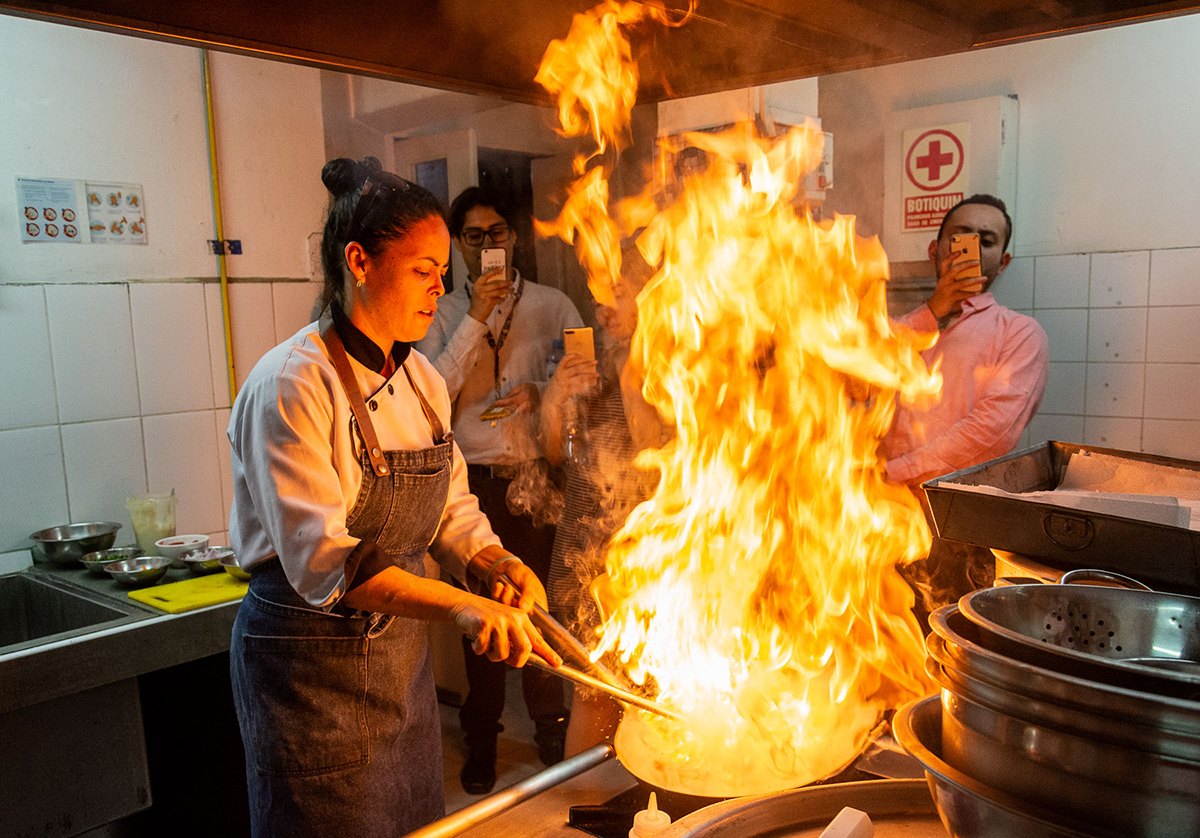
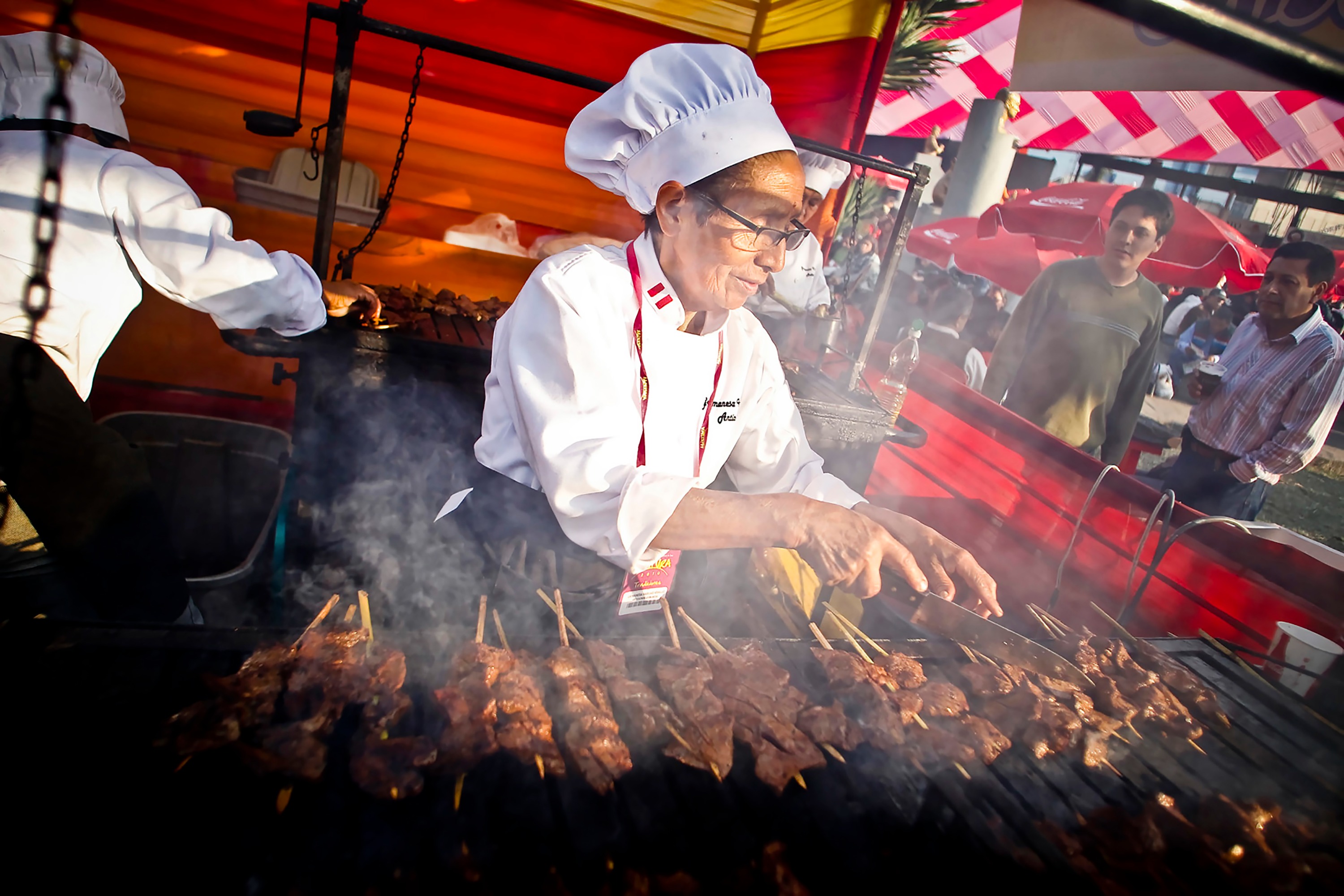
Lima is not in vain the gastronomic capital of the world. In it you can enjoy the most exquisite flavors on the planet.
But beyond its flavors, the capital of Peru has a rich history that can still be felt in its streets and in its people.
In this Tourist Guide we tell you from traveler to traveler all the information and advice you need to plan your trip in the best way.
Available options
EXCLUSIVE PRIVATE EXPERIENCE
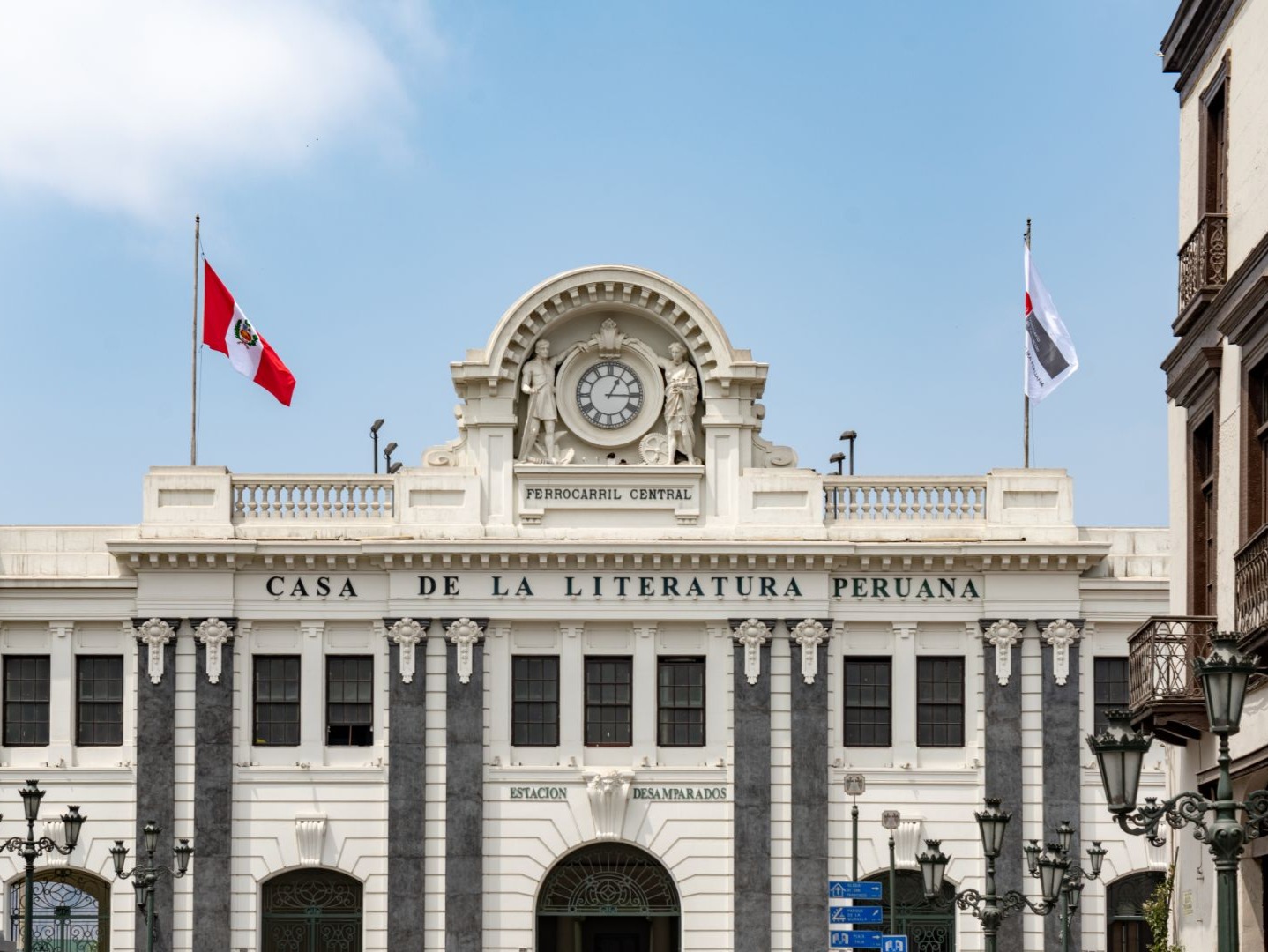
TICKETS | GUIDE | TRANSPORT: A key stop in walking tours of Lima’s historic center.
Part of the UNESCO World Heritage Site that includes Lima’s historic <br/>Pickup included
What's included
Transport by air-conditioned Suv / Van / Hotel pickup and drop-off
Assistance 24/7 During the Whole Journey
Private tour / small group tour
Admission Fees all included
Experienced Tourism Guide
Detailed itinerary
1
Stop 1
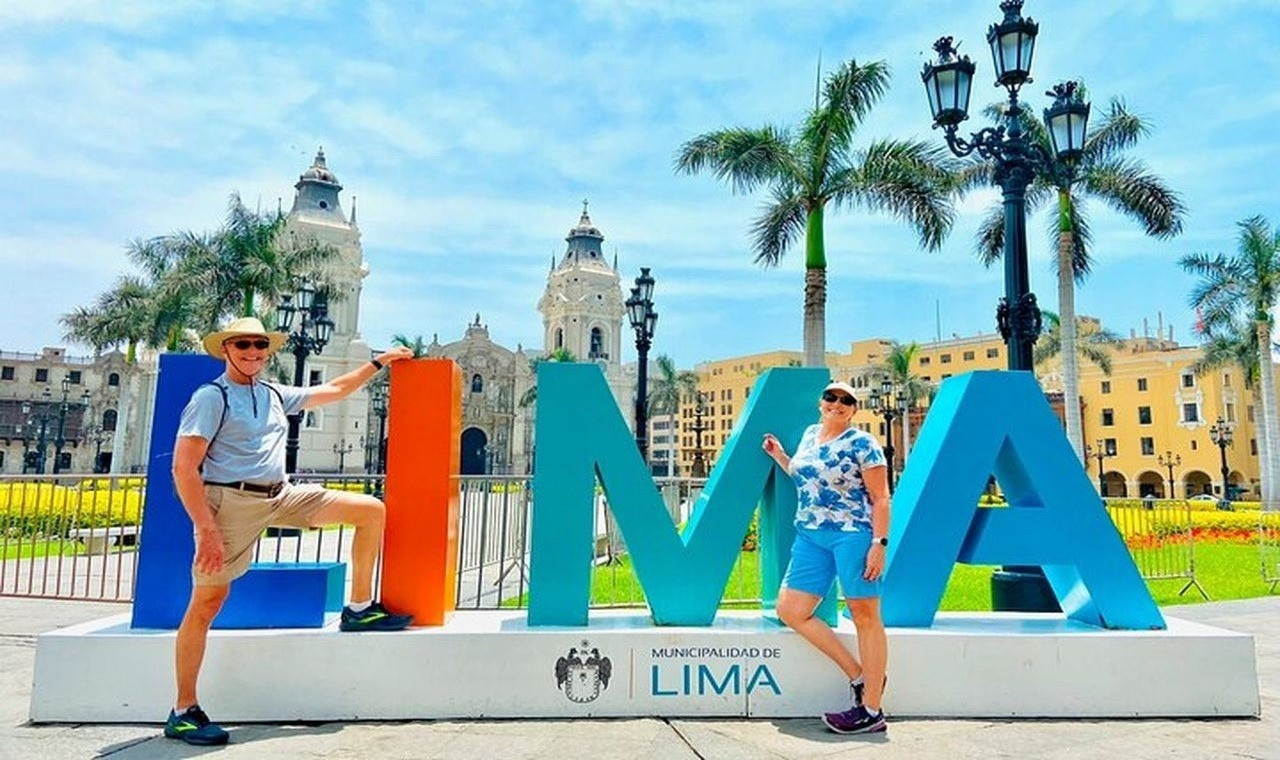
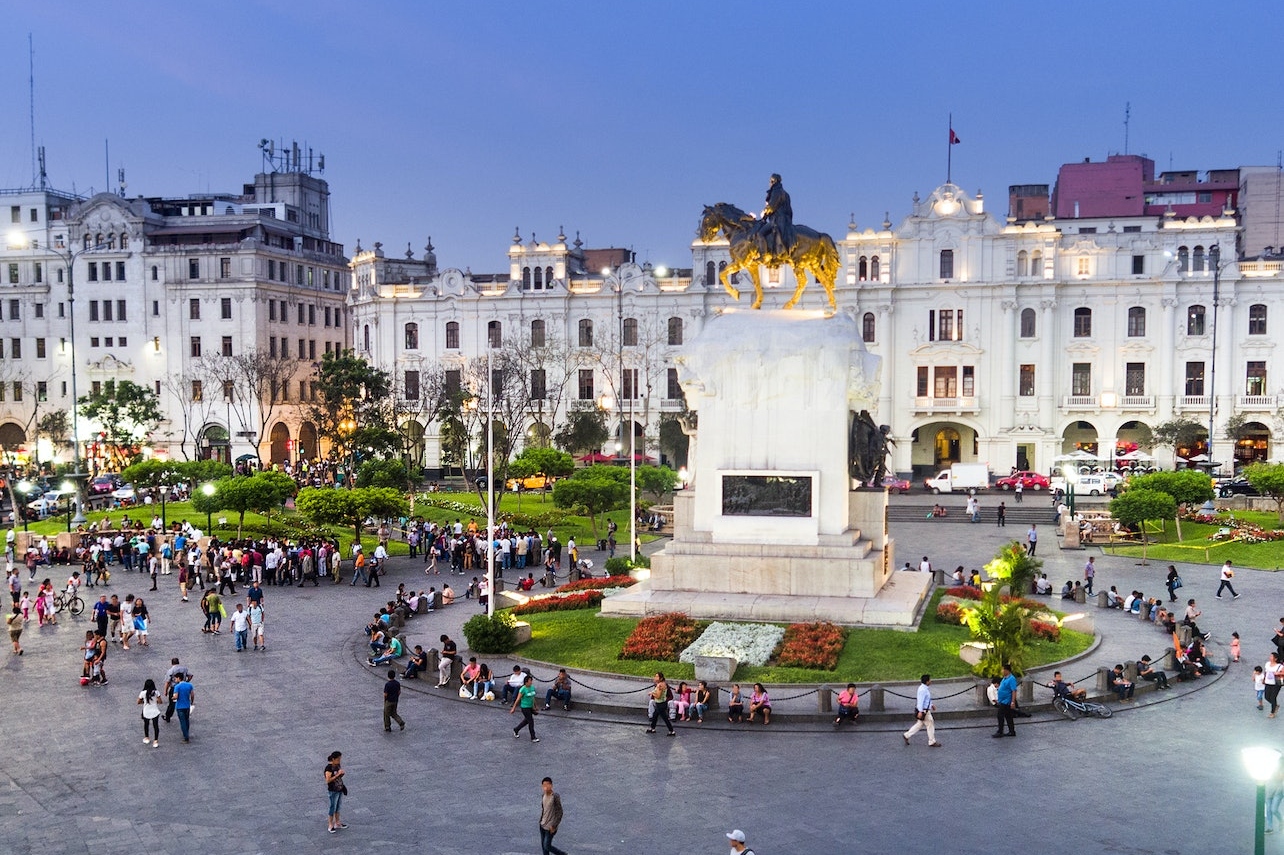
It was originally the square of the pre-Hispanic town of Lima, where in 1535 the conqueror of Peru, Don Francisco Pizarro, founded a new capital city for our country which he called "City of the Kings". This beautiful space is surrounded by buildings of great importance such as the Government Palace, considered the office and residence of the Peruvian president, the Municipal Palace, the Archbishop's Palace and the magnificent Cathedral of Lima, among other buildings that together form the perfect setting for one of the most beautiful squares in Latin America.
2
Stop 2
the Catacombs located below the Convent of San Francisco de Asís: a historic Lima cemetery whose underground vaults, dating from colonial times, served to bury more than 25,000 people. This has made them very popular, making them a highly visited place in the historic center of the Peruvian capital.
3
Stop 3
Fundada por Francisco Pizarro, comenzó como Iglesia Mayor en 1535, hasta que el Papa Pablo III la elevó a Catedral el 14 de mayo de 1541. La Catedral resume la historia de la ciudad de Lima, no solo en el ámbito eclesiástico, sino también político y artístico. La antigua Catedral sufrió varias transformaciones a lo largo del tiempo, debido a los sismos de gran magnitud que se vivieron en la ciudad de Lima y a mejoras estéticas. Los estilos que convergen en ella a través de las obras de arte sacro que alberga son renacentista, manierista, barroco, rococó y neoclásico. Bajo sus bóvedas, se encuentran enterrados los restos de figuras emblemáticas y cofradías.
4
Stop 4
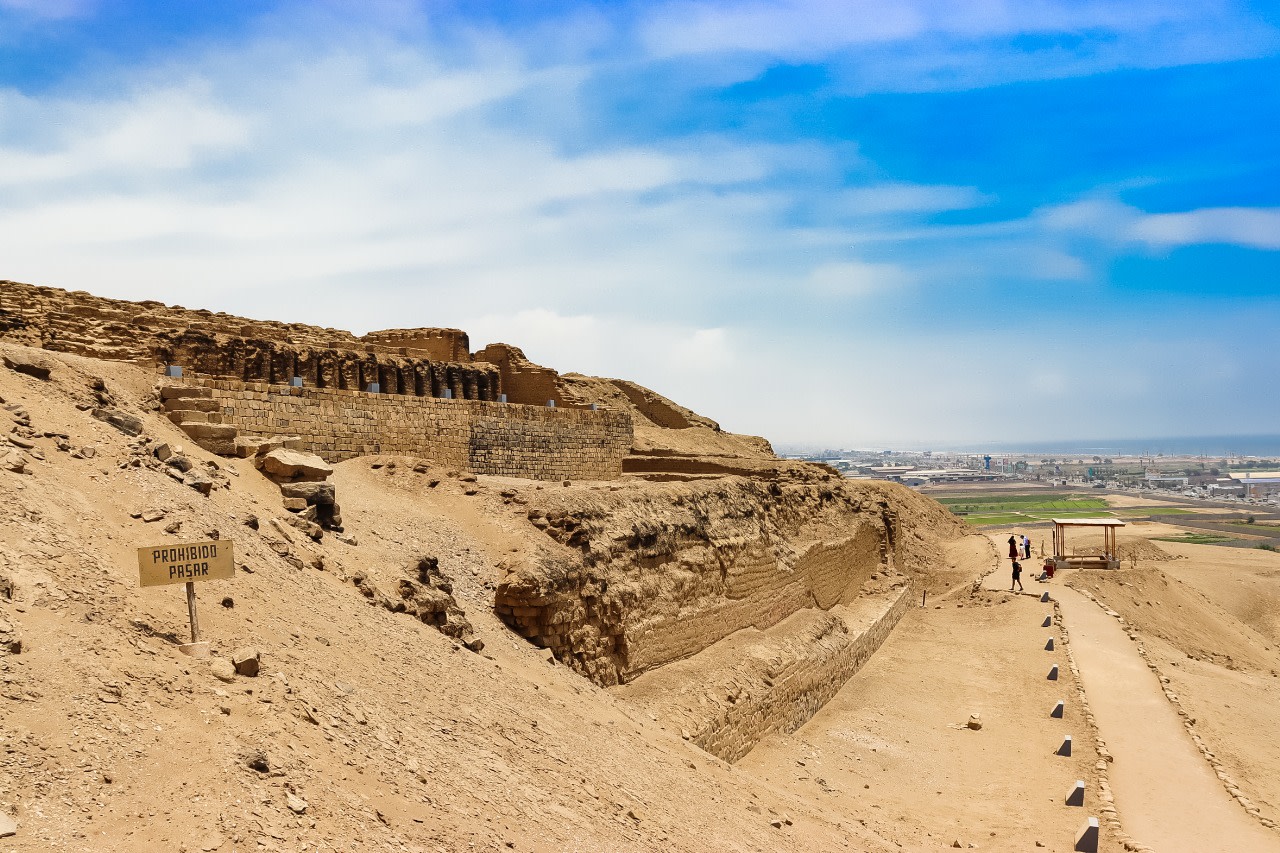
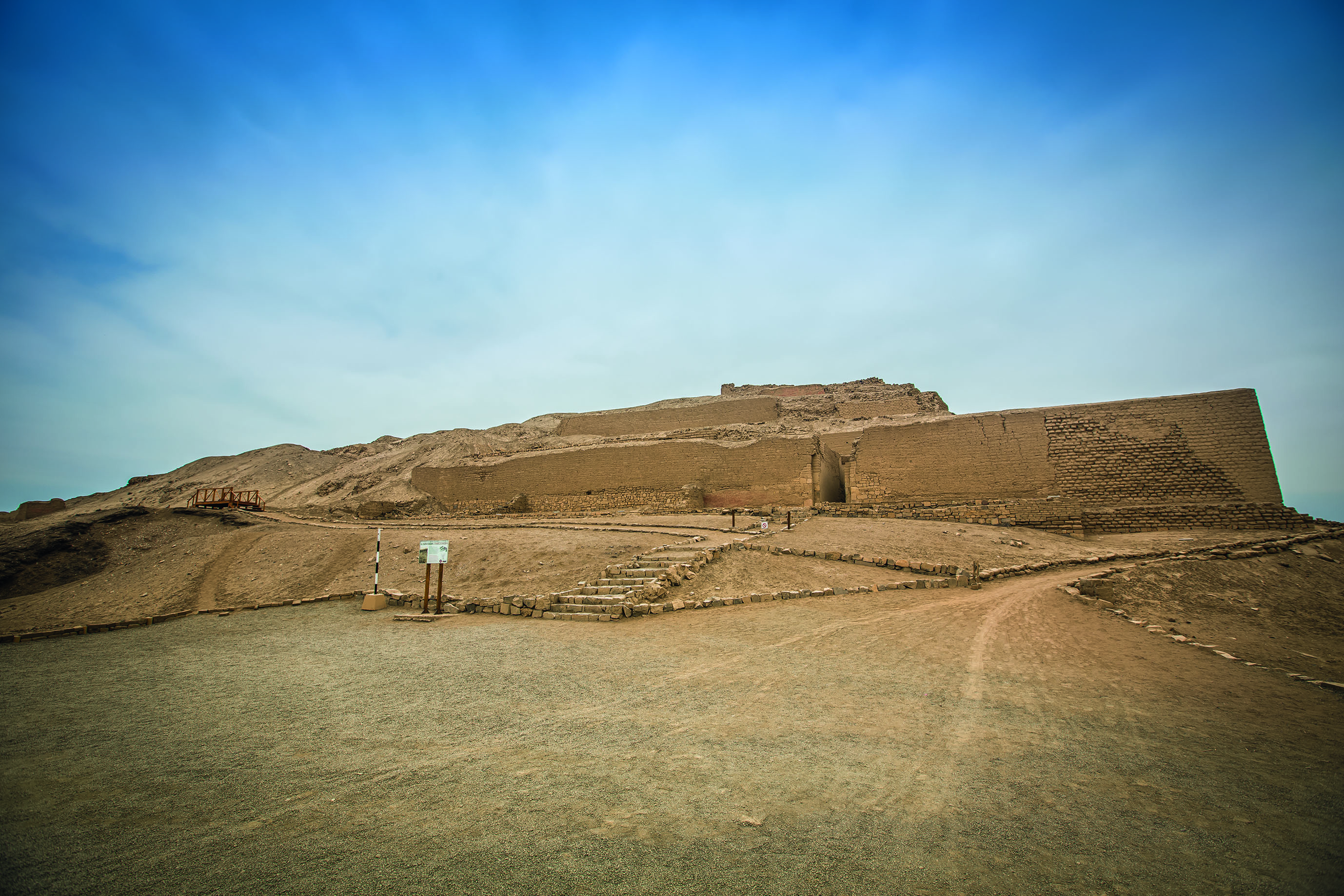
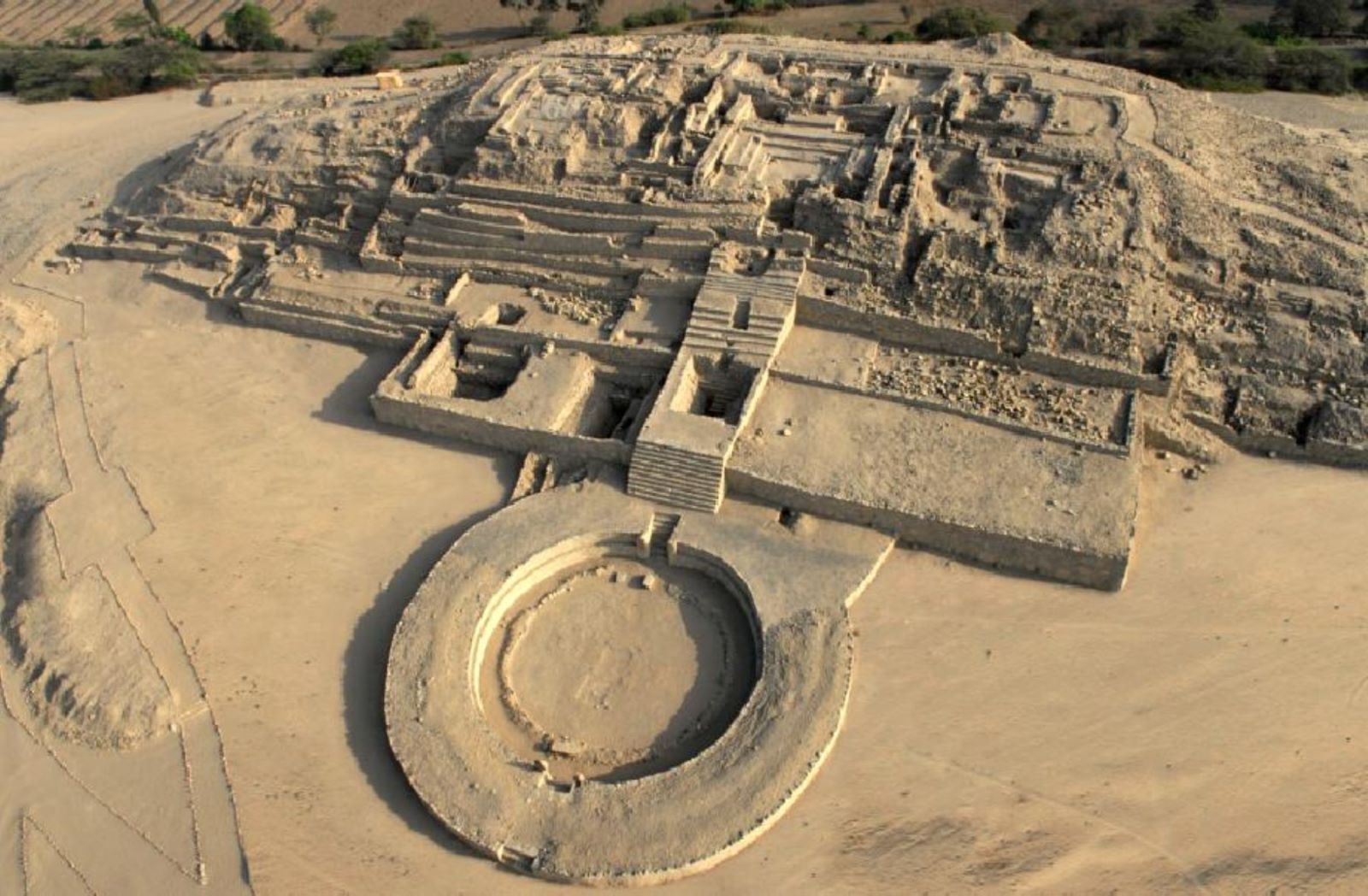
Huaca Pucllana is an archaeological site belonging to the Lima culture, from the period of regional developments, located in the district of Miraflores, province of Lima, capital of the Republic of Peru.
5
Stop 5
Parque del Amor is one of the parks in Lima with the most visits from tourists and locals, due to its history and the spectacular view of the sea.
This place will be visited only if the tour starts in the afternoon; for tours in the morning, it will be impossible to visit.
Inaugurated in honor of Valentine's Day, Parque del Amor is known as such a product of the custom of lovers to enjoy the sunset from there.
6
Stop 6
Pass by
Foundation: The original municipal council was established by Francisco Pizarro in 1535, the same year Lima was founded.
Original Building: The earliest iterations of the City Hall were modest and built with adobe and wood.
Current Structure: The present building was constructed between 1939 and 1944 in a neo-colonial (neocolonial) architectural style, intended to reflect Lima’s Spanish heritage and colonial history.
7
Stop 7
Pass by
Larcomar is located at Malecón de la Reserva 610, Miraflores, Lima, Peru.
Architectural features include glass-structure chimneys (ventilation elements), terraces with ocean views, multiple levels, parking and theater/cinema areas.
Opened on November 27, 1998.
8
Stop 8
Barranco Plaza & Bridge of Sighs
Barranco Plaza (Plaza de Armas de Barranco)
The main square of Barranco, surrounded by colonial-era buildings, palm trees, colorful gardens, and open-air cafés.
Bridge of Sighs (Puente de los Suspiros)
A wooden footbridge built in 1876, now one of Lima’s most iconic and romantic landmarks.
Legend:
It's said that if you hold your breath and make a wish while crossing the bridge for the first time, your wish will come true.
What's not included
Food and drinks
Available languages
Guide guide
PT
EN
FR
ES
Reviews breakdown
Viator
3.0
1 reviews
5★
0
4★
0
3★
1
2★
0
1★
0
Important information
Suitable for all physical fitness levels
Passport name, number, expiry and country is required at time of booking for all participants
A current valid passport is required on the day of travel
Operates in all weather conditions, please dress appropriately
Children must be accompanied by an adult
Water-resistant trekking shoes, Light cloth for trekking, Polar fleece (including gloves and hat, Waterproof clothing (poncho), Water (2 lts. as minimum), Sunhat and sunglasses,
Personal snacks
Important notes
Hotel pickups commence approximately 30 - 60 minutes prior to this time
Times are subject to change due to local traffic conditions.
About Lima
Lima, the capital of Peru, is a vibrant city where colonial architecture meets modern skyscrapers. Known for its rich history, diverse cuisine, and stunning coastal views, Lima offers a unique blend of cultural experiences and natural beauty. The city's historic center, a UNESCO World Heritage Site, is a must-visit for its well-preserved colonial buildings and museums.
Top Attractions
Historic Center of Lima
The Historic Center of Lima is a UNESCO World Heritage Site that showcases the city's colonial architecture and rich history. It's home to numerous churches, museums, and plazas.
Historical
Half day to full day
Free to $10 (for museum entries)
Miraflores
Miraflores is a upscale district known for its shopping, dining, and nightlife. It's also home to the Parque del Amor and the Larcomar shopping center.
Cultural
Half day to full day
Free to $50 (for shopping and dining)
Barranco
Barranco is a bohemian district known for its art galleries, street art, and vibrant nightlife. It's a great place to experience Lima's creative side.
Cultural
Half day to full day
Free to $30 (for dining and drinks)
Huaca Pucllana
Huaca Pucllana is an ancient pyramidd built by the Lima Culture around 200 AD. It's a fascinating archaeological site located in the heart of Miraflores.
Historical
1-2 hours
$5
Must-Try Local Dishes
Ceviche
A dish made from fresh raw fish cured in citrus juices, spiced with ají or chili peppers, and served with side dishes such as sweet potato, corn on the cob, and lettuce.
Lunch/Dinner
Contains fish, citrus, and chili peppers. Can be made gluten-free and dairy-free.
Lomo Saltado
A Peruvian dish consisting of marinated beef stir-fried with onions, tomatoes, and fries, served with rice. It's a fusion dish that combines Peruvian and Chinese flavors.
Lunch/Dinner
Contains beef, onions, tomatoes, and fries. Can be made gluten-free with modifications.
Aji de Gallina
A Peruvian dish consisting of a creamy chicken stew made with aji amarillo (yellow chili pepper) sauce, garlic, and walnuts, served with rice and potatoes.
Lunch/Dinner
Contains chicken, dairy, and nuts. Can be made gluten-free.
Popular Activities
Surfing
Paragliding
Hiking
Beach lounging
Spa treatments
Hot springs
Museum visits
Historical tours
Best Time to Visit
December to April
This is the summer season in Lima, characterized by warm temperatures and sunny days. It's the best time for outdoor activities and exploring the city's beaches.
18°C to 28°C
64°F to 82°F
Practical Information
Language
- Official: Spanish
- Widely spoken: English
- English: Moderately spoken in tourist areas, limited elsewhere
Currency
Peruvian Sol (PEN)
Time Zone
GMT-5
Electricity
220VV, 60HzHz
Safety Information
Overall Safety Rating: Exercise caution
Lima is generally safe for tourists, but petty crime and scams can occur, particularly in crowded areas and on public transportation. Exercise caution and be aware of your surroundings.
Important Precautions:
- • Use official taxis or app-based services
- • Keep an eye on your belongings in crowded areas
- • Be cautious when using ATMs
Getting there
By air
- Jorge Chávez International Airport • 11 km from city center
By bus
Plaza Norte, Plaza Sur
Getting around
Public transport
The metro is efficient and affordable, but can be crowded during peak hours. It's a good option for getting around quickly.
Taxis
Available • Apps: Uber, Beat
Rentals
Car, Bike, Scooter
Neighborhoods
Miraflores
Barranco
San Isidro
Day trips
Pachacamac
40 km from Lima • Half day
Pachacamac is an ancient archaeological site located south of Lima. It was an important religious center for the Inca civilization and features several temples, pyramids, and museums.
Paracas and Ballestas Islands
250 km from Lima • Full day
Paracas is a coastal town known for its stunning natural beauty and wildlife. The Ballestas Islands, often referred to as the 'poor man's Galapagos', are home to a variety of seabirds, sea lions, and other marine life.
Huaral
80 km from Lima • Full day
Huaral is a small town located north of Lima, known for its colonial architecture, hot springs, and traditional festivals. It's a great place to experience authentic Peruvian culture and hospitality.
Festivals
Fiesta de la Candelaria • February 2
Festival Internacional de Cine de Lima • August
Inti Raymi • June 24
Pro tips
- Learn a few basic Spanish phrases to enhance your experience and connect with locals
- Try a ceviche-making class to learn about Peruvian cuisine and culture
- Visit the Larco Museum to see the largest private collection of pre-Columbian art in Peru
- Explore the street art and murals in Barranco for a unique cultural experience
- Take a day trip to Pachacamac to learn about Inca history and explore ancient ruins
From $25
per person
Price varies by option
Secure booking
Free cancellation available
Instant confirmation