Private Day Trip from Rabat to Fes The Medina with Local Guide
Active
11h - 12h
For a full refund, cancel at least 24 hours before the scheduled departure time.
Instant confirmation
Mobile or paper ticket accepted
About this experience
Your adventure begins with a comfortable pick-up from your accommodation in Rabat by our English & French-speaking driver. Sit back, relax, and enjoy the scenic drive to Fes, Morocco’s spiritual and cultural capital. Upon arrival, you’ll meet our licensed local guide, an expert storyteller who will unveil the secrets of this mesmerizing city.
Step through the majestic Bab Boujloud (Blue Gate) and wander the maze-like streets of Fes el-Bali, where history comes alive. Visit the stunning Bou Inania Medersa, admire the craftsmanship of the Musée Nejjarine, and feel the spiritual aura of the Moulay Idriss Mausoleum. Witness artisans at work in Place Seffarine, explore the world’s oldest university at Al Quaraouiyine, and marvel at the vibrant Chouara Tanneries. End your journey with a breathtaking panoramic view of the old city from Borj Sud.
This exclusive private tour is designed for those who seek an authentic and immersive experience in Fes.
Available options
Private Day Trip from Rabat to Fes The Medina with Local Guide
Pickup included
What's included
Professional driver at your disposal
Bottled water
Pick-up and drop-off
Licensed, experienced local tour guide
Private air-conditioned vehicle
Detailed itinerary
1
Stop 1
Our first stop is the grand Royal Palace, a masterpiece of Moroccan craftsmanship. Though visitors cannot enter, the golden gates, adorned with intricate zellige tiles and massive brass knockers, offer a stunning introduction to the city's rich heritage. The palace is a symbol of royal elegance, standing in harmony with the bustling Mellah, the historic Jewish quarter.
2
Stop 2
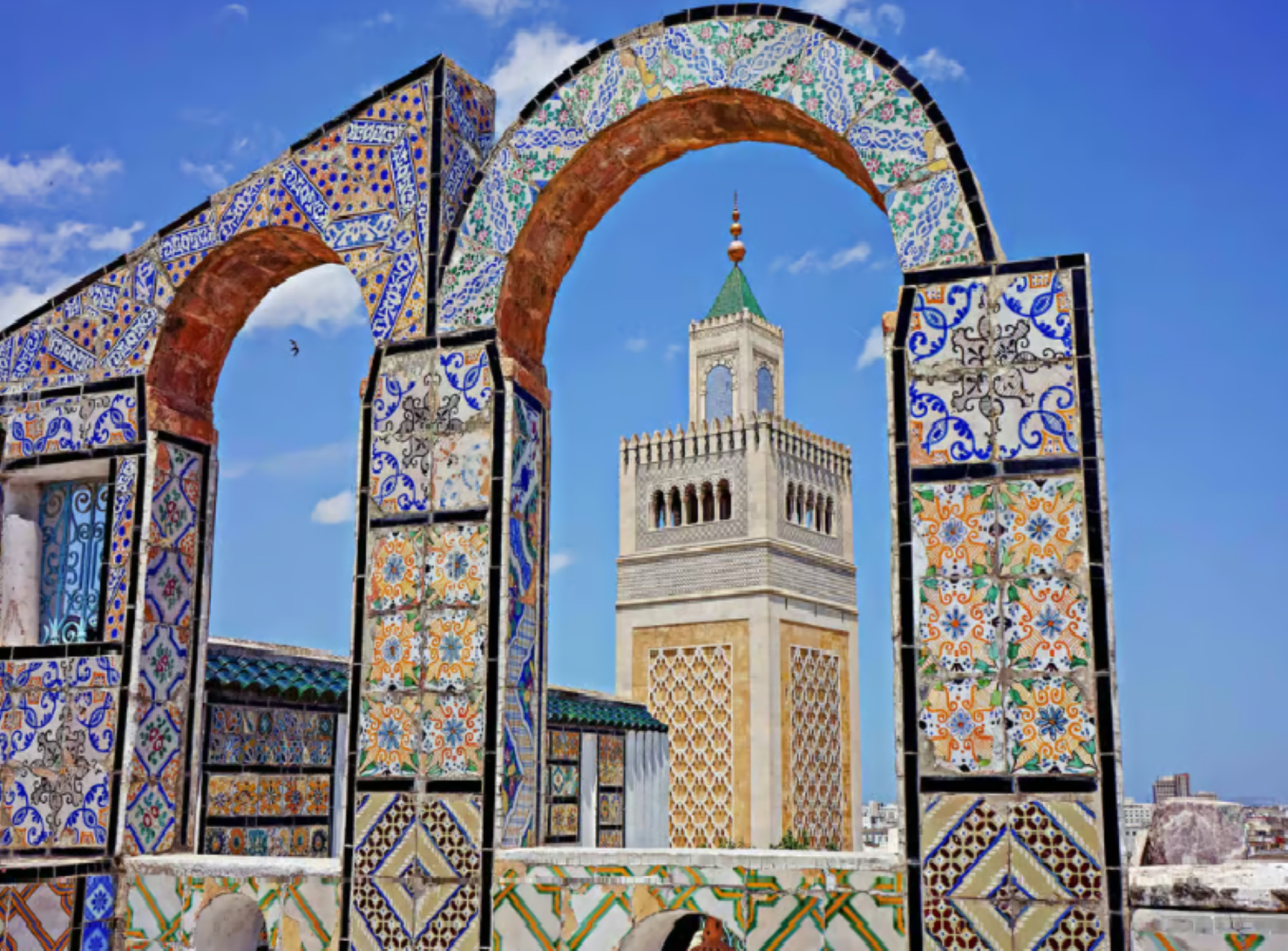
The journey into Fes el-Bali begins at the iconic Bab Boujloud. This majestic blue-and-green tiled gate is more than just an entrance—it’s a threshold between centuries. As you pass through, the sights, sounds, and scents of the medina envelop you, setting the stage for an unforgettable exploration.
3
Just steps away, the Bou Inania Medersa stands as one of Morocco’s finest theological schools. Its stunning cedarwood carvings, marble floors, and emerald-tiled courtyard whisper tales of scholars who once gathered here in search of wisdom. Sunlight filtering through the lattice windows adds a mystical touch to this sacred space.
4
Stop 4
Diving into the heart of Fes el-Bali, the oldest walled part of the city, feels like stepping into a living museum. The labyrinthine alleys twist and turn, revealing spice-filled souks, artisans hammering copper, and donkeys carrying goods as they have for centuries. Every corner tells a story of tradition untouched by time.
5
Stop 5
At Musée Nejjarine, a former caravanserai turned museum, we uncover the artistry of Moroccan woodworking. Its exhibits showcase intricate wooden doors, antique chests, and delicate inlaid furniture. From the rooftop, the medina sprawls below, an ocean of terracotta rooftops and minarets.
6
Stop 6
A short walk leads us to the Moulay Idriss Mausoleum, the final resting place of Fes’s founder. Non-Muslims cannot enter, but the serene ambiance at its threshold is palpable. The scent of incense lingers in the air as worshippers gather to pay respects to the city’s spiritual father.
7
Nestled within the medina, Al Quaraouiyine University, founded in 859 AD, stands as a beacon of knowledge. This UNESCO-recognized institution has educated scholars for over a millennium. The entrance reveals intricate archways and calligraphic inscriptions, reminding us of Morocco’s enduring intellectual legacy.
8
Approaching Place Seffarine, the rhythmic clang of hammer against metal fills the air. This lively square is home to generations of copper artisans, crafting gleaming teapots, trays, and lanterns. Their hands shape history, continuing a craft passed down through centuries.
9
The legendary Chouara Tanneries unfold like a painter’s palette, where leather is dyed in vibrant hues using age-old techniques. From a high vantage point, we watch artisans work in the honeycomb-shaped vats, their craft a blend of tradition, patience, and natural elements. The scent—strong but authentic—is a reminder of this ancient artistry.
10
Our journey ends with a breathtaking view from Borj Sud, a fortress perched above the city. As the sun sets, Fes’s endless rooftops, minarets, and rolling hills create a postcard-perfect memory. With one last deep breath of the cool, history-laden air, we bid farewell to this mesmerizing city.
What's not included
Entrance fee to Medersa Bou Inania: €1 per person.
Entrance fee to Musée Nejjarine: €2 per person.
Available languages
Guide guide
DE
EN
IT
FR
ES
Reviews breakdown
Tripadvisor
5.0
1 reviews
5★
1
4★
0
3★
0
2★
0
1★
0
Important information
Infants and small children can ride in a pram or stroller
Service animals allowed
Public transportation options are available nearby
Specialized infant seats are available
Suitable for all physical fitness levels
About Rabat
Rabat is the capital of Morocco, offering a blend of historic charm and modern vibrancy. As a coastal city on the Atlantic, it boasts beautiful beaches, rich cultural heritage, and a relaxed atmosphere compared to more touristy Moroccan cities.
Top Attractions
Kasbah of the Udayas
A stunning 12th-century fortress with beautiful gardens and views of the Atlantic and Bou Regreg River. The blue-and-white buildings and narrow streets offer a picturesque setting.
Historical/Architecture
1-2 hours
Free to enter the Kasbah, 10 MAD for the museum
Hassan Tower
An unfinished 12th-century minaret that was intended to be the largest in the world. It stands as a symbol of Rabat and offers insights into Moroccan history and architecture.
Historical/Architecture
30 minutes to 1 hour
Free to view from the outside, 10 MAD to enter the mausoleum
Chellah Necropolis
A 14th-century medieval necropolis with ruins, gardens, and stork nests. It's a peaceful and historic site with a mix of Roman and Islamic influences.
Historical/Architecture
1-2 hours
Free
Rabat Beach
A long stretch of sandy beach along the Atlantic coast, offering a relaxing escape from the city. It's popular for swimming, sunbathing, and water sports.
Beach
Half day or more
Free
Mohammed VI Museum of Modern and Contemporary Art
A modern art museum showcasing works by Moroccan and international artists. The building itself is an architectural marvel with a striking design.
Museum
1-2 hours
50-100 MAD
Must-Try Local Dishes
Tagine
A slow-cooked stew made with meat (lamb, chicken, or beef), vegetables, and spices, cooked in a conical clay pot.
Main Course
Can be vegetarian or vegan if made without meat.
Couscous
Steamed semolina grains served with vegetables and meat, often cooked in a spiced broth.
Main Course
Can be vegetarian or vegan if made without meat.
Pastilla
A savory-sweet pie made with layers of thin pastry, filled with spiced pigeon or chicken, almonds, and powdered sugar.
Main Course
Contains meat and nuts.
Harira
A hearty soup made with tomatoes, lentils, chickpeas, and lamb or chicken, flavored with spices and served with lemon.
Soup
Can be vegetarian or vegan if made without meat.
Popular Activities
Hiking in the nearby mountains
Surfing and water sports at Rabat Beach
Exploring historic sites and ruins
Sunbathing and swimming at Rabat Beach
Enjoying a mint tea at a seaside cafe
Strolling through the Andalusian gardens in the Kasbah of the Udayas
Exploring the medina and its markets
Visiting historic sites like the Hassan Tower and Chellah Necropolis
Best Time to Visit
Spring (March to May) and Fall (September to November)
These seasons offer the most comfortable weather for exploring the city's attractions. The crowds are moderate, and the city is lively with cultural events.
15°C to 25°C
59°F to 77°F
Practical Information
Language
- Official: Arabic
- Widely spoken: French, Berber
- English: Moderately spoken in tourist areas, limited elsewhere
Currency
Moroccan Dirham (MAD)
Time Zone
GMT+0 (Western European Time)
Electricity
220VV, 50HzHz
Safety Information
Overall Safety Rating: Generally safe, but exercise caution in crowded areas and at night
Rabat is generally safe for tourists, but petty crime like pickpocketing and scams can occur, especially in crowded areas and tourist spots. Be cautious at night, and avoid walking alone in poorly lit areas.
Important Precautions:
- • Be cautious of your belongings in crowded areas
- • Use reputable taxi services or app-based taxis
- • Avoid walking alone at night in poorly lit areas
Getting there
By air
- Rabat-Salé Airport • 8 km from city center
By train
Rabat-Ville Station
By bus
Rabat City Center Bus Station, Salé Bus Station
Getting around
Public transport
The tram system is modern, efficient, and affordable. It's a great way to get around the city.
Taxis
Available • Apps: Careem, Heetch
Rentals
Car, Bike, Scooter
Neighborhoods
Medina of Rabat
Ville Nouvelle (New Town)
Salé
Day trips
Salé
2 km from Rabat • Half day
Salé is connected to Rabat by the Bou Regreg River and offers a mix of historic sites, beaches, and local markets. It's a great place to experience authentic Moroccan culture.
Chefchaouen
160 km from Rabat • Full day or overnight
Known as the 'Blue Pearl' for its blue-washed buildings, Chefchaouen is a charming mountain town with a relaxed atmosphere and stunning views.
Casablanca
80 km from Rabat • Half day or full day
Morocco's largest city and economic hub, Casablanca offers a mix of modern architecture, historic sites, and vibrant culture.
Festivals
Rabat Festival • June to July
Mawazine Rhythm and Blues Festival • May to June
Ramatoulaye • July
Pro tips
- Learn a few basic phrases in Arabic or French to enhance your experience and connect with locals
- Visit the medina early in the morning or late in the afternoon to avoid the heat and crowds
- Try local street food for an authentic and affordable culinary experience
- Use the tram and bus systems for affordable and efficient transportation around the city
- Be cautious of your belongings in crowded areas and tourist spots, as pickpocketing can occur
From $25
per person
Price varies by option
Secure booking
Free cancellation available
Instant confirmation