3-Hour Second World War Refugees and Spies Walking Tour in Lisbon
Active
3h
For a full refund, cancel at least 24 hours before the scheduled departure time.
Instant confirmation
Mobile or paper ticket accepted
About this experience
Take a deep dive into the history of the war and the neutrality of Lisbon with our 3-hour walking tour. During the Second World War, Portugal was under the dictatorship of António Oliveira Salazar and remained neutral during the conflict. Between 1932 and 1945, the country, particularly Lisbon, received thousands of refugees looking to escape the war and Nazi persecution, waiting for a visa to leave Europe. During those years, Lisbon became the „waiting room" or sad paradise" for the refugees but was also one of the many stages of international espionage. Spies of different nationalities, including British, German, and American, roamed the city and its surroundings under the surveillance of the Portuguese political police. On this guided tour, we highlight the policy of the Estado Novo toward the refugees and glimpse the shadow of the various spies that crossed the city. Come with us and discover the fascinating role of Lisbon between refugees and spies during the Second world war.
Available options
Tour
What's included
Guide fee
Detailed itinerary
1
Stop 1
One of the major meeting points in Lisbon, where the old town meets the modern Lisbon.
Our route starts hear next to the Monument to Marquês de Pombal. This where we find the location of the Hotel Aviz, at the time, one of the most renowned hotels in the capital. Crossing the avenue we find the pensions and assistance organizations that helped the refugees in a strange land.
2
Stop 2
Opened at the end of the 19th century, this large avenue was home to several hotels during the Second World War
3
Stop 3
Famous for the monument celebrating the end of Spanish monarchy over the Portuguese throne, this square used to house several movie theaters. Cinema was both entertainment but also the opportunity to pass on propaganda from both sides of the war
4
Built in the late 1800s, it was once the international train station, where several refugees arrived
5
Pedestrian street with several traditional stores
6
very close to the river, several bars and brothels were the perfect spot to recruit agents and get information about naval activities.
7
Stop 7
The elegant district of city of Lisbon, with several shops but also the seat of the political police during the Dictatorship of Salazar
8
Stop 8
The heart of Lisbon with several cafés and hotels where the refugees waited for good news and visa.
What's not included
Snacks
Available languages
Guide guide
DE
EN
Reviews breakdown
Viator
5.0
2 reviews
5★
2
4★
0
3★
0
2★
0
1★
0
Important information
Infants and small children can ride in a pram or stroller
Service animals allowed
Public transportation options are available nearby
Suitable for all physical fitness levels
Meeting point
In front of the Café "A Padaria Portuguesa"
About Lisbon
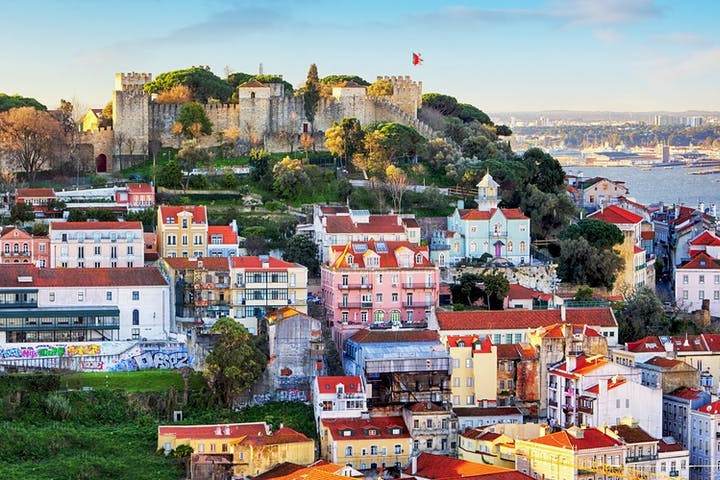
Lisbon, the capital of Portugal, is a vibrant city known for its rich history, stunning architecture, and warm climate. With its charming streets, historic trams, and breathtaking viewpoints, Lisbon offers a unique blend of old-world charm and modern energy.
Top Attractions
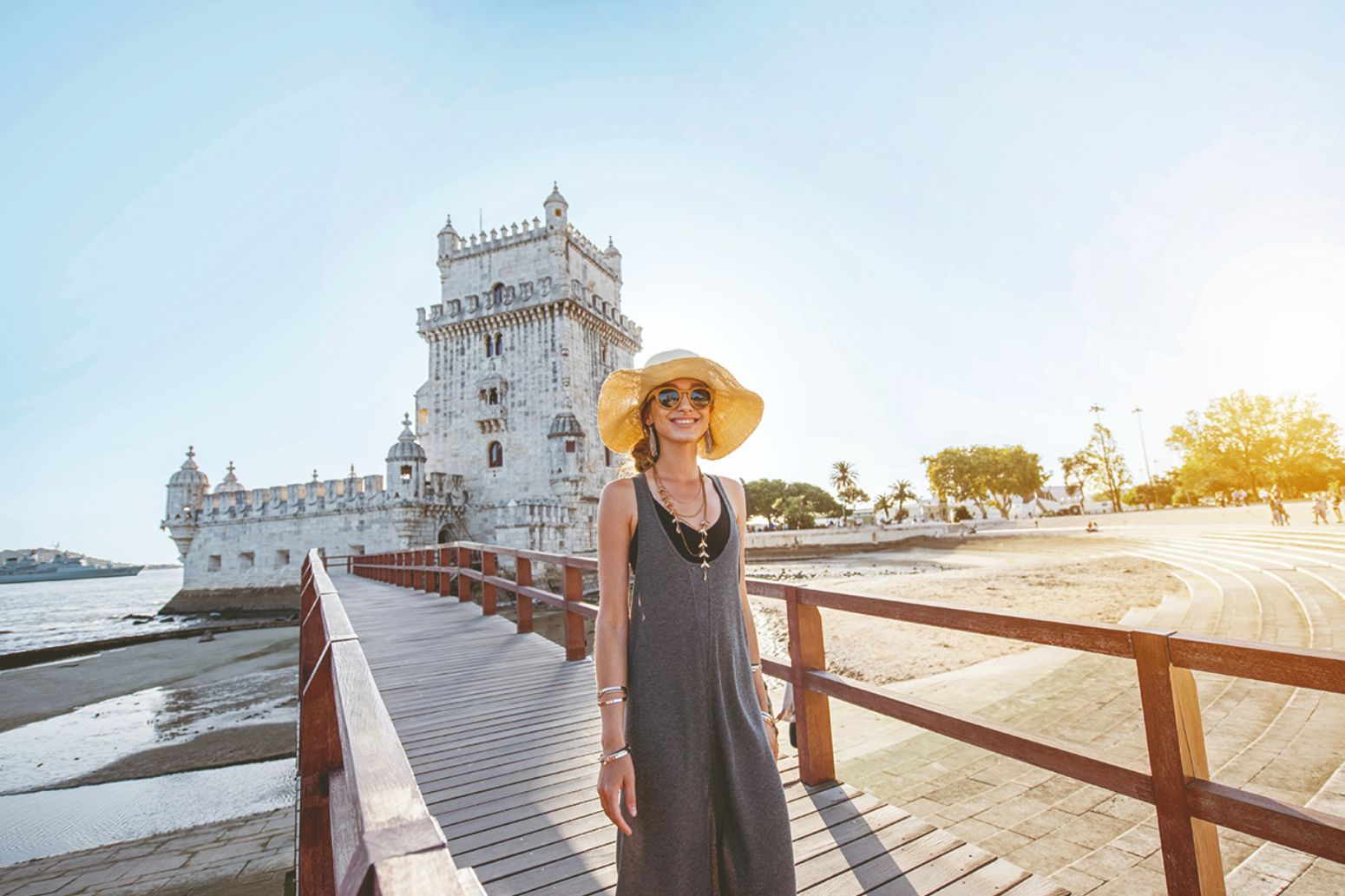
Belém Tower
A UNESCO World Heritage Site, this 16th-century tower is an iconic symbol of Lisbon's Age of Discoveries.
Historical
1-2 hours
€6
Alfama District
Lisbon's oldest district, known for its narrow, winding streets, Fado music, and historic charm.
Historical
Half day
Free to explore, attractions may have entry fees
Sintra
A UNESCO World Heritage Site, Sintra is a romantic town with stunning palaces and castles.
Historical
Full day
Varies by attraction, around €10-€15 per site
Must-Try Local Dishes
Bacalhau à Brás
Shredded codfish with eggs, potatoes, and onions
Main Dish
Contains fish and eggs
Pastel de Nata
Custard tart with a flaky pastry crust
Dessert
Contains dairy and eggs
Francesinha
A sandwich with meat, cheese, and a beer-based sauce
Main Dish
Contains meat, cheese, and gluten
Popular Activities
Hiking in Sintra
Surfing in Ericeira
Parasailing in Cascais
Beach lounging in Costa da Caparica
Spa day in a luxury hotel
Picnic in Jardim da Estrela
Visiting museums and galleries
Attending Fado performances
Best Time to Visit
March to May, September to October
These months offer pleasant weather and fewer crowds, making it ideal for sightseeing and outdoor activities.
15-25°C
59-77°F
Practical Information
Language
- Official: Portuguese
- Widely spoken: English, Spanish, French
- English: Moderately spoken
Currency
Euro (EUR)
Time Zone
GMT+1 (Western European Time, WET)
Electricity
230VV, 50HzHz
Safety Information
Overall Safety Rating: Generally safe
Lisbon is generally safe, but pickpocketing and petty theft can occur in crowded areas.
Important Precautions:
- • Be cautious of pickpockets in crowded areas
- • Use licensed taxis or ride-sharing apps
- • Avoid walking alone at night in less crowded areas
Getting there
By air
- Humberto Delgado Airport • 7 km from city center
By train
Santa Apolónia, Oriente
By bus
Sete Rios, Jardim do Campo Grande, Gare do Oriente
Getting around
Public transport
Efficient and clean, with four lines connecting major attractions.
Taxis
Available • Apps: Bolt, FreeNow
Rentals
Car, Bike, Scooter
Neighborhoods
Alfama
Baixa
Bairro Alto
Day trips
Sintra
25 km from Lisbon • Full day
A romantic town with stunning palaces, castles, and lush gardens.
Cascais
30 km from Lisbon • Half day to full day
A charming coastal town with beautiful beaches, historic sites, and a relaxed atmosphere.
Óbidos
80 km from Lisbon • Full day
A medieval town with a well-preserved castle, narrow streets, and charming shops.
Festivals
Santos Populares • June 13th
Festival dos Oceanos • June to September
Arraial do Alfoz • June to September
Pro tips
- Visit the Time Out Market for a variety of local and international cuisines
- Take a day trip to Sintra and Cascais for a mix of history and beach relaxation
- Explore the LX Factory for a unique shopping and dining experience
- Ride the historic Tram 28 for a scenic tour of the city
- Visit the MAAT museum for a blend of art, architecture, and technology
From $25
per person
Price varies by option
Secure booking
Free cancellation available
Instant confirmation