Small-Group Full Day City Tour with Lunch and Show of lights in Lima
Active
9h
For a full refund, cancel at least 24 hours before the scheduled departure time.
Instant confirmation
Mobile or paper ticket accepted
About this experience
Journey through Lima’s rich layers of history—from ancient spiritual centers to vibrant contemporary icons.
Highlights:
- Pachacamac, Pre-Inca archaeological Complex
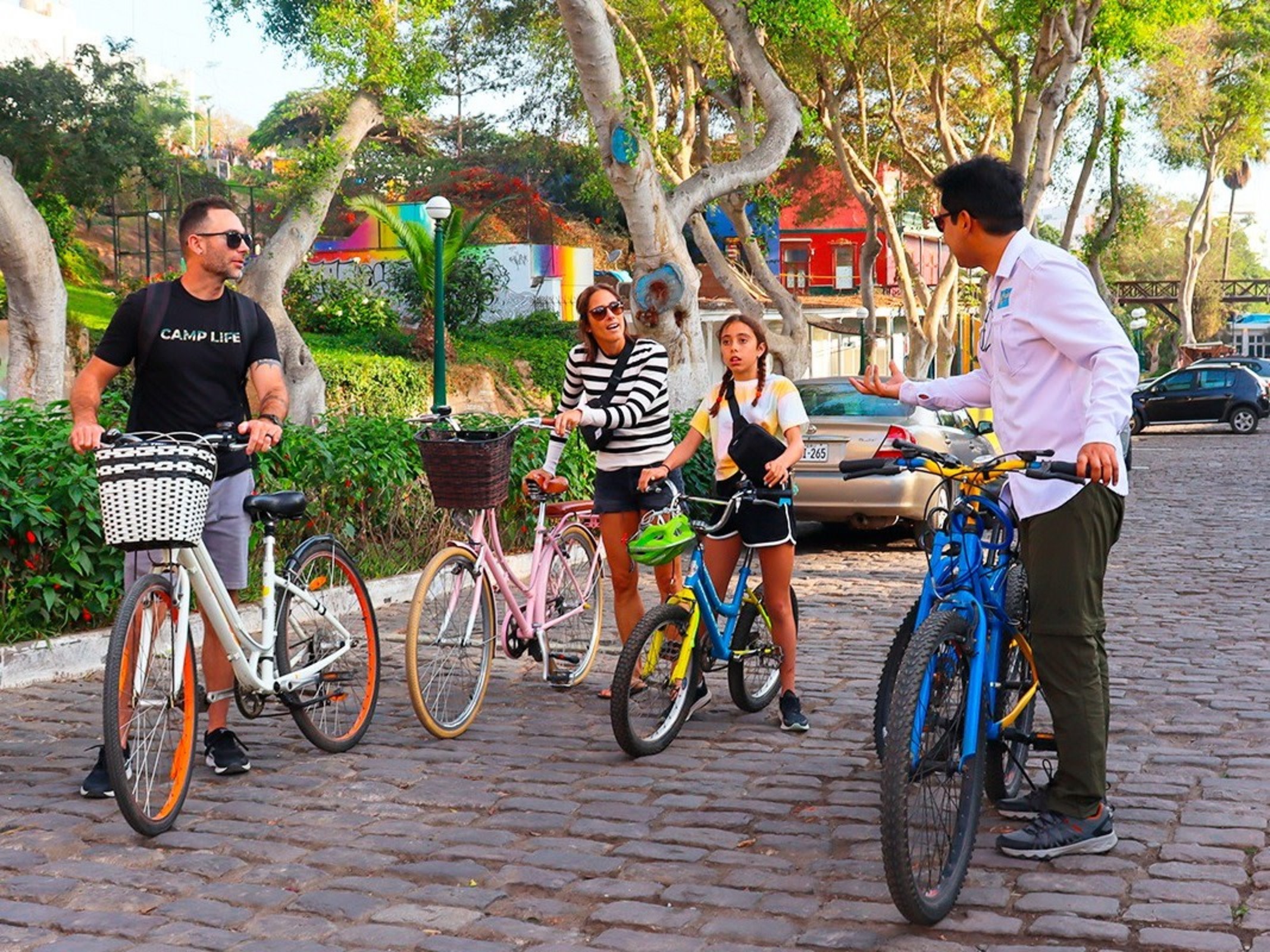
- District of Barranco
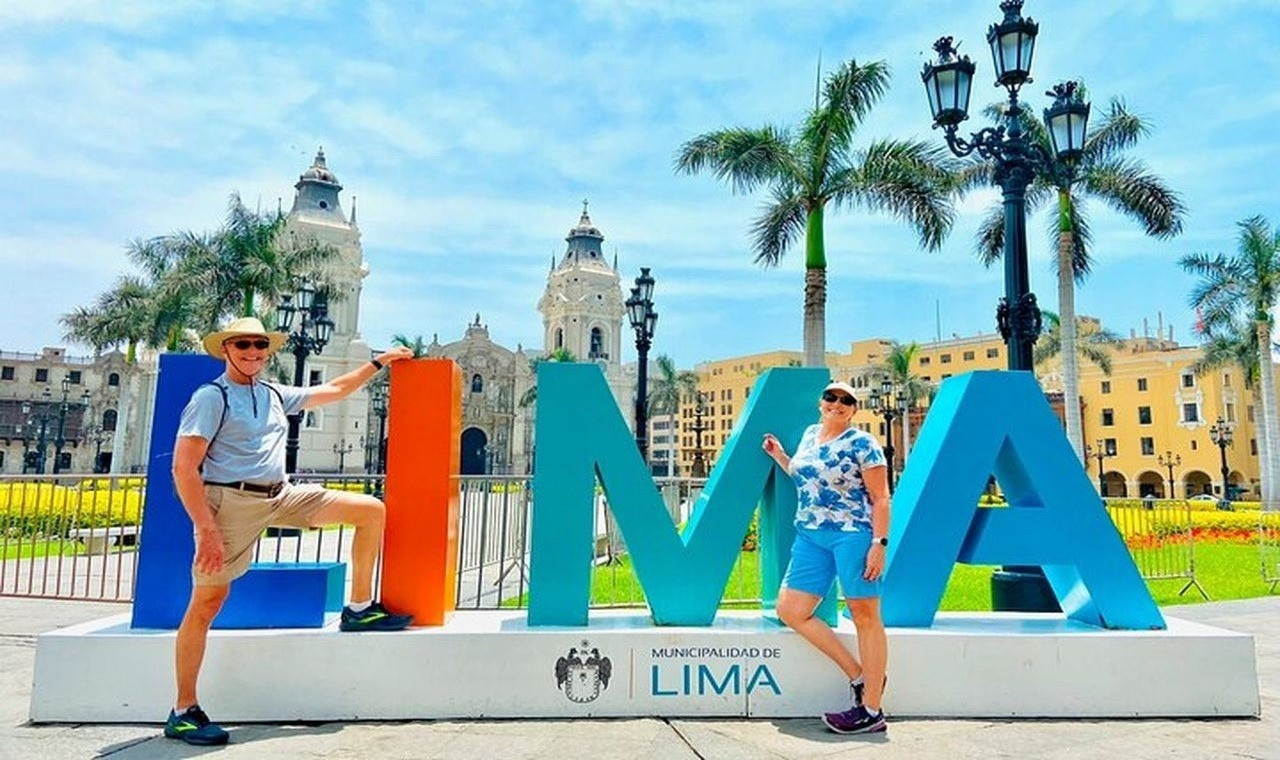
- Historical Centre of Lima
- Convent of San Francisco
- Water Circuit Park
Available options
Small-Group Full Day City Tour with Lunch and Show of lights in Lima
Pickup included
What's included
Hotel Pick-Up and Drop-Off
Lunch of Peruvian Creole food
Transportation
Professional Bilingual Guide (English/Spanish)
Detailed itinerary
1
Stop 1
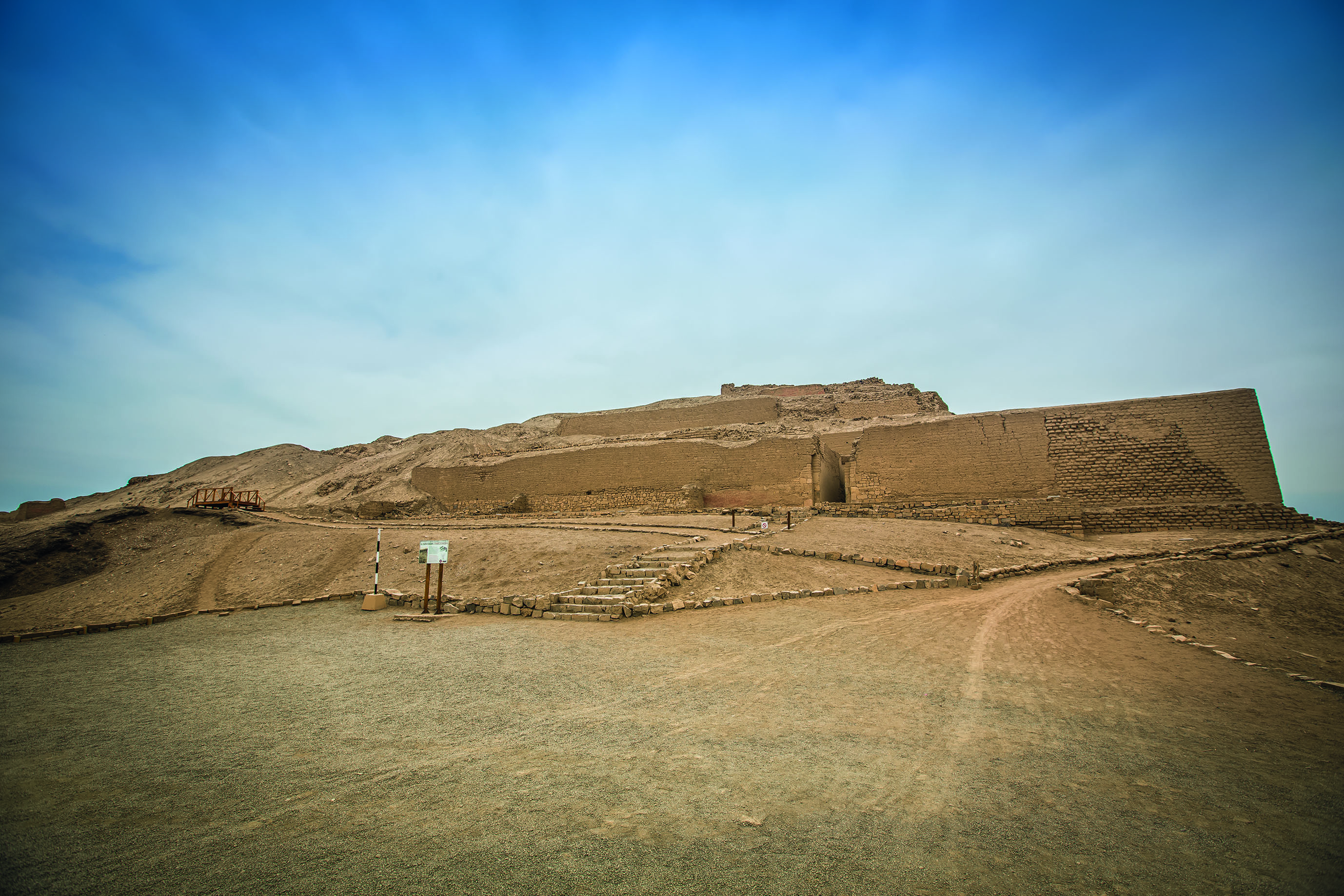
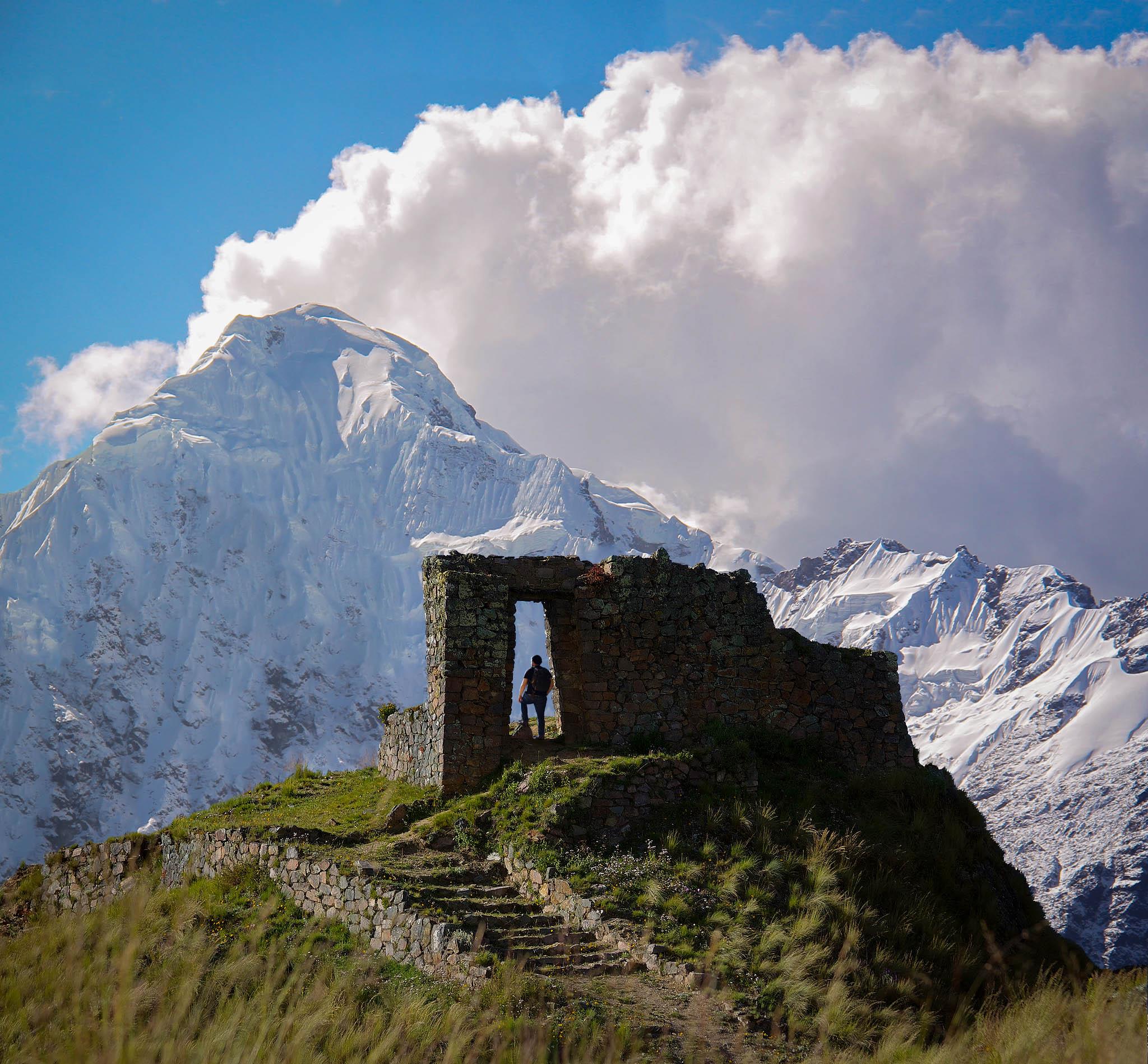
The Pachacamac Site Museum was founded in 1965.
It serves as an anteroom for the visit to the Sanctuary, which shows the main archaeological finds from the site. The idol of Pachacamac stands out, as well as the cloth door decorated with Spondylus shells both coming from the excavations carried out in the Temple Pintado by Alberto Giesecke.
Other outstanding elements of the museum are the series of sculptural ceramic offerings dating from the Wari period (700-1100 BC) where representations of fish, characters and plants stand out. Also the series of Inca quipus coming from an enclosure near the Palace of Taurichumpi.
The museum is organized thematically showing the entire cultural sequence of the Pachacamac Sanctuary, from the 2nd century BC. until the establishment of the Incas in 1470.
2
Stop 2
The district of Barranco is undoubtedly one of the most beautiful neighborhoods of the Peruvian capital, in its streets filled with big houses, bars, restaurants and its bohemian atmosphere, they are a connection between the past and the present of Lima.
Among the attractions that stand out of this picturesque neighborhood, stand out the municipal square and its church, as well as different museums and the Temple of the Hermitage
3
Stop 3
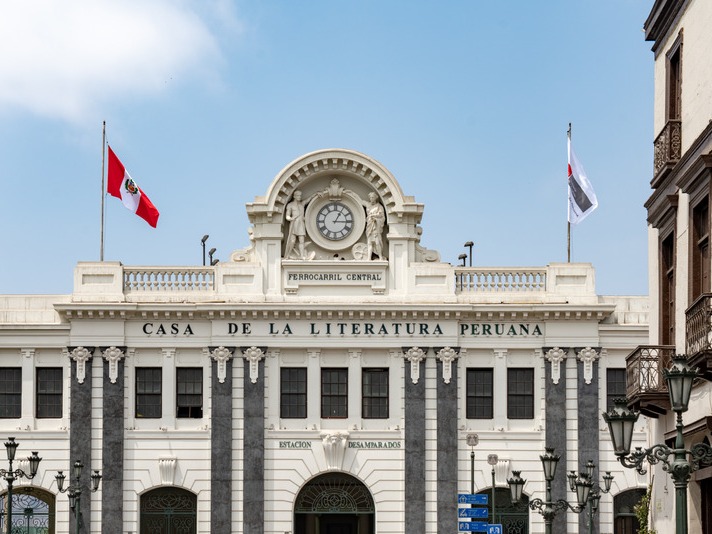
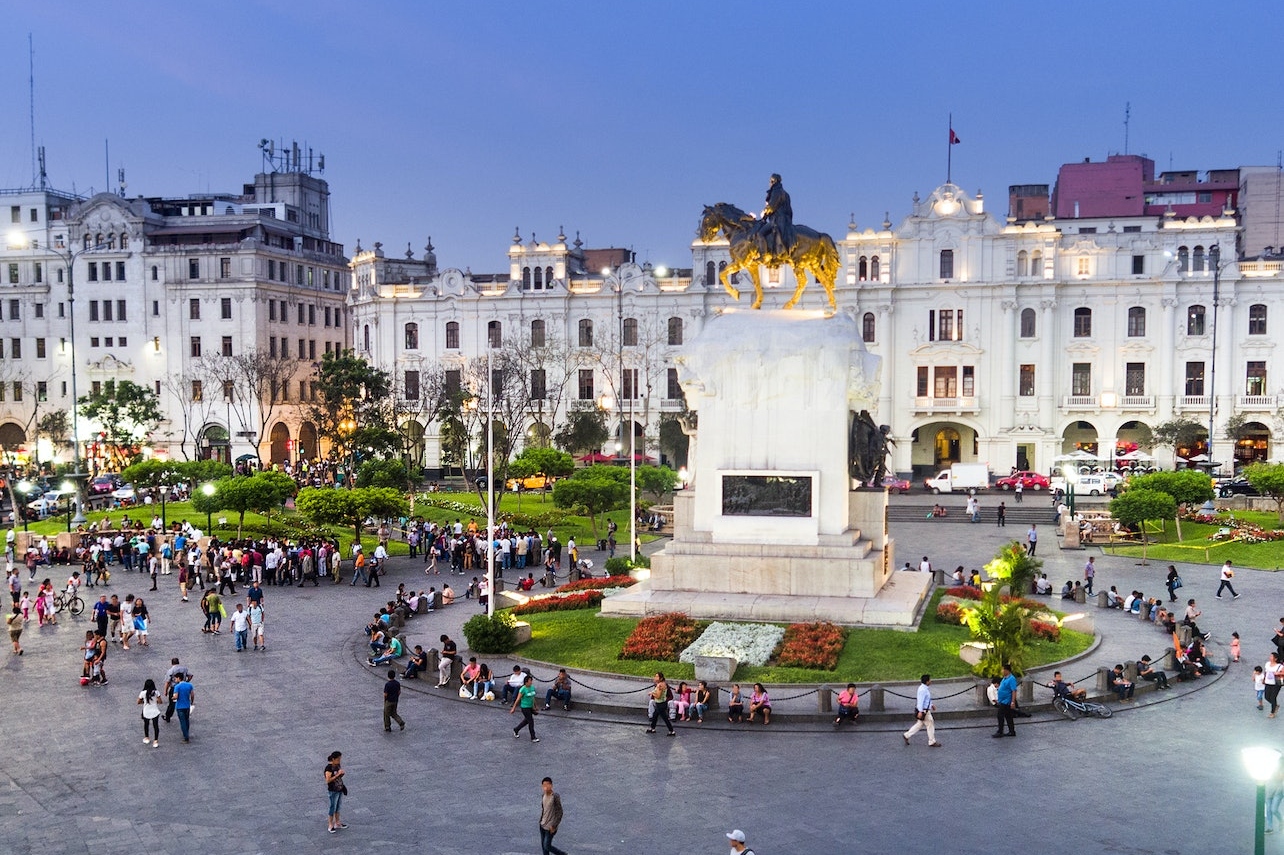
It is located in the district of Lima Metropolitan. It was founded in 1535 by the Spanish conquistador Francisco Pizarro and known as the "City of Kings" due to its important status as capital of the Viceroyalty of Peru from the mid-sixteenth century to 1821. The Historic Center of Lima retains until the today the most illustrious examples of Spanish monumental architecture. The most important historical monuments of public character are represented by numerous churches and convents, as well as mansions that preserve the tradition of the Hispano-American Baroque.
4
Stop 4
This set of religious precincts, of neoclassical and baroque style, was erected in 1546. During the 17th century, the temple was the object of a series of arrangements and decorations that ended up turning it into a marvel of art in the viceregal era.
In 1655 an earthquake occurred in Lima that brought down the Franciscan temple, destroying its artistic riches, collapsing all the effort of a century.
The new temple was inaugurated in 1672, and repairs continued inside the convent until 1729.
Nowadays, the convent presents attractions, together with its remarkable courtyards and gardens, which are surrounded by arches with baseboards of Seville tiles.
5
Stop 5
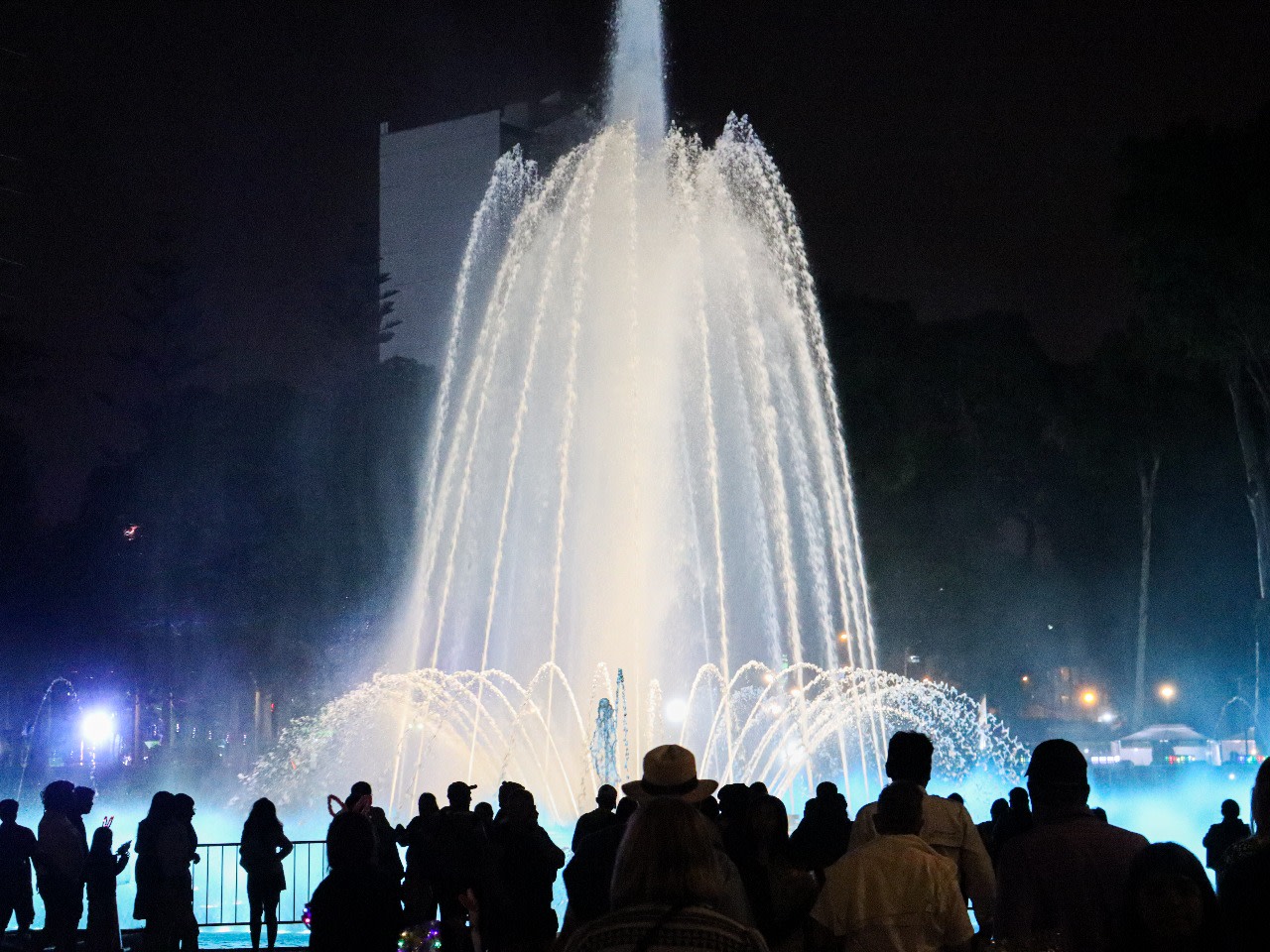
The Parque de la Reserva was originally opened in 1929 to commemorate all the civilian reservists who fought in the defence of Lima during the War of the Pacific. But more than 65 years later, it became one of Lima's most visited tourist attractions.
In 2007 a water and light show called the Circuito Magico del Agua, The Magic Water Circuit, was inaugurated. It has the Guinness Book record for the largest fountain complex in the world, displaying 13 distinct fountains and many are interactive. All of the fountains are illuminated at night, many with continuously changing color schemes. A colorful laser light program synchronized with classical and Peruvian music makes the fountains sparkle and shine as the water flows in unique patterns and shapes.
What's not included
Gratuities
Available languages
Guide guide
EN
ES
Reviews breakdown
Viator
5.0
1 reviews
5★
1
4★
0
3★
0
2★
0
1★
0
Important information
Suitable for all physical fitness levels
Extra cost of USD 10 for pick-up and drop-off at Sheraton Lima or Barranco area
About Lima
Lima, the capital of Peru, is a vibrant city where colonial architecture meets modern skyscrapers. Known for its rich history, diverse cuisine, and stunning coastal views, Lima offers a unique blend of cultural experiences and natural beauty. The city's historic center, a UNESCO World Heritage Site, is a must-visit for its well-preserved colonial buildings and museums.
Top Attractions
Historic Center of Lima
The Historic Center of Lima is a UNESCO World Heritage Site that showcases the city's colonial architecture and rich history. It's home to numerous churches, museums, and plazas.
Historical
Half day to full day
Free to $10 (for museum entries)
Miraflores
Miraflores is a upscale district known for its shopping, dining, and nightlife. It's also home to the Parque del Amor and the Larcomar shopping center.
Cultural
Half day to full day
Free to $50 (for shopping and dining)
Barranco
Barranco is a bohemian district known for its art galleries, street art, and vibrant nightlife. It's a great place to experience Lima's creative side.
Cultural
Half day to full day
Free to $30 (for dining and drinks)
Huaca Pucllana
Huaca Pucllana is an ancient pyramidd built by the Lima Culture around 200 AD. It's a fascinating archaeological site located in the heart of Miraflores.
Historical
1-2 hours
$5
Must-Try Local Dishes
Ceviche
A dish made from fresh raw fish cured in citrus juices, spiced with ají or chili peppers, and served with side dishes such as sweet potato, corn on the cob, and lettuce.
Lunch/Dinner
Contains fish, citrus, and chili peppers. Can be made gluten-free and dairy-free.
Lomo Saltado
A Peruvian dish consisting of marinated beef stir-fried with onions, tomatoes, and fries, served with rice. It's a fusion dish that combines Peruvian and Chinese flavors.
Lunch/Dinner
Contains beef, onions, tomatoes, and fries. Can be made gluten-free with modifications.
Aji de Gallina
A Peruvian dish consisting of a creamy chicken stew made with aji amarillo (yellow chili pepper) sauce, garlic, and walnuts, served with rice and potatoes.
Lunch/Dinner
Contains chicken, dairy, and nuts. Can be made gluten-free.
Popular Activities
Surfing
Paragliding
Hiking
Beach lounging
Spa treatments
Hot springs
Museum visits
Historical tours
Best Time to Visit
December to April
This is the summer season in Lima, characterized by warm temperatures and sunny days. It's the best time for outdoor activities and exploring the city's beaches.
18°C to 28°C
64°F to 82°F
Practical Information
Language
- Official: Spanish
- Widely spoken: English
- English: Moderately spoken in tourist areas, limited elsewhere
Currency
Peruvian Sol (PEN)
Time Zone
GMT-5
Electricity
220VV, 60HzHz
Safety Information
Overall Safety Rating: Exercise caution
Lima is generally safe for tourists, but petty crime and scams can occur, particularly in crowded areas and on public transportation. Exercise caution and be aware of your surroundings.
Important Precautions:
- • Use official taxis or app-based services
- • Keep an eye on your belongings in crowded areas
- • Be cautious when using ATMs
Getting there
By air
- Jorge Chávez International Airport • 11 km from city center
By bus
Plaza Norte, Plaza Sur
Getting around
Public transport
The metro is efficient and affordable, but can be crowded during peak hours. It's a good option for getting around quickly.
Taxis
Available • Apps: Uber, Beat
Rentals
Car, Bike, Scooter
Neighborhoods
Miraflores
Barranco
San Isidro
Day trips
Pachacamac
40 km from Lima • Half day
Pachacamac is an ancient archaeological site located south of Lima. It was an important religious center for the Inca civilization and features several temples, pyramids, and museums.
Paracas and Ballestas Islands
250 km from Lima • Full day
Paracas is a coastal town known for its stunning natural beauty and wildlife. The Ballestas Islands, often referred to as the 'poor man's Galapagos', are home to a variety of seabirds, sea lions, and other marine life.
Huaral
80 km from Lima • Full day
Huaral is a small town located north of Lima, known for its colonial architecture, hot springs, and traditional festivals. It's a great place to experience authentic Peruvian culture and hospitality.
Festivals
Fiesta de la Candelaria • February 2
Festival Internacional de Cine de Lima • August
Inti Raymi • June 24
Pro tips
- Learn a few basic Spanish phrases to enhance your experience and connect with locals
- Try a ceviche-making class to learn about Peruvian cuisine and culture
- Visit the Larco Museum to see the largest private collection of pre-Columbian art in Peru
- Explore the street art and murals in Barranco for a unique cultural experience
- Take a day trip to Pachacamac to learn about Inca history and explore ancient ruins
From $25
per person
Price varies by option
Secure booking
Free cancellation available
Instant confirmation