Private Half-day Kuala Lumpur City Tour With Local Lunch *26*
Active
4h
For a full refund, cancel at least 24 hours before the scheduled departure time.
Instant confirmation
Mobile or paper ticket accepted
About this experience
The capital city of Malaysia, Kuala Lumpur is a diverse area that includes Tamil, Chinese, Malay, and indigenous inhabitants. The most populous city in the nation, Kuala Lumpur is spread over 200 square kilometers and now merges with neighboring suburbs to create a hub of activity and commerce.
Tourism is a central focus in Kuala Lumpur and as such there are a huge variety of attractions for visitors to choose from, ranging from the more traditional to the more modern depending on your tastes. There are temples and mosques to reflect the diversity of the city, spectacular futuristic towers and skyscrapers, local markets and street food, and just about anything else you can imagine.
Available options
Private Half-day Kuala Lumpur City Tour With Local Lunch *26*
Pickup included
What's included
Private transportation
Air-conditioned vehicle
BEFORE TOUR TIME END WE WILL PROVIDE LOCAL LUNCH AT THE LOCAL RESTAURANT
Detailed itinerary
1
Stop 1
The National Mosque of Malaysia (Malay: Masjid Negara Malaysia) is a mosque in Kuala Lumpur, Malaysia. It has a capacity for 15,000 people and is situated among 13 acres (53,000 m2) of gardens. Its key features are a 73-metre-high (240 ft) minaret and a 16-pointed star concrete main roof. The umbrella, synonymous with the tropics, is featured conspicuously – the main roof is reminiscent of an open umbrella, the minaret's cap a folded one. The folded plates of the concrete main roof are a creative solution to achieving the larger spans required in the main gathering hall. Reflecting pools and fountains are spread throughout the compound. Completed in 1965, the mosque is a bold and modern approach in reinforced concrete, symbolic of the aspirations of a then newly independent nation.
2
Stop 2
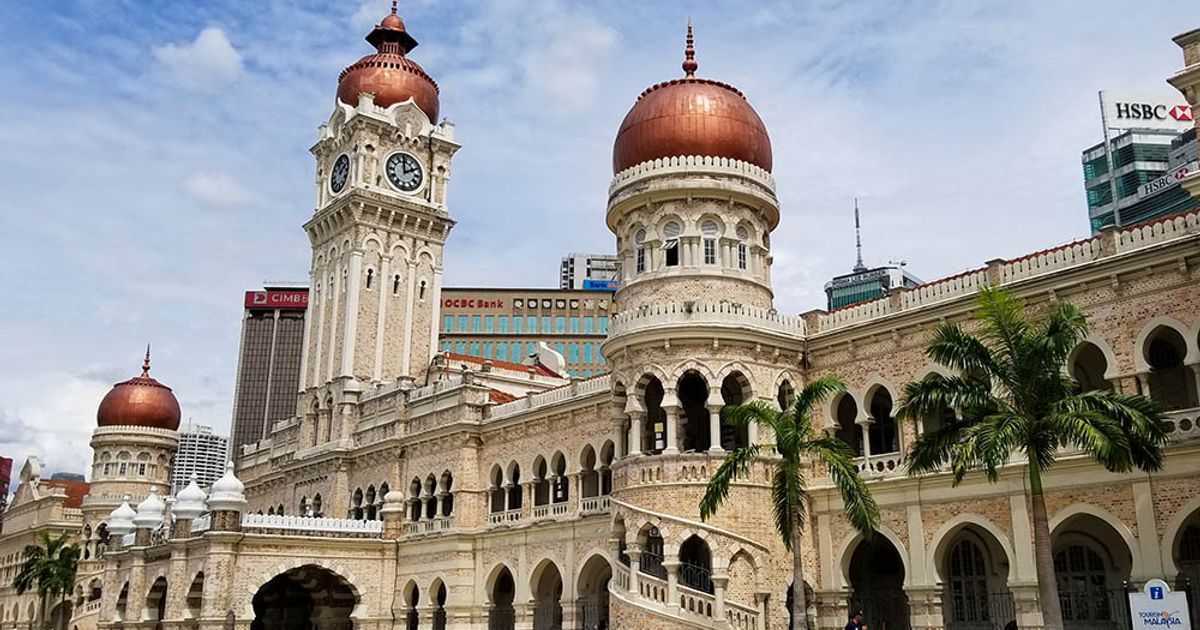
For other places with the same name, see Merdeka Square.
Independence Square (Malay: Dataran Merdeka) is a square located in Kuala Lumpur, Malaysia. It is situated in front of the Sultan Abdul Samad Building. It was formerly known as the Selangor Club Padang or simply the Padang (meaning "field" in Malay) and was used as the cricket green of the Selangor Club (now the Royal Selangor Club). It was here that the Union Flag was lowered and the Malaysian flag hoisted for the first time at midnight on 31 August 1957. Since then, the Independence Square has been the usual venue for the annual Independence Day Parade.
3
Stop 3
The Thean Hou Temple (Chinese: 乐圣岭天后宫/樂聖嶺天后宮) is a six-tiered temple of the Chinese sea goddess Mazu located in Kuala Lumpur, Malaysia.[2] It is located on 1.67 acres (6,758 m2) of land atop Robson Heights on Lorong Bellamy, overlooking Jalan Syed Putra.[3] It was completed in 1987 and officially opened in 1989.[1][2] The temple was built by Hainanese living in Malaysia and the property belongs to and is run by the Selangor and Federal Territory Hainan Association
4
Stop 4
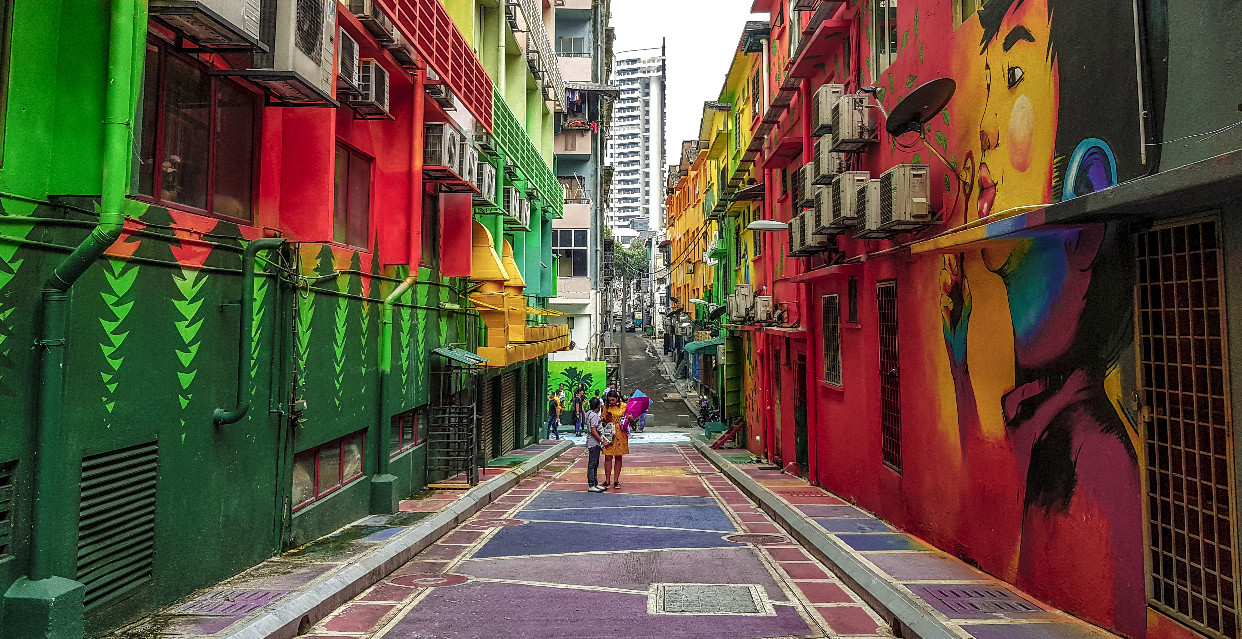
Chinatown is a vibrant district in Kuala Lumpur where you can experience Chinese-Malaysian culture. Take a stroll along the pedestrian-friendly Kasturi Walk to discover colorful shops, temples, and markets selling everything from clothes to souvenirs. Be sure to visit the famous Petaling Street Market and Central Market, as well as the beautiful Buddhist and Hindu temples, too. And don't forget to sample some of the mouthwatering street food like nasi lemak (a coconut rice dish) and pisang goreng (banana fritters), and teh tarik ("pulled" tea).
5
Stop 5
Central Market Kuala Lumpur is located at Jalan Tun Tan Cheng Lock (Foch Avenue) and the pedestrian-only section of Jalan Hang Kasturi (Rodger Street), a few minutes away from Petaling Street and next to Klang River. It was founded in 1888 and originally used as a wet market,[1] while the current Art Deco style building was completed in 1937. It has been classified as a Heritage Site by the Malaysian Heritage Society, and it is now a landmark for Malaysian culture and heritage.
6
The limestone forming Batu Caves is said to be around 400 million years old. Some of the cave entrances were used as shelters by the indigenous Temuan people (a tribe of Orang Asli).As early as 1860, Chinese settlers began excavating guano for fertilising their vegetable patches. However, they became famous only after the limestone hills were recorded by colonial authorities including Daly and Syers as well as American Naturalist, William Hornaday in 1878.Batu Caves was promoted as a place of worship by K. Thamboosamy Pillai, an Indian Tamil trader. He was inspired by the vel-shaped entrance of the main cave and was inspired to dedicate a temple to Murugan within the caves. In 1890, Pillai, who also founded the Sri Mahamariamman Temple, Kuala Lumpur, installed the murti (consecrated statue) of Sri Murugan Swami in what is today known as the Temple Cave. Since 1892, the Thaipusam festival in the Tamil month of Thai (which falls in late January/early February) has been celebrated there.
7
In 1881, a flood swept through Kuala Lumpur in the wake of a disastrous fire. These successive problems destroyed the town's structures of wood and atap (thatching). As a response, Frank Swettenham, the British Resident of Selangor, required that buildings be constructed of brick and tile.[2] Hence, Kapitan Yap Ah Loy bought a sprawling piece of real estate, now Brickfields, for the setting up of a brick industry which would spur the rebuilding of Kuala Lumpur.
What's not included
Petronas Twin Towers
Available languages
Guide guide
EN
Written guide
EN
Reviews breakdown
Viator
5.0
1 reviews
5★
1
4★
0
3★
0
2★
0
1★
0
Important information
Infants and small children can ride in a pram or stroller
Public transportation options are available nearby
Infants are required to sit on an adult’s lap
Not recommended for travelers with poor cardiovascular health
Suitable for all physical fitness levels
Important notes
PLEASE SHOW THE ENTRY TICKET WHEN DRIVE ARRIVE FOR THE PICK UP AT HOTEL LOBBY
About Kuala Lumpur
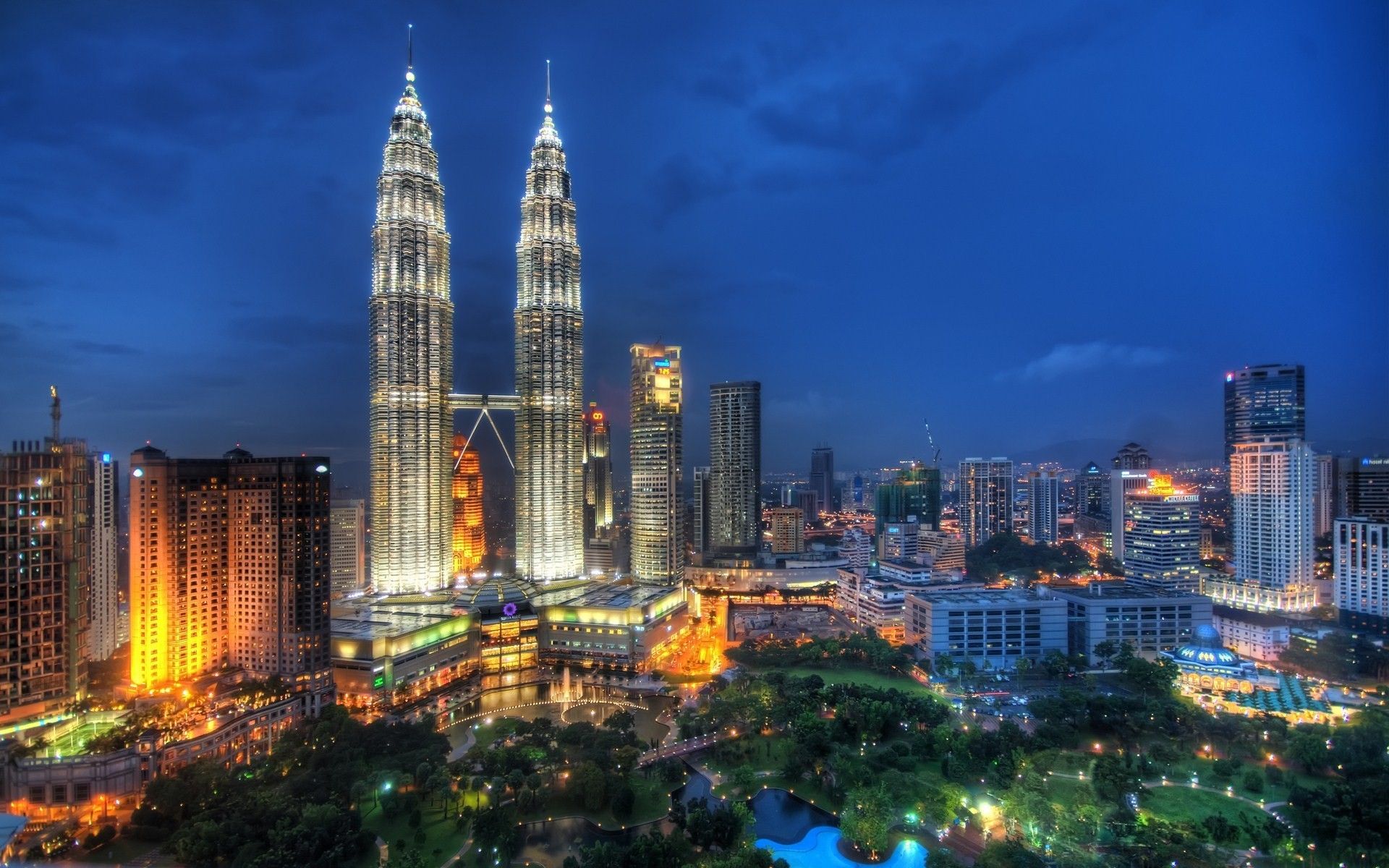
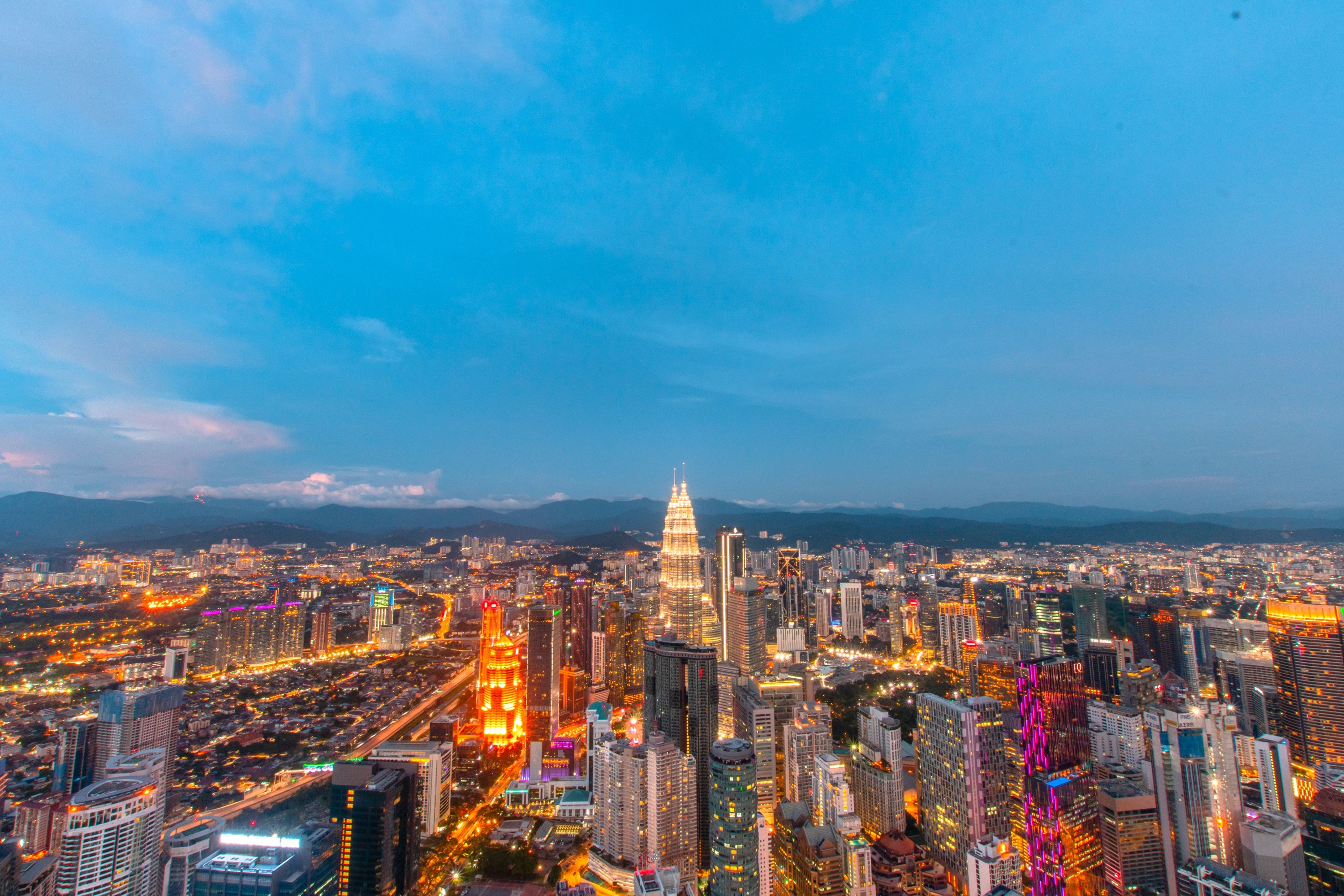
Kuala Lumpur is a vibrant metropolis where modern skyscrapers stand alongside historic mosques and colonial-era buildings. Known for its multicultural diversity, bustling street markets, and iconic landmarks like the Petronas Twin Towers, KL offers a unique blend of tradition and modernity.
Top Attractions
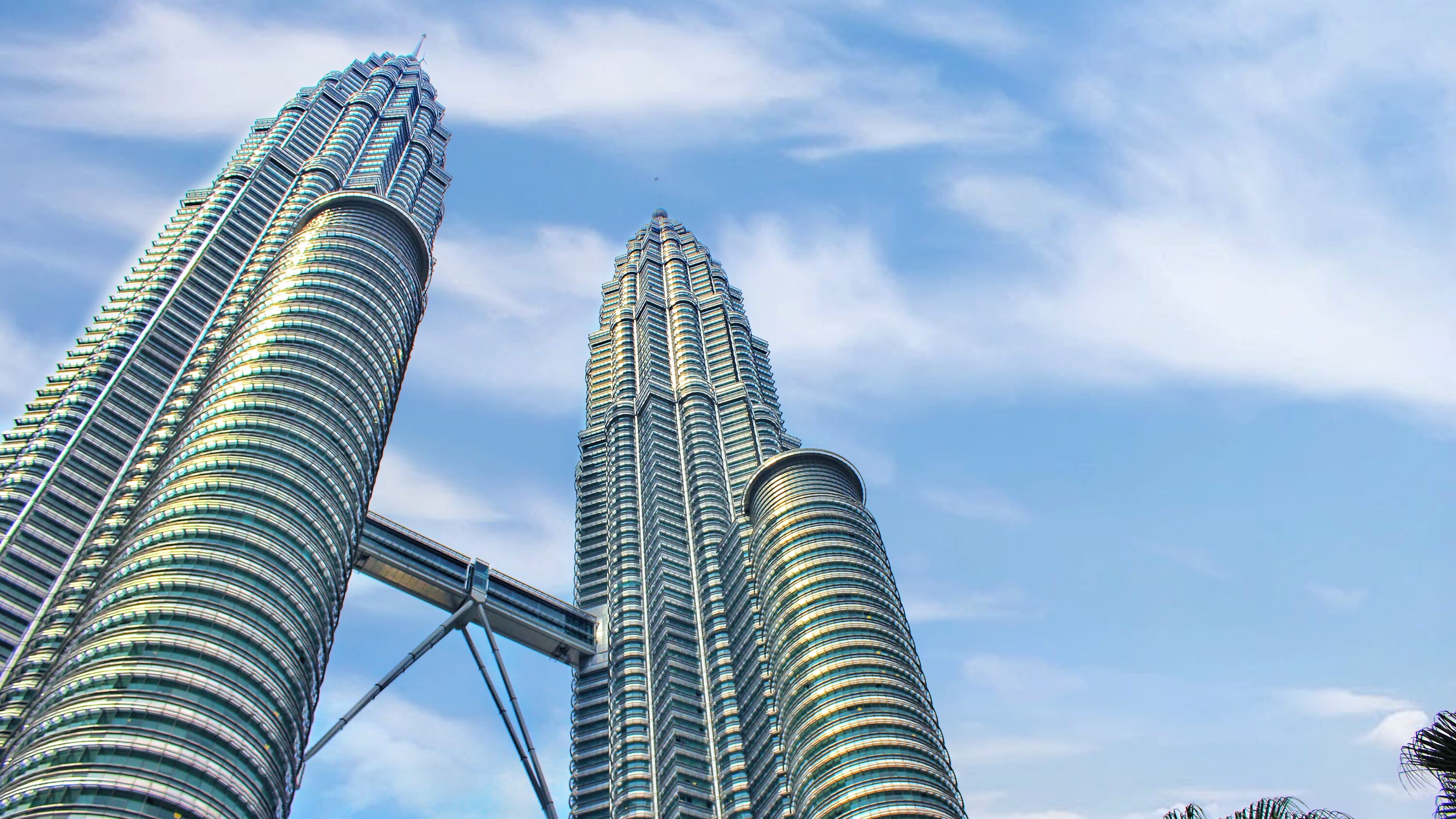
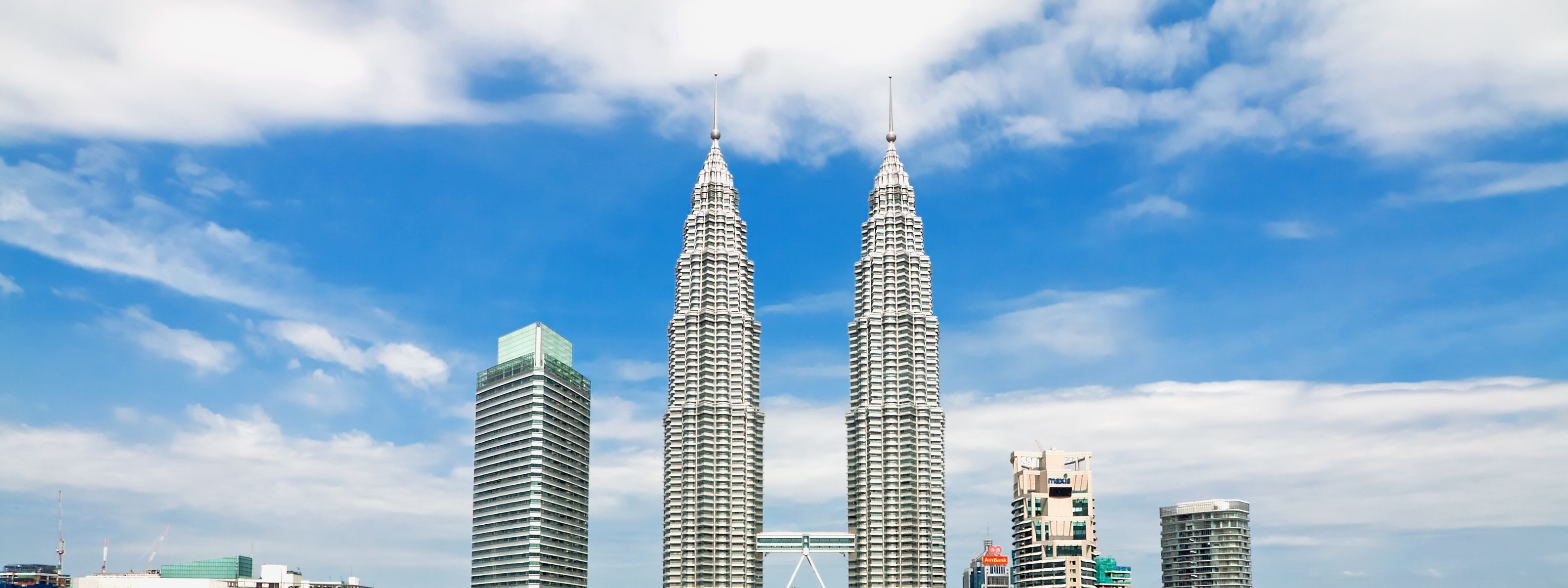
Petronas Twin Towers
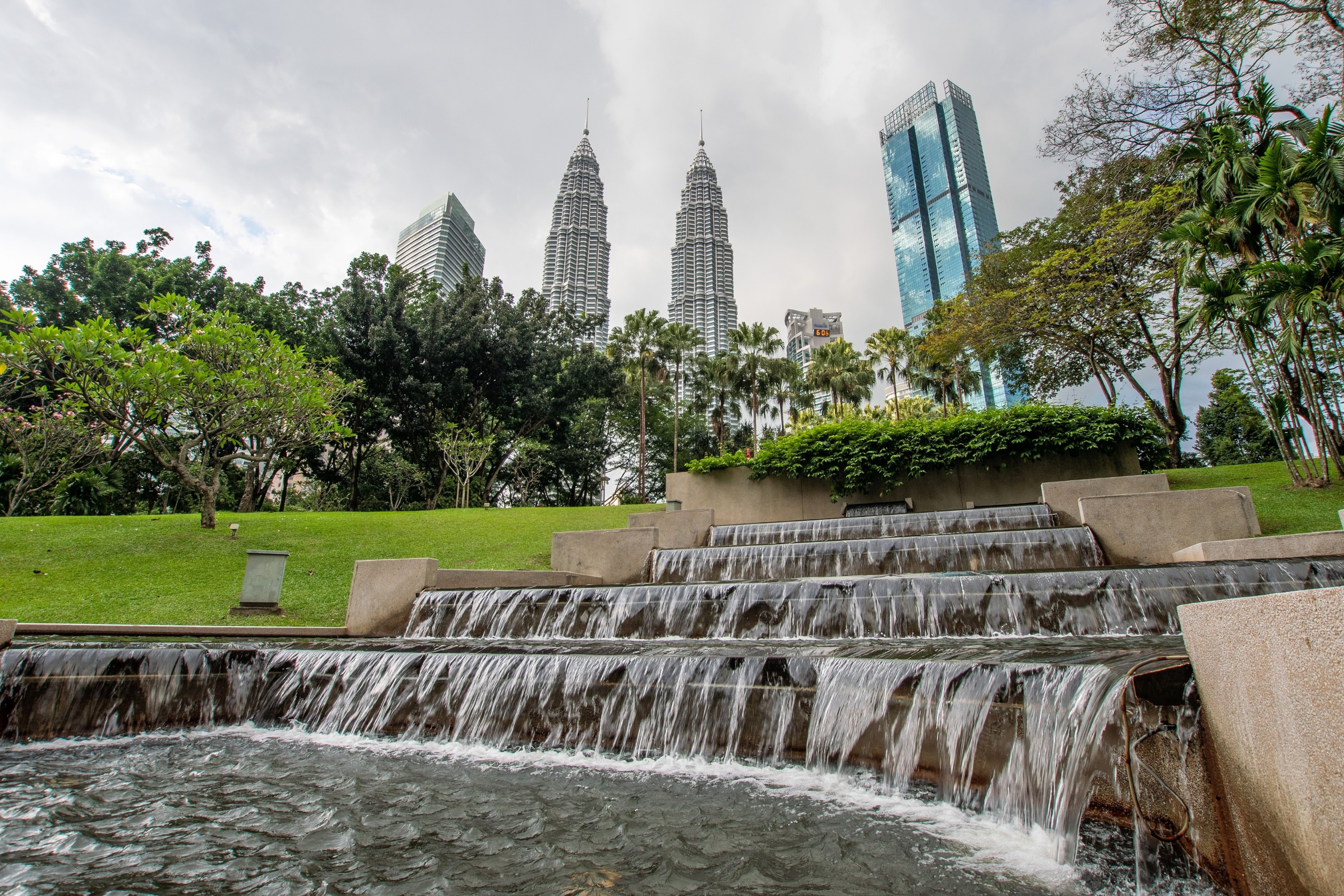
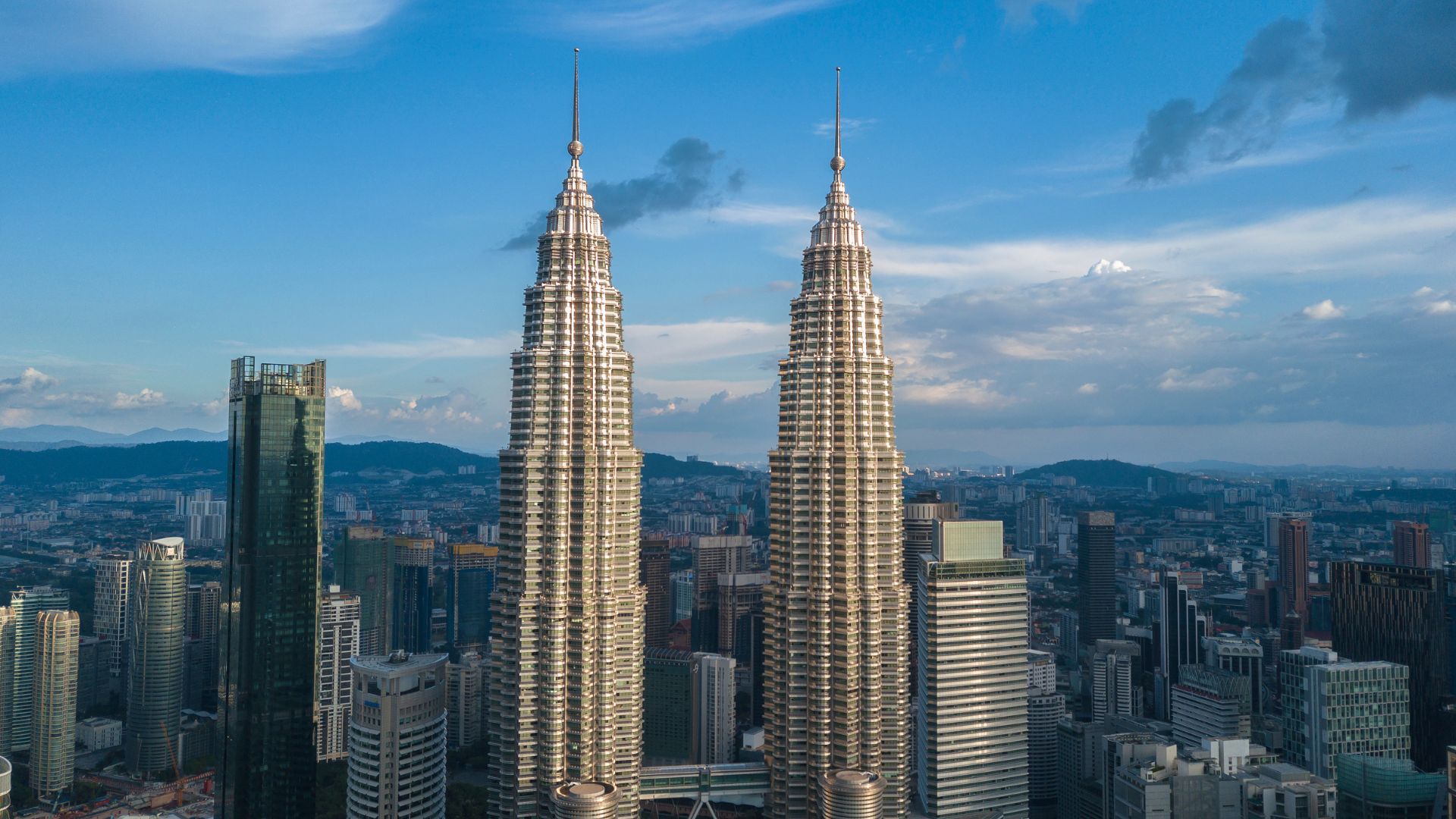
The iconic Petronas Twin Towers were the tallest buildings in the world from 1998 to 2004. The towers feature a skybridge and a shopping mall at the base.
Architecture
1-2 hours
MYR 83 (adult), MYR 33 (child)
Batu Caves
Batu Caves is a Hindu shrine and temple complex located in a limestone hill. It is known for its colorful statues and the annual Thaipusam festival.
Religious
2-3 hours
Free (donations welcome)
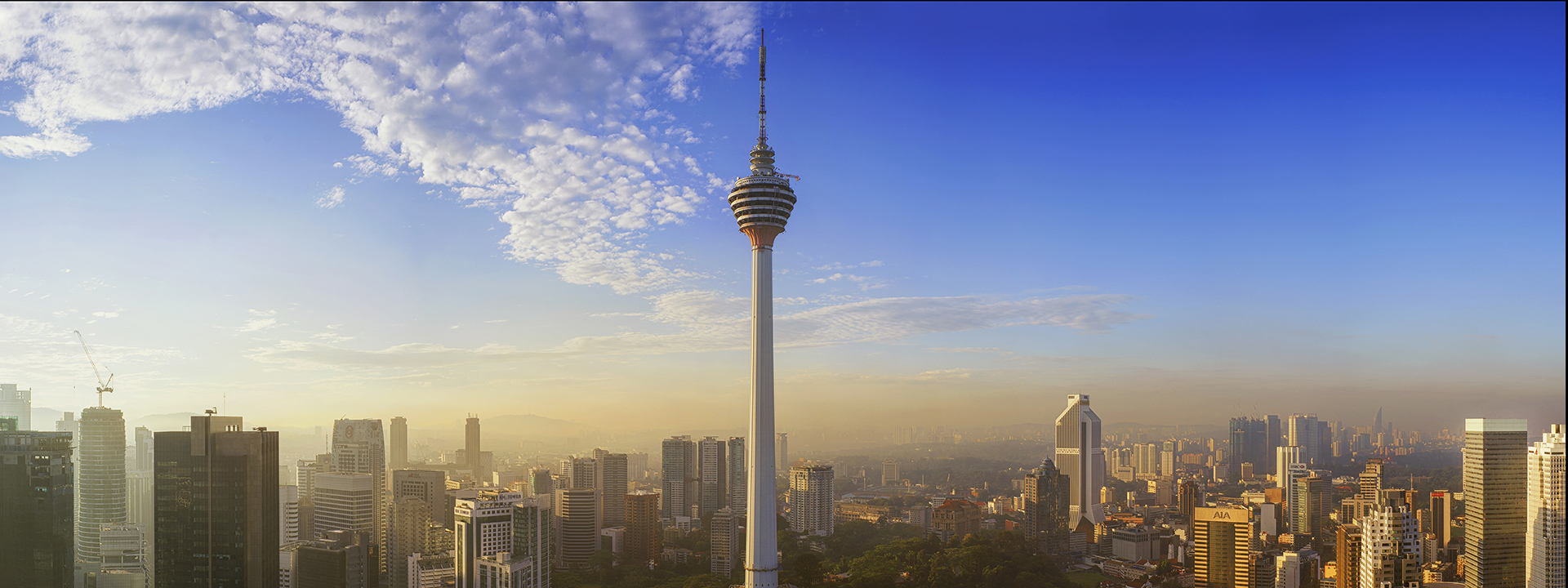
Kuala Lumpur Tower
The Kuala Lumpur Tower is the second-tallest freestanding tower in the world. It offers panoramic views of the city from its observation deck.
Architecture
1-2 hours
MYR 50 (adult), MYR 30 (child)
Must-Try Local Dishes
Nasi Lemak
Coconut milk-infused rice served with spicy sambal, fried anchovies, peanuts, and boiled egg.
Breakfast/Lunch
Vegetarian options available
Roti Canai
Flaky, layered flatbread served with curry.
Lunch/Dinner
Vegetarian options available
Satay
Grilled skewered meat served with peanut sauce.
Snack
Vegetarian options available
Popular Activities
Hiking in the highlands
Water sports in Port Dickson
Spa treatments
Tea tasting in Cameron Highlands
Visiting temples and mosques
Exploring Chinatown
Swimming
Boat rides
Best Time to Visit
December to February
This period offers cooler temperatures and lower humidity, making it ideal for outdoor activities and sightseeing. The city is lively with various festivals and events.
26-31°C
79-88°F
Practical Information
Language
- Official: Malay
- Widely spoken: English, Chinese, Tamil
- English: Widely spoken
Currency
Malaysian Ringgit (MYR)
Time Zone
GMT+8
Electricity
240VV, 50HzHz
Safety Information
Overall Safety Rating: Generally safe
Kuala Lumpur is generally safe for travelers, with low crime rates and a strong police presence. However, petty crimes like pickpocketing and scams can occur in crowded areas.
Important Precautions:
- • Be cautious of your surroundings
- • Keep valuables secure
- • Use reputable tour operators and transport services
Getting there
By air
- Kuala Lumpur International Airport • 50 km south of the city
By train
Kuala Lumpur Sentral
By bus
Pudu Sentral, Titiwangsa Bus Station
Getting around
Public transport
RapidKL is the main public transport system, including LRT (Light Rail Transit), MRT (Mass Rapid Transit), Monorail, and BRT (Bus Rapid Transit).
Taxis
Available • Apps: Grab
Rentals
Car, Bike, Scooter
Neighborhoods
Bukit Bintang
Chinatown
KLCC
Day trips
Cameron Highlands
200 km north of KL • Full day
A scenic highland region known for its tea plantations, cool climate, and lush landscapes.
Port Dickson
100 km south of KL • Full day
A popular beach destination with beautiful sandy beaches and water sports activities.
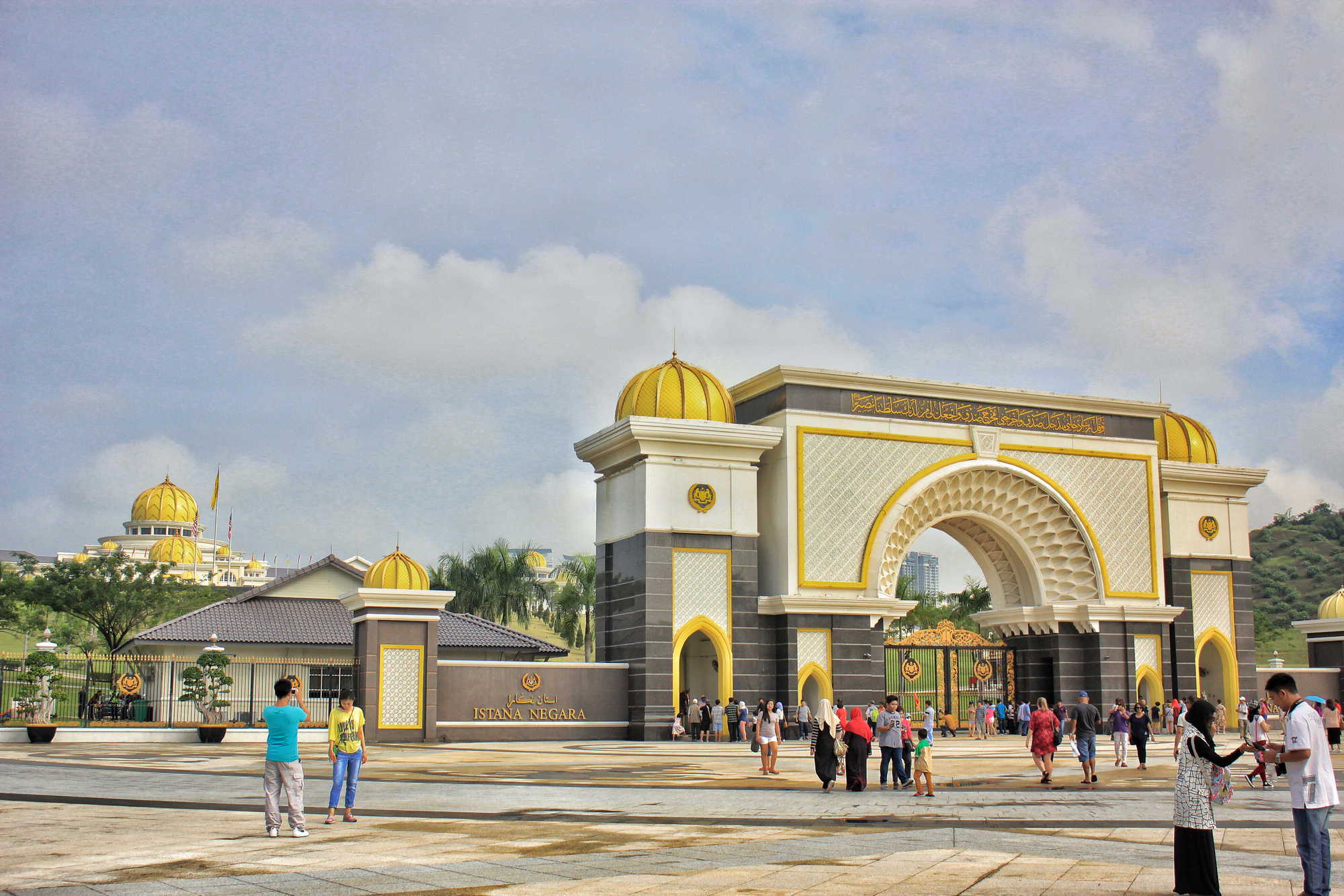
Putrajaya
30 km south of KL • Half day
A planned administrative and judicial center with beautiful architecture and landscaped gardens.
Festivals
Thaipusam • January/February (based on the Hindu calendar)
Chinese New Year • January/February (based on the lunar calendar)
Hari Raya Aidilfitri • Varies (based on the Islamic calendar)
Pro tips
- Visit Batu Caves during the Thaipusam festival for a unique cultural experience
- Explore the city's street food scene for authentic and affordable dining options
- Use the RapidKL public transport system to avoid traffic congestion
- Visit the KL Tower Sky Box for a unique and thrilling experience
- Experience the city's nightlife in areas like Changkat Bukit Bintang and Jalan Alor
From $25
per person
Price varies by option
Secure booking
Free cancellation available
Instant confirmation