Day Tour in Jeep Tour with Bedouin Guide
Active
8h - 9h
For a full refund, cancel at least 24 hours before the scheduled departure time.
Instant confirmation
Mobile or paper ticket accepted
About this experience
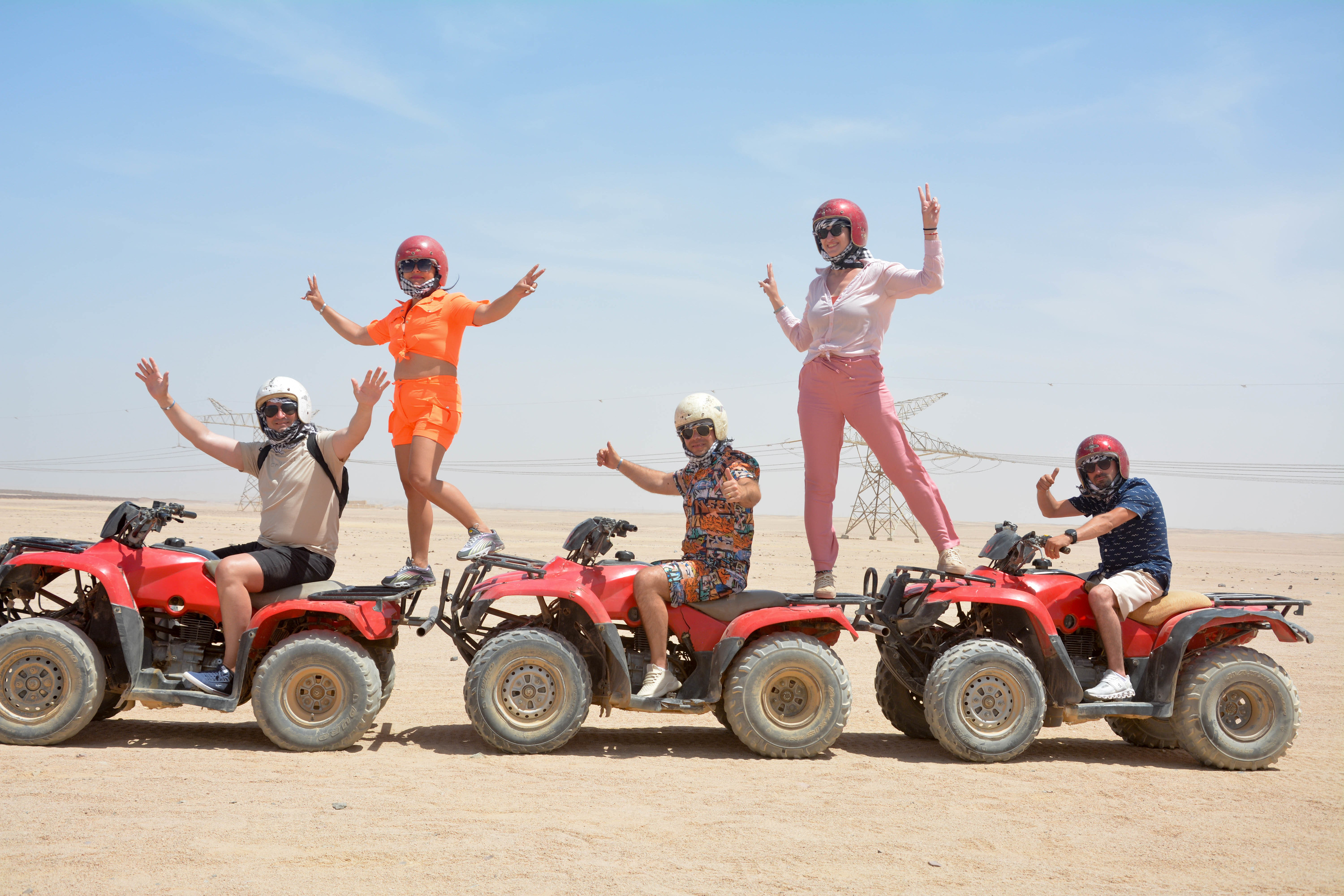
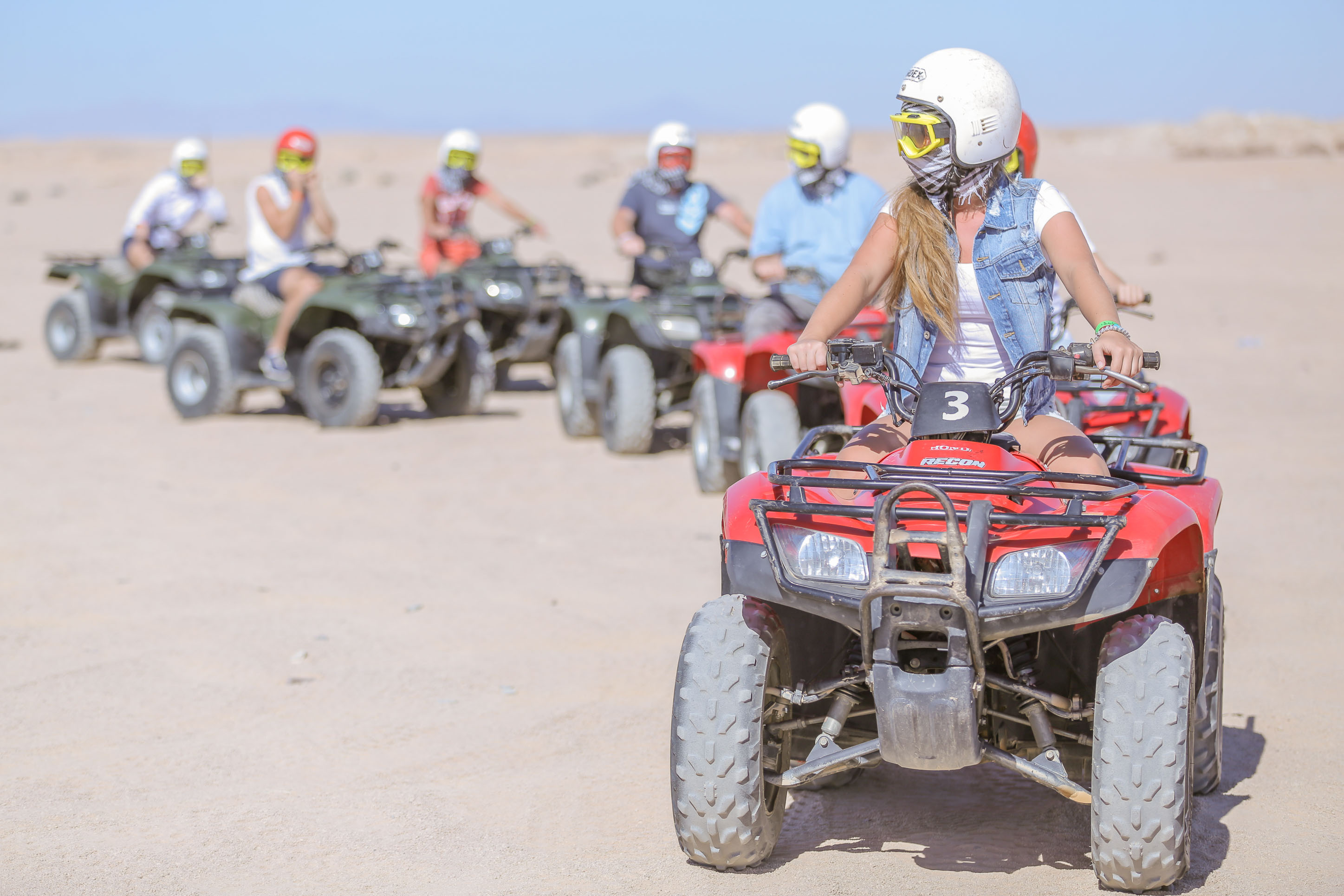
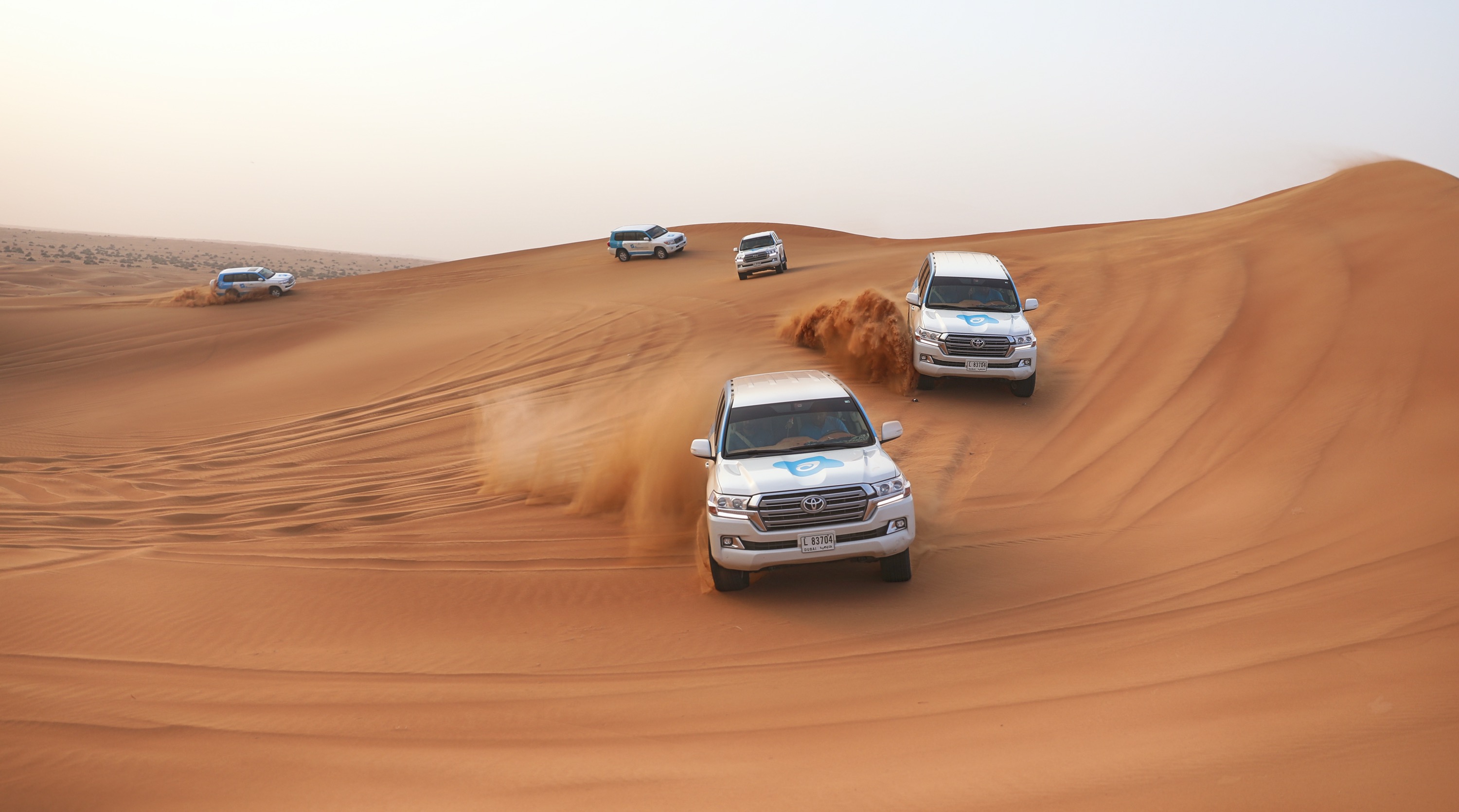
Our jeep tours allow you to visit the most sites in the least amount of time as well as reach some of the far-away attractions of Wadi Rum and beyond. During this tour, you will get to see a big share of Wadi Rum's most famous sites. You will visit Nabatean inscriptions, climb up and run down huge sand dunes, scramble up rock arches, walk through narrow sandy canyons, and enjoy the most picturesque views all throughout the day. You will also stop at a scenic spot somewhere in the desert to have lunch, as well as in the evening to watch a magnificent desert sunset amongst rocks and sand.
All our Bedouin guides have years of experience and will tell you about Bedouin culture and the historical meanings of various sites.
Available options
Day Tour in Jeep Tour with Bedouin Guide
What's included
cold bottled water
Lunch
Coffee and/or Tea
Detailed itinerary
1
Stop 1
Named after the famous film shot here in the early 1960s, this natural spring has been used since Nabatean times as a stopping point on the caravan routes from Arabia to the Levant, the nearest water source beyond the Rum area being 40km away. While a pipe now carries the water down, you can still make out the winding road once used to lead livestock to drink directly from the spring.
2
The five-minute climb and five-second descent of these giant sand dunes is one of the definite highlights for Wadi Rum visits. In addition to the smooth red sand, the dramatic backdrop of Jebel Nasraniyah and Jebel Umm Ishrin’s sheer cliffs make it a great place for photos.
3
Stop 3
Anfeshiyeh Inscriptions : This set of Nabatean inscriptions was etched to mark routes and give signals to passing travelers. Some point out the area’s water sources while others warn of its various dangers. Others show the winners of the winter camel races that once circled this mountain.
4
Stop 4
Lawrence s house : Long before Lawrence passed through, Bedouins took shelter from wind and bandits in this old Nabatean station, set on caravan route from Hijaz to Petra and Damascus. Awesome views across the sweeping valley floor to Jebel Raqqa.
5
Stop 5
The " Mushroom stone": An oddly-shaped sandstone formation, the base of this rock has been worn away by time and the elements. Nearby, hidden in the rocks is an old nook carved hundreds of years ago by Bedouin, used to store food in the desert.
6
Stop 6
Traditional Bedouin lunch in the desert made by our guides.
7
Set on the top of Jebel burdah, this stunning rock bridge is the largest in Wadi Rum. While it is visible from all across the valley below, it is a 2 1/2 hour climb to the top in order to see it up-close. Hikers call it one of the most rewarding trips in Wadi Rum.
8
Stop 8
Umm Fruth Arch :Rum’s most-visited arch, Umm Fruth is arguably its most picturesque as well, a rugged overhang of bright white rock. Visitors can battle vertigo on the climb to the top, which takes just a few minutes.
9
Abu khashaba canyon : A stunningly beautiful landscape, this canyon is one of our absolute favorites. Beyond the fig tree at its entrance, the hike up the canyon features scrambling along boulders, climbing sand dunes and reaching a great view at the top.
10
Barra Canyon : An hour walk through the stunning Barra Canyon, one of our absolute favorite spots.
11
To end our tour, we’ll catch the sunset in a picturesque spot and return to Wadi Rum village in the early evening.
What's not included
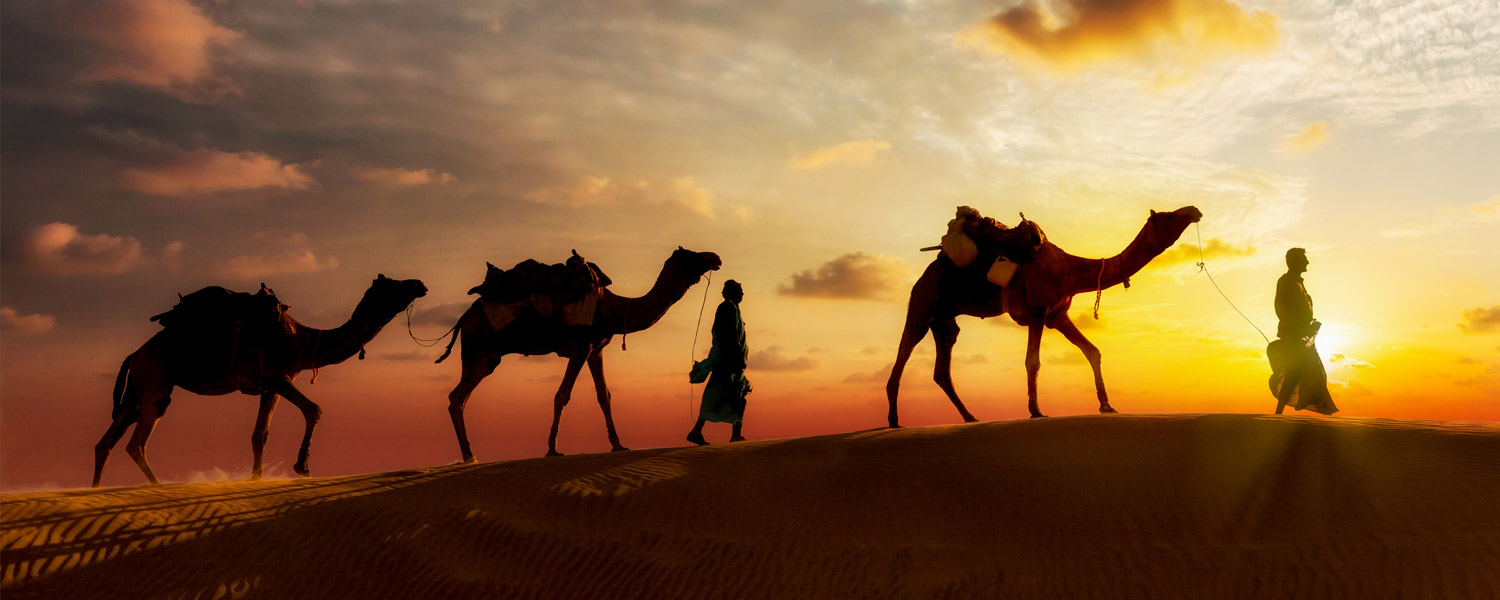
1 hour riding camel tour for 10 extra JOD
Available languages
Guide guide
AR
EN
Reviews breakdown
Tripadvisor
5.0
1 reviews
5★
1
4★
0
3★
0
2★
0
1★
0
Important information
Wheelchair accessible
Infants and small children can ride in a pram or stroller
Service animals allowed
Public transportation options are available nearby
Transportation options are wheelchair accessible
Suitable for all physical fitness levels
Meeting point
We will meet in Wadi Rum village, after passing the Visitors Center drive for another 6 km. At the Visitors Center tell the staff you have a reservation with us, and text/ call us so we meet you at the beginning of the village if needed.
WhatsApp: +962 772 147564
call/ sms: +962 777 309 249
About Aqaba
Aqaba is Jordan's only coastal city and a vibrant hub for diving, snorkeling, and beach relaxation. Situated at the northern tip of the Red Sea, it offers a unique blend of modern resort facilities and ancient history, with the famous Nabatean city of Petra just a short drive away.
Top Attractions
Aqaba Marine Park
Aqaba Marine Park is a protected area known for its stunning coral reefs and diverse marine life. It's a top spot for snorkeling and diving.
Nature
Half day to full day
Moderate (Entry fees and diving/snorkeling tours)
The Aqaba Fort (Mamluk Castle)
This 16th-century Ottoman castle offers panoramic views of the Red Sea and Aqaba city. It's a significant historical site with a rich past.
Historical
1-2 hours
Budget (Entry fee around 2 JOD)
Aqaba Archaeological Museum
This museum showcases the rich history and archaeological findings of the Aqaba region, including artifacts from the Nabatean and Islamic periods.
Museum
1-2 hours
Budget (Entry fee around 1 JOD)
Must-Try Local Dishes
Sayadieh
A traditional fish dish made with white fish, caramelized onions, and spices, often served with rice.
Main Dish
Contains fish and gluten (rice)
Mansaf
Jordan's national dish, made with lamb cooked in a yogurt sauce and served with rice and almonds.
Main Dish
Contains lamb and dairy
Fresh Seafood
A variety of fresh seafood, including grilled fish, shrimp, and lobster, commonly found in coastal restaurants.
Main Dish
Contains seafood
Popular Activities
Diving
Snorkeling
Jeep tours in Wadi Rum
Hiking
Beach relaxation
Spa treatments
Yoga by the sea
Visiting historical sites
Best Time to Visit
March to May, October to November
The best time to visit Aqaba is during the spring and fall when the weather is warm but not excessively hot. These months are ideal for outdoor activities, diving, and exploring the city.
20°C to 35°C
68°F to 95°F
Practical Information
Language
- Official: Arabic
- Widely spoken: English
- English: Moderately spoken
Currency
Jordanian Dinar (JOD)
Time Zone
GMT+3
Electricity
230VV, 50HzHz
Safety Information
Overall Safety Rating: Generally safe
Aqaba is generally safe for tourists, with low crime rates. However, petty theft and scams can occur, so it's important to stay vigilant.
Important Precautions:
- • Keep valuables secure
- • Use licensed taxis
- • Be cautious of strangers offering unsolicited help
Getting there
By air
- King Hussein International Airport • 20 km from city center
By bus
Aqaba Bus Station
Getting around
Public transport
Buses are the primary form of public transport in Aqaba. They are affordable but can be crowded during peak times.
Taxis
Available • Apps: None widely used
Rentals
Car, Bike, Scooter
Neighborhoods
Downtown Aqaba
South Beach Area
Day trips
Wadi Rum
60 km (37 miles) • Full day
Wadi Rum is a stunning desert landscape known for its dramatic rock formations, sand dunes, and ancient petroglyphs. It's a popular spot for jeep tours, hiking, and camping.
Petra
240 km (150 miles) • Full day
Petra is an ancient Nabatean city carved into the rose-red cliffs. It's one of the New Seven Wonders of the World and a UNESCO World Heritage Site.
Festivals
Aqaba International Dive Festival • Annual, usually in April
Pro tips
- Visit the Aqaba Marine Park for the best snorkeling and diving experiences
- Explore the Aqaba Fort for panoramic views of the city and the Red Sea
- Try traditional Jordanian dishes like Sayadieh and Mansaf
- Book accommodations and tours in advance during peak seasons
- Respect local customs and traditions, especially when visiting religious sites
From $25
per person
Price varies by option
Secure booking
Free cancellation available
Instant confirmation