Angkor Wat Sunrise & All Highlight Angkor Temple Private Day Tour
Active
8h - 9h
For a full refund, cancel at least 24 hours before the scheduled departure time.
Instant confirmation
Mobile or paper ticket accepted
About this experience
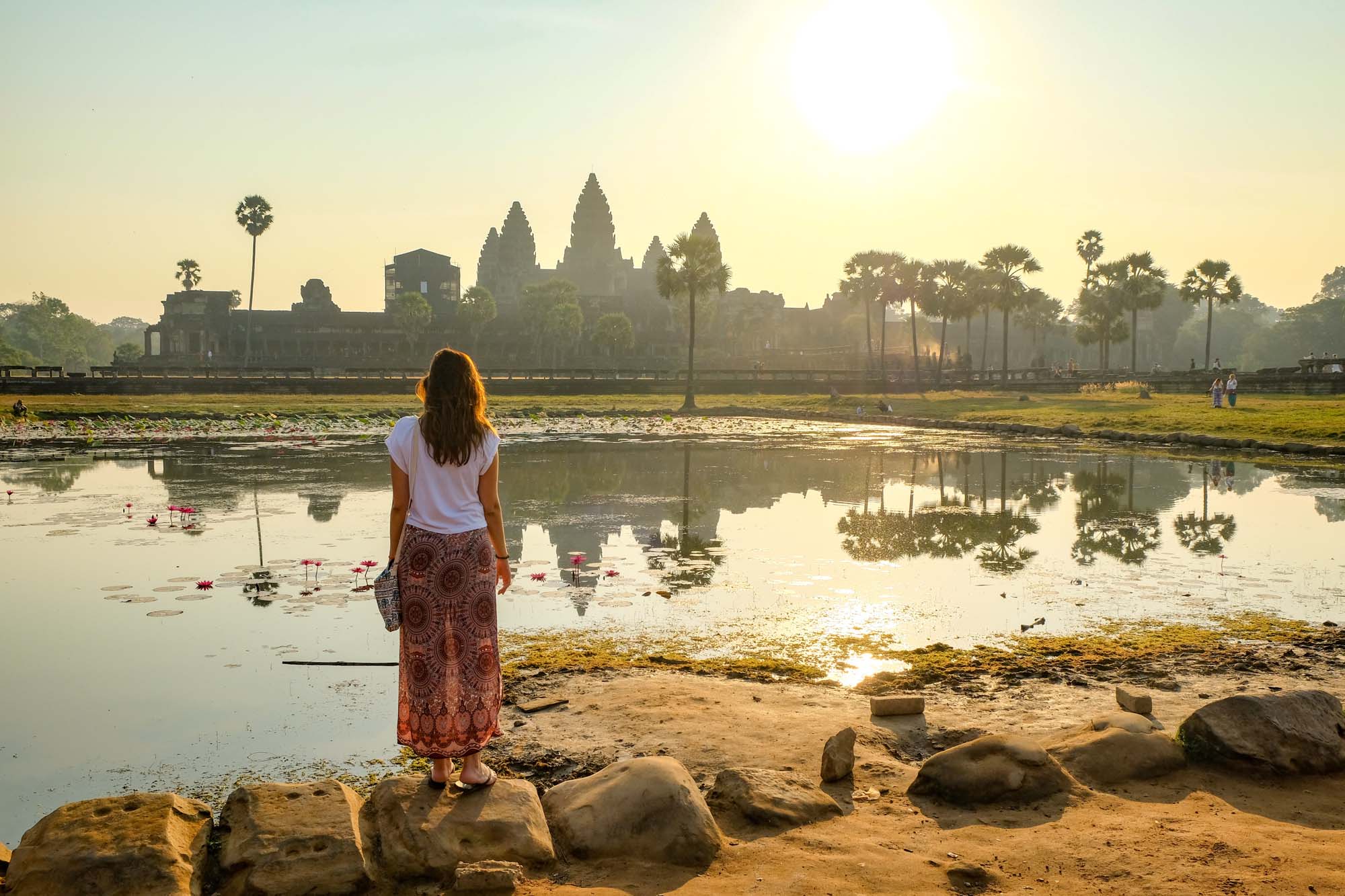
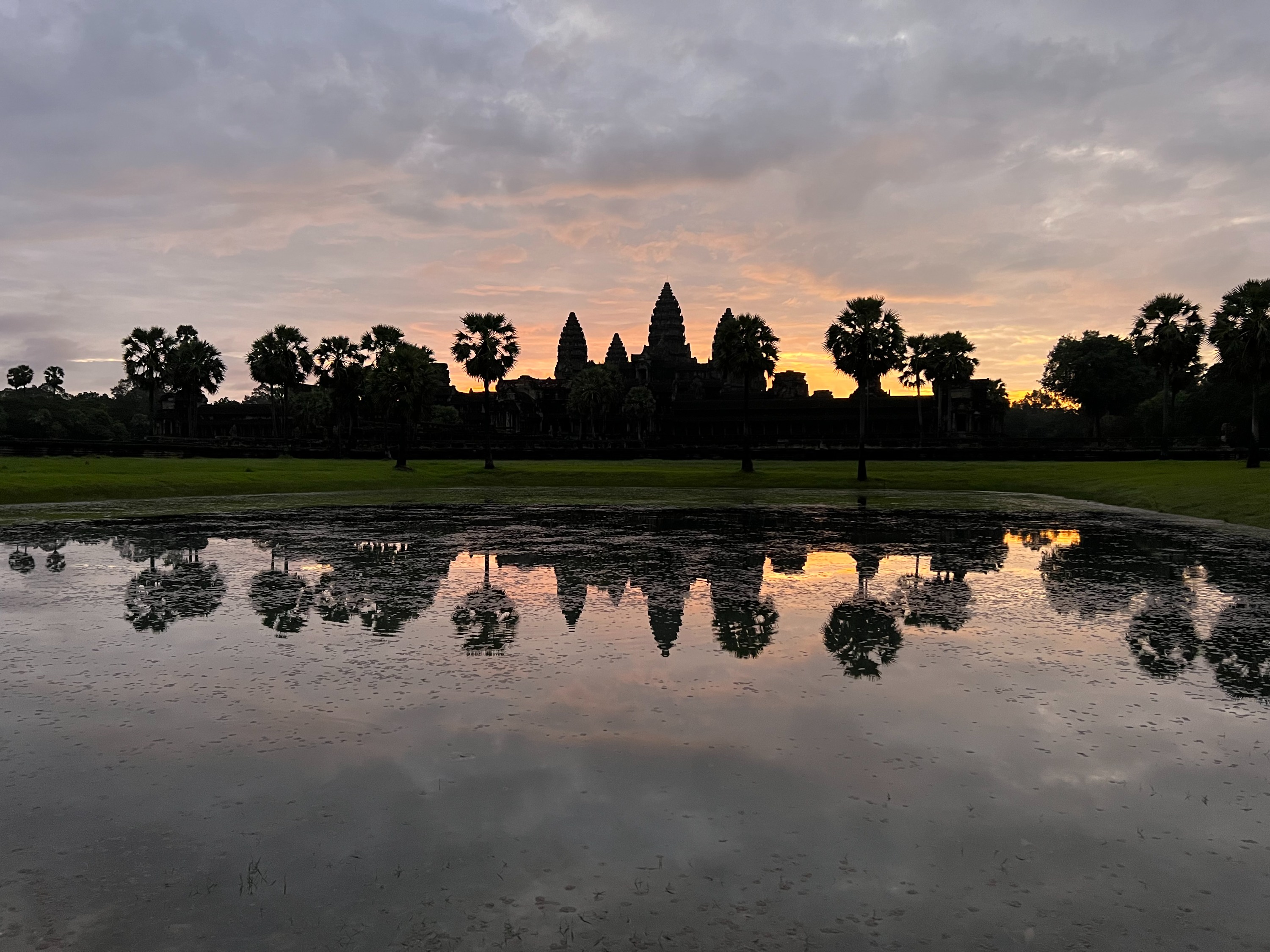
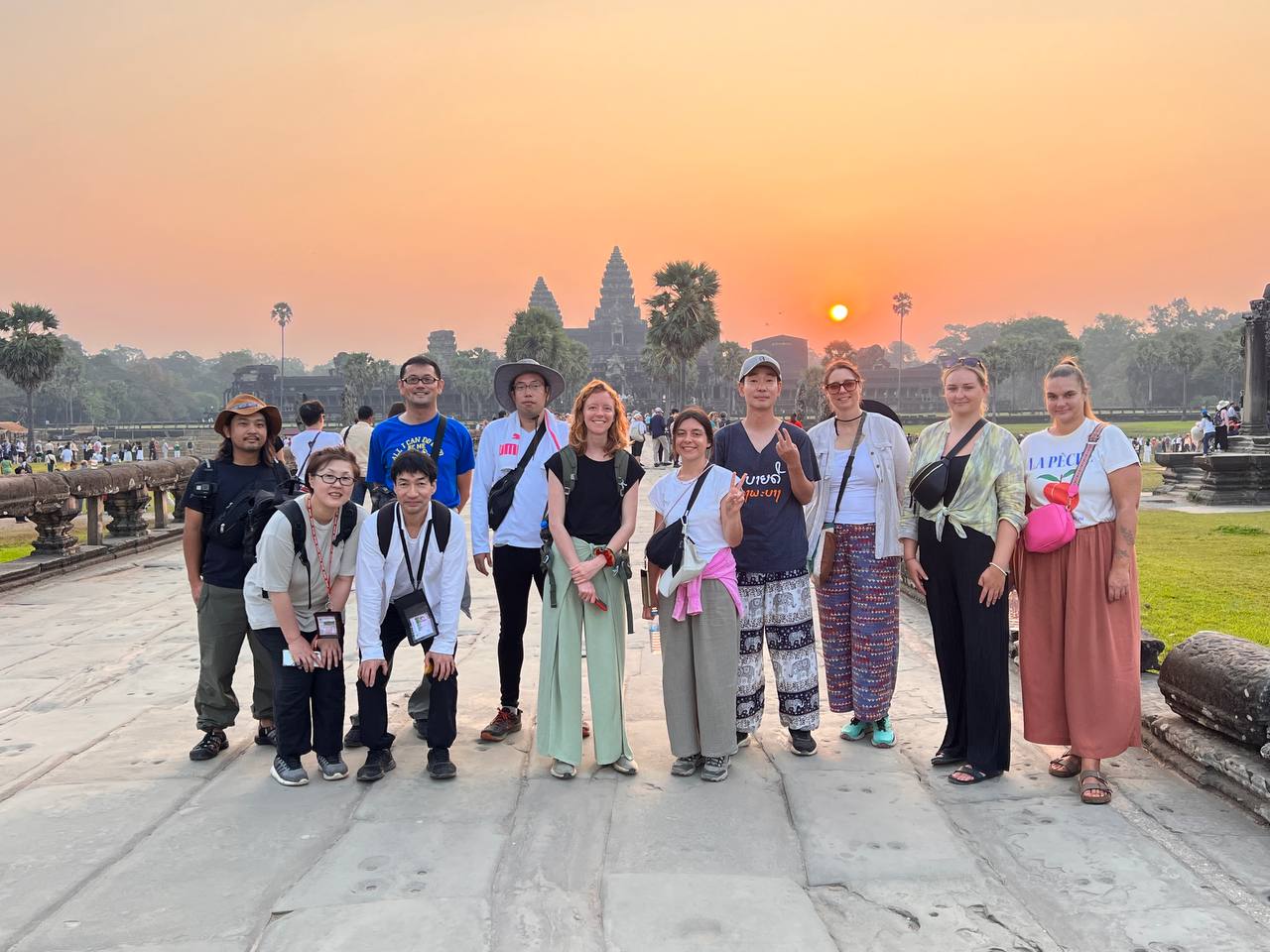
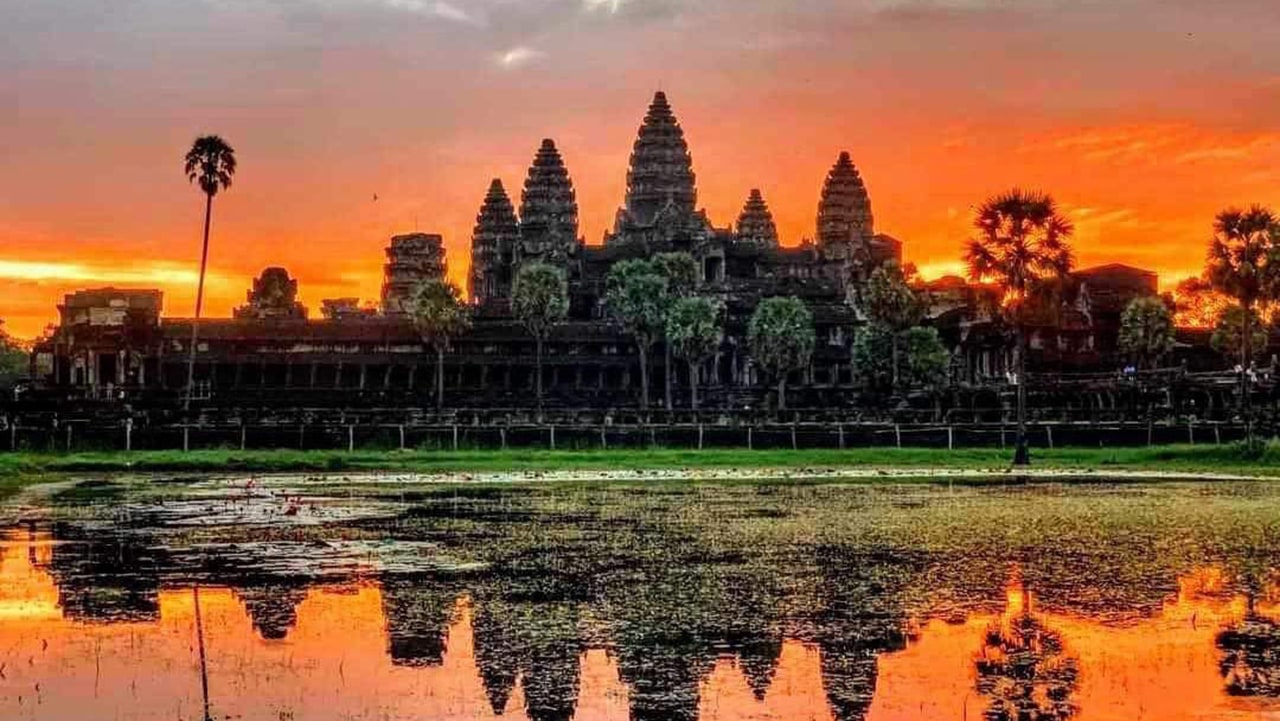
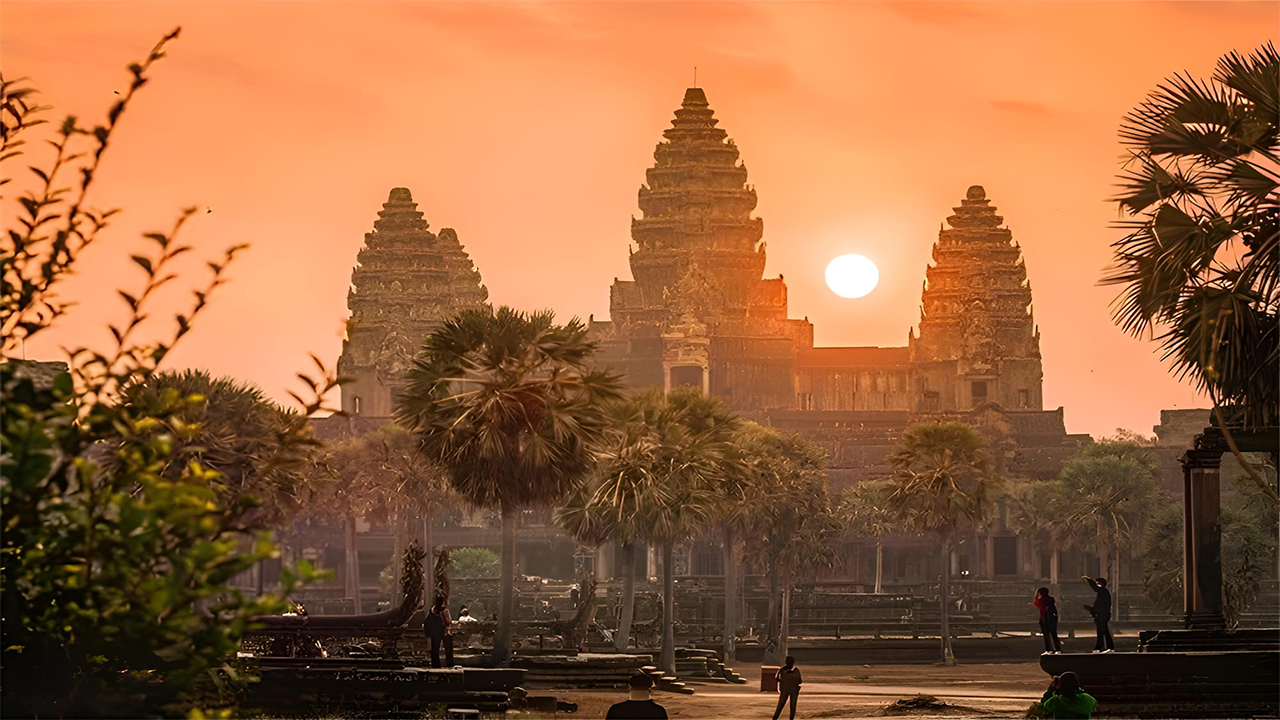
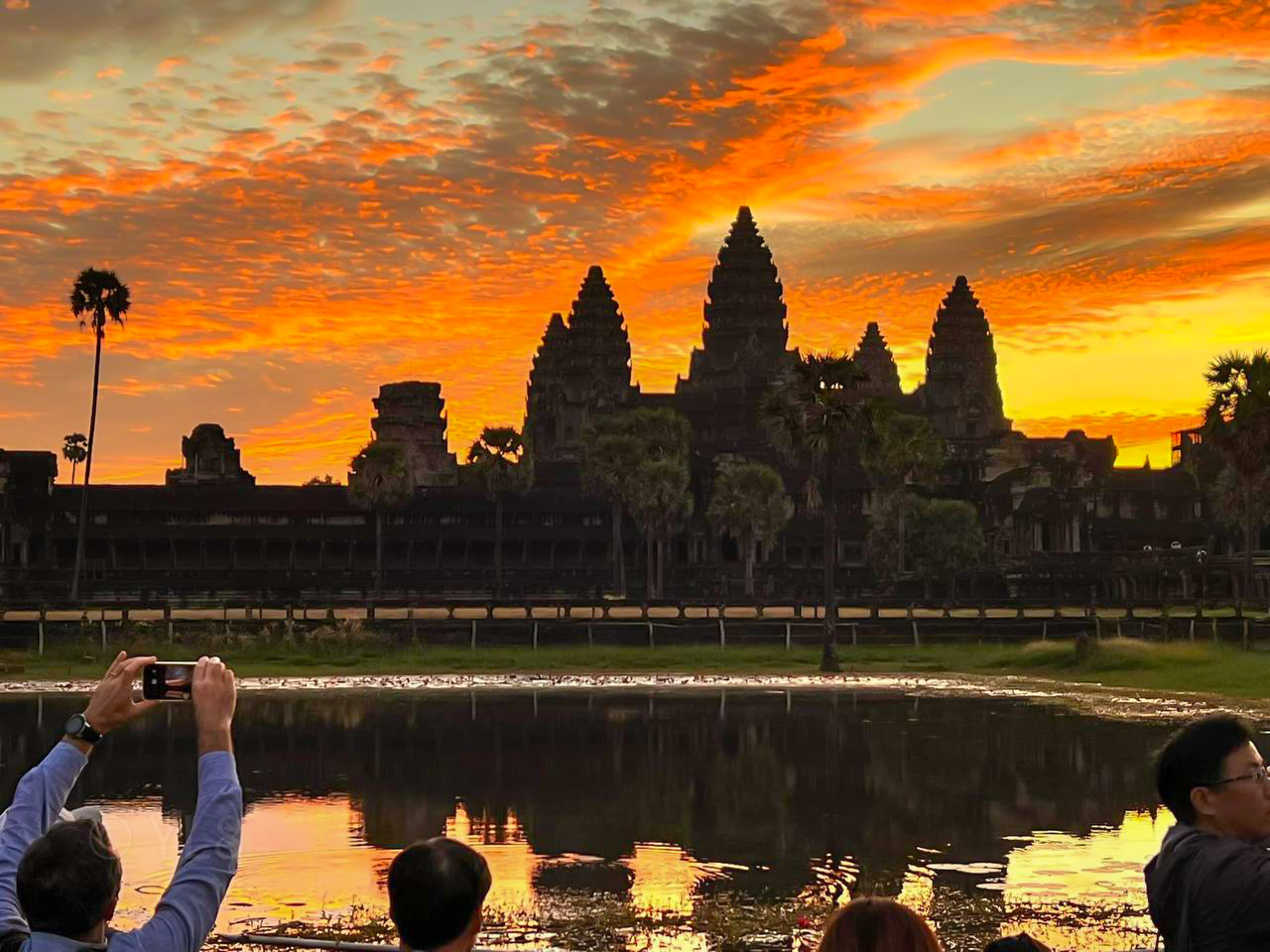
Angkor Wat Sunrise & Highlight Temples Private Guided Day Tour is the unique tours in Angkor complex to visit Sunrise at Angkor Wat that the sunrise behind Angkor Temple everyday and after enjoying the amazing views of Sunrise continue to explore Angkor Wat to escape from crowded at the temple.
- Private Angkor complex tour with professional English speaking tour guide
- Explore the magnificent temples in Angkor World Heritage Site of UNESCO of Angkor Wat, Angkor Thom, Bayon, Ta Prohm and more unique temples
- Informative commentary on Cambodia’s past from an insightful personal guide
- Watch Sunrise at Angkor Wat over the UNESCO-listed Angkor temple complex
- Travel by private air-con comfortable vehicle or Tuk-Tuk by choosing in check availability
Available options
Small Group Tour by Van
Joint Small Group Tour: Joint small group tour include pick up and drop of at hotel in Siem Reap<br/>Pickup included
Private Tour by Luxury Vehicle
Angkor Wat Sunrise Tour: This Private tour by Air Conditioning Vehicle of Angkor Wat Sunrise & All Highlight Angkor Temple Private Day Tour<br/>Pickup included
Private Tour by Tuk-Tuk
Angkor Wat Sunrise Tours: This Private tour by Tuk-Tuk of Angkor Wat Sunrise & All Highlight Angkor Temple Private Day Tour<br/>Pickup included
Joint Big Group Tour
Big Group Tour: Best price for the group tour by bus <br/>Pickup included
What's included
Pick-up & Drop-off at your Hotel ( please provide us your hotel name and your hotel address )
Professional English Speaking License Tour Guide
Cold Drinking Water & Cold Towels
Services charge and current government VAT tax
All private transfer by luxury air-con vehicle or Tuk-Tuk in Price Option choosing
Detailed itinerary
1
We pick up at your hotel in Siem Reap city, please provide us your hotel name and hotel address at the time of booking that tour guide and driver will welcome and pick you up at your hotel lobby
2
Stop 2
You have to wake up extremely early and get to Angkor Wat when it give yourself the best chance of getting a spot at the reflection pools. It is crowded at sunrise especially at the two reflection pools in the front of the temple. It is very a wonderful experience.
3
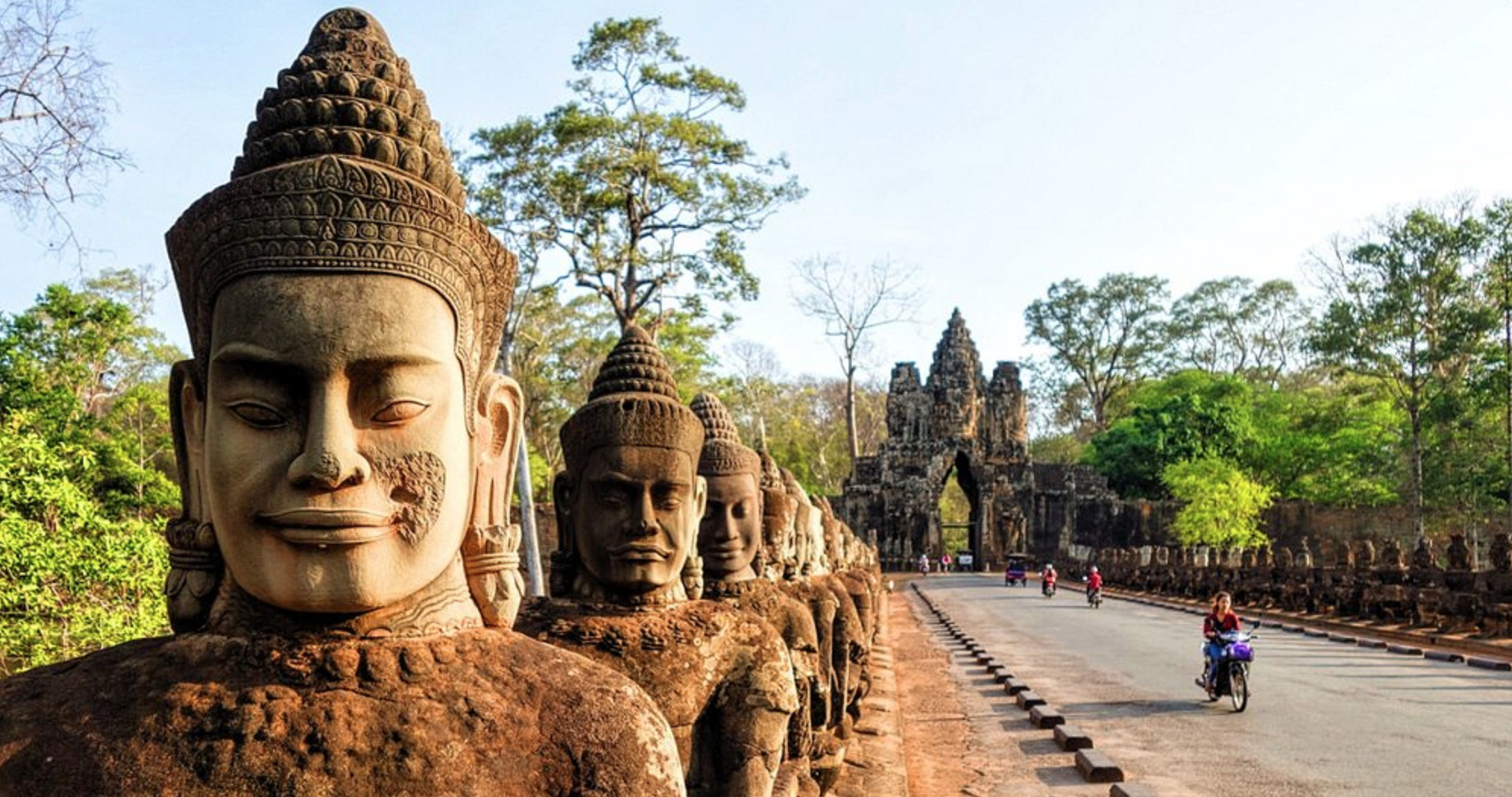
The south gate of Angkor Thom is most popular with visitors, as it has been fully restored and many of the heads remain in place. The gate is on the main road into Angkor Thom from Angkor Wat.
4
Stop 4
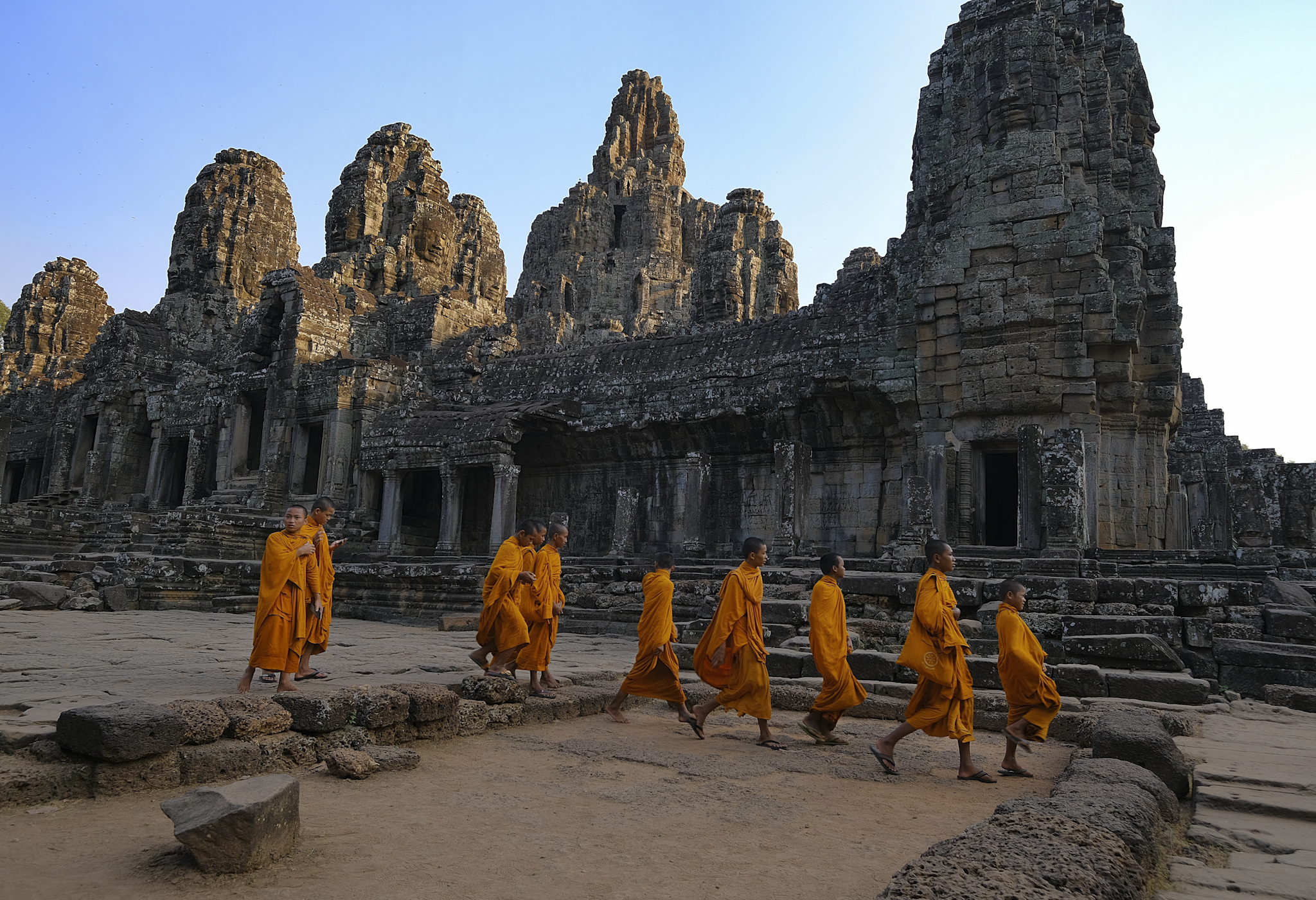
The Bayon temple was built nearly 100 years after Angkor Wat. The basic structure and earliest part of the temple ate not known. Since it was located at the Centre of a royal city it seems possible that the Bayon would have originally been a temple-mountain conforming to the symbolism of a microcosm of Mount Meru. The middle part of the temple was extended during the second phase of building. The Bayon of today belong to the third and last phase of the art style. The Smiling Face at Bayon, the architectural scale and composition of the Bayon exude grandness in every aspects. Its elements juxtapose each other to create balance and harmony and there are more then 200 large faces carved on the 54 tower give this temple its majestic character. The faces with slightly curving lips, eyes placed in shadow by the lowered lids utter not a word and yet force you to guess much, wrote P Jennerat de Beerski in the 1920s. It is generally accepted that four faces on each of the tower are images of the bodhisattva Avalokitesvara and that they signify the omnipresence of the king. The characteristics of this faces a broad forehead, downcast eyes, wild nostrils, thick lips that curl upwards slightly at the ends combine to reflect the famous Smile of Angkor.
5
Stop 5
Angkor Thom is undeniably an expression of the highest genius. It is, in three dimensions and on a scale worthy of an entire nation, the materialization of Buddhist cosmology, representing ideas that only great painters would dare to portray
6
Stop 6
Baphoun is the temple stands on a rectangular sandstone base with five levels that are approximately the same size, rather than the more common form of successively smaller levels. The first, second and third levels are surrounded by sandstone galleries. Baphuon is the first structure in which stone galleries with a central tower appear. Two libraries in the shape of a cross with four porches stand in the courtyard. They were originally connected by an elevated walkway supported by columns.
7
Stop 7
Phimeanakas temple is situated near the center of the area enclosed by the walls of the Royal Palace. It must originally have been crowned with a golden pinnacle, as Zhou Daguan described it as the Tower of Gold The temple is built of roughly hewn sandstone blocks and has little decoration.
8
Stop 8
The elephants are ridden by servants and princes, and tread as quietly as if they were on an excursive promenade. The steps of even length have no respect for any obstacle. The forest in which they travel in impenetrable to all but tiny creatures, able to squeeze their smallness between the fissures of the undergrowth and to the biggest animals, which crush chasms for their passage in the virgin vegetation.
9
Stop 9
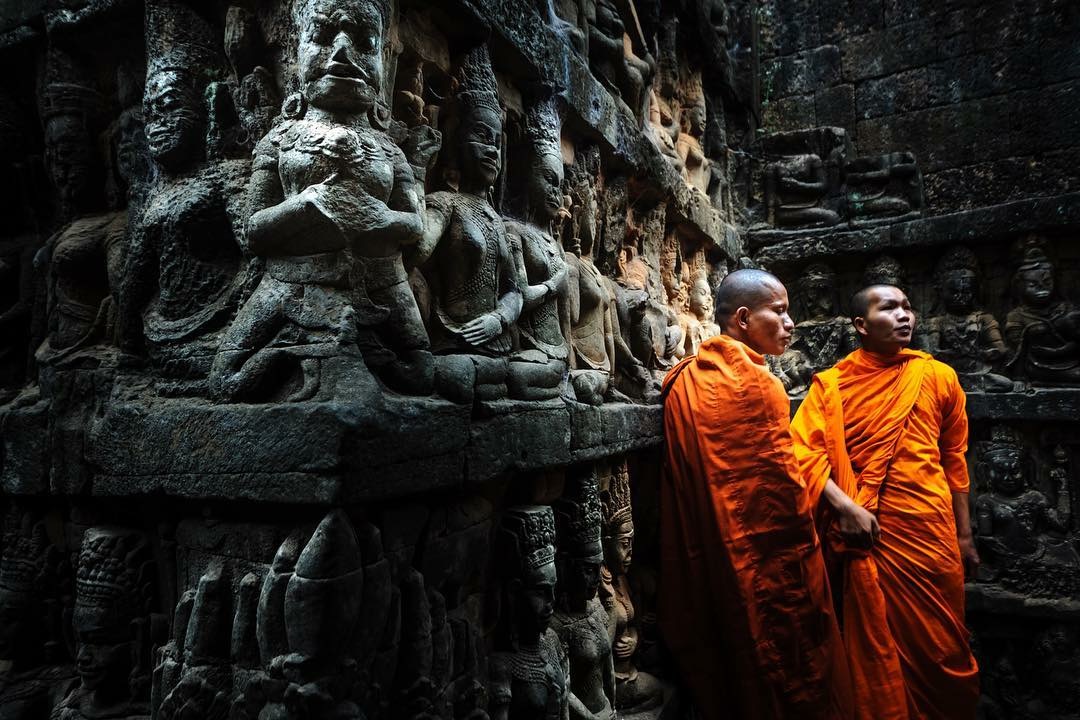
The terrace of the Leper King carries on the theme of grandeur that characterises the building during Jayavarman VII's reign. It is faced with dramatic bas-reliefs, both on the interior and exterior. During clearing, the EFEO found a second wall with bas-relief similar in composition to those of the outer wall and some archaeologists believe that this second wall is evidence of a late rites, two meters wide of laterite faced with sandstone. It collapsed and a second wall of the materials, two meters wide, was built right in front of it without any of the rubble being cleared. Recently, the EFEO has created a false corridor which allows visitor to inspect the relief on the first wall
10
Ta Nei is a late 12th century stone temple in Angkor, Cambodia. Built during the reign of King Jayavarman VII, it is near the northwest corner of the East Baray, a large holy reservoir. It was dedicated to the Buddha.
11
Ta Prohm is the undisputed capital of the kingdom of the Trees. It has been left untouched by archaeologists except for the clearing of a path for visitors and structural strengthening to stave of further deterioration. Because of its natural state, it is possible to experience at this temple the wonder of the early explorers when they came upon these monuments in the middle of the nineteenth century. Shrouded in dense jungle the temple of Ta Prohm is ethereal in aspect and conjures up a romantic aura. Fig, banyan and kapok trees spread their gigantic roots over stones, probing walls and terraces apart, as their branches and leaves intertwine to form a roof over the structures. Trunks of trees twist amongst stone pillars. The strange, haunted charm of the place entwines itself about you as you go, as inescapably as the roots have wound themselves about the walls and towers.
12
Stop 12
Banteay Kdei is very known by the discovery, in 2001, of a cache in which broken statues of Buddha and other Buddhist artifacts (274 pieces) The temple is built on the ground level use as a Buddhist monastery. The elements of the original design of Banteay Kdei seem to have been a Central Sanctuary
What's not included
Tip for guide and driver
The Angkor Pass to covers all temples in itinerary. Your tour guide will assist you in purchasing it at the entrance of Angkor Park before starting the tour.
During the tour, lunches are available at local restaurants with both vegetarian and non-vegetarian options. Meals are at your own expense, with menu prices ranging from $3–$10 per dish.
Available languages
Guide guide
DE
RU
CMN
EN
IT
FR
ES
Reviews breakdown
Viator
5.0
5 reviews
5★
5
4★
0
3★
0
2★
0
1★
0
Tripadvisor
5.0
71 reviews
5★
68
4★
3
3★
0
2★
0
1★
0
Important information
Infants and small children can ride in a pram or stroller
Public transportation options are available nearby
Specialized infant seats are available
Suitable for all physical fitness levels
Important notes
Dress Appropriately!
Respect the ancient religious grounds when you visit them. Wear a shirt that can cover your shoulders and trousers or knee-length pants or skirts are permitted.
About Siem Reap
Siem Reap is the vibrant gateway to the ancient Angkor temples, a UNESCO World Heritage site. This charming city offers a blend of rich history, vibrant markets, and lush landscapes, making it a must-visit destination in Cambodia.
Top Attractions
Angkor Wat
Angkor Wat is the largest religious monument in the world and a UNESCO World Heritage site. This iconic temple complex is a masterpiece of Khmer architecture and a symbol of Cambodia.
Historical
Half to full day
USD 37 for 3-day pass
Angkor Thom
Angkor Thom is a walled city and the last capital of the Khmer Empire. It features several impressive temples, including the Bayon Temple with its famous smiling faces.
Historical
Half to full day
USD 37 for 3-day pass
Ta Prohm
Ta Prohm is a temple complex overgrown by jungle, featuring a unique blend of nature and architecture. It was famously used as a filming location for the movie 'Tomb Raider'.
Historical
1-2 hours
USD 37 for 3-day pass
Pub Street
Pub Street is the heart of Siem Reap's nightlife, offering a vibrant mix of bars, restaurants, and street food vendors. It's a great place to experience the city's lively atmosphere.
Entertainment
Evening
Free to explore, budget for food and drinks
Siem Reap Night Market
The Siem Reap Night Market is a bustling market offering a variety of local crafts, souvenirs, and street food. It's a great place to shop for unique gifts and experience local culture.
Shopping
1-2 hours
Budget to moderate
Must-Try Local Dishes
Amok
A creamy, coconut-based curry with fish, chicken, or tofu, steamed in banana leaves. It's a traditional Khmer dish with a unique flavor.
Main dish
Vegetarian options available
Nom Banh Chok
A popular breakfast dish consisting of rice noodles topped with a fish-based green curry gravy and fresh vegetables.
Breakfast
Vegetarian options available
Bai Sach Chrouk
Grilled pork served with broken rice and pickled vegetables. It's a popular breakfast dish in Cambodia.
Breakfast
Contains meat
Lok Lak
A stir-fried beef dish with a tangy lime and pepper sauce, served with rice and fresh vegetables.
Main dish
Contains meat
Popular Activities
Hiking in the Angkor Archaeological Park
Exploring the bamboo train in Battambang
Visiting spas and wellness centers
Enjoying a traditional Khmer massage
Exploring temples and historical sites
Attending traditional dance performances
Boat tours on Tonlé Sap Lake
Swimming in waterfalls
Best Time to Visit
November to February
The best time to visit Siem Reap is during the dry season when the weather is pleasant and ideal for exploring the temples. The cooler temperatures make it comfortable for long days of sightseeing.
20-30°C
68-86°F
Practical Information
Language
- Official: Khmer
- Widely spoken: English
- English: Moderately spoken in tourist areas
Currency
Cambodian Riel (KHR)
Time Zone
Indochina Time (ICT), GMT+7
Electricity
230VV, 50HzHz
Safety Information
Overall Safety Rating: Generally safe
Siem Reap is generally safe for tourists, but petty crime and scams can occur. Exercise caution and be aware of your surroundings.
Important Precautions:
- • Be cautious of scams and overcharging.
- • Avoid walking alone at night in isolated areas.
- • Use reputable tour operators and transportation services.
Getting there
By air
- Siem Reap International Airport • 5 km from city center
By bus
Siem Reap Virak Buntham Express Terminal, Siem Reap Giant Ibis Bus Terminal
Getting around
Public transport
Tuk-tuks are the most popular and affordable mode of transport in Siem Reap. They are widely available and can be negotiated for short or long trips.
Taxis
Available • Apps: PassApp, Grab
Rentals
Car, Bike, Scooter
Neighborhoods
Wat Bo
Wat Damnak
Sivatha
Day trips
Battambang
150 km from Siem Reap • Full day
Battambang is a charming colonial town known for its well-preserved French architecture, bamboo train, and nearby temples. It's a great destination for a day trip from Siem Reap.
Kampong Phluk
16 km from Siem Reap • Half day
Kampong Phluk is a floating village on the edge of the Tonlé Sap Lake. It offers a unique glimpse into the lives of the local community and the stunning natural beauty of the area.
Kbal Spean
25 km from Siem Reap • Half day
Kbal Spean is a remote archaeological site featuring ancient carvings and a beautiful river setting. It's a great destination for those looking to explore off-the-beaten-path attractions.
Festivals
Khmer New Year (Choul Chnam Thmey) • April 13-15 (dates vary)
Bon Om Touk (Water Festival) • November (dates vary)
Angkor Photo Festival • December (dates vary)
Pro tips
- Hire a local guide for the Angkor Archaeological Park to gain a deeper understanding of the temples' history and significance.
- Visit the temples early in the morning or late in the afternoon to avoid crowds and the heat.
- Try local street food like nom banh chok and bai sach chrouk for an authentic culinary experience.
- Bargain for better prices at markets and street stalls, but do so respectfully and with a smile.
- Use a map app like Google Maps for navigation, as street signs can be limited and confusing.
From $25
per person
Price varies by option
Secure booking
Free cancellation available
Instant confirmation