Private Angkor Wat Day Tour
Active
5h - 7h
For a full refund, cancel at least 24 hours before the scheduled departure time.
Instant confirmation
Mobile or paper ticket accepted
About this experience
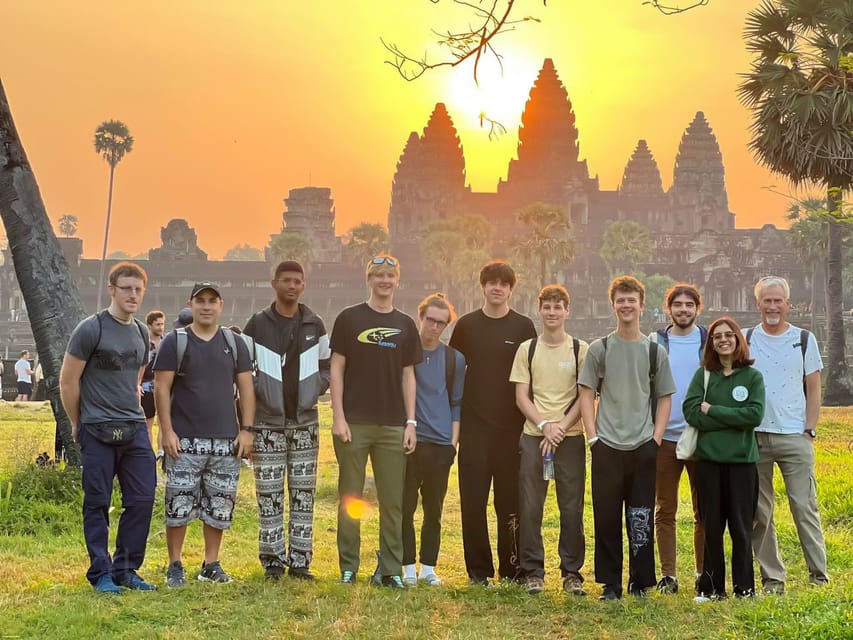
After pickup from your Siem Reap hotel, travel to the Angkor Archaeological Park in the comfort of an air-conditioned minivan. Once you’ve purchased your entrance tickets (not included), set out on a guided tour of the ancient temples.
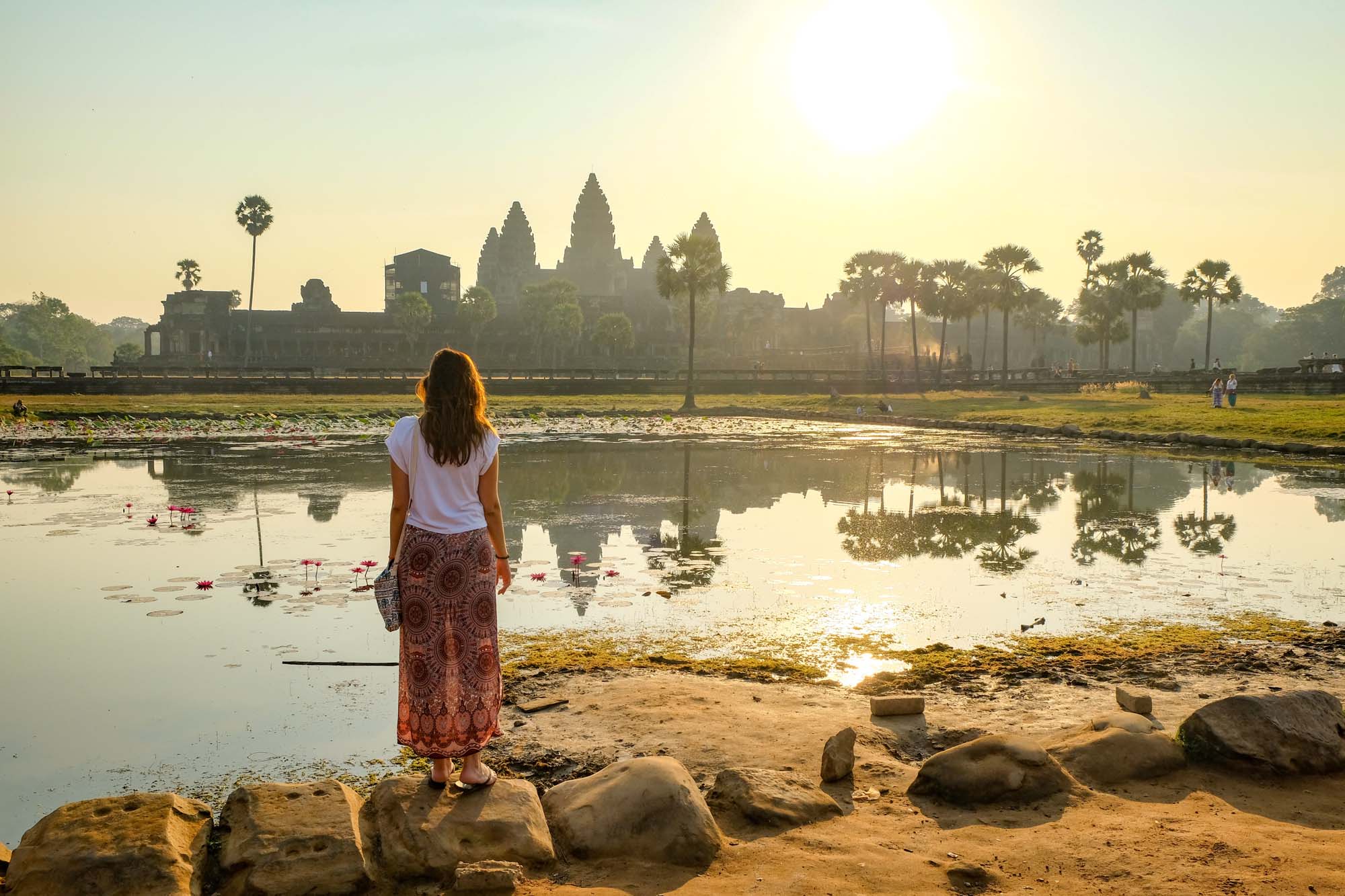
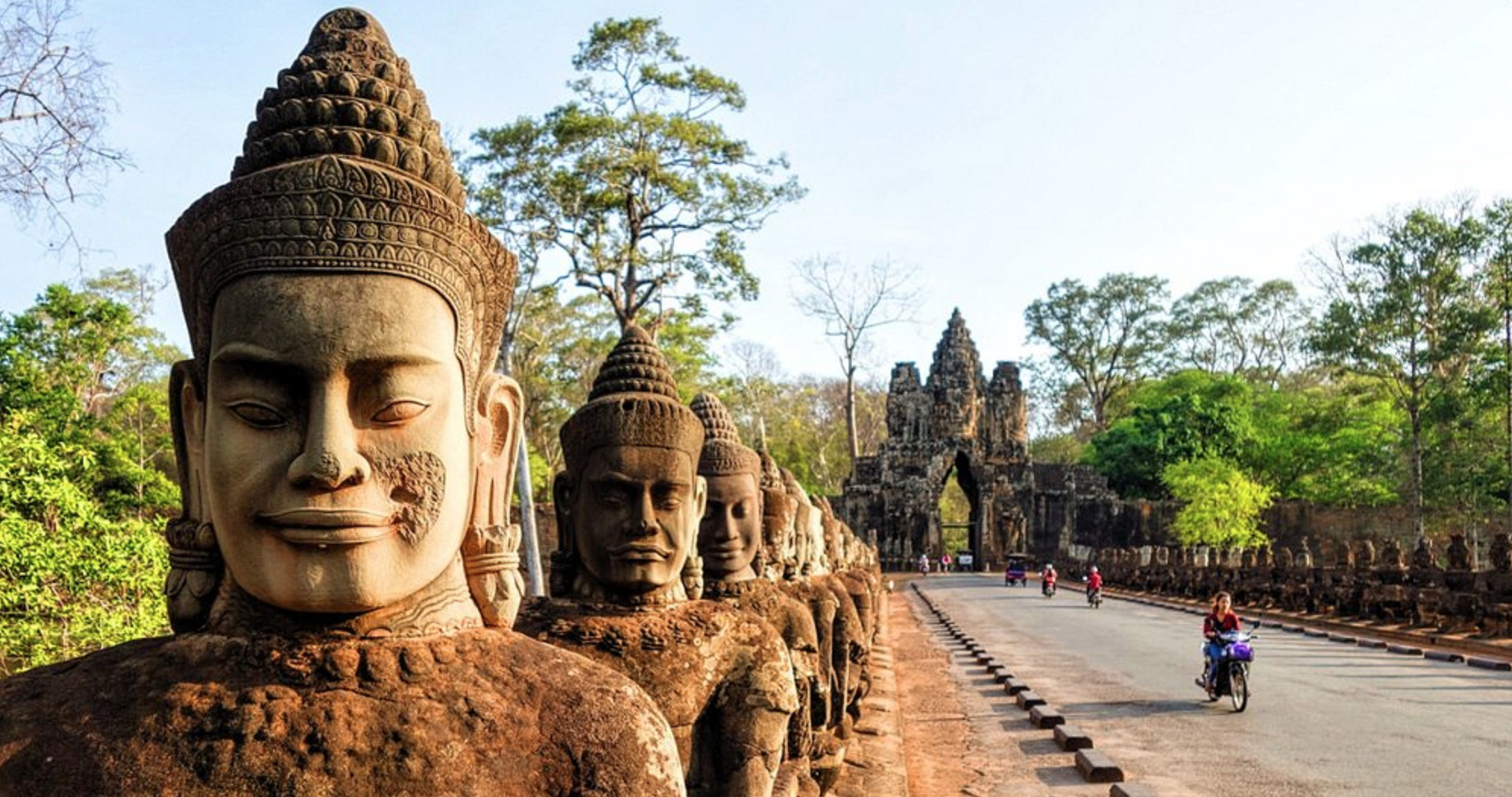
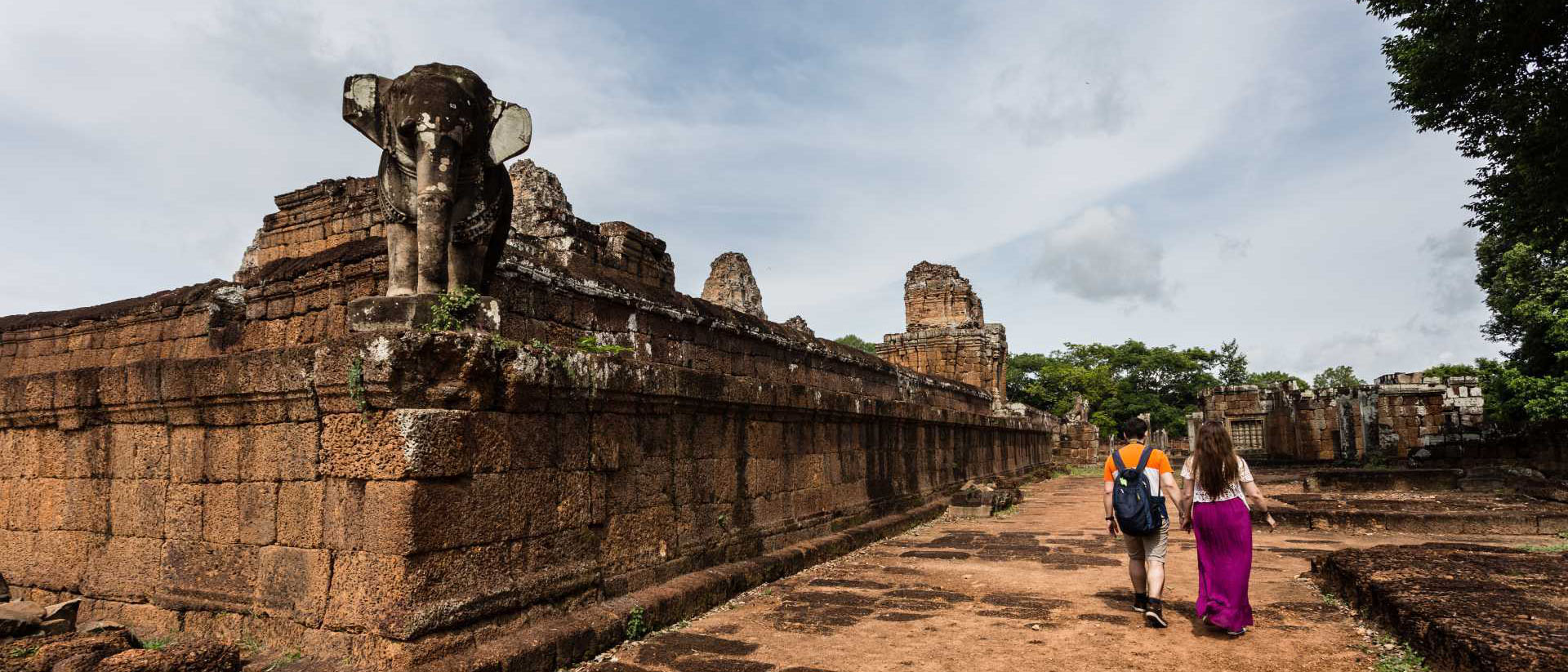
Start by marveling at the much-photographed temple of Angkor Wat and hear the fascinating history of the Khmer Empire as you follow your guide around the impressively preserved ruins. Continue to the walled temple complex of Angkor Thom, pass through the grand South Gate, and visit architectural highlights including Bayon Temple, the Elephant Terrace, and the Terrace of Leper King. After breaking for lunch (own expense), admire the overgrown ruins of Ta Phrom and discover why it’s nicknamed the “Jungle Temple.”
Your tour ends with drop-off back at your hotel.
Available options
Angkor Wat Private Tour
We provide services just for you with others college or family as a private service.<br/>Pickup included
What's included
Transport by tuk tuk for 01-03 pax or by arcon minivan for 04 pax or more
Experienced English-Speaking Guide
Private Tour with cold bottled water included
Hotel pickup and drop off
Detailed itinerary
1
Stop 1
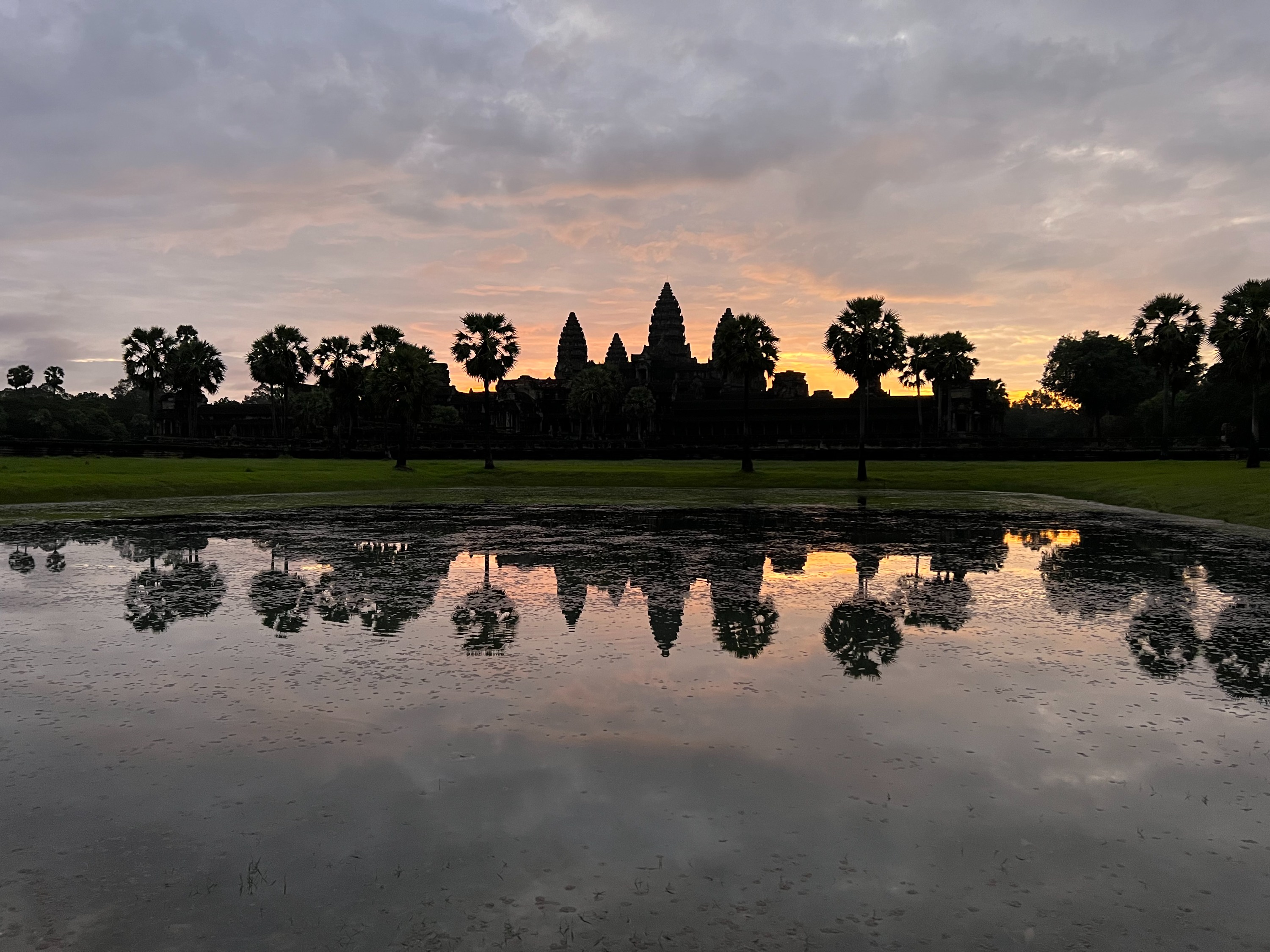
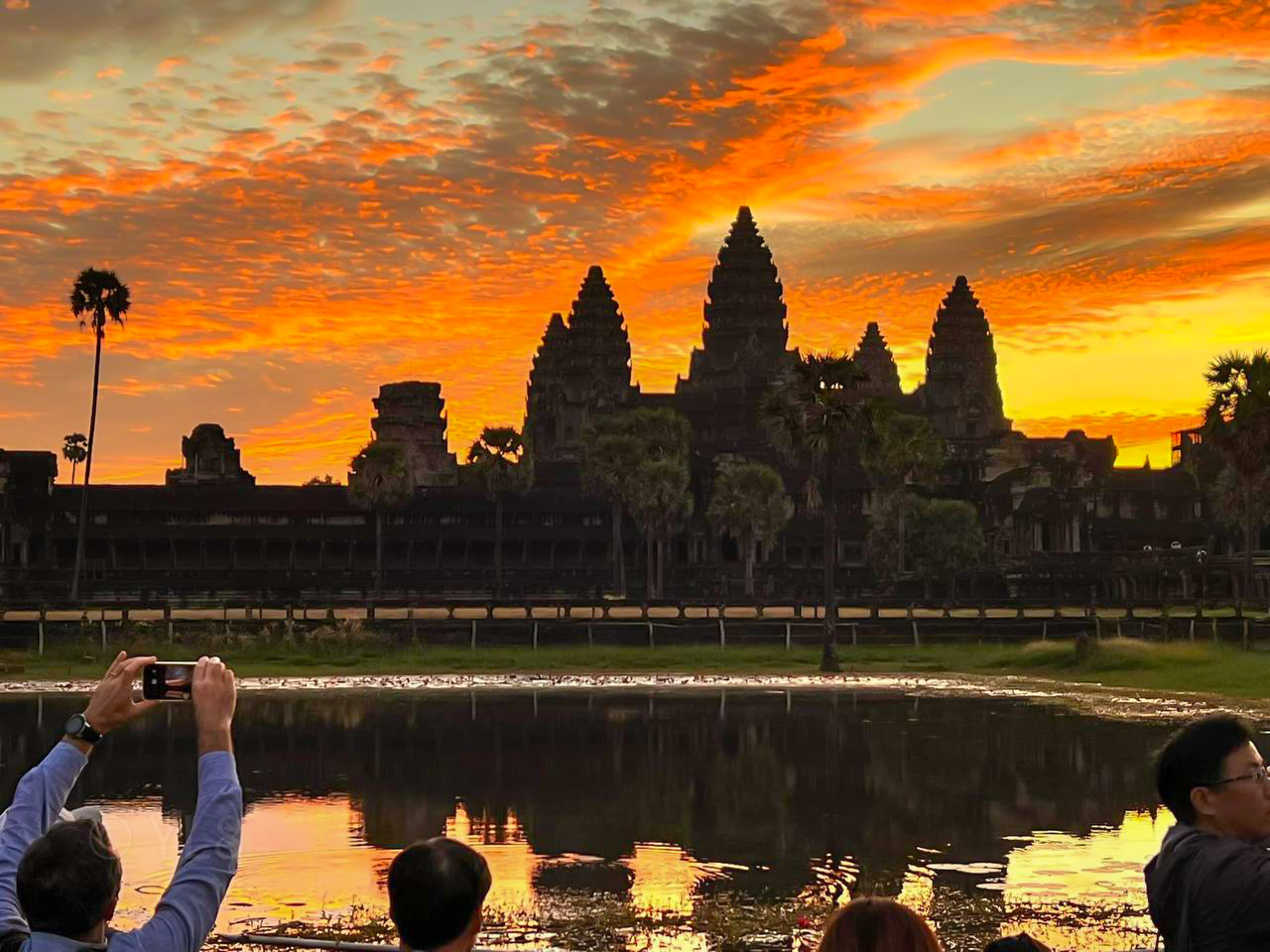
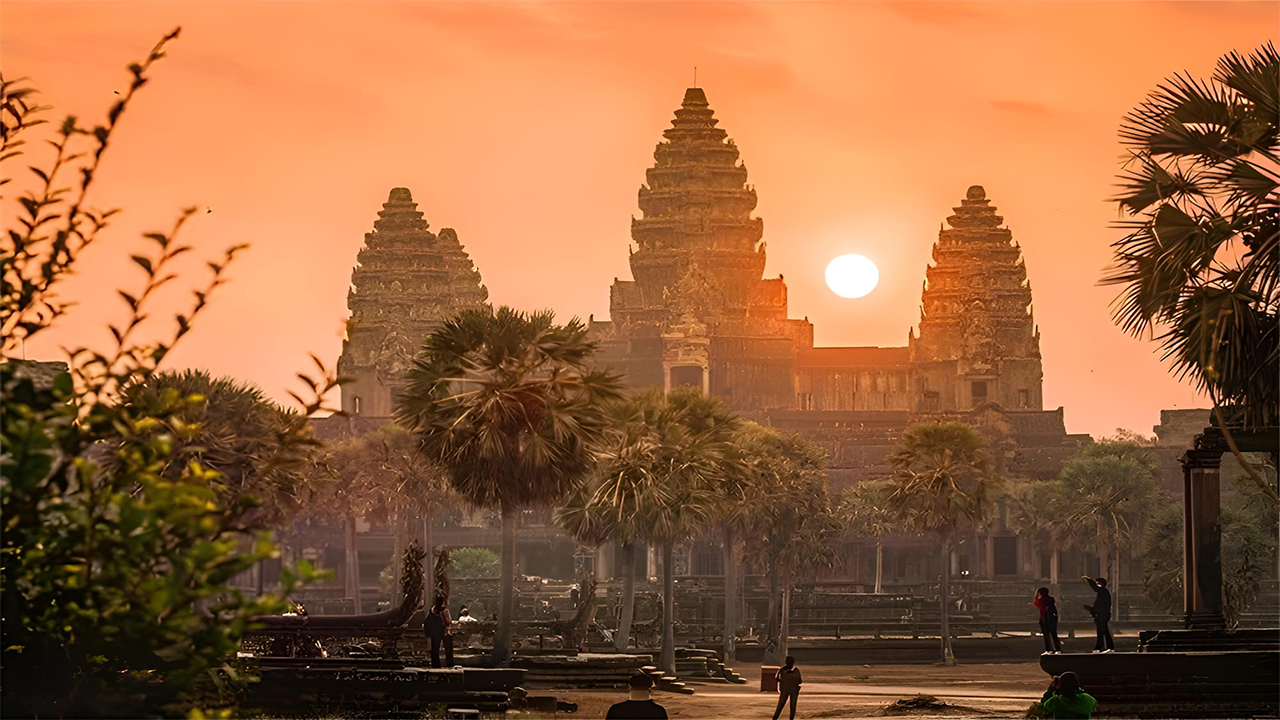
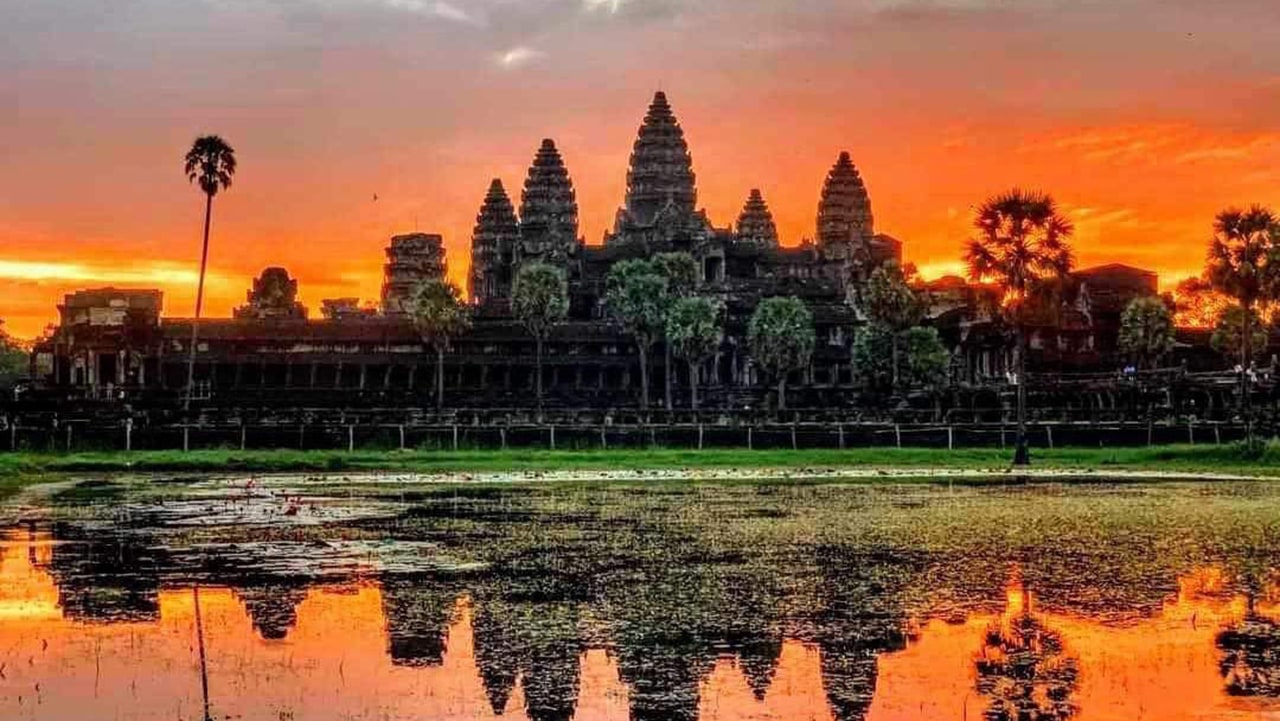
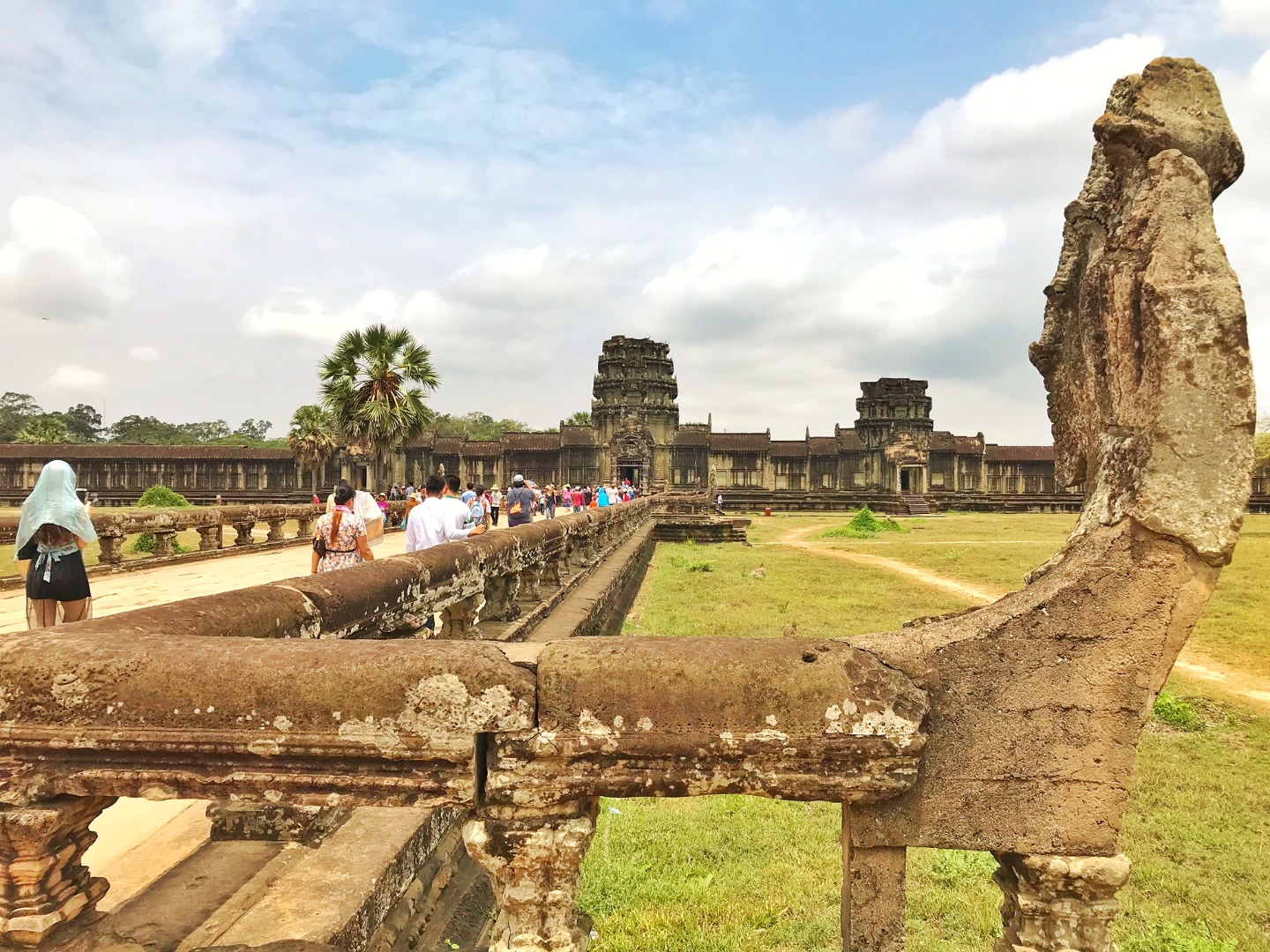
Angkor Wat is a temple complex at Angkor, Cambodia, built for the king Suryavarman II in the early 12th century as his state temple and capital city. As the best-preserved temple at the site, it is the only one to have remained a significant religious centre since its foundation – first Hindu, dedicated to the god Vishnu, then Buddhist. It is the world's largest religious building. The temple is at the top of the high classical style of Khmer architecture. It has become a symbol of Cambodia, appearing on its national flag, and it is the country's prime attraction for visitors. Angkor Wat Temple combines two basic plans of Khmer temple architecture: the temple mountain and the later galleried temple, based on early Indian Hindu architecture, with key features such as the Jagati. It is designed to represent Mount Meru, home of the devas in Hindu mythology: within a moat and an outer wall 3.6 kilometres (2.2 mi) long are three rectangular galleries, each raised above the next. At the centre of the temple stands a quincunx of towers. Unlike most Angkorian temples, Angkor Wat is oriented to the west; scholars are divided as to the significance of this. The temple is admired for the grandeur and harmony of the architecture, its extensive bas-reliefs and for the numerous devatas (guardian spirits) adorning its walls. The modern name, Angkor Wat, means "City Temple"; Angkor is a vernacular form of the word nokor which comes from the Sanskrit word nagara meaning capital or city. Wat is the Khmer word for temple. Prior to this time the temple was known as Preah Pisnulok, after the posthumous title of its founder, Suryavarman II.
2
Stop 2
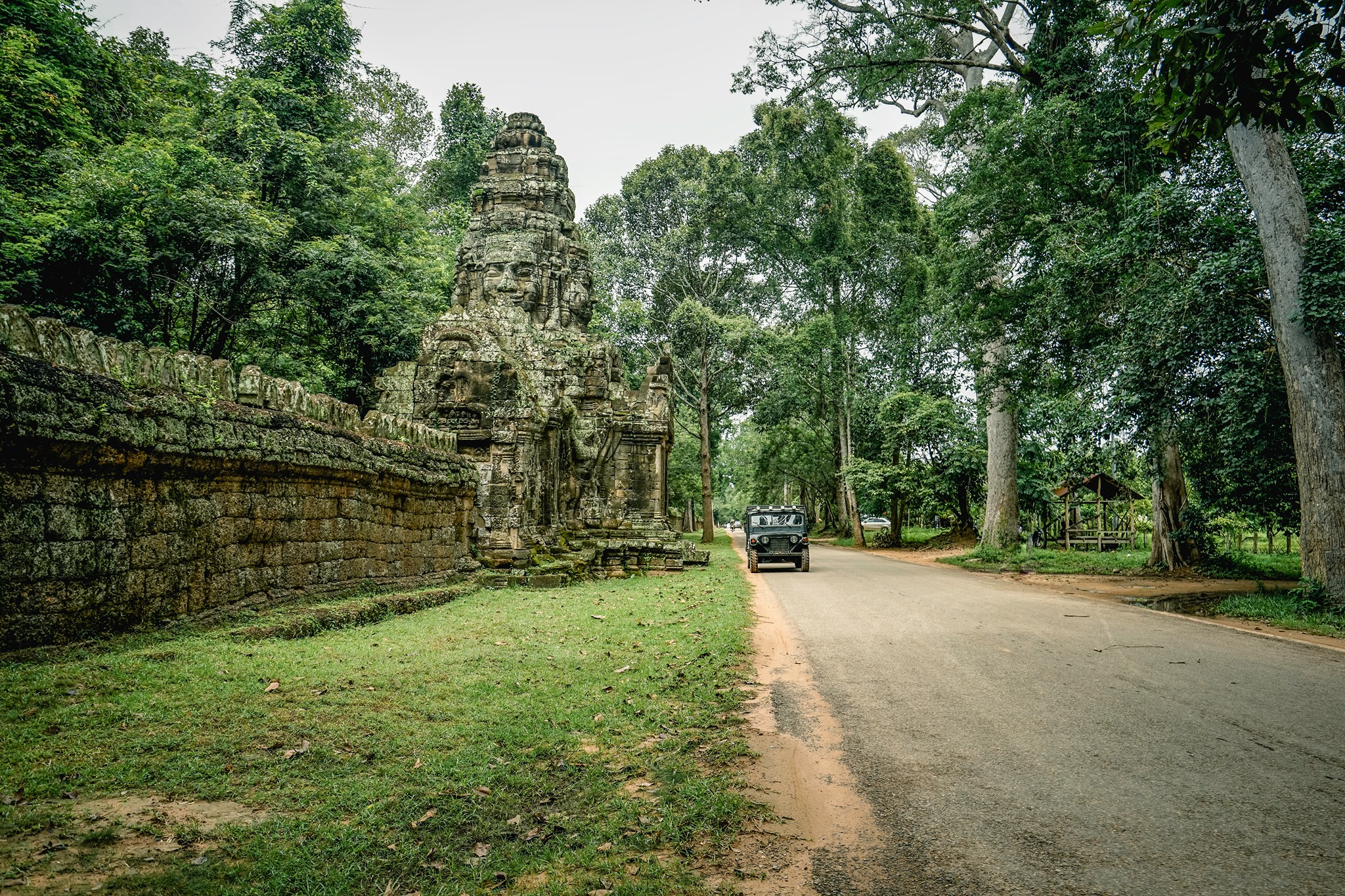
Angkor Thom Capital city of the Khmer empire built at the end of the 12th century NameAngkor Thom Datelate 12th century KingJayavarman VII Location North of Angkor Wat, between West Baray and East Baray Near byAngkor Wat, Preah Khan, Phnom Bakheng Angkor Thom is an almost square city surrounded by 8 meter high walls a little over 12 kilometers long with five impressive gopura gates providing access to the city. The city’s name translates to “large city” or “great city”. King Jayavarman VII made Angkor Thom the new capital of the Khmer Kingdom after driving out the Chams , who destroyed the old capital Yasodharapura. He fortified the city by building a high wall around it, in turn enclosed by a 100 meter wide moat.
3
Stop 3
The Bayon is a richly decorated Khmer temple at Angkor in Cambodia. Built in the late 12th or early 13th century as the state temple of the Mahayana Buddhist King Jayavarman VII, the Bayon stands at the centre of Jayavarman's capital, Angkor Thom. A peculiarity of the Bayon is the absence of an enclosing wall. It is, though, protected by the wall surrounding the city of Angkor Thom. The basic plan of the Bayon is a simple one comprising three levels (1-3). The first and second levels are square galleries featuring bas-reliefs. A circular Central Sanctuary dominates the third level. Despite this seemingly simple plan, the arrangement of the Bayon is complex, with a maze of galleries, passages and steps connected in a way that make the levels practically indistinguishable and creates dim lighting, narrow walkways, and low ceilings. The temples decorated with more than 200 smiling faces on its tower.
4
Stop 4
Ta Prohm's state of ruin is a state of beauty, which is investigated with delight and left with regret. Ta Prohm is locating southwest of the East Mebon and east of Angkor Thom. Its outer enclosure is near the corner of Banteay Kdei. It can be accessed by enter the monument from the west and leave from the east entrance. Tip: Ta Prohm is especially serene and beautiful in the early morning. A torch and a compass are useful for visiting this temple at all times. It was built about mid-12th century to early 13th century (1186) by the King Jayavarman VII, dedicated to the mother of the king (Buddhist) replica to Bayon style of art. Ta Prohm is among the largest of the monuments in the Angkor complex, the in scrimption gives an idea of the size of the temple. The complex included 260 statues of gods, 39 towers with pinnacles and 566 groups of residences. Ta Prohm comprises a series of long low buildings standing on one level, which are enclosed by rectangular laterite wall (600 by 1,000 meters, 1,959 by 3,281 feet). Only traces of the wall are still visible. The center of the monument is reached by a series of towers connected with passages. This arrangement forms a ' sort of sacred way into the heart of the monument’; three-square galleries enclose the area.
What's not included
1 day entrance ticket to Angkor National Park is 37$ per person (required)
Lunch and drinks
Travel insurance
Available languages
Guide guide
EN
Reviews breakdown
Viator
5.0
1 reviews
5★
1
4★
0
3★
0
2★
0
1★
0
Important information
Not recommended for pregnant travelers
Not recommended for travelers with poor cardiovascular health
Travelers should have at least a moderate level of physical fitness
Important notes
We pickup all travelers from their hotel in Siem Reap and drop back to hotel after tour.
+ sunrise tour: please ready from 4:20 am till pickup before 5 am
+ small group tour: please ready from 7:30 am till pickup before 8:30 am
+ private tour: we pickup at 8:30 am from the hotel lobby.
Note: national park entry ticket is not included in the tour above and you have to buy one which is 37$ per day and we will help you to get it on the day.
About Siem Reap
Siem Reap is the vibrant gateway to the ancient Angkor temples, a UNESCO World Heritage site. This charming city offers a blend of rich history, vibrant markets, and lush landscapes, making it a must-visit destination in Cambodia.
Top Attractions
Angkor Wat
Angkor Wat is the largest religious monument in the world and a UNESCO World Heritage site. This iconic temple complex is a masterpiece of Khmer architecture and a symbol of Cambodia.
Historical
Half to full day
USD 37 for 3-day pass
Angkor Thom
Angkor Thom is a walled city and the last capital of the Khmer Empire. It features several impressive temples, including the Bayon Temple with its famous smiling faces.
Historical
Half to full day
USD 37 for 3-day pass
Ta Prohm
Ta Prohm is a temple complex overgrown by jungle, featuring a unique blend of nature and architecture. It was famously used as a filming location for the movie 'Tomb Raider'.
Historical
1-2 hours
USD 37 for 3-day pass
Pub Street
Pub Street is the heart of Siem Reap's nightlife, offering a vibrant mix of bars, restaurants, and street food vendors. It's a great place to experience the city's lively atmosphere.
Entertainment
Evening
Free to explore, budget for food and drinks
Siem Reap Night Market
The Siem Reap Night Market is a bustling market offering a variety of local crafts, souvenirs, and street food. It's a great place to shop for unique gifts and experience local culture.
Shopping
1-2 hours
Budget to moderate
Must-Try Local Dishes
Amok
A creamy, coconut-based curry with fish, chicken, or tofu, steamed in banana leaves. It's a traditional Khmer dish with a unique flavor.
Main dish
Vegetarian options available
Nom Banh Chok
A popular breakfast dish consisting of rice noodles topped with a fish-based green curry gravy and fresh vegetables.
Breakfast
Vegetarian options available
Bai Sach Chrouk
Grilled pork served with broken rice and pickled vegetables. It's a popular breakfast dish in Cambodia.
Breakfast
Contains meat
Lok Lak
A stir-fried beef dish with a tangy lime and pepper sauce, served with rice and fresh vegetables.
Main dish
Contains meat
Popular Activities
Hiking in the Angkor Archaeological Park
Exploring the bamboo train in Battambang
Visiting spas and wellness centers
Enjoying a traditional Khmer massage
Exploring temples and historical sites
Attending traditional dance performances
Boat tours on Tonlé Sap Lake
Swimming in waterfalls
Best Time to Visit
November to February
The best time to visit Siem Reap is during the dry season when the weather is pleasant and ideal for exploring the temples. The cooler temperatures make it comfortable for long days of sightseeing.
20-30°C
68-86°F
Practical Information
Language
- Official: Khmer
- Widely spoken: English
- English: Moderately spoken in tourist areas
Currency
Cambodian Riel (KHR)
Time Zone
Indochina Time (ICT), GMT+7
Electricity
230VV, 50HzHz
Safety Information
Overall Safety Rating: Generally safe
Siem Reap is generally safe for tourists, but petty crime and scams can occur. Exercise caution and be aware of your surroundings.
Important Precautions:
- • Be cautious of scams and overcharging.
- • Avoid walking alone at night in isolated areas.
- • Use reputable tour operators and transportation services.
Getting there
By air
- Siem Reap International Airport • 5 km from city center
By bus
Siem Reap Virak Buntham Express Terminal, Siem Reap Giant Ibis Bus Terminal
Getting around
Public transport
Tuk-tuks are the most popular and affordable mode of transport in Siem Reap. They are widely available and can be negotiated for short or long trips.
Taxis
Available • Apps: PassApp, Grab
Rentals
Car, Bike, Scooter
Neighborhoods
Wat Bo
Wat Damnak
Sivatha
Day trips
Battambang
150 km from Siem Reap • Full day
Battambang is a charming colonial town known for its well-preserved French architecture, bamboo train, and nearby temples. It's a great destination for a day trip from Siem Reap.
Kampong Phluk
16 km from Siem Reap • Half day
Kampong Phluk is a floating village on the edge of the Tonlé Sap Lake. It offers a unique glimpse into the lives of the local community and the stunning natural beauty of the area.
Kbal Spean
25 km from Siem Reap • Half day
Kbal Spean is a remote archaeological site featuring ancient carvings and a beautiful river setting. It's a great destination for those looking to explore off-the-beaten-path attractions.
Festivals
Khmer New Year (Choul Chnam Thmey) • April 13-15 (dates vary)
Bon Om Touk (Water Festival) • November (dates vary)
Angkor Photo Festival • December (dates vary)
Pro tips
- Hire a local guide for the Angkor Archaeological Park to gain a deeper understanding of the temples' history and significance.
- Visit the temples early in the morning or late in the afternoon to avoid crowds and the heat.
- Try local street food like nom banh chok and bai sach chrouk for an authentic culinary experience.
- Bargain for better prices at markets and street stalls, but do so respectfully and with a smile.
- Use a map app like Google Maps for navigation, as street signs can be limited and confusing.
From $25
per person
Price varies by option
Secure booking
Free cancellation available
Instant confirmation