From Lisbon : Évora + Chapel of Bones + Monsaraz + Alentejo Wines
Active
8h
For a full refund, cancel at least 24 hours before the scheduled departure time.
Instant confirmation
Mobile or paper ticket accepted
About this experience
Prepare for a memorable experience in the heart of Alentejo, exploring two of the region’s most charming and authentic locations:
The Bone Chapel, with its walls covered with human skulls and bones;
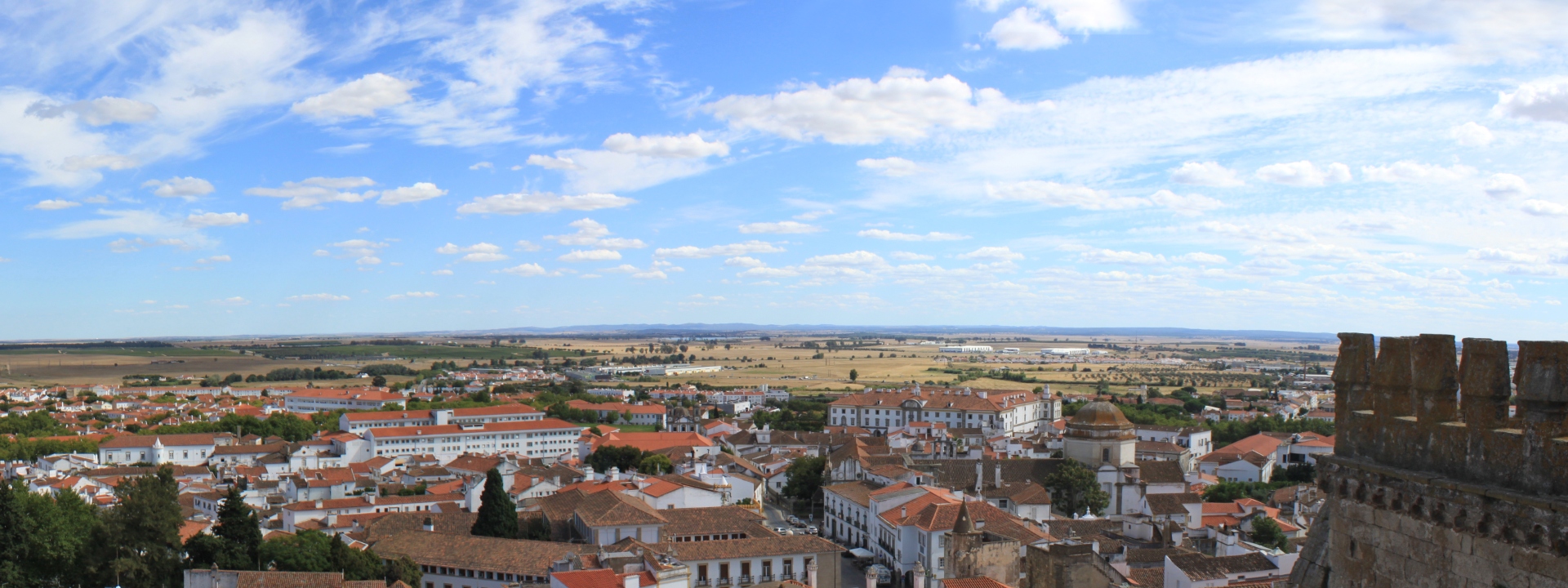
Cathedral of Évora, with its panoramic terrace and Gothic architecture;
The impressive Roman Temple of Diana.
You will also have free time for lunch and explore the historic centre of Évora
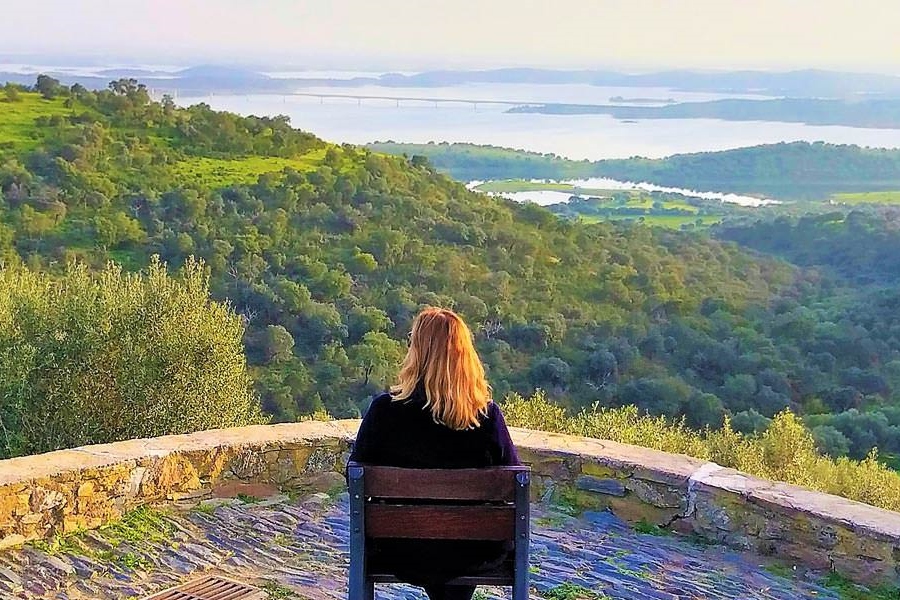
After lunch, we will follow with the participants who select the option extended to the medieval Villa de Monsaraz, one of the most charming destinations of Alentejo. Set on top of a hill and surrounded by well preserved walls, Monsaraz offers panoramic views of Lake Alqueva and provides a true journey back to the past.
As part of the complete experience, this option also includes a tasting of Alentejo wines at a local producer, where you will be able to taste typical labels and learn more about the region’s vinification process.
Available options
Exclusive Private Tour
Tour & Meeting
Tour & Meeting & Tickets
What's included
Tour for small groups (8 people maximum)
Bottled water
WiFi on board
Wine tasting in a local wine cellar (no snacks)
Specialized local Guide.
Air-conditioned vehicle
Entrance / Admission - Chapel of the Bones
Detailed itinerary
1
Stop 1
The Roman temple of Évora, erroneously known as Temple of Diana, is located in the city of Évora, in Portugal; is part of the historical center of the city, which was classified as World Heritage by UNESCO. The Roman temple is classified as a National Monument by the DGPC. It is one of the most famous landmarks of the city and one of the most significant symbols of the Roman presence in Portuguese territory.
2
Stop 2
Fall in love with the history of the beautiful Giraldo Square in Évora. Step onto the sidewalk and sit down on an esplanade. All roads lead to Giraldo Square.
3
Stop 3
The Bones Chapel is one of the most famous monuments of Évora, in Portugal. It is located in the Church of San Francisco. It was built in the 17th century on the initiative of three Franciscan monks who, in the spirit of the time (religious counterrevolution, according to the norms of the Council of Trent), intended to convey the message of the transience of life, as can be seen from the famous warning at the entrance: "We bones here we are waiting for you." Besides the spiritual question, there was also a physical question, which is; there were in the region of Évora forty-two monastic cemeteries that were occupying too much space and strategic places that many intended to use for other purposes. Thus, they decided to remove the skeletons of the earth and use them to construct and to decorate the chapel.
4
Stop 4
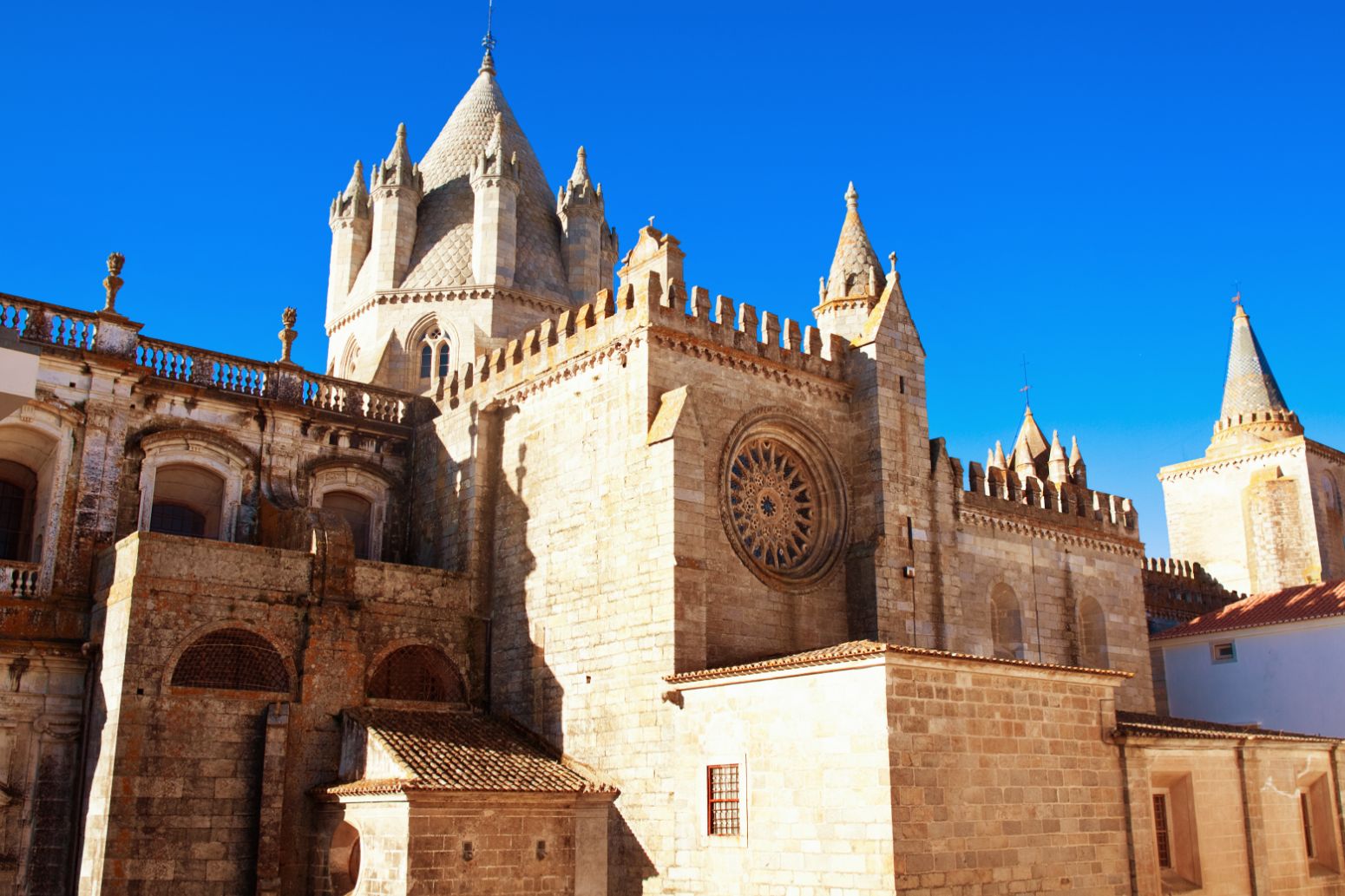
The Cathedral Basilica of Our Lady of the Assumption, better known as the Cathedral of Évora, or simply Sé de Évora, although begun in 1186 and consecrated in 1204, this cathedral of granite was only completed in 1250. It is a monument marked by the transition of style Romanesque to Gothic, marked by three majestic ships. In the 15th and 16th centuries, the cathedral received major improvements, dating back to that time the choir, pulpit, baptistery and arch of the chapel of Nossa Senhora da Piedade, also known as Chapel of the Esporão, a rare example of Plateresque hybrid architecture, dated 1529.
5
The Cromeleque of the Almendres, or Cromeleque in the Herda DE los Almendres, is located in the former parish DE Nossa Senhora DE Gua DA lupe, in the present parish DE Nossa Senhora da Tourega and Nossa Senhora DE Guadalupe in the municipality DE Évora, district of Évora, Portugal.1]
It constitutes a prehistoric circle DE stones (cromeleque) with 95 monoliths DE stone. It is the most important megalithic monument of its kind in the Iberian Peninsula and one of the most relevant DA Europe, not only POR its dimensions, but also for its state DE conservation.2]
Cromeleque dos Almendres was first classified as DE Public Interest Real Estate in 1974, and then as a National Monument in 2015.3][1] The Menir dos Almendres, located near DE's, is classified as a Public Interest Property.[4]
6
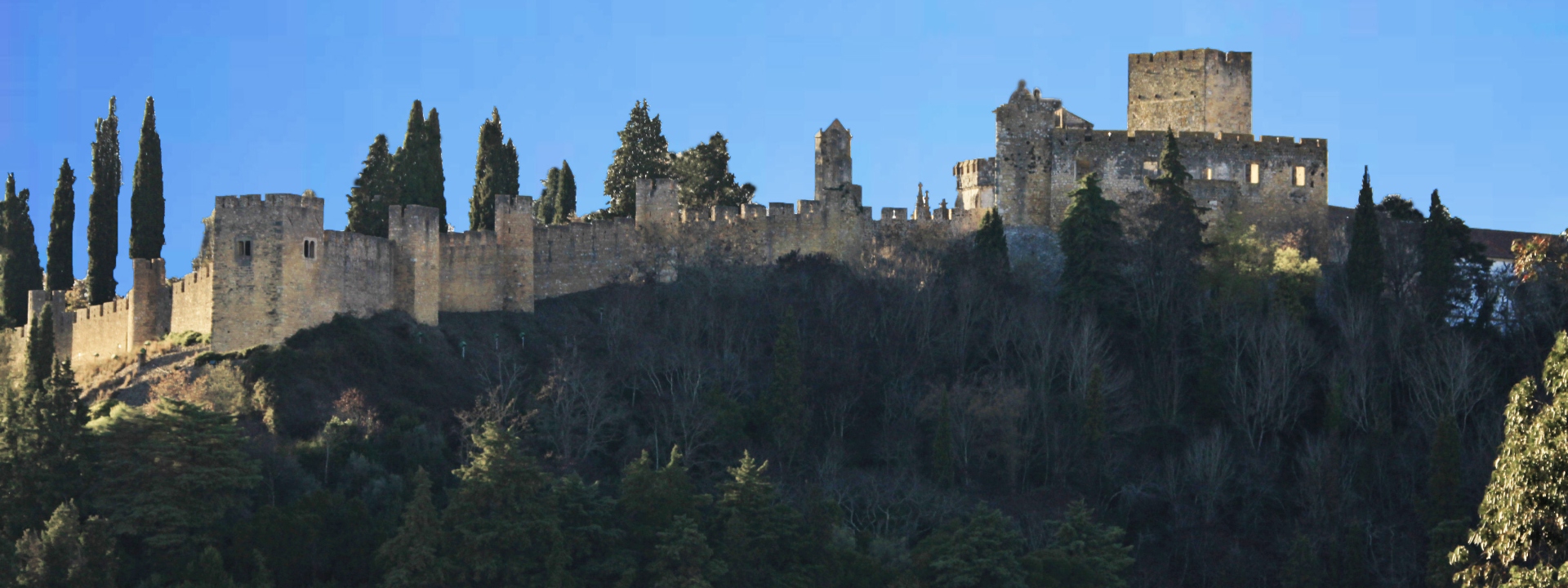
Monsaraz Castle, located on the top of a hill in the Alentejo, is a medieval fortification of Templar origin. With well preserved walls and defensive towers, it played a strategic role in defending the Portuguese border during the Middle Ages. From the castle, you can see the Guadiana River and the surrounding landscape, making it one of the most iconic historical sites in the region.
What's not included
Breakfast
Lunch
Dinner
Boarding and landing at the hotel
Personal expenses
Available languages
Guide guide
HI
PT
EN
UR
GU
ES
Reviews breakdown
Viator
5.0
2 reviews
5★
2
4★
0
3★
0
2★
0
1★
0
Important information
Public transportation options are available nearby
Specialized infant seats are available
Suitable for all physical fitness levels
Meeting point
Pick-up in front of the Hotel Fenix
Marques de Pombal
About Lisbon
Lisbon, the capital of Portugal, is a vibrant city known for its rich history, stunning architecture, and warm climate. With its charming streets, historic trams, and breathtaking viewpoints, Lisbon offers a unique blend of old-world charm and modern energy.
Top Attractions
Belém Tower
A UNESCO World Heritage Site, this 16th-century tower is an iconic symbol of Lisbon's Age of Discoveries.
Historical
1-2 hours
€6
Alfama District
Lisbon's oldest district, known for its narrow, winding streets, Fado music, and historic charm.
Historical
Half day
Free to explore, attractions may have entry fees
Sintra
A UNESCO World Heritage Site, Sintra is a romantic town with stunning palaces and castles.
Historical
Full day
Varies by attraction, around €10-€15 per site
Must-Try Local Dishes
Bacalhau à Brás
Shredded codfish with eggs, potatoes, and onions
Main Dish
Contains fish and eggs
Pastel de Nata
Custard tart with a flaky pastry crust
Dessert
Contains dairy and eggs
Francesinha
A sandwich with meat, cheese, and a beer-based sauce
Main Dish
Contains meat, cheese, and gluten
Popular Activities
Hiking in Sintra
Surfing in Ericeira
Parasailing in Cascais
Beach lounging in Costa da Caparica
Spa day in a luxury hotel
Picnic in Jardim da Estrela
Visiting museums and galleries
Attending Fado performances
Best Time to Visit
March to May, September to October
These months offer pleasant weather and fewer crowds, making it ideal for sightseeing and outdoor activities.
15-25°C
59-77°F
Practical Information
Language
- Official: Portuguese
- Widely spoken: English, Spanish, French
- English: Moderately spoken
Currency
Euro (EUR)
Time Zone
GMT+1 (Western European Time, WET)
Electricity
230VV, 50HzHz
Safety Information
Overall Safety Rating: Generally safe
Lisbon is generally safe, but pickpocketing and petty theft can occur in crowded areas.
Important Precautions:
- • Be cautious of pickpockets in crowded areas
- • Use licensed taxis or ride-sharing apps
- • Avoid walking alone at night in less crowded areas
Getting there
By air
- Humberto Delgado Airport • 7 km from city center
By train
Santa Apolónia, Oriente
By bus
Sete Rios, Jardim do Campo Grande, Gare do Oriente
Getting around
Public transport
Efficient and clean, with four lines connecting major attractions.
Taxis
Available • Apps: Bolt, FreeNow
Rentals
Car, Bike, Scooter
Neighborhoods
Alfama
Baixa
Bairro Alto
Day trips
Sintra
25 km from Lisbon • Full day
A romantic town with stunning palaces, castles, and lush gardens.
Cascais
30 km from Lisbon • Half day to full day
A charming coastal town with beautiful beaches, historic sites, and a relaxed atmosphere.
Óbidos
80 km from Lisbon • Full day
A medieval town with a well-preserved castle, narrow streets, and charming shops.
Festivals
Santos Populares • June 13th
Festival dos Oceanos • June to September
Arraial do Alfoz • June to September
Pro tips
- Visit the Time Out Market for a variety of local and international cuisines
- Take a day trip to Sintra and Cascais for a mix of history and beach relaxation
- Explore the LX Factory for a unique shopping and dining experience
- Ride the historic Tram 28 for a scenic tour of the city
- Visit the MAAT museum for a blend of art, architecture, and technology
From $25
per person
Price varies by option
Secure booking
Free cancellation available
Instant confirmation