Private Tour Évora - Wine Tasting - Beautiful Medieval Village of Monsaraz
Active
10h
For a full refund, cancel at least 24 hours before the scheduled departure time.
Instant confirmation
Mobile or paper ticket accepted
About this experience
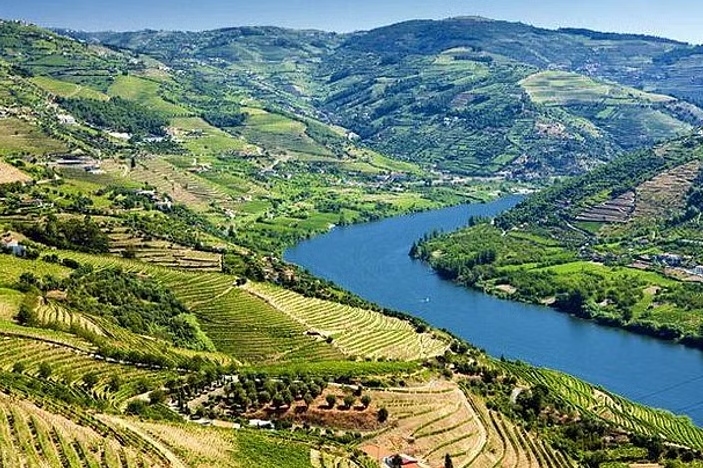
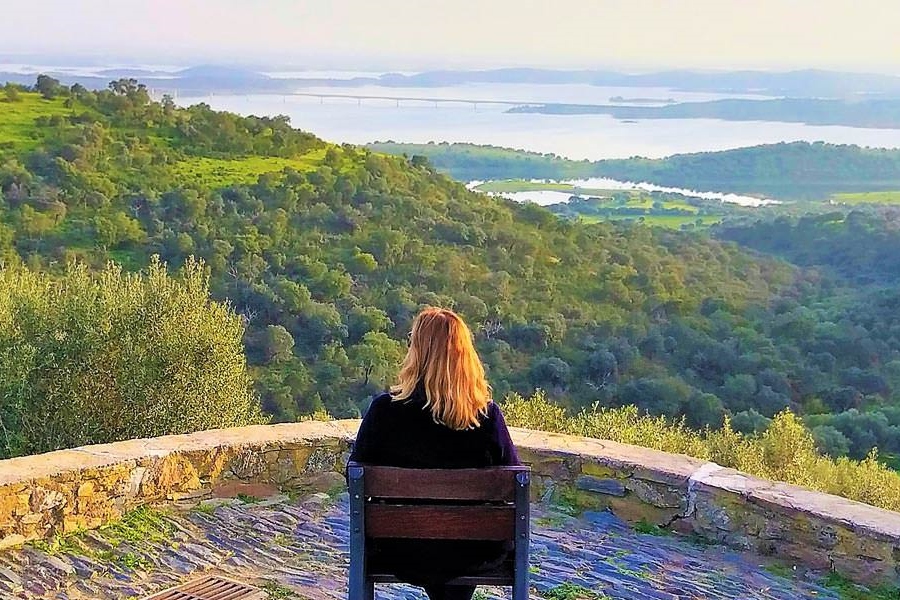
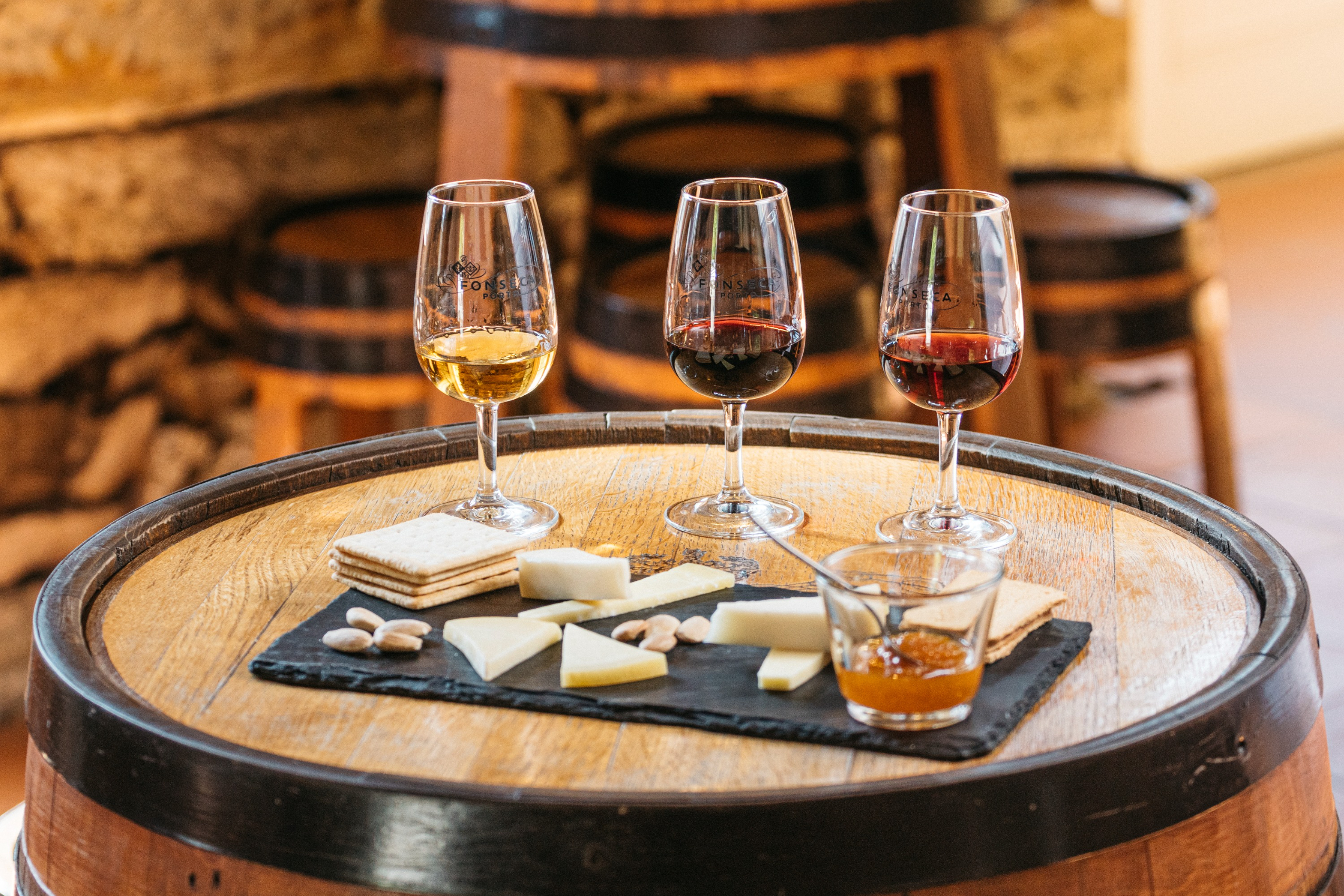
09am Leave direction to Alentejo, Cross the Bridge Vasco da Gama, the Biggest Bridge in Europe with 14 km , after it´s possible to see Vineyards, Cork Trees and one of typical Alentejo views, with many stork nests Approximately 2 hours trip to the first stop at the Ervideira for visit the Wine Cellar and tasting wines from 8 months of aging which come from the largest artificial lake in Europe ( Alqueva Lake ).
After Lunch we Visit Village of Monsaraz one of the most tipycal Village in Portugal near the border of Spain, Monsaraz was reorganized during the Roman occupation, but later successively occupied by the Visigoths, Arabs, Mozarabs, Jews.
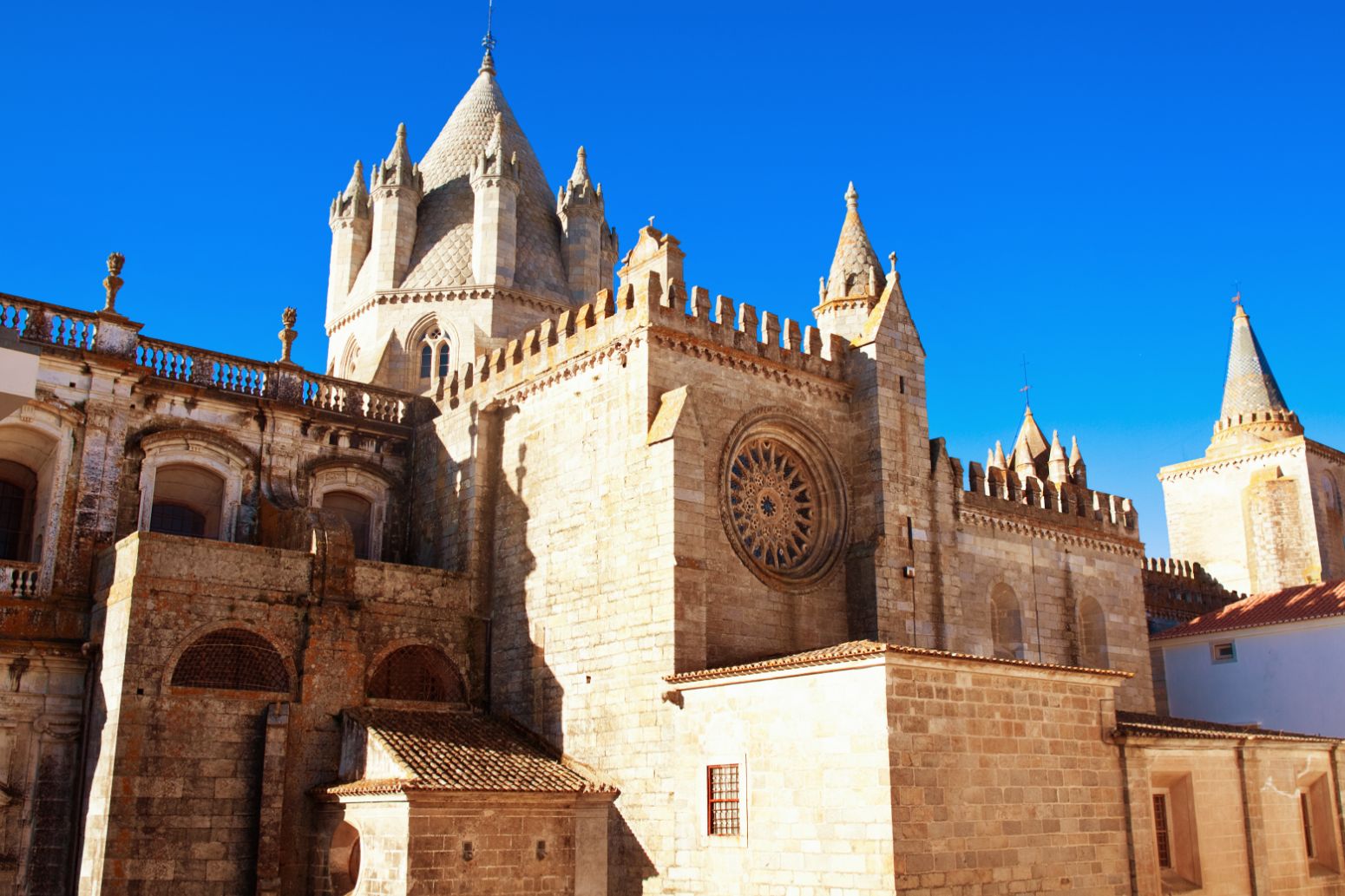
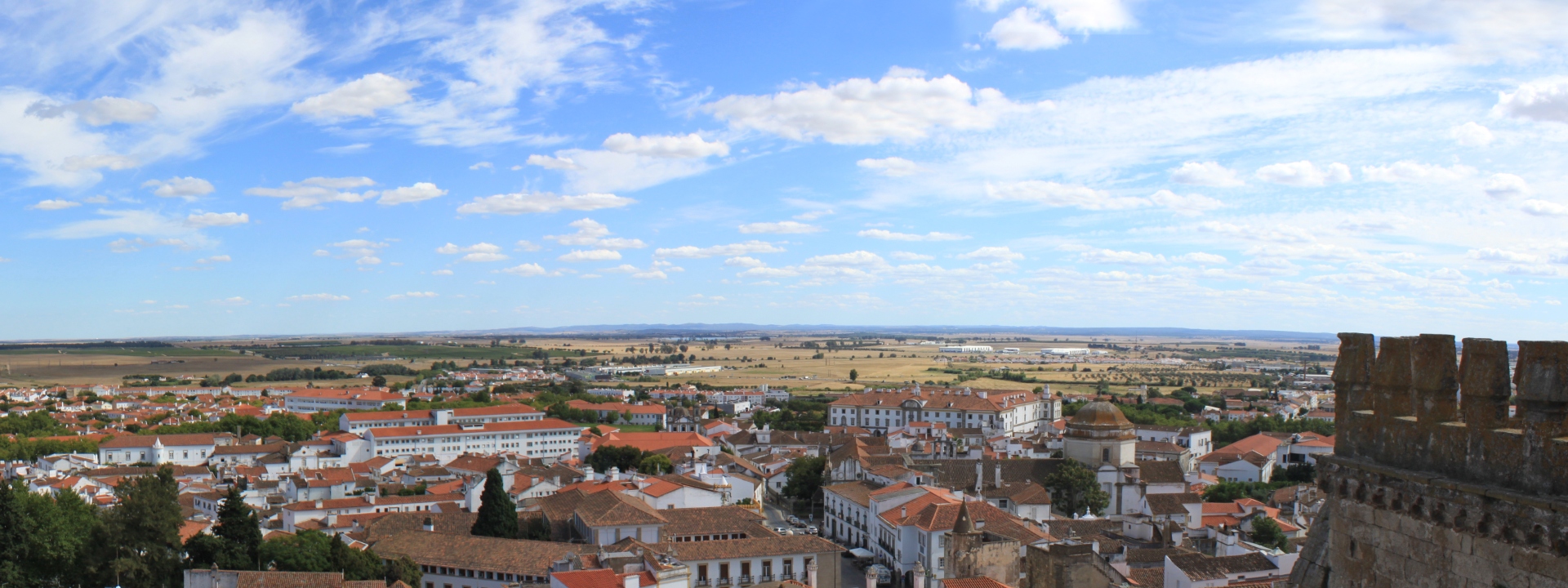
Back to Évora for visit to the City of Évora, Diana Roman Temple of Évora World Heritage, Giraldo Square, Church of San Francisco, Chapel of Bones,and Back to Lisbon
Available options
Private Tour Évora - Wine Tasting - Beautiful Medieval Village of Monsaraz
Pickup included
What's included
Sockets USB for mobile phone charger
Private tour
Bottled water
Wine tasting
Tv with entertainment and films about the places to visit in your language
Transport by air-conditioned minivan
Free WIFI
Detailed itinerary
1
Stop 1
The Roman temple of Évora, known as the Temple of Diana, is located in the city of Évora, is part of the historical center of the city, which was classified as a World Heritage by UNESCO. Ranked as National Monument. It is one of the most famous landmarks of the city and one of the most significant symbols of the Roman presence in Portuguese territory.
2
Stop 2
The Church of St. Francis in Evora is a church of Gothic-Manueline architecture. Built between 1480 and 1510 by masters of Pedraria Martim Lourenço and Pero de Trilho and decorated by the royal painters Francisco Henriques, Jorge Afonso and Garcia Fernandes, it is closely linked to the historical events that marked the period of maritime expansion of Portugal. This is evident in the symbols of the monumental nave of the vaulting vault: the cross of the Order of Christ and the emblems of the founding kings, D. João II and D. Manuel I.
According to tradition, Gil Vicente was buried in this church in 1536.
3
Stop 3
The Bones Chapel is one of the most famous monuments in Évora. It was built in the 17th century on the initiative of three Franciscan monks who, in the spirit of the time (religious counterrevolution, according to the norms of the Council of Trent), intended to convey the message of the transience of life, as can be seen from the famous warning at the entrance: "We bones here we are waiting for you." Besides the spiritual question, there was also a physical question, which is; there were in the region of Évora forty-two monastic cemeteries that were occupying too much space and strategic places that many intended to use for other purposes. So they decided to remove the skeletons from the earth and use them to build and decorate the chapel.
Its walls and eight pillars are "decorated" with bones and skulls connected by brown cement. The vaults are of brick plastered to white, painted with allegorical motifs to death. It is a monument of a penitential architecture of ornate arches with rows of skulls, cornices and white ships. It has been calculated around five thousand bones, including skulls, vertebrae, femurs and others, coming from cemeteries, located in churches and convents of the city, and which were connected with brown cement and are arranged by the walls, ceiling, columns and even outside . There are still two whole skeletons hanging by chains on one of the walls, one of which is that of a child.
4
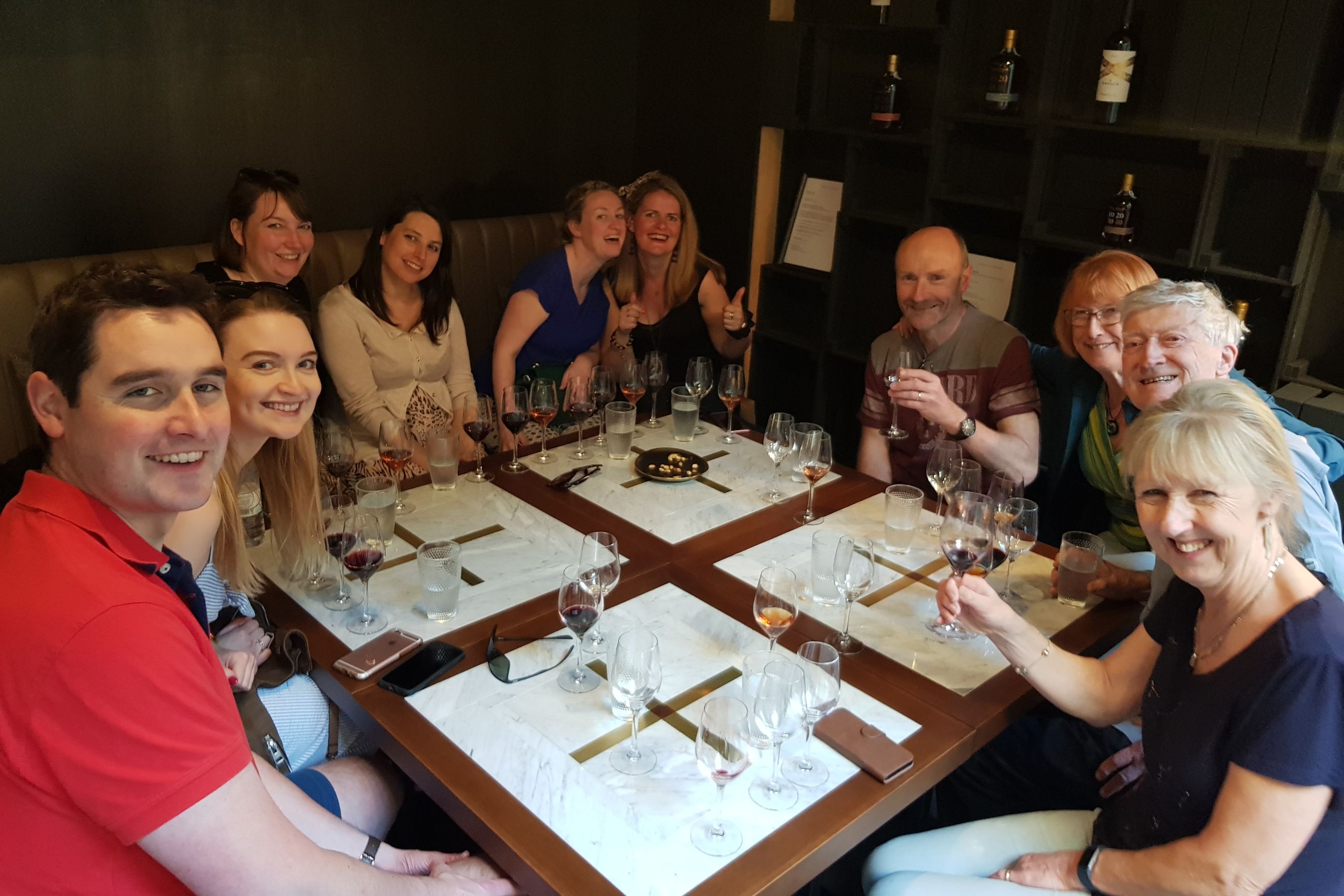
Guide Visit the Wine Cellars and tasting 10 Wines
The estates of Monte da Ribeira and Herdadinha both belong to the Leal da Costa family, which can be traced back to the Count of Ervideira, a successful farmer who lived between 19th and 20th centuries. The Count, who received his nobel title from king Carlos I in recognition for his social work in the region, began producing wine in 1880, as one can see in the bottles the company proudly exhibits in its wine tasting room. With 160 ha of vineyards, divided between the Vidigueira and Reguengos estates, Ervideira’s administration is held by the family matriarch D. Maria Isabel and her six children, being Duarte Leal da Costa the executive director. The oenological direction is under direction of Nelson Rolo.
5
2377/5000
The medieval castle
At the time of the Christian Reconquest of the Iberian Peninsula, the town was initially conquered by the forces under the command of the legendary Geraldo Sem Pavor (1167). After the defeat of D. Afonso Henriques (1112-1185) in Badajoz (1169) was recovered by the Almoado Caliphate under the command of Abu Iacube Iúçufe (1173), to be definitively conquered by D. Sancho II (1223-1248), with the aid of the Order of the Templars, in 1232, to whom it made the donation of these domains. From this time we were reminded of the Templar knight Gomes Martins Silvestre, settler of Monsaraz, whose tomb is currently in the Mother Church of Santa Maria da Lagoa.
D. Afonso III (1248-1279), in order to increase his settlement and defense, granted him a Charter of Foral in 1276. In this period, the settlement action of Monsaraz is linked to the figure of the knight Martim Anes Zagallo, who is believed to have as the mayor of the town and his castle, having begun the construction of the new Alcáçova, at which time the primitive Mother Church of Santa Maria da Lagoa and other buildings began.
Castle of Monsaraz.
In the context of the crisis of 1383-1385, the village and its castle were attacked by English archers under the command of the Earl of Cambridge, supposedly allies of Portugal, falling in the early summer of 1385 under the rule of the King of Castile , when it invaded the Alentejo. Abandoned by the Castilian troops in march, they were recovered by the forces loyal to D. João I (1385-1433), under the command of the Constable D. Nuno Alvares Pereira, before the battle of Aljubarrota. In 1412, by donation of the Constable to his grandson D. Fernando, Monsaraz became part of the domains of the House of Braganza.
Under the reign of D. Manuel I (1495-1521), the town and its castle are figured by Duarte de Armas (Book of Strengths, c.1509). In 1512, the sovereign granted the New Foral to the village.
From the Restoration War to our days
In the context of the Restoration War of Portuguese Independence, due to its proximity to the Guadiana river and the Spanish border, the Council of War of D. João IV (1640-1656) determined the modernization of its defenses, involving the village with adapted walls to the shots of the artillery of the time, receiving traces abaluartados in the style Vauban, with project of Nicholas of Langres and Jean Gillot: the Fort of San Bento de Monsaraz.
What's not included
Lunch
Gratuities
Available languages
Guide guide
PT
EN
ES
Reviews breakdown
Viator
5.0
1 reviews
5★
1
4★
0
3★
0
2★
0
1★
0
Tripadvisor
5.0
10 reviews
5★
10
4★
0
3★
0
2★
0
1★
0
Important information
Specialized infant seats are available
Travelers should have at least a moderate level of physical fitness
Children must be accompanied by an adult
Dress code is smart casual
Important notes
• Dress code is smart casual
Times are subject to change due to local traffic conditions.
About Lisbon
Lisbon, the capital of Portugal, is a vibrant city known for its rich history, stunning architecture, and warm climate. With its charming streets, historic trams, and breathtaking viewpoints, Lisbon offers a unique blend of old-world charm and modern energy.
Top Attractions
Belém Tower
A UNESCO World Heritage Site, this 16th-century tower is an iconic symbol of Lisbon's Age of Discoveries.
Historical
1-2 hours
€6
Alfama District
Lisbon's oldest district, known for its narrow, winding streets, Fado music, and historic charm.
Historical
Half day
Free to explore, attractions may have entry fees
Sintra
A UNESCO World Heritage Site, Sintra is a romantic town with stunning palaces and castles.
Historical
Full day
Varies by attraction, around €10-€15 per site
Must-Try Local Dishes
Bacalhau à Brás
Shredded codfish with eggs, potatoes, and onions
Main Dish
Contains fish and eggs
Pastel de Nata
Custard tart with a flaky pastry crust
Dessert
Contains dairy and eggs
Francesinha
A sandwich with meat, cheese, and a beer-based sauce
Main Dish
Contains meat, cheese, and gluten
Popular Activities
Hiking in Sintra
Surfing in Ericeira
Parasailing in Cascais
Beach lounging in Costa da Caparica
Spa day in a luxury hotel
Picnic in Jardim da Estrela
Visiting museums and galleries
Attending Fado performances
Best Time to Visit
March to May, September to October
These months offer pleasant weather and fewer crowds, making it ideal for sightseeing and outdoor activities.
15-25°C
59-77°F
Practical Information
Language
- Official: Portuguese
- Widely spoken: English, Spanish, French
- English: Moderately spoken
Currency
Euro (EUR)
Time Zone
GMT+1 (Western European Time, WET)
Electricity
230VV, 50HzHz
Safety Information
Overall Safety Rating: Generally safe
Lisbon is generally safe, but pickpocketing and petty theft can occur in crowded areas.
Important Precautions:
- • Be cautious of pickpockets in crowded areas
- • Use licensed taxis or ride-sharing apps
- • Avoid walking alone at night in less crowded areas
Getting there
By air
- Humberto Delgado Airport • 7 km from city center
By train
Santa Apolónia, Oriente
By bus
Sete Rios, Jardim do Campo Grande, Gare do Oriente
Getting around
Public transport
Efficient and clean, with four lines connecting major attractions.
Taxis
Available • Apps: Bolt, FreeNow
Rentals
Car, Bike, Scooter
Neighborhoods
Alfama
Baixa
Bairro Alto
Day trips
Sintra
25 km from Lisbon • Full day
A romantic town with stunning palaces, castles, and lush gardens.
Cascais
30 km from Lisbon • Half day to full day
A charming coastal town with beautiful beaches, historic sites, and a relaxed atmosphere.
Óbidos
80 km from Lisbon • Full day
A medieval town with a well-preserved castle, narrow streets, and charming shops.
Festivals
Santos Populares • June 13th
Festival dos Oceanos • June to September
Arraial do Alfoz • June to September
Pro tips
- Visit the Time Out Market for a variety of local and international cuisines
- Take a day trip to Sintra and Cascais for a mix of history and beach relaxation
- Explore the LX Factory for a unique shopping and dining experience
- Ride the historic Tram 28 for a scenic tour of the city
- Visit the MAAT museum for a blend of art, architecture, and technology
From $25
per person
Price varies by option
Secure booking
Free cancellation available
Instant confirmation