Toyama Bay and Takaoka Town Metalworking Tour From Kanazawa
Active
10h
For a full refund, cancel at least 24 hours before the scheduled departure time.
Instant confirmation
Mobile or paper ticket accepted
About this experience
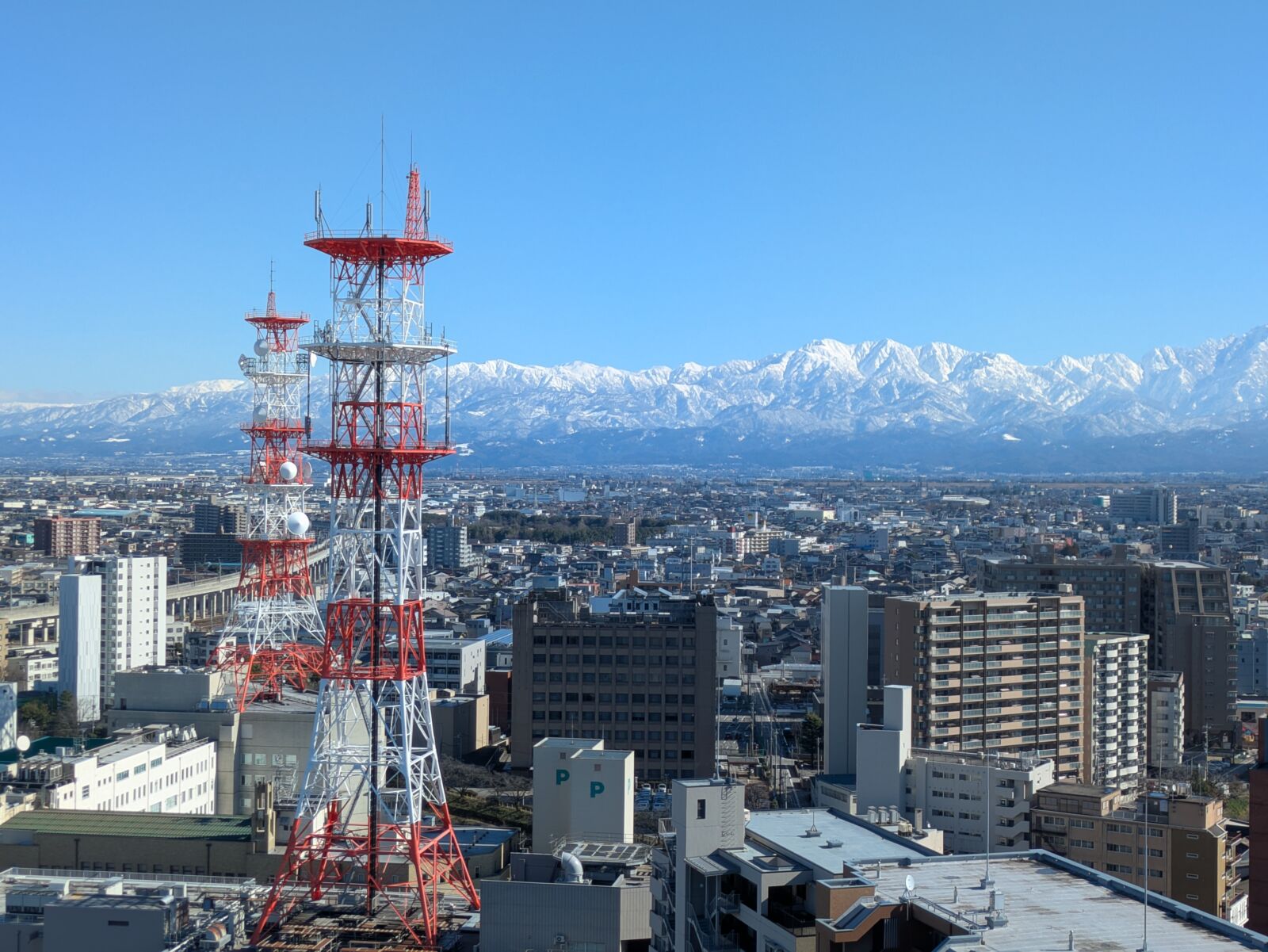
Abutting the remarkable Toyama Bay, Takaoka is a city with a diverse history of over 350 years. Known as the “Kitchen of Kanazawa”, it produced large amounts of food, metal working and pottery. As the second city of the Kaga Domain, much wealth was poured into the city, mostly in the form of building great temples. Two of those great temples, Zuiryuji and Shokoji, still remain and are considered National Treasures. On this tour you will see those temples, try your hand at metalworking and see the Amaharashi Coast with a view of the snow-capped Tateyama mountains in the background.
Available options
Toyama Bay and Takaoka Town Metalworking Tour From Kanazawa
What's included
Entry fee at Zuiryuji and Shokoji Temple
English speaking guide
Kanayamachi Metalworking Experience Fee
Transportation to and from Takaoka and between all destinations during the tour.
Detailed itinerary
1
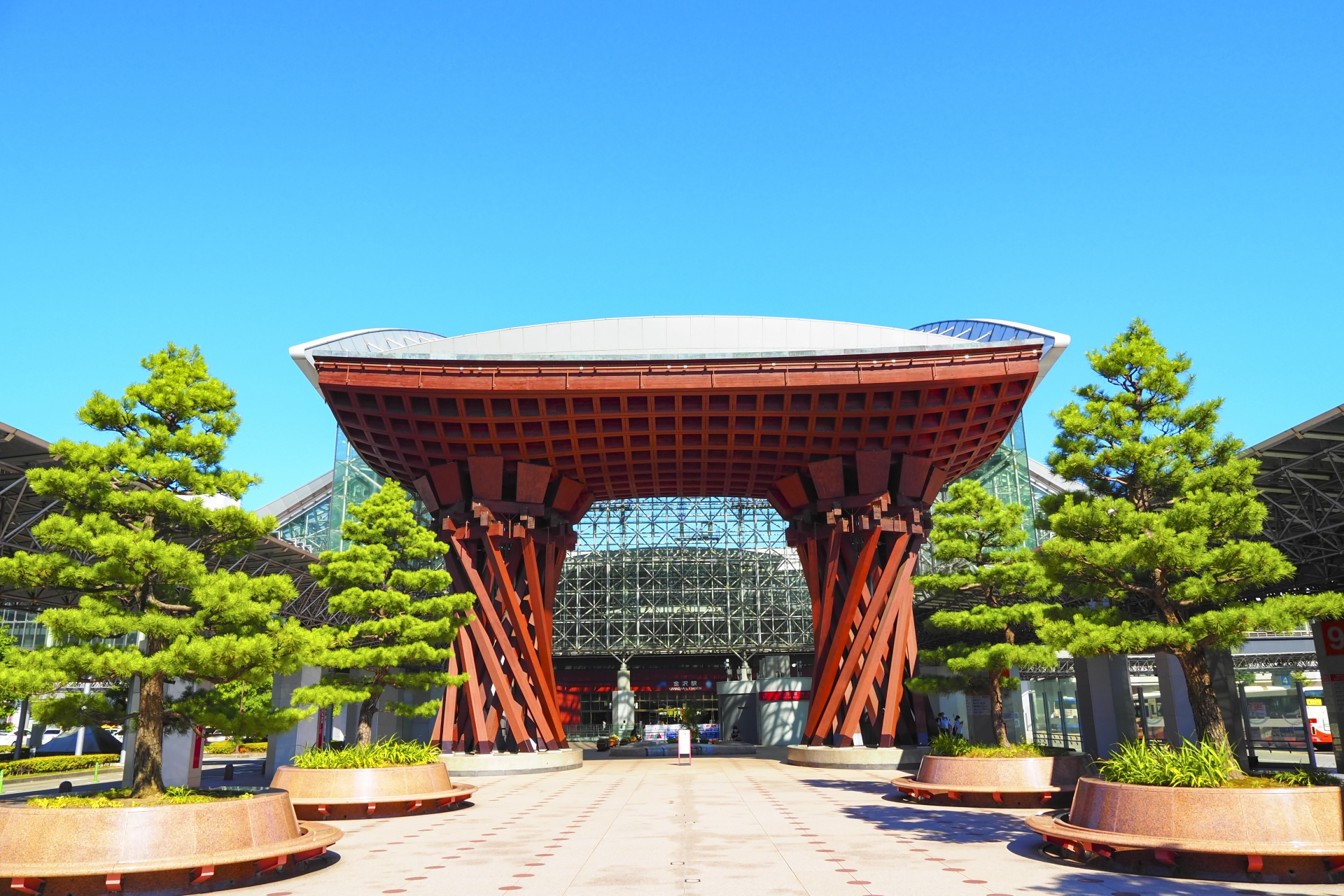
Start your tour at Kanazawa Station, where your guide will greet you begin the tour.
The meeting point will be outside the shinkansen ticket gate, in front of the information center sign. We will then head to the shinkansen to take the train to Takaoka at 8:26.
Arrive at Shin-Takaoka Station. You will have time to go to the bathroom before heading out. It is about 15 minutes on foot to the first temple of the day.
Arrive at Zuiryuji Temple. We will take our time walking through the grand layout and historical decorations and architecture. Make sure to take a long look at complexity of the ceiling of the central Buddhist alter and the statue of the toilet god in the main alter.
2
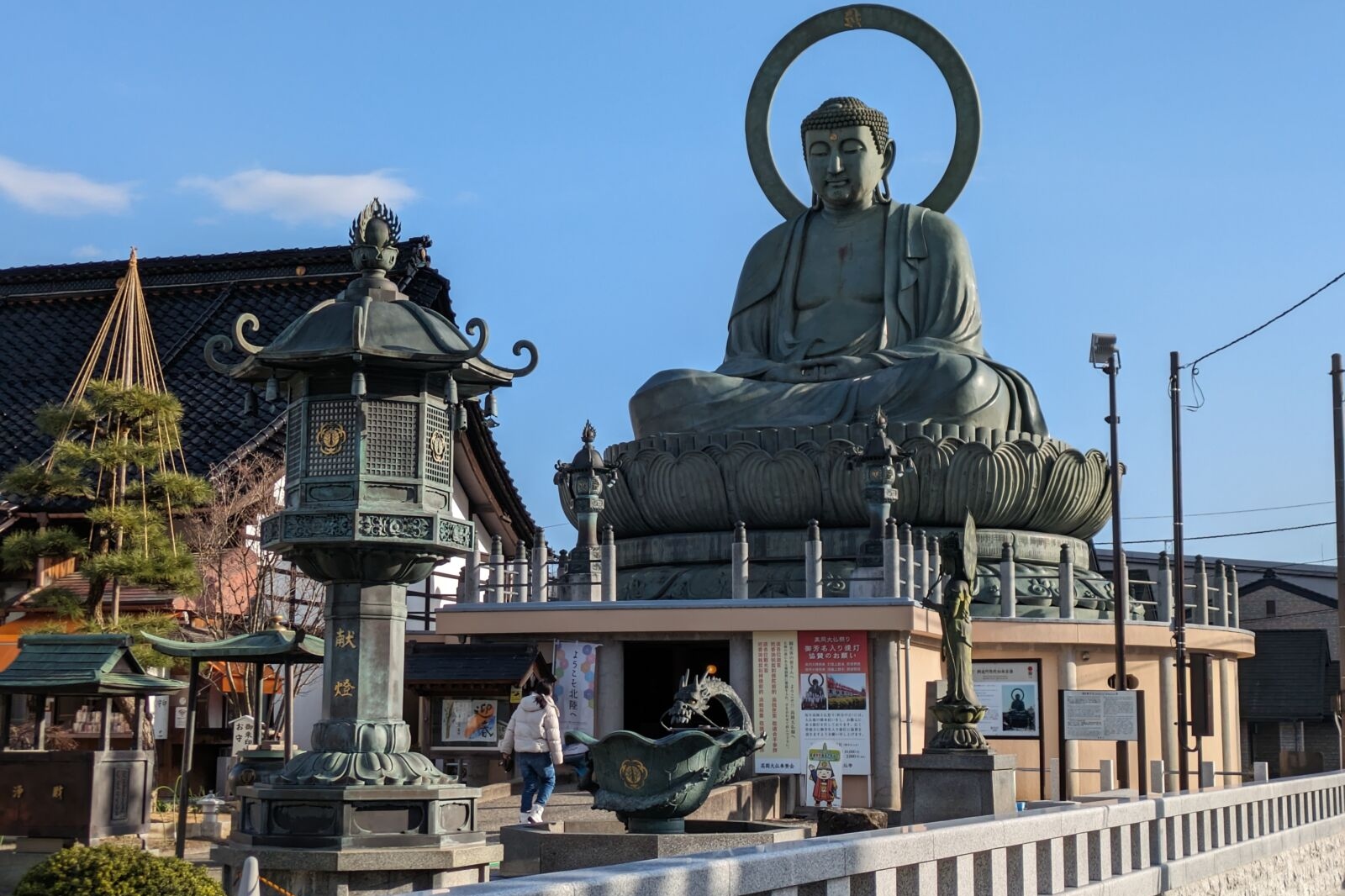
Next, we will see the Takaoka Daibutsu or Big Buddha. A large Buddha has been in this spot for hundreds of years but after it burned down, a bronze version was made. This city is famous for its metal working so the redesign was right up their alley.
After finishing seeing the Takaoka Daibutsu, we will take a stroll through two of the traditional preserved street of the city. The buildings in these areas are form various times but mostly the late 1800s and early 1900s. The mix of local construction techniques with "modern" design make for a type of architecture that is not well preserved in any other part of Japan.
3
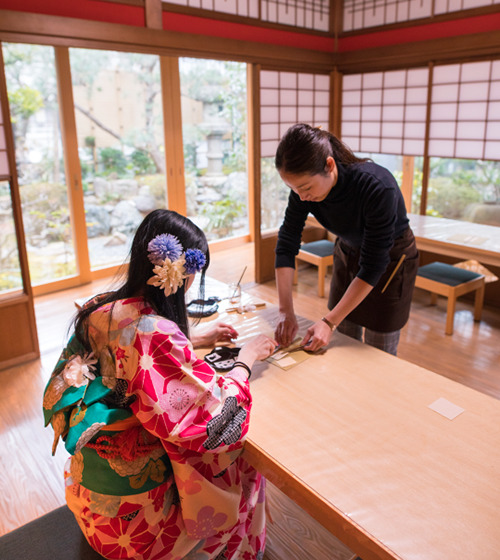
Time to start the metalworking experience! You will carve your design into a sand mold, pour the tin into to the mold and watch as your creation becomes a reality. It is really is amazing to participate along with masters of the craft that have passed on the craft for generations. And of course, you can bring your creation home with you.
4
After lunch (not included). Meet back up with your tour guide at the location designated and head back to Takaoka Station.
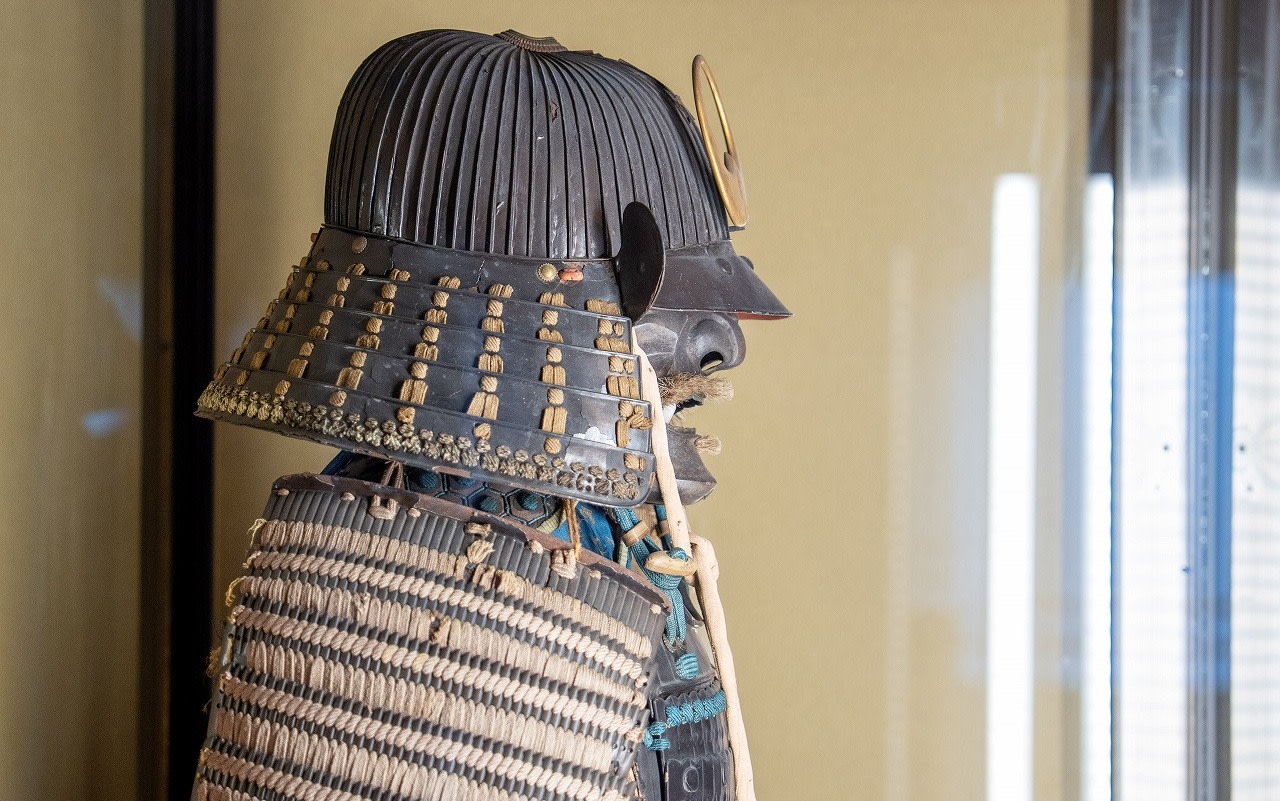
Get on the train and arrive in Fushiki. On the way up to Shokoji we will see some interesting historical buildings, such as the first private meteorological station founded in Japan in 1883. Shokoji itself was once the center of Buddhism in the old province of Ecchu(modern Toyama) and it shows with its stunning golden interior.
5
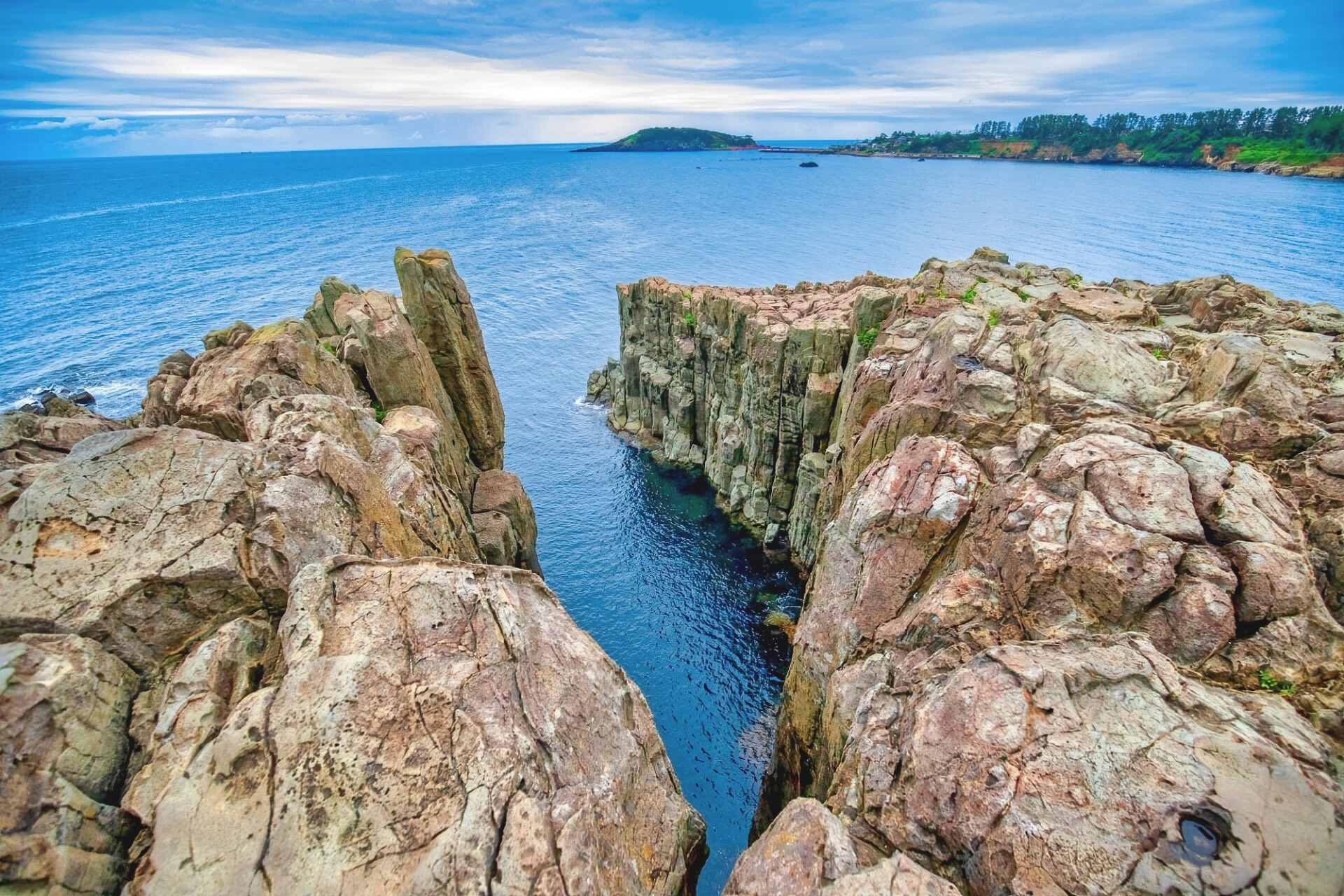
Hop on the the train again and get off at Amaharashi to see the magnificent views of the mountains surrounding Toyama Bay. If it is a clear day we will walk around the area and get a few different angles of different natural landscapes in front of the mountains. There are observation points, too, that can help you get see more of the area in your shot. If the weather isn't cooperating, there is a shrine with a cave underneath as well as some other nice natural formations. They look beautiful regardless of scenery, or lack thereof, behind them.
Get on the bus or train back to Takaoka Station. If the weather is clear or we have a good view of the mountains we will stay until the later time. If weather is poor or there is low visibility we will probably take an earlier mode of transportation back. We will also transfer at Takaoka Station before getting on the final train of the day.
What's not included
Lunch
Available languages
Guide guide
EN
Reviews breakdown
Viator
5.0
1 reviews
5★
1
4★
0
3★
0
2★
0
1★
0
Important information
Suitable for all physical fitness levels
All listed events, activities, and experiences are subject to availability. Please note that while certain tour options may appear bookable through our platforms, this does not guarantee that every experience can be carried out as scheduled in the tour itinerary. Many activities require direct confirmation with our partner venues, and availability may vary based on the date and other factors. Should any part of your ordered itinerary require adjustment or deviation from the original schedule, or if a specific experience is unavailable, we will contact you promptly to discuss suitable alternatives or amendments.
Meeting point
The meetup point is outside of the Shinkansen ticket gates, in front of the information center at 08:00 AM. Be sure to look for the guide wearing a SNOW MONKEY RESORTS tour tag.
About Kanazawa
Kanazawa, a beautifully preserved city on Japan's western coast, is renowned for its well-maintained Edo-era districts, traditional arts, and fresh seafood. Often overlooked in favor of more famous cities, Kanazawa offers a unique blend of history, culture, and natural beauty that sets it apart from other Japanese destinations.
Top Attractions
Kenrokuen Garden
Kenrokuen is one of Japan's three most beautiful landscape gardens. It features a variety of trees, ponds, and walking paths, and is especially stunning during the cherry blossom and autumn foliage seasons.
Nature
1-2 hours
320 JPY
Kanazawa Castle
Kanazawa Castle is a historic castle that played a significant role in the city's history. The castle grounds are open to the public and feature several restored buildings, including the Ishikawa Gate and the Gyokusin-en Garden.
Historical
1-2 hours
Free (some areas may have a small fee)
Higashi Chaya District
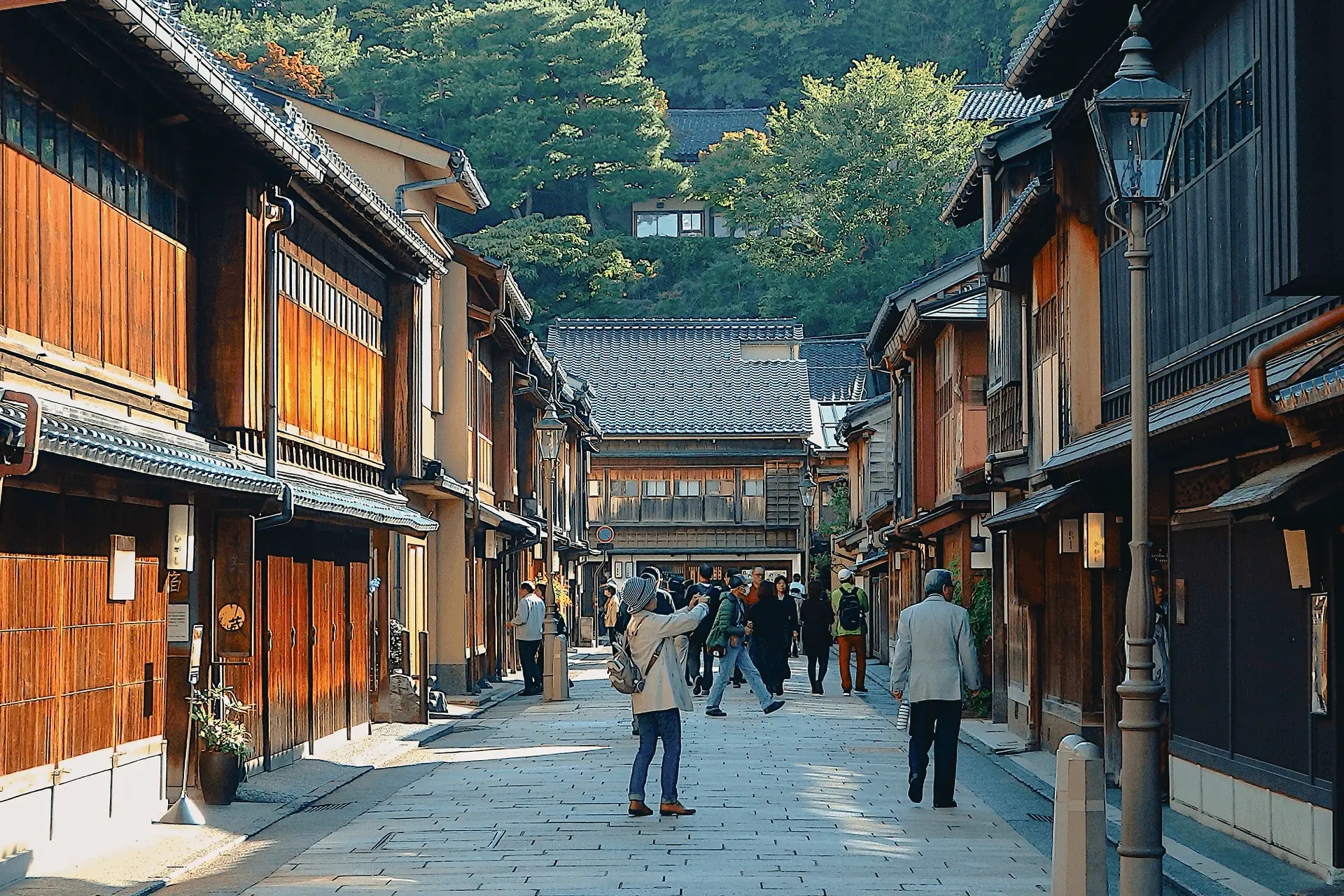
Higashi Chaya is a historic geisha district that has been preserved to maintain its traditional atmosphere. The district features wooden teahouses, narrow alleys, and a variety of shops and restaurants.
Cultural
1-2 hours
Free to explore, costs vary for shops and restaurants
Omicho Market
Omicho Market is a bustling seafood market that offers a wide variety of fresh seafood, produce, and local specialties. The market is a great place to sample Kanazawa's famous seafood dishes and pick up souvenirs.
Food
1 hour
Free to explore, costs vary for food and souvenirs
Nagamachi Samurai District
Nagamachi was the former samurai district of Kanazawa, and many of the original samurai residences have been preserved. The district features narrow streets, traditional houses, and several museums.
Historical
1-2 hours
Free to explore, costs vary for museums and exhibits
Must-Try Local Dishes
Kaisendon (Seafood Bowl)
A bowl of rice topped with fresh, local seafood such as crab, shrimp, and scallops. Kanazawa is famous for its kaisendon, which features a variety of seafood sourced from the nearby Sea of Japan.
Lunch/Dinner
Contains seafood, not suitable for vegetarians or vegans
Jibuni (Duck Stew)
A traditional Kanazawa dish made with duck, tofu, and vegetables in a rich, flavorful broth. Jibuni is a hearty and comforting dish that is perfect for cold weather.
Dinner
Contains meat, not suitable for vegetarians or vegans
Gold Leaf Ice Cream
A unique and luxurious dessert made with local gold leaf, which adds a delicate crunch and a touch of elegance. The gold leaf is edible and safe to consume.
Dessert
Contains dairy, may contain allergens
Kanazawa Sake
Kanazawa is known for its high-quality sake, which is brewed using local ingredients and traditional methods. The city has several sake breweries that offer tours and tastings.
Drink
Contains alcohol
Popular Activities
Hiking in Mount Hakusan
Onsen hopping in Kaga Onsen
Exploring Shirakawa-go's traditional villages
Staying in a traditional ryokan
Exploring Kanazawa's gardens and parks
Visiting Kanazawa's historic districts
Attending a traditional tea ceremony
Exploring Kanazawa's museums and art galleries
Best Time to Visit
Spring (March to May) and Autumn (September to November)
Spring brings cherry blossoms and pleasant weather, while autumn offers vibrant foliage and comfortable temperatures. These seasons are ideal for outdoor activities and sightseeing.
10°C to 25°C
50°F to 77°F
Practical Information
Language
- Official: Japanese
- Widely spoken: English (limited)
- English: Limited
Currency
Japanese Yen (JPY)
Time Zone
GMT+9
Electricity
100VV, 50/60HzHz
Safety Information
Overall Safety Rating: Very safe
Kanazawa is a very safe city with a low crime rate. Violent crime is rare, and petty crime such as pickpocketing and theft is uncommon. The city is generally safe for solo travelers, women, and LGBTQ+ travelers, but it's important to exercise common sense and take precautions to ensure a safe and enjoyable trip.
Important Precautions:
- • Be cautious when using taxis, and insist on using the meter
- • Avoid unsolicited offers for tours or services
- • Keep valuables secure and out of sight in crowded areas
Getting there
By air
- Komatsu Airport • 30 km from Kanazawa
By train
Kanazawa Station
By bus
Kanazawa Station Bus Terminal, Hokuriku Expressway Bus Stops
Getting around
Public transport
The Kanazawa Loop Bus is a convenient and affordable way to get around the city. It operates on several routes and offers unlimited rides with a day pass.
Taxis
Available • Apps: JapanTaxi, DiDi
Rentals
Car, Bike, Scooter
Neighborhoods
Kata-machi
Higashi Chaya District
Nagamachi District
Korinbo
Day trips
Shirakawa-go
60 km from Kanazawa • Full day
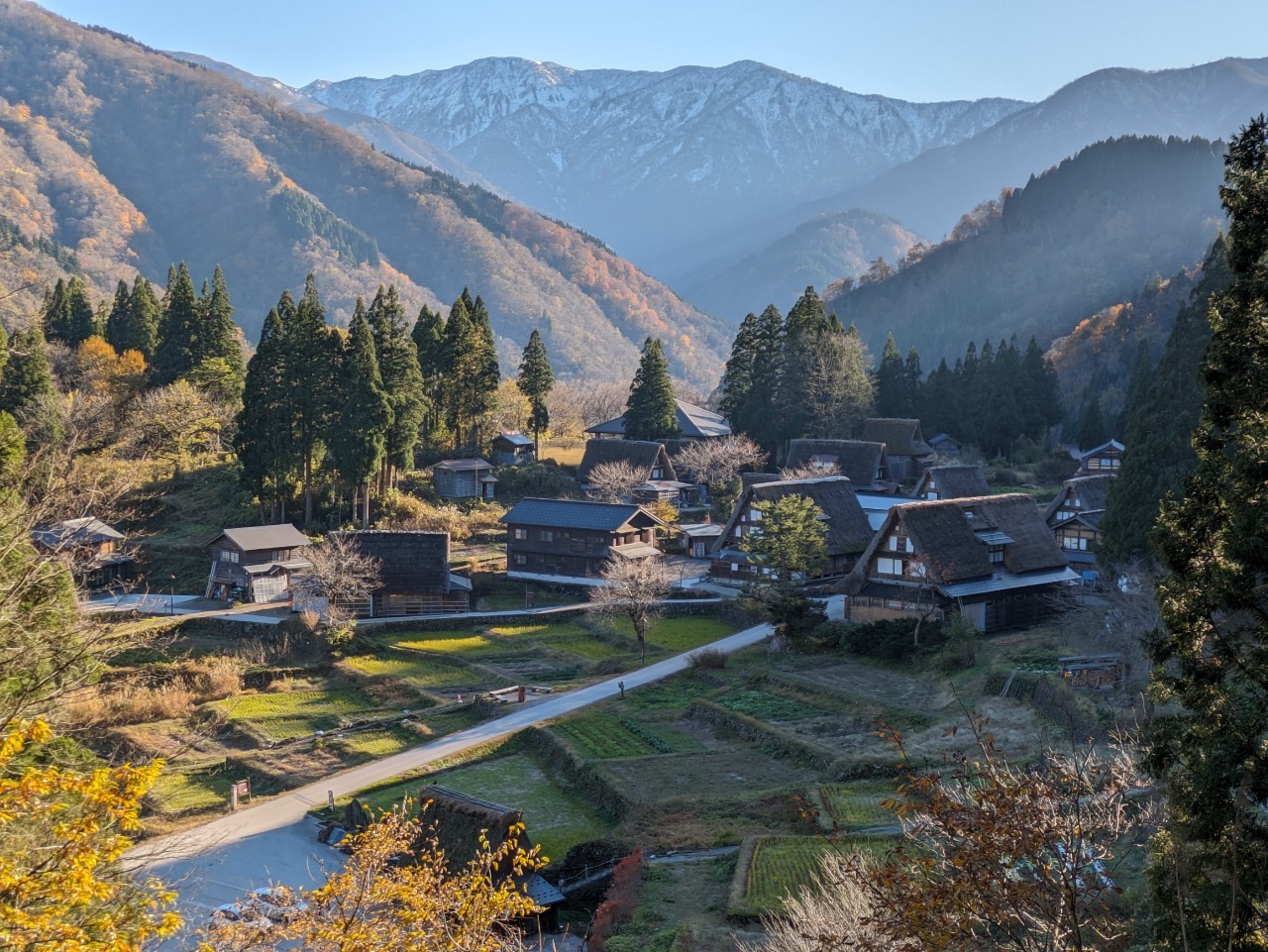
Shirakawa-go is a remote mountain village known for its traditional gassho-zukuri farmhouses, which are UNESCO World Heritage Sites. The village is especially stunning during the winter when the heavy snow creates a picturesque landscape.
Kaga Onsen
30 km from Kanazawa • Half day to full day
Kaga Onsen is a group of hot spring towns in Ishikawa Prefecture, known for their therapeutic waters and traditional ryokan (inns). The area offers a variety of hot spring experiences, from public baths to private onsen in ryokan.
Mount Hakusan
50 km from Kanazawa • Full day to overnight
Mount Hakusan is one of Japan's three holy mountains and is known for its stunning natural beauty and hiking trails. The mountain offers a variety of hiking routes, from easy day hikes to challenging multi-day treks.
Festivals
Kanazawa Hyakumangoku Festival • June
Kanazawa Gold Leaf Festival • October
Kanazawa Samurai Festival • November
Pro tips
- Visit Kenrokuen Garden early in the morning or late in the afternoon to avoid crowds and enjoy the stunning seasonal views
- Try gold leaf ice cream, a unique and delicious Kanazawa specialty
- Explore the narrow alleys and hidden courtyards of the Nagamachi Samurai District for a glimpse into Kanazawa's samurai history
- Attend a traditional tea ceremony or geisha performance for a memorable cultural experience
- Shop for gold leaf products and traditional crafts in the Higashi Chaya District for unique souvenirs
From $25
per person
Price varies by option
Secure booking
Free cancellation available
Instant confirmation