Walking Tour of Takayama Festival Floats and Historic Street
Active
4h
For a full refund, cancel at least 24 hours before the scheduled departure time.
Instant confirmation
Mobile or paper ticket accepted
About this experience
Experience the rich cultural heritage of Takayama through its most iconic festival traditions. This half-day walking tour takes you through the history and artistry behind the Takayama Festival, considered one of Japan’s most beautiful celebrations. Explore the elaborate festival floats at the Takayama Matsuri Yatai Museum, learn about the intricate craftsmanship that brings them to life, and visit Hachimangu Shrine, the spiritual home of the festival. Walk through the Old Town, where merchant houses and sake breweries reflect the enduring legacy of Takayama’s past, and start the day at the Takayama Morning Markets, where local flavors and crafts set the scene for this culturally immersive experience. Led by a knowledgeable, English-speaking guide, this tour is perfect for those looking to discover Takayama’s cultural treasures in just a few hours.
Available options
Join in the Morning - 9:00AM
Morning Tour
Join in the Afternoon -1:30PM
Afternoon Tour
What's included
English speaking guide
Admission to one of the traditional houses in the Old Town
Admission to the Takayama Matsuri Yatai Museum and Sakurayama Nikkokan Museum
Guided tour through Takayama
Detailed itinerary
1
Stop 1
The tour begins at Takayama Station, where you’ll meet your guide before heading to visit the Takayama Matsuri Yatai Museum, where you’ll see the breathtaking festival floats up close. These elaborately decorated Yatai, or festival floats, are used in the Takayama Festival, one of Japan’s most celebrated events.
Your guide will explain the intricate carvings, moving mechanical dolls, and traditional lacquerwork that make each float a masterpiece of craftsmanship. Gain insight into how these floats are preserved and paraded through the streets during the festival.
2
In addition to the Takayama Matsuri Yatai Museum, this tour also includes a visit to the Sakurayama Nikkokan Museum, offering an added layer of historical and artistic insight. This museum houses stunning, detailed scale replicas of Nikko Toshogu Shrine, one of Japan’s most ornate and revered shrines. The intricate craftsmanship of these models showcases the same dedication to detail and artistry found in Takayama’s festival floats, making it a perfect complement to the Yatai Museum experience.
3
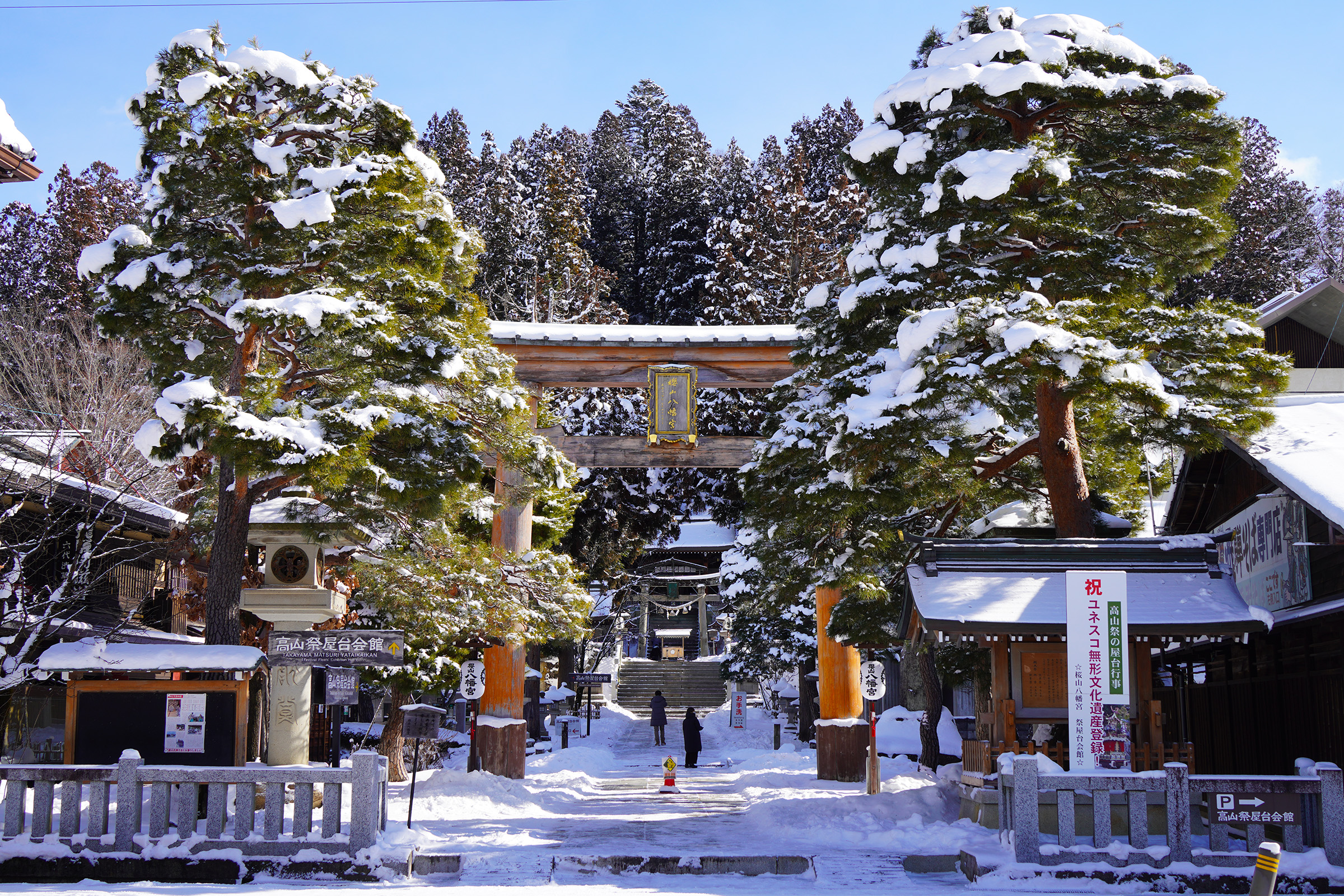
From there, continue to Hachimangu Shrine, the sacred site that serves as the focal point of the autumn festival. This historic shrine has long been associated with the festival, where ceremonial processions and performances take place each year. Learn about the deep connection between the shrine and the community, and the long-standing traditions that keep Takayama’s festival culture alive.
4
Stop 4
Finally, begin a leisurely walk through Takayama’s Old Town, where Edo-period merchant houses, sake breweries, and traditional shops line the streets, preserving the city's rich heritage. As you stroll through the well-preserved wooden buildings, step inside one of the traditional houses, where you’ll gain insight into the architectural style and daily life of Takayama’s past. Your guide will provide further historical context, making this visit a highlight of the Old Town experience.
The tour concludes in the heart of the Old Town, where you can continue exploring on your own or walk back to Takayama Station with the guide. This experience offers the perfect introduction to Takayama’s festival heritage, blending history, tradition, and immersive storytelling in a short yet enriching half-day tour.
What's not included
Lunch
Accommodation
Available languages
Guide guide
EN
Important information
Infants and small children can ride in a pram or stroller
Public transportation options are available nearby
Suitable for all physical fitness levels
Tour Availability Disclaimer All listed events, activities, and experiences are subject to availability. Please note that while certain tour options may appear bookable through our platforms, this does not guarantee that every experience can be carried out as scheduled in the tour itinerary. Many activities require direct confirmation with our partner venues, and availability may vary based on the date and other factors. Should any part of your ordered itinerary require adjustment or deviation from the original schedule, or if a specific experience is unavailable, we will contact you promptly to discuss suitable alternatives or amendments.
Meeting point
The meetup point is outside of the ticket gates at JR Takayama Station. Once you have left the gates, look to your left to see a walkway and a carving depicting an ornate wagon. You may wait nearby there until the tour begins at 9:00 A.M.
About Takayama
Takayama is a charming mountain town in the Japanese Alps known for its well-preserved Edo-era streets, traditional architecture, and rich cultural heritage. It offers a glimpse into Japan's past with its historic districts, vibrant festivals, and delicious local cuisine, particularly its famous Hida beef and sake.
Top Attractions
Old Town (Sannomachi Street)
This well-preserved Edo-era district features beautifully maintained merchant houses, wooden facades, and traditional shops. It's a UNESCO World Heritage Site and the heart of Takayama's cultural heritage.
Historical/Architecture
2-3 hours
Free to explore (individual shops may charge)
Hida Folk Village (Hida no Sato)
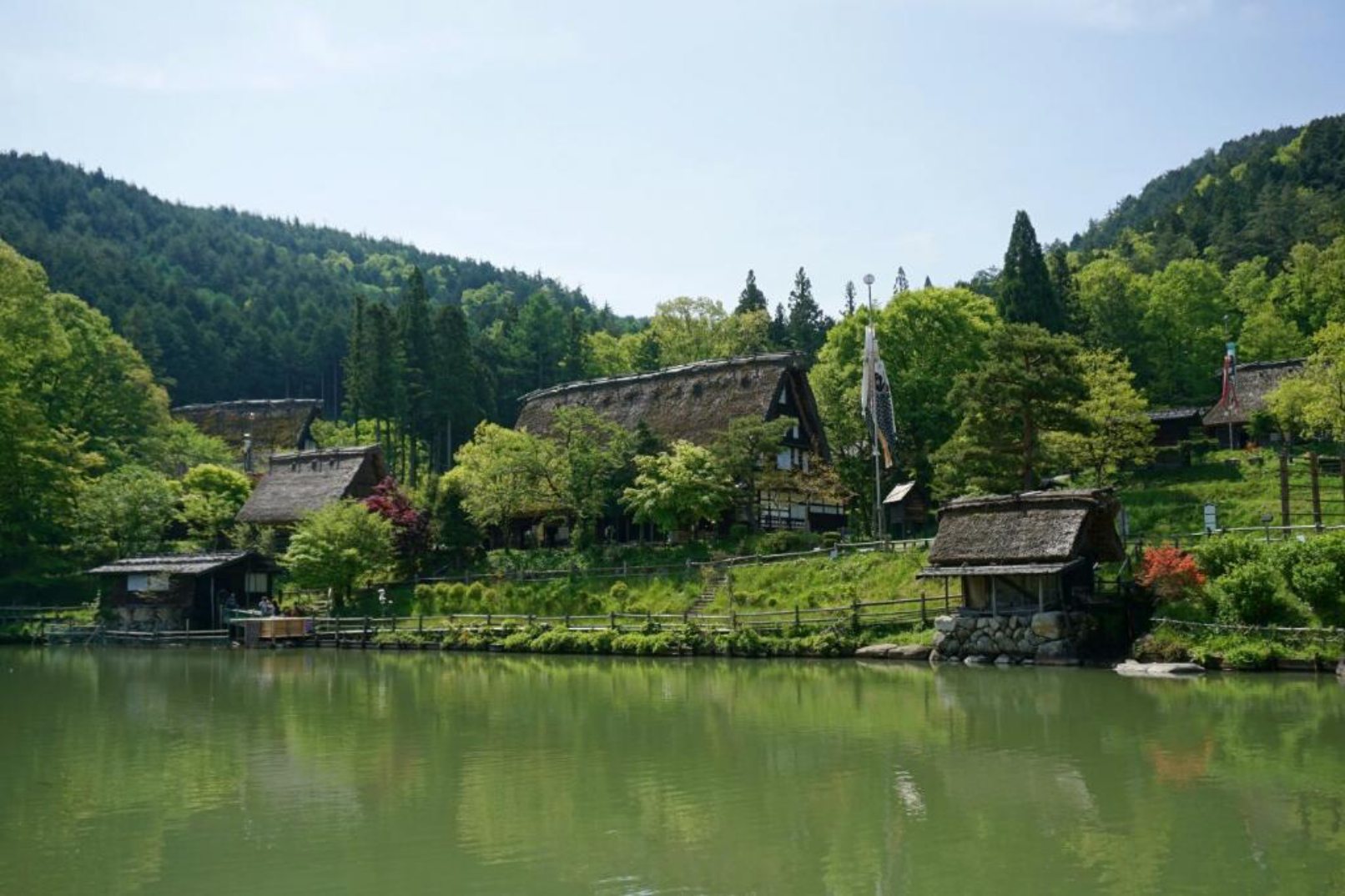
An open-air museum featuring 30 traditional thatched-roof houses from the Hida region, showcasing the rural life and architecture of the Edo period.
Cultural/Historical
1-2 hours
600 JPY
Takayama Morning Market
A lively market offering local produce, crafts, and street food. It's a great place to experience the local culture and sample regional delicacies.
Cultural/Market
30 minutes to 1 hour
Free to enter (costs vary for food and items)
Takayama Jinya
A historic government office from the Edo period, now a museum showcasing the region's history and the samurai era. It features exhibits on local governance, trade, and daily life.
Historical/Museum
1 hour
320 JPY
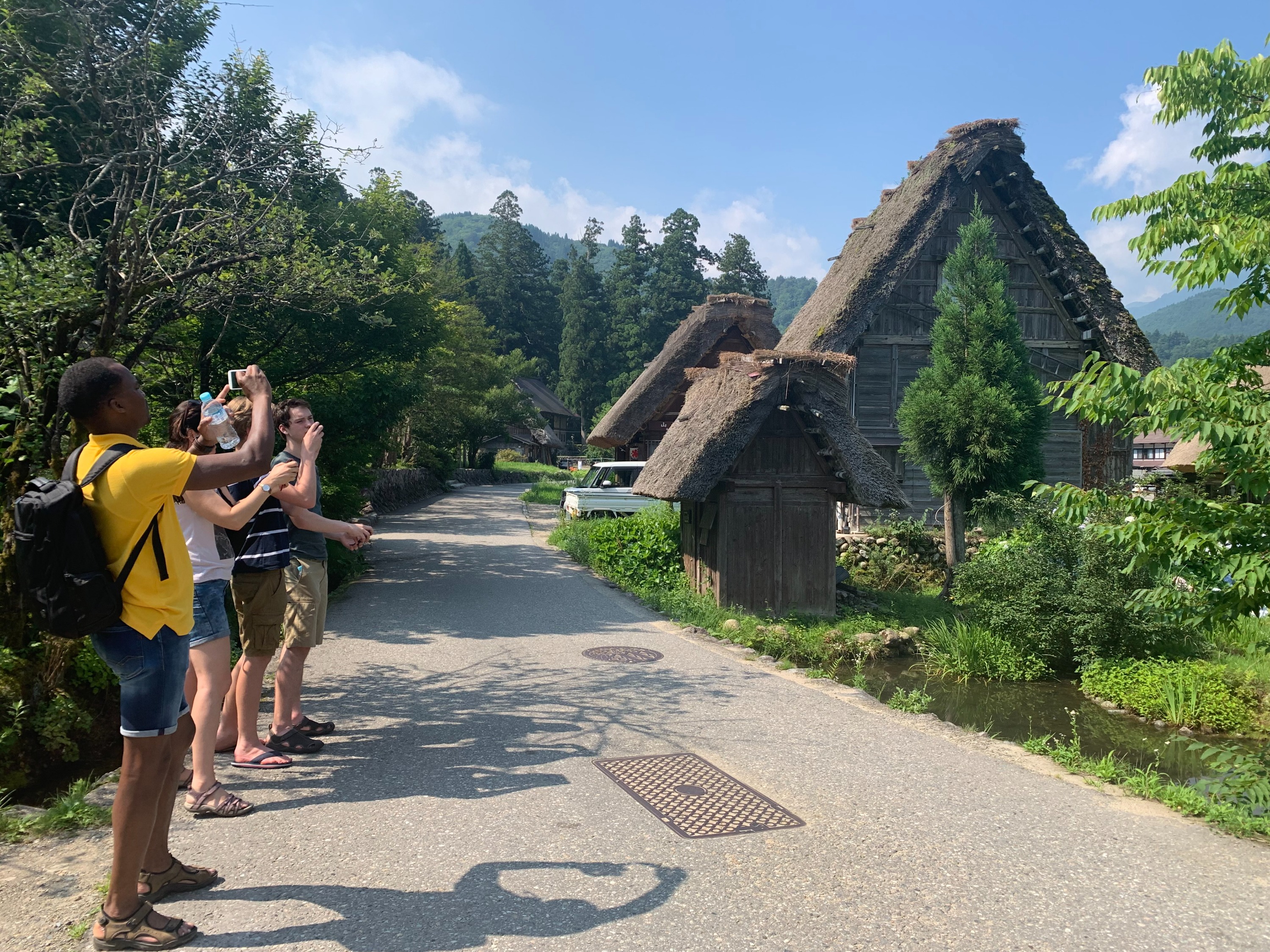
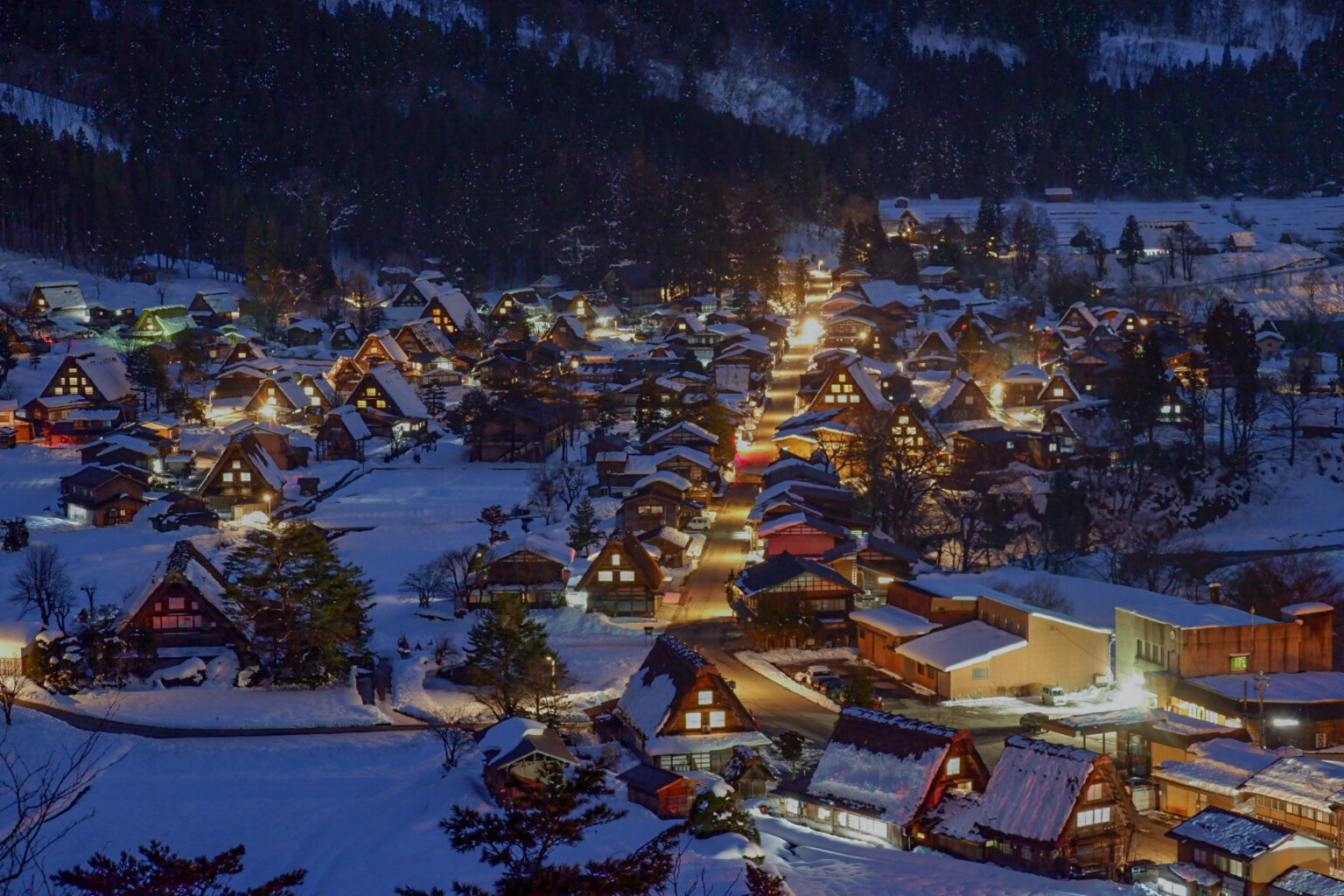
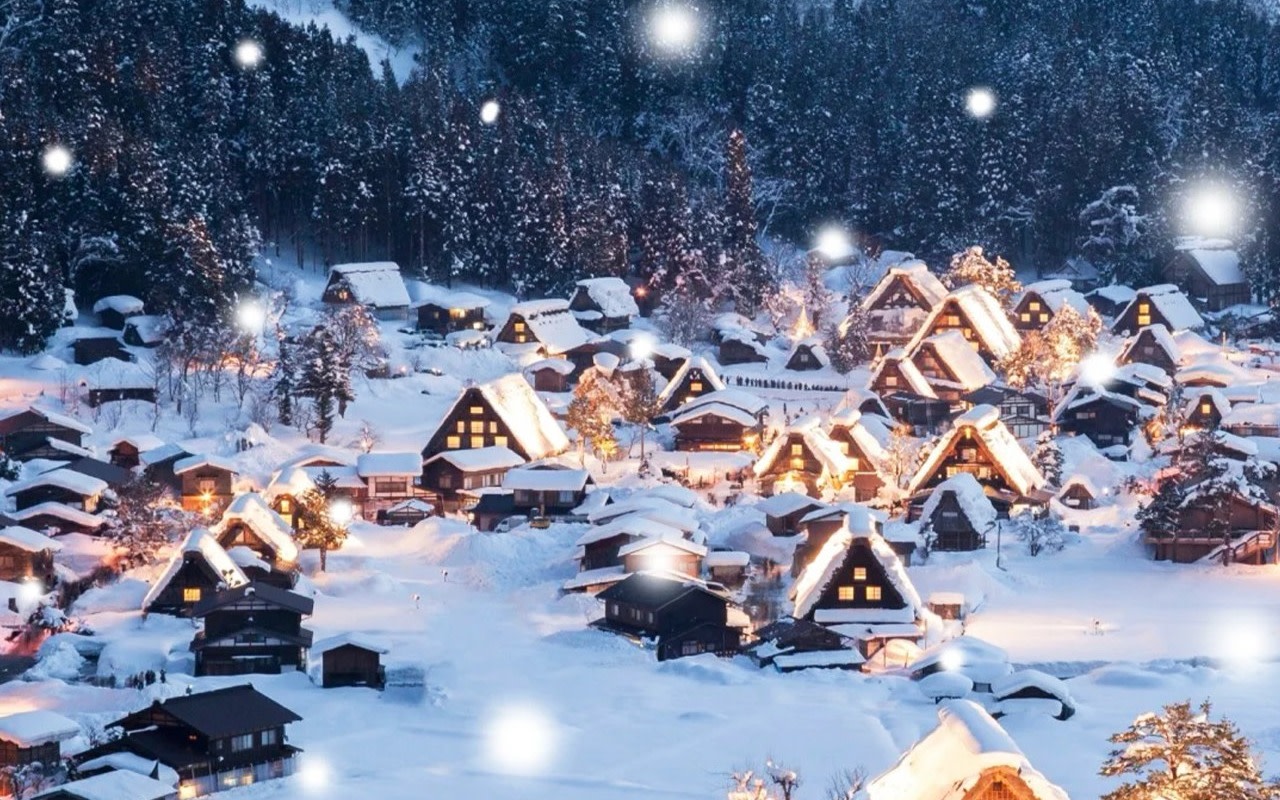
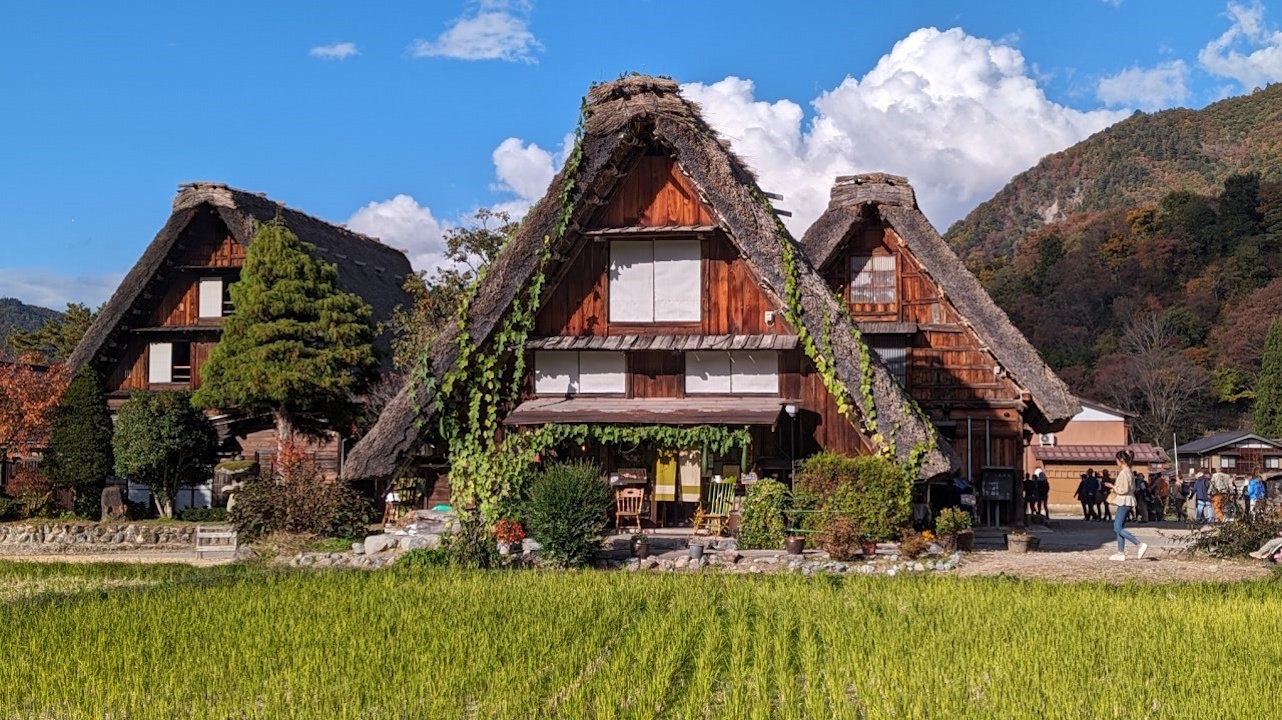
Shirakawa-go
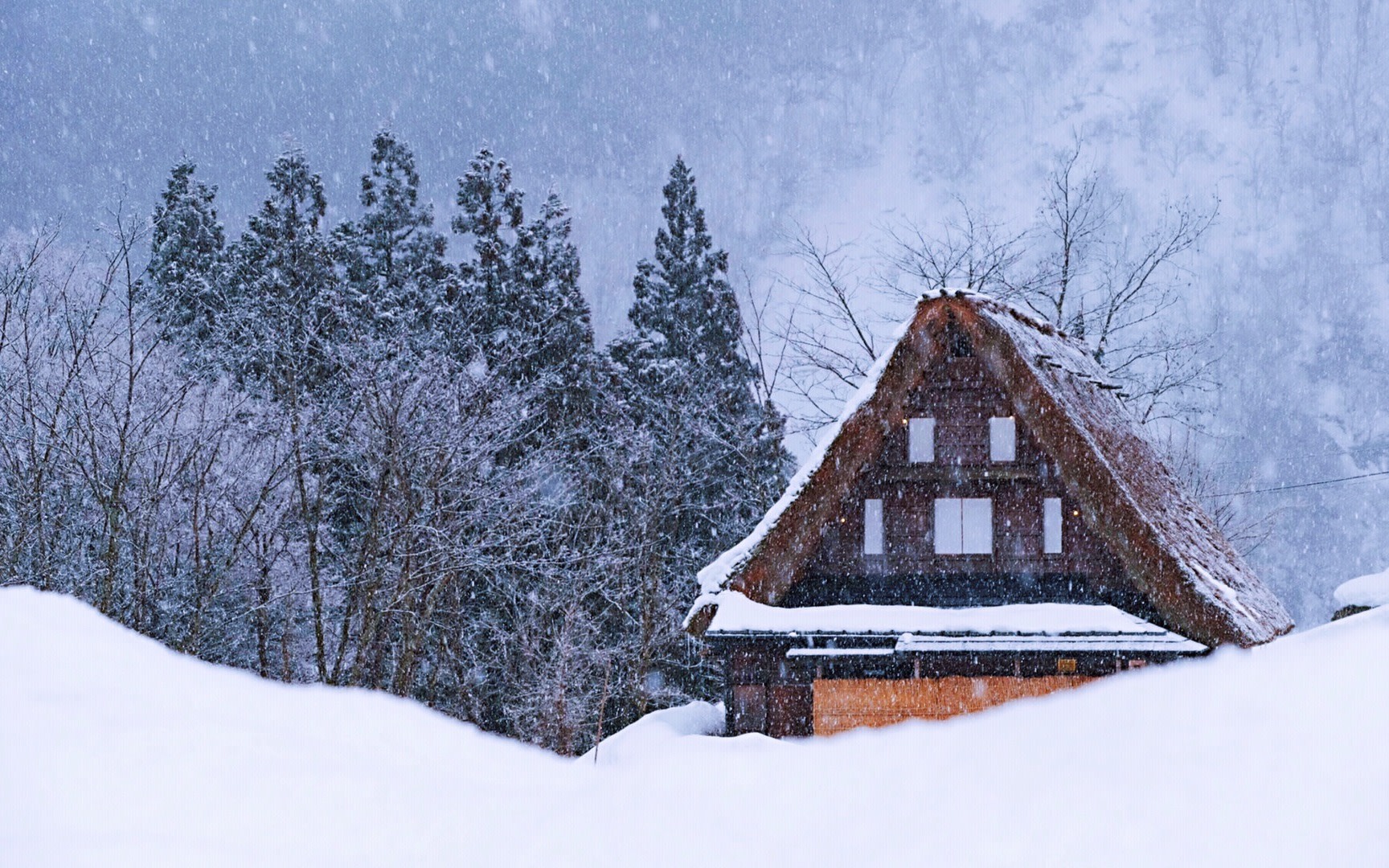
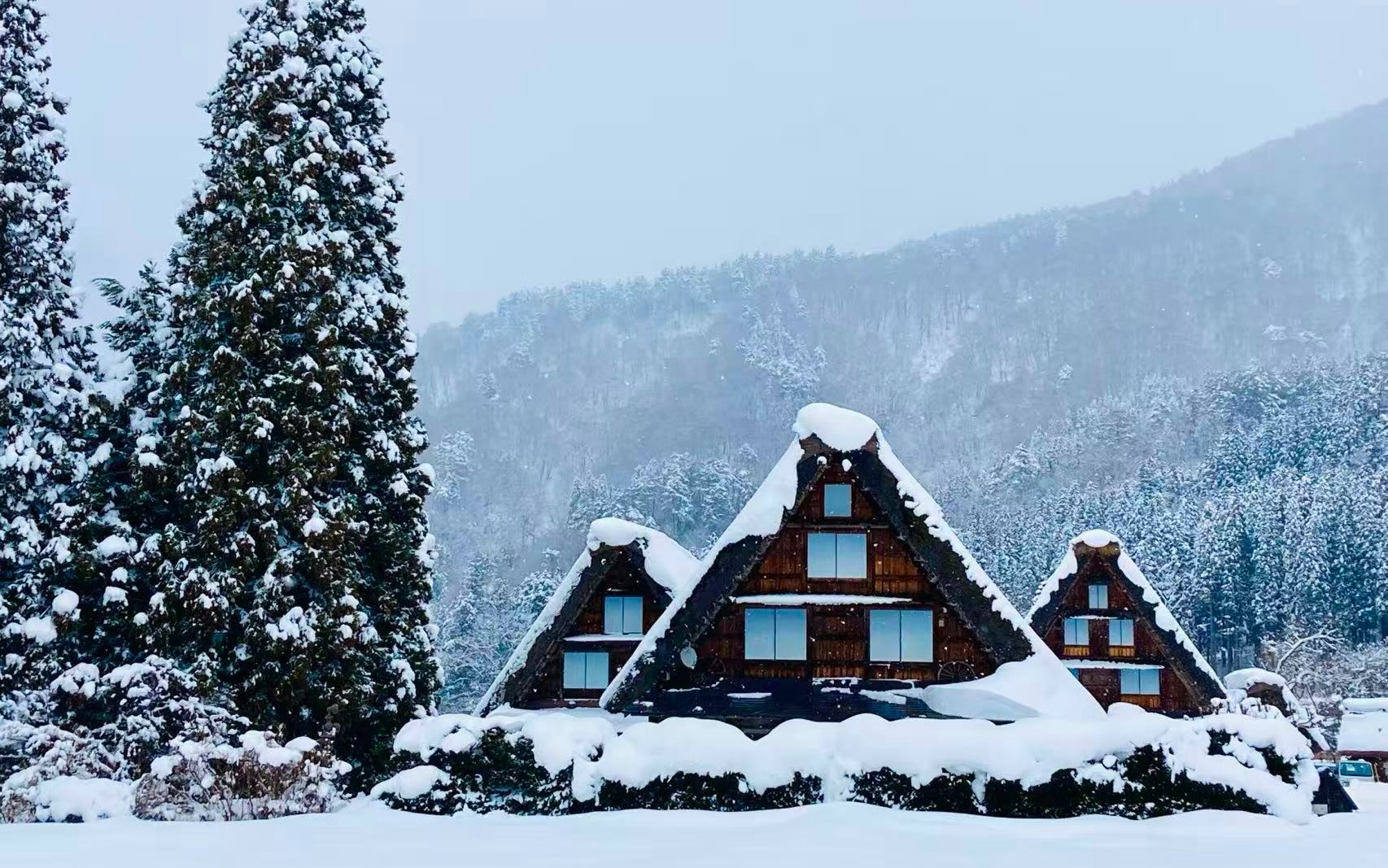
A UNESCO World Heritage Site featuring traditional thatched-roof farmhouses, known as gassho-zukuri. This remote mountain village offers a unique glimpse into rural Japanese life.
Cultural/Historical
Half-day to full day
Free to enter the village (individual houses may charge for entry)
Must-Try Local Dishes
Hida Beef
A premium type of wagyu beef known for its tenderness and rich flavor. It's often served as sukiyaki or grilled.
Main Course
Contains beef, not suitable for vegetarians or vegans
Gohei Mochi
Grilled rice cakes skewered on bamboo sticks, often served with sweet soy glaze or miso paste.
Snack/Dessert
Vegetarian (check for miso or soy sauce if vegan)
Mitarashi Dango
Sweet rice dumplings skewered and grilled, brushed with a sweet soy-based glaze.
Snack/Dessert
Vegetarian (check for soy sauce if vegan)
Hoba Miso
Grilled miso paste on magnolia leaves, often topped with vegetables and Hida beef.
Main Course
Contains miso (fermented soybean paste), may contain beef
Popular Activities
Hiking in the Japanese Alps
Mountain biking
River rafting in the summer
Onsen bathing
Traditional tea ceremonies
Strolling through the old town
Visiting temples and shrines
Attending local festivals
Best Time to Visit
Spring (April to May) and Autumn (October to November)
These seasons offer comfortable temperatures and beautiful scenery, with cherry blossoms in spring and vibrant foliage in autumn. It's the best time for sightseeing and outdoor activities.
10°C to 20°C
50°F to 68°F
Practical Information
Language
- Official: Japanese
- Widely spoken: English (limited)
- English: Limited
Currency
Japanese Yen (JPY)
Time Zone
Japan Standard Time (JST, GMT+9)
Electricity
100VV, 50/60Hz (varies by region)Hz
Safety Information
Overall Safety Rating: Very safe
Takayama is a very safe destination with low crime rates. Violent crime is rare, and petty crime is uncommon. The town is well-maintained, and the locals are friendly and helpful.
Important Precautions:
- • Keep valuables secure and out of sight
- • Be cautious when using ATMs, especially at night
- • Avoid walking alone in isolated areas late at night
Getting there
By air
- Chubu Centrair International Airport • 100 km
- Nagoya Airfield (Komaki Airport) • 150 km
By train
Takayama Station
By bus
Takayama Bus Terminal
Getting around
Public transport
Buses are the primary mode of public transport. They are punctual and cover most tourist areas. A day pass is available for unlimited rides.
Taxis
Available • Apps: JapanTaxi, DiDi
Rentals
Car, Bike, Scooter
Neighborhoods
Old Town (Sannomachi Street)
Kamisannomachi
Higashiyama
Day trips
Shirakawa-go
60 km • Half-day to full day
A UNESCO World Heritage Site featuring traditional thatched-roof farmhouses, known as gassho-zukuri. This remote mountain village offers a unique glimpse into rural Japanese life.
Kamikochi
50 km • Full day
A scenic alpine area in the Japanese Alps, offering stunning mountain views, hiking trails, and outdoor activities.
Gero Onsen
30 km • Half-day
A famous hot spring town known for its beautiful natural surroundings and historic inns. It's one of Japan's three most famous hot spring resorts.
Festivals
Takayama Festival (Takayama Matsuri) • April 14-15 (Spring Festival) and October 9-10 (Autumn Festival)
Winter Light-Up Festival • December to February
Hida Folk Village Festival • Various dates throughout the year (check schedule)
Pro tips
- Visit the Takayama Tourism Association for a free map and guide, as well as information on local events and attractions
- Try the famous Takayama ramen, a local noodle dish with a rich, miso-based broth
- Experience a traditional ryokan stay, complete with multi-course kaiseki meals and onsen baths
- Explore the old town in the evening when the streets are illuminated, creating a magical atmosphere
- Visit the morning market for a taste of local culture and to sample regional delicacies like gohei mochi and mitarashi dango
From $25
per person
Price varies by option
Secure booking
Free cancellation available
Instant confirmation




![[Nagoya Departure | Small Group Tour] Hida Takayama Old Town + World Heritage Shirakawa-go Gassho Village Day Trip](https://res.klook.com/image/upload/activities/okdwcuwsw1hhyxf2c9yh.jpg)