Private tour: Khor Virap, Areni winery, Noravank, Tatev (Ropeway)
Active
13h
For a full refund, cancel at least 24 hours before the scheduled departure time.
Instant confirmation
Mobile or paper ticket accepted
About this experience
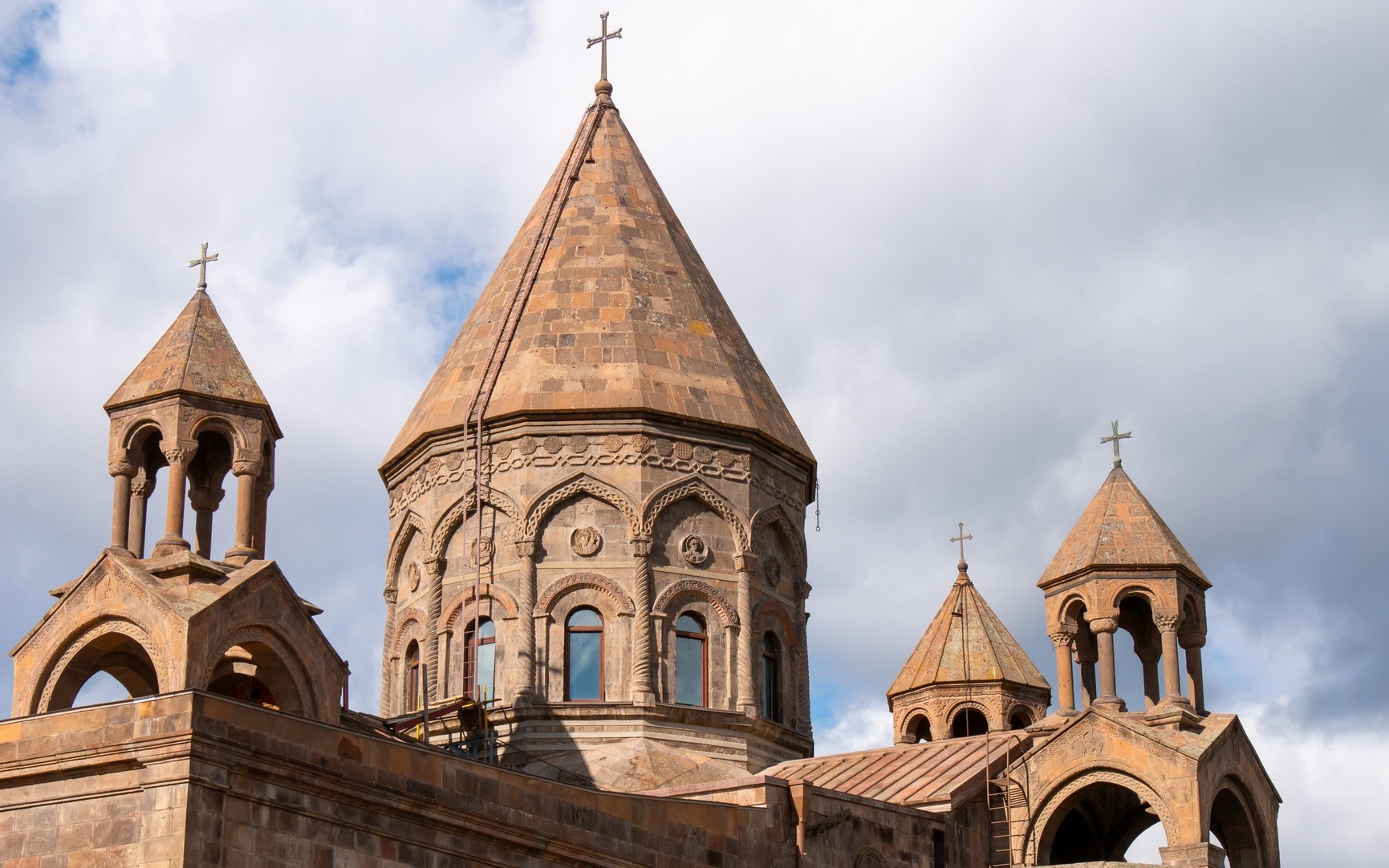
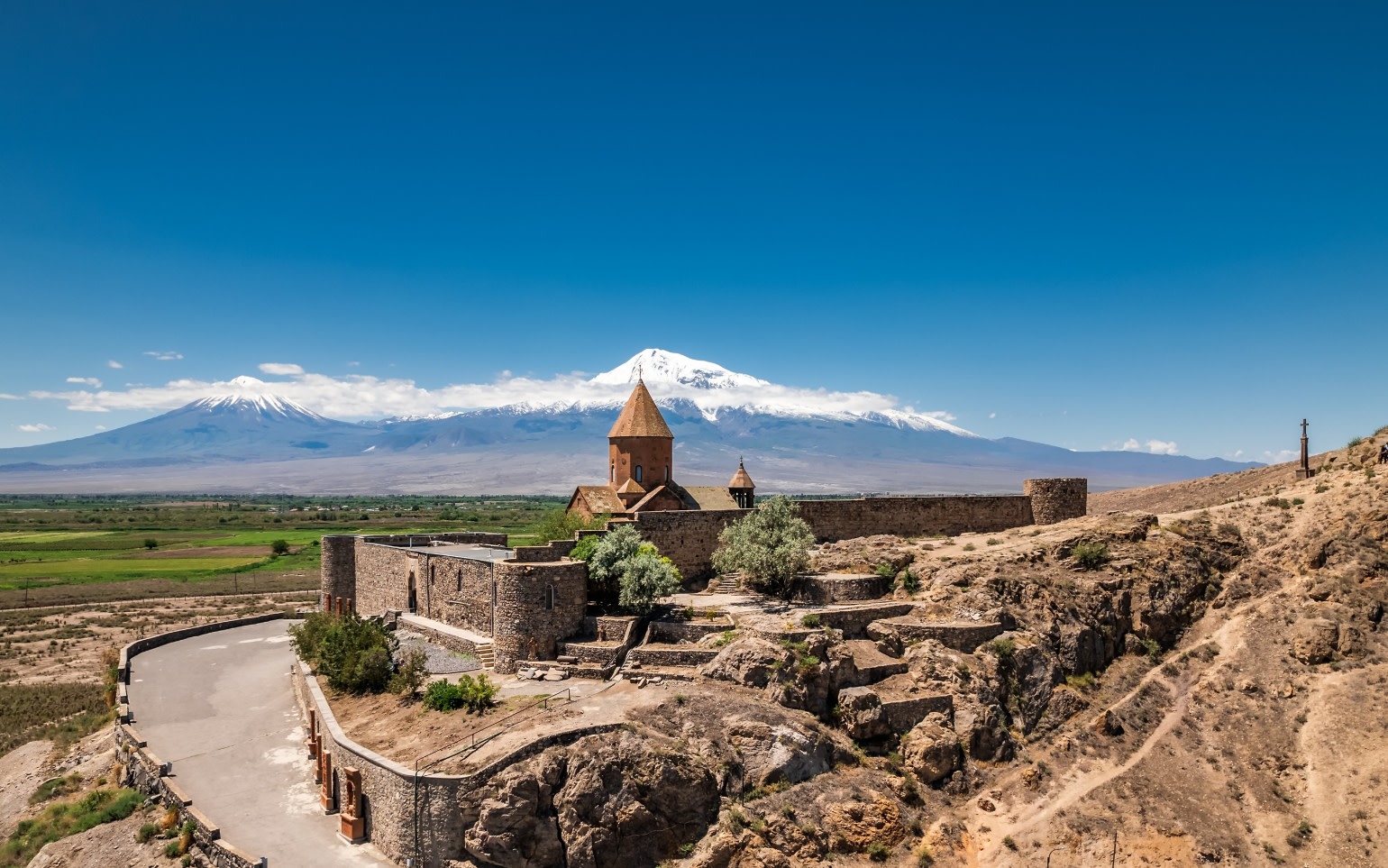
From Khor Virap you can enjoy the amazing view of the Mount Ararat. After you will visit the most famous medieval monuments in Armenian: Noravank and Tatev monasteries. On the way you have an opportunity to taste Armenian wine.
Available options
8-15 travellers without guide
sprinter/ minibus<br/>Pickup included
3-6 travellers with a guide
Private tour to Khor Virap, Areni winery, Noravank, Tatev <br/>Pickup included
7-15 travellers with a guide
driver and guide<br/>Pickup included
1-2 travellers with a guide
Private tour to Khor Virap, Areni winery, Noravank, Tatev <br/>Pickup included
4-7 travellers without guide
Private tour to Khor Virap, Areni winery, Noravank, Tatev <br/>Pickup included
1-3 travellers without guide
Private tour to Khor Virap, Areni winery, Noravank, Tatev <br/>Pickup included
What's included
Hotel pickup and drop-off
Transport by air-conditioned vehicle according to the number of participants
Detailed itinerary
1
Stop 1
Khor Virap is a holy site of historical significance located in Armenia at the foot of Mount Ararat. It is a monastery deeply rooted in history and associated with the legend of Saint Gregory the Illuminator, who spent 13 years in the monastery underground dungeon.
This monastery attracts not only believers but also those who appreciate history and cultural heritage. Its walls offer a magnificent view of Mount Ararat, creating a stunning landscape for visitors.
Khor Virap carries a mystical atmosphere and the significance of historical events, accompanied by the beauty of the surrounding landscape. It is a place where one can sense spiritual greatness, immerse oneself in historical heritage, and enjoy breathtaking views of mountains and nature.
2
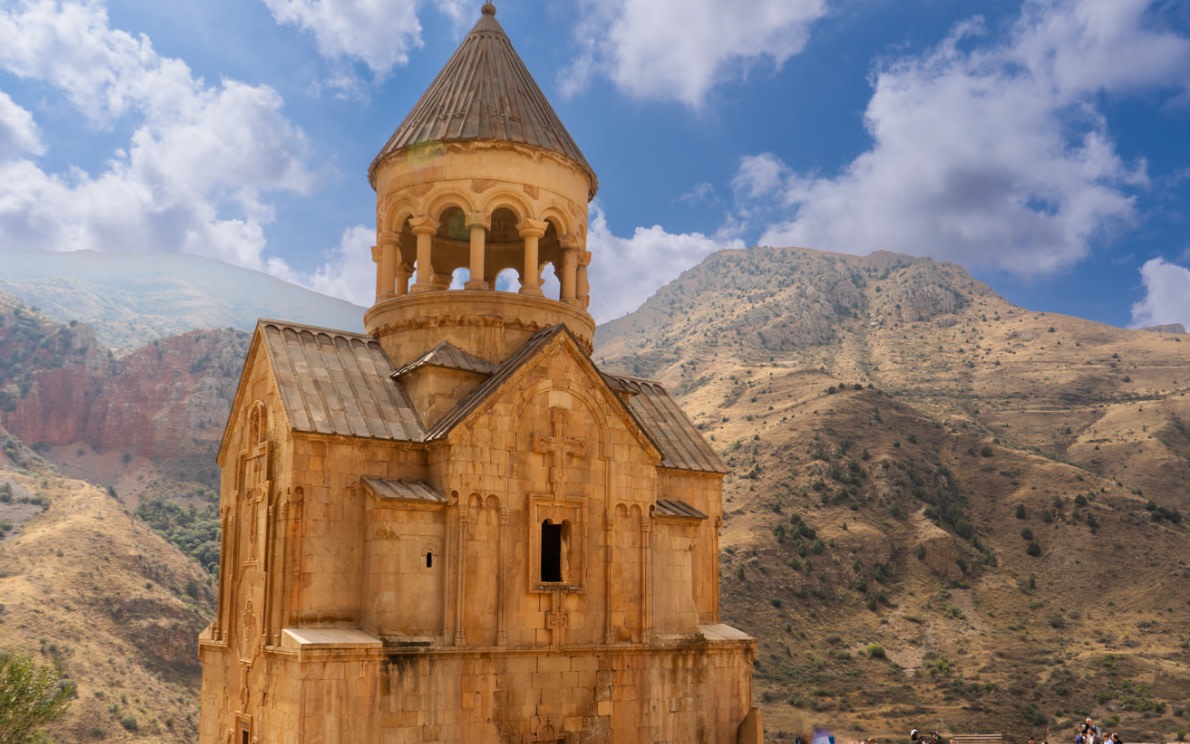
Noravank isn't just a historical site; it's a sanctuary where the essence of Armenian spirituality and architectural prowess converge, offering visitors a glimpse into the country's rich heritage and stunning natural beauty.
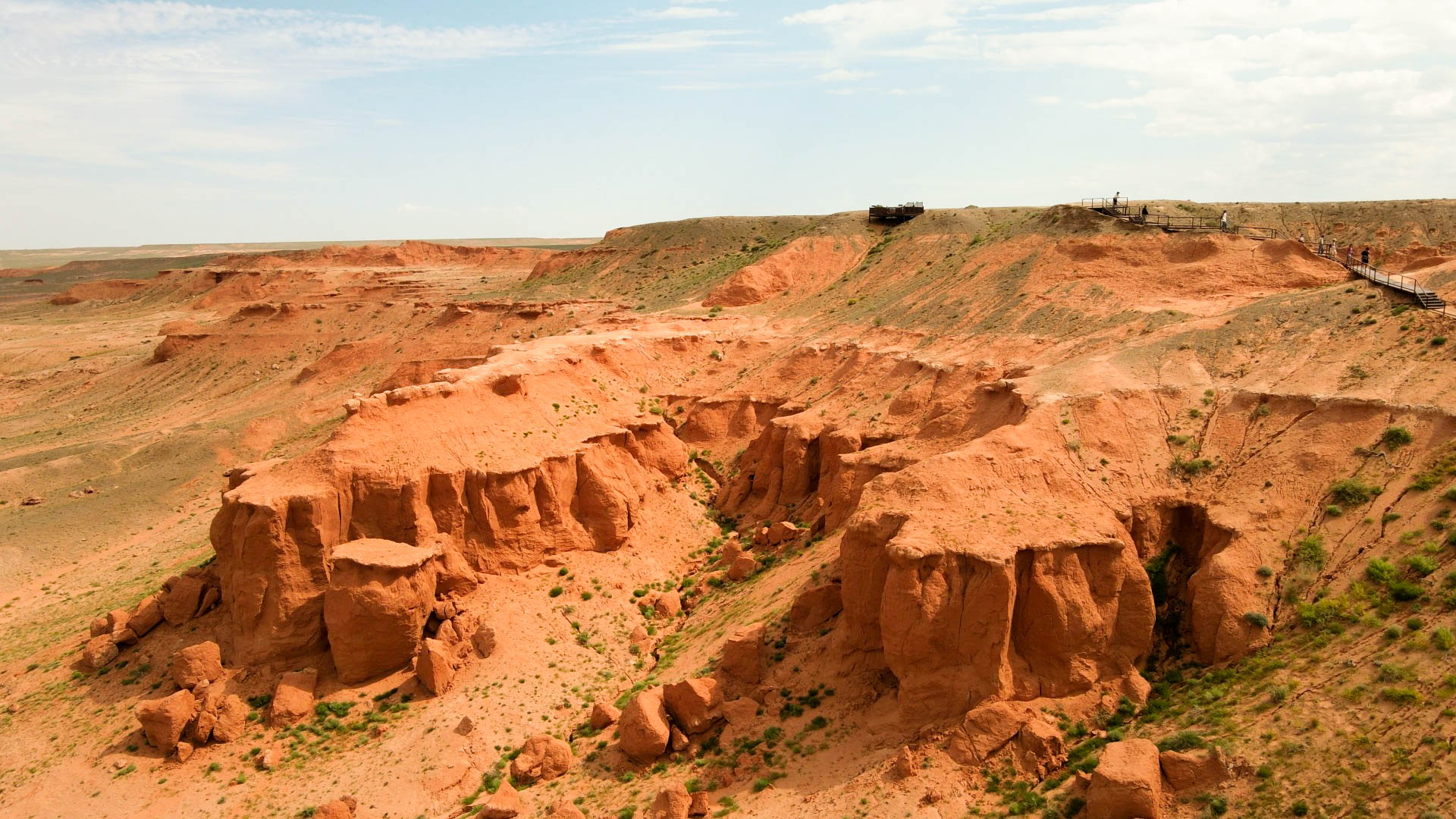
Perched on reddish cliffs, Noravank is a masterpiece of medieval Armenian architecture, blending harmoniously with its natural surroundings. Dating back to the 12th century, it stands as a testament to the artistic brilliance of the time. The Surb Astvatsatsin Church, the main church of Noravank, showcases intricate carvings and detailed ornamentation, displaying the craftsmanship and skill of Armenian artisans.
Surrounded by towering cliffs that change color with the passing light, Noravank creates a breathtaking backdrop for spiritual contemplation and appreciation of history. The landscape's beauty invites visitors to explore its ancient walls, chapels, and khachkars (cross-stones) that narrate stories of faith and cultural richness.
3
The Areni region in Armenia is well known for its ancient winemaking traditions and the Areni Winery stands as a testament to this rich heritage. This area has a history of winemaking dating back thousands of years, often considered one of the oldest wine-producing regions globally.
A visit to the Areni Winery is not just about having the air of exceptional wines; it's an exploration of Armenia's winemaking heritage. Visitors can indulge in tastings, gaining insights into the diverse range of wines produced, from robust reds to crisp whites, each reflecting the unique terroir of the region.
Areni Winery stands as a proud ambassador of Armenia's winemaking legacy, offering a glimpse into the country's vinicultural history while continuing to produce world-class wines that captivate enthusiasts worldwide.
4
Stop 4
Tatev Monastery, a jewel nestled amidst the rugged landscapes of southern Armenia, is a testament to ancient Armenian architecture, spiritual significance, and breathtaking vistas. The pearl of medieval Armenian architecture Tatev Monastery was built in the 9th-13th centuries. In translation from the old Armenian "tatev" means "give wings". Indeed, located at a great height, it seems that Tatev stretches upward to the sky. The walls seem to be a natural extension of the rock that raises it so high.
In the 14th and 15th centuries, the monastery hosted one of the most important Armenian medieval universities, the University of Tatev, which contributed to the advancement of science, religion and philosophy, reproduction of books and development of miniature painting. Scholars of the Tatev University contributed to the preservation of Armenian culture and creed during one of its most turbulent periods in its history.
5
The Tatev Ropeway, also known as the Wings of Tatev, is an aerial tramway in Armenia that connects the village of Halidzor with the Tatev Monastery. It holds the record for being the world's longest reversible aerial tramway, spanning a distance of about 5.7 kilometers. Construction was finished on 16 October 2010.
This engineering marvel was constructed to provide easy access to the remote Tatev Monastery, a historic site dating back to the 9th century and one of Armenia's most significant cultural and religious landmarks. The ropeway journey offers breathtaking views of the Vorotan River Gorge and the surrounding picturesque landscapes of the Syunik Province.
The ride on the Tatev Ropeway takes approximately 12 minutes, and it has become a popular tourist attraction in Armenia, offering visitors a unique way to reach the ancient monastery while enjoying stunning views of the countryside.
What's not included
Food and drinks
Lunch
Tatev ropeway ticket
Available languages
Guide guide
RU
EN
Reviews breakdown
Tripadvisor
5.0
1 reviews
5★
1
4★
0
3★
0
2★
0
1★
0
Important information
Travelers should have at least a moderate level of physical fitness
Dress code is smart casual
Operates in all weather conditions, please dress appropriately
About Yerevan
Yerevan, the capital of Armenia, is one of the world's oldest continuously inhabited cities, known for its rich history, vibrant culture, and stunning architecture. Nestled at the foot of Mount Ararat, the city offers a unique blend of ancient landmarks and modern amenities, making it a fascinating destination for travelers.
Top Attractions
Republic Square
The heart of Yerevan, Republic Square is famous for its architectural beauty and historical significance. The square is surrounded by notable buildings and features a beautiful fountain show in the evenings.
Historical/Architecture
1-2 hours
Free
Yerevan Cascade
The Yerevan Cascade is a massive staircase and fountain complex that offers stunning views of the city and Mount Ararat. It is a popular spot for both locals and tourists.
Architecture/Historical
1-2 hours
Free
Matenadaran
Matenadaran is a repository of ancient manuscripts and a significant cultural and scientific institution in Armenia. It houses a vast collection of manuscripts, including religious texts and historical documents.
Museum/Cultural
1-2 hours
500 AMD
Ararat Brandy Factory
The Ararat Brandy Factory offers tours where visitors can learn about the history of Armenian brandy and enjoy tastings of their famous brandies.
Historical/Cultural
1-2 hours
5000-10000 AMD
Blue Mosque
The Blue Mosque is a beautiful example of Islamic architecture in Yerevan. It is one of the few remaining mosques in the city and is a significant cultural and historical site.
Historical/Religious
30 minutes
Free
Must-Try Local Dishes
Khorovats
Grilled meat, typically lamb or pork, marinated in spices and served with lavash (Armenian flatbread).
Main Course
Contains meat
Lavash
A traditional Armenian flatbread, soft and thin, often served with meals.
Bread
Vegetarian, Vegan
Dolma
Grilled meatballs made with minced lamb and spices, wrapped in grape leaves.
Appetizer
Contains meat
Harissa
A traditional Armenian porridge made from wheat and chickpeas, often served during Lent.
Porridge
Vegetarian, Vegan
Popular Activities
Hiking in Dilijan National Park
Rock climbing in Garni Gorge
Swimming in Lake Sevan
Spa treatments in Yerevan
Visiting museums and historical sites
Attending festivals and events
Boating and swimming in Lake Sevan
Skiing in Tsaghkadzor
Best Time to Visit
April to June, September to October
These periods offer the best weather for exploring the city, with mild temperatures and clear skies. The city is lively with cultural events and festivals.
15-30°C
59-86°F
Practical Information
Language
- Official: Armenian
- Widely spoken: Russian, English
- English: Moderately spoken
Currency
Armenian Dram (AMD)
Time Zone
AMT (UTC+4)
Electricity
220VV, 50HzHz
Safety Information
Overall Safety Rating: Generally safe
Yerevan is generally safe for travelers, with low crime rates and a welcoming atmosphere. However, it is important to take basic precautions to ensure a safe and enjoyable trip.
Important Precautions:
- • Use licensed taxis or ride-hailing apps
- • Keep valuables secure in crowded areas
- • Research tour operators before booking
Getting there
By air
- Zvartnots International Airport • 12 km from city center
By train
Yerevan Railway Station
By bus
Northern Bus Station, Southern Bus Station
Getting around
Public transport
Buses and minibuses (marshrutkas) are the primary modes of public transport, covering most of the city.
Taxis
Available • Apps: Yandex.Taxi, GorTaxi
Rentals
Car, Bike
Neighborhoods
Kentron
Avan
Nork
Day trips
Garni Temple
25 km from Yerevan • Half day
Garni Temple is a ancient pagan temple dedicated to the sun god Mihr. It is one of the few remaining examples of pre-Christian Armenian architecture.
Geghard Monastery
30 km from Yerevan • Half day
Geghard Monastery is a UNESCO World Heritage Site known for its unique rock-cut architecture and historical significance.
Lake Sevan
60 km from Yerevan • Full day
Lake Sevan is the largest lake in Armenia and a popular destination for swimming, boating, and hiking.
Festivals
Yerevan International Film Festival • July
Golden Apricot Film Festival • July
Yerevan Wine Days • September
Pro tips
- Learn a few basic phrases in Armenian to enhance your experience and connect with locals
- Try the local cuisine, including traditional dishes like khorovats, lavash, and dolma
- Visit the Vernissage Market for unique souvenirs and crafts
- Explore the underground tunnels of Yerevan for a unique and fascinating experience
- Take a day trip to Garni Temple and Geghard Monastery for a glimpse into Armenia's rich history and culture
From $25
per person
Price varies by option
Secure booking
Free cancellation available
Instant confirmation