Krakow: River Cruise and Guided Visit to Schindler’s Factory
Active
2h
For a full refund, cancel at least 24 hours before the scheduled departure time.
Instant confirmation
Mobile or paper ticket accepted
About this experience
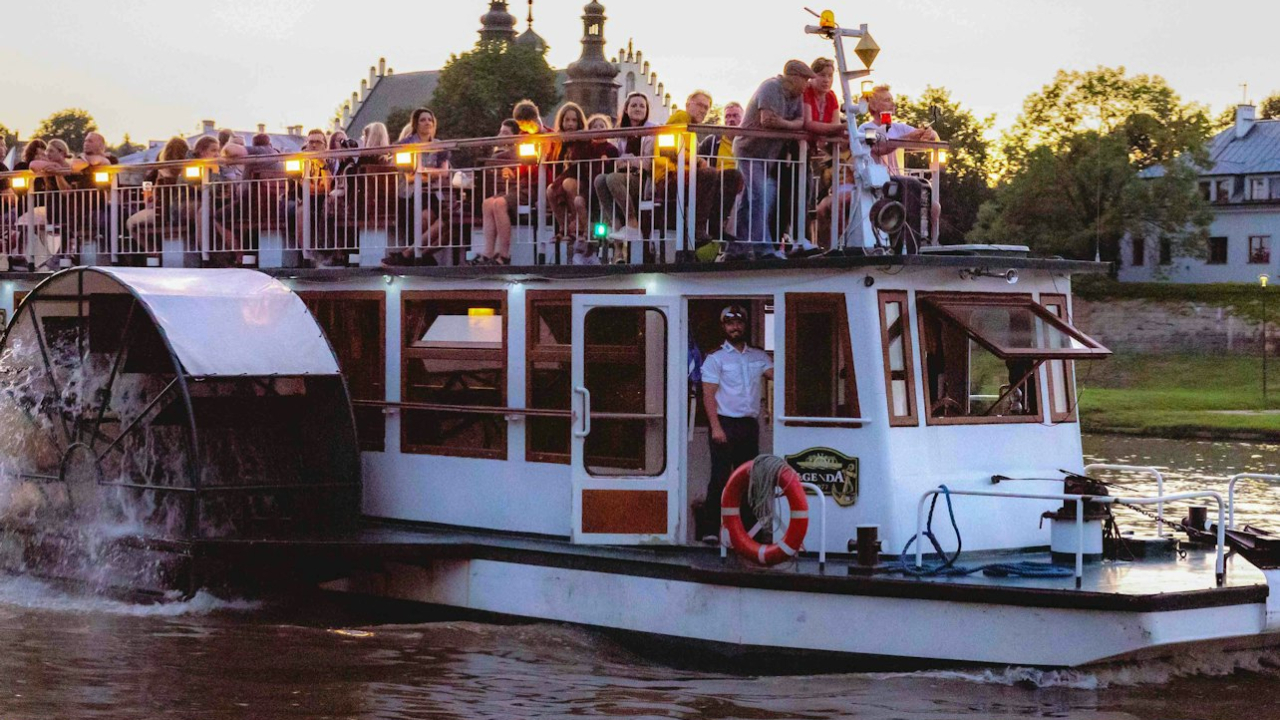
Begin with a relaxing Vistula River cruise, then experience Schindler’s Factory with a professional guide. Admission is included, lines avoided, and groups of 15+ enjoy headsets for an informative and comfortable visit.
Highlights:
• Visit Kraków’s most popular museum
• Skip the lines for a seamless museum visit
• Hear the story of Oskar Schindler and his factory
• Explore the exhibition Kraków under Nazi Occupation
• Admire Krakow’s landmarks from a unique riverside perspective
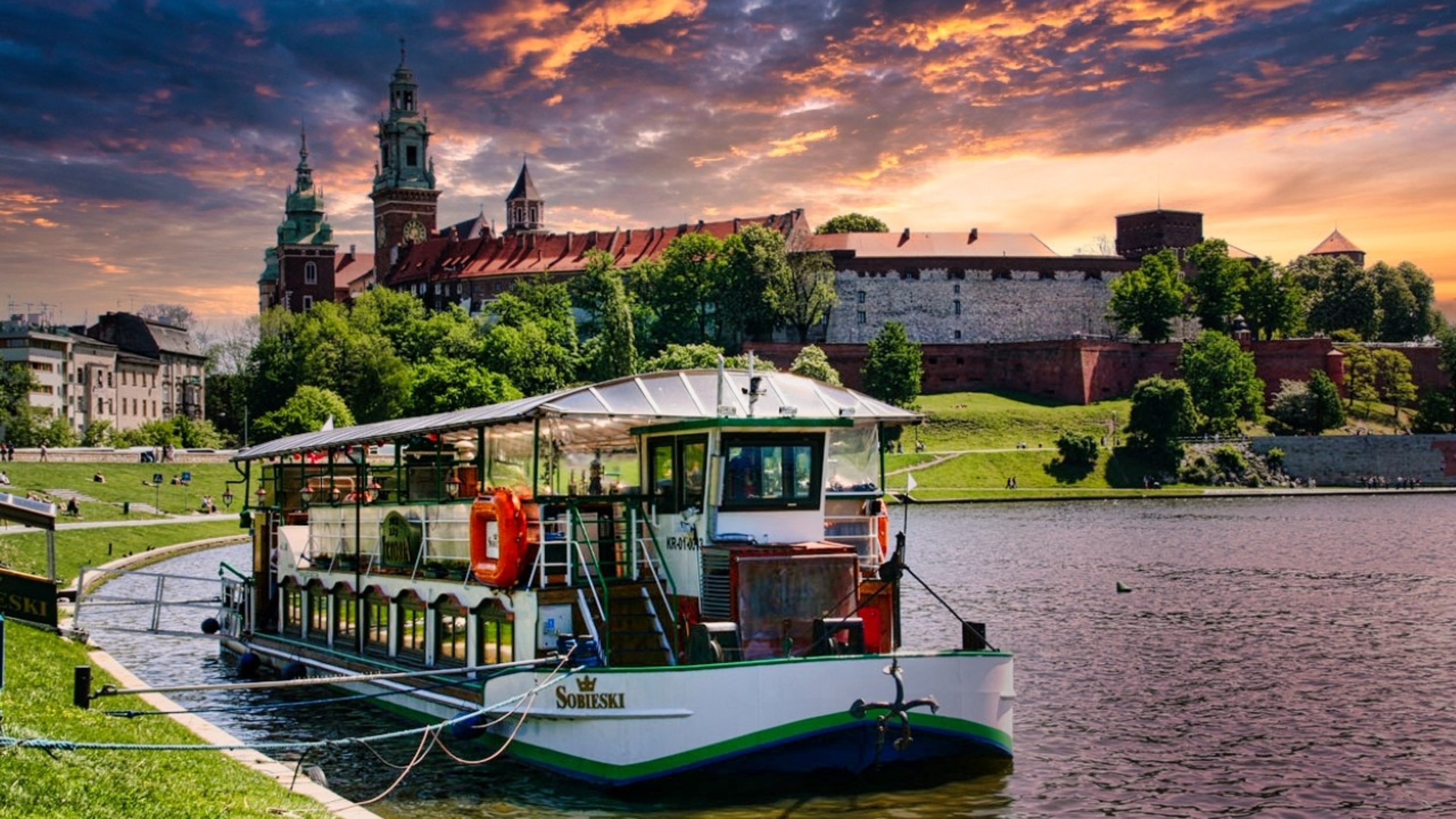
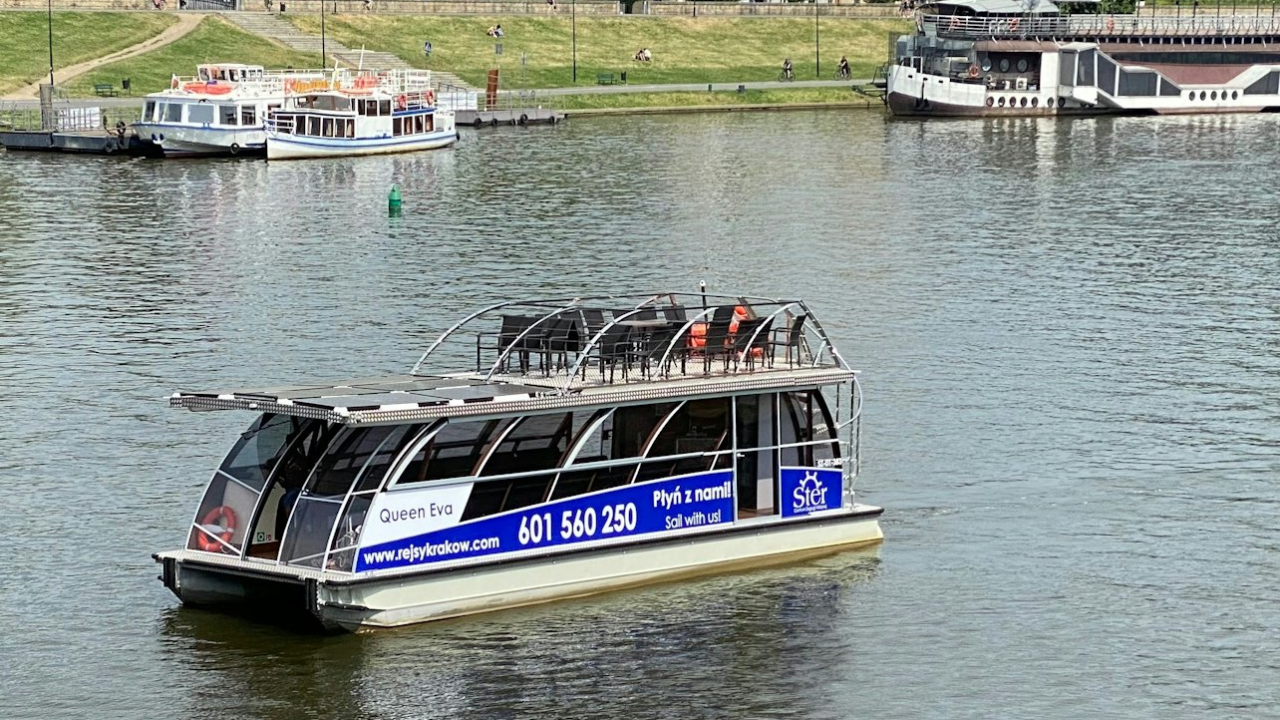
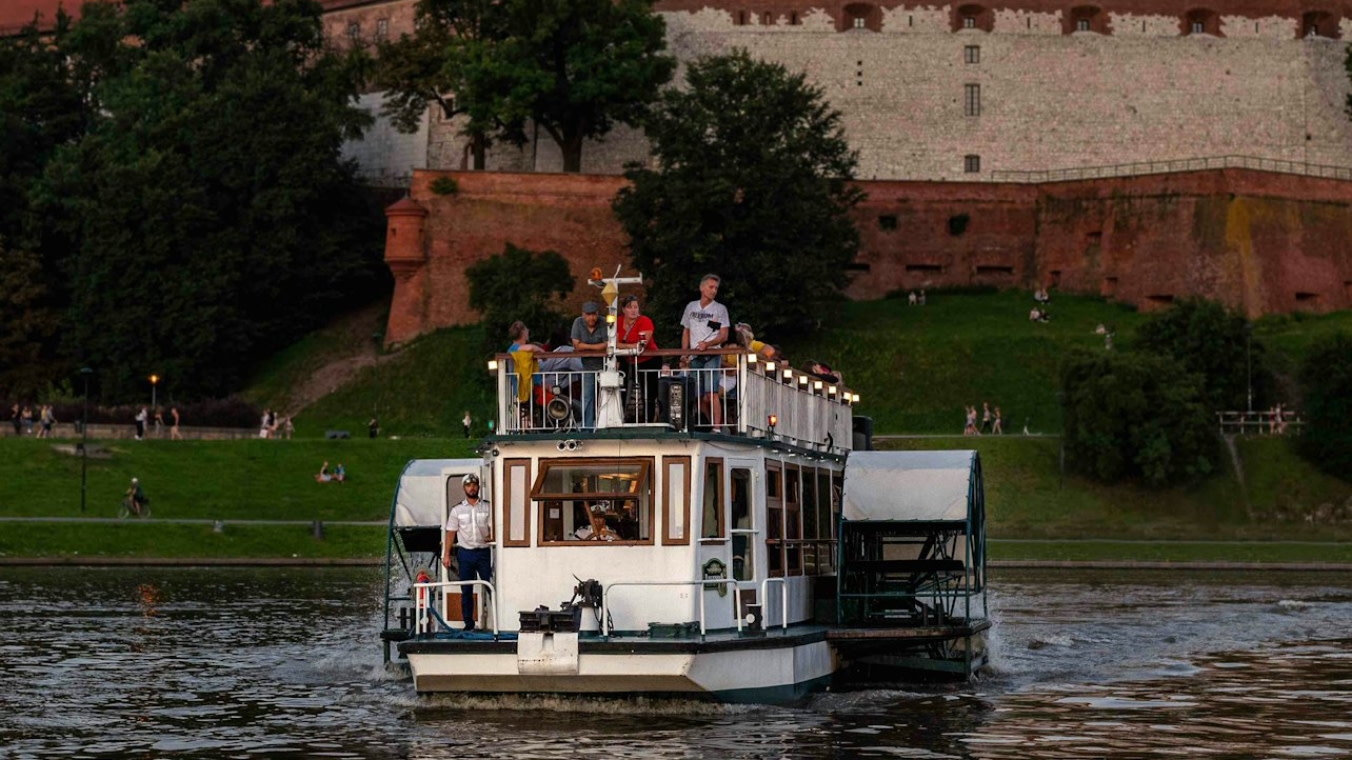
See Krakow from a new perspective as you cruise along the Vistula River. Relax on a modern, comfortable boat and enjoy panoramic views of the city’s most iconic landmarks.
Then continue with guided tour, that offers more than knowledge: it is a powerful, unsettling experience that brings you face-to-face with the memory of wartime Kraków and the resilience of its people
Available options
Krakow: River Cruise and Guided Visit to Schindler’s Factory
What's included
Skip-the-line admission to Schindler’s Factory
One way short cruise on the Vistula River on a catamaran with Audio guide
Headsets for groups of 15+ participants
Licensed live expert guide for the museum visit
Detailed itinerary
1
Admire all the most important places in Krakow from the Vistula River. See Krakow from a new perspective as you follow the flow of the queen of Polish rivers.
2
Stop 2
Pass by
The Kościuszko Mound in Krakow, one of the five mounds located in Krakow, was erected in honor of Tadeusz Kościuszko - a great patriot and leader of the national uprising.
3
Fortified like a castle, this mighty monastery, founded in the 12th century, was destroyed and rebuilt several times. The most important Krakow traditions are also associated with it: here, on Monday after Easter, the annual Emmaus festival is celebrated. Hence, the Lajkonik procession - the most important symbol of Krakow - sets off every June
4
Stop 4
Pass by
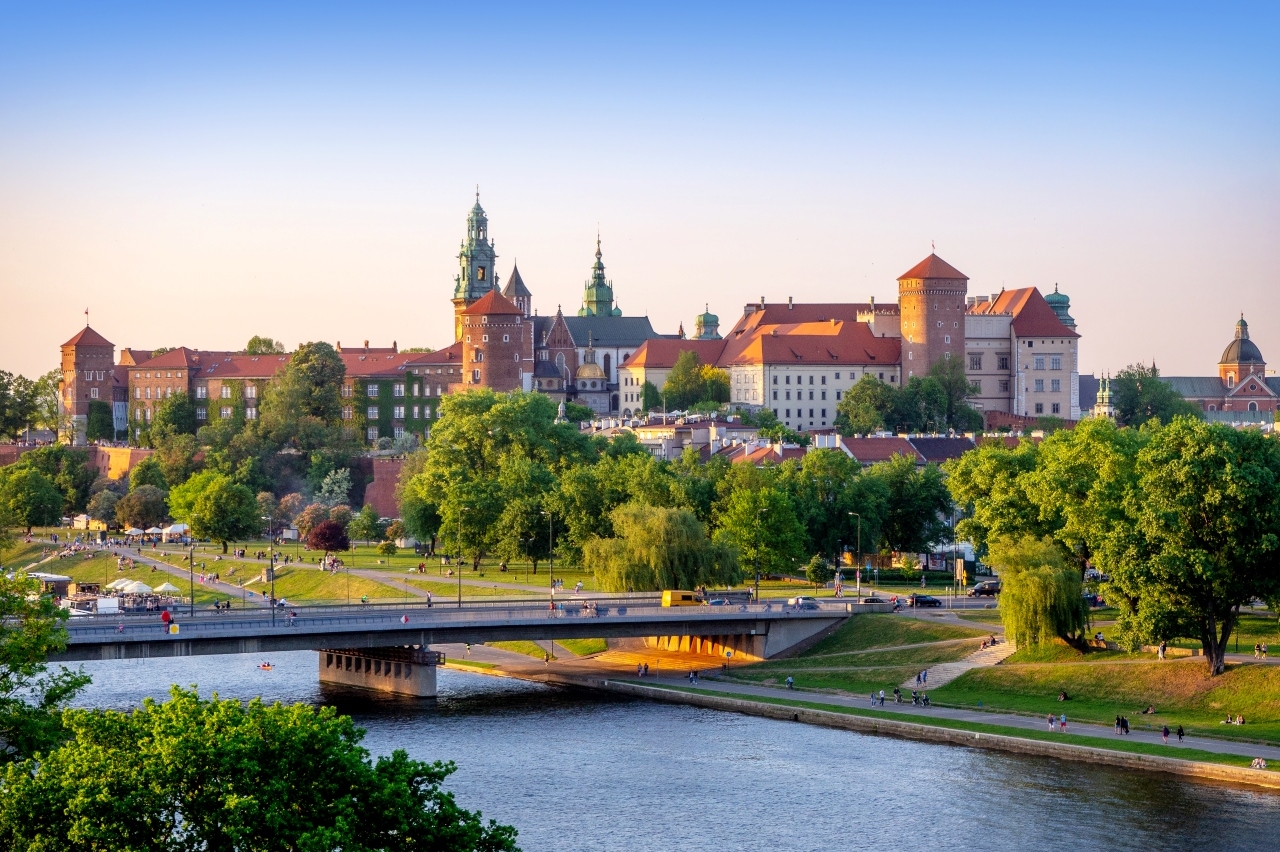
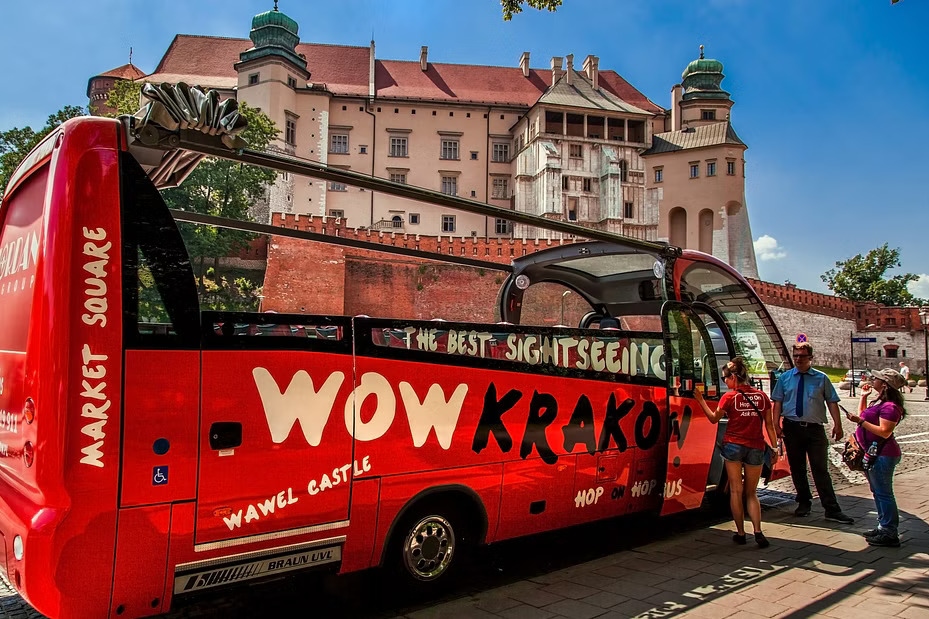
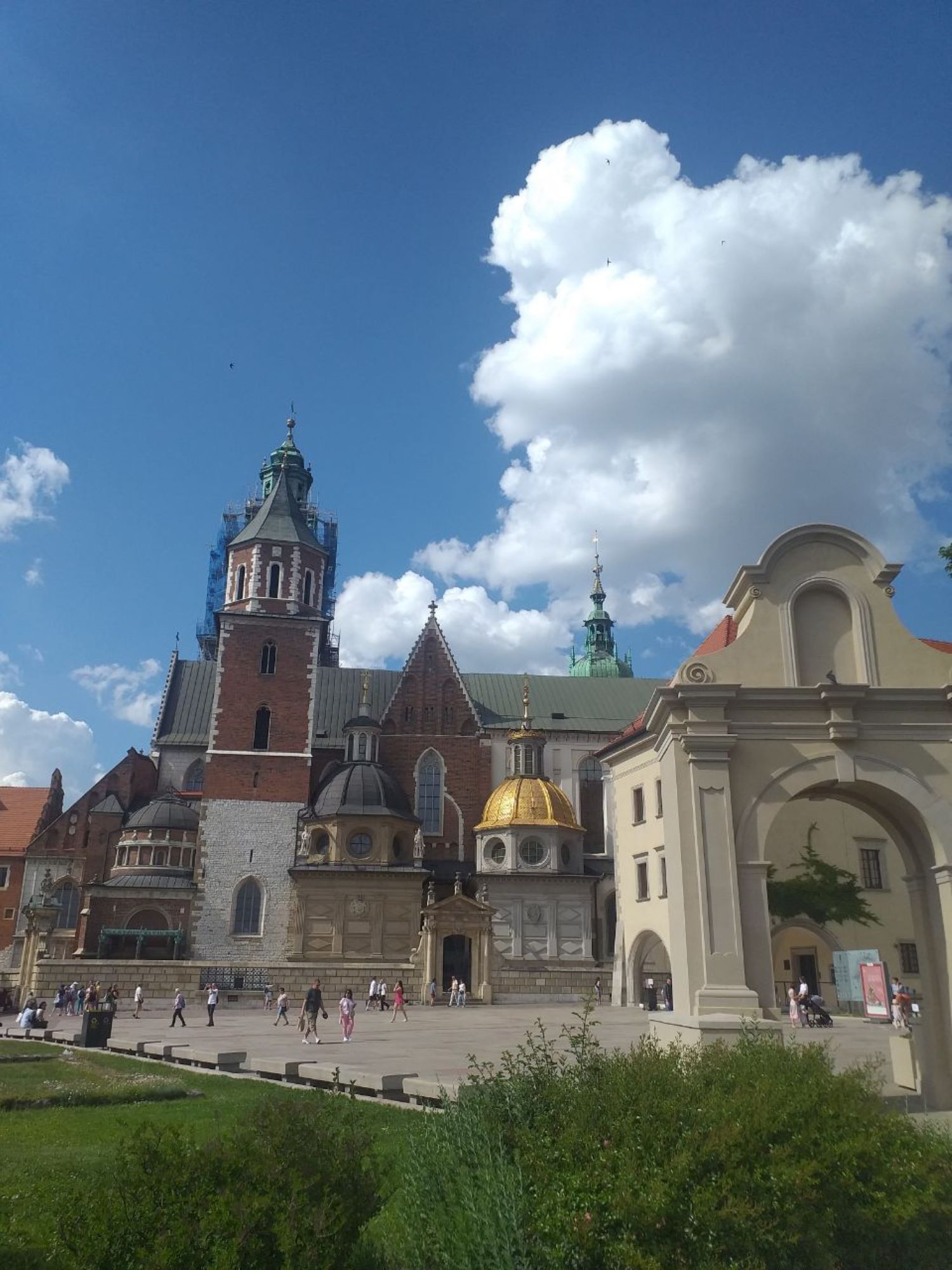
The limestone hill rising above the Vistula River is the former center of power, the legendary (associated with the mythical founder of Krakow and his descendants) and historical: princely, episcopal and royal. Wawel is a complex of castle and sacred buildings - a symbol of the city, but most of all a museum presenting the most valuable monuments of Polish material culture. Take a good look and you will also notice the silhouette of the famous Wawel dragon breathing fire towards onlookers.
5
Stop 5
Pass by
The original, modern form of the building housing the museum of art and technology is perfectly seen from the river level. The wavy line of its roof is to refer directly to the waves of the Vistula River
6
Stop 6
Pass by
The baroque church of Saint Michael the Archangel and Saint Stanislaus on Skałka rises above the boulevards, right on the Vistula River, on a small hill made of white Jurassic limestones. The basilica is also a national pantheon (many distinguished painters, musicians and poets are buried here) and a library with priceless documents, books and incunabula.
7
Stop 7
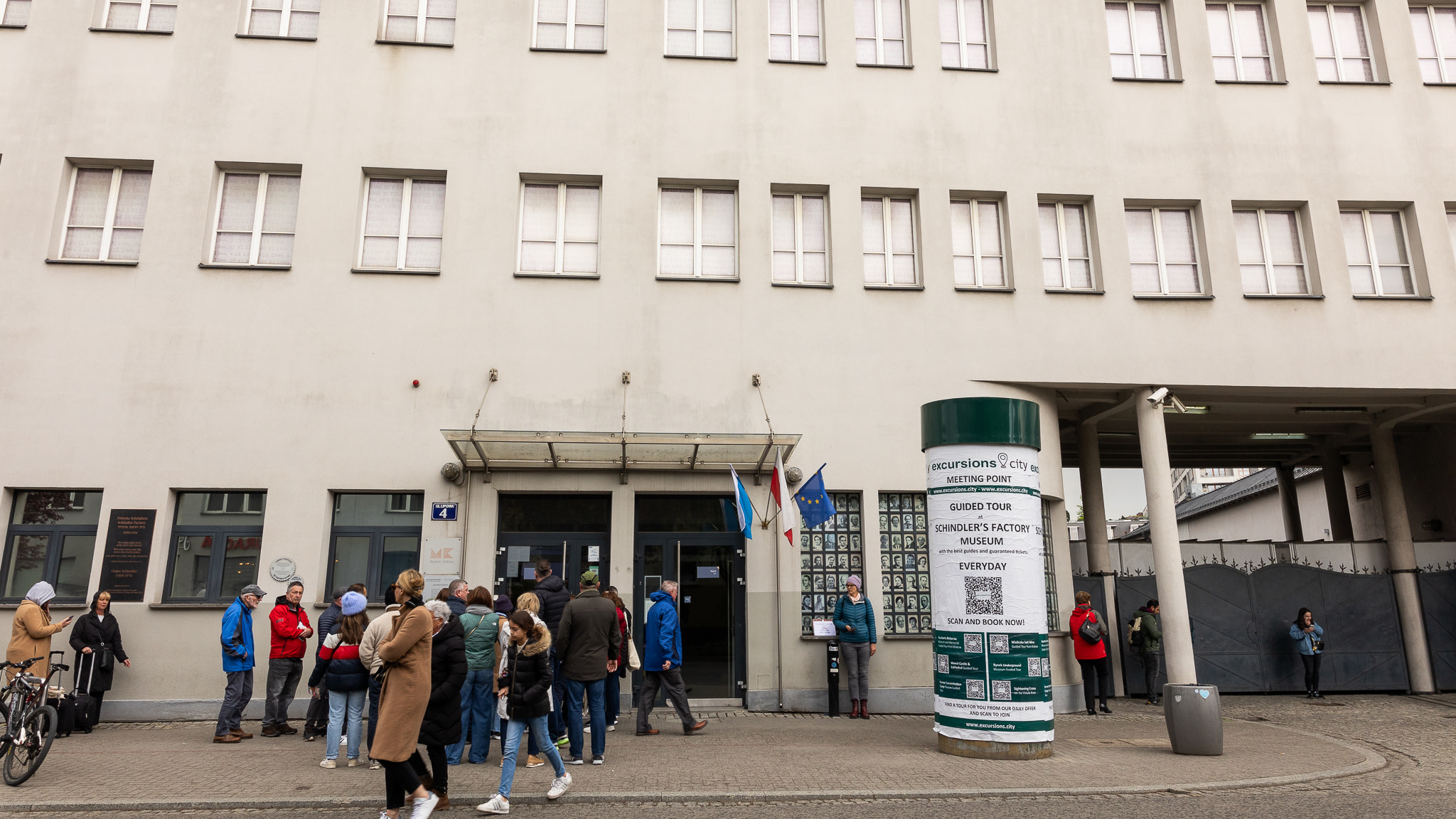
After the cruise step into one of Kraków’s most visited museums — Schindler’s Enamel Factory, where history comes alive through powerful exhibitions and expert storytelling. This is not a simple biographical museum, but a comprehensive journey through the years of Nazi occupation, showing how war transformed the city and the lives of its people.
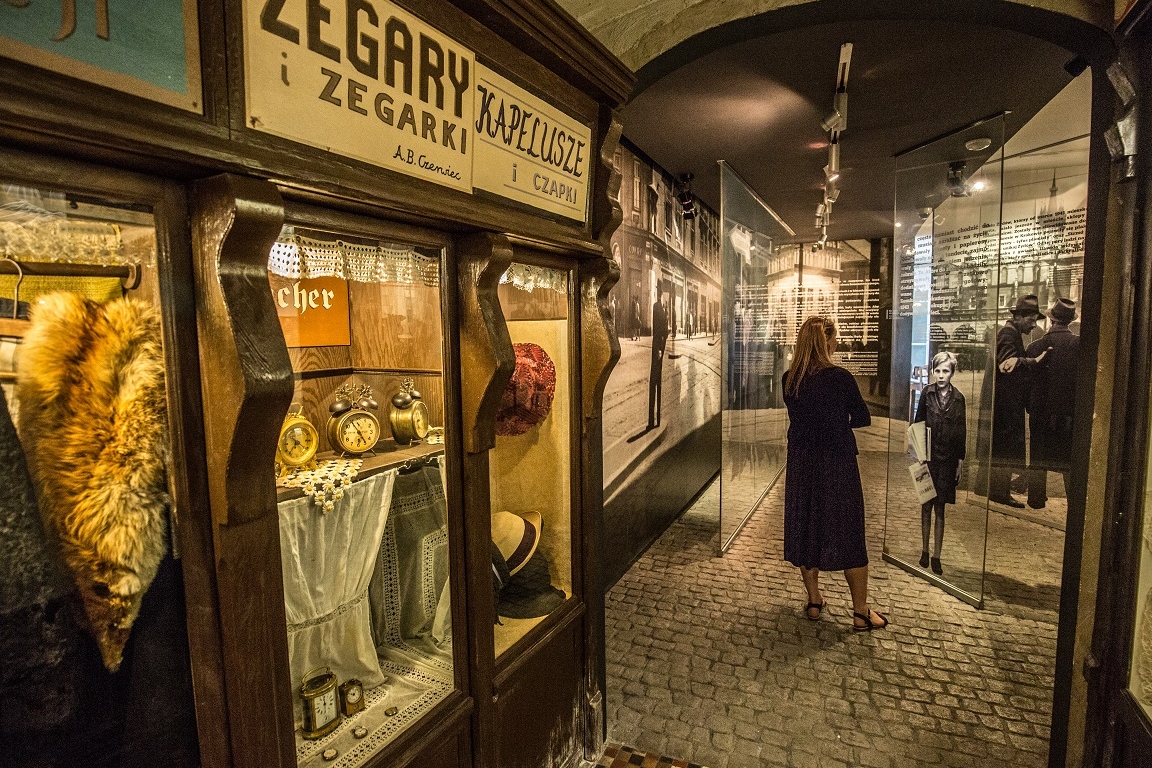
With a licensed expert guide, you’ll skip the long ticket lines and explore the exhibition “Kraków under Nazi Occupation 1939–1945.” Housed in the former enamel factory of Oskar Schindler, the museum focuses not only on his story, but above all on the daily experiences of Kraków’s Jewish and non-Jewish residents during the war.
As you move through the galleries, you’ll encounter original artifacts, photographs, and immersive reconstructions. Much of the exhibition unfolds in a series of narrow, dimly lit rooms, deliberately designed to make visitors feel confined — echoing the fear, pressure, and uncertainty that dominated life under Nazi rule.
8
Stop 8
The setting creates a visceral atmosphere that turns history into lived experience.
Within this broader narrative, you’ll also hear about Oskar Schindler and how his factory provided refuge to more than a thousand Jewish workers. His story is set against the wider backdrop of persecution, deportations, and the destruction of Kraków’s Jewish community, making clear both the scale of tragedy and the importance of individual acts of courage.
What's not included
Hotel pick up and drop-off
Available languages
Guide guide
EN
Important information
Public transportation options are available nearby
Infants are required to sit on an adult’s lap
Suitable for all physical fitness levels
We kindly ask you to arrive 10 minutes before the tour begins. Once the group has departed, latecomers will not be able to join and tickets cannot be refunded.
The exhibition uses narrow corridors and immersive design to recreate the atmosphere of wartime Kraków.
The building once housed Schindler’s factory, but today it is a museum without original machinery.
Note that part of the tour is visit to museum and operated by a live guide. The rest of the tour includes an audio guide.
Please note that this is a group tour (other people will participate)
In line with museum regulations, each tour is limited to a maximum of 25 participants.
From January 1, 2026: Times are approximate and may change due to museum/site scheduling. You can choose a preferred time, but the exact time is not guaranteed.
From January 1, 2026: Due to the museum's personalized tickets, you must provide full names of all participants when reserving and bring a passport or ID for entry to Schindler` Factory Museum . Without these, entry may be denied.
Please bring your ID card or other identification document for identification by museum staff. The name and surname on your ticket must match the one on your document. Without these, entry may be denie
Meeting point
At Inflancki Boulevard, next to the water tram stop called "Paulinska” . Look for the person with a "Cracow Boat" sign.
Important notes
We kindly ask you to arrive 10 minutes before the tour begins. Once the group has departed, latecomers will not be able to join and tickets cannot be refunded.
Gratuities are optional but always appreciated as a gesture of thanks for your guide.
From January 1, 2026:
- Times are approximate and may change due to museum/site scheduling. You can choose a preferred time, but the exact time is not guaranteed.
- Due to the museum's personalized tickets, it is essential to provide the names of all participants during the booking process.
Please bring your ID card or other identification document for identification by museum staff. The name and surname on your ticket must match the one on your document. Without these, entry may be denied
About Krakow
Krakow, the former capital of Poland, is a city rich in history, culture, and stunning architecture. It's home to the Wawel Royal Castle, the historic Main Market Square, and the largest medieval old town in Europe. Krakow's vibrant arts scene, bustling nightlife, and proximity to Auschwitz-Birkenau and the Wieliczka Salt Mine make it a must-visit destination.
Top Attractions
Wawel Royal Castle
This iconic castle was the residence of Polish kings and a symbol of Polish statehood. It offers a glimpse into Poland's rich history.
Historical/Architecture
2-3 hours
30-50 PLN (€7-12)
Main Market Square (Rynek Główny)
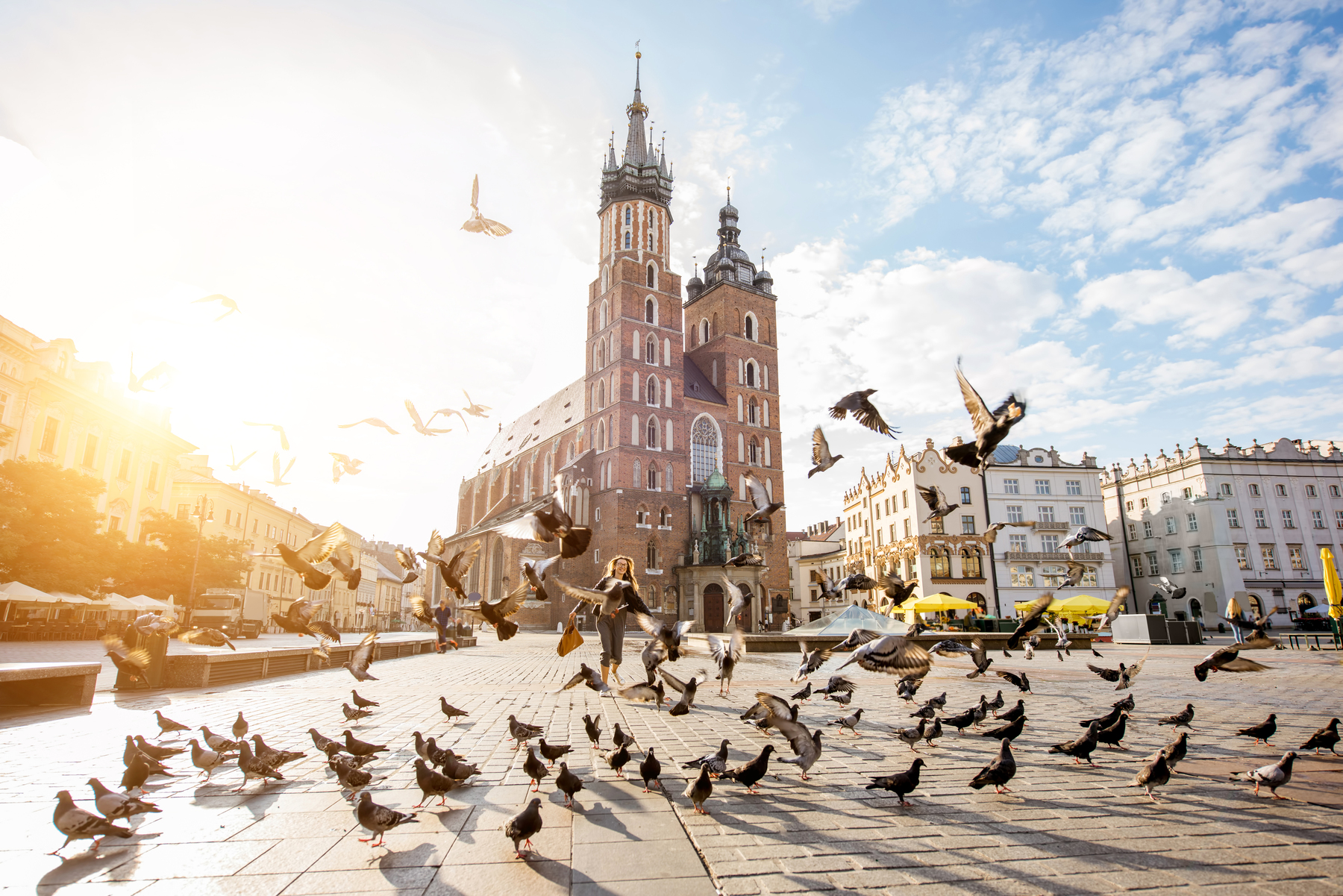
One of the largest medieval town squares in Europe, surrounded by historic buildings, cafes, and shops.
Historical/Cultural
1-2 hours
Free to explore
Wieliczka Salt Mine
A UNESCO World Heritage site featuring underground chambers, chapels, and sculptures carved out of salt.
Historical/Adventure
4-5 hours
89-139 PLN (€20-32)
Auschwitz-Birkenau Memorial and Museum
A poignant and sobering visit to the largest Nazi concentration camp, now a memorial and museum.
Historical/Educational
Full day
70-100 PLN (€16-23)
Kazimierz District
The historic Jewish quarter with a rich cultural heritage, vibrant nightlife, and charming streets.
Cultural/Historical
2-3 hours
Free to explore
Must-Try Local Dishes
Pierogi
Dumplings filled with various ingredients like meat, cheese, potatoes, or fruits.
Dinner
Can be vegetarian or vegan
Obwarzanek
A type of bread ring, similar to a bagel, often sold by street vendors.
Snack
Vegetarian
Zapiekanka
A Polish street food consisting of a half-baguette topped with mushrooms, cheese, and various condiments.
Snack
Can be vegetarian
Schabowy
A breaded pork cutlet, similar to schnitzel, often served with potatoes and cabbage.
Dinner
Contains meat
Popular Activities
Hiking in the Tatra Mountains
Skiing in Zakopane
Spa and wellness treatments
Strolling through parks and gardens
Visiting museums and galleries
Attending concerts and performances
Boating on the Vistula River
Skiing and snowboarding in the nearby mountains
Best Time to Visit
May to September
This is the best time to visit Krakow for pleasant weather and outdoor activities. The city is lively with festivals and tourists.
15°C to 28°C
59°F to 82°F
Practical Information
Language
- Official: Polish
- Widely spoken: English, German, Russian
- English: Moderately spoken
Currency
Polish Złoty (PLN)
Time Zone
GMT+1 (CET), GMT+2 (CEST during daylight saving time)
Electricity
230VV, 50HzHz
Safety Information
Overall Safety Rating: Generally safe
Krakow is generally safe for tourists, but petty crime like pickpocketing can occur in crowded areas.
Important Precautions:
- • Keep valuables secure in crowded areas.
- • Use official taxis or ride-hailing apps.
- • Be cautious when withdrawing money from ATMs.
Getting there
By air
- John Paul II International Airport Krakow-Balice • 11 km from city center
By train
Krakow Glowny, Krakow Plaza
By bus
Krakow Main Bus Station, Młocińscy Bus Station
Getting around
Public transport
Krakow's tram system is efficient and covers most of the city. Trams are comfortable and frequent.
Taxis
Available • Apps: Bolt, FreeNow
Rentals
Car, Bike, Scooter
Neighborhoods
Old Town (Stare Miasto)
Kazimierz
Nowa Huta
Zakrzówek
Day trips
Wieliczka Salt Mine
14 km from Krakow • Full day
Explore the underground chambers, chapels, and sculptures carved out of salt in this UNESCO World Heritage site.
Auschwitz-Birkenau Memorial and Museum
70 km from Krakow • Full day
Visit the largest Nazi concentration camp, now a memorial and museum, to learn about the Holocaust.
Zakopane
100 km from Krakow • Full day
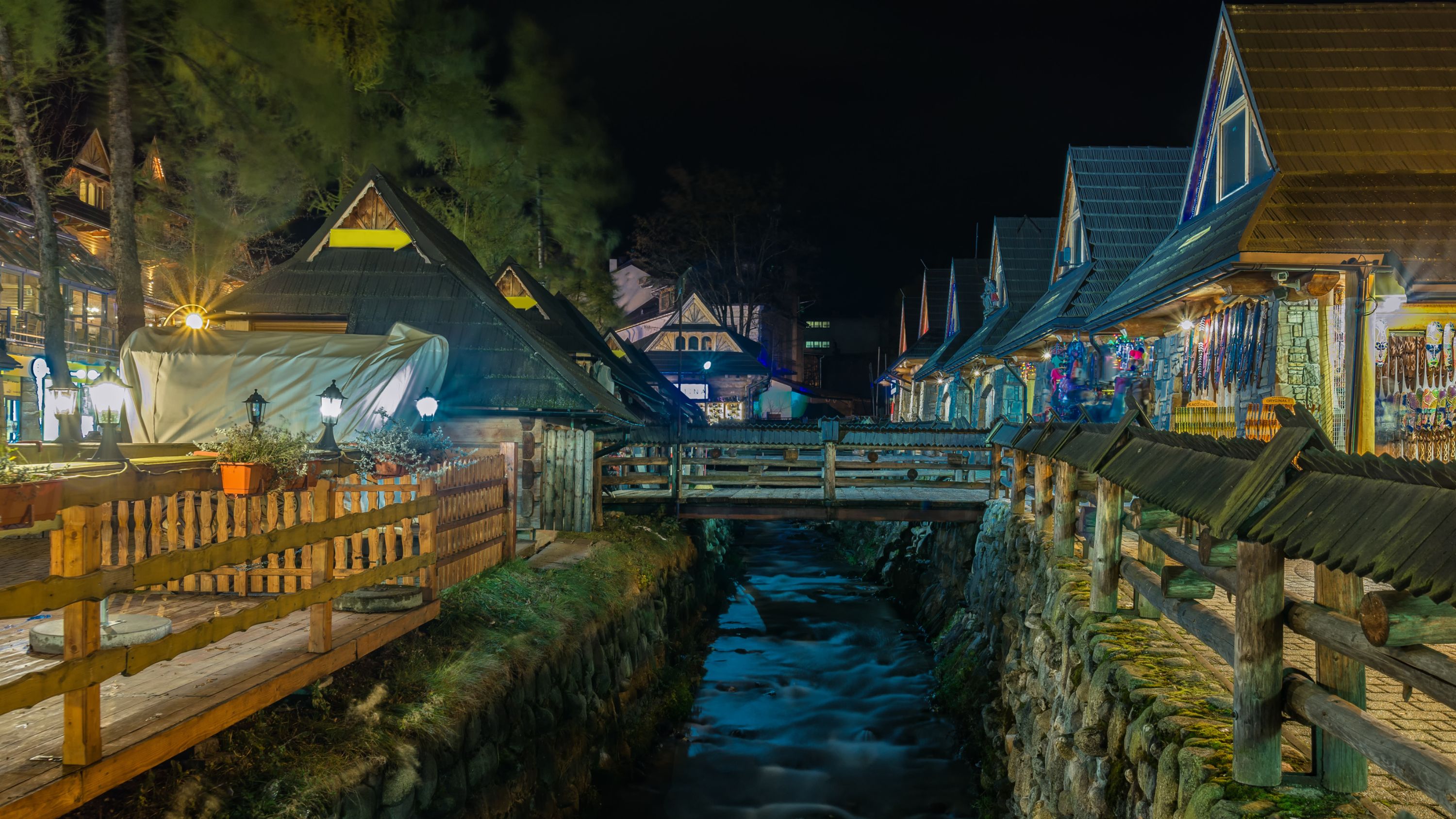
A picturesque mountain town known for its stunning scenery, hiking trails, and skiing opportunities.
Festivals
Krakow Jewish Festival • June or July (annual)
Krakow Film Festival • May (annual)
Krakow Christmas Market • December (annual)
Pro tips
- Use the Krakow Card for unlimited public transport and free entry to many attractions.
- Visit the Wawel Dragon statue and make a wish by placing a coin in its mouth.
- Try traditional Polish dishes like pierogi and żurek at local restaurants.
- Explore the Kazimierz district for its vibrant nightlife and cultural scene.
- Take a day trip to the Wieliczka Salt Mine or Auschwitz-Birkenau for a deeper understanding of Polish history.
From $25
per person
Price varies by option
Secure booking
Free cancellation available
Instant confirmation