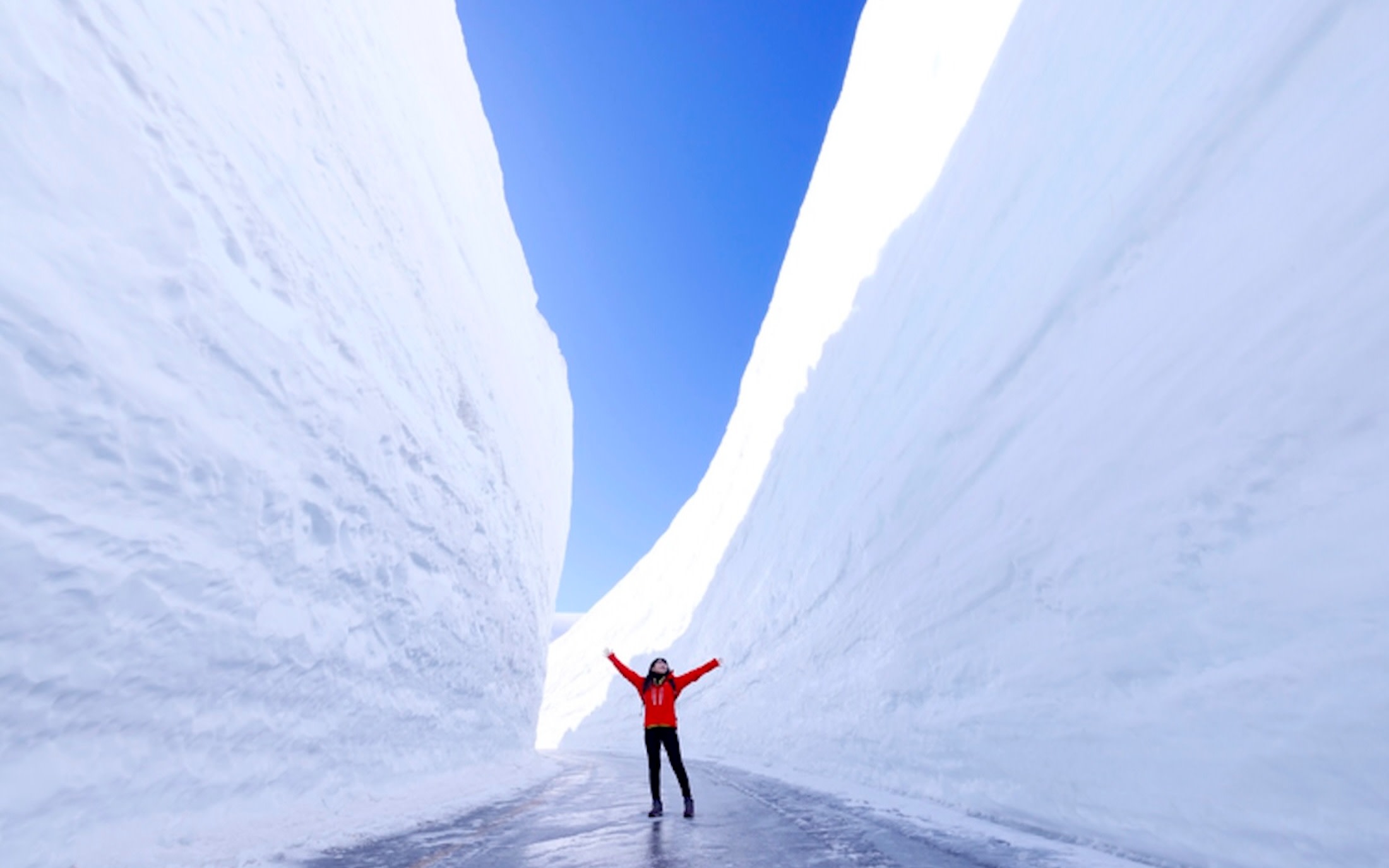
Nikko Private Tour from Tokyo: English Speaking Driver, No Guide
Active
10h
For a full refund, cancel at least 24 hours before the scheduled departure time.
Instant confirmation
Mobile or paper ticket accepted
About this experience
This is the ideal pick for time-tight travelers wanting to discover lots of Nikko’s highlights in a day from Tokyo. Avoid the potential confusion of public transportation system, and travel comfortably in a private vehicle instead.
If you are staying in Tokyo but would like to take some time out to enjoy some sights outside the big city, then this tour of Nikko is for you. There are many reasons why Nikko is a must-see stop during your stay in Japan. Your private guide will help you efficiently escape the hustle and bustle of Tokyo on a full-day tour of this historic, beautiful town.
Your English speaking driver will fully support your Full-day Nikko tour from Tokyo.
Note*1: Tour details has a possibility of change depending on the place of your meeting point and traffic conditions. Please feel free to ask us if you have any special request for your itinerary. We will do our best to meet your request.
Note*2: Travel time between Tokyo and Nikko is approx. 2.5 hours.
Available options
Minivan (Up to 5 PAX)
Minivan (Up to 5 PAX)<br/>Pickup included
Van (Up to 8 PAX)
Van (Up to 8 PAX)<br/>Pickup included
What's included
Private vehicle
English speaking driver
Customizable Tour of your choice of 3-4 sites from 'What to expect' list'
Detailed itinerary
1
Your driver pick you up at your hotel, the nearest station or your preferred location around Tokyo.
2
A pair of winding roads that connect the lower elevations near Nikko and the higher elevations of the mountainous region is the Iroha Slope which has also been featured in the popular anime, Initial D. Made up of 48 hairpin turns throughout the different upslope and downslope roads, it is known as the best place to view the autumn leaves. “Iroha” is the first three of the 48 syllables in the previous Japanese alphabet. Hence, with the corresponding number of turns, each turn is named after one of the Japanese alphabet syllables, giving the name Iroha Slope.
3
Stop 3
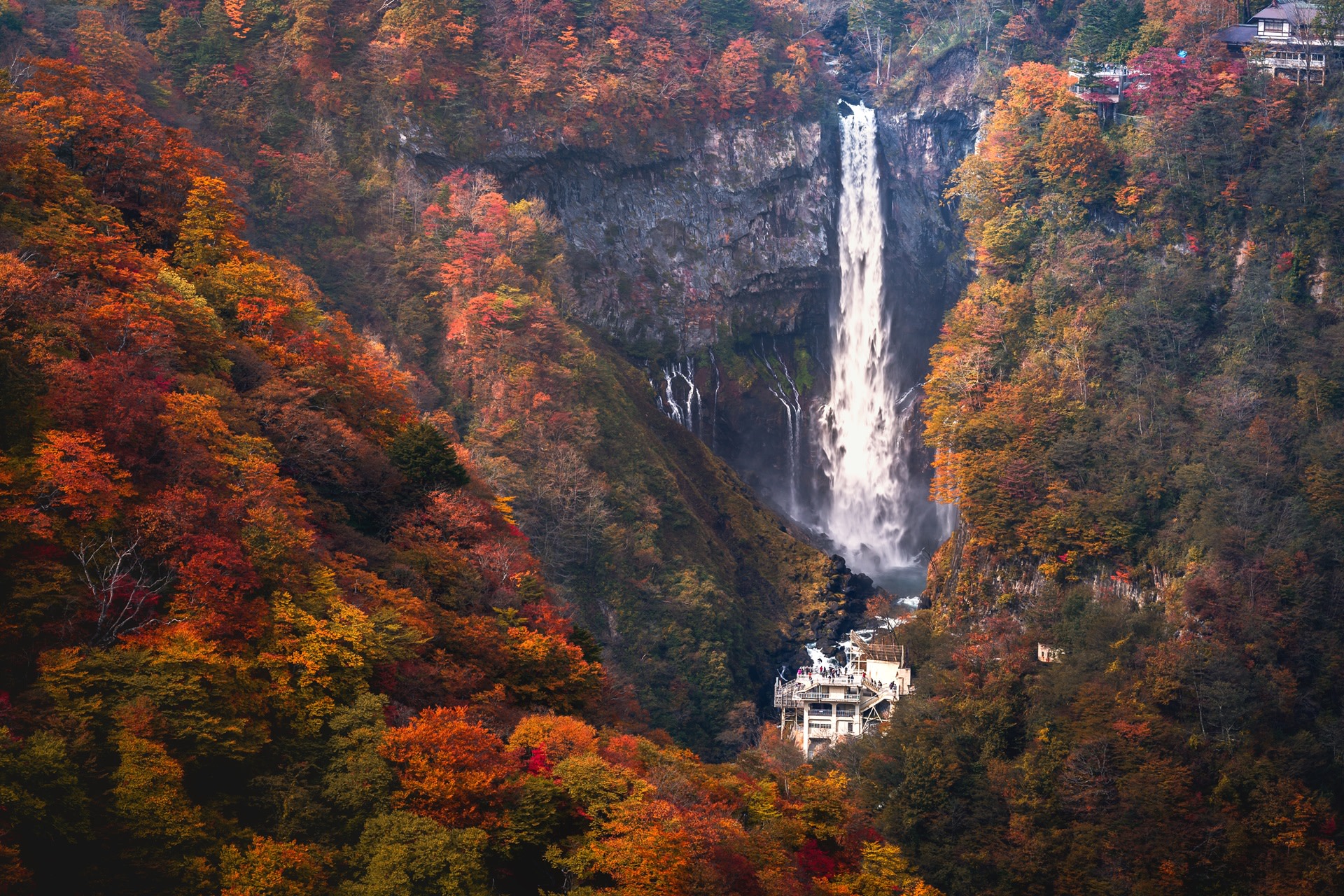
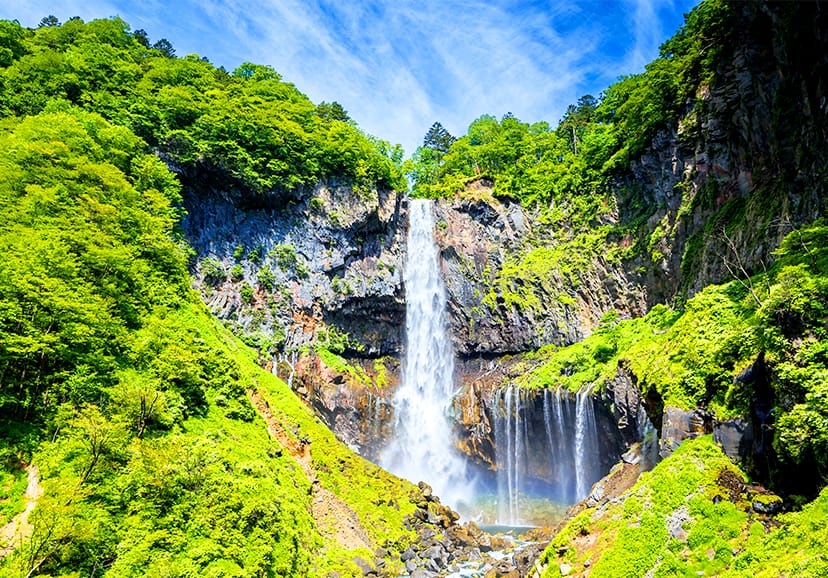
Kegon Waterfall is the most famous of Nikko’s 48 waterfalls. Water from Lake Chuzenji falls 97 metres straight down to the rocks below creating a dynamic and artistic work of nature. A special lift takes visitors to the basin where the force and roar of the water can be witnessed close up! Impressive in any season, the waterfall looks particularly spectacular when surrounded by the fresh green leaves in May, house martins in June, or the “12 falls” - small streams of the frozen waterfall clad in blue ice - during January and February.
4
Stop 4
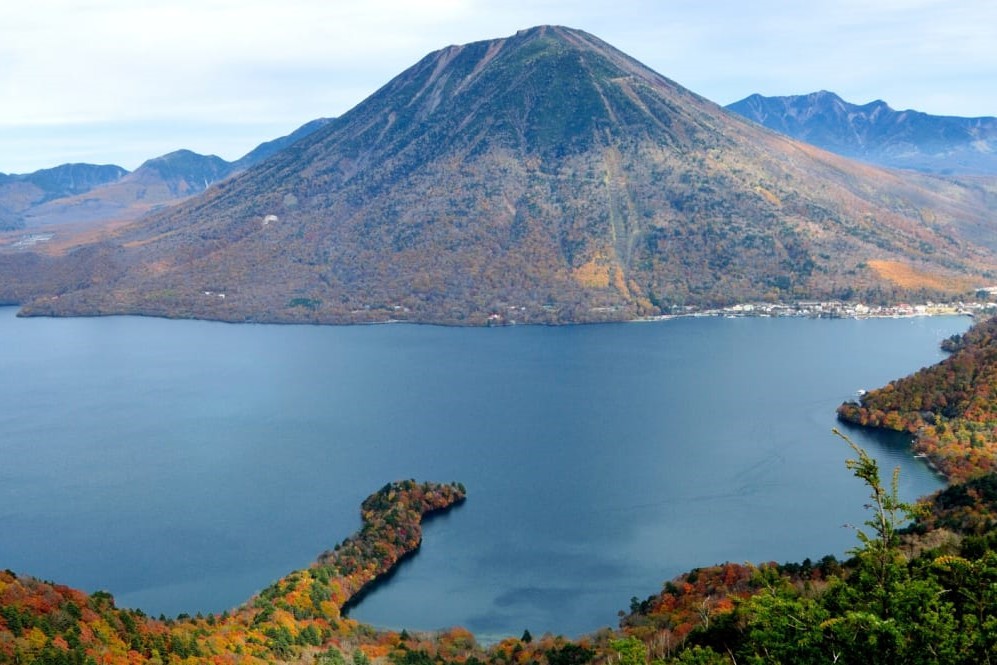
Lake Chuzenji is the largest lake in Tochigi, framed by 25 kilometres of incredible nature. The area used to be a popular summer resort for foreigners in the late 19th to early 20th centuries. The villas of French and Belgian embassies can still be found here. You can enjoy seasonal charms by the lake. Walking trails surround the water’s edge and there is an excursion boat available on the lake. The views from the lake are spectacular, particularly when the cherry blossoms or azaleas are blooming or when the autumn leaves are turning. The “Koyo-meguri” tour, enjoying autumn leaves reflecting on the lake, is highly recommended.
5
“Senjogara” translates to battlefield and here it refers to a mythical battlefield where legends say that the gods of Mount Nantai and Mount Akagi fought once to claim the neighboring lakes as their own. Taking on the incarnation of a serpent and centipede respectively, they fought and intertwined repeatedly, creating this marshland. The battlefield has now changed to a battle of charms as various plants and fauna reside in the vast field, competing to charm the many visitors. With a wooden trail that spreads across the field, it completes the serene atmosphere of the place and complements the colourful scene. Take a hike along the trail for a personal experience with the plants and birds that visit the place. Or head over to the observation deck for a stunning panoramic view of the marshlands. Either way, be ready for a breath-taking sight that you will not regret!
6
Stop 6
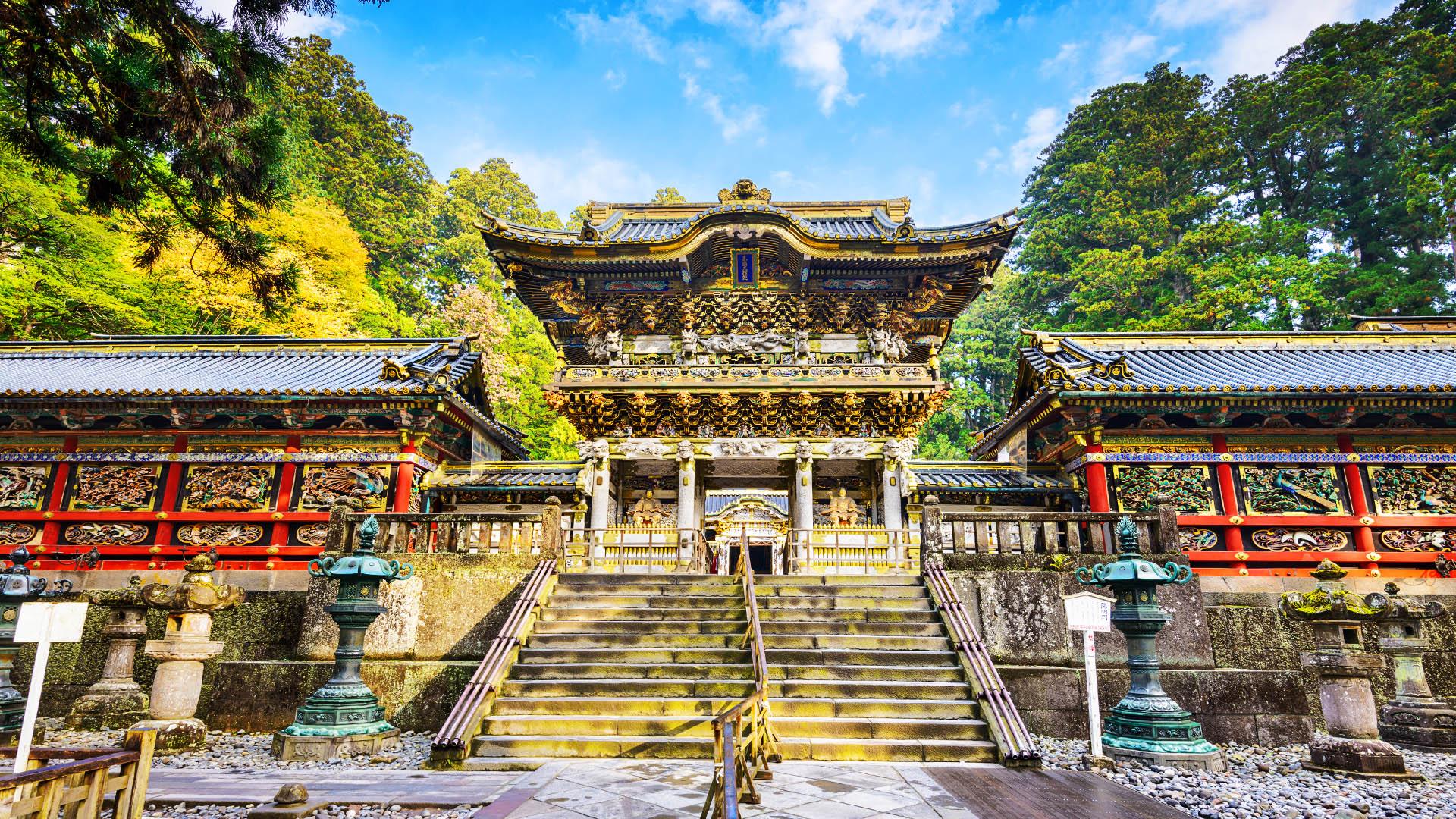
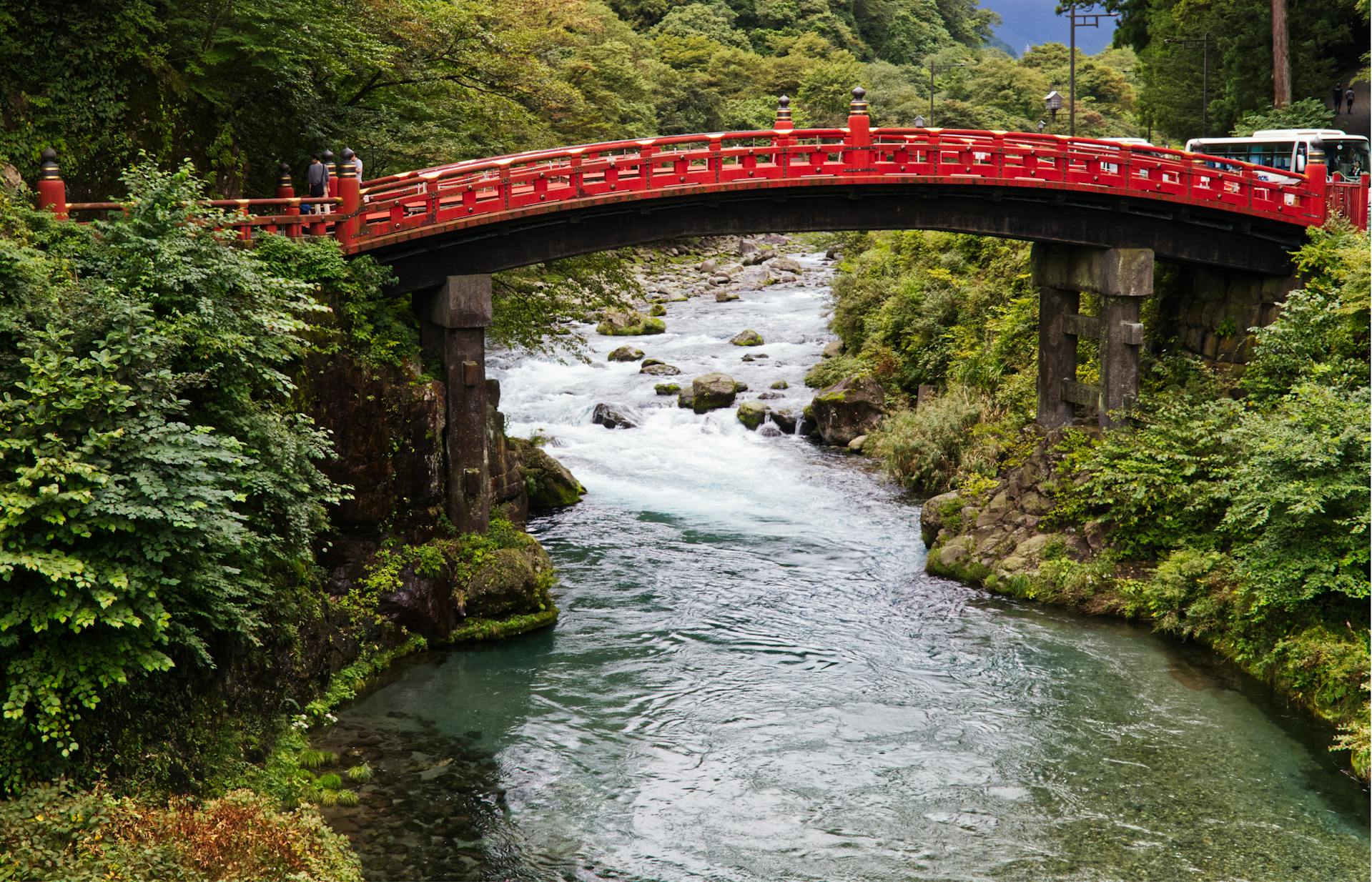
Understand why “Don’t say ‘magnificent’ until you’ve seen Nikko” visiting the final resting place of Tokugawa Ieyasu, the founder of the Tokugawa Shogunate and nearby shrines and temple. The most renowned shrine of “the Shrines and Temples of Nikko”-a Japan’s leading world heritage, is where Ieyasu Tokugawa, the great Shogun who started the flourishing Edo Period, is enshrined. Most of the shrine complex you see today was rebuilt in 17th century. The shrine contains 55 buildings including 8 national treasures and 34 listed buildings. The highlights are sumptuous carvings lacquered and richly coloured brilliantly, which you will gaze at craftsmanship assembled from all over the country. Do not miss the symbol of peace “Sleeping Cat”, and the “Three Monkeys” with the “see no evil, hear no evil and speak no evil” poses!
What's not included
Licensed Local English Speaking Guide
Entrance fees, Lunch, and Other personal expenses
You cannot combine multiple tour groups.
Important information
Wheelchair accessible
Infants and small children can ride in a pram or stroller
Service animals allowed
Public transportation options are available nearby
Infants are required to sit on an adult’s lap
Specialized infant seats are available
Transportation options are wheelchair accessible
Suitable for all physical fitness levels
There are only a limited number of car seats and booster seats. Rear-facing car seats are not available. You must contact us directly if you need them.
About Tokyo
Tokyo, the capital of Japan, is a bustling metropolis that beautifully blends traditional culture with cutting-edge technology. Known for its neon-lit streets, historic temples, and world-class cuisine, Tokyo offers a unique experience that caters to every type of traveler.
Top Attractions
Senso-ji Temple
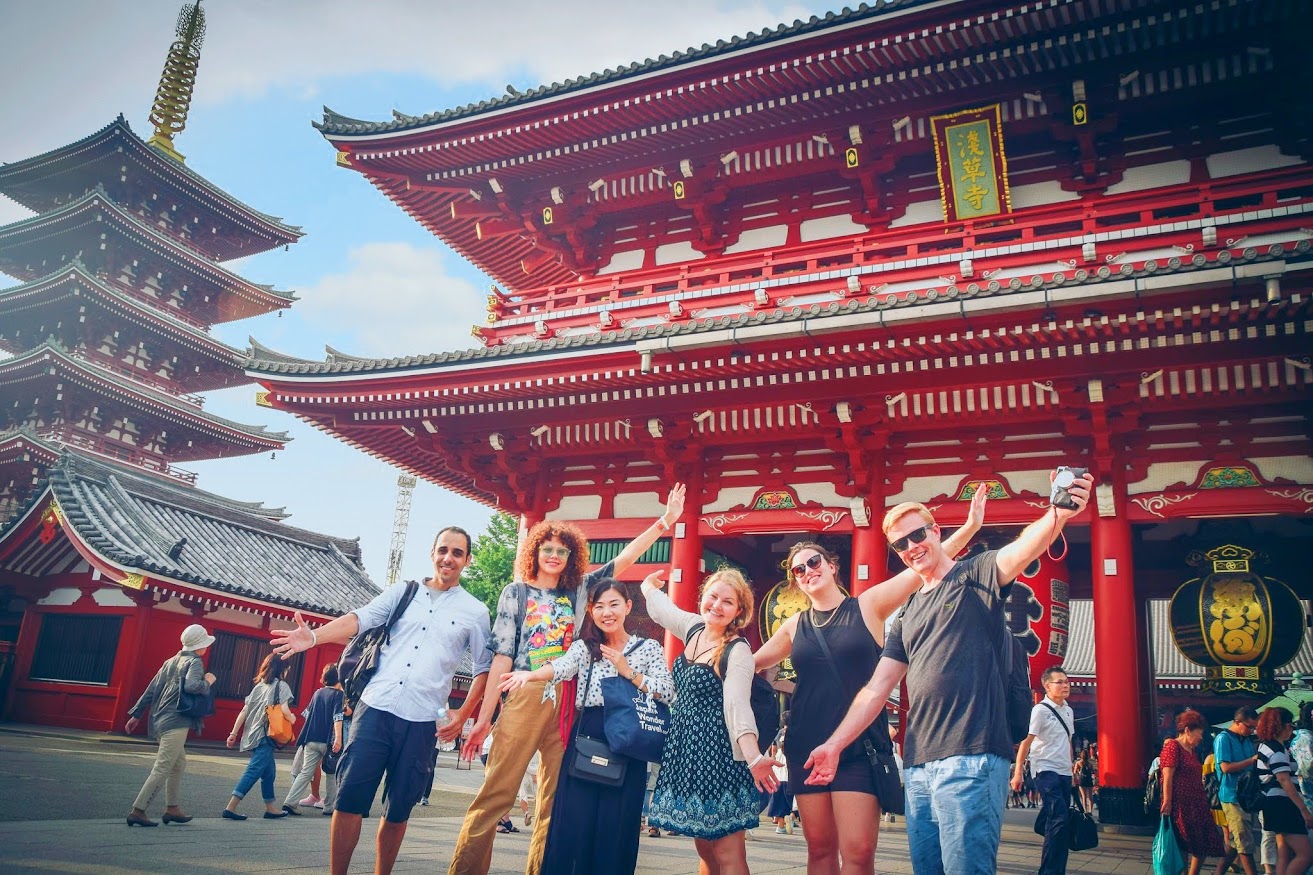
Senso-ji is Tokyo's oldest temple and one of its most significant. The temple's massive lantern and five-story pagoda are iconic landmarks.
Historical/Religious
1-2 hours
Free (small fee for some areas)
Meiji Shrine
Meiji Shrine is a Shinto shrine dedicated to the deified spirits of Emperor Meiji and his wife, Empress Shoken. It is surrounded by a beautiful forest.
Historical/Religious
1-2 hours
Free
Shibuya Crossing
Shibuya Crossing is the world's busiest pedestrian crossing and a symbol of Tokyo's bustling urban life. It's a must-see for its chaotic yet orderly nature.
Cultural
30 minutes to 1 hour
Free (¥2,200 for Shibuya Sky)
Tokyo Skytree
Tokyo Skytree is the tallest tower in Japan and the second tallest freestanding structure in the world. It offers breathtaking views of the city.
Architecture
2-3 hours
¥2,100 to ¥3,100 (USD $15 to $22)
Odaiba
Odaiba is a man-made island in Tokyo Bay known for its shopping, dining, and entertainment options. It's a great place for families and tech enthusiasts.
Entertainment
Half day to full day
Varies by attraction
Must-Try Local Dishes
Sushi
Fresh raw fish served on vinegared rice, a staple of Japanese cuisine.
Dinner
Contains fish, can be vegetarian with substitutes.
Ramen
Noodle soup with various broths and toppings, a popular comfort food.
Lunch/Dinner
Vegan and vegetarian options available.
Tempura
Deep-fried seafood and vegetables, known for its crispy texture.
Lunch/Dinner
Contains seafood and deep-fried ingredients.
Okonomiyaki
Savory pancake with various ingredients, often topped with sauce and bonito flakes.
Lunch/Dinner
Contains seafood and can be made vegetarian.
Popular Activities
Hiking in the nearby mountains
Parasailing at Odaiba
Onsen (hot spring) visits
Tea ceremonies
Traditional tea ceremonies
Kimono rentals and photo shoots
Boat tours on the Sumida River
Beach activities at Odaiba
Best Time to Visit
March to May (Spring) and September to November (Autumn)
These seasons offer comfortable temperatures and beautiful scenery, with cherry blossoms in spring and vibrant foliage in autumn. However, these are also the busiest times for tourism.
10°C to 25°C (50°F to 77°F)
50°F to 77°F
Practical Information
Language
- Official: Japanese
- Widely spoken: English, Chinese, Korean
- English: Moderately spoken in tourist areas, limited elsewhere
Currency
Japanese Yen (JPY)
Time Zone
GMT+9
Electricity
100VV, 50/60HzHz
Safety Information
Overall Safety Rating: Very safe
Tokyo is generally very safe, with low crime rates and a strong emphasis on public order. However, petty crimes like pickpocketing can occur in crowded areas.
Important Precautions:
- • Be cautious of your belongings in crowded areas.
- • Use licensed taxis and check fares before getting in.
- • Be aware of your surroundings, especially at night.
Getting there
By air
- Narita International Airport • 60 km (37 miles) from city center
- Haneda Airport • 15 km (9 miles) from city center
By train
Tokyo Station, Shinjuku Station
By bus
Tokyo Station Bus Terminal, Shinjuku Expressway Bus Terminal
Getting around
Public transport
Tokyo's subway system is efficient, clean, and punctual. It consists of multiple lines operated by Tokyo Metro and Toei Subway.
Taxis
Available • Apps: JapanTaxi, DiDi
Rentals
Car, Bike, Scooter
Neighborhoods
Shibuya
Shinjuku
Asakusa
Ginza
Akihabara
Day trips
Nikko
120 km (75 miles) from Tokyo • Full day
Nikko is a city known for its beautiful shrines, temples, and natural scenery. It's a UNESCO World Heritage site and offers a peaceful retreat from the bustling city.
Kamakura
50 km (31 miles) from Tokyo • Half day to full day
Kamakura is a coastal town known for its historic temples, shrines, and the Great Buddha statue. It's a great place to experience traditional Japanese culture.
Hakone
90 km (56 miles) from Tokyo • Full day or overnight
Hakone is a hot spring resort town known for its onsen (hot springs), scenic views of Mount Fuji, and the Open-Air Museum. It's a popular destination for relaxation and nature.
Festivals
Sannō Matsuri • Mid-June (every 2 years)
Kanda Matsuri • Mid-May (every 2 years)
Sumida River Fireworks Festival • Last Saturday of July
Pro tips
- Use IC cards like Suica or Pasmo for convenient and discounted public transport.
- Download useful apps like Google Maps, Japan Transit Planner, and Japan Travel by Navitime.
- Learn a few basic Japanese phrases to enhance your experience and show respect for the local culture.
- Carry cash, as some smaller shops and restaurants may not accept credit cards.
- Visit popular attractions early in the morning or late in the afternoon to avoid crowds.
From $25
per person
Price varies by option
Secure booking
Free cancellation available
Instant confirmation