Shirakawago Tour: English Speaking Driver Only(Kanazawa DEP.)
Active
6h
For a full refund, cancel at least 24 hours before the scheduled departure time.
Instant confirmation
Mobile or paper ticket accepted
About this experience
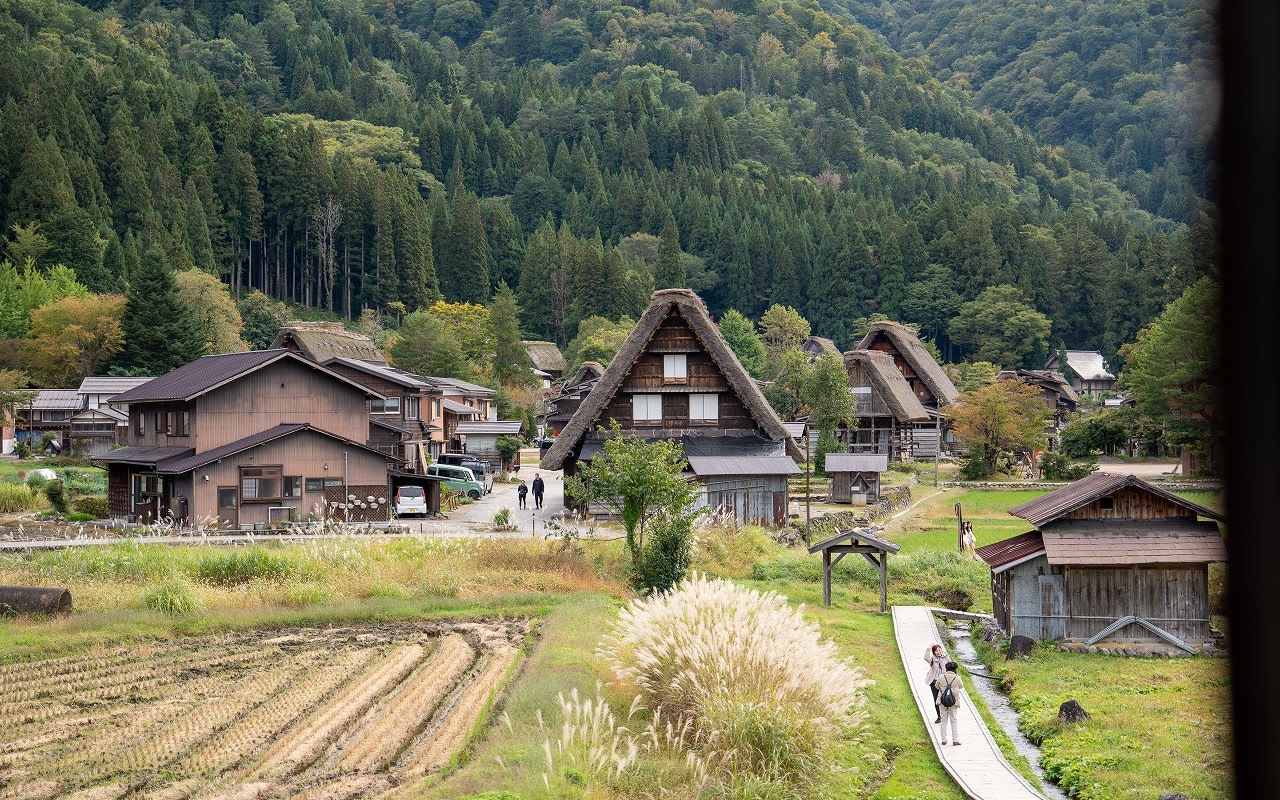
Explore the beautiful mountain settlement of Shirakawa-go via chartered vehicle exclusively for you and your travelmates. Your English-speaking driver will take you to the World Heritage Site of fairy-tale village Shirakawa-go.
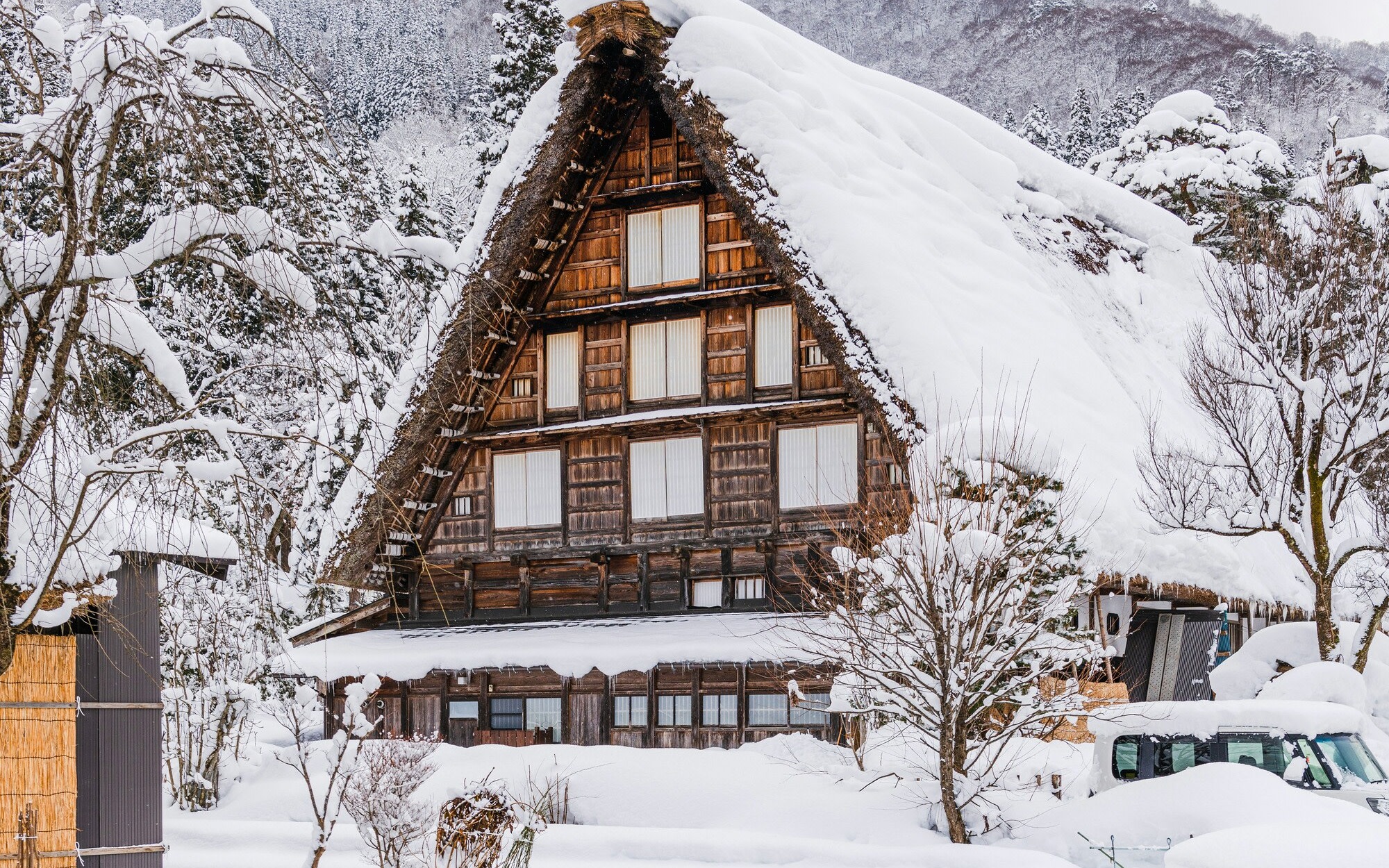
Shirakawa-go is a remote settlement designated as a UNESCO World Heritage Site located in the mountains of Gifu Prefecture. As the region receives considerable snowfall in the winter, the farmhouses are well-known for their distinctive architecture featuring steep roofs to easily shed snow. Learn more about this unique village on a full-day chartered vehicle tour with English-speaking driver.
On this day trip departing from Takayama, leave the hustle and bustle of the city behind to wander around a unique village, stroll through historic streets, take in stunning mountain landscapes, and enjoy a lunch made of authentic local ingredients.
Your driver will customize your four-hour tour according to your interests and requests!
Available options
Van(Up to 8 PAX)
Van(Up to 8 PAX)<br/>Pickup included
Regular(Up to 3 PAX)
Regular(Up to 3 PAX)<br/>Pickup included
What's included
Private vehicle
Free Photos
English speaking driver
Customizable Tour of your choice of 3-4 sites from 'What to expect' list'
Detailed itinerary
1
This tour starts at Kanazawa, your driver pick you up at your hotel or Kanazawa station.
2
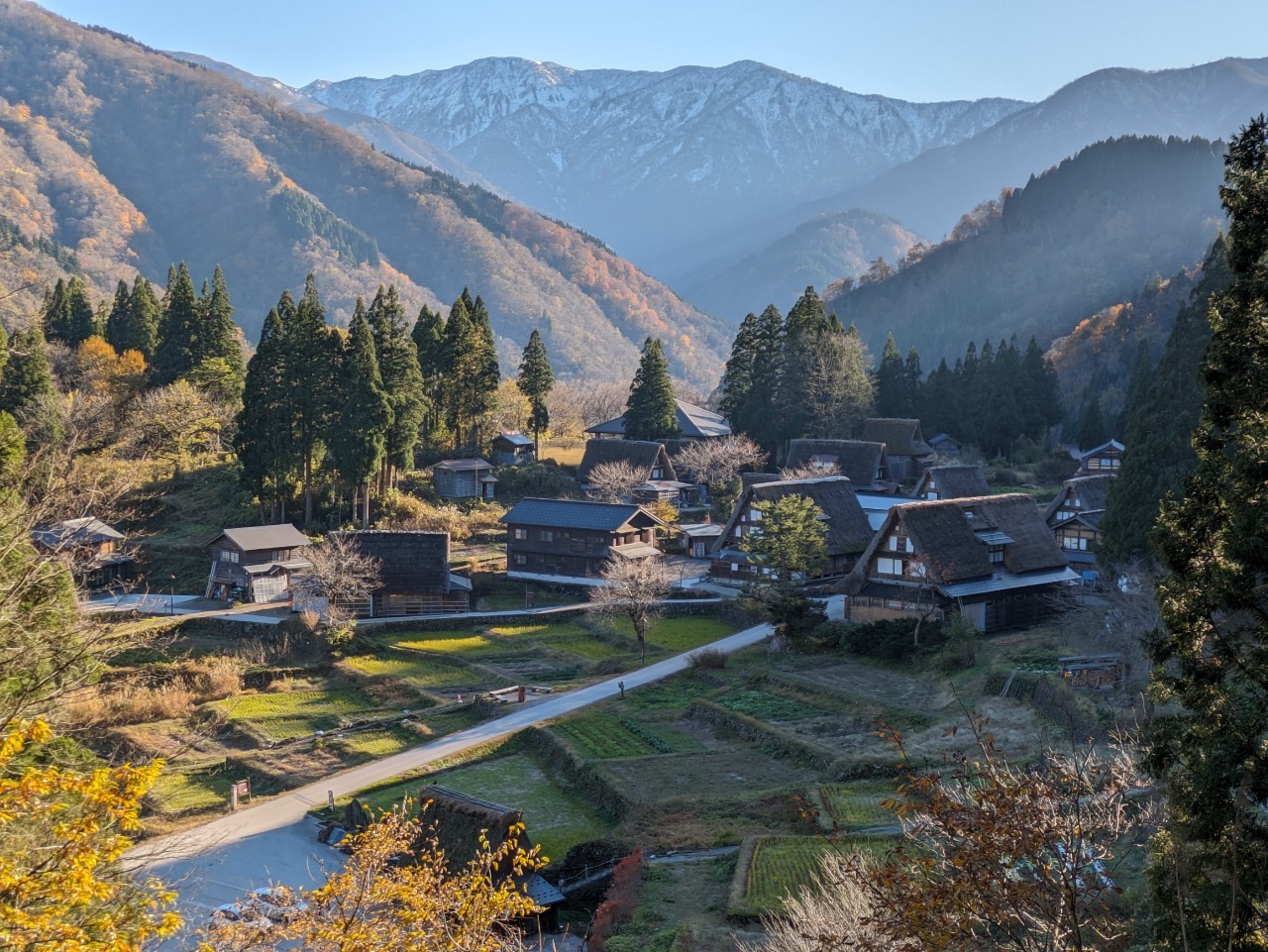
The Shirakawa-go (白川郷, Shirakawagō) and neighboring Gokayama (五箇山) regions line the Shogawa River Valley in the remote mountains that span from Gifu to Toyama Prefectures. Declared a UNESCO world heritage site in 1995, they are famous for their traditional gassho-zukuri farmhouses, some of which are more than 250 years old.
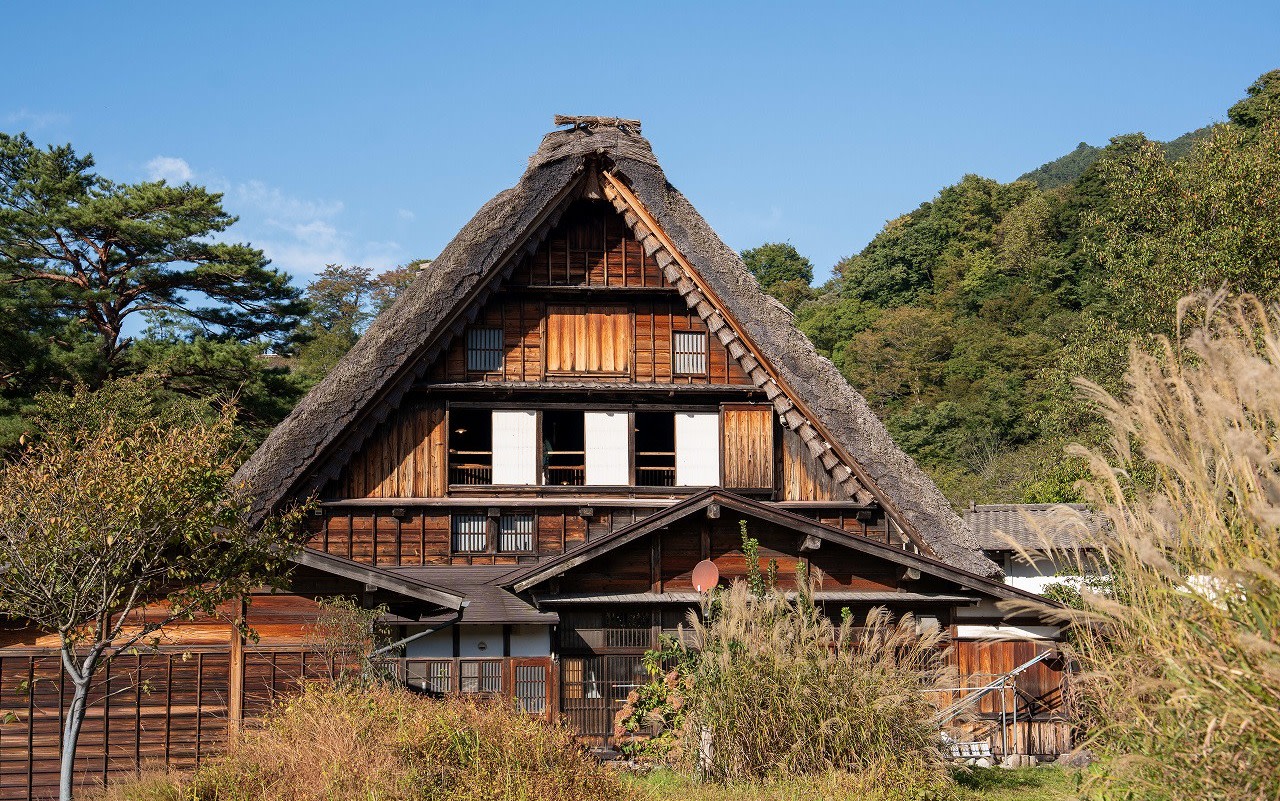
Gassho-zukuri means "constructed like hands in prayer", as the farmhouses' steep thatched roofs resemble the hands of Buddhist monks pressed together in prayer. The architectural style developed over many generations and is designed to withstand the large amounts of heavy snow that falls in the region during winter. The roofs, made without nails, provided a large attic space used for cultivating silkworms.
Ogimachi, Shirakawa-go's largest village and main attraction, makes a good day trip from Takayama, or a stop on the bus journey between Takayama and Kanazawa. The best way to experience the town, however, is to stay overnight at one of the farmhouses, many of which now serve as minshuku.
Gokayama is a little more difficult to access and requires a change of buses in Ogimachi. Less developed and less crowded than Shirakawa-go, its villages are smaller, more intimate and with less intrusion from modern buildings. Gokayama's nicest villages are Suganuma and Ainokura.
3
Ogimachi, Shirakawa-go's largest village and main attraction, makes a good day trip from Takayama, or a stop on the bus journey between Takayama and Kanazawa. The best way to experience the town, however, is to stay overnight at one of the farmhouses, many of which now serve as minshuku.
4
Gokayama is a little more difficult to access and requires a change of buses in Ogimachi. Less developed and less crowded than Shirakawa-go, its villages are smaller, more intimate and with less intrusion from modern buildings. Gokayama's nicest villages are Suganuma and Ainokura.
5
Gokayama is a little more difficult to access and requires a change of buses in Ogimachi. Less developed and less crowded than Shirakawa-go, its villages are smaller, more intimate and with less intrusion from modern buildings. Gokayama's nicest villages are Suganuma and Ainokura.
6
The Shirakawa-go (白川郷, Shirakawagō) and neighboring Gokayama (五箇山) regions line the Shogawa River Valley in the remote mountains that span from Gifu to Toyama Prefectures. Declared a UNESCO world heritage site in 1995, they are famous for their traditional gassho-zukuri farmhouses, some of which are more than 250 years old.
Gassho-zukuri means "constructed like hands in prayer", as the farmhouses' steep thatched roofs resemble the hands of Buddhist monks pressed together in prayer. The architectural style developed over many generations and is designed to withstand the large amounts of heavy snow that falls in the region during winter. The roofs, made without nails, provided a large attic space used for cultivating silkworms.
Ogimachi, Shirakawa-go's largest village and main attraction, makes a good day trip from Takayama, or a stop on the bus journey between Takayama and Kanazawa. The best way to experience the town, however, is to stay overnight at one of the farmhouses, many of which now serve as minshuku.
Gokayama is a little more difficult to access and requires a change of buses in Ogimachi. Less developed and less crowded than Shirakawa-go, its villages are smaller, more intimate and with less intrusion from modern buildings. Gokayama's nicest villages are Suganuma and Ainokura.
What's not included
Licensed Local English Speaking Guide
Entrance fees, Lunch, and Other personal expenses
You cannot combine multiple tour groups.
Available languages
Guide guide
JA
EN
Important information
Public transportation options are available nearby
Infants and small children can ride in a pram or stroller
All areas and surfaces are wheelchair accessible
Transportation options are wheelchair accessible
Wheelchair accessible
Suitable for all physical fitness levels
There are only a limited number of car seats and booster seats. Rear-facing car seats are not available. You must contact us directly if you need them.
About Kanazawa
Kanazawa, a beautifully preserved city on Japan's western coast, is renowned for its well-maintained Edo-era districts, traditional arts, and fresh seafood. Often overlooked in favor of more famous cities, Kanazawa offers a unique blend of history, culture, and natural beauty that sets it apart from other Japanese destinations.
Top Attractions
Kenrokuen Garden
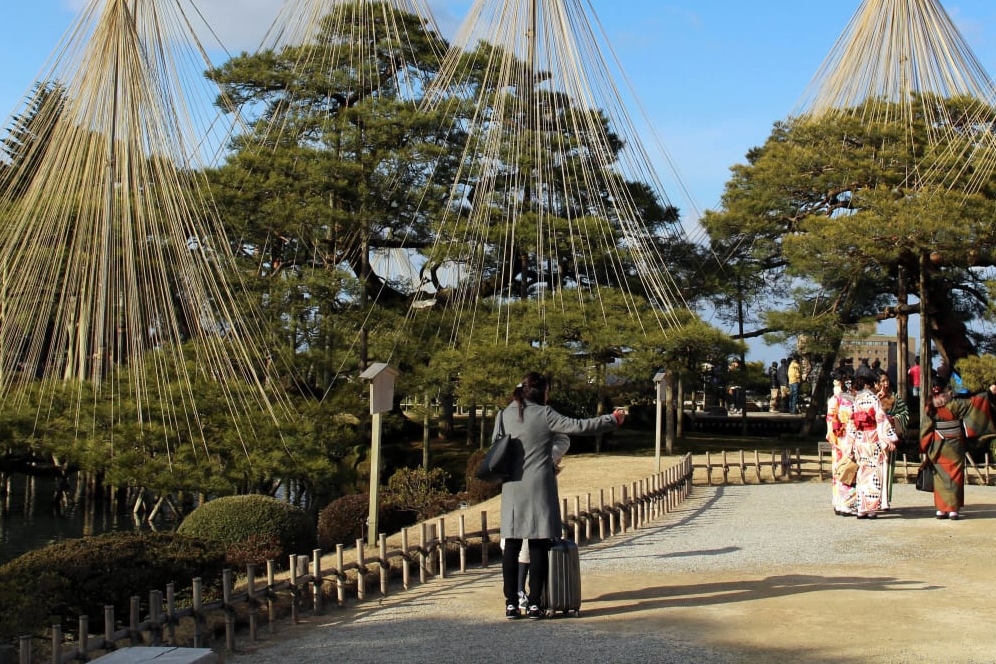
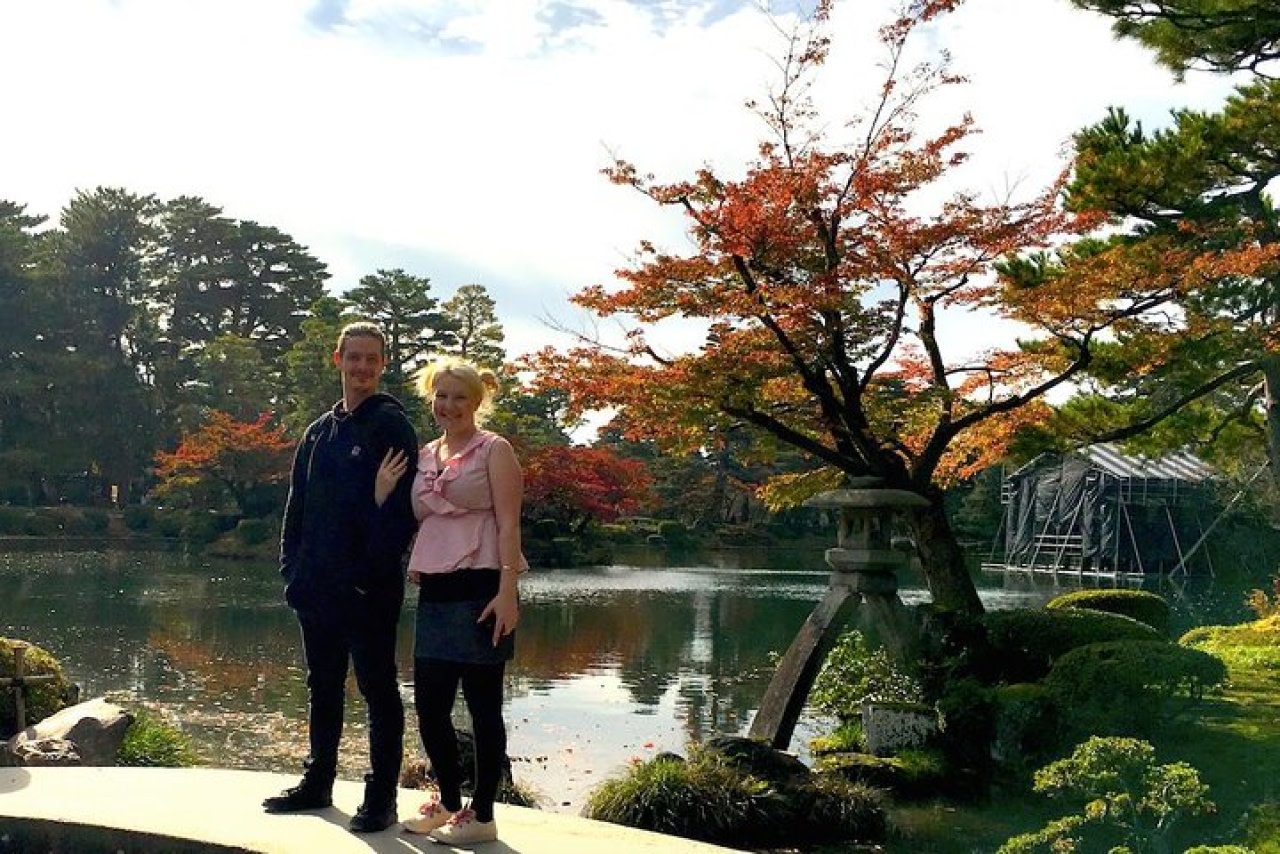
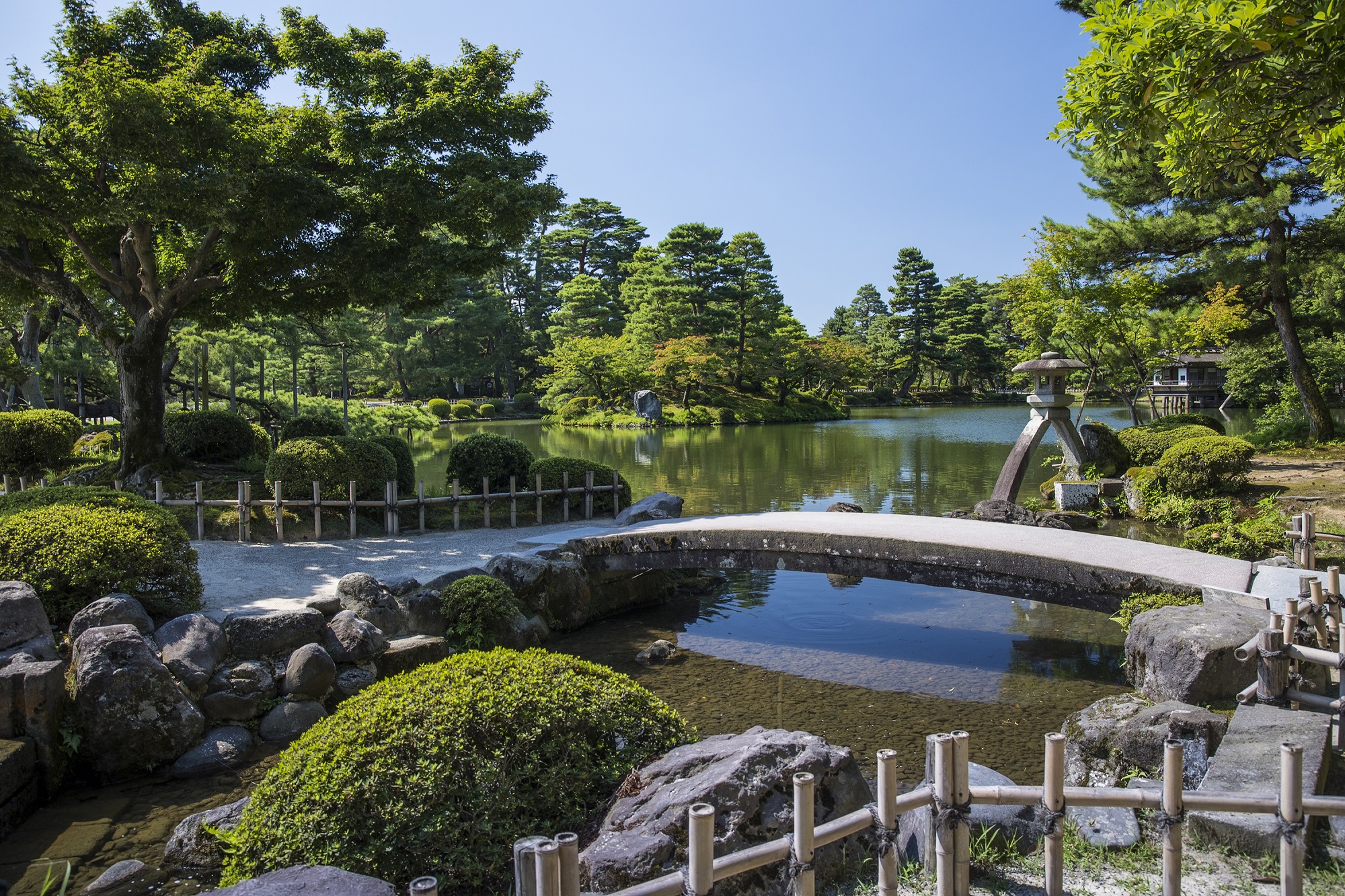
Kenrokuen is one of Japan's three most beautiful landscape gardens. It features a variety of trees, ponds, and walking paths, and is especially stunning during the cherry blossom and autumn foliage seasons.
Nature
1-2 hours
320 JPY
Kanazawa Castle
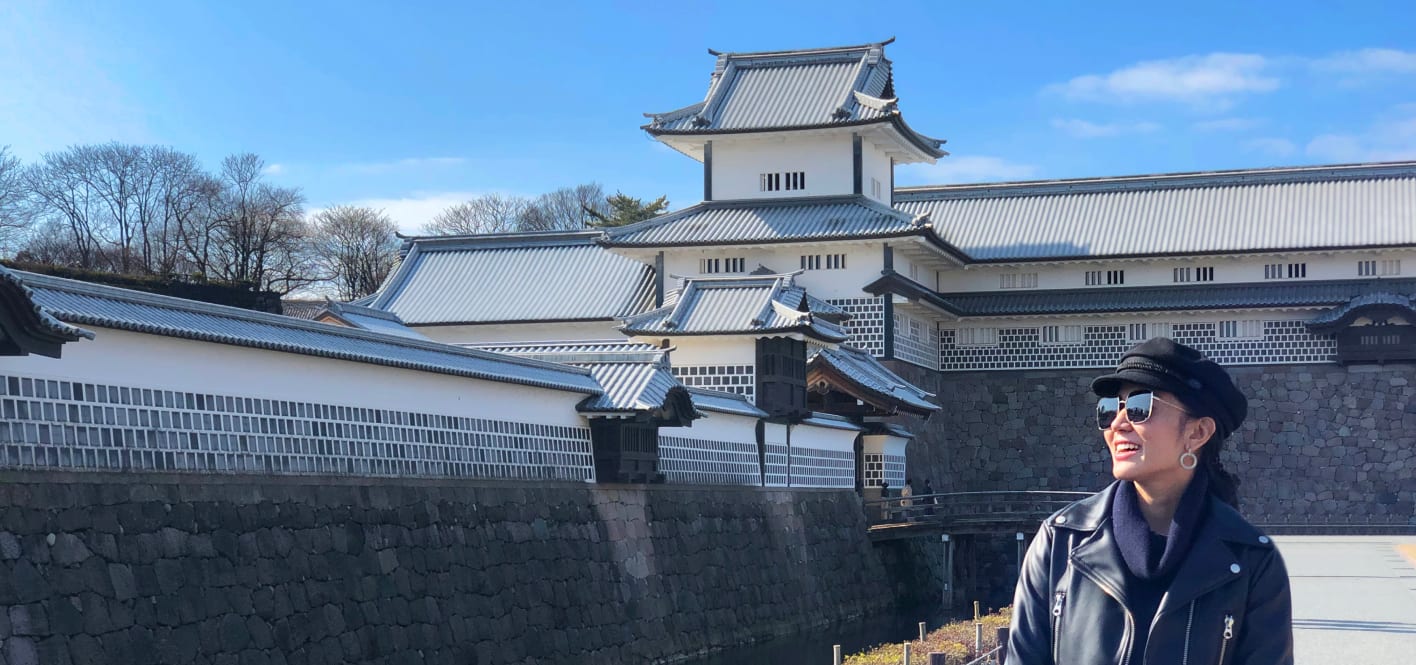
Kanazawa Castle is a historic castle that played a significant role in the city's history. The castle grounds are open to the public and feature several restored buildings, including the Ishikawa Gate and the Gyokusin-en Garden.
Historical
1-2 hours
Free (some areas may have a small fee)
Higashi Chaya District
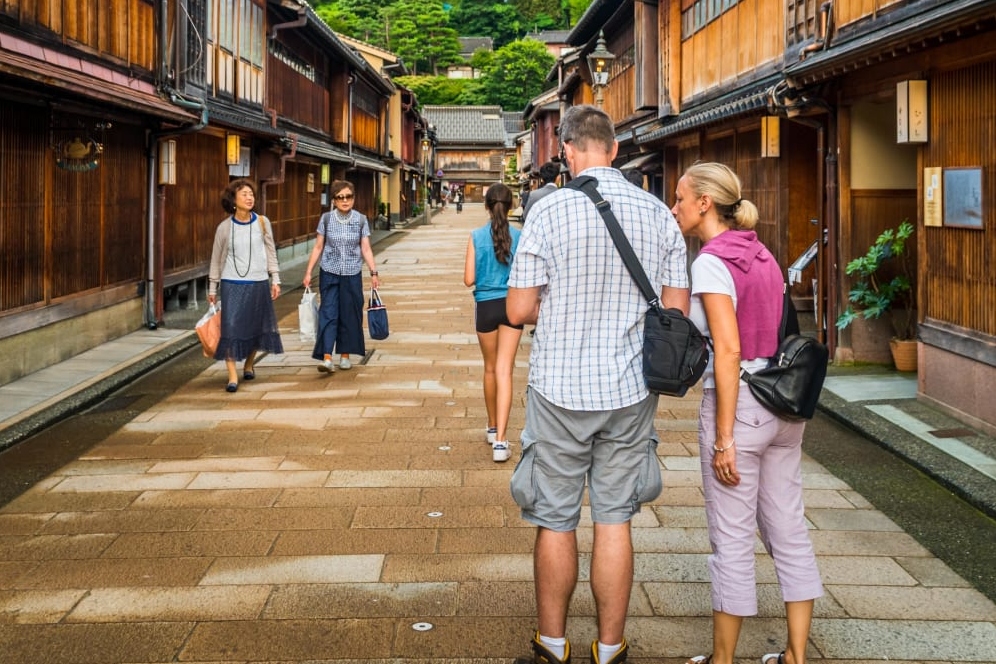
Higashi Chaya is a historic geisha district that has been preserved to maintain its traditional atmosphere. The district features wooden teahouses, narrow alleys, and a variety of shops and restaurants.
Cultural
1-2 hours
Free to explore, costs vary for shops and restaurants
Omicho Market
Omicho Market is a bustling seafood market that offers a wide variety of fresh seafood, produce, and local specialties. The market is a great place to sample Kanazawa's famous seafood dishes and pick up souvenirs.
Food
1 hour
Free to explore, costs vary for food and souvenirs
Nagamachi Samurai District
Nagamachi was the former samurai district of Kanazawa, and many of the original samurai residences have been preserved. The district features narrow streets, traditional houses, and several museums.
Historical
1-2 hours
Free to explore, costs vary for museums and exhibits
Must-Try Local Dishes
Kaisendon (Seafood Bowl)
A bowl of rice topped with fresh, local seafood such as crab, shrimp, and scallops. Kanazawa is famous for its kaisendon, which features a variety of seafood sourced from the nearby Sea of Japan.
Lunch/Dinner
Contains seafood, not suitable for vegetarians or vegans
Jibuni (Duck Stew)
A traditional Kanazawa dish made with duck, tofu, and vegetables in a rich, flavorful broth. Jibuni is a hearty and comforting dish that is perfect for cold weather.
Dinner
Contains meat, not suitable for vegetarians or vegans
Gold Leaf Ice Cream
A unique and luxurious dessert made with local gold leaf, which adds a delicate crunch and a touch of elegance. The gold leaf is edible and safe to consume.
Dessert
Contains dairy, may contain allergens
Kanazawa Sake
Kanazawa is known for its high-quality sake, which is brewed using local ingredients and traditional methods. The city has several sake breweries that offer tours and tastings.
Drink
Contains alcohol
Popular Activities
Hiking in Mount Hakusan
Onsen hopping in Kaga Onsen
Exploring Shirakawa-go's traditional villages
Staying in a traditional ryokan
Exploring Kanazawa's gardens and parks
Visiting Kanazawa's historic districts
Attending a traditional tea ceremony
Exploring Kanazawa's museums and art galleries
Best Time to Visit
Spring (March to May) and Autumn (September to November)
Spring brings cherry blossoms and pleasant weather, while autumn offers vibrant foliage and comfortable temperatures. These seasons are ideal for outdoor activities and sightseeing.
10°C to 25°C
50°F to 77°F
Practical Information
Language
- Official: Japanese
- Widely spoken: English (limited)
- English: Limited
Currency
Japanese Yen (JPY)
Time Zone
GMT+9
Electricity
100VV, 50/60HzHz
Safety Information
Overall Safety Rating: Very safe
Kanazawa is a very safe city with a low crime rate. Violent crime is rare, and petty crime such as pickpocketing and theft is uncommon. The city is generally safe for solo travelers, women, and LGBTQ+ travelers, but it's important to exercise common sense and take precautions to ensure a safe and enjoyable trip.
Important Precautions:
- • Be cautious when using taxis, and insist on using the meter
- • Avoid unsolicited offers for tours or services
- • Keep valuables secure and out of sight in crowded areas
Getting there
By air
- Komatsu Airport • 30 km from Kanazawa
By train
Kanazawa Station
By bus
Kanazawa Station Bus Terminal, Hokuriku Expressway Bus Stops
Getting around
Public transport
The Kanazawa Loop Bus is a convenient and affordable way to get around the city. It operates on several routes and offers unlimited rides with a day pass.
Taxis
Available • Apps: JapanTaxi, DiDi
Rentals
Car, Bike, Scooter
Neighborhoods
Kata-machi
Higashi Chaya District
Nagamachi District
Korinbo
Day trips
Shirakawa-go
60 km from Kanazawa • Full day
Shirakawa-go is a remote mountain village known for its traditional gassho-zukuri farmhouses, which are UNESCO World Heritage Sites. The village is especially stunning during the winter when the heavy snow creates a picturesque landscape.
Kaga Onsen
30 km from Kanazawa • Half day to full day
Kaga Onsen is a group of hot spring towns in Ishikawa Prefecture, known for their therapeutic waters and traditional ryokan (inns). The area offers a variety of hot spring experiences, from public baths to private onsen in ryokan.
Mount Hakusan
50 km from Kanazawa • Full day to overnight
Mount Hakusan is one of Japan's three holy mountains and is known for its stunning natural beauty and hiking trails. The mountain offers a variety of hiking routes, from easy day hikes to challenging multi-day treks.
Festivals
Kanazawa Hyakumangoku Festival • June
Kanazawa Gold Leaf Festival • October
Kanazawa Samurai Festival • November
Pro tips
- Visit Kenrokuen Garden early in the morning or late in the afternoon to avoid crowds and enjoy the stunning seasonal views
- Try gold leaf ice cream, a unique and delicious Kanazawa specialty
- Explore the narrow alleys and hidden courtyards of the Nagamachi Samurai District for a glimpse into Kanazawa's samurai history
- Attend a traditional tea ceremony or geisha performance for a memorable cultural experience
- Shop for gold leaf products and traditional crafts in the Higashi Chaya District for unique souvenirs
From $25
per person
Price varies by option
Secure booking
Free cancellation available
Instant confirmation