Yokohama 4hr Private Tour with Government-Licensed Guide
Active
4h
For a full refund, cancel at least 24 hours before the scheduled departure time.
Instant confirmation
Mobile or paper ticket accepted
About this experience
Enjoy an efficient, half-day walking tour of Yokohama accompanied by a government-licensed and experienced multilingual guide! Your guide will introduce both modern and traditional sides of these dynamic and ancient Japanese cities during this half-day tour.
For options to experience both modern and traditional sides of Japan outside of Tokyo, the cities of Yokohama may be the best. Our nationally-licensed and experienced English-speaking guides will help you efficiently spend a half-day walking tour of these areas. Let us know what you would like to experience and we will customize a four-hour tour that's best for you!
Note*1: Please select your must-see spots from a list in the tour information to create your customized itinerary.
Note*2: The National Government Licensed Guide Interpreter certification is issued by the Japanese government requires a good knowledge and understanding of Japanese culture and history.
Available options
Yokohama 4hr Private Tour with Government-Licensed Guide
Pickup included
What's included
Customizable Tour of your choice of 2-3 sites from 'What to expect' list (Yokohama or Kamakura)
Meet up with guide on foot within designated area of Yokohama
Licensed Local English Speaking Guide
Detailed itinerary
1
Sankeien (三溪園) is a spacious Japanese style garden in southern Yokohama which exhibits a number of historic buildings from across Japan. There is a pond, small rivers, flowers and wonderful scrolling trails that make you think you are in Kyoto rather than Yokohama.
The garden was built by Hara Sankei and opened to the public in 1904. Among the historic buildings exhibited in the park are an elegant daimyo (feudal lord) residence, several tea houses and the main hall and three storied pagoda of Kyoto's old Tomyoji Temple.
2
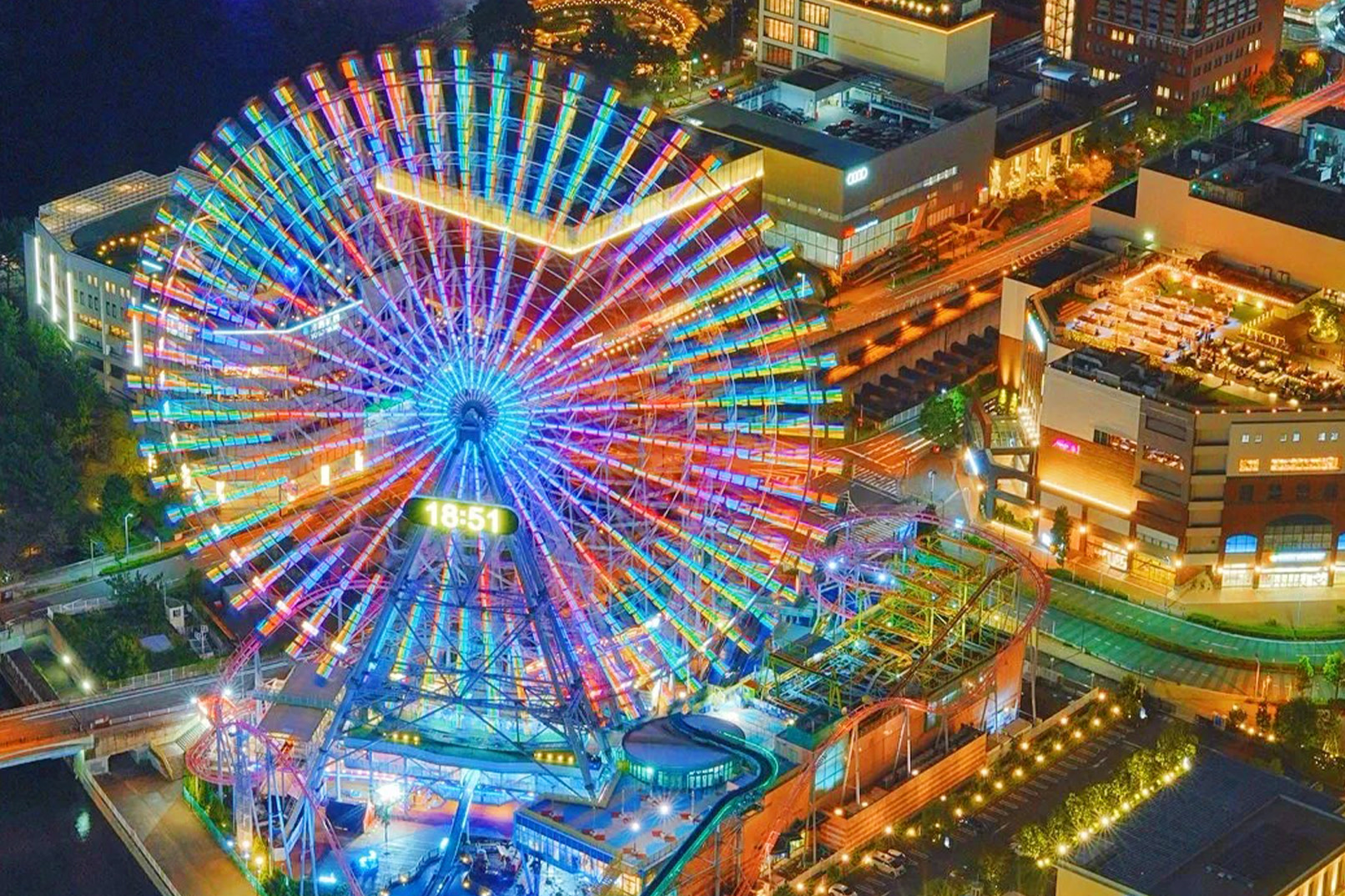
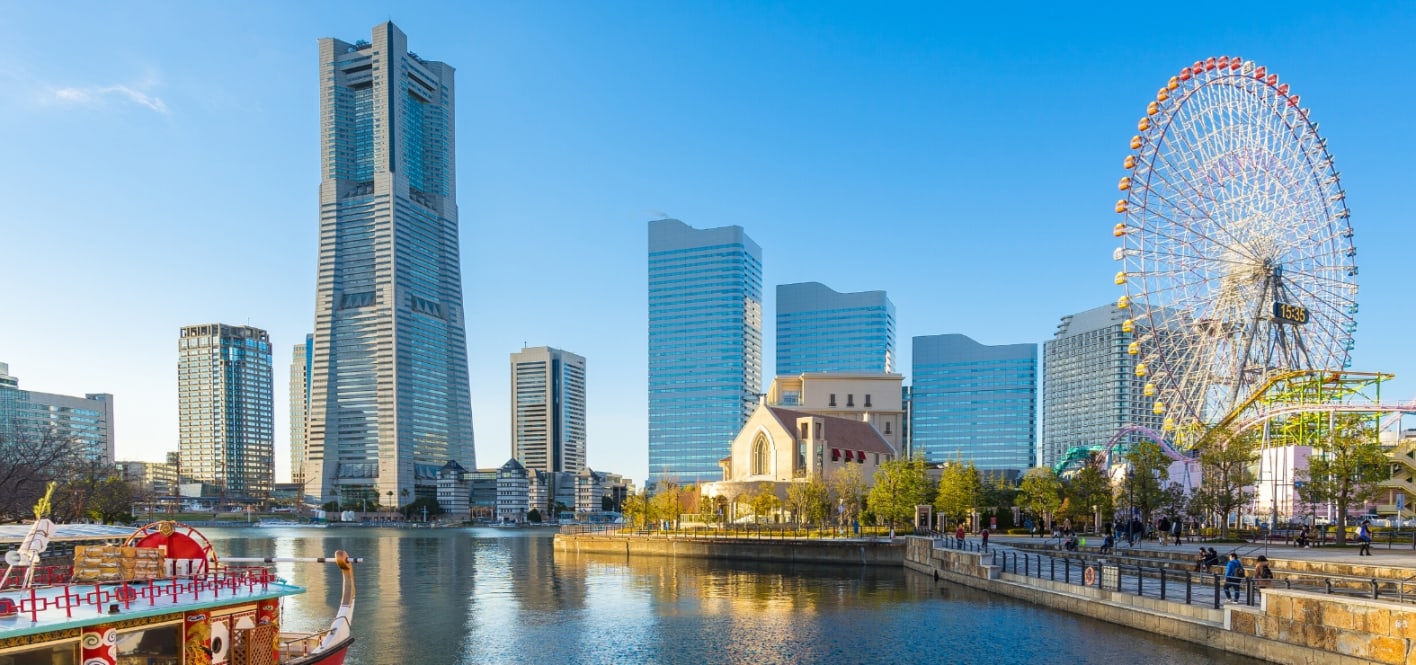
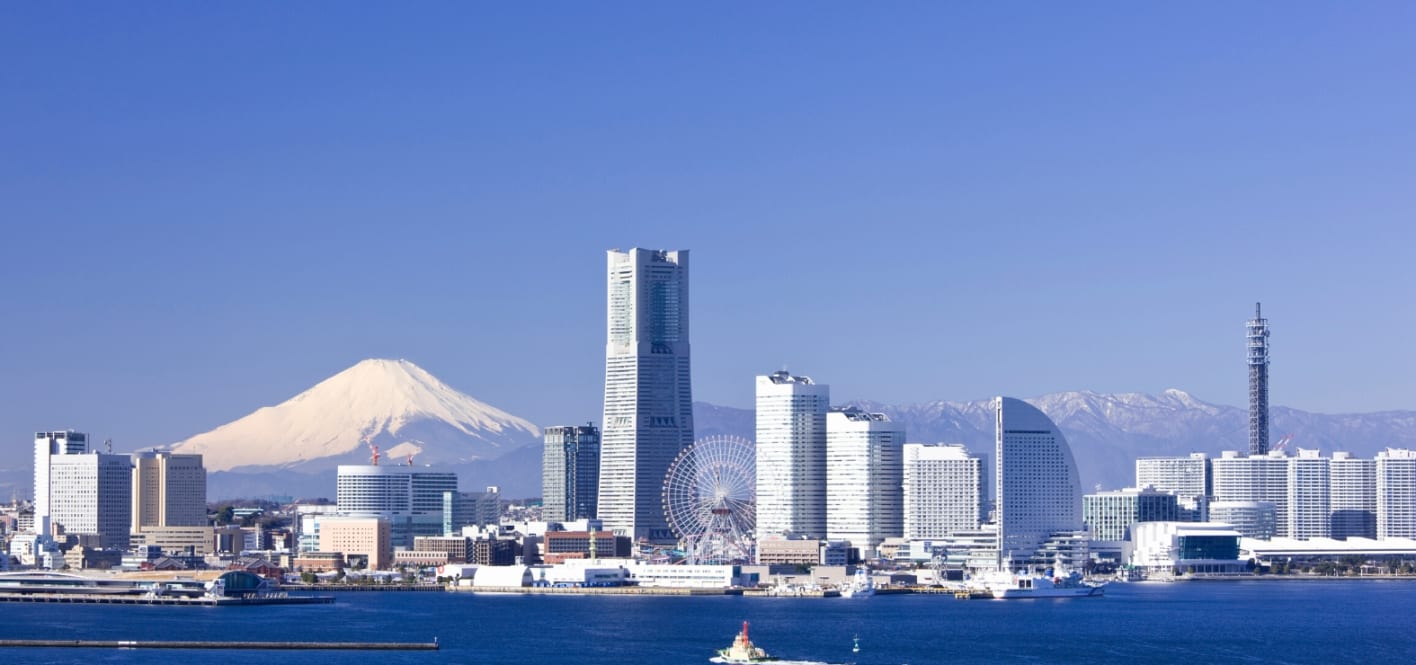
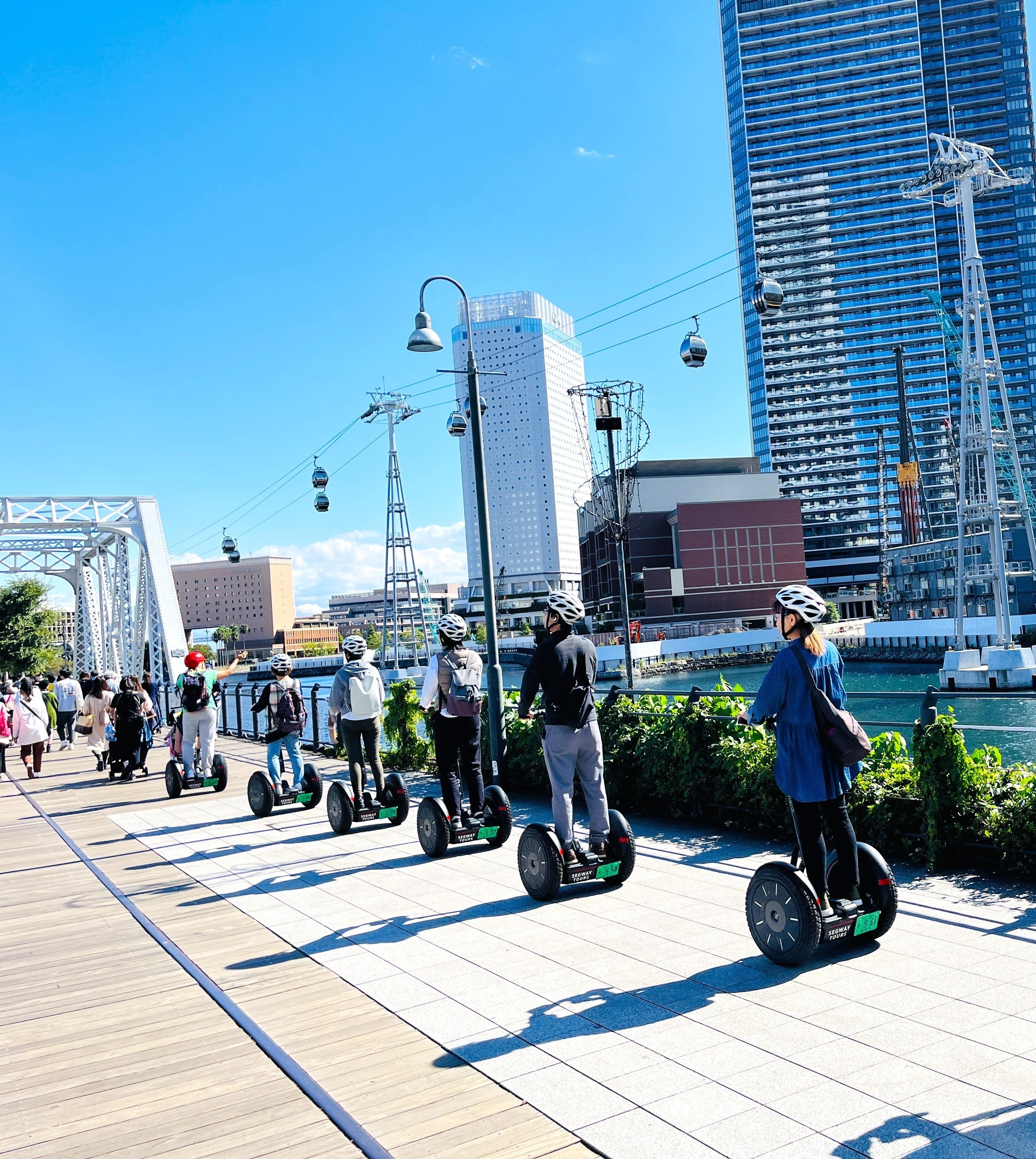
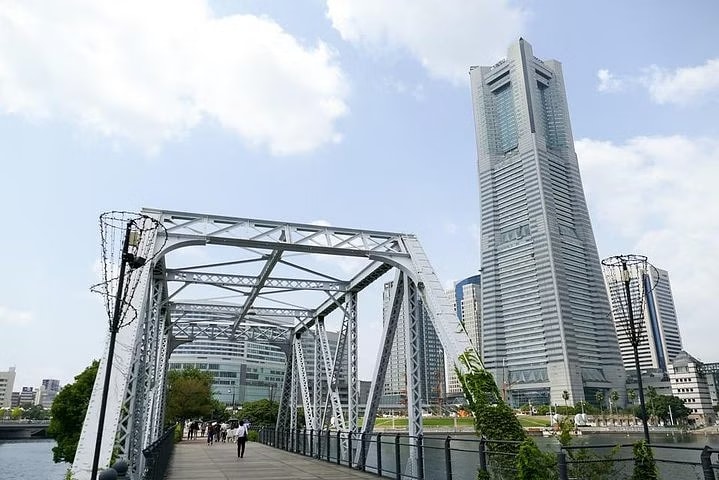
Minato Mirai 21 (みなとみらい 21) is a seaside urban area in central Yokohama whose name means "harbor of the future". It has many large high-rises, including the Landmark Tower, which was Japan's tallest building from 1993 until 2014. The area was a large shipyard until the 1980s, when development began to turn it into a new city center.
Minato Mirai is blessed with a great location along the water and has a wealth of attractions. Visitors to the area will be able to find shopping centers, hotels, a convention center, an amusement park, a relaxation center with hot spring baths, museums and park space.
3
Yokohama Chinatown (横浜中華街, Yokohama Chūkagai) is Japan's largest Chinatown, located in central Yokohama. A large number of Chinese stores and restaurants can be found in the narrow and colorful streets of Chinatown. Various events and festivals such as Chinese New Year around the beginning of February are also held at Chinatown.
Yokohama Chinatown quickly developed, after the port of Yokohama had been one of the first Japanese ports to be opened to foreign trade in 1859. It became the residence of the many Chinese traders who settled down in the city. Today, there are more businesses than actual residents living in the area.
Four colorful gates stand at the entrances to Chinatown, and five more gates can be found within. The Kanteibyo is a gaudily colored temple in the center of Chinatown. Constructed in 1873 by Chinese residents, it is dedicated to the Chinese god of good business and prosperity.
4
The Cup Noodles Museum (also known as the 安藤百福発明記念館, Andō Momofuku Hatsumei Kinenkan) is a fun and interactive museum in Yokohama's Minato Mirai District that shows the history of instant ramen noodles using a combination of whimsical exhibits and hands on workshops. It was opened by the Nissin Food company, whose founder invented instant ramen noodles in 1958 as a fast and convenient food. It is the second cup noodles museum to open in Japan; the first is the Momofuku Ando Instant Ramen Museum in Osaka.
Tickets can only be purchased on the day. You must line up before 10am at the museum in order to purchase tickets.
5
For most of the 250 years of the Edo Period (1603-1867), the rulers of Japan prohibited almost all interactions with foreign countries. When the period of isolation finally ended in the 1850s, Yokohama was one of only a few port towns where foreign traders, looking to profit from the newly opened country, were permitted to reside. While the Chinese made themselves a Chinatown, Westerners took up in the hills of the Yamate area, which was also called "The Bluff".
The Yamate area (山手) retains a number of sites relating to its history as the main residential district of Westerners in Yokohama. However, because of the Great Kanto Earthquake, few of them predate 1923. Present day Yamate is still for the most part a hilly residential area with some pleasant parks. As visitors travel between Yamate's sightseeing spots, they will see by the international schools and churches that the presence of Western residents continues to this day.
6
For most of the 250 years of the Edo Period (1603-1867), the rulers of Japan prohibited almost all interactions with foreign countries. When the period of isolation finally ended in the 1850s, Yokohama was one of only a few port towns where foreign traders, looking to profit from the newly opened country, were permitted to reside. While the Chinese made themselves a Chinatown, Westerners took up in the hills of the Yamate area, which was also called "The Bluff".
The Yamate area (山手) retains a number of sites relating to its history as the main residential district of Westerners in Yokohama. However, because of the Great Kanto Earthquake, few of them predate 1923. Present day Yamate is still for the most part a hilly residential area with some pleasant parks. As visitors travel between Yamate's sightseeing spots, they will see by the international schools and churches that the presence of Western residents continues to this day.
7
Stop 7
The Shinyokohama Raumen Museum (新横浜ラーメン博物館, Shin Yokohama Ra-men Hakubutsukan) is a unique museum about ramen, a very popular Japanese noodle dish which was originally introduced from China.
In a gallery on the first floor, the Ramen Museum presents the history of ramen noodles in Japan, including the big success of instant ramen. It displays the variety of noodles, soups, toppings and bowls used across Japan, and shows how the noodles are made.
On the two basement floors, visitors can explore a 1:1 replica of some streets and houses of Shitamachi, the old town of Tokyo, of around the year 1958, when the popularity of ramen was rapidly increasing. Nine ramen restaurants can be found there, each featuring a ramen dish from a different region of Japan.
8
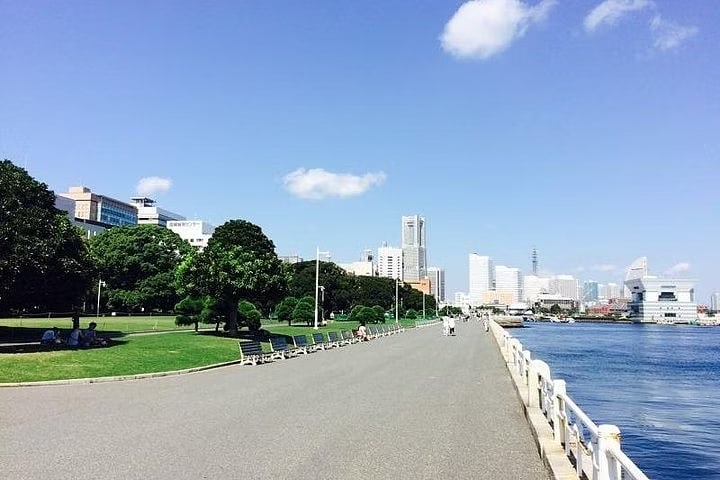
Yamashita Park (山下公園, Yamashita Kōen) is a public park that stretches about 750 meters along Yokohama's waterfront. The park is about a hundred meters wide, and consists mostly of open green space. It was constructed after the Great Kanto Earthquake of 1923.
Strolling through Yamashita Park, it is hard to miss the massive ocean liner in the water beside the promenade. The ship is called the Hikawa Maru, and was first put into service in 1930 along the Yokohama-Vancouver/Seattle line. The ship had first-class cabins that attracted the likes of the imperial family and Charlie Chaplin for the transpacific journey. In 1960, after 30 years at sea, the ship was retired. It now serves as a museum, with informative displays and interiors in the style of the 1930s.
9
The Osanbashi International Passenger Terminal (大さん橋国際客船ターミナル, Ōsanbashi Kokusai Kyakusen Terminal), also known as Osanbashi Pier, is located between Minato Mirai and Yamashita Park. It is where international cruise ships dock when they visit Yokohama. The 400 meter pier has walkways and green spaces that are open to the general public, making Osanbashi Pier an interesting attraction even for travelers not boarding a ship.
The pier was originally built in 1894, but was reconstructed in 2002 as a passenger terminal. Its bold new design incorporates grass and floor boards that mimic rolling waves. The pier is one of Yokohama's best spots for a walk, and for unobstructed views of the Minato Mirai skyline. Below the walking area there are boarding facilities, shops, restaurants and a hall for small exhibitions and events.
What's not included
Transportation fees, Entrance fees, Lunch, and Other personal expenses
No car or driver. This is a walking tour. You must book the vehicle separately.
You cannot combine multiple tour groups.
Guide Entry fees are only covered for sights listed under What to Expect.
Available languages
Guide guide
JA
EN
Reviews breakdown
Viator
4.8
16 reviews
5★
13
4★
3
3★
0
2★
0
1★
0
Tripadvisor
4.8
18 reviews
5★
16
4★
1
3★
1
2★
0
1★
0
Important information
Service animals allowed
Public transportation options are available nearby
Infants and small children can ride in a pram or stroller
All areas and surfaces are wheelchair accessible
Transportation options are wheelchair accessible
Wheelchair accessible
Suitable for all physical fitness levels
This is a walking tour. Pick up is on foot.
About Yokohama
Yokohama is Japan's second-largest city and a major port city with a rich history and vibrant culture. Known for its cosmopolitan atmosphere, it offers a blend of modern attractions and historic sites, making it a unique destination for travelers.
Top Attractions
Minato Mirai 21
Minato Mirai 21 is a futuristic waterfront area with modern architecture, shopping, dining, and entertainment options. It's a symbol of Yokohama's development and innovation.
Architecture/Entertainment
Half day to full day
Free to explore, attractions vary
Yokohama Chinatown
Yokohama Chinatown is one of the largest Chinatowns in the world, offering a vibrant mix of Chinese culture, cuisine, and shops. It's a must-visit for food lovers and cultural enthusiasts.
Cultural
Half day
Free to explore, food costs vary
Sankeien Garden
Sankeien Garden is a traditional Japanese garden with beautiful landscapes, historic buildings, and seasonal flowers. It offers a peaceful retreat from the bustling city.
Nature
2-3 hours
¥700
Must-Try Local Dishes
Shumai
A popular Chinese-style dumpling filled with pork and shrimp, often served with a sweet and spicy sauce.
Dumpling
Contains pork and shrimp
Iekeukhan
A grilled chicken skewer with a sweet and savory glaze, originating from Yokohama's Chinatown.
Street food
Contains chicken
Sashimi
Fresh raw fish slices, often served with soy sauce and wasabi. Yokohama's proximity to the sea ensures high-quality sashimi.
Seafood
Contains raw fish
Popular Activities
Hiking in Sankeien Garden
Cruising on Lake Ashi in Hakone
Exploring the caves of Enoshima
Onsen bathing in Hakone
Strolling through Yamashita Park
Visiting the Yokohama Museum of Art
Exploring Yokohama Chinatown
Visiting the Sankeien Garden
Best Time to Visit
Spring (March to May) and Autumn (September to November)
These seasons offer pleasant weather and are ideal for outdoor activities. Spring brings cherry blossoms, while autumn offers beautiful fall foliage.
15-25°C
59-77°F
Practical Information
Language
- Official: Japanese
- Widely spoken: English, Chinese
- English: Moderately spoken
Currency
Japanese Yen (JPY)
Time Zone
GMT+9
Electricity
100VV, 50/60HzHz
Safety Information
Overall Safety Rating: Very safe
Yokohama is a very safe city with low crime rates. Violent crime is rare, and pickpocketing is uncommon. However, as with any destination, it's important to stay aware of your surroundings and take basic precautions.
Important Precautions:
- • Use licensed taxis and agree on the fare before starting your journey
- • Keep valuables secure and out of sight in crowded areas
- • Be cautious of strangers offering unsolicited help or services
Getting there
By air
- Haneda Airport • 25 km from city center
- Narita Airport • 100 km from city center
By train
Yokohama Station, Sakuragicho Station
By bus
Yokohama Station Bus Terminal, Bashamichi Bus Terminal
Getting around
Public transport
The subway system is efficient and covers most of the city. It is user-friendly with signs in English.
Taxis
Available • Apps: JapanTaxi, DiDi
Rentals
Car, Bike, Scooter
Neighborhoods
Minato Mirai
Yamashita Park
Kannai
Day trips
Kamakura
30 km from Yokohama • Half day to full day
Kamakura is a historic town known for its temples, shrines, and the Great Buddha. It's a popular day trip from Yokohama, offering a mix of history and natural beauty.
Hakone
60 km from Yokohama • Full day
Hakone is a scenic hot spring resort town known for its onsen (hot springs), views of Mount Fuji, and historic sites. It's a great escape from the city for a day of relaxation and nature.
Enoshima
30 km from Yokohama • Half day
Enoshima is a small island known for its scenic views, shrines, and caves. It's a popular spot for a relaxing day trip, offering a mix of nature and culture.
Festivals
Yokohama Hakke Festival • April 29th (Showa Day)
Yokohama Red Brick Warehouse Festival • November (specific dates vary)
Yokohama Chinatown Festival • Spring and Autumn (specific dates vary)
Pro tips
- Use an IC card like Suica or Pasmo for convenient and discounted public transportation
- Visit the Yokohama Tourist Information Center for maps, brochures, and helpful staff
- Try local specialties like shumai, iekeukhan, and sashimi for an authentic culinary experience
- Explore the city's historic sites, such as the Red Brick Warehouse and Sankeien Garden, for a glimpse into Yokohama's past
- Experience the vibrant nightlife in Noge district or the lively atmosphere of Chinatown
From $25
per person
Price varies by option
Secure booking
Free cancellation available
Instant confirmation