Kanazawa 6hr Private Guided Tour and Geisha Performance:Dinner
Active
6h
All sales are final. No refund is available for cancellations.
Instant confirmation
Mobile or paper ticket accepted
About this experience
This 4hr private customized walking tour includes a 2hr Geisha (Geigi) performance and dinner experience!
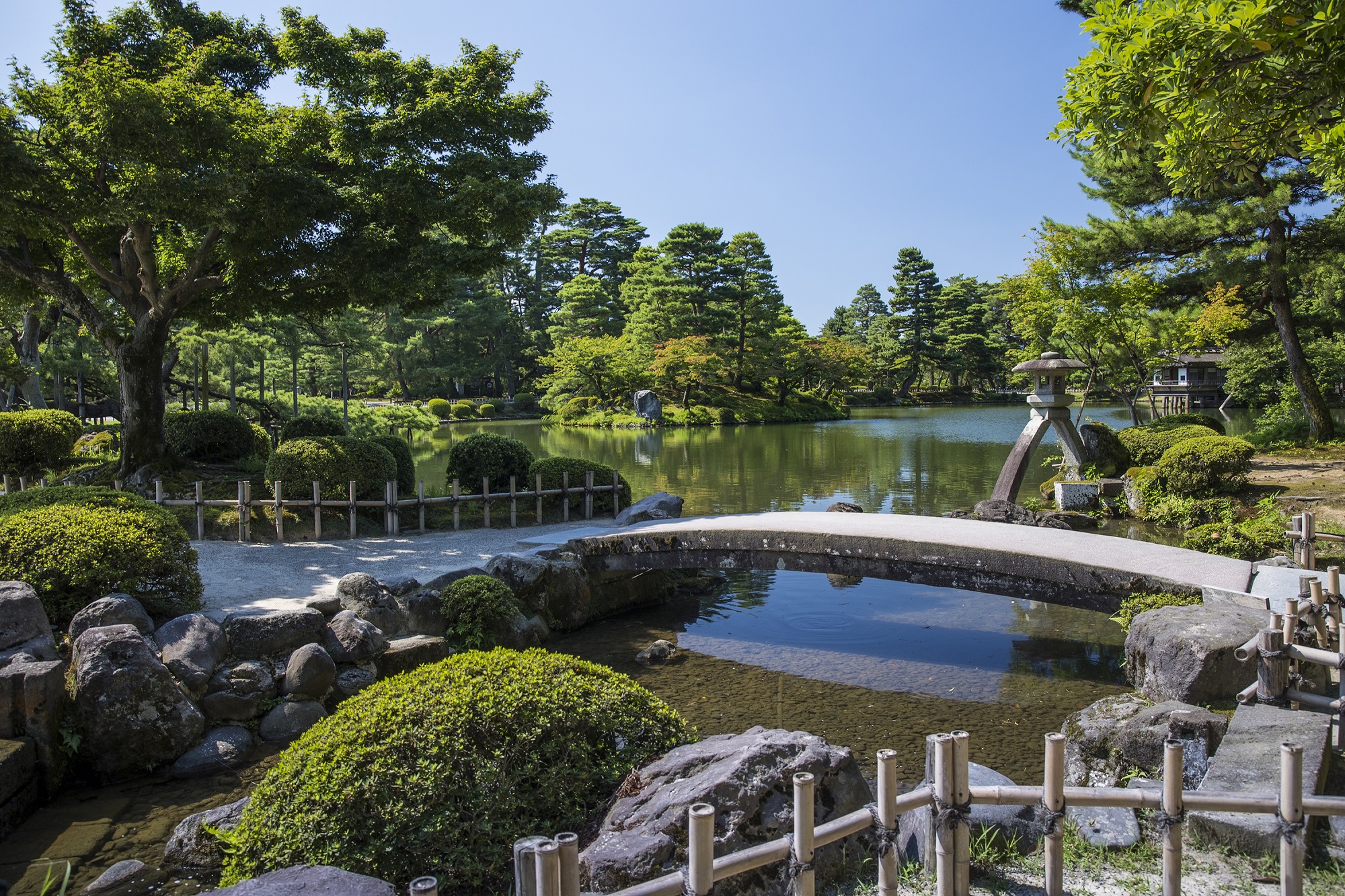
Explore the beautiful town of Kanazawa with your English-speaking guide, who will efficiently show you the city, such as Kenrokuen Garden—one of Japan’s Three Great Gardens—Higashi Chaya District, a teahouse area from the Edo period.
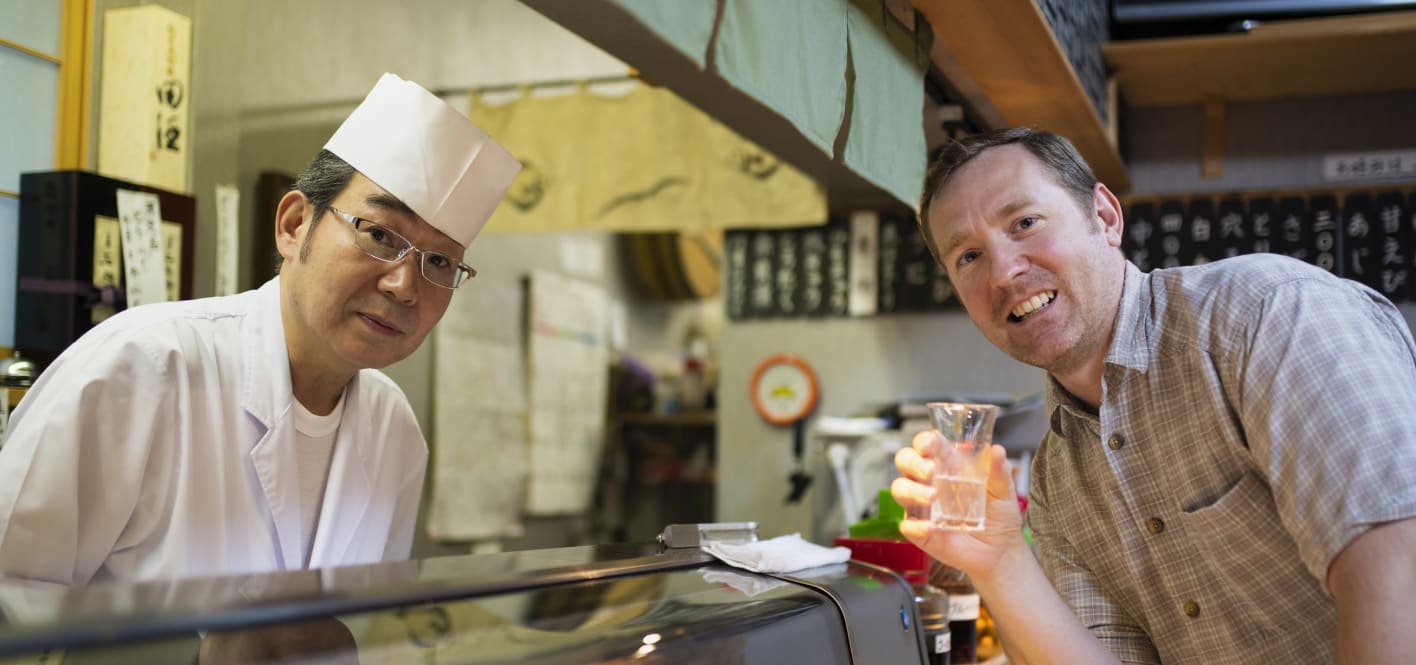
After the walk, enjoy a rare Geisha experience—typically not open to first-time visitors—in a private setting at a historic machiya. Watch elegant traditional dance and join in ozashiki games. Then savor a beautifully prepared Shokado bento dinner from a long-established ryotei (traditional Japanese fine dining restaurant).
Choose 2-3 spots from the list in the tour information to create your itinerary and inform your guide post booking.
Note*1:Children age 6 and under are free. Dinner not included, but you may bring food.
Note*2:Minimum charge is for two adults, so if your group has one adult and one child, please count the child as an adult.
Available options
Kanazawa 6hr Private Guided Tour and Geisha Performance:Dinner
Pickup included
What's included
Geisha experience & bento dinner (Children 6 & under free. No dinner, but bringing food is fine.)
Meet up with guide on foot within designated area of Kanazawa.
Licensed Local English Speaking Guide
Customizable Tour of your choice of 2-3 sites from 'What to expect' list
Detailed itinerary
1
Stop 1
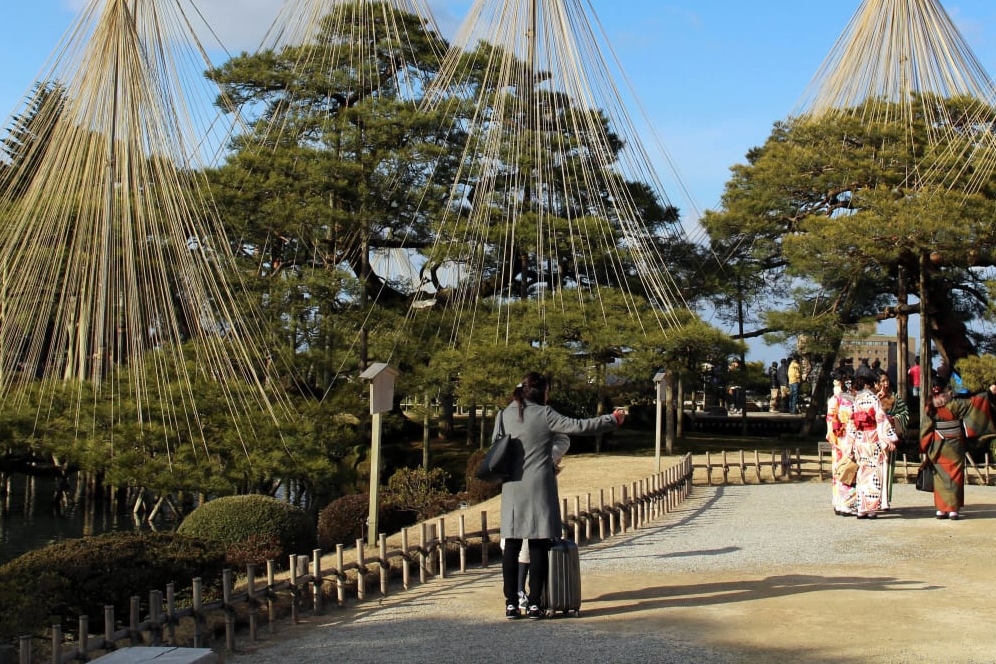
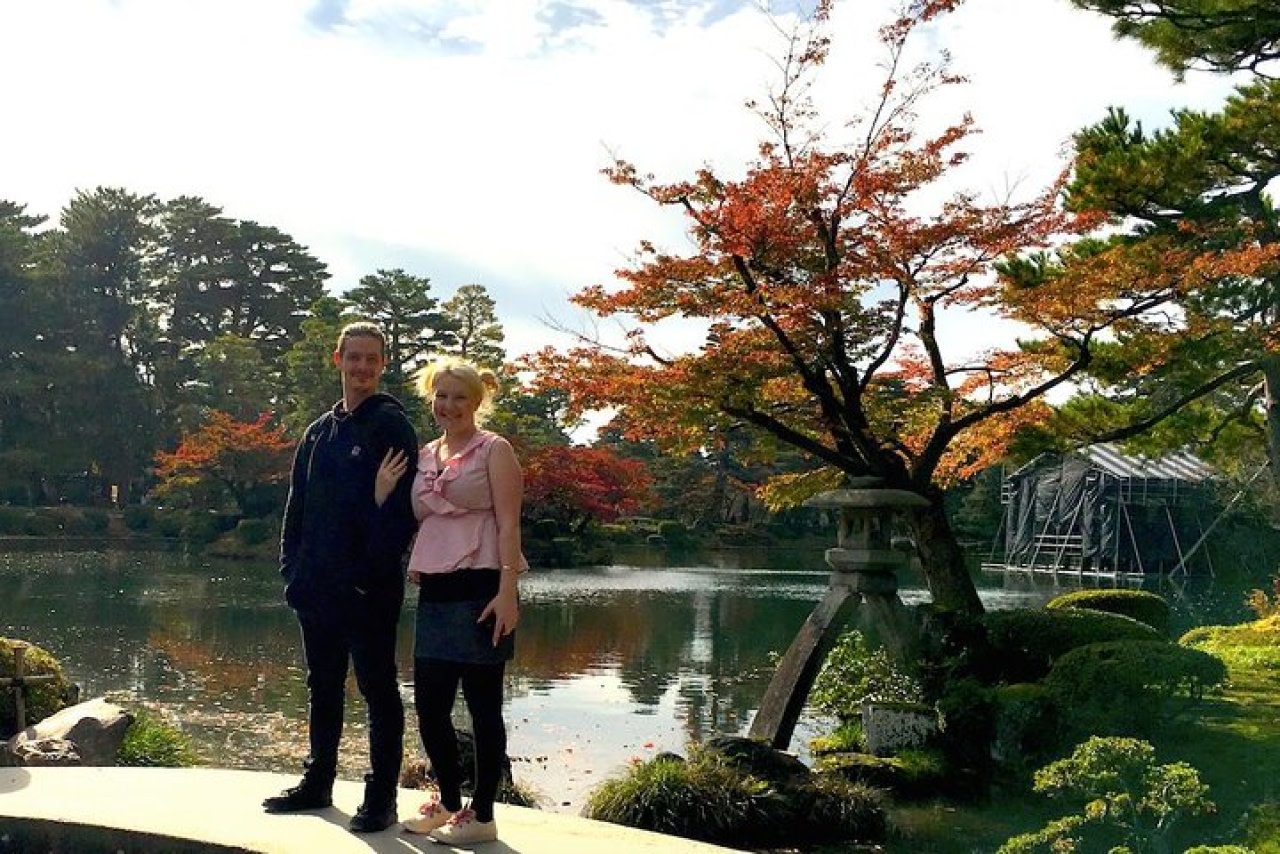
Kenrokuen in Kanazawa is justifiably classified as one of Japan's "three most beautiful landscape gardens" alongside Mito's Kairakuen and Okayama's Korakuen. The spacious grounds used to be the outer garden of Kanazawa Castle and were constructed by the ruling Maeda family over a period of nearly two centuries. Opened to the public in 1871, Kenrokuen features a variety of flowering trees which provide the garden with a different look for each season.
2
The D.T. Suzuki Museum, (Suzuki Daisetsu Kan) is a small museum commemorating the life and works of Suzuki Daisetz Teitaro (1870-1966), a prominent Buddhist philosopher. The museum was opened in 2011 in the district of Kanazawa where Suzuki was born, a ten minute walk from Kenrokuen. On display are exhibitions showcasing the writings of D.T. Suzuki which allow the visitor to learn more about his life and philosophy. In addition, the architecture of the museum serves as an interpretation of D.T. Suzuki's life and religious scholarship; its use of clean, simple lines and open spaces causes visitors to pause and reflect.
3
Myoryuji Temple (Myōryūji), commonly known as Ninjadera ("Ninja Temple"), was built by the Maeda lords, rulers over the region during the Edo Period. While not actually associated with ninja, the temple earned its nickname because of its many deceptive defences.
Since the shogun imposed strict building restrictions as one way of weakening his regional lords, Myoryuji was designed to circumvent the restrictions and serve as a disguised military outpost. It was built with considerable defences and escape routes, so that its defenders could alert the castle in the event of an attack.
4
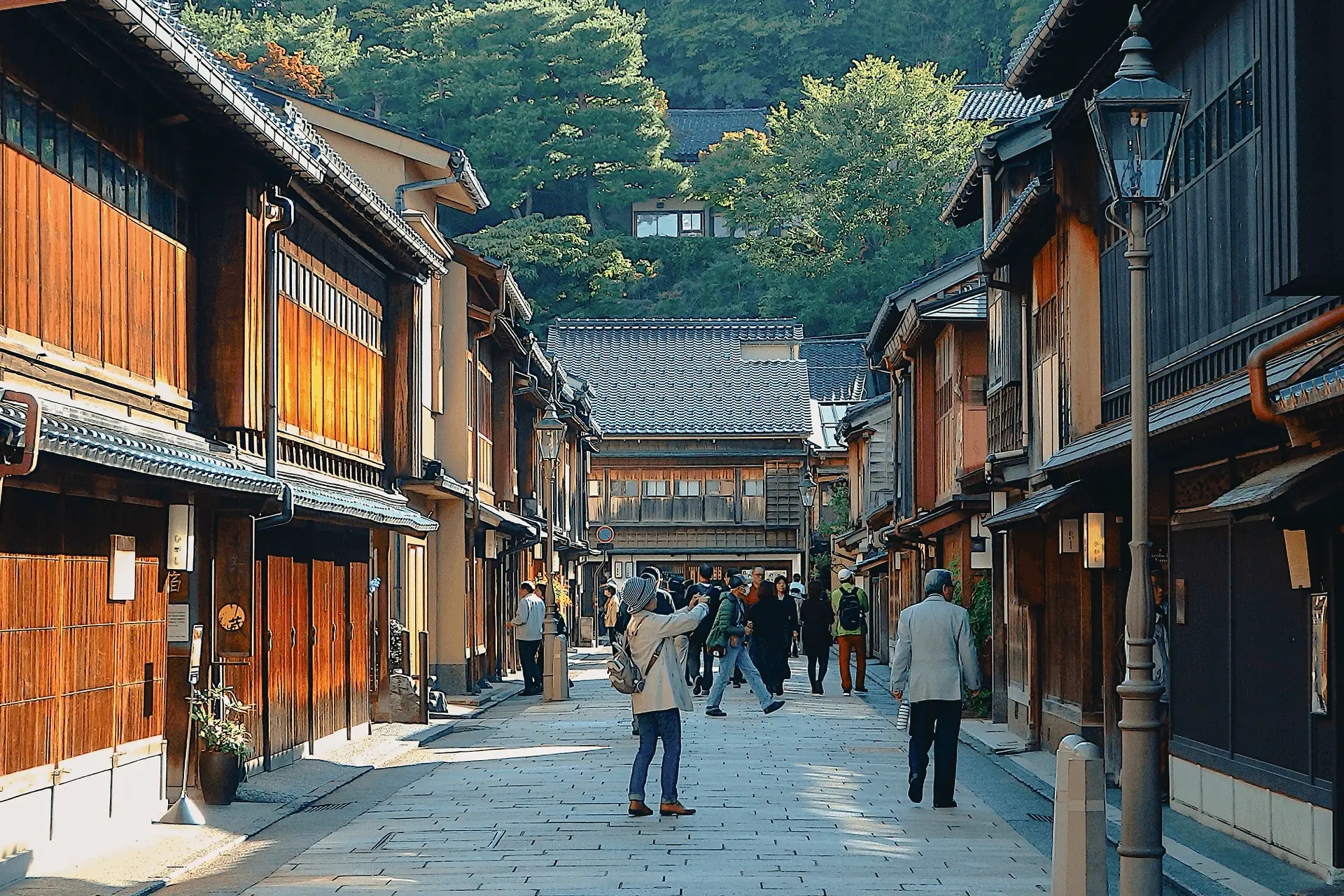
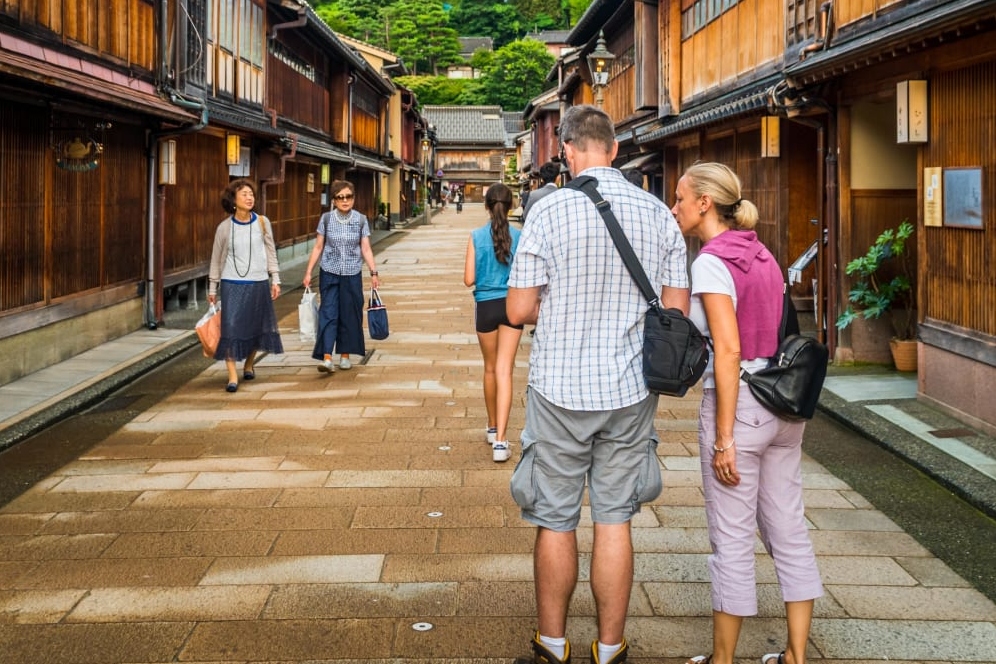
A chaya (lit. teahouse) is an exclusive type of restaurant where guests are entertained by geisha who perform song and dance. During the Edo Period, chaya were found in designated entertainment districts, usually just outside the city limits. Kanazawa has three, well preserved chaya districts, Higashi Chayagai (Eastern Chaya District), Nishi Chayagai (Western Chaya District) and Kazuemachi.
5
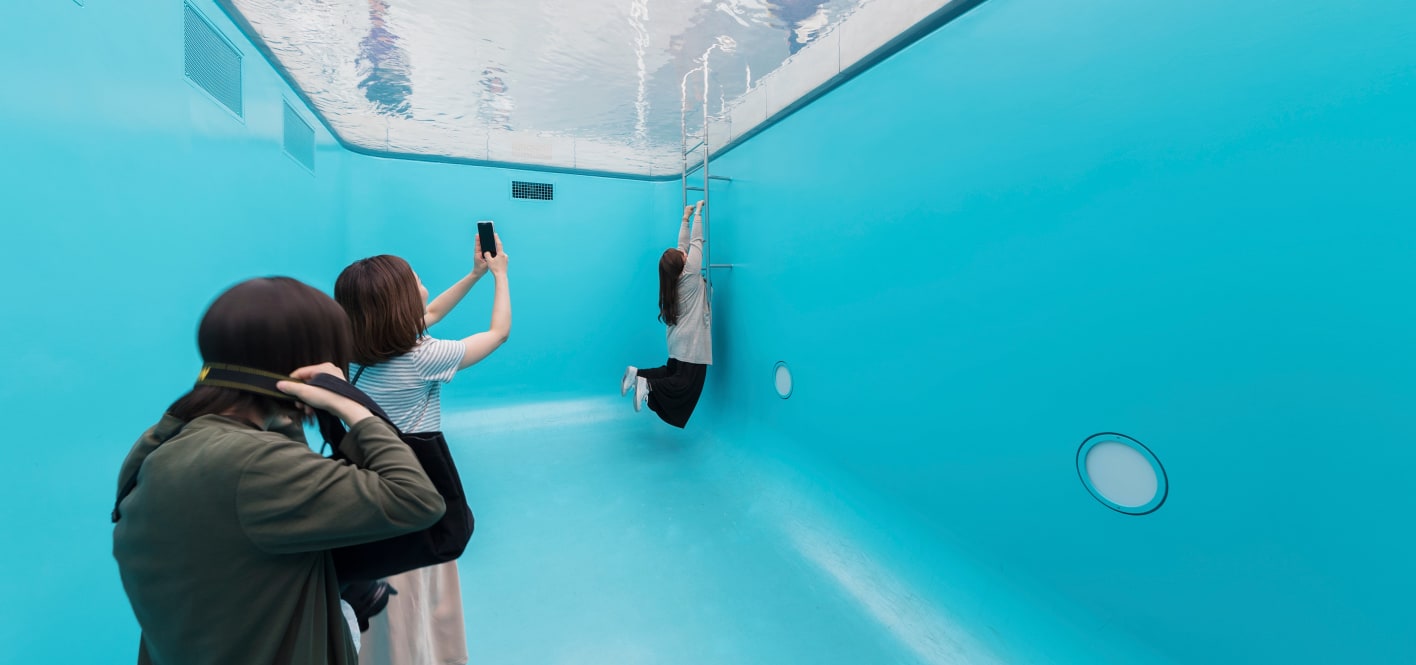
The 21st Century Museum of Contemporary Art (Kanazawa Nijūichiseiki Bijutsukan) opened in 2004 in downtown Kanazawa, just a few steps from Kenrokuen. It exhibits works of acclaimed contemporary artists from Japan and all over the world, and is among Japan's most popular art museums.
The architecture of the 21st Century Museum is unique and distinguishes it from other museums and buildings around Kanazawa. The museum is comprised of a circular building, 112.5 meters in diameter, with no facade or main entrance. It was designed without a front or back to discourage its patrons from approaching the museum, and consequently its art, from only one direction.
6
The Seisonkaku Villa (Seisonkaku) was built in the last years of the Edo Period by a Maeda lord for his mother. It is one of the most elegant, remaining samurai villas in Japan.
Located in the southeast corner of Kenrokuen, Seisonkaku is a large structure with a number of expansive tatami rooms on two floors. One of its interesting features is the roof which covers its garden viewing deck. It was built without supports that would interrupt the view of the garden.
7
Nagamachi was a samurai district located at the foot of the former Kanazawa Castle, where samurai and their families used to reside. The area preserves a historic atmosphere with its remaining samurai residences, earthen walls, private entrance gates, narrow lanes and water canals.
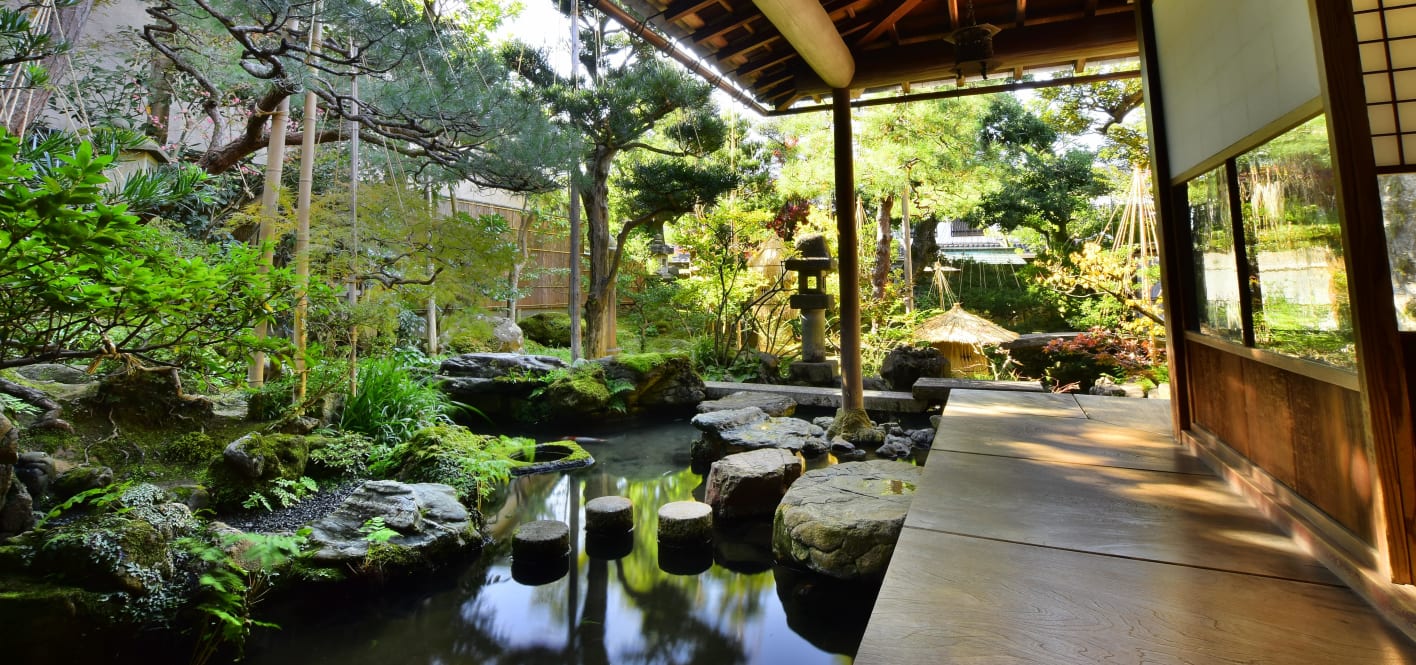
One of the main attractions of the district is the centrally located Nomura-ke, a restored samurai residence displaying the lifestyle and artifacts of the era when samurai were prosperous. In contrast is the Shinise Kinenkan Museum, a restored pharmacy displaying the lives of the merchant class which rose in prosperity as the samurai declined.
8
Omicho Market (Ōmichō Ichiba) has been Kanazawa's largest fresh food market since the Edo Period. Today, it is a busy and colorful network of covered streets lined by about 200 shops and stalls. While most shops specialize in the excellent local seafood and produce, you can also find flowers, clothing, kitchen tools and more on sale.
Although the market is most exciting during the morning hours, it also gets quite busy around noon, when tourists and locals arrive to have lunch at restaurants inside the market. It is not unusual for lines to build in front of the popular restaurants, many of which specialize in rice bowls topped with fresh Kanazawa seafood.
9
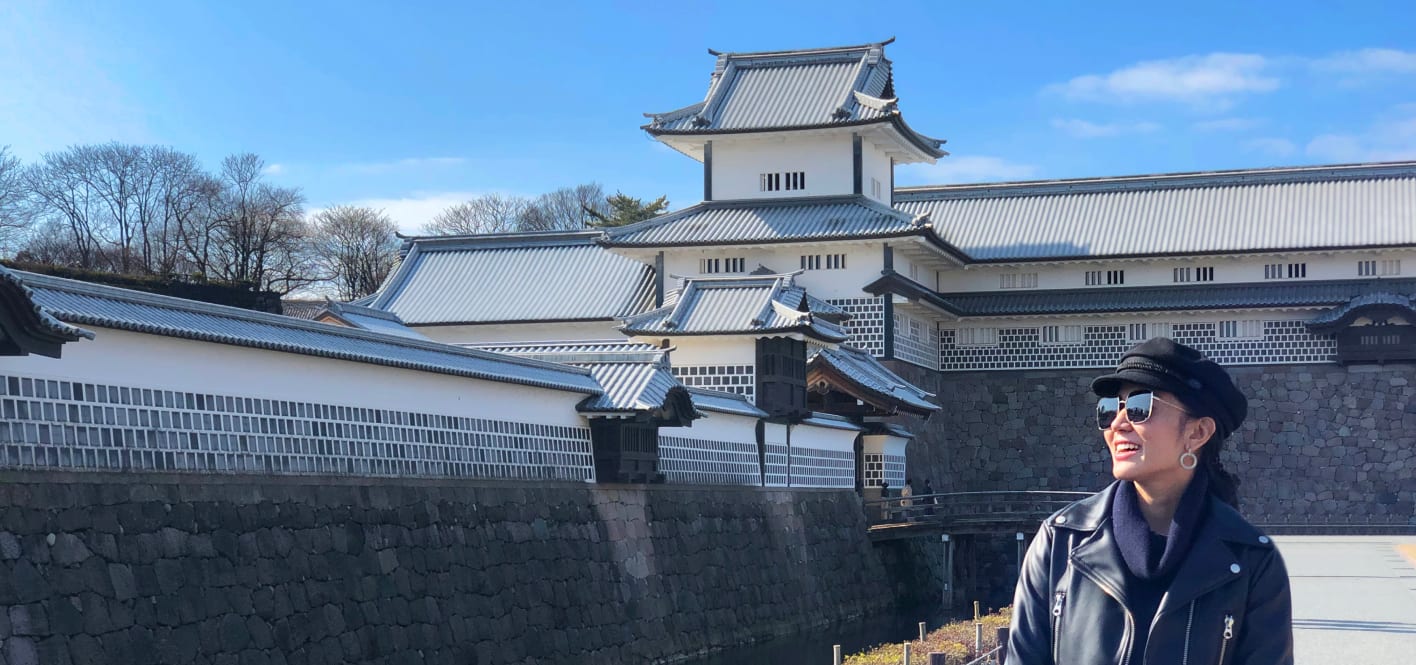
From 1583 to the end of the Edo Period, Kanazawa Castle ( Kanazawajō) was the seat of the powerful Maeda Clan, lords of Kaga, a feudal domain ranking second only to the Tokugawa possesions in terms of size and wealth.
The castle burnt down several times over the centuries, and the most recent fires of 1881 were survived only by two storehouses and the Ishikawa-mon Gate. The gate dates from 1788 and faces Kenrokuen. For several decades, Kanazawa University occupied the former castle grounds until the campus was moved to the city's outskirts in the early 1990s. Since then, a project is underway to rebuild the castle's former buildings. In the meantime, most central structures are standing again and make a visit more interesting.
10
A chaya lit. teahouse) is an exclusive type of restaurant where guests are entertained by geisha who perform song and dance. Kanazawa has three well preserved chaya districts, Higashi Chayagai (Eastern Chaya District), Nishi Chayagai (Western Chaya District) and Kazuemachi. Each of the three districts has its own charms and mix of shops, cafes and chaya restaurants.
The Nishi Chaya District (西茶屋街, Nishi Chayagai), is a compact area just a short walk from the Ninja Temple. It is much smaller and quieter than the Higashi Chayagai and has just one attraction open to the public: a museum, the Nishi Chaya Shiryokan, which displays the history of the district and is a meeting place for free tours of the area (Japanese only).
11
Oyama Shrine (Oyama Jinja) is dedicated to Maeda Toshiie, the first lord of the powerful, local Maeda Clan. The shrine was constructed in 1599 by Toshiie's successor, Maeda Toshinaga on Mount Utatsu. It was later moved to its present location.
Oyama Shrine is known for its unusual gate, which was designed by a Dutch architect, using elements of European and Asian religious themes. While the first story displays a mixture of Japanese and Chinese influence, the upper stories once served as a lighthouse and feature a Dutch style, stained glass window.
12
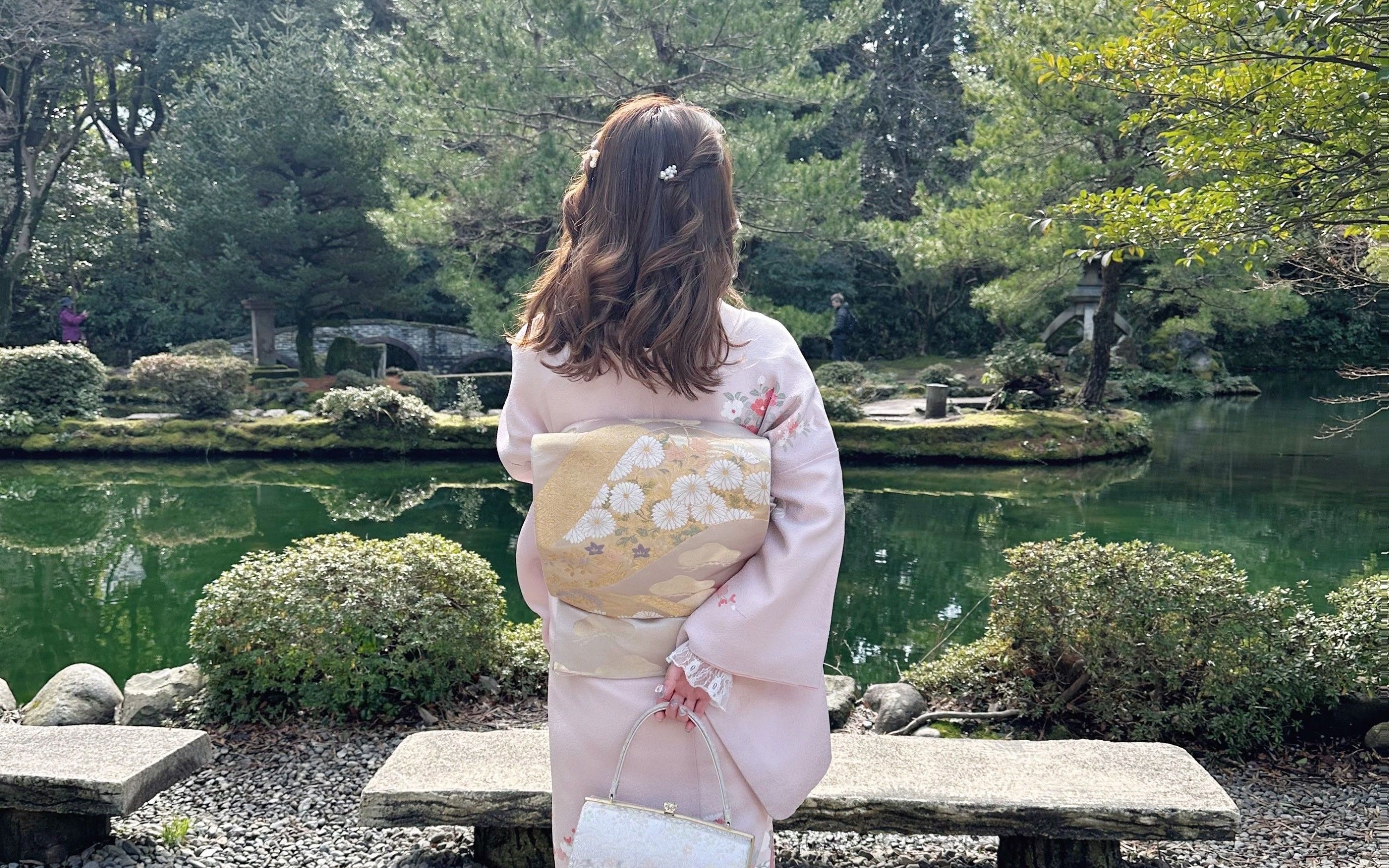
You can enjoy Geisha experience in the Kanazawa Machiya. These are traditional urban townhouses built in merchant and artisan districts, such as castle towns and port towns, during the feudal (han) era. They served as residences for merchants and craftsmen.
The experience begins with singing, dancing, and traditional instruments as part of a traditional Geisha performance. You will also learn elegant dance movements and how to play the drums.
The Geisha will also be present during dinner, so feel free to ask them anything you're curious about.
**NOTE**
For the customer group of 1 to 5 people:
In case the Machiya studio is fully booked, location may be changed to a different venue—Kaiseki Kameya Japanese restaurant (2-1-7 Nomachi, Kanazawa, Ishikawa 921-8031), 2nd floor, a private room—
What's not included
Transportation fees, Entrance fees, Lunch, and Other personal expenses
Private Vehicle
You cannot combine multiple tour groups.
Guide Entry fees are only covered for sights listed under What to Expect.
Any drinks
Available languages
Guide guide
JA
EN
Important information
Specialized infant seats are available
Service animals allowed
Public transportation options are available nearby
Infants and small children can ride in a pram or stroller
All areas and surfaces are wheelchair accessible
Transportation options are wheelchair accessible
Wheelchair accessible
Suitable for all physical fitness levels
About Kanazawa
Kanazawa, a beautifully preserved city on Japan's western coast, is renowned for its well-maintained Edo-era districts, traditional arts, and fresh seafood. Often overlooked in favor of more famous cities, Kanazawa offers a unique blend of history, culture, and natural beauty that sets it apart from other Japanese destinations.
Top Attractions
Kenrokuen Garden
Kenrokuen is one of Japan's three most beautiful landscape gardens. It features a variety of trees, ponds, and walking paths, and is especially stunning during the cherry blossom and autumn foliage seasons.
Nature
1-2 hours
320 JPY
Kanazawa Castle
Kanazawa Castle is a historic castle that played a significant role in the city's history. The castle grounds are open to the public and feature several restored buildings, including the Ishikawa Gate and the Gyokusin-en Garden.
Historical
1-2 hours
Free (some areas may have a small fee)
Higashi Chaya District
Higashi Chaya is a historic geisha district that has been preserved to maintain its traditional atmosphere. The district features wooden teahouses, narrow alleys, and a variety of shops and restaurants.
Cultural
1-2 hours
Free to explore, costs vary for shops and restaurants
Omicho Market
Omicho Market is a bustling seafood market that offers a wide variety of fresh seafood, produce, and local specialties. The market is a great place to sample Kanazawa's famous seafood dishes and pick up souvenirs.
Food
1 hour
Free to explore, costs vary for food and souvenirs
Nagamachi Samurai District
Nagamachi was the former samurai district of Kanazawa, and many of the original samurai residences have been preserved. The district features narrow streets, traditional houses, and several museums.
Historical
1-2 hours
Free to explore, costs vary for museums and exhibits
Must-Try Local Dishes
Kaisendon (Seafood Bowl)
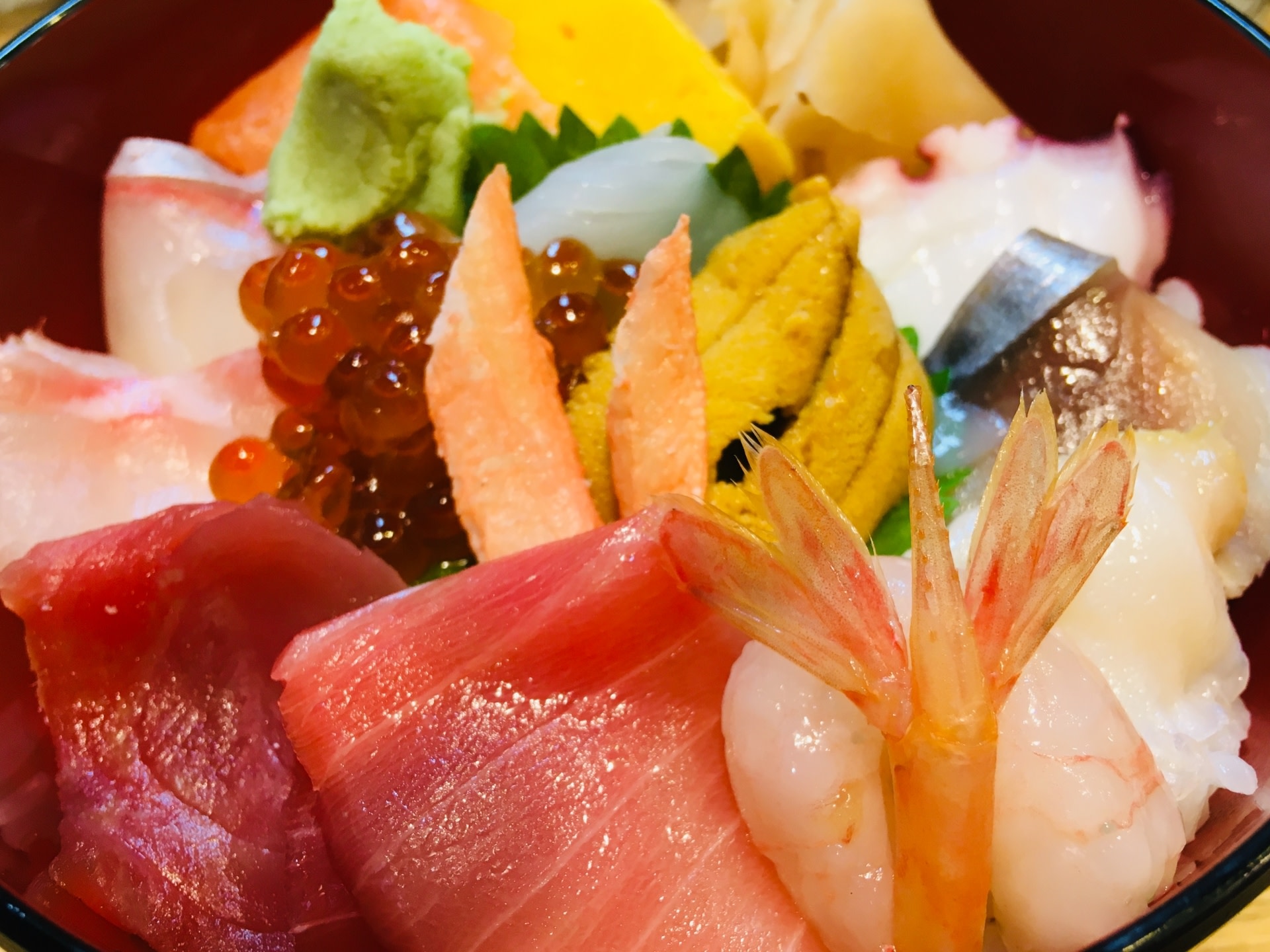
A bowl of rice topped with fresh, local seafood such as crab, shrimp, and scallops. Kanazawa is famous for its kaisendon, which features a variety of seafood sourced from the nearby Sea of Japan.
Lunch/Dinner
Contains seafood, not suitable for vegetarians or vegans
Jibuni (Duck Stew)
A traditional Kanazawa dish made with duck, tofu, and vegetables in a rich, flavorful broth. Jibuni is a hearty and comforting dish that is perfect for cold weather.
Dinner
Contains meat, not suitable for vegetarians or vegans
Gold Leaf Ice Cream
A unique and luxurious dessert made with local gold leaf, which adds a delicate crunch and a touch of elegance. The gold leaf is edible and safe to consume.
Dessert
Contains dairy, may contain allergens
Kanazawa Sake
Kanazawa is known for its high-quality sake, which is brewed using local ingredients and traditional methods. The city has several sake breweries that offer tours and tastings.
Drink
Contains alcohol
Popular Activities
Hiking in Mount Hakusan
Onsen hopping in Kaga Onsen
Exploring Shirakawa-go's traditional villages
Staying in a traditional ryokan
Exploring Kanazawa's gardens and parks
Visiting Kanazawa's historic districts
Attending a traditional tea ceremony
Exploring Kanazawa's museums and art galleries
Best Time to Visit
Spring (March to May) and Autumn (September to November)
Spring brings cherry blossoms and pleasant weather, while autumn offers vibrant foliage and comfortable temperatures. These seasons are ideal for outdoor activities and sightseeing.
10°C to 25°C
50°F to 77°F
Practical Information
Language
- Official: Japanese
- Widely spoken: English (limited)
- English: Limited
Currency
Japanese Yen (JPY)
Time Zone
GMT+9
Electricity
100VV, 50/60HzHz
Safety Information
Overall Safety Rating: Very safe
Kanazawa is a very safe city with a low crime rate. Violent crime is rare, and petty crime such as pickpocketing and theft is uncommon. The city is generally safe for solo travelers, women, and LGBTQ+ travelers, but it's important to exercise common sense and take precautions to ensure a safe and enjoyable trip.
Important Precautions:
- • Be cautious when using taxis, and insist on using the meter
- • Avoid unsolicited offers for tours or services
- • Keep valuables secure and out of sight in crowded areas
Getting there
By air
- Komatsu Airport • 30 km from Kanazawa
By train
Kanazawa Station
By bus
Kanazawa Station Bus Terminal, Hokuriku Expressway Bus Stops
Getting around
Public transport
The Kanazawa Loop Bus is a convenient and affordable way to get around the city. It operates on several routes and offers unlimited rides with a day pass.
Taxis
Available • Apps: JapanTaxi, DiDi
Rentals
Car, Bike, Scooter
Neighborhoods
Kata-machi
Higashi Chaya District
Nagamachi District
Korinbo
Day trips
Shirakawa-go
60 km from Kanazawa • Full day
Shirakawa-go is a remote mountain village known for its traditional gassho-zukuri farmhouses, which are UNESCO World Heritage Sites. The village is especially stunning during the winter when the heavy snow creates a picturesque landscape.
Kaga Onsen
30 km from Kanazawa • Half day to full day
Kaga Onsen is a group of hot spring towns in Ishikawa Prefecture, known for their therapeutic waters and traditional ryokan (inns). The area offers a variety of hot spring experiences, from public baths to private onsen in ryokan.
Mount Hakusan
50 km from Kanazawa • Full day to overnight
Mount Hakusan is one of Japan's three holy mountains and is known for its stunning natural beauty and hiking trails. The mountain offers a variety of hiking routes, from easy day hikes to challenging multi-day treks.
Festivals
Kanazawa Hyakumangoku Festival • June
Kanazawa Gold Leaf Festival • October
Kanazawa Samurai Festival • November
Pro tips
- Visit Kenrokuen Garden early in the morning or late in the afternoon to avoid crowds and enjoy the stunning seasonal views
- Try gold leaf ice cream, a unique and delicious Kanazawa specialty
- Explore the narrow alleys and hidden courtyards of the Nagamachi Samurai District for a glimpse into Kanazawa's samurai history
- Attend a traditional tea ceremony or geisha performance for a memorable cultural experience
- Shop for gold leaf products and traditional crafts in the Higashi Chaya District for unique souvenirs
From $25
per person
Price varies by option
Secure booking
Free cancellation available
Instant confirmation