Mt. Fuji Five Lakes Private Tour with Licensed Guide (Tokyo DEP)
Active
10h
For a full refund, cancel at least 24 hours before the scheduled departure time.
Instant confirmation
Mobile or paper ticket accepted
About this experience
Come and see why Hokusai painted 36 different views of Mount Fuji! Join us on a private walking tour in the Yamanashi Five Lakes Area. The tallest mountain in Japan is surrounded by five lakes with beautiful natural scenery. Explore the shrines in the area and taste Houtou or Yoshida Udon, the local noodle dishes of the area. Pick up a bottle of Yamanashi wine or some fresh fruits to enjoy after your tour!
Once your reservation is made, a Government Licensed guide will be in touch to plan your personalized tour. Choose 3 to 4 spots that you wish to visit and your guide will plan a personalized itinerary. If you do not know where to visit, ask the guide to send you their recommended itinerary based on your interests. Your guide will meet you at your hotel or at Shinjuku station to catch the train or bus to Mount Fuji. Please discuss with your guide your preferences for transport. We hope to guide you soon!
This is a walking/public transport tour. No private vehicle is provided.
Available options
Mt. Fuji Five Lakes Private Tour with Licensed Guide (Tokyo DEP)
Pickup included
What's included
Customizable Walking Tour of your choice of 3-4 sites from 'What to expect' list
Meet up with guide on foot within designated area of Tokyo
Licensed Local English Speaking Guide
Detailed itinerary
1
Meet up with your guide in Tokyo and take the train or bus to Kawaguchi area. Please speak to guide about bus & train fees. The travel time will be about 2 hours.
2
Stop 2
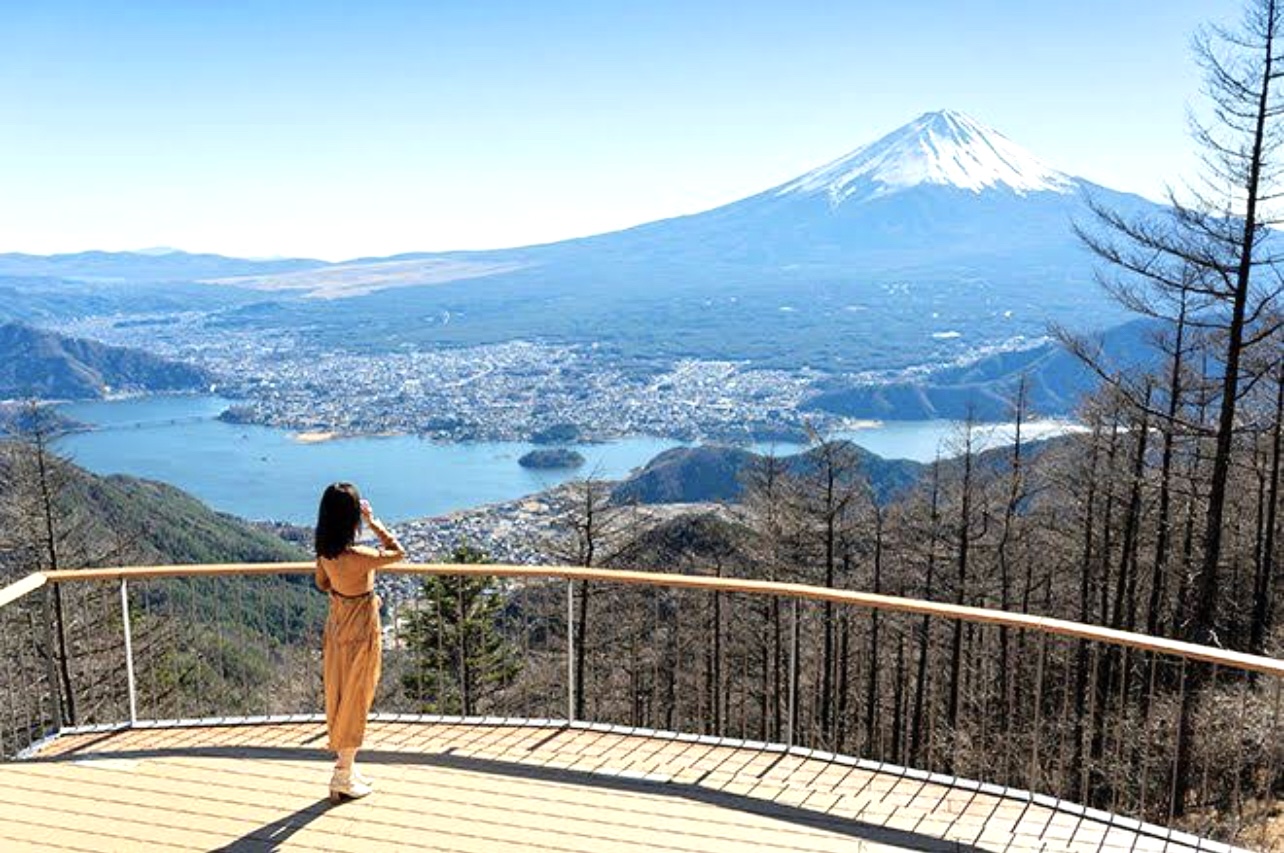
Mt. Kachi Kachi Ropeway (カチカチロープウェイ) is located next to Lake Kawaguchiko, and it runs to the summit of Mt Tenjo. From the top, an amazing view of Mt Fuji, Lake Kawaguchiko and the surrounding area can be seen.
3
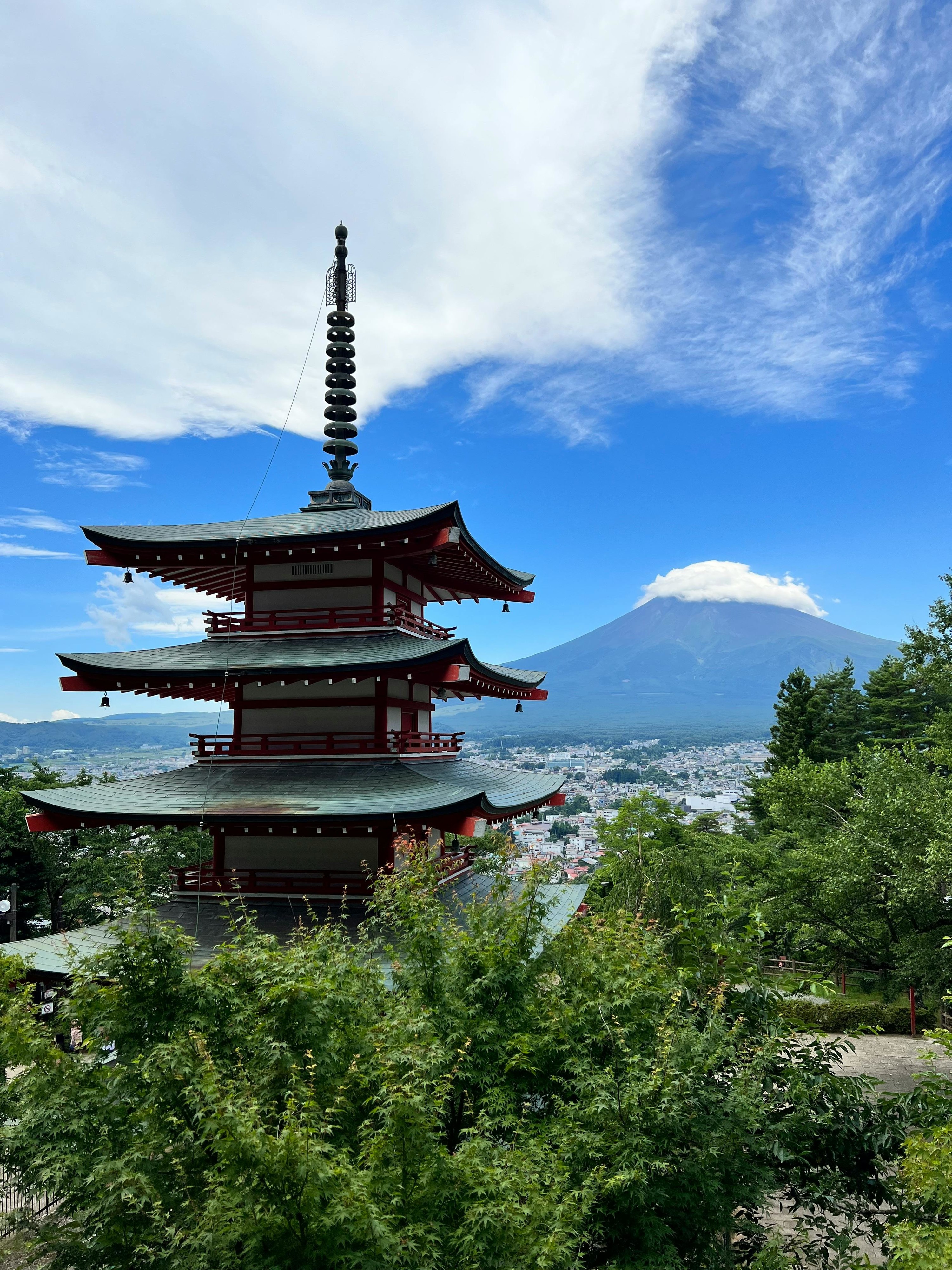
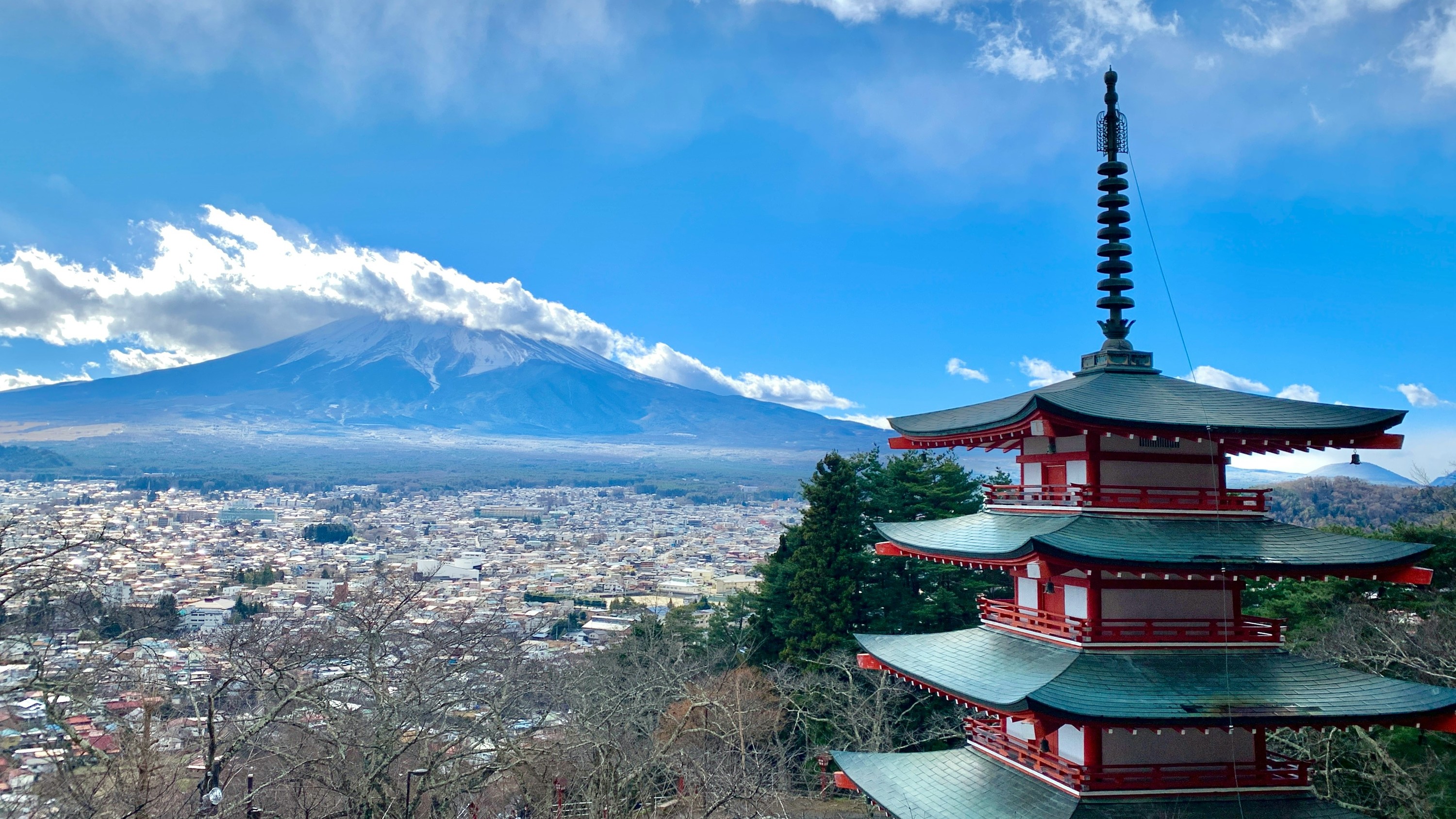
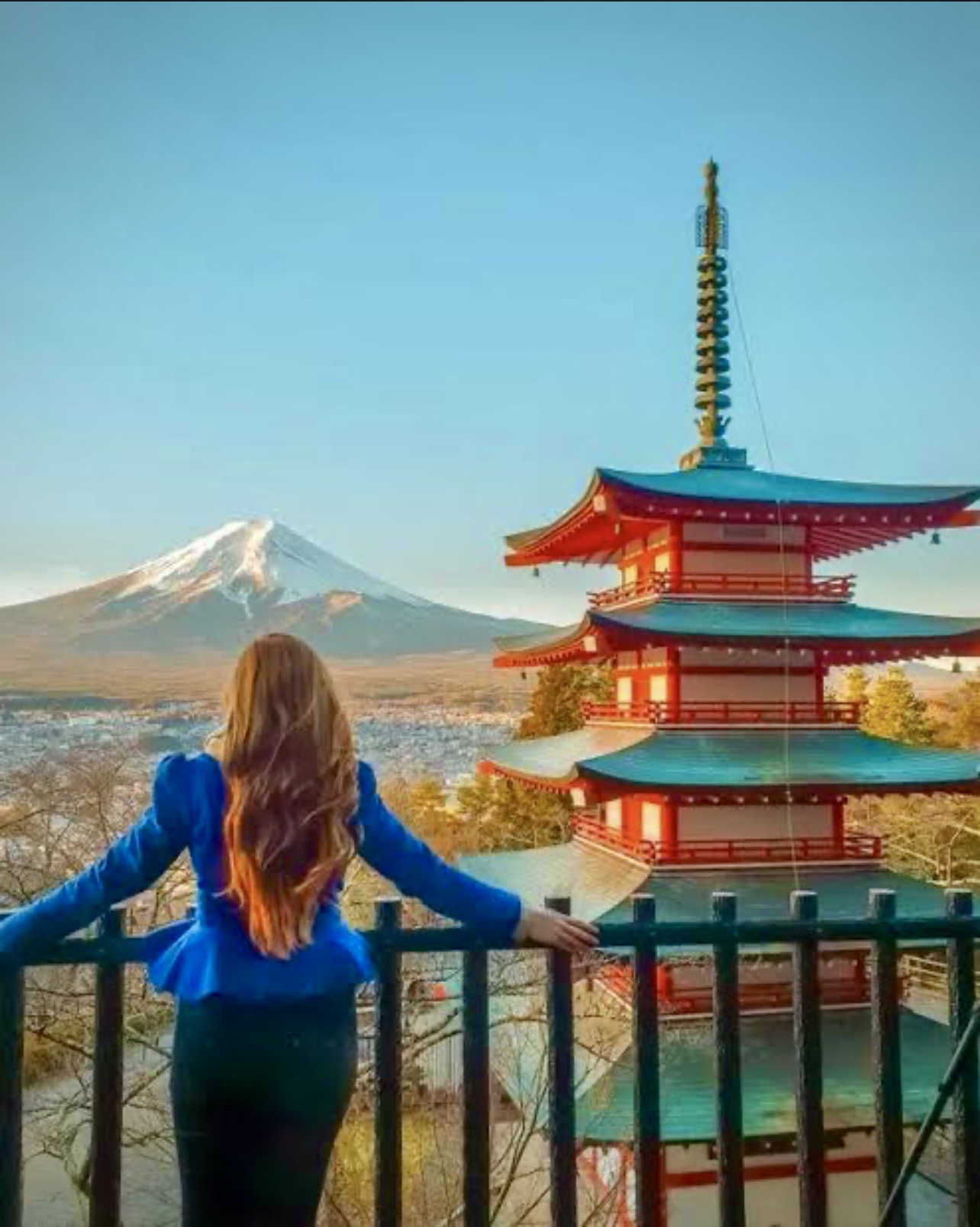
Chureito Pagoda (忠霊塔) is part of the Arakurayama Sengen Shrine in Fujiyoshida City, and the most popular photo spot of Mt Fuji. The famous view of Mt Fuji, the five storied red pagoda and cherry blossoms can be seen in early to mid April usually.
In Cherry Blossom season, please be aware of long wait times to see Mount Fuji and the Pagoda. Recent years have required visitors to line up and wait upwards of an hour to see the view. Viewing time is about 3 to 5 minutes only.
4
Oshino Hakkai (忍野八海) is a traditional Japanese village set near the Fuji Five Lake area. The village consist of 8 ponds that are formed from the spring water from the snow melt of Mt Fuji.
5
Fujiyoshida Sengen Shrine or officially called Kitaguchi Hongu Fuji Sengen Jinja (北口本宮冨士浅間神社) is a Shinto shrine located the north side of Mt Fuji between Lake Kawaguchi and Lake Yamanaka. The picturesque shrine is surrounded by rich nature.
6
Stop 6
Narusawa Ice Cave (鳴沢氷穴) is a 153m lave cave located in the Aokigahara Forest. Visitors can walk through inside the cave, and there are ice pillars and ice wall that can be seen all year round.
7
Stop 7
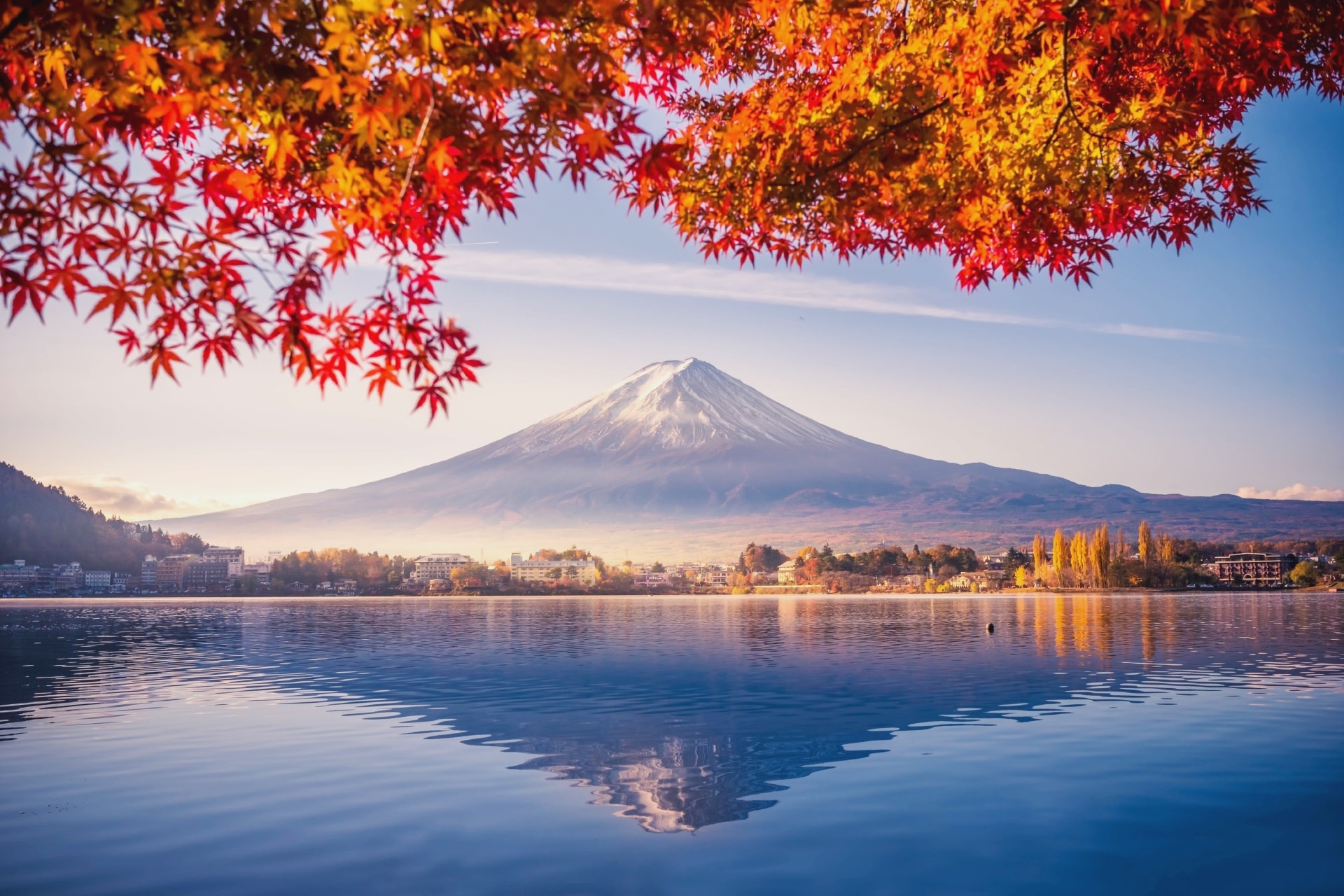
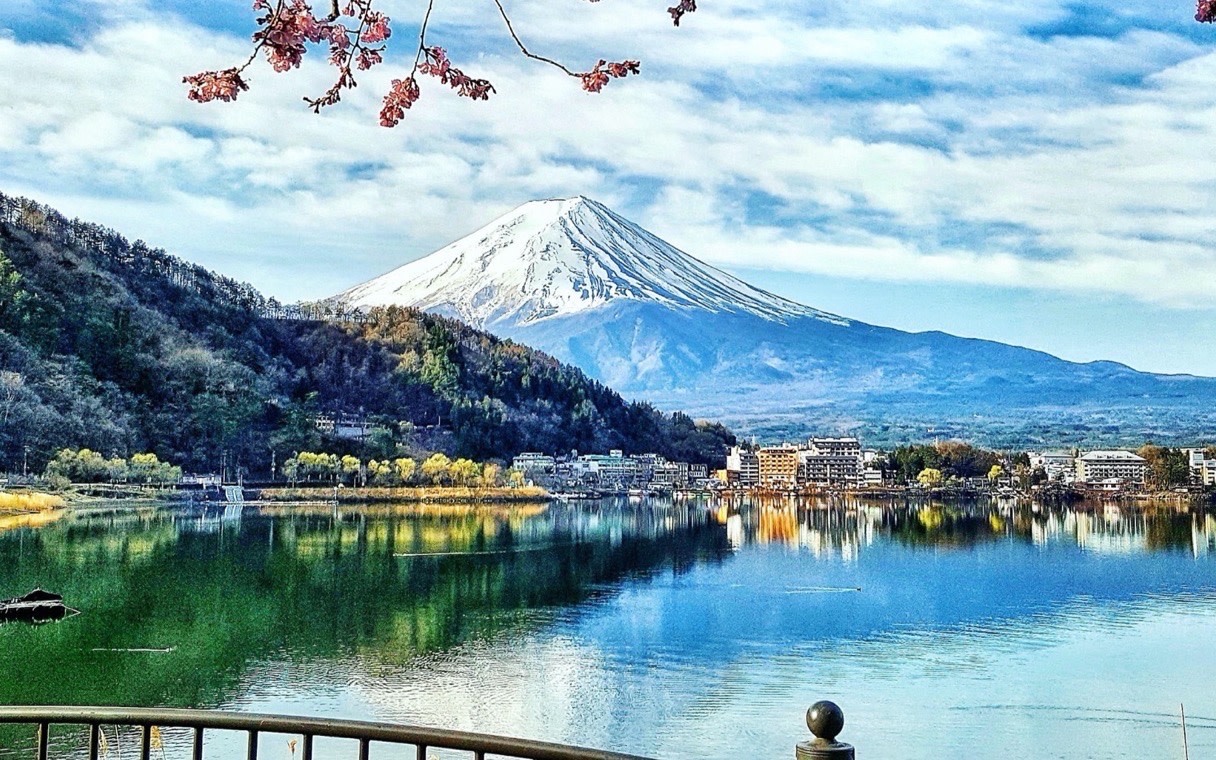
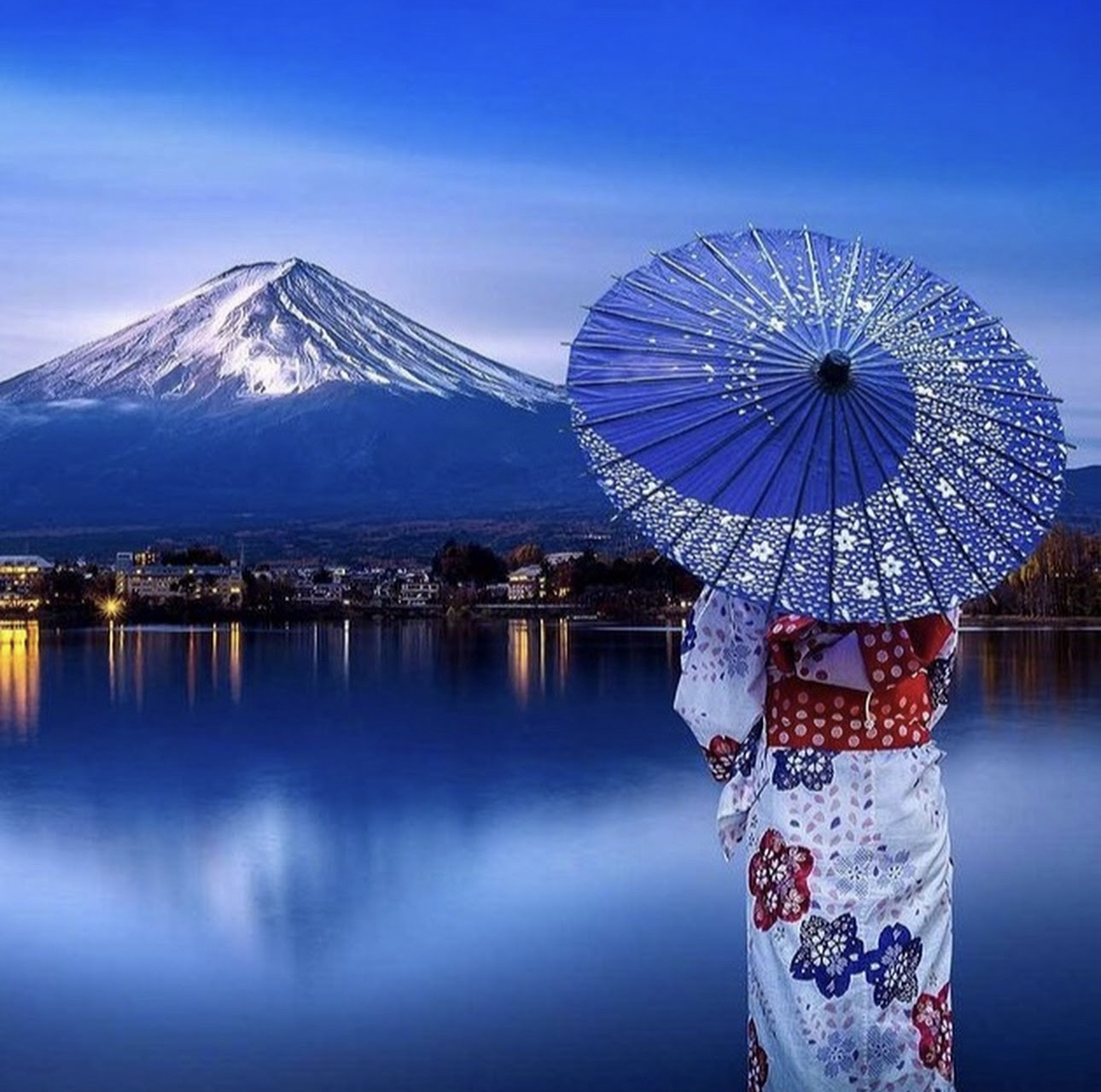
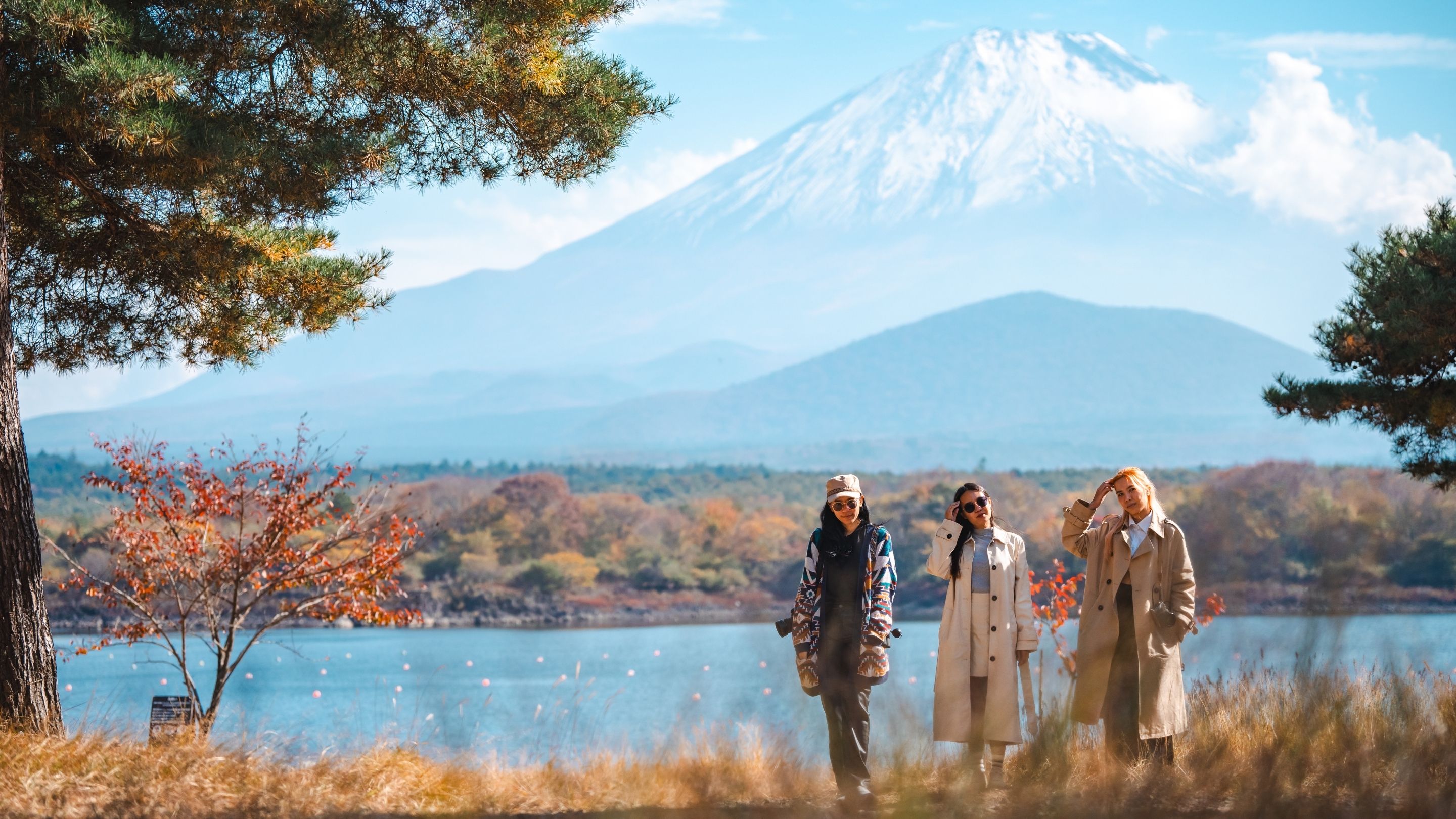
One of the most famous and well-visited lakes at the base of Mount Fuji! With views of Mount Fuji is located around the lake's eastern end, it is a beautiful lake enveloped by nature.
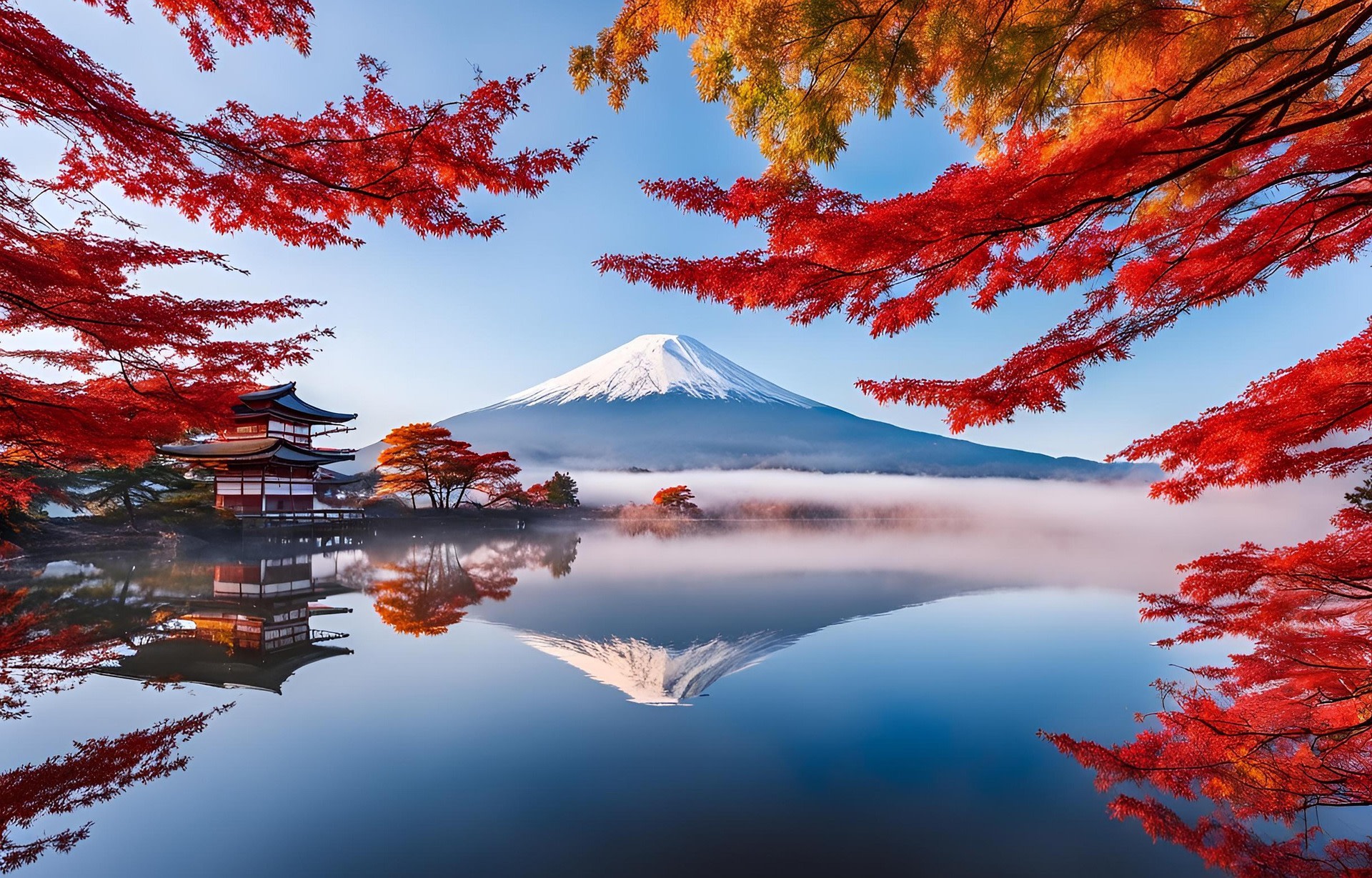
The best views of Mount Fuji can be enjoyed from the lake's northern shores and are particularly breathtaking during the cherry blossom season around mid April and the autumn colors around the first half of November. One of the nicest spots for cherry blossoms is the seaside promenade near the Kawaguchiko Music Forest, while photographers will enjoy the "Momiji Tunnel" for autumn colors, a maple tree-covered road section further west.
8
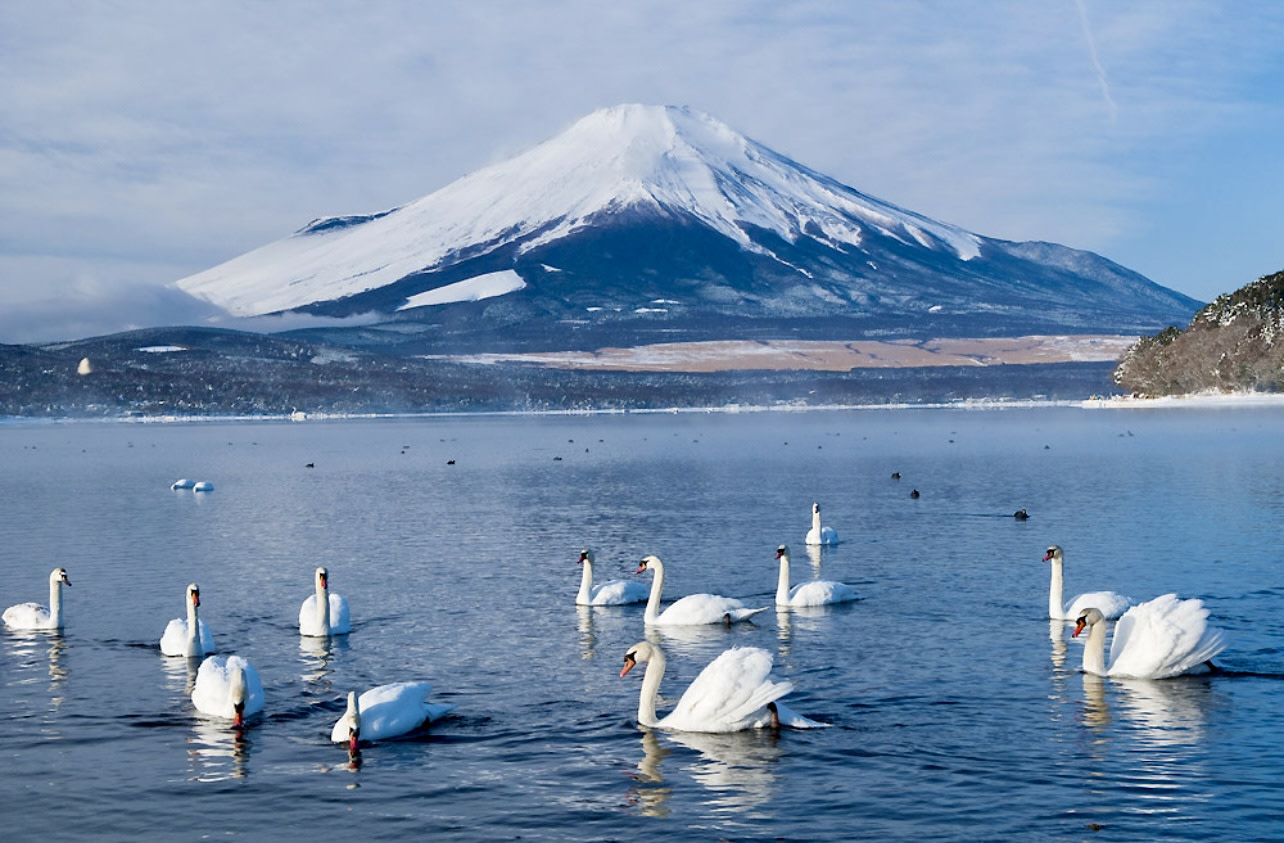
Lake Yamanakako is the largest of the Fuji Five Lakes.
There are good views of Mount Fuji from around the lake, especially from along its less developed northern shore. This lake is also famous for swan boat rides (Swan boat rides not included in tour, but make for great photos from the shore!).
9
Return to Tokyo with your guide via public transport.
What's not included
Transportation fees, Entrance fees, Lunch, and Other personal expenses
Private vehicle
You cannot combine multiple tour groups.
Guide Entry fees are only covered for sights listed under What to Expect.
Available languages
Guide guide
EN
Reviews breakdown
Tripadvisor
5.0
3 reviews
5★
3
4★
0
3★
0
2★
0
1★
0
Important information
Service animals allowed
Public transportation options are available nearby
Infants and small children can ride in a pram or stroller
All areas and surfaces are wheelchair accessible
Transportation options are wheelchair accessible
Wheelchair accessible
Suitable for all physical fitness levels
About Tokyo
Tokyo, the capital of Japan, is a bustling metropolis that beautifully blends traditional culture with cutting-edge technology. Known for its neon-lit streets, historic temples, and world-class cuisine, Tokyo offers a unique experience that caters to every type of traveler.
Top Attractions
Senso-ji Temple
Senso-ji is Tokyo's oldest temple and one of its most significant. The temple's massive lantern and five-story pagoda are iconic landmarks.
Historical/Religious
1-2 hours
Free (small fee for some areas)
Meiji Shrine
Meiji Shrine is a Shinto shrine dedicated to the deified spirits of Emperor Meiji and his wife, Empress Shoken. It is surrounded by a beautiful forest.
Historical/Religious
1-2 hours
Free
Shibuya Crossing
Shibuya Crossing is the world's busiest pedestrian crossing and a symbol of Tokyo's bustling urban life. It's a must-see for its chaotic yet orderly nature.
Cultural
30 minutes to 1 hour
Free (¥2,200 for Shibuya Sky)
Tokyo Skytree
Tokyo Skytree is the tallest tower in Japan and the second tallest freestanding structure in the world. It offers breathtaking views of the city.
Architecture
2-3 hours
¥2,100 to ¥3,100 (USD $15 to $22)
Odaiba
Odaiba is a man-made island in Tokyo Bay known for its shopping, dining, and entertainment options. It's a great place for families and tech enthusiasts.
Entertainment
Half day to full day
Varies by attraction
Must-Try Local Dishes
Sushi
Fresh raw fish served on vinegared rice, a staple of Japanese cuisine.
Dinner
Contains fish, can be vegetarian with substitutes.
Ramen
Noodle soup with various broths and toppings, a popular comfort food.
Lunch/Dinner
Vegan and vegetarian options available.
Tempura
Deep-fried seafood and vegetables, known for its crispy texture.
Lunch/Dinner
Contains seafood and deep-fried ingredients.
Okonomiyaki
Savory pancake with various ingredients, often topped with sauce and bonito flakes.
Lunch/Dinner
Contains seafood and can be made vegetarian.
Popular Activities
Hiking in the nearby mountains
Parasailing at Odaiba
Onsen (hot spring) visits
Tea ceremonies
Traditional tea ceremonies
Kimono rentals and photo shoots
Boat tours on the Sumida River
Beach activities at Odaiba
Best Time to Visit
March to May (Spring) and September to November (Autumn)
These seasons offer comfortable temperatures and beautiful scenery, with cherry blossoms in spring and vibrant foliage in autumn. However, these are also the busiest times for tourism.
10°C to 25°C (50°F to 77°F)
50°F to 77°F
Practical Information
Language
- Official: Japanese
- Widely spoken: English, Chinese, Korean
- English: Moderately spoken in tourist areas, limited elsewhere
Currency
Japanese Yen (JPY)
Time Zone
GMT+9
Electricity
100VV, 50/60HzHz
Safety Information
Overall Safety Rating: Very safe
Tokyo is generally very safe, with low crime rates and a strong emphasis on public order. However, petty crimes like pickpocketing can occur in crowded areas.
Important Precautions:
- • Be cautious of your belongings in crowded areas.
- • Use licensed taxis and check fares before getting in.
- • Be aware of your surroundings, especially at night.
Getting there
By air
- Narita International Airport • 60 km (37 miles) from city center
- Haneda Airport • 15 km (9 miles) from city center
By train
Tokyo Station, Shinjuku Station
By bus
Tokyo Station Bus Terminal, Shinjuku Expressway Bus Terminal
Getting around
Public transport
Tokyo's subway system is efficient, clean, and punctual. It consists of multiple lines operated by Tokyo Metro and Toei Subway.
Taxis
Available • Apps: JapanTaxi, DiDi
Rentals
Car, Bike, Scooter
Neighborhoods
Shibuya
Shinjuku
Asakusa
Ginza
Akihabara
Day trips
Nikko
120 km (75 miles) from Tokyo • Full day
Nikko is a city known for its beautiful shrines, temples, and natural scenery. It's a UNESCO World Heritage site and offers a peaceful retreat from the bustling city.
Kamakura
50 km (31 miles) from Tokyo • Half day to full day
Kamakura is a coastal town known for its historic temples, shrines, and the Great Buddha statue. It's a great place to experience traditional Japanese culture.
Hakone
90 km (56 miles) from Tokyo • Full day or overnight
Hakone is a hot spring resort town known for its onsen (hot springs), scenic views of Mount Fuji, and the Open-Air Museum. It's a popular destination for relaxation and nature.
Festivals
Sannō Matsuri • Mid-June (every 2 years)
Kanda Matsuri • Mid-May (every 2 years)
Sumida River Fireworks Festival • Last Saturday of July
Pro tips
- Use IC cards like Suica or Pasmo for convenient and discounted public transport.
- Download useful apps like Google Maps, Japan Transit Planner, and Japan Travel by Navitime.
- Learn a few basic Japanese phrases to enhance your experience and show respect for the local culture.
- Carry cash, as some smaller shops and restaurants may not accept credit cards.
- Visit popular attractions early in the morning or late in the afternoon to avoid crowds.
From $25
per person
Price varies by option
Secure booking
Free cancellation available
Instant confirmation