Tokyo 7 Hours Tour Licensed Guide and Vehicle NRT Airport Pick up
Active
7h
For a full refund, cancel at least 24 hours before the scheduled departure time.
Instant confirmation
Mobile or paper ticket accepted
About this experience
This is the ideal tour for travelers that are arriving in Japan at Narita airport and have some time until check in at your hotel!
You can get in a private vehicle with your heavy luggage and start your Tokyo sightseeing comfortably right after landing in this amazing country.
Tokyo is where you can experience both the modern and traditional, and your experienced private English-speaking guide will help you enjoy a full day in this dynamic Japanese capital.
Your tour is also customizable! Once you make a reservation, you can plan out and customize your itinerary directly with your guide.
Maximum 7 participants per tour. If you are travelling with children ages 0-6, please inform us when you make the reservation.
Available options
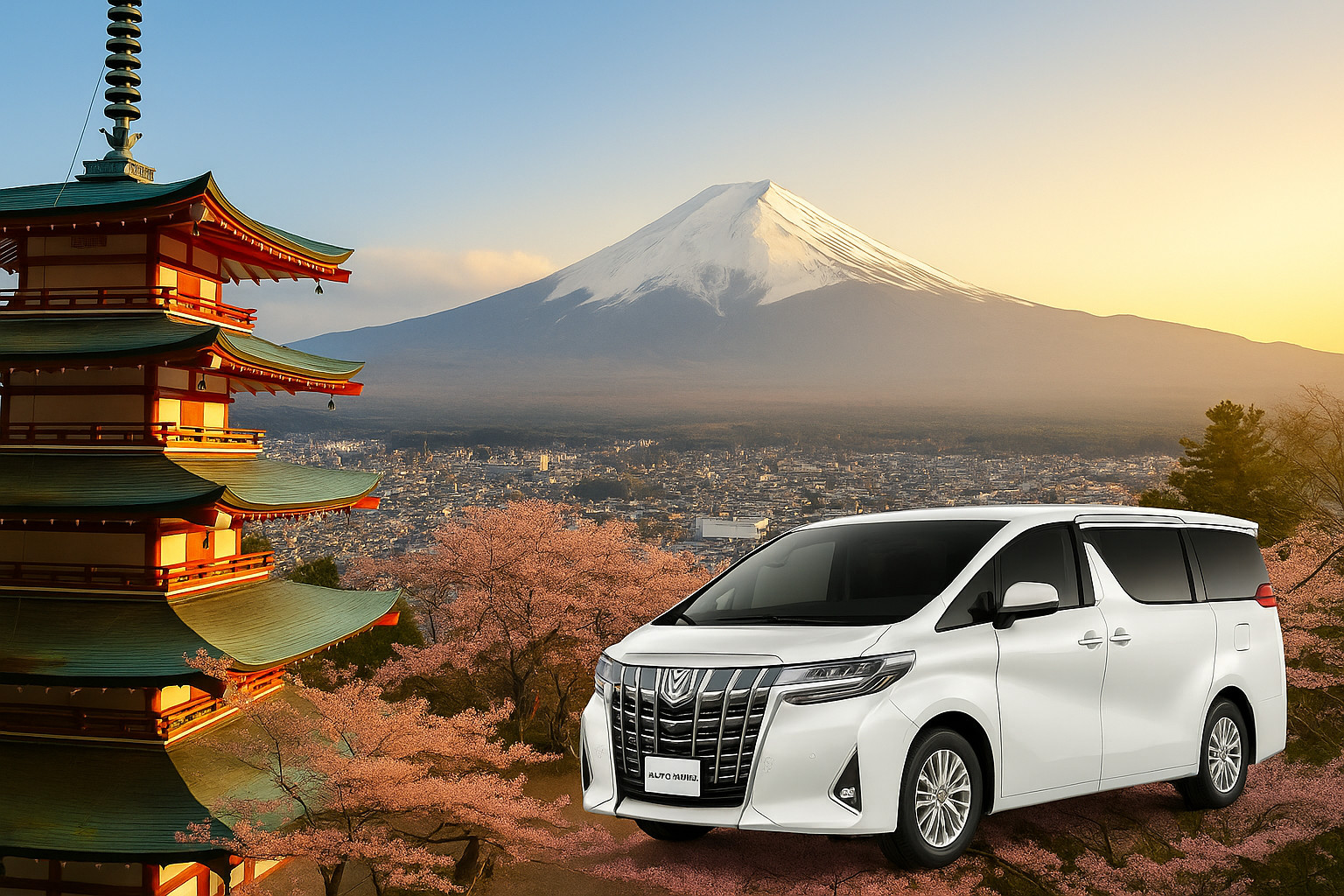
Van (UP to 7 PAX)
Van (UP to 7 PAX)
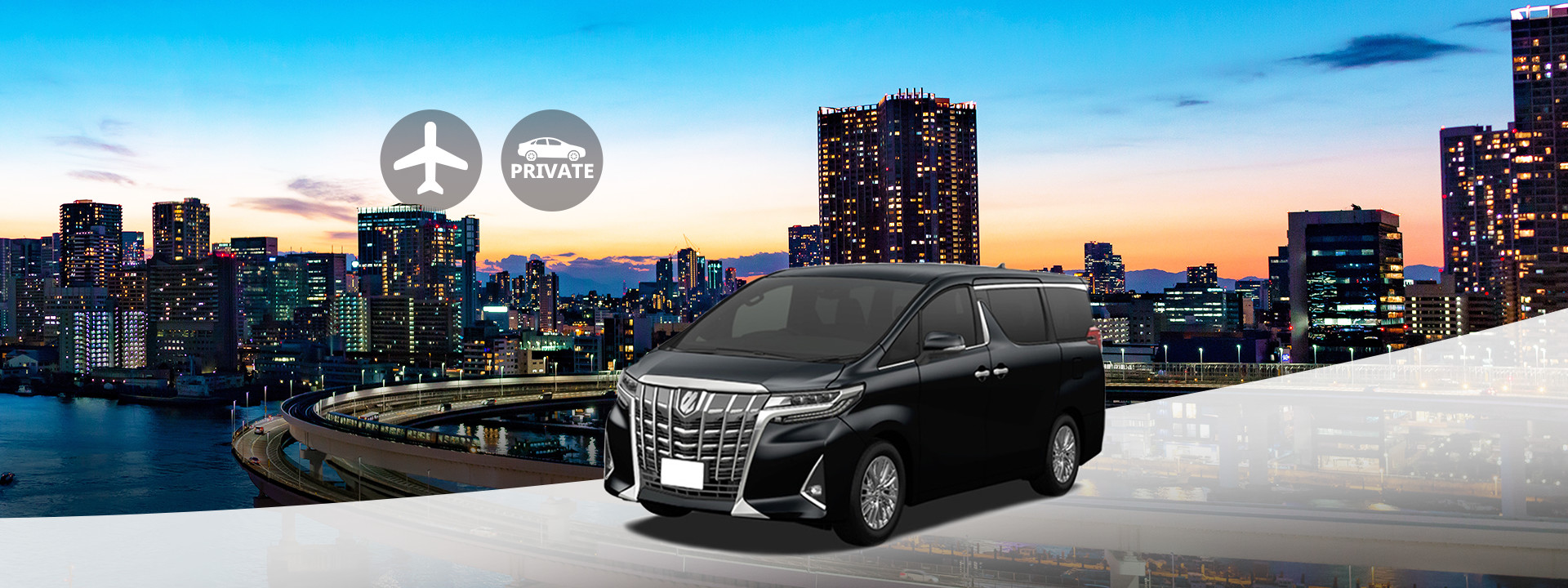
Mini van (UP to 4 PAX)
Mini van (UP to 4 PAX)
What's included
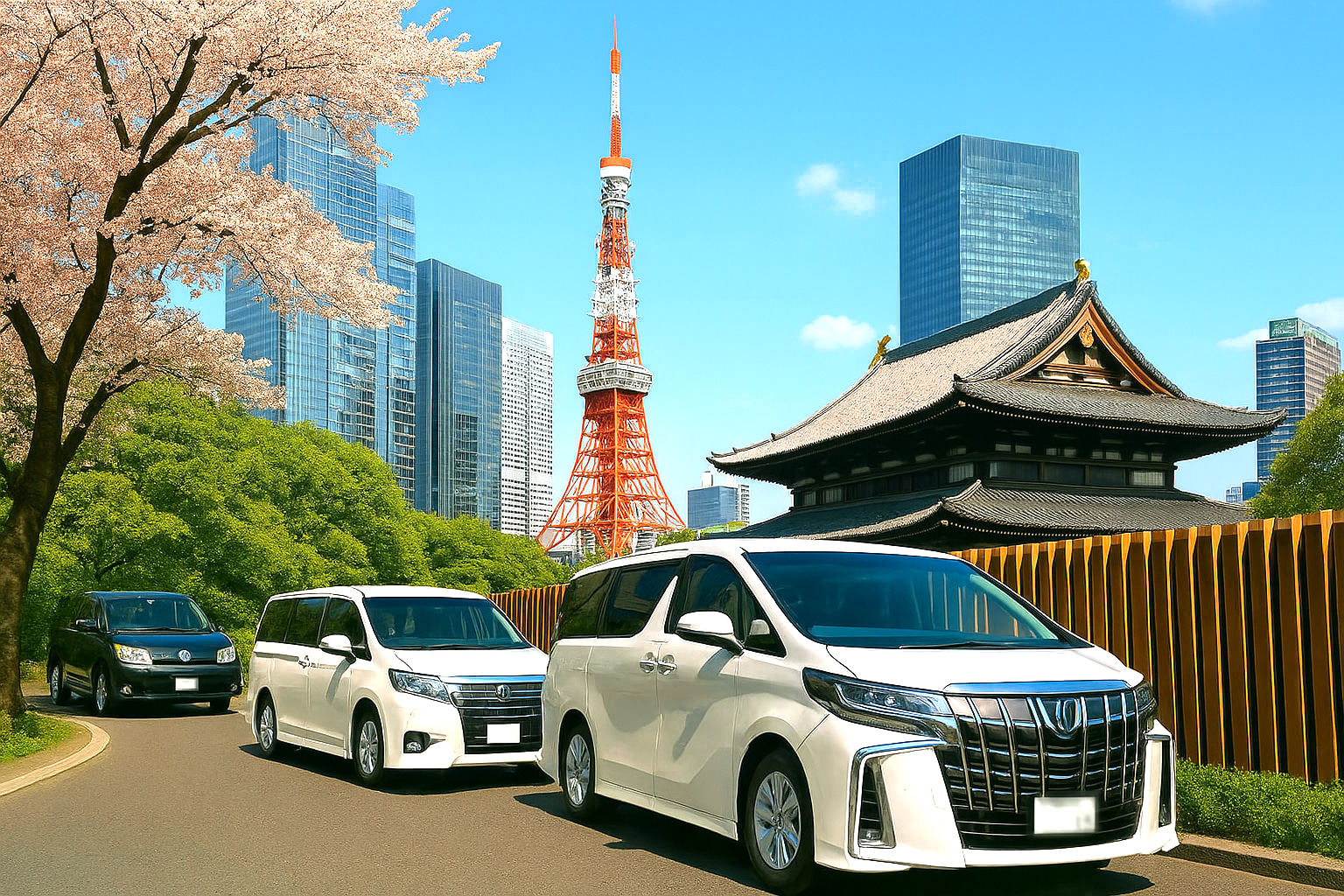
Private vehicle
Pick up from Narita airport and drop off at your hotel in Tokyo
Licensed Local English Speaking Guide
Customizable Tour of your choice of 3-4 sites from 'What to expect' list
Detailed itinerary
1
Depart from Narita airport(NRT) or a hotel near by the airport with your tour guide in a private vehicle to the world's most exciting city, Tokyo!
2
Stop 2
**This tour does not include access to the inside of the Imperial Palace**
The current Imperial Palace is located on the former site of Edo Castle, a large park area surrounded by moats and massive stone walls in the center of Tokyo, a short walk from Tokyo Station. It is the residence of Japan's Imperial Family. The inner grounds of the palace are generally not open to the public.
3
Stop 3
There are lots of historic relics you can feel the atmosphere of Edo Period with, and beautiful natural surroundings. Go back 400 years in time to the days of the Shogun right in the center of Tokyo!
4
Stop 4
Harajuku (原宿) refers to the area around Tokyo's Harajuku Station, which is between Shinjuku and Shibuya on the Yamanote Line. It is the center of Japan's most extreme teenage cultures and fashion styles, but also offers shopping for adults and some historic sights.
The focal point of Harajuku's teenage culture is Takeshita Dori (Takeshita Street) and its side streets, which are lined by many trendy shops, fashion boutiques, used clothes stores, crepe stands and fast food outlets geared towards the fashion and trend conscious teens.
5
Stop 5
Sensoji Temple and Nakamise Shopping street are the most popular destinations for first time tours! Learn about Japanese Buddhism in the temple!
6
Stop 6
Enjoy a taste that is uniquely Tokyo at one of the many Monjya restaurants here!
7
Explore the old fish market in Tokyo!
8
Stop 8
Hama Rikyu (浜離宮, Hama Rikyū), is a large, attractive landscape garden in central Tokyo. Located alongside Tokyo Bay, Hama Rikyu features seawater ponds which change level with the tides, and a teahouse on an island where visitors can rest and enjoy the scenery. The traditionally styled garden stands in stark contrast to the skyscrapers of the adjacent Shiodome district.
9
Stop 9
Admire this shopping district of uniquely Japanese cooking utensils and check out the plastic sample food models displays. Pick up a miniature food model keychain to remember your trip to Japan!
10
Stop 10
Meiji Shrine (明治神宮, Meiji Jingū) is a shrine dedicated to the deified spirits of Emperor Meiji and his consort, Empress Shoken. Located just beside the JR Yamanote Line's busy Harajuku Station, Meiji Shrine and the adjacent Yoyogi Park make up a large forested area within the densely built-up city. The spacious shrine grounds offer walking paths that are great for a relaxing stroll.
The shrine was completed and dedicated to the Emperor Meiji and the Empress Shoken in 1920, eight years after the passing of the emperor and six years after the passing of the empress. The shrine was destroyed during the Second World War but was rebuilt shortly thereafter.
11
Stop 11
Pass by
The famous and busy Shibuya scramble crossing. Visit it to see the busiest parts of Tokyo!
12
Stop 12
Shinjuku Gyoen was constructed on the site of a private mansion belonging to a “daimyo” (feudal lord) Naito, at the Edo era (1591). The government-managed agricultural experiment station was established in 1872, and after that it became imperial estate, completed in 1906 as an imperial garden. It developed as a palace garden for international diplomacy, re-designated as a national garden after the World War Ⅱ and opened to the public.
13
Koishikawa Korakuen (小石川後楽園, Koishikawa Kōrakuen) is one of Tokyo's oldest and best Japanese gardens. It was built in the early Edo Period (1600-1867) at the Tokyo residence of the Mito branch of the ruling Tokugawa family. Like its namesake in Okayama, the garden was named Korakuen after a poem encouraging a ruler to enjoy pleasure only after achieving happiness for his people. Koishikawa is the district in which the garden is located in.
14
Stop 14
Like high quality brands and shopping? If so, Ginza is a must for you! You can enjoy shopping at the various high-end department stores or even pick up some pearls for someone special (like you!) at Mikimoto.
15
A beautifuly retro shopping streeet with plenty of adorable stray cats. Stop by to enjoy some famous croquetes!
16
Stop 16
Akihabara (秋葉原), also called Akiba after a former local shrine, is a district in central Tokyo that is famous for its many electronics shops. In more recent years, Akihabara has gained recognition as the center of Japan's otaku (diehard fan) culture, and many shops and establishments devoted to anime and manga are now dispersed among the electronic stores in the district. On Sundays, Chuo Dori, the main street through the district, is closed to car traffic from 13:00 to 18:00 (until 17:00 from October through March).
17
Stop 17
The Tokyo National Museum (東京国立博物館, Tōkyō Kokuritsu Hakubutsukan) is the oldest and largest of Japan's top-level national museums, which also include the Kyoto National Museum, the Nara National Museum and the Kyushu National Museum. It was originally established in 1972 at Yushima Seido Shrine and moved to its current location in Ueno Park a few years later.
The Tokyo National Museum features one of the largest and best collections of art and archeological artifacts in Japan, made up of over 110,000 individual items including nearly a hundred national treasures. At any one time, about 4000 different items from the permanent museum collection are on display. In addition, visiting temporary exhibitions are also held regularly. Good English information and audio guides are available.
18
Stop 18
Rikugien (六義園) is often considered Tokyo's most beautiful Japanese landscape garden alongside Koishikawa Korakuen. Built around 1700 for the 5th Tokugawa Shogun, Rikugien literally means "six poems garden" and reproduces in miniature 88 scenes from famous poems. The garden is a good example of an Edo Period strolling garden and features a large central pond surrounded by manmade hills and forested areas, all connected by a network of trails.
19
Stop 19
Odaiba (お台場) is a popular shopping and entertainment district on a man made island in Tokyo Bay. It originated as a set of small man made fort islands (daiba literally means "fort"), which were built towards the end of the Edo Period (1603-1868) to protect Tokyo against possible attacks from the sea and specifically in response to the gunboat diplomacy of Commodore Perry.
More than a century later, the small islands were joined into larger islands by massive landfills, and Tokyo began a spectacular development project aimed to turn the islands into a futuristic residential and business district during the extravagant 1980s. But development was critically slowed after the burst of the "bubble economy" in the early 1990s, leaving Odaiba nearly vacant.
20
Stop 20
Shibamata (柴又) is a neighborhood on the eastern end of Tokyo, not far from the Edogawa River which is the natural border between Tokyo and Chiba Prefecture. The town retains its old-school charm from yesteryear and is a perfect break away from modern Tokyo. One of the main attractions to see is the Shibamata Taishakuten Temple not far from the station.
21
Having miraculously avoided major damage during world wars and natural disasters, Yanaka and Nezu—two of the neighborhoods that make up shitamachi, Tokyo's old downtown—retain their last-century charm. You'll find historical sites such as Yanaka Cemetery and Nezu Shrine tucked away among shitamachi's narrow back alleys, traditional wooden houses, izakaya pubs, atmospheric coffee shops and retro stores selling old-style sweets and snacks. Here you can slip back in time to a slower-paced, more genteel Tokyo.
22
Arrive your hotel in Tokyo.
What's not included
Entrance fees, Lunch, and Other personal expenses
You cannot combine multiple tour groups.
Guide Entry fees are only covered for sights listed under 'What to Expect.'
Available languages
Guide guide
JA
EN
Important information
Specialized infant seats are available
Service animals allowed
Infants and small children can ride in a pram or stroller
Transportation options are wheelchair accessible
Wheelchair accessible
Suitable for all physical fitness levels
There are only a limited number of car seats and booster seats. Rear-facing car seats are not available. You must contact us directly if you need them.
If you are travelling with several large bags, you may need to book a larger vehicle.
If you are travelling with children ages 0-6, please inform us when you make the reservation.
Meeting point
Narita Airport has three terminals. Please inform us in advance which terminal your flight arrives in.
About Narita
Narita is a city in Chiba Prefecture, Japan, best known as the location of Narita International Airport, the primary gateway for international travelers to Japan. The city offers a unique blend of modern convenience and traditional charm, with numerous temples, shrines, and natural attractions.
Top Attractions
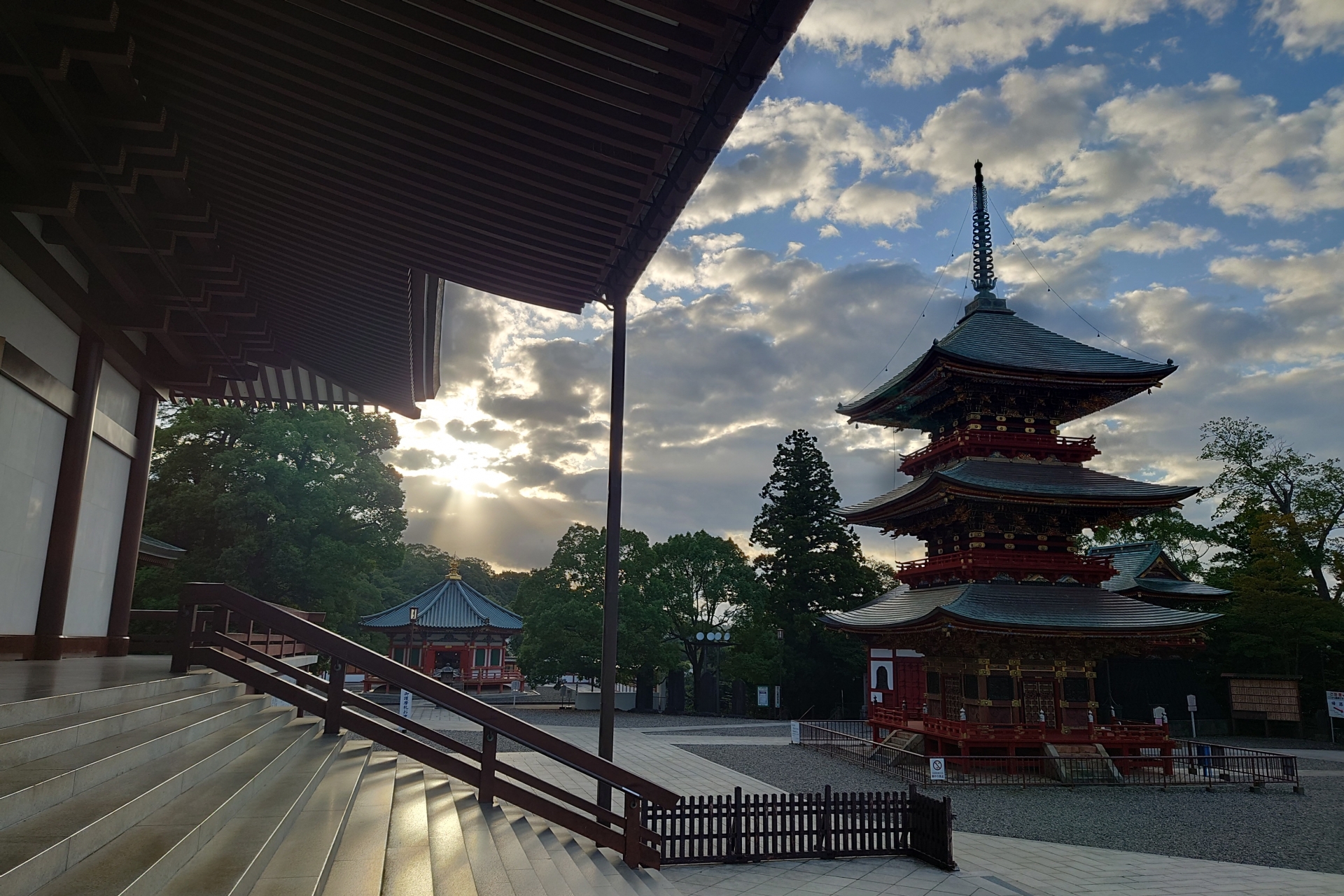
Narita-san Shinso-ji Temple
This ancient Buddhist temple is the spiritual heart of Narita and a significant cultural landmark. It features beautiful architecture, serene gardens, and numerous smaller temples and shrines.
Historical/Religious
2-3 hours
Free (some areas may have small fees)
Narita Toy Museum
A fun and interactive museum featuring a vast collection of toys from around the world, including vintage and modern toys.
Museum
1-2 hours
¥1,000 (approx. $9)
Narita Tomyo-ji Temple
A lesser-known but historically significant temple with a peaceful atmosphere and beautiful grounds.
Historical/Religious
1 hour
Free
Narita Lakeside Park
A scenic park located along the Inba Nunobiki River, offering walking paths, picnic areas, and beautiful views of the surrounding landscape.
Nature
1-2 hours
Free
Must-Try Local Dishes
Narita Yakitori
Grilled chicken skewers, a popular street food in Narita, often served with a savory-sweet sauce.
Snack
Contains meat, gluten (soy sauce)
Unagi Don
Grilled eel served over rice, a local specialty in Narita.
Lunch/Dinner
Contains fish, gluten (soy sauce)
Narita Soba
Buckwheat noodles served hot or cold, often with a dipping sauce or in a broth.
Lunch/Dinner
Gluten-free (if not mixed with wheat), vegetarian (if no fish broth)
Popular Activities
Hiking in nearby nature parks
Biking around the city
Visiting Narita Lakeside Park
Enjoying a traditional onsen (hot spring)
Exploring Narita-san Shinso-ji Temple
Attending local festivals
Boat rides on the Sawara Canal
Visiting during the Narita Illumination festival in December
Best Time to Visit
Spring (March to May) and Autumn (September to November)
These seasons offer pleasant weather, making it ideal for sightseeing and outdoor activities. Spring brings cherry blossoms, while autumn offers vibrant fall foliage.
15-25°C
59-77°F
Practical Information
Language
- Official: Japanese
- Widely spoken: English (limited)
- English: Limited
Currency
Japanese Yen (JPY)
Time Zone
GMT+9
Electricity
100VV, 50/60HzHz
Safety Information
Overall Safety Rating: Very safe
Narita is a safe city with low crime rates. However, as with any destination, it's essential to take standard precautions to ensure a safe and enjoyable trip.
Important Precautions:
- • Keep valuables secure and out of sight.
- • Be cautious when using ATMs, especially at night.
- • Avoid unlicensed taxis and always use metered taxis.
Getting there
By air
- Narita International Airport • 5 km from city center
By train
Narita Station
By bus
Narita Station, Airport Terminals
Getting around
Public transport
Trains are the most efficient way to get around Narita and connect to nearby cities. The Keisei Electric Railway operates frequent services.
Taxis
Available • Apps: JapanTaxi, DiDi
Rentals
Car, Bike, Scooter
Neighborhoods
Central Narita
Narita Station Area
Kurimoto
Day trips
Sawara
30 km (18.6 miles) from Narita • Half day to full day
A charming town known for its well-preserved Edo-period streets, traditional houses, and scenic canals. Sawara offers a glimpse into old Japan.
Inba Nunobiki Kofun
15 km (9.3 miles) from Narita • Half day
A large ancient burial mound, or kofun, dating back to the Kofun period (300-710 AD). It is one of the largest and most well-preserved kofun in Japan.
Katori Jingu
20 km (12.4 miles) from Narita • Half day
A significant Shinto shrine dedicated to the kami (spirit) of agriculture and sword-making. It is one of Japan's most important shrines.
Festivals
Narita Festival • October
Narita Illumination • December
Narita Sanja Matsuri • May
Pro tips
- Arrive early at Narita-san Shinso-ji Temple to avoid crowds and enjoy a peaceful atmosphere.
- Try local specialties, such as Narita yakitori and unagi don, for an authentic dining experience.
- Explore the Omotesando shopping street for traditional crafts, souvenirs, and local snacks.
- Visit Narita Lakeside Park for a relaxing stroll and scenic views of the surrounding landscape.
- Take a day trip to nearby destinations, such as Sawara or Inba Nunobiki Kofun, for a mix of history and culture.
From $25
per person
Price varies by option
Secure booking
Free cancellation available
Instant confirmation





![[Private Chartered Car] Tokyo City to Tokyo Disneyland/Mount Fuji/Karuizawa/Nagano/Niigata and other areas](https://res.klook.com/image/upload/activities/ohex6iziob8e4tdfofwp.jpg)