Private Lake Biwa Tour with Licensed Guide and Vehicle
Active
8h
For a full refund, cancel at least 24 hours before the scheduled departure time.
Instant confirmation
Mobile or paper ticket accepted
About this experience
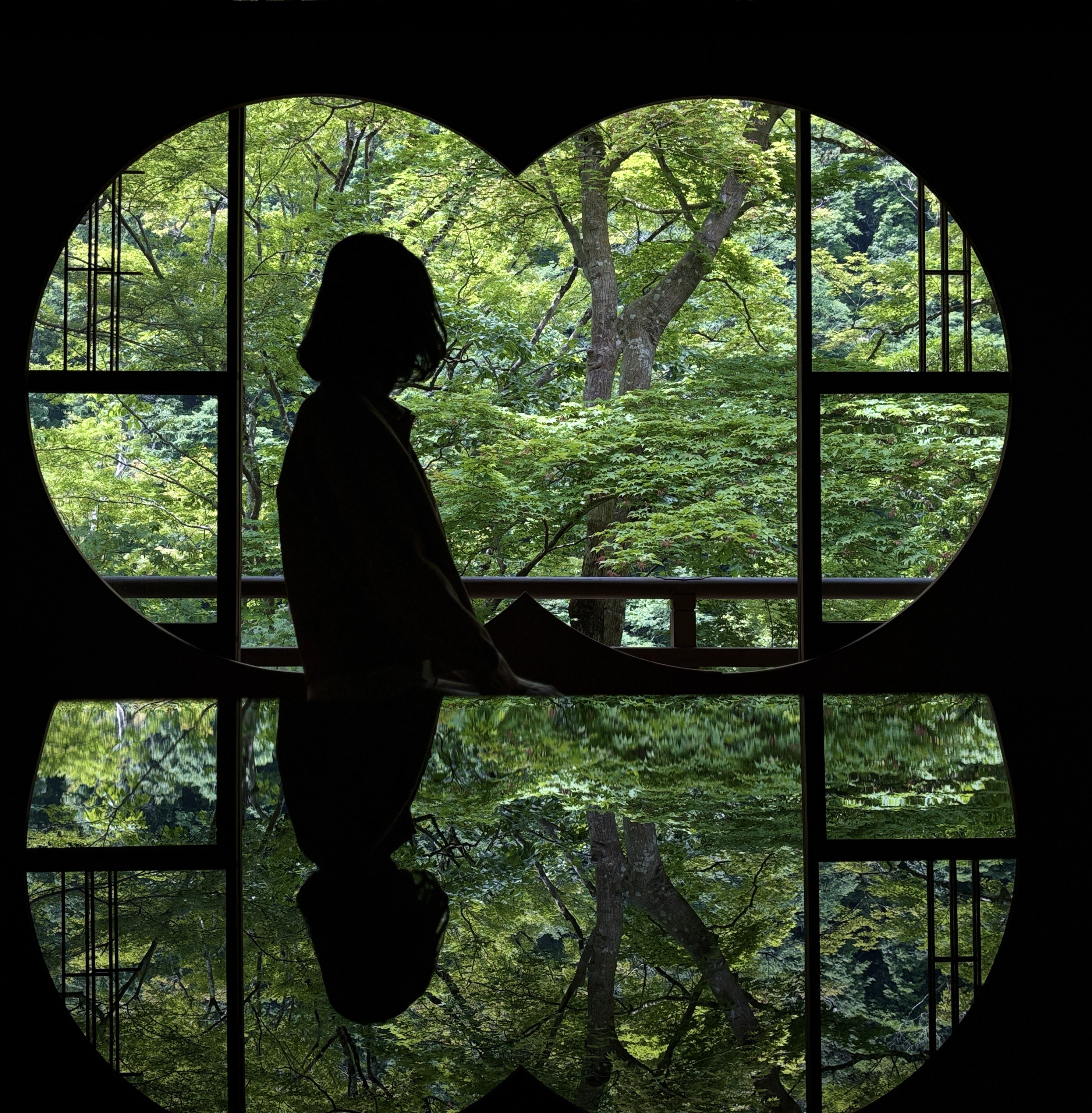
Situated in the center of Shiga Prefecture, Lake Biwa, easily accessible from Kyoto, offers beautiful lakeside scenery and plenty to do.
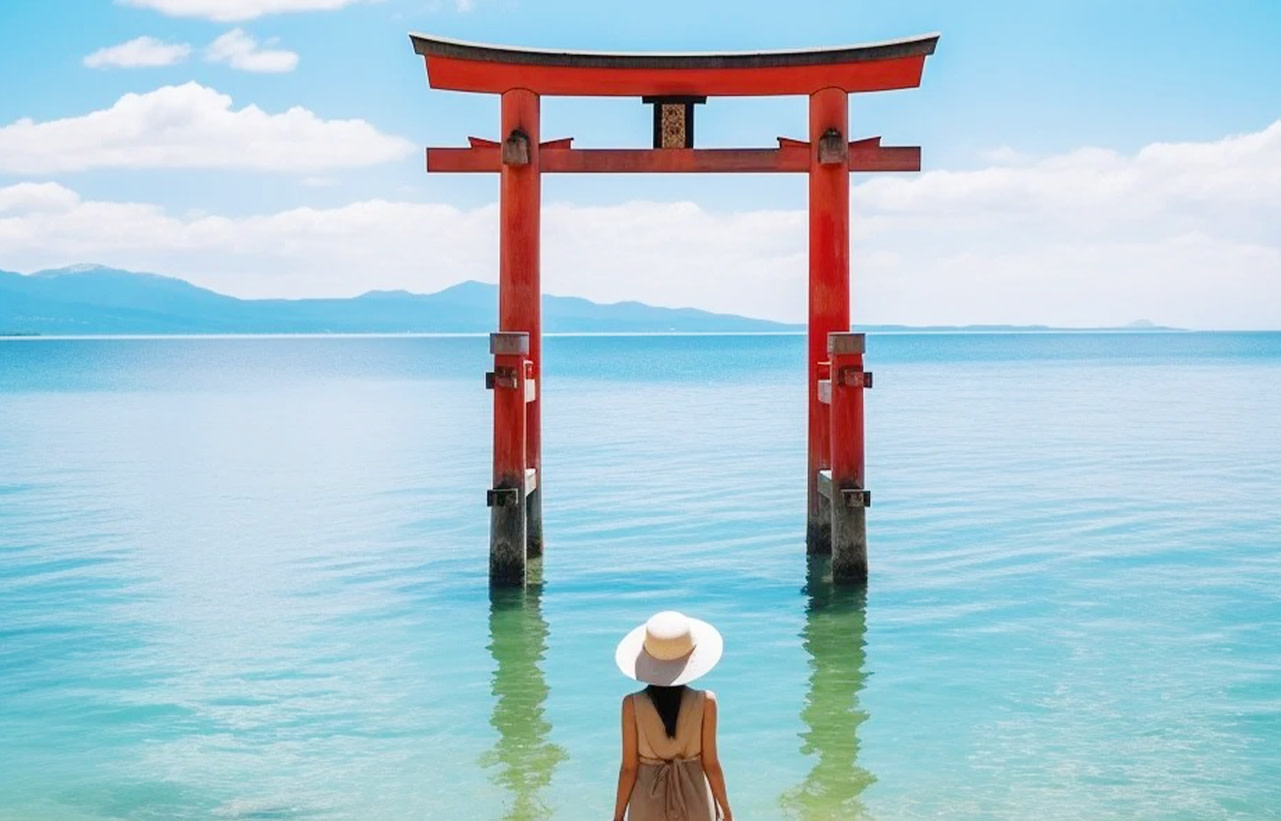
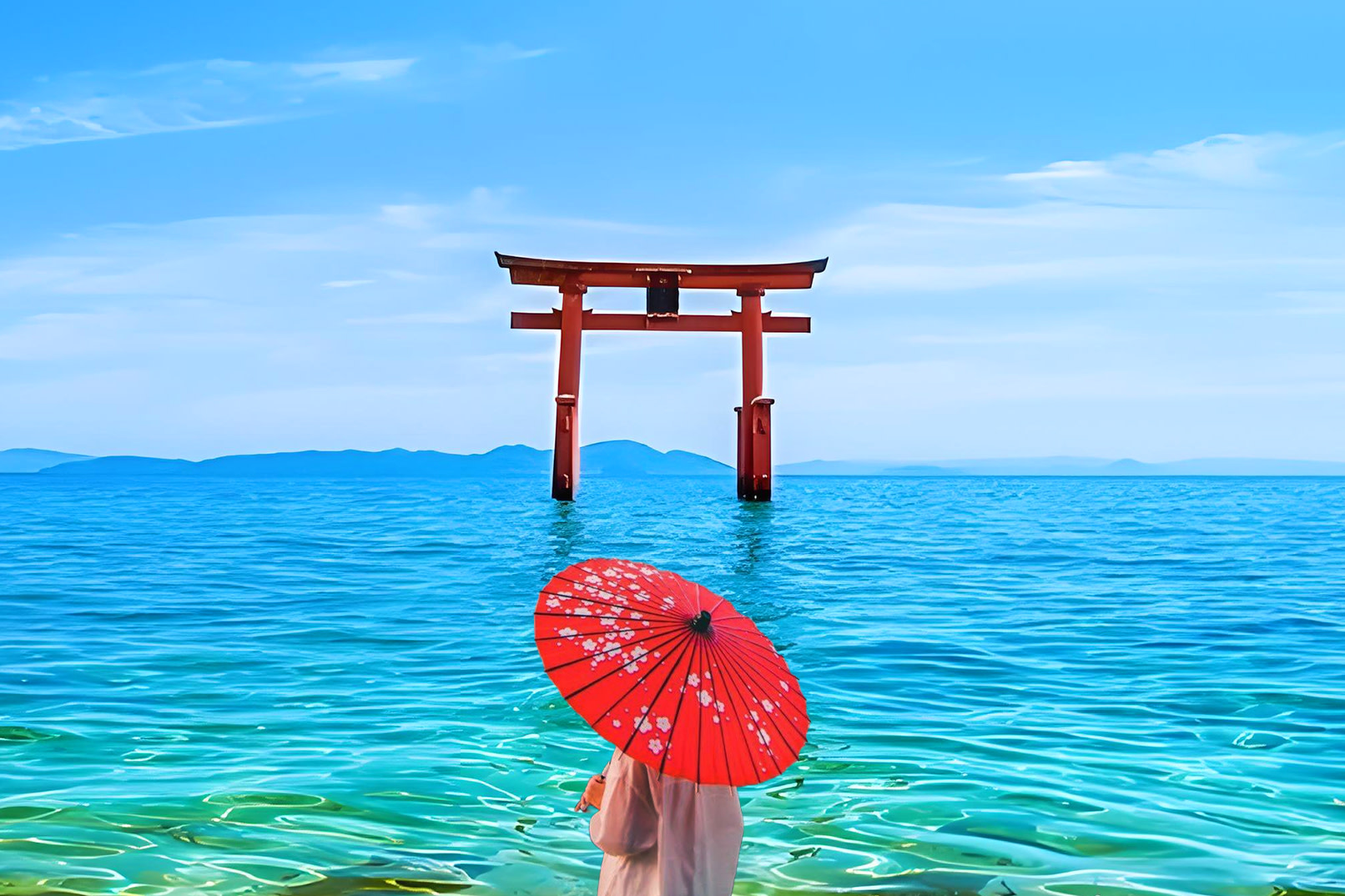
Takashima and Kosei Areas are home to the Shirahige Shrine. It is said to bring a variety of good fortune. Also, there is a famous cherry blossom spot, Umezu Osaki.
Omi Shrine, Biwako Terrace, and Ukimido are situated in Otsu and Konan Areas. Biwako Terrace is a popular spot for a breathtaking view. Ukimido is believed to have been built to pray for safety on the waters of Lake Biwa.
If you are interested in the Sengoku period, you cannot miss the Azuchi Castle Ruine, the residence of the famous warlord Oda Nobunaga.
Hikone Castle, one of Japan's most beautiful castles, is set in the Koto Area. In the Koga area, there is the Miho Museum and "Shigaraki Toen Tanuki Mura" where you can see Shigaraki ceramics of Japanese tanuki!
This tour is for a pick up and drop off in Kyoto city only.
Available options
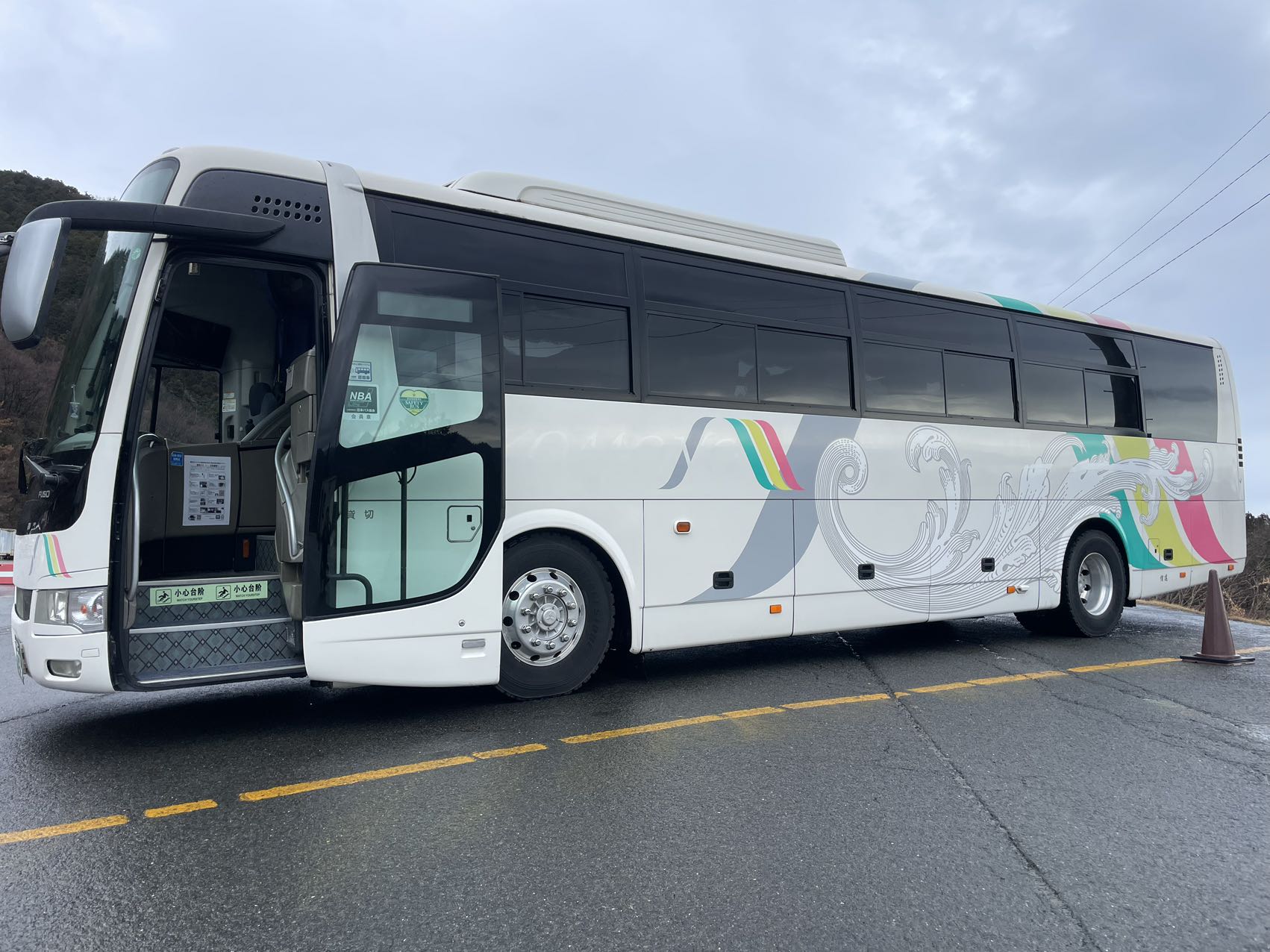
Van (up to 7 PAX)
Van (up to 7 PAX)<br/>Pickup included
Minivan (up to 4 PAX)
Minivan (up to 4 PAX)<br/>Pickup included
Regular car (up to 2 PAX)
Regular car (up to 2 pax)<br/>Pickup included
What's included
Customizable Tour of your choice of 3-4 sites from 'What to expect' list'
Private vehicle with Pick up & Drop off in Kyoto
Licensed Local English Speaking Guide
Detailed itinerary
1
Oumi Jingu is enshrined in the site of Capital Otsu ”Otsukyo”. Emperor Tenji was the great accomplisher of Taika Reformation and the great establisher in the ancient Japan. After His demise, also, people worshipped particularly as the Shinto God. In the Meiji Era, the believers began the movement to build the Emperor's Shrine all over Japan. At last, in Nov.7, 1940 (15th year of the Showa Era), the Shrine was completed here, site of Capital Otsu, near the site of old His Palace "Oumi-Otsu-no-Miya". Soon afterwords, the shrine was raised to "Chokusai-sha". Annual Great Festival is celebrated in April 20, on the occasion of a visit by a specially dispatched imperial messenger.
2
This head shrine presiding over a nationwide network of over 3,800 sub-shrines by the name of Hiyoshi, Hie, and Sanno has a long and distinguished history that reaches back more than 2,100 years. Masaru the monkey, who wards off evil, is a symbol of the shrine you’ll find gracing the shrine’s ornamentation, the good luck charms on sale and elsewhere. The shrine is also one of the Kansai region’s most celebrated places for autumn leaves, thanks to the 3,000 trees planted across the expansive grounds to produce brilliant colors in the fall.
3
Biwako Terrace is a nature resort overlooking Lake Biwa, the largest lake in Japan, with an elevation of 1,100 meters above sea level. There are two terraces, atop Mt. Uchimi and Mt. Horai, where you can relax and enjoy the splendid scenery of the mountains with and our food. The Terrace Café allows you to spend a comfortable moment of luxury at elegant tables and sofas while looking out over the greatest lake in Japan. Meanwhile, Café 360 provides a 360 degree view of the surrounding scenery from a height of 1,174m. In the cafés you can enjoy sandwiches and gelato made with local Shiga produce, as well as a special drink menu.
*The Biwako Terrace is not open during the winter. Please check the homepage for details of when the Biwako Terrace is open.
4
Sagawa Art Museum was opened on March 22, 1998, as part of celebrations to mark the 40th anniversary of the establishment of Sagawa Express Co., Ltd.
The museum is located in Moriyama, in the ancient district of Omi, amongst lush natural surroundings and in view of Lake Biwa.
Its mission is to contribute to the promotion and development of art and culture, through a variety of cultural initiatives, focused on the exhibition of works by outstanding artists that embody the spirit of Japanese art, such as the painter Hirayama Ikuo, the sculptor Sato Churyo, and the ceramic artist Raku Kichizaemon XV - Jikinyū.
Adluts: 1000 JPY
Students(+16): 400 JPY
5
Stop 5
The Miho Museum was designed by the world-famous architect I. M. Pei. Taking themes of nature and buildings, harmony with art, the traditional and the modern, and the fusion of the east and west, more than 80% of the building's volume is submerged underground, taking great care not to destroy the natural environment around it. The museum opens seasonally three times per year, and allows special exhibitions and permanent installations to be viewed. The café and restaurant on-site provide meals made with ingredients grown without the use of pesticides or chemical fertilizers, and with no artificial additives of any kind.
6
Shigaraki is one of the leading pottery producing areas in Japan, and the Shigaraki Ceramic Cultural Park showcases ancient ceramics that have been handed down in the region, as well as pottery associated with Shiga Prefecture.
7
The Ukimido, the "floating temple hall" at Mangetsuji Temple, is famous for being featured in one of the Eight Views of Omi, "wild geese returning home at Katata." The current structure is a recreation that was erected in 1937, and then underwent repairs in 1982, yet it fully retains the atmosphere of the original construction. The Kannondo in the temple grounds also contains an Important Cultural Property in the form of a statue of Sho Kannon.
During the Heian period (794 - 1185) the monk Genshin (also Enshin Sozu), looking down from Mt. Hieizan, saw a suspicious light in Lake Biwa every night. Finally checking that place using a net, he scooped up a glowing golden Amida Butsu. In memorial of this he carved 1000 Buddha statues and created the Ukimido to house them in the middle of the lake. It became a place of prayer for safety on the lake and the swift rescue of those in danger, and such faith concerning water still protects the region to this day.
8
Azuchi Castle was a castle built by Oda Nobunaga on Mt. Azuchi on the eastern shore of Lake Biwa. It was a magnificent structure, with the first large keep designed as a symbol of the owner’s prestige, atop walls all made of stone. The castles built subsequently all followed the pattern of Azuchi.
Today only the walls of the castle remain, as well as the pagoda and gate of Sōken-ji Temple and a mausoleum to Nobunaga. But these remains and their mountaintop location are very impressive and suggestive of the grandeur that once existed here. The nearby Azuchi Castle Archaeological Museum and Nobunaga’s Castle Museum provide highly detailed visual context about the castle and its history, so it’s advisable to spend some time visiting these museums too.
9
Hikone Castle is a magnificent 400 year old structure. It stands three stories tall, with an outer wall of stone at its base, and ivory white stucco above, a beautiful harmony that is characteristic of this castle.
The castle grounds are encircled by what was once a triple moat, and remains today as a double moat.
Hikone Castle is a structure befitting its value of 300,000 koku (an old system of measurement, in which one koku is equivalent to the amount of rice is takes to feed one person for one year).
For a period of nearly 260 years from the reign of the castle’s first lord, Naomasa Ii, in 1601, to the 14th lord, Naonori Ii, in 1860, the castle was ruled by one family, during whose reign there were no assaults on the castle, nor any great changes made to the castle structure. In 1951, the castle was designated a historic site, and in 1956 a special historic site and cultural property.
10
This small island, with a circumference of just 2km, is located in the offing of Lake Biwa, approximately 6km from shore. Here you can find both Hogonji Temple and Tsukubusuma-jinja Shrine. The Benzaiten (Sarasvati) at Hogonji Temple is known as one of the three best in Japan, and the temple also receives many visitors as the 30th location on the Saigoku Kannon Pilgrimage.
The gabled karamon gate at Hogonji Temple is said to be only remaining piece of Hideyoshi's Osaka-jo Castle, and it is a registered national treasure alongside the main shrine at Tsukubusuma-jinja Shrine. Revered since ancient times as an island where the god of water dwells, this god has also been worshipped for providing safe passage for travel across water. The island is now widely known as one of the most powerful spots for spiritual energy on Lake Biwa, and is a place to truly experience water and prayer.
What's not included
Entrance fees, Lunch, and Other personal expenses
You cannot combine multiple tour groups.
Guide Entry fees are only covered for sights listed under 'What to Expect.'
Available languages
Guide guide
JA
EN
Important information
Service animals allowed
Public transportation options are available nearby
Infants and small children can ride in a pram or stroller
All areas and surfaces are wheelchair accessible
Transportation options are wheelchair accessible
Wheelchair accessible
Suitable for all physical fitness levels
The allotted time is for transportation.
There are only a limited number of car seats and booster seats. Rear-facing car seats are not available. You must contact us directly if you need them.
Important notes
Entrance Fee NOT Included.
【Entrance fee】
Adults: 400 yen, Junior High and Elementary School Students 200 yen
About Kyoto
Kyoto, once the imperial capital of Japan, is a city rich in history, culture, and tradition. Known for its numerous classical Buddhist temples, as well as gardens, imperial palaces, Shinto shrines, and traditional wooden houses, Kyoto offers a unique blend of ancient and modern Japan. The city is a must-visit for travelers seeking to experience the heart of Japanese heritage.
Top Attractions
Kinkaku-ji (Golden Pavilion)
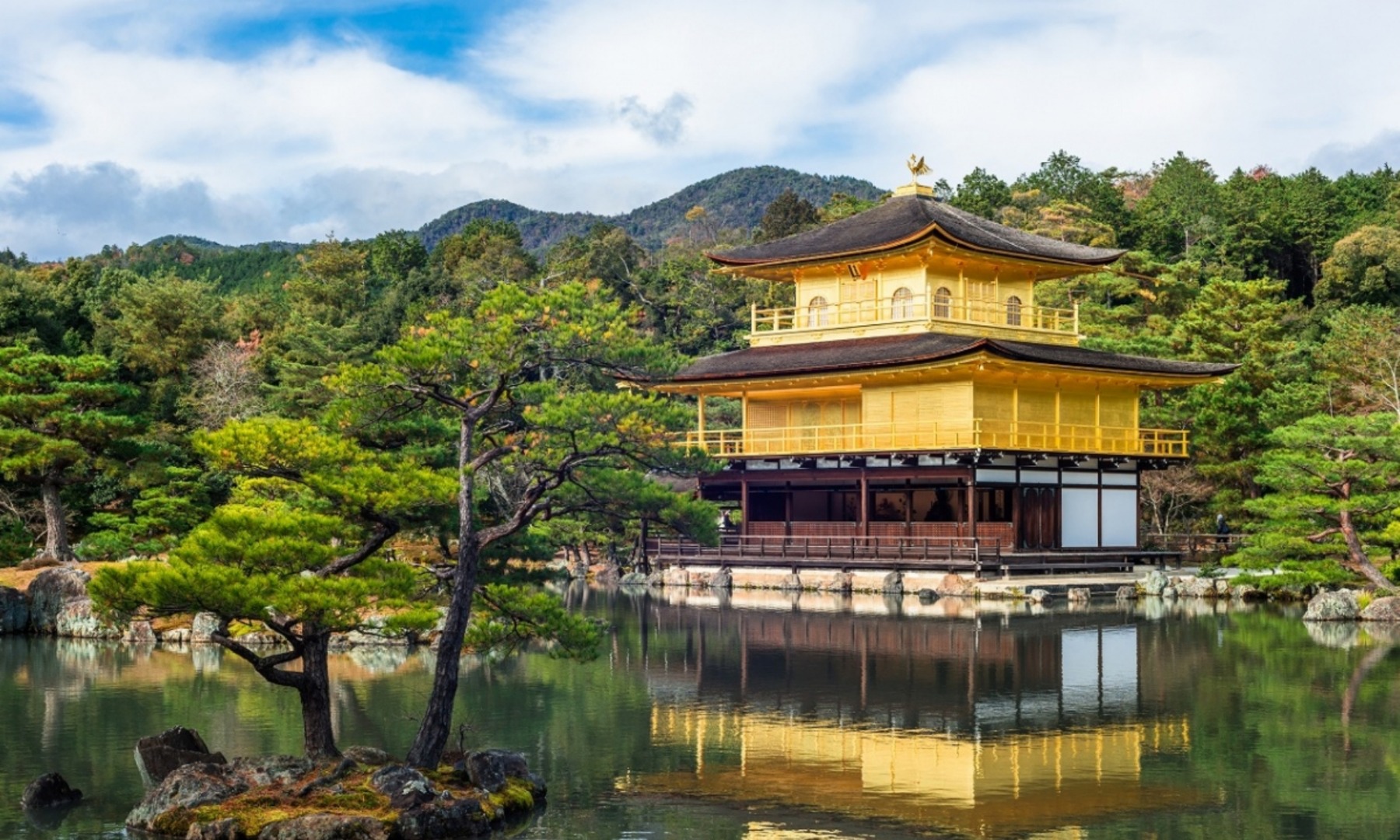
A Zen Buddhist temple covered in gold leaf, Kinkaku-ji is one of Kyoto's most iconic landmarks. The temple's top two floors are completely covered in gold leaf, reflecting beautifully on the surrounding pond.
Historical/Religious
1-2 hours
¥400
Fushimi Inari Taisha
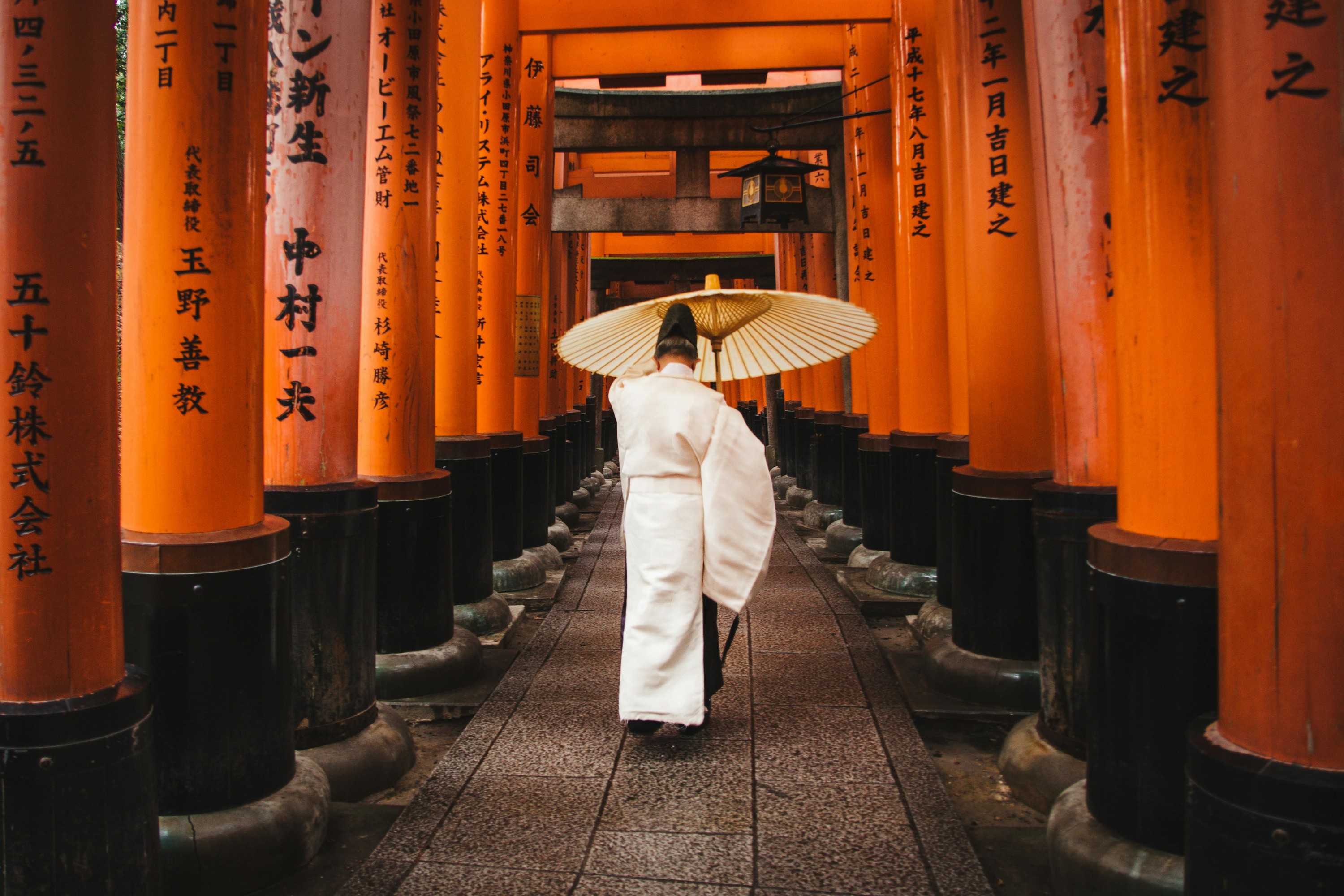
Famous for its thousands of vermilion torii gates, Fushimi Inari Taisha is a Shinto shrine dedicated to Inari, the god of rice. The trails leading up the mountain offer stunning views of Kyoto.
Religious
2-4 hours (depending on how far you hike)
Free
Kiyomizu-dera
A historic wooden temple with a large veranda supported by massive wooden pillars, Kiyomizu-dera offers panoramic views of Kyoto. The temple is particularly famous for its spring and autumn foliage.
Religious
1-2 hours
¥400
Arashiyama Bamboo Grove
A stunning grove of bamboo, Arashiyama is one of Kyoto's most famous natural attractions. The towering bamboo stalks create a surreal and peaceful atmosphere.
Nature
1-2 hours
Free (Tenryu-ji Temple costs ¥500)
Gion
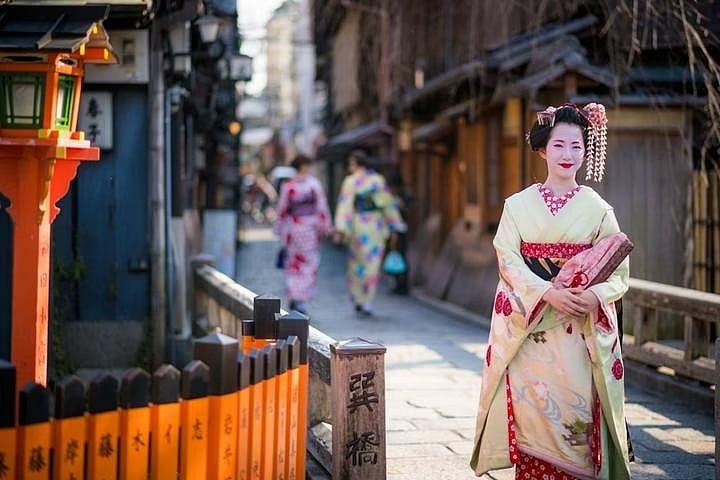
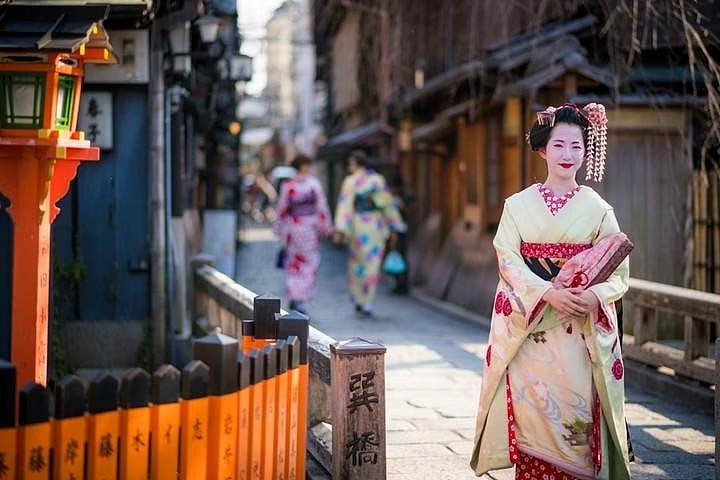
Kyoto's most famous geisha district, Gion is known for its traditional wooden machiya houses, teahouses, and the chance to spot geishas and maikos (apprentice geishas).
Cultural
1-2 hours (longer if dining or attending a cultural event)
Free to explore (dining and cultural events can be expensive)
Must-Try Local Dishes
Kaiseki Ryori
A traditional multi-course Japanese meal that emphasizes seasonality and presentation. Each dish is carefully prepared and artfully presented.
Dinner
Often includes fish, meat, and vegetables, but vegetarian options are available.
Yudofu (Tofu Hot Pot)
A Kyoto specialty featuring tofu simmered in a light kombu (kelp) broth, often served with vegetables and condiments.
Lunch/Dinner
Vegetarian-friendly, can be made vegan if broth is vegetable-based.
Matcha Desserts
Kyoto is famous for its high-quality matcha (green tea) powder, used in various desserts like ice cream, parfaits, and wagashi (traditional sweets).
Dessert
Vegetarian and vegan options available.
Obanzai
Home-style Kyoto dishes made with fresh, local ingredients, often featuring vegetables, fish, and tofu.
Lunch/Dinner
Can be adapted to various dietary preferences.
Popular Activities
Hiking in the mountains
Cycling through the countryside
Rafting on the Hozu River
Onsen (hot spring) visits
Tea ceremonies
Scenic walks in gardens and parks
Temple and shrine visits
Traditional tea ceremonies
Best Time to Visit
March to May (Spring), October to November (Autumn)
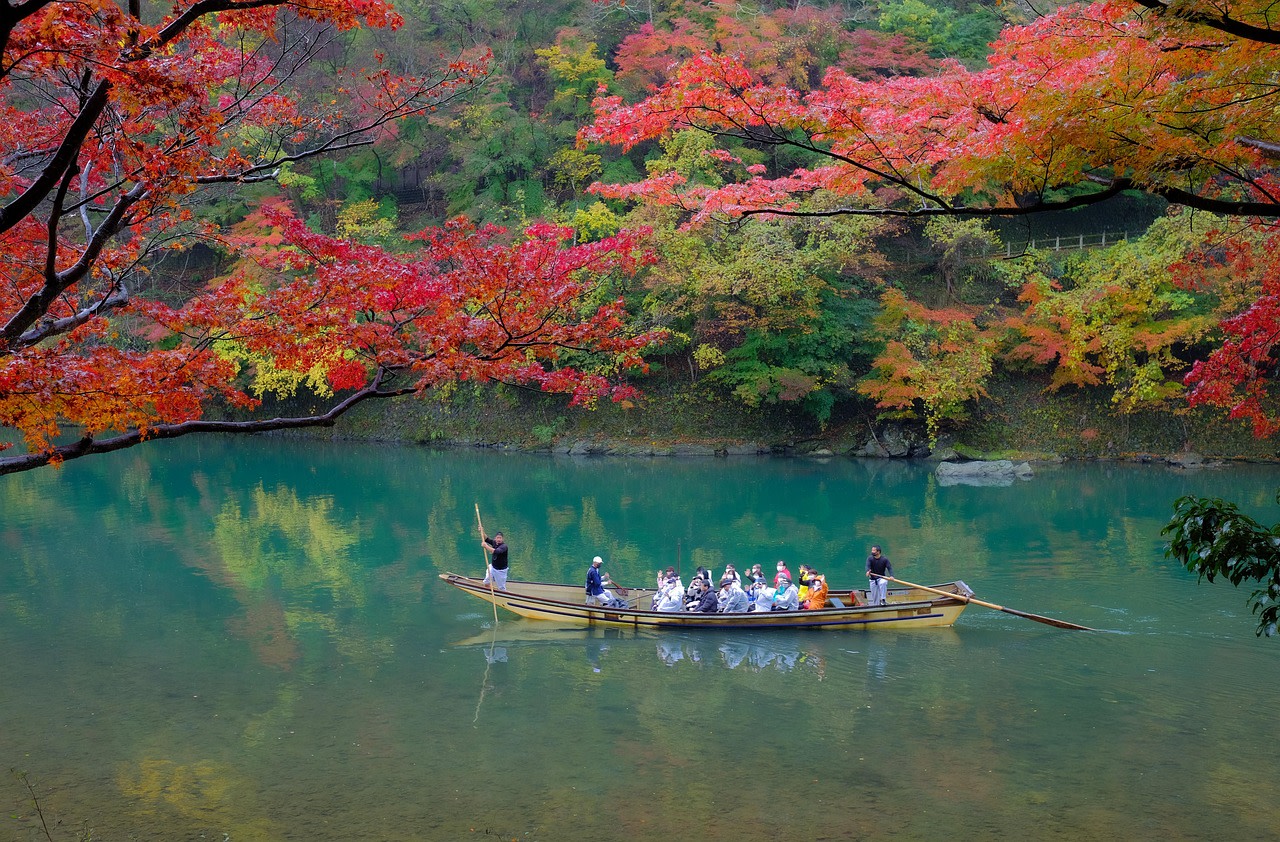
Spring and autumn offer pleasant weather and are the best times to visit for cherry blossoms and autumn foliage. These seasons also see the highest tourist volumes.
15°C to 25°C (Spring), 10°C to 20°C (Autumn)
59°F to 77°F (Spring), 50°F to 68°F (Autumn)
Practical Information
Language
- Official: Japanese
- Widely spoken: English (limited)
- English: Limited/Rare
Currency
Japanese Yen (JPY)
Time Zone
JST (UTC+9)
Electricity
100VV, 50/60HzHz
Safety Information
Overall Safety Rating: Very safe
Kyoto is a very safe city with a low crime rate. Violent crime is rare, and petty crime is uncommon. However, as with any tourist destination, it's important to take basic precautions to protect yourself and your belongings.
Important Precautions:
- • Keep valuables secure and out of sight
- • Be cautious of your surroundings, especially in crowded areas
- • Use reputable tour operators and taxis
Getting there
By air
- Kansai International Airport • 115 km from Kyoto
- Osaka International Airport (Itami) • 40 km from Kyoto
By train
Kyoto Station
By bus
Kyoto Station Bus Terminal
Getting around
Public transport
Buses are the most extensive and affordable way to get around Kyoto. They cover most areas of the city and are especially useful for reaching temples and shrines.
Taxis
Available • Apps: JapanTaxi, INDRIVER
Rentals
Car, Bike, Scooter
Neighborhoods
Gion
Higashiyama
Arashiyama
Downtown Kyoto (Shijo-Kawaramachi)
Day trips
Nara
40 km from Kyoto • Half day to full day
Nara is a historic city known for its ancient temples, shrines, and the famous Nara Park, home to hundreds of free-roaming deer.
Uji
20 km from Kyoto • Half day
Uji is a small city known for its historic temples, beautiful riverside scenery, and high-quality matcha (green tea).
Kurama and Kibune
25 km from Kyoto • Full day
Kurama and Kibune are two neighboring villages in the mountains north of Kyoto, known for their hot springs, hiking trails, and scenic beauty.
Festivals
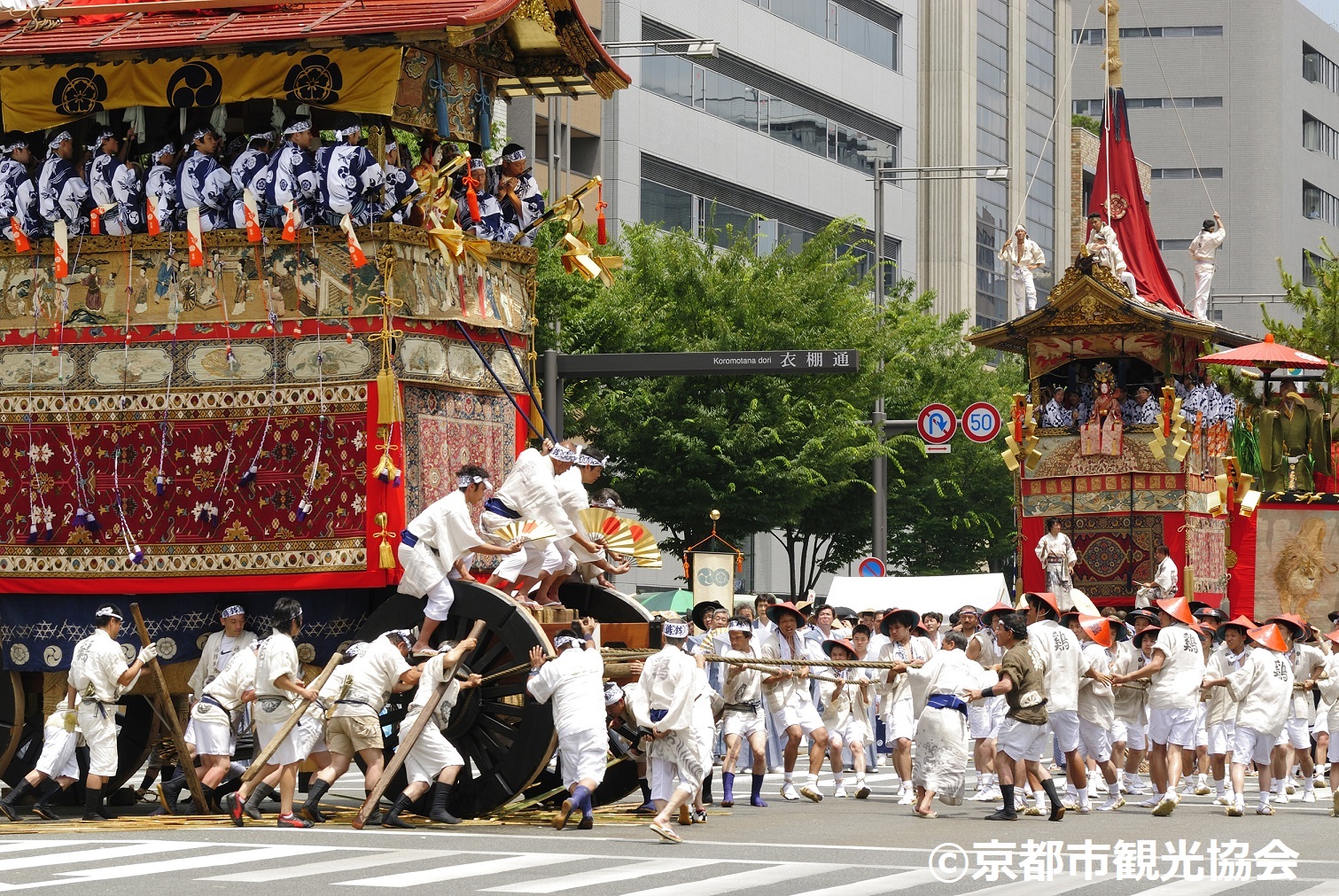
Gion Matsuri • July (main events on July 17th and 24th)
Jidai Matsuri • October 22nd
Aoi Matsuri • May 15th
Pro tips
- Visit popular attractions like Fushimi Inari Taisha and Kinkaku-ji early in the morning or late in the afternoon to avoid crowds.
- Consider purchasing a Kyoto City Bus Pass or other transportation passes to save money on getting around the city.
- Try local specialties like yudofu (tofu hot pot), matcha desserts, and obanzai (home-style Kyoto dishes).
- Explore the city's many temples and shrines, but don't forget to take time to enjoy the natural beauty of Kyoto's gardens and parks.
- Learn a few basic Japanese phrases to enhance your experience and show respect for local customs and traditions.
From $25
per person
Price varies by option
Secure booking
Free cancellation available
Instant confirmation


![[Kyoto & Shiga Biwa Lake] Lake Biwa Viewing Platform & Lake Biwa Metasequoia Road & Makino Highland Onsen Sarasa & Shirahige Shrine Day Trip (From Osaka/Kyoto)](https://res.klook.com/image/upload/activities/nbrisinzxozmfvcwyigl.jpg)