Hirosaki 4hr Private Tour with Government-Licensed Guide
Active
4h
For a full refund, cancel at least 24 hours before the scheduled departure time.
Instant confirmation
Mobile or paper ticket accepted
About this experience
This value-packed trip with a government-licensed and experienced English-speaking tour guide is a fantastic and efficient way to explore Hirosaki!
Set in the shadow of the impressive Mt. Iwaki, the historic town of Hirosaki is said to be the cultural capital of the prefecture. Its semi-rural setting is complemented by beautiful parks and temples, while the various boutique fashion stores, one-room bars, and stylish cafes create an impression of hip culture.
You can see 2 to 3 sites on your four-hour tour that's best for you! Please see our list of sites on itinerary/what to expect list to see what you can chose to visit. Please inform your guide post reservation of the sites you wish to see.
Available options
Hirosaki 4hr Private Tour with Government-Licensed Guide
Pickup included
What's included
Customizable Walking Tour of your choice of 2-3 sites from 'What to expect' list
Licensed Local English Speaking Guide
Meet up with guide on foot within designated area of Hirosaki
Detailed itinerary
1
Stop 1
Hirosaki Castle (弘前城, Hirosakijō) was built in 1611 by the Tsugaru Clan. A three-story castle tower, fortified moats, castle gates and some corner turrets (yagura) survive or were reconstructed. The castle is located in Hirosaki Park, a spacious public park of about 0.6 square kilometers.
The castle's original five-story keep burnt down in 1627 after being struck by lightning. Rebuilt in 1810, the present three-story keep is the only one in the Tohoku Region that was not rebuilt in the modern era, amongst only a handful in all of Japan.
2
The Neputa Mura (ねぷた村) or "Neputa Village" is a museum about Hirosaki's famous festival, the Neputa Matsuri, and also introduces the city's other cultural specialties.
The Neputa Matsuri takes place annually from August 1 to 7 around the same time when Neputa and Nebuta festivals are held all over Aomori Prefecture. It features floats with large painted screens that depict beautiful women, mythological warriors and other themes, and are illuminated from within when paraded through the streets. Several such floats and screens are on display in the Neputa Mura.
Although the main focus of the Neputa Mura is on the Neputa Festival, quite a few of Hirosaki's other specialties are put on display, as well. There are areas devoted to the local shamisen instrument, to popular local handicrafts and to old-fashioned toys. There is also a Japanese garden and a teahouse from the 19th century.
3
The Fujita Memorial Japanese Garden (藤田記念庭園, Fujita Kinen Teien) was built in 1919 in the style of a traditional Japanese landscape garden. The spacious garden is separated into two main parts, an upper section and a lower section. It is named after its first owner, a local business man named Fujita Kenichi.
A few buildings of interest stand around the garden, including a traditional Japanese house in the upper section and a tea ceremony house in the lower section, both designed to afford views onto the surrounding landscape. Near the garden's entrance gate stand a small archeology museum and a Western house with tearoom from the Taisho era (1912-1926).
4
When the Tsugaru Clan sided with Tokugawa Ieyasu at the battle of Sekigahara in 1600, they ensured their authority as the feudal lords of Hirosaki for the 250 years of the Edo Period. Hirosaki Castle was to be the base from which they would rule, and around which a typical castle town developed.
Like in all castle towns, the samurai, who served the Tsugaru Clan, lived in residences surrounding the castle of their feudal lord. Today, a section north of Hirosaki Castle remains preserved as a former samurai district. Although much of the area looks like an ordinary modern Japanese residential area today, three samurai houses and one merchant house have been preserved and are open to the public:
5
When the Tsugaru Clan sided with Tokugawa Ieyasu at the battle of Sekigahara in 1600, they ensured their authority as the feudal lords of Hirosaki for the 250 years of the Edo Period. Hirosaki Castle was to be the base from which they would rule, and around which a typical castle town developed.
Like in all castle towns, the samurai, who served the Tsugaru Clan, lived in residences surrounding the castle of their feudal lord. Today, a section north of Hirosaki Castle remains preserved as a former samurai district. Although much of the area looks like an ordinary modern Japanese residential area today, three samurai houses and one merchant house have been preserved and are open to the public:
6
When the Tsugaru Clan sided with Tokugawa Ieyasu at the battle of Sekigahara in 1600, they ensured their authority as the feudal lords of Hirosaki for the 250 years of the Edo Period. Hirosaki Castle was to be the base from which they would rule, and around which a typical castle town developed.
Like in all castle towns, the samurai, who served the Tsugaru Clan, lived in residences surrounding the castle of their feudal lord. Today, a section north of Hirosaki Castle remains preserved as a former samurai district. Although much of the area looks like an ordinary modern Japanese residential area today, three samurai houses and one merchant house have been preserved and are open to the public:
7
When the Tsugaru Clan sided with Tokugawa Ieyasu at the battle of Sekigahara in 1600, they ensured their authority as the feudal lords of Hirosaki for the 250 years of the Edo Period. Hirosaki Castle was to be the base from which they would rule, and around which a typical castle town developed.
Like in all castle towns, the samurai, who served the Tsugaru Clan, lived in residences surrounding the castle of their feudal lord. Today, a section north of Hirosaki Castle remains preserved as a former samurai district. Although much of the area looks like an ordinary modern Japanese residential area today, three samurai houses and one merchant house have been preserved and are open to the public:
8
The Otemon Square (追手門広場, Ōtemon Hiroba), named after and standing across from the main entrance gate of Hirosaki Castle, is designed as a stepping off point for visitors to Hirosaki. It has an extensive Sightseeing Information Center where travelers can get maps, pamphlets and advice about the city's sightseeing spots.
There is also a souvenir shop, a few restaurants and a small exhibition about local handicrafts and the Neputa Festival. Around Otemon Square stand a few of Hirosaki's early Western style buildings, including the Former City Library, which was constructed in 1907. The library is no longer in use, but is open to the public.
What's not included
Transportation fees, Entrance fees, Lunch, and Other personal expenses
Private Vehicle
You cannot combine multiple tour groups.
Guide Entry fees are only covered for sights listed under What to Expect.
Available languages
Guide guide
JA
EN
Important information
Service animals allowed
Public transportation options are available nearby
Infants and small children can ride in a pram or stroller
All areas and surfaces are wheelchair accessible
Transportation options are wheelchair accessible
Wheelchair accessible
Suitable for all physical fitness levels
This is a walking tour. Pick up is on foot.
About Aomori Prefecture
Aomori Prefecture, located in the northernmost part of Japan's main island Honshu, is known for its stunning natural landscapes, rich cultural heritage, and delicious cuisine. It's home to the famous Nebuta Matsuri, beautiful apple orchards, and the iconic Shirakami-Sanchi mountain range, a UNESCO World Heritage site.
Top Attractions
Shirakami-Sanchi
A UNESCO World Heritage site, Shirakami-Sanchi is a pristine mountain range known for its ancient beech forests and rich biodiversity. It's a popular destination for hiking and nature lovers.
Nature
Full day to overnight
Free (some trails and facilities may have fees)
Aomori Nebuta Museum Wa Rasse
This museum is dedicated to the famous Aomori Nebuta Festival, showcasing the history and artistry of the festival's iconic floats. Visitors can see large-scale Nebuta floats and even try making their own.
Museum
2-3 hours
Adults: ¥800, Children: ¥400
Sannai-Maruyama Site
A large archaeological site dating back to the Jomon period, Sannai-Maruyama is one of the most important historical sites in Japan. Visitors can explore reconstructed pit dwellings and learn about the Jomon culture.
Historical
2-3 hours
Adults: ¥500, Children: ¥250
Osorezan
A sacred mountain and one of Japan's three most important Buddhist sites, Osorezan is believed to be a gateway to the afterlife. The area is known for its eerie landscapes and hot springs.
Religious
Full day
Free (some facilities may have fees)
Lake Towada
A beautiful crater lake formed by a volcanic eruption, Lake Towada is known for its clear blue waters and stunning natural surroundings. It's a popular destination for hiking, boating, and photography.
Nature
Full day
Free (some activities and facilities may have fees)
Must-Try Local Dishes
Ika no Shiokara
A traditional dish made from fermented squid guts, seasoned with salt and sometimes chili. It's a popular local delicacy and a must-try for adventurous eaters.
Snack
Not suitable for vegetarians or vegans, contains allergens (fish, shellfish).
Aomori Ramen
A local ramen variety featuring a rich, soy-based broth, thin noodles, and toppings like chashu pork, menma (fermented bamboo shoots), and green onions. It's a hearty and comforting dish perfect for cold weather.
Dinner
Can be made vegetarian or vegan upon request, but traditional recipes contain meat and seafood.
Japonica Rice
A short-grain rice variety grown in Aomori, known for its excellent quality and sweet, sticky texture. It's a staple in Japanese cuisine and is used in a wide range of dishes, from simple rice bowls to elaborate sushi.
Breakfast/Lunch/Dinner
Naturally gluten-free, suitable for vegetarians and vegans.
Aomori Apples
Aomori is famous for its high-quality apples, which are sweet, crisp, and juicy. They are enjoyed fresh, in desserts, or as apple juice and cider.
Snack/Dessert
Naturally gluten-free, suitable for vegetarians and vegans.
Popular Activities
Hiking in Shirakami-Sanchi
Skiing and snowboarding in the winter
Mountain biking and cycling
Onsen (hot spring) visits
Apple picking (seasonal)
Boating on Lake Towada
Visiting historical sites and museums
Participating in local festivals
Best Time to Visit
September to November
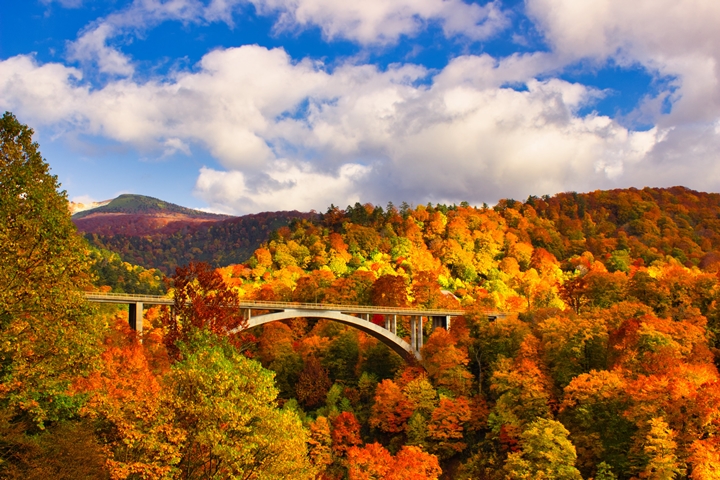
Autumn is the best time to visit Aomori for pleasant weather, vibrant fall foliage, and the famous Aomori Nebuta Festival in August. The snow has melted, making it easier to explore the outdoors.
10°C to 20°C
50°F to 68°F
Practical Information
Language
- Official: Japanese
- Widely spoken: English (limited)
- English: Limited
Currency
Japanese Yen (JPY)
Time Zone
JST (Japan Standard Time, GMT+9)
Electricity
100VV, 50/60HzHz
Safety Information
Overall Safety Rating: Generally safe
Aomori is generally a safe destination for travelers, with low crime rates and a peaceful atmosphere. However, as with any destination, it's important to be aware of your surroundings and take precautions to ensure a safe and enjoyable trip.
Important Precautions:
- • Keep valuables secure and be aware of your surroundings, especially in crowded areas.
- • Use licensed taxis and tour operators to avoid scams and ensure safety.
- • Be cautious of strangers offering help or services, as they may be trying to scam you.
Getting there
By air
- Aomori Airport • 15 km from Aomori city center
By train
Aomori Station
By bus
Aomori Station Bus Terminal, Aomori Airport Bus Terminal
Getting around
Public transport
Buses are the primary mode of public transport in Aomori. They are reliable and cover most of the prefecture, but schedules may be limited in rural areas.
Taxis
Available • Apps: JapanTaxi, DiDi
Rentals
Car, Bike, Scooter
Neighborhoods
Aomori City
Hirosaki
Towada
Shimokita Peninsula
Day trips
Shirakami-Sanchi
About 100 km from Aomori City • Full day to overnight
A UNESCO World Heritage site, Shirakami-Sanchi is a pristine mountain range known for its ancient beech forests and rich biodiversity. It's a popular destination for hiking and nature lovers.
Hirosaki
About 40 km from Aomori City • Half day to full day
A charming city with a rich samurai history, Hirosaki is known for its beautiful castle, apple orchards, and the famous Hirosaki Neputa Festival.
Lake Towada
About 60 km from Aomori City • Full day
A beautiful crater lake formed by a volcanic eruption, Lake Towada is known for its clear blue waters and stunning natural surroundings. It's a popular destination for hiking, boating, and photography.
Festivals
Aomori Nebuta Festival • Early August (2nd - 7th)
Hirosaki Neputa Festival • Early August (1st - 7th)
Aomori Winter Festival • February (varies by year)
Pro tips
- Visit during the autumn foliage season for stunning fall colors and pleasant weather.
- Try local specialties, such as Aomori ramen, ika no shiokara, and apple-themed dishes and desserts.
- Explore the prefecture's natural beauty, from the ancient beech forests of Shirakami-Sanchi to the crystal-clear waters of Lake Towada.
- Participate in local festivals and events, such as the Aomori Nebuta Festival and the Hirosaki Neputa Festival, for a unique and unforgettable cultural experience.
- Stay in a traditional ryokan for a unique and authentic experience, complete with kaiseki meals, private onsen, and beautiful gardens.
From $25
per person
Price varies by option
Secure booking
Free cancellation available
Instant confirmation


![[Aomori Prefecture] Tour the history and architecture in Towada City, the art city](https://media-cdn.tripadvisor.com/media/attractions-splice-spp-674x446/07/af/79/08.jpg)


![[Aomori Day Trip Chartered Car] Mount Hakkoda - Oirase Stream - Lake Towada & Aomori Private Chartered Car Day Trip (Round Trip from Aomori) 8 Hours / 10 Hours Customized / Free Arrangement of Itinerary](https://res.klook.com/image/upload/activities/lm2u9uhp03pthdtwma4x.jpg)
![[Japan Hokkaido | Eastern Hokkaido Private Car Tour] Kushiro & Lake Akan Customized 5/7-Hour Private Car Charter | Flexible Itinerary](https://res.klook.com/image/upload/activities/l58dgrtwpgnnyzraywcb.jpg)