Osaka 8hr Private Tour with Government-Licensed Guide
Active
8h
For a full refund, cancel at least 24 hours before the scheduled departure time.
Instant confirmation
Mobile or paper ticket accepted
About this experience
Explore the vibrant city of Osaka on a full-day walking tour with our government-licensed, experienced English-speaking guides! From the beautiful Osaka castle, to Dotonbori District’s legendary Takoyaki, and the retro vibes of Shinsekai District with its famous giant blowfish lantern, Osaka’s many dynamic and vibrant sights will enthrall you. Hungry after all that exploring? The kitchen of Japan, Osaka, is more than happy to tempt you with its many savory local dishes. Book a tour with us in Osaka to find the best places to eat okonomiyaki!
Once your reservation is made, a guide will be in touch to plan your personalized tour. Choose 3 to 4 spots that you wish to visit and your guide will plan a personalized itinerary. If you do not know where to visit, ask the guide to send you their recommended itinerary based on your interests.
We welcome you to come and explore the unique culture of Osaka with us! Or as they say in the Osaka dialect, “Maido”!
Available options
Osaka 8hr Private Tour with Government-Licensed Guide
Pickup included
What's included
Meet up with guide on foot within designated area of Osaka
Licensed Local English Speaking Guide
Customizable Tour of your choice of 3-4 sites from 'What to expect' list
Detailed itinerary
1
Stop 1
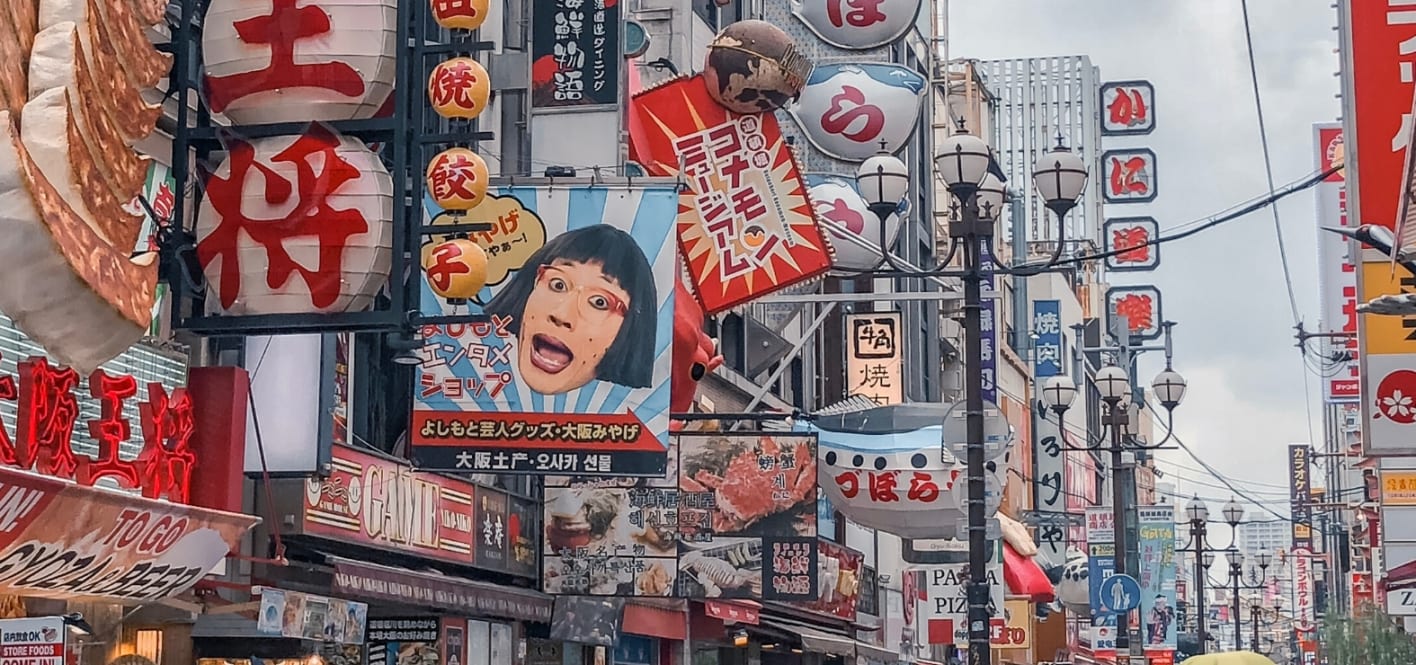
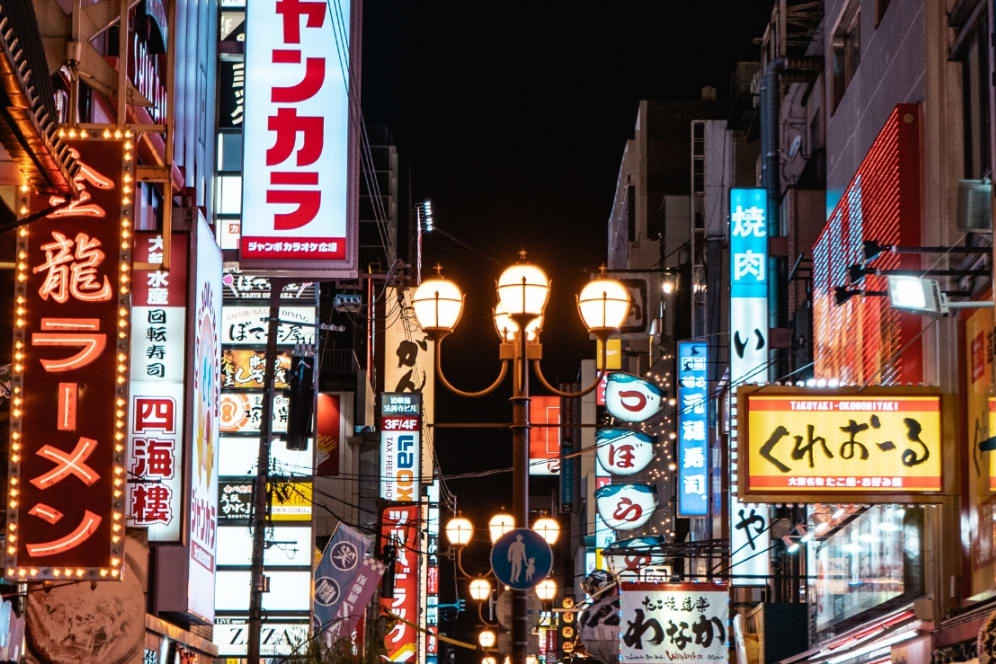
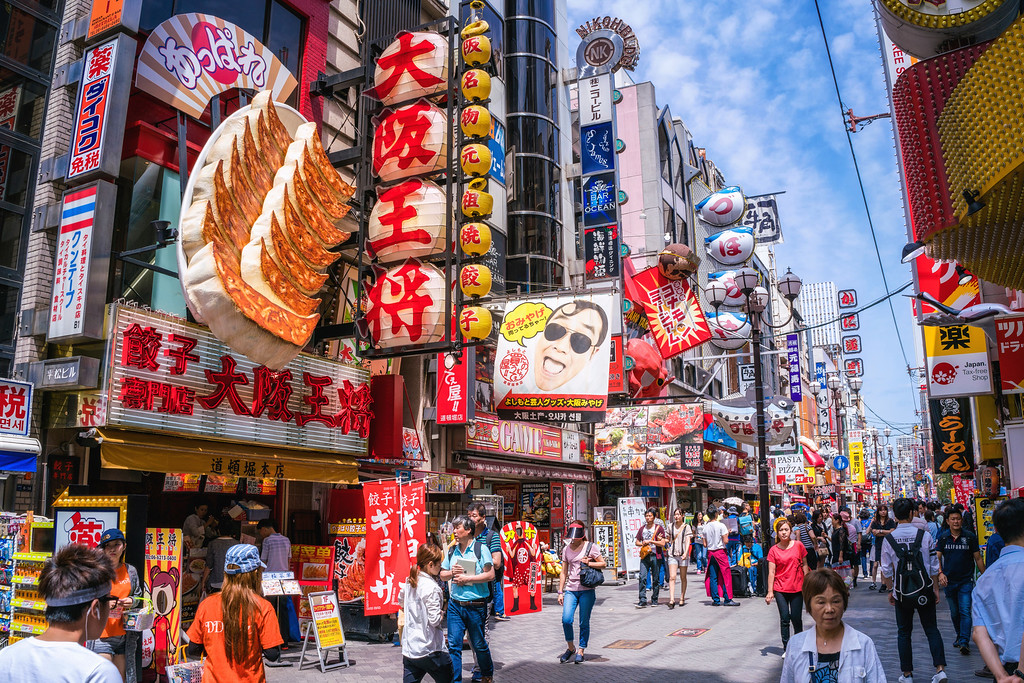
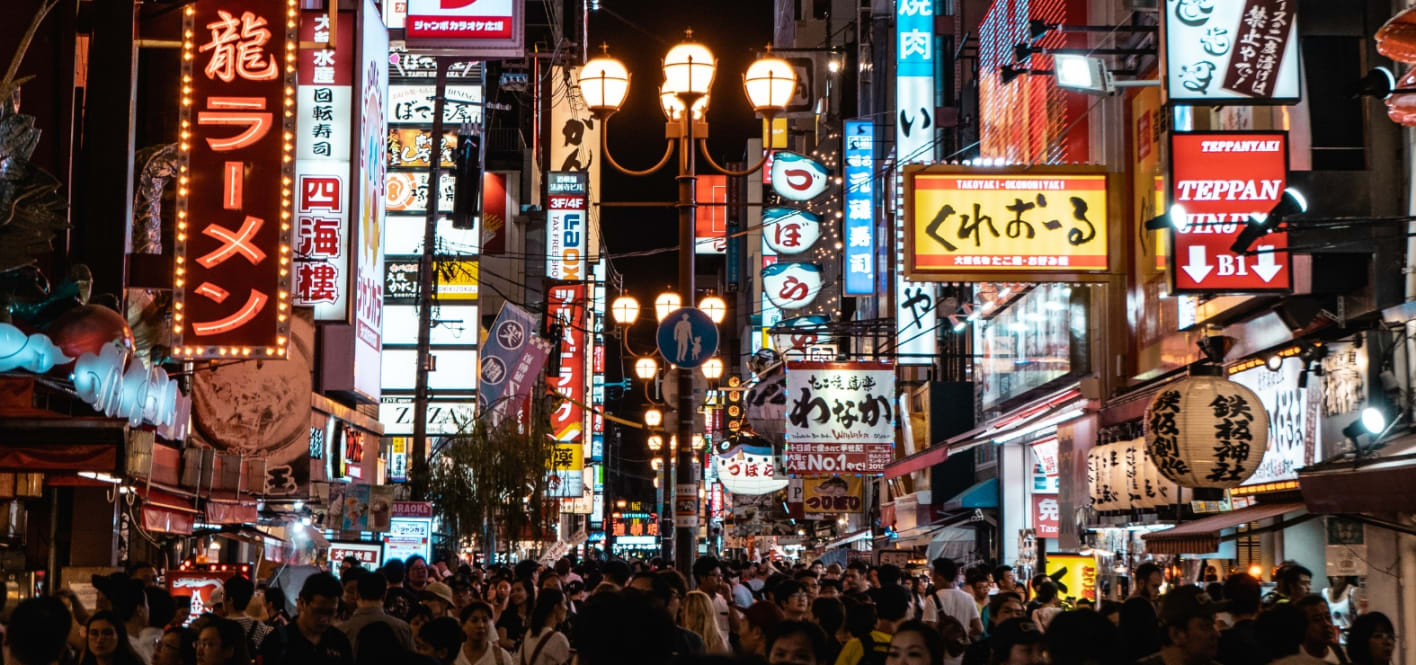
We will take a walk through Dotonbori street with its huge billboards, hundreds of restaurants and food stalls selling local foods including the famous Takoyaki and Okonomiyaki.
2
Stop 2
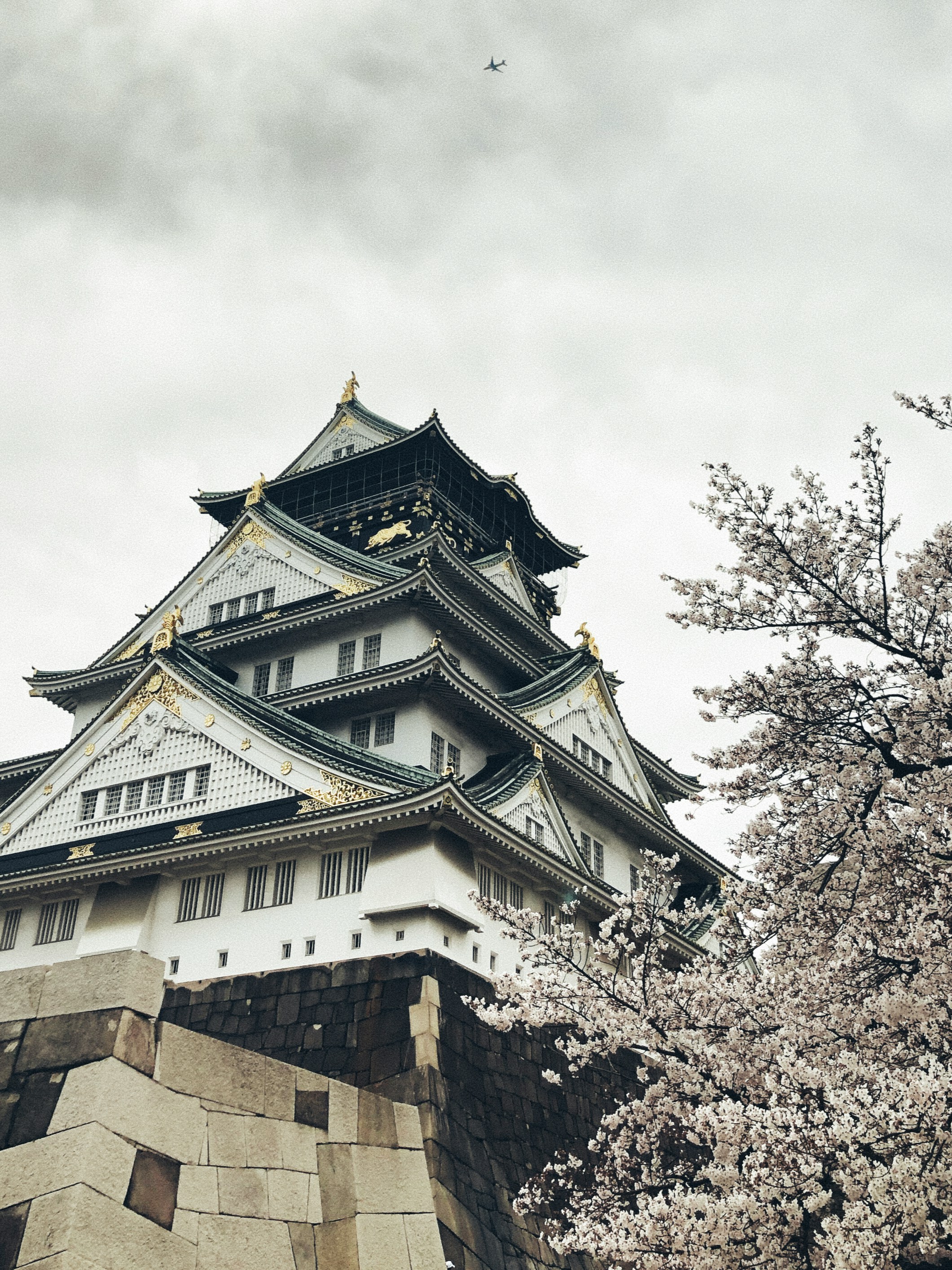
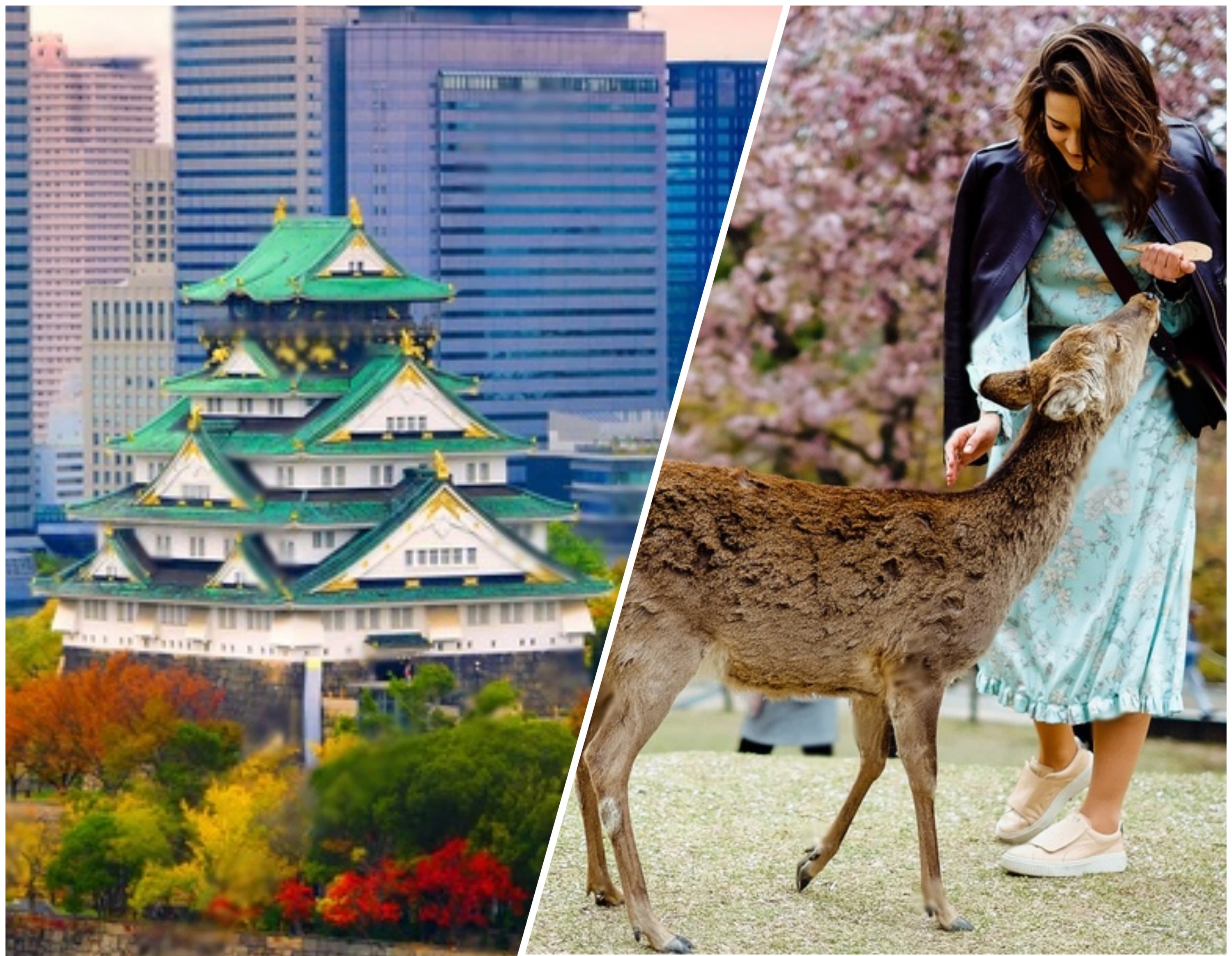
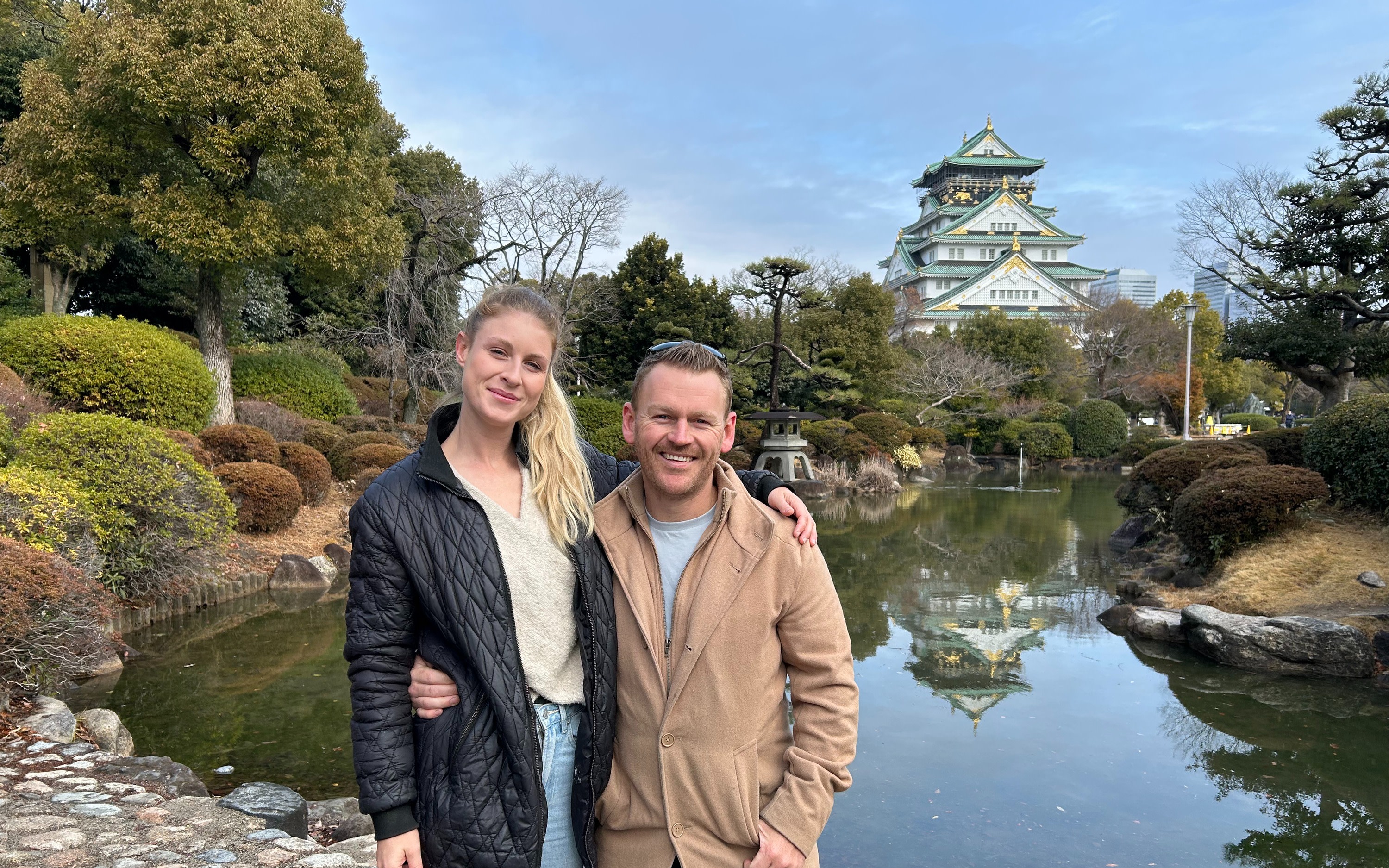
Osaka Castle is certainly one of the most famous landmarks in Japan, and for good reason. This five-story castle is one of the most visually spectacular creations in the country, with a history that dates back almost 450 years!
3
Stop 3
Osaka's Sumiyoshi Taisha (住吉大社, "Sumiyoshi Grand Shrine") is one of Japan's oldest shrines. Founded in the 3rd century before the introduction of Buddhism, it displays a unique style of shrine architecture, called Sumiyoshi-zukuri, that is free of influence from the Asian mainland. Only two other shrine architecture styles are also considered purely Japanese: Shinmei-zukuri as seen at the Ise Shrines and Taisha-zukuri as seen at Izumo Taisha.
4
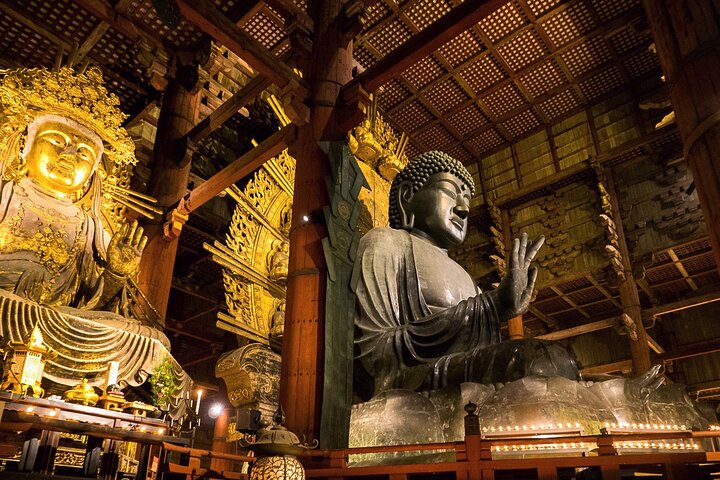
Shitennoji (四天王寺, Shitennōji) is one of Japan's oldest temples and the first ever to be built by the state. It was founded in 593 by Prince Shotoku, who supported the introduction of Buddhism into Japan. Although the temple's buildings burned down several times throughout the centuries, they were always carefully reconstructed to reflect the original 6th century design.
The outer temple grounds are free to enter, but admission to the inner precinct, the Gokuraku-jodo Garden and the treasure house is paid. In the pebble covered courtyard of the inner precinct stand a five-storied pagoda that can be entered and ascended and the Main Hall (Kondo) in which Prince Shotoku is enshrined as a statue of Kannon.
5
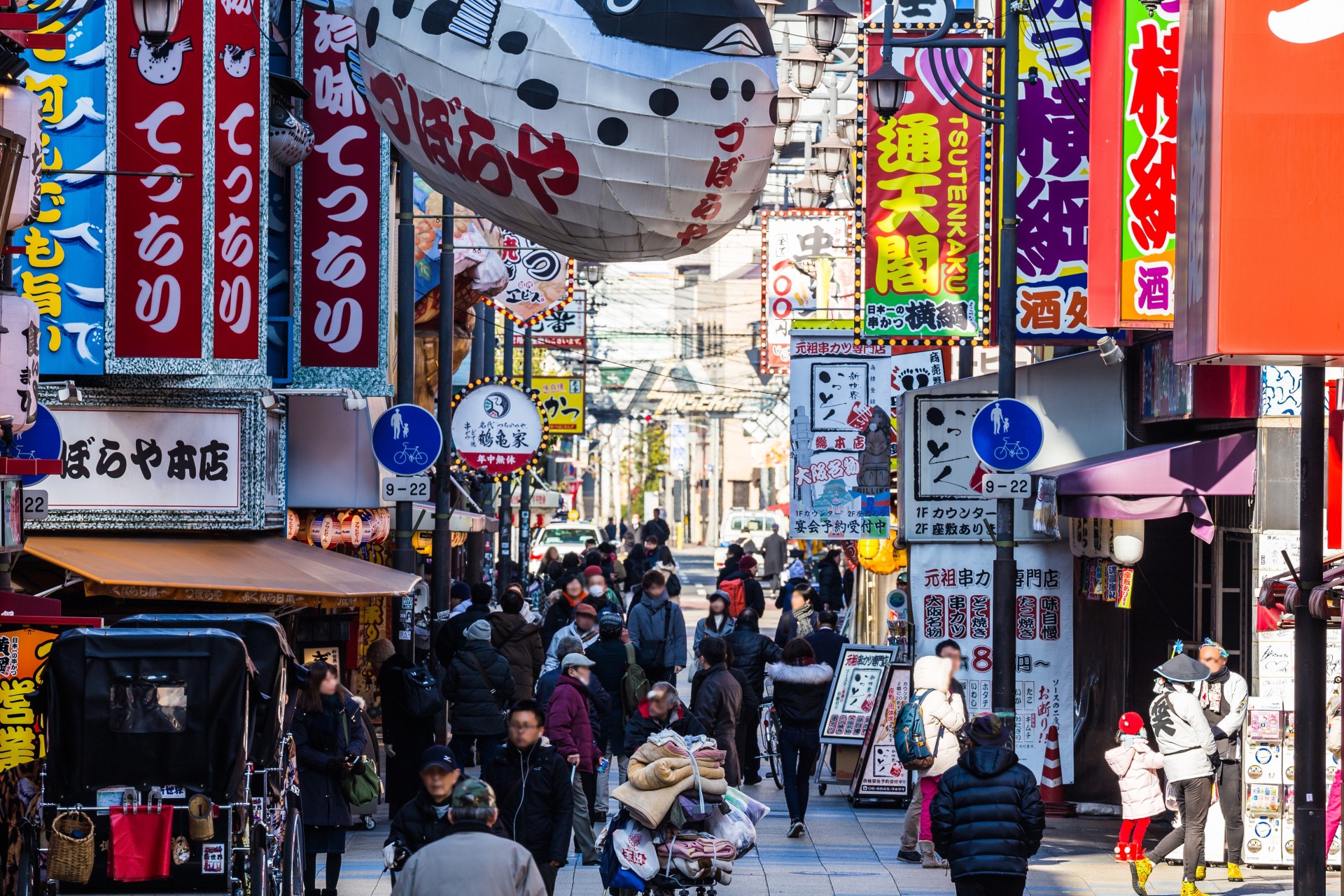
Shinsekai (新世界, lit. "New World") is a district in Osaka that was developed before the war and then neglected in the decades afterwards. At the district's center stands Tsutenkaku Tower, the nostalgia-evoking symbol of Shinsekai.
The area was developed into its current layout following the success of the 1903 National Industrial Exposition, which brought over five million people to the neighborhood within just five months. Shortly after the expo closed its doors, work began to improve and update Shinsekai.
6
The Umeda Sky Building (梅田スカイビル) is a spectacular high rise building in the Kita district of Osaka, near Osaka and Umeda Stations. It is also known as the "New Umeda City".
The 173 meter tall building consists of two towers that are connected with each other by the "Floating Garden Observatory" on the 39th floor. The observatory offers great views of the city through its windows and from its open-air deck. In the basement, there is a restaurant floor that replicates a town of the early Showa Period, while offices occupy most other floors.
7
Stop 7
Kuromon Market (黒門市場, Kuromon Ichiba) is a covered public market that stretches around 600 meters parallel to Sakaisujidori Street in the Minami area of Osaka. The market has about 150 shops that predominantly sell fish, meat and produce, with other shops also purveying traditional sweets and low priced clothes and homeware. The market dates back to the Edo Period, and today makes for an atmospheric place to stroll around, shop and eat a variety of different street foods.
8
The National Museum of Art, Osaka (also known as NMAO) is an underground museum housing a major art collection on the island of Nakanoshima in central Osaka.
9
Stop 9
A 150 meter long shopping street lined with specialty stores with every cooking utensil and kitchen item available. The Doguyasuji Festival on October 9 (Tool Day) is an event where various tools are on sale, and where the Garapon Lottery will also be held. In addition, you can take part in hands-on food sample making and glass-etching experiences, as well as an ever-increasing number of artisanal restaurants.
10
Stop 10
Shinsaibashi-suji Shopping Street is a must-visit in Osaka. This giant shopping arcade of cosmetics stores, apparel shops, and restaurants extends 600 meters. Read this detailed guide to learn about this lively Osaka neighborhood and how to get to the area!
11
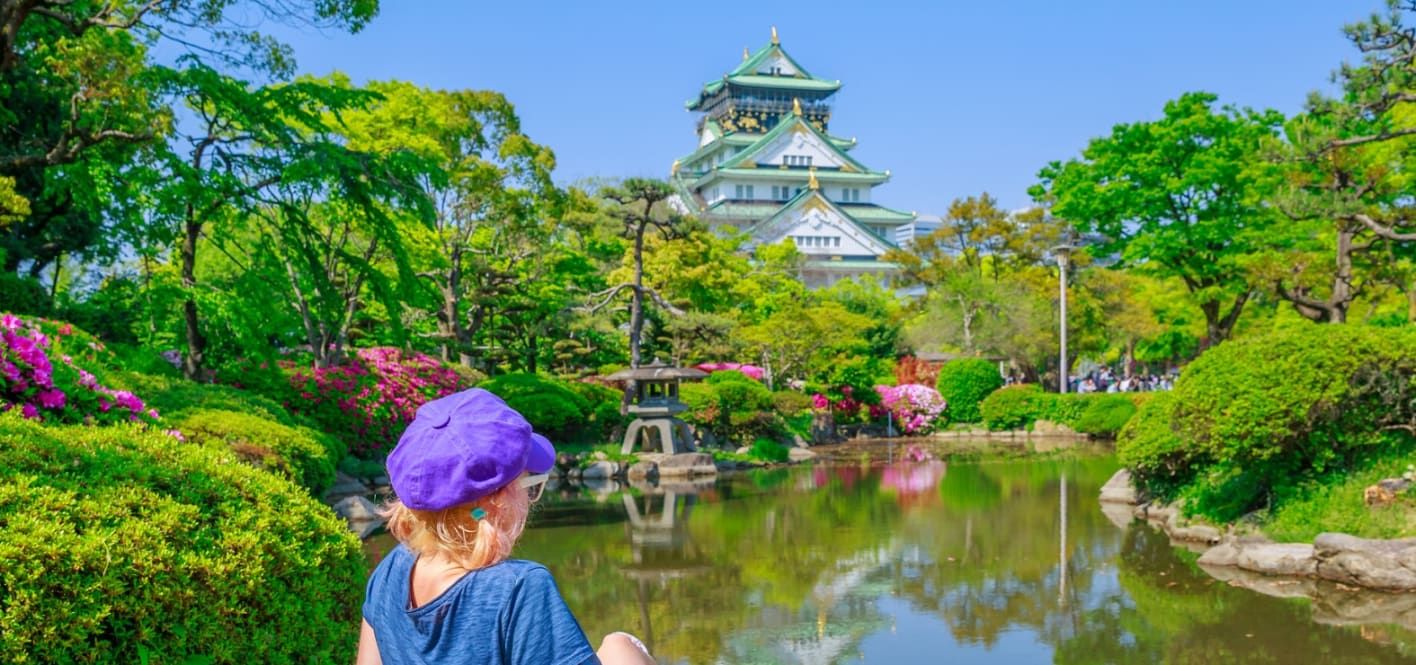
Keitakuen Garden is a traditional Japanese landscape garden located within Tennoji Park in Osaka, Japan. Designed in the early 20th century, it features a central pond, meticulously arranged rocks, seasonal plants, and pathways that reflect classic Japanese aesthetics. The garden offers a peaceful retreat from the city, with scenic views of the nearby Osaka skyscrapers creating a unique blend of nature and urban life.
What's not included
Transportation fees, Entrance fees, Lunch, and Other personal expenses
Private Vehicle
You cannot combine multiple tour groups.
Guide Entry fees are only covered for sights listed under What to Expect.
Available languages
Guide guide
JA
EN
Reviews breakdown
Viator
4.5
2 reviews
5★
1
4★
1
3★
0
2★
0
1★
0
Tripadvisor
5.0
5 reviews
5★
5
4★
0
3★
0
2★
0
1★
0
Important information
Service animals allowed
Public transportation options are available nearby
Infants and small children can ride in a pram or stroller
All areas and surfaces are wheelchair accessible
Transportation options are wheelchair accessible
Wheelchair accessible
Suitable for all physical fitness levels
This is a walking tour. Pick up is on foot.
About Namba
Namba is the vibrant, bustling heart of Osaka, renowned for its lively streets, delicious street food, and vibrant nightlife. It's a perfect blend of traditional Japanese culture and modern entertainment, offering a unique experience to every traveler.
Top Attractions
Dotonbori
A bustling street known for its neon lights, street food, and vibrant nightlife. It's a must-visit for its lively atmosphere and iconic Glico Running Man sign.
Entertainment
2-3 hours
Free to explore (food and shopping costs extra)
Shinsaibashi Shopping Arcade
A long shopping street filled with shops, restaurants, and entertainment options. It's a great place for shopping and people-watching.
Shopping
2-4 hours
Free to explore (shopping costs extra)
Hozenji Yokocho
A narrow, atmospheric alleyway with a moss-covered Buddha statue and traditional wooden buildings. It offers a glimpse into old Osaka.
Historical
30-60 minutes
Free to explore (food and drinks cost extra)
Amerikamura (Amemura)
A trendy district known for its youth culture, street fashion, and vintage shops. It's a great place to experience Osaka's modern subcultures.
Cultural
1-2 hours
Free to explore (shopping costs extra)
Namba Parks
A modern shopping mall with a rooftop garden and a variety of shops and restaurants. It's a great place for shopping and relaxation.
Shopping
1-3 hours
Free to explore (shopping and dining costs extra)
Must-Try Local Dishes
Takoyaki
Octopus-filled dough balls, cooked in a special mold and topped with sauce, mayonnaise, and bonito flakes.
Snack
Contains seafood, gluten, and soy
Okonomiyaki
Savory pancake made with cabbage, batter, and various toppings like pork, shrimp, and cheese.
Main Dish
Can be made vegetarian or vegan upon request
Kushikatsu
Deep-fried skewers of meat, seafood, and vegetables, served with a dipping sauce.
Snack
Contains meat and seafood, gluten, and soy
Ramen
Noodle soup with various broths (tonkotsu, shoyu, miso) and toppings like chashu pork, egg, and bamboo shoots.
Main Dish
Contains gluten, soy, and sometimes seafood
Popular Activities
Hiking in nearby mountains
Biking along the river
Kayaking or paddleboarding
Visiting onsen (hot springs)
Enjoying a traditional tea ceremony
Strolling through parks and gardens
Visiting temples and shrines
Attending a traditional festival
Best Time to Visit
March to May (Spring) and September to November (Autumn)
These seasons offer pleasant weather with mild temperatures, making it ideal for exploring the city. Cherry blossoms in spring and vibrant foliage in autumn add to the charm.
15°C to 25°C
59°F to 77°F
Practical Information
Language
- Official: Japanese
- Widely spoken: English, Chinese, Korean
- English: Moderately spoken in tourist areas, limited elsewhere
Currency
Japanese Yen (JPY)
Time Zone
GMT+9
Electricity
100VV, 50/60HzHz
Safety Information
Overall Safety Rating: Very safe
Osaka is generally very safe, with low crime rates and a strong police presence. However, petty crimes like pickpocketing can occur in crowded areas.
Important Precautions:
- • Keep your belongings secure in crowded areas
- • Use licensed taxis and check the meter
- • Be cautious of strangers offering help or services
Getting there
By air
- Kansai International Airport • 50 km from Namba
- Osaka International Airport (Itami) • 20 km from Namba
By train
Namba Station, Osaka Namba Station
By bus
Namba Bus Terminal
Getting around
Public transport
The Osaka Metro is efficient, clean, and easy to use. It connects to major attractions and neighborhoods in Namba and beyond.
Taxis
Available • Apps: JapanTaxi
Rentals
Car, Bike, Scooter
Neighborhoods
Dotonbori
Shinsaibashi
Nipponbashi
Amerikamura (Amemura)
Hozenji Yokocho
Day trips
Osaka Castle
3 km from Namba • Half day
A stunning castle with a rich history, offering beautiful views of the city and a glimpse into Japan's feudal past.
Universal Studios Japan
15 km from Namba • Full day
A popular theme park featuring a variety of rides, shows, and attractions based on popular movies and characters.
Kobe
30 km from Namba • Full day
A nearby port city known for its beef, scenic views, and historical sites. It's a great place for a day trip to explore a different side of Japan.
Festivals
Osaka Asian Film Festival • March
Sumiyoshi Matsuri • July 30-31
Tenjin Matsuri • July 24-25
Pro tips
- Use an IC card (like ICOCA or Suica) for convenient payments on public transportation and at some shops and vending machines
- Try takoyaki and okonomiyaki from street vendors for an authentic Osaka experience
- Visit Dotonbori at night to see the neon lights and enjoy the vibrant atmosphere
- Explore Hozenji Yokocho for a glimpse into old Osaka and traditional izakayas
- Use Google Maps or Japan Travel app for navigation and real-time updates on train schedules and delays
From $25
per person
Price varies by option
Secure booking
Free cancellation available
Instant confirmation