Kamakura Full Day Tour with Licensed Guide and Vehicle
Active
6h
All sales are final. No refund is available for cancellations.
Instant confirmation
Mobile or paper ticket accepted
About this experience
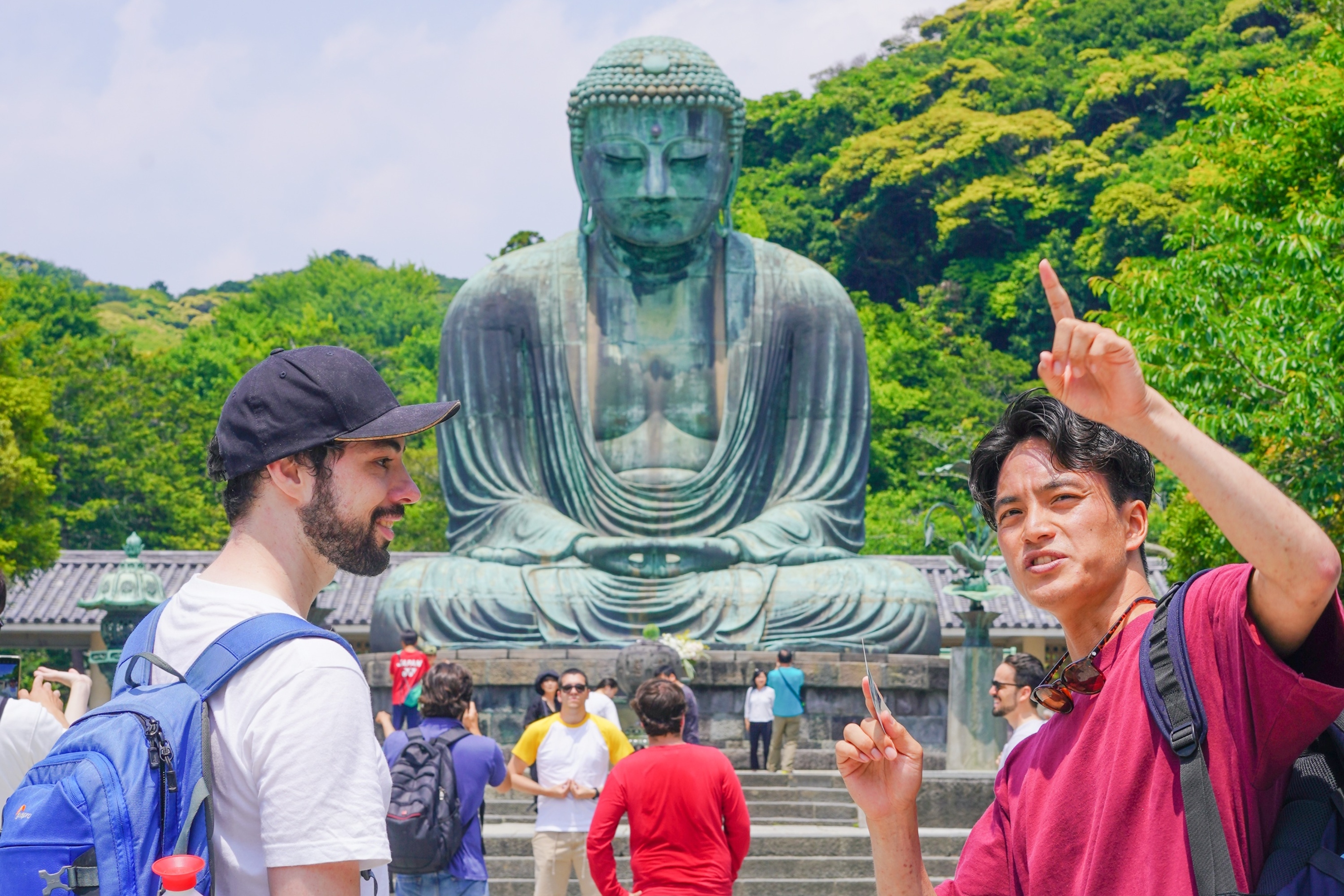
This is the ideal tour for travelers wanting to discover Kamakura's highlights efficiently in a private vehicle accompanied by a government-licensed and experienced multilingual guide!
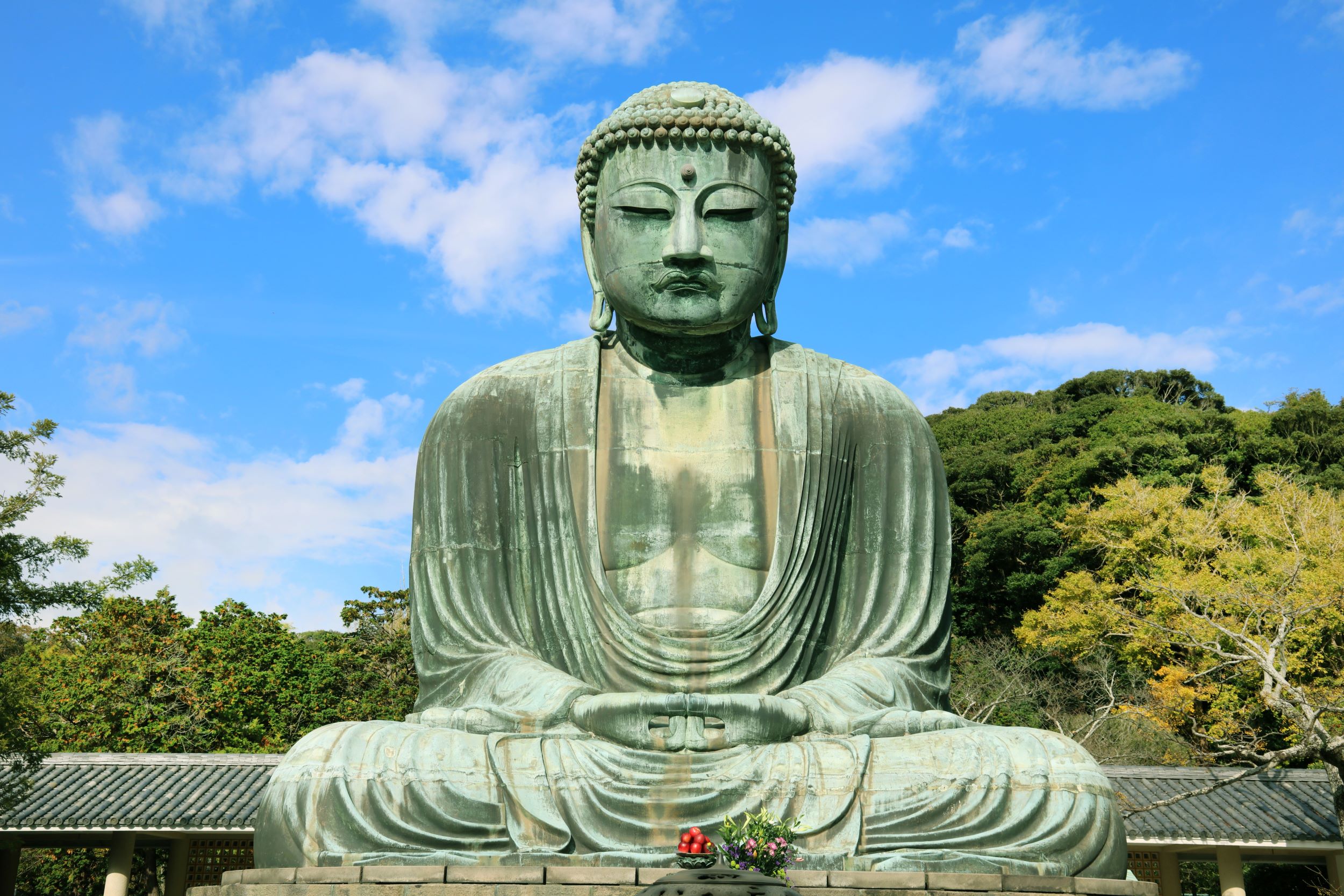
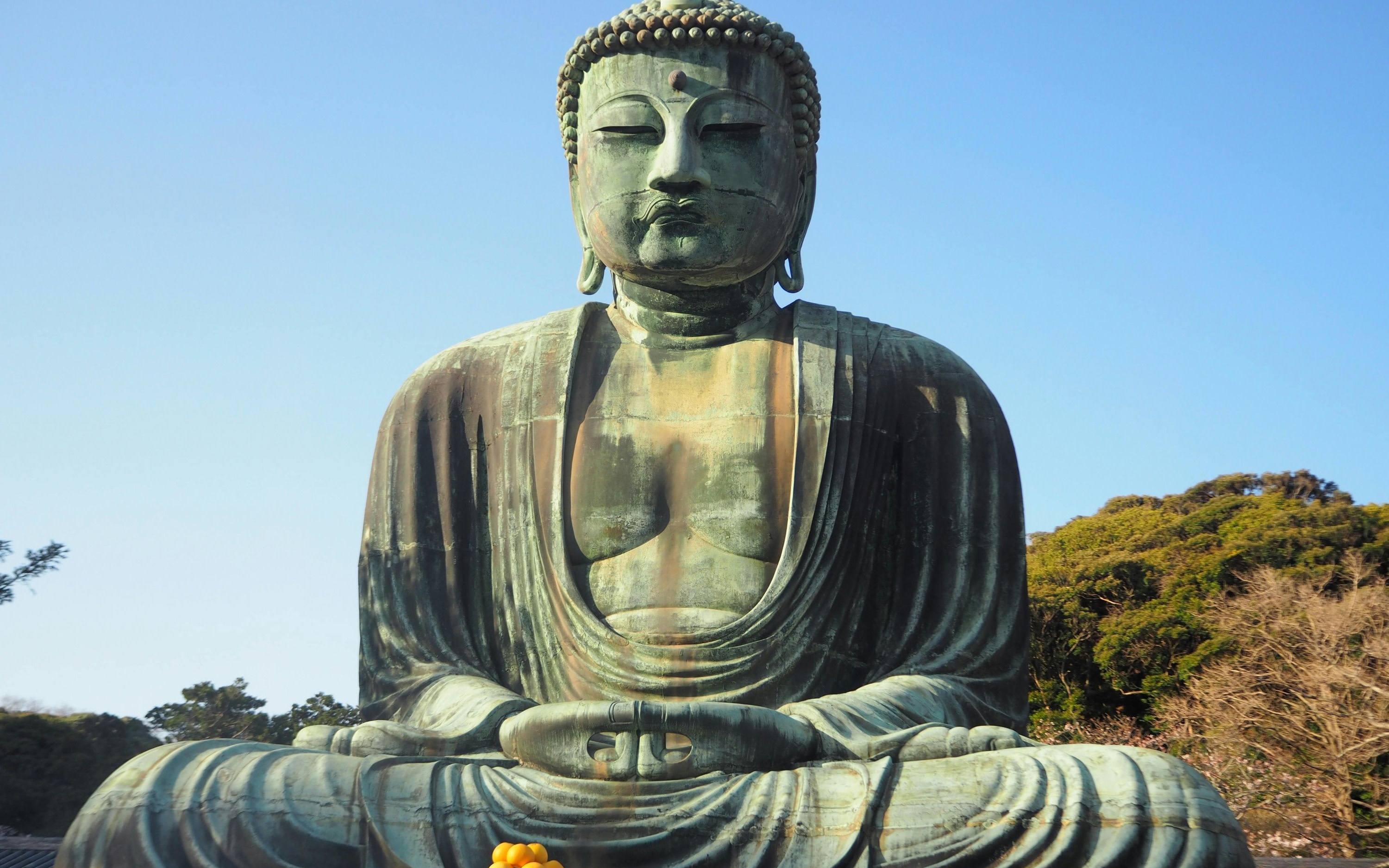
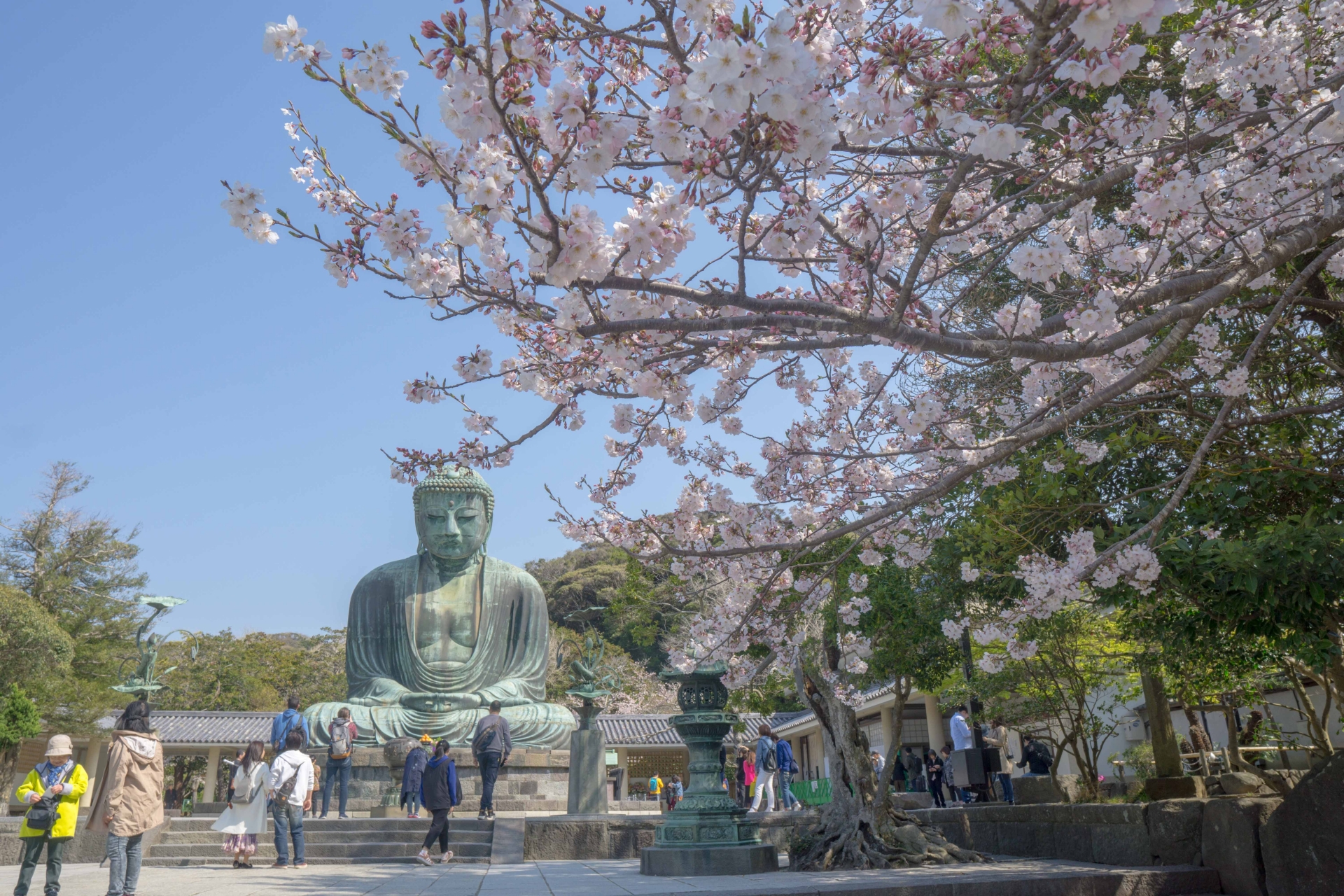
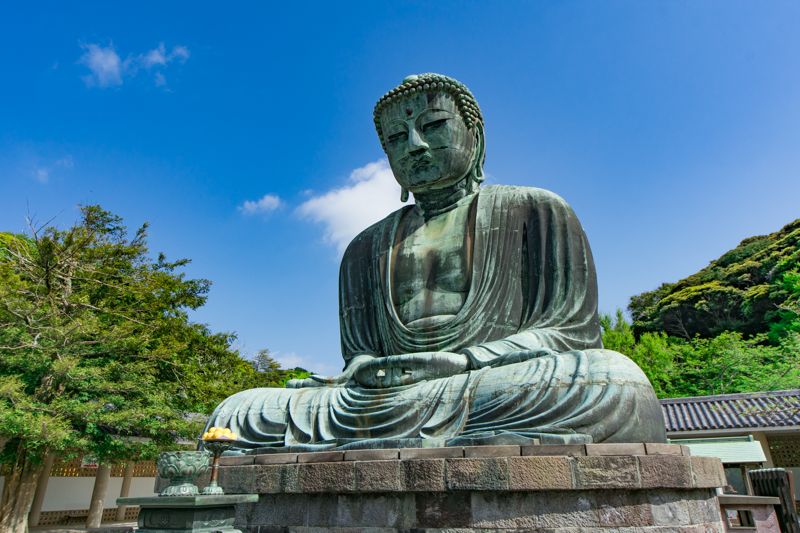
Take a breath of fresh sea air when you visit Kamakura. Kamakura’s temples and shrines are known for beautiful gardens. View the ocean from the highest points of the temples and write your wish on an oyster shell. The over 11 meters tall Great Buddha is an icon of the area residing in Kotokuin Temple. After the temples and shrines, stop by the old Komachi shopping street. Locals and tourists alike flock here. Try some Hatosabure, dove shaped biscuits, while you are there. Kamakura has much to offer and we hope to guide you soon!
*Tour details may change due to traffic conditions.
*Specific vehicle types are not available for request.
Available options
Regular(Up to 2 PAX)
Regular(Up to 2 PAX)<br/>Pickup included
Van(Up to 7 PAX)
Van(Up to 7 PAX)<br/>Pickup included
What's included
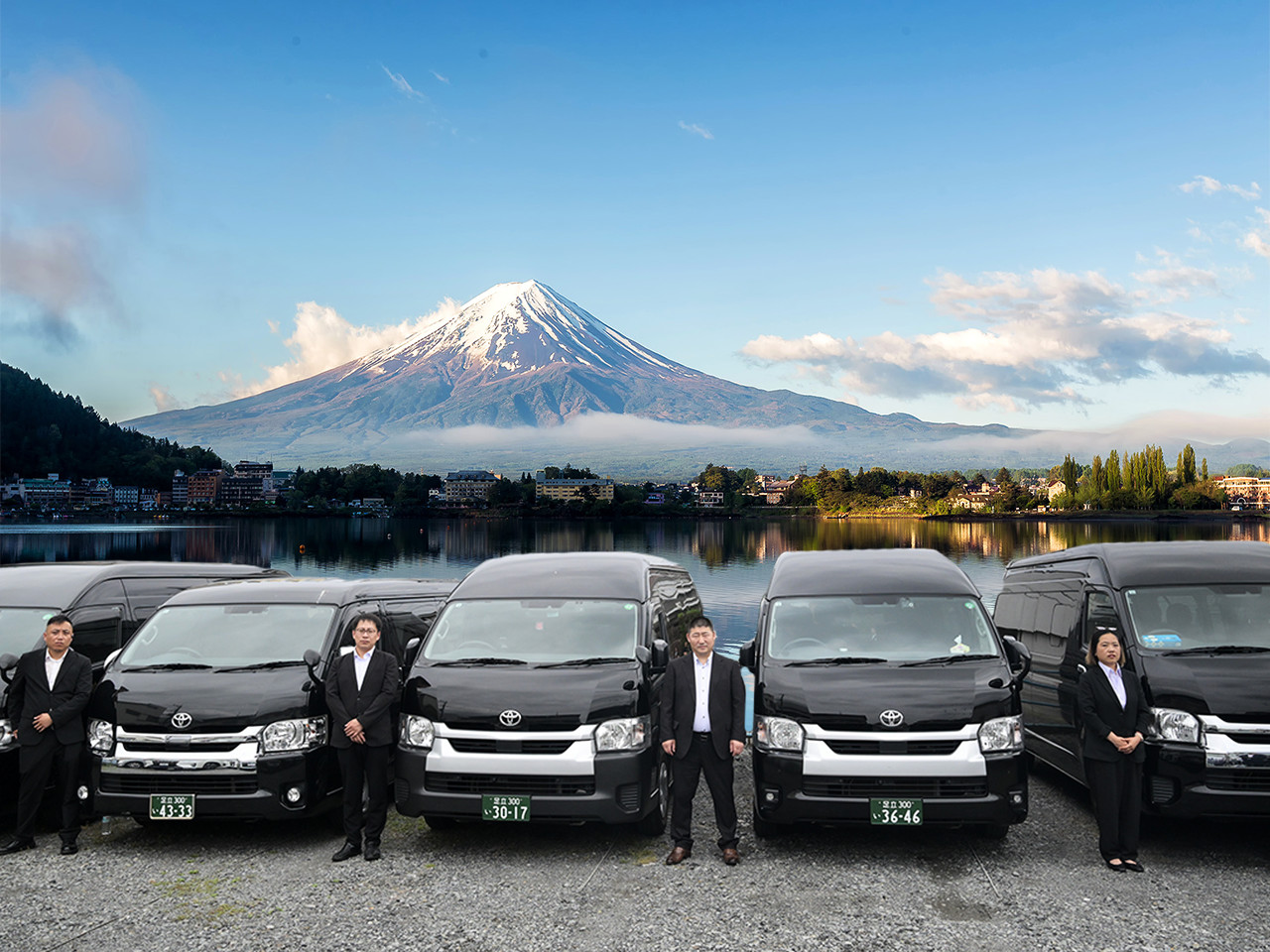
Private vehicle
Customizable Tour of your choice of 3-4 sites from 'What to expect' list'
Licensed Local English Speaking Guide
Detailed itinerary
1
Hasedera (長谷寺) is a temple of the Jodo sect, famous for its eleven-headed statue of Kannon, the goddess of mercy. The 9.18 meter tall, gilded wooden statue is regarded as one of the largest wooden sculpture in Japan and can be viewed in the temple's main building, the Kannon-do Hall
2
Stop 2
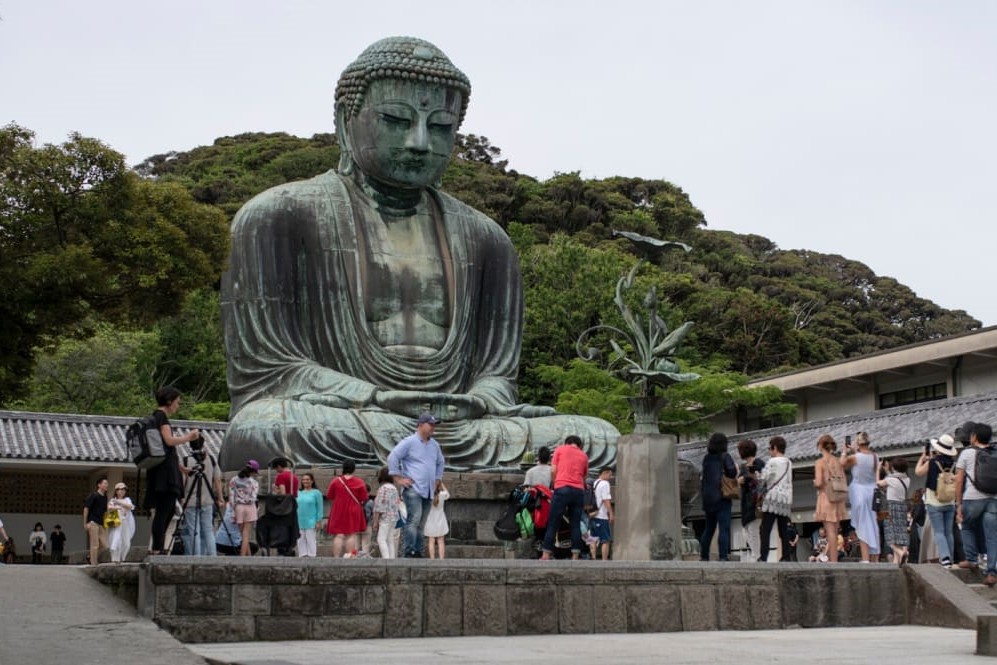
The Great Buddha of Kamakura (鎌倉大仏, Kamakura Daibutsu) is a bronze statue of Amida Buddha, which stands on the grounds of Kotokuin Temple. With a height of 11.4 meters, it has long been the second tallest bronze Buddha statue in Japan, surpassed only by the statue in Nara's Todaiji Temple and some recent creations.
3
Kenchoji (建長寺, Kenchōji) is the number one of Kamakura's five great Zen temples. The oldest Zen temple in Kamakura, Kenchoji was founded by the ruling regent Hojo Tokiyori in 1253 during the Kencho Era after which it was named. Its first head priest was Rankei Doryu, a Zen priest from China.
Although considerably smaller than during its heydays, Kenchoji still consists of a large number of temple buildings and subtemples, and stretches from the entrance gate at the bottom of the valley far into the forested hills behind. After passing through the Sanmon main gate, visitors will see Kenchoji's temple bell (Bonsho), designated a national treasure, on their right.
4
Hokokuji Temple is best known for the beautiful, small bamboo grove found behind the temple's main hall, which lies thick with over 2000 dark green bamboo stalks. A few narrow pathways lead through the bamboo to a tea house where, for a small fee, you can sit and enjoy a cup of matcha tea while enjoying views into the bamboo grove. Also located behind the temple are a series of shallow caves carved into the hillsides, which are believed to hold the ashes of some of the later Ashikaga lords.
5
Stop 5
The shrine is dedicated to Hachiman, the patron god of the Minamoto family and of the samurai in general. The deified spirits of the ancient Emperor Ojin who has been identified with Hachiman, Hime-gami and Empress Jingu are enshrined at Tsurugaoka Hachimangu Shrine.
6
Enoshima is divided into a yacht harbor accessible to motorized traffic and a forested hill which can only be explored on foot (and paid escalators) and contains most of the sights. Several shrine buildings, collectively known as Enoshima Shrine, are found around the island and are dedicated to Benten, a popular goddess of good fortune, wealth, music and knowledge. Benten is believed to have created Enoshima before subduing a five headed dragon that had been terrorizing the area.
7
Stop 7
Engakuji is one of the leading Zen temples in Eastern Japan and the number two of Kamakura's five great Zen temples. Engakuji was founded by the ruling regent Hojo Tokimune in the year 1282, one year after the second invasion attempt by the Mongols had been reverted. One purpose of the new temple was to pay respect to the fallen Japanese and Mongolian soldiers. Engakuji is built into the slopes of Kita-Kamakura's forested hills. The first main structure encountered upon entering the temple grounds is the Sanmon main gate, which dates from 1783. Behind it stands the temple's main hall, the Butsuden, which displays a wooden statue of the Shaka Buddha. The Butsuden was rebuilt relatively recently in 1964 after the former building was lost in an earthquake.
8
Meigetsuin Temple is a temple of the Rinzai Zen Sect founded in 1160 in Kamakura. It is also known as Ajisaidera ("Hydrangea Temple") because hydrangea bloom in abundance on the temple grounds during the rainy season around June. 95% of the hydrangea here are of the Hime Ajisai ("Princess Hydrangea") variety; they are thus named because of their pretty blue colors. The temple was originally a repose built by a son in memory of his father who had died in the struggle for power between the Taira and Minamoto clans in the late Heian Period. It later became part of a larger temple complex called Zenkoji, which was abolished during anti-Buddhist movements soon after the Meiji Restoration, leaving only Meigetsuin to remain as an individual temple today.
9
Ankokuronji(安国論寺) is one of several temples of the Nichiren sect of Japanese Buddhism along the hills in the southeast of Kamakura. Nichiren himself founded Ankokuronji around 1253 when he first came to Kamakura, and he is said to have lived at the temple for several years. Visitors can walk along a short hiking trail through the wooded hills around the temple buildings. A nice view of the city of Kamakura can be enjoyed underway. Some of the trail's passages are quite steep and should only be explored with good walking shoes and during dry weather.
10
Zeniarai Benten Shrine(銭洗弁天) is a popular shrine in western Kamakura, which people visit to wash their money (zeniarai means "coin washing"). It is said that money washed in the shrine's spring, will double. Minamoto Yoritomo, the founder of the Kamakura government, ordered the shrine's construction after a god appeared in his dream and recommended him to build the shrine in order to bring peace to the country. Because the dream occurred on the day of the snake, in the month of the snake of the year of the snake, the shrine was later also dedicated to Benten, a Buddhist goddess associated with snakes.
11
Jomyoji Temple (浄妙寺, Jōmyōji) is a Zen temple in the hills of eastern Kamakura. Ranked fifth among the five great Zen temples of Kamakura, Jomyoji was founded by the influential Ashikaga family and at its peak was made up of seven buildings and several pagodas. Over the centuries, however, many of the structures were destroyed by fire, and only its historic main hall, reception hall, main gate and warehouse remain today. The main hall sits at the end of a garden and houses a statue of Shaka Nyorai, the historical Buddha. Jomyoji Temple also has a restored teahouse where visitors can sit and enjoy a cup of tea for a small fee while enjoying the view of a nice dry garden. On the hillside behind the main hall is the temple's spacious cemetery, while a path leads up the hill to a small western-style restaurant. The restaurant is operated by the temple and offers good views out over Kamakura from its patio.
12
Zuisenji (瑞泉寺) is a beautiful Zen temple in the far east of Kamakura, in the back of a narrow valley and surrounded by wooded hills. It is a branch temple of the Engakuji Temple. Zuisenji was founded by Muso Kokushi, a leading Zen master of his time and one of Japan's most famous garden designers. The temple is known for its pure Zen rock garden behind the temple's main hall, designed by Muso himself. The temple furthermore attracts with its many flowers and blooming trees in the other parts of the temple grounds, including a large number of plum trees.
13
Myohonji (妙本寺, Myōhonji) is one of several temples of the Nichiren sect of Japanese Buddhism along the southeastern hills of Kamakura. The temple was founded by Hiki Yoshimoto in 1260, and features a statue of Nichiren to the left of the main hall. The temple is connected via the Gionyama hiking trail with some other nearby temples and a shrine. It leads through the wooded hills of Kamakura, and should be explored only with good walking shoes and during dry weather, because there are a few steep and rough passages.
14
Jochiji (浄智寺, Jōchiji) is the number four of Kamakura's five great Zen temples. It is a branch temple of the Engakuji school of the Rinzai sect of Zen Buddhism. Its head temple, the Engakuji Temple, stands just a few hundred meters away on the opposite side of the railway tracks. Jochiji was founded in 1283 by members of the ruling Hojo family on the occasion of the premature death of a son. Once a large temple complex with many buildings and subtemples, Jochiji is now small and calm. In its main hall, the Dongeden, the temple's main object of worship, a Buddhist trinity of the Amida Buddha, Shaka Buddha and Miroku Buddha, is displayed.
15
Tokeiji (東慶寺, Tōkeiji) is a small branch temple of the Engakuji school within the Rinzai sect of Zen Buddhism. Its head temple, the Engakuji Temple, stands just a few hundred meters away on the opposite side of the railway tracks. Tokeiji was founded by the wife of the regent Hojo Tokimune in 1285 after Tokimune had died at a young age. Until the end of the Edo Period, the temple served as a shelter for women who suffered abuse by their husbands and sought a divorce. An official divorce could be attained by staying at the temple for three years.
16
Jufukuji Temple (寿福寺) is the number three of Kamakura's five great Zen temples. It is a branch temple of the Rinzai sect's Kenchoji school. Jufukuji was established by the order of Minamoto Yoritomo's wife Masako after her husband had passed away. Its founding priest was none other than Eisai, the man responsible for introducing Zen Buddhism into Japan. Besides the often photographed pathway that leads towards the temple, Jufukuji is not open to the public.
17
Eisho-ji Temple (英勝寺) is the only surviving nunnery in Kamakura, located near Tsurugaoka Hachimangu. Founded in the early Edo period by a woman connected to the Tokugawa family, it’s known as a “flower temple” for its seasonal blooms.
Visitors can enjoy a peaceful bamboo grove and a graceful Amida Buddha statue said to be by the famous sculptor Unkei. The quiet atmosphere makes it a hidden gem worth visiting.
What's not included
Entrance fees, Lunch, and Other personal expenses
You cannot combine multiple tour groups.
Guide Entry fees are only covered for sights listed under What to Expect.
Available languages
Guide guide
EN
Reviews breakdown
Viator
3.0
1 reviews
5★
0
4★
0
3★
1
2★
0
1★
0
Tripadvisor
5.0
1 reviews
5★
1
4★
0
3★
0
2★
0
1★
0
Important information
Wheelchair accessible
Infants and small children can ride in a pram or stroller
Service animals allowed
Public transportation options are available nearby
Specialized infant seats are available
Transportation options are wheelchair accessible
All areas and surfaces are wheelchair accessible
Suitable for all physical fitness levels
There are only a limited number of car seats and booster seats. Rear-facing car seats are not available. You must contact us directly if you need them.
About Kamakura
Kamakura is a historic city known as the ancient capital of Japan, rich in Buddhist temples, Shinto shrines, and traditional architecture. Its coastal location and scenic beauty make it a popular destination for both cultural and nature lovers.
Top Attractions
Tsuruoka Hachimangu Shrine
A significant Shinto shrine dedicated to the deity Hachiman, known for its beautiful architecture and cultural significance.
Religious
1-2 hours
Free (donations appreciated)
Kotoku-in (Great Buddha of Kamakura)
Home to a massive bronze statue of Amida Buddha, one of Kamakura's most iconic landmarks.
Historical
1-2 hours
Free (donations appreciated)
Komachi-dori
A bustling street filled with traditional shops, restaurants, and souvenir stalls.
Cultural
1-2 hours
Free to explore
Hasedera Temple
A beautiful temple complex with stunning ocean views and a history dating back to the 8th century.
Religious
1-2 hours
Free (donations appreciated)
Zeniarai Benten Shrine
A unique shrine where visitors can wash money for good fortune, located in a serene forested area.
Religious
30-60 minutes
Free (donations appreciated)
Kamakura Beach
A popular beach for swimming, sunbathing, and water sports, offering beautiful ocean views.
Nature
2-3 hours
Free (rentals available)
Must-Try Local Dishes
Shirasu Don
A bowl of rice topped with fresh whitebait, a local delicacy.
Lunch/Dinner
Contains fish
Kamaboko
Fish cakes with various shapes and flavors, often served as a snack or part of a larger meal.
Snack
Contains fish
Houtou
A hearty vegetable and noodle soup, often made with local produce.
Dinner
Vegetarian options available
Matcha Sweets
Traditional sweets made with matcha (green tea), a specialty of the region.
Dessert
Vegetarian
Popular Activities
Hiking in the surrounding hills
Beach activities
Onsen (hot spring) visits
Scenic walks
Temple and shrine visits
Traditional crafts workshops
Swimming
Surfing
Best Time to Visit
April (cherry blossom season), November (autumn foliage)
These periods offer the most pleasant weather and stunning natural scenery, attracting large crowds of tourists.
15-25°C (April), 10-20°C (November)
59-77°F (April), 50-68°F (November)
Practical Information
Language
- Official: Japanese
- Widely spoken: English (limited)
- English: Limited
Currency
Japanese Yen (JPY)
Time Zone
JST (GMT+9)
Electricity
100VV, 50/60HzHz
Safety Information
Overall Safety Rating: Very safe
Kamakura is a very safe destination with low crime rates. However, standard precautions should be taken to ensure a safe and enjoyable trip.
Important Precautions:
- • Keep valuables secure in crowded areas.
- • Use licensed taxis or ride-sharing services.
- • Be cautious of your surroundings at night, especially in less touristy areas.
Getting there
By air
- Haneda Airport • 50 km from Kamakura
- Narita Airport • 100 km from Kamakura
By train
Kamakura Station
By bus
Kamakura Station Bus Terminal
Getting around
Public transport
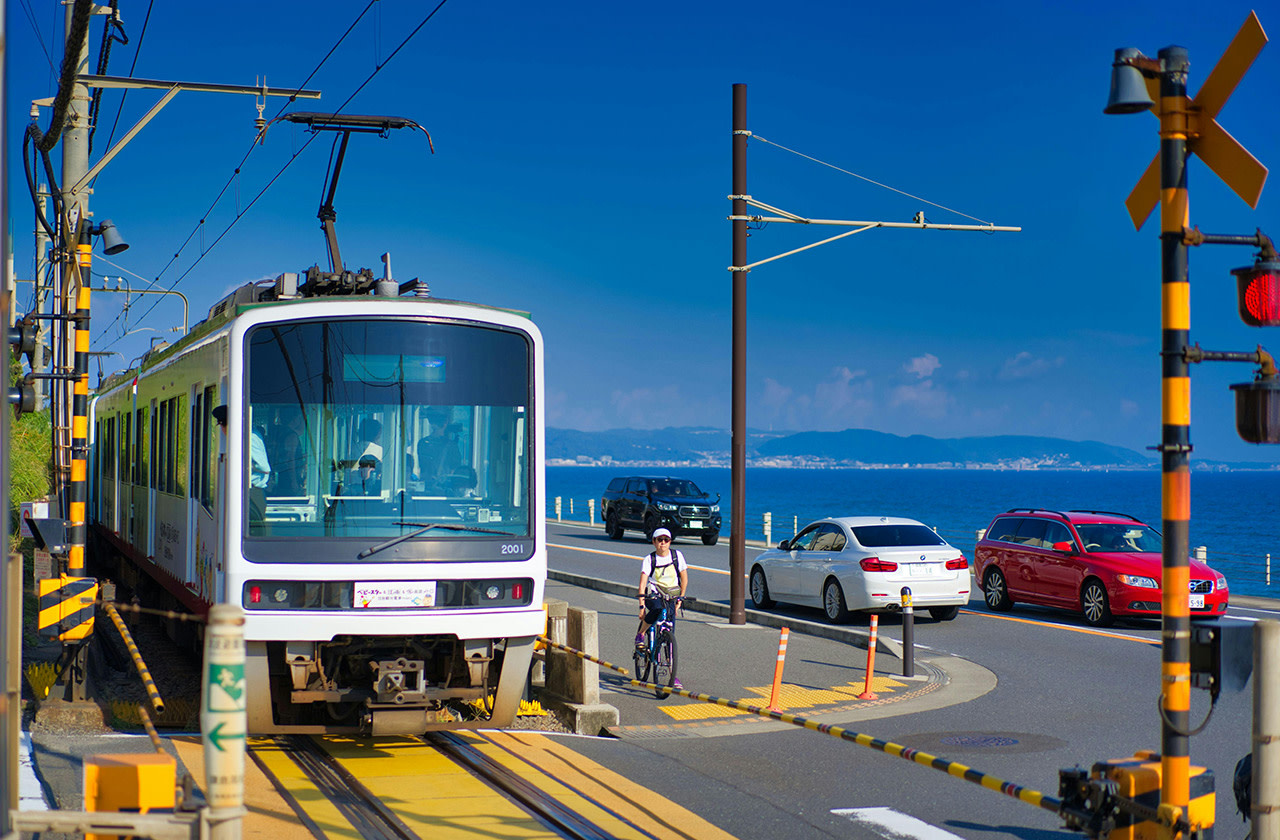
The JR Yokosuka Line connects Kamakura to Tokyo and Yokohama, while the Enoden Line offers a scenic route along the coast.
Taxis
Available • Apps: JapanTaxi, Uber
Rentals
Car, Bike, Scooter
Neighborhoods
Komachi-dori
Hase
Yuigahama
Zaimokuza
Day trips
Enoshima Island
10 km from Kamakura • Half day
A small island known for its scenic views, shrines, and caves, offering a mix of nature and culture.
Yokohama
30 km from Kamakura • Full day
A major city with a rich history, known for its Chinatown, museums, and waterfront attractions.
Hakone
50 km from Kamakura • Full day or overnight
A scenic onsen (hot spring) town known for its views of Mount Fuji, traditional ryokan (inns), and hot springs.
Festivals
Kamakura Festival • April (specific dates vary)
Tsurugaoka Hachimangu Reitaisai • September 14-15
Great Buddha Festival • December (specific dates vary)
Pro tips
- Visit the Great Buddha early in the morning to avoid crowds.
- Explore the Enoden Line for a scenic and historic tram ride along the coast.
- Try local specialties like shirasu (whitebait) and kamaboko (fish cakes).
- Combine a visit to Kamakura with a day trip to nearby Enoshima or Hakone.
- Carry cash for small purchases and local markets, as not all places accept cards.
From $25
per person
Price varies by option
Secure booking
Free cancellation available
Instant confirmation


![[Kamakura | Tram Experience] Kamakura Great Buddha & Kamakura Tram Experience & Kamakura High School & Enoshima & Tsurugaoka Hachimangu Shrine & Komachi Street Tokyo-Kamakura Day Trip (From Tokyo)](https://res.klook.com/image/upload/activities/zkjn1owdsbswo6geschc.jpg)
![[Kamakura Day Trip] Kamakura High School & Kamakura Great Buddha & Enoshima (Including Enoden Experience) | Departure from Tokyo](https://res.klook.com/image/upload/activities/qx0r21r2yooekgv8uf8m.jpg)