Kamakura 6 hr Private Guided Tour & Kimono Experience
Active
6h
For a full refund, cancel at least 24 hours before the scheduled departure time.
Instant confirmation
Mobile or paper ticket accepted
About this experience
Kimono is the beautiful traditional dress of Japan! On this 6-hour walking tour, you can experience wearing a Kimono. You will be dressed by a professional and have your hair done in a simple hairstyle.
It will take about one hour to change for one group (including a simple hair set for women). Afterward, you can walk around Kamakura and take photos. Please bring your own camera!
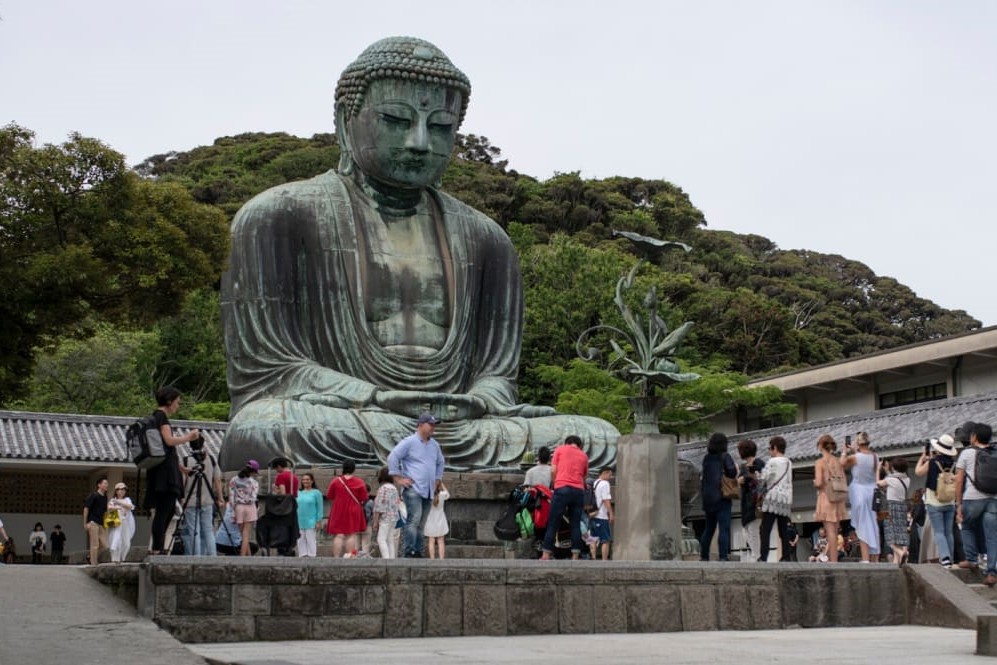
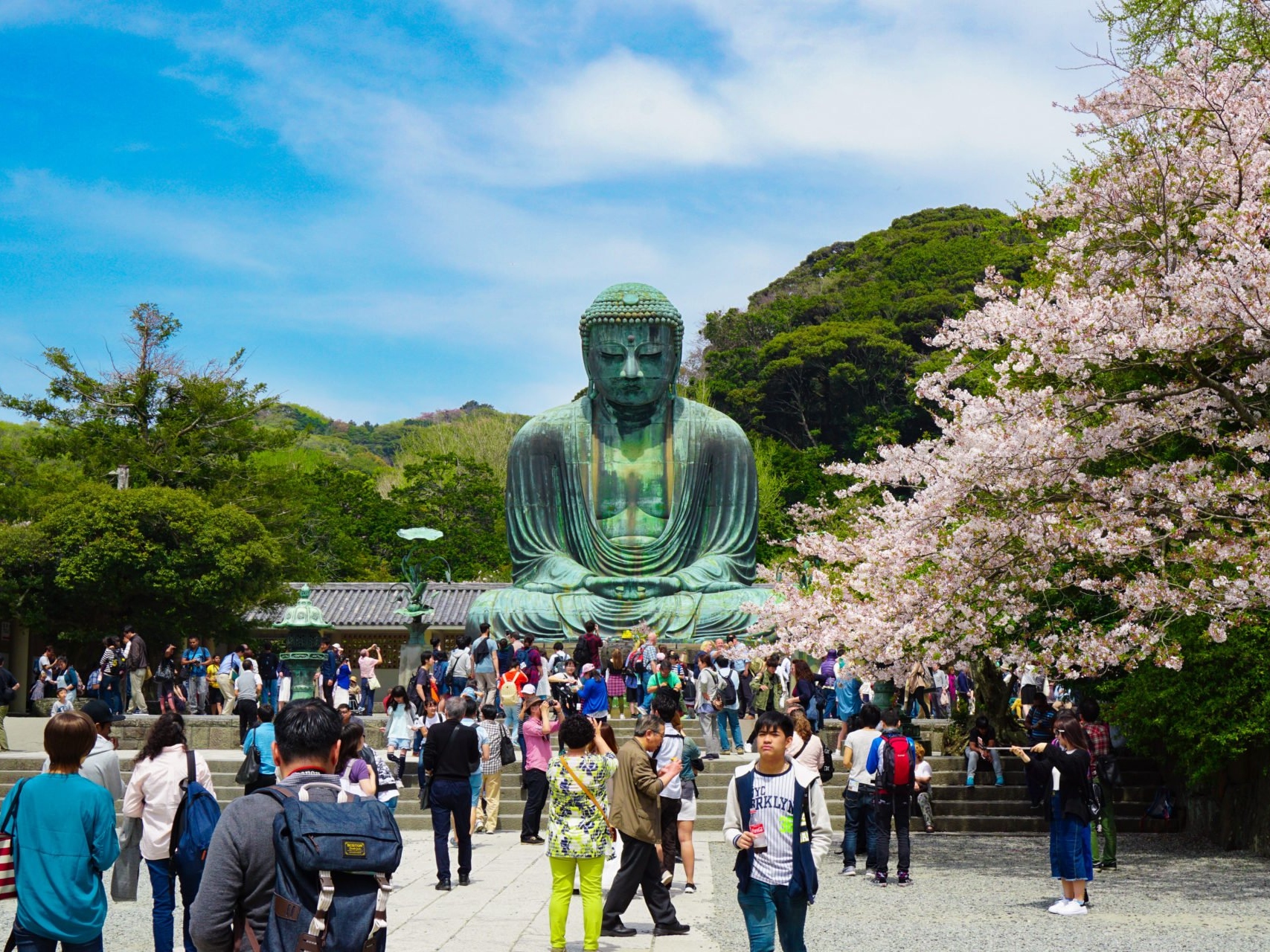
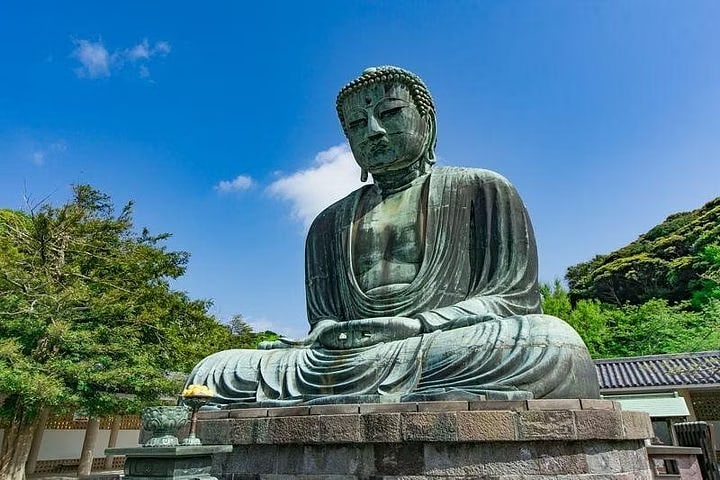
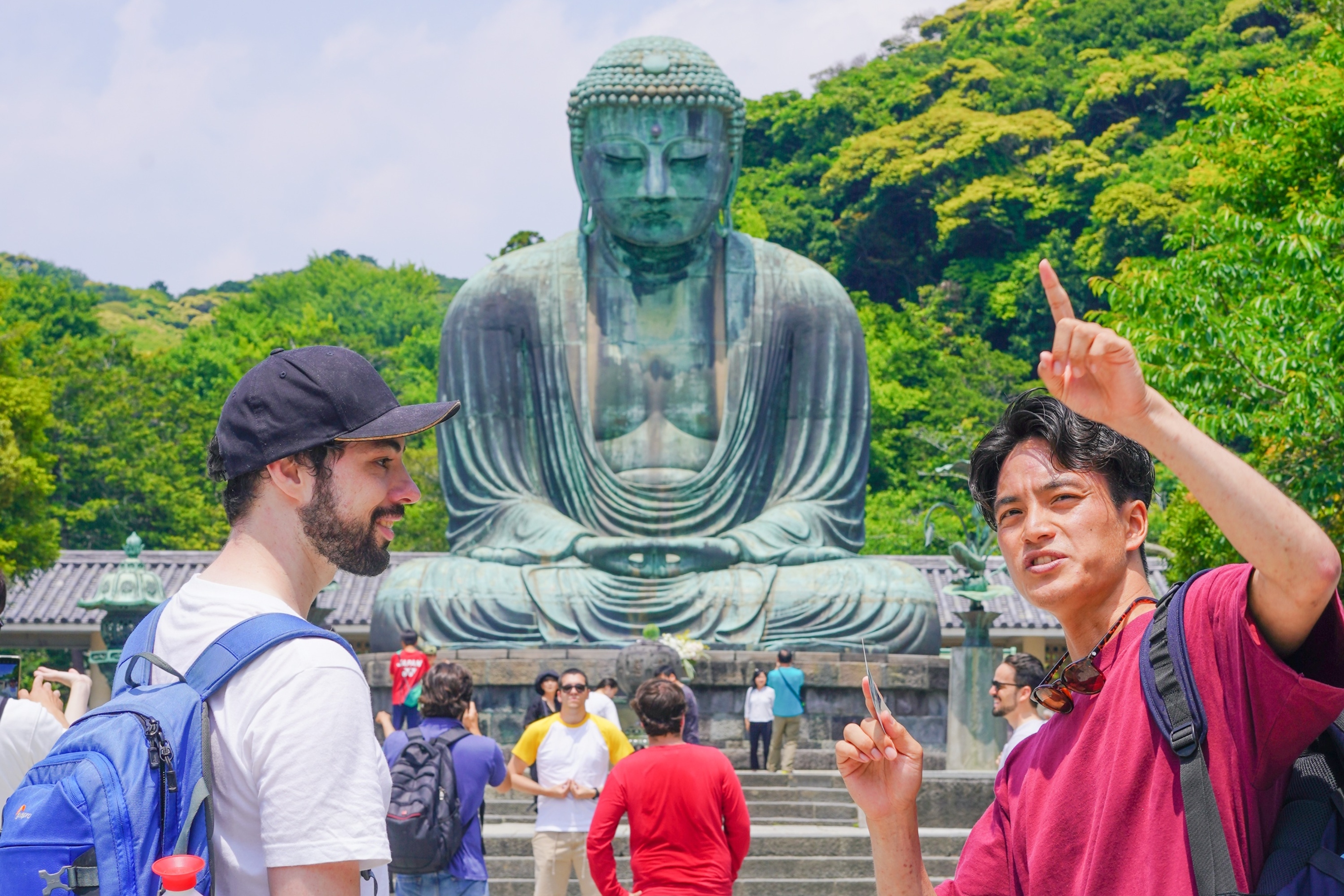
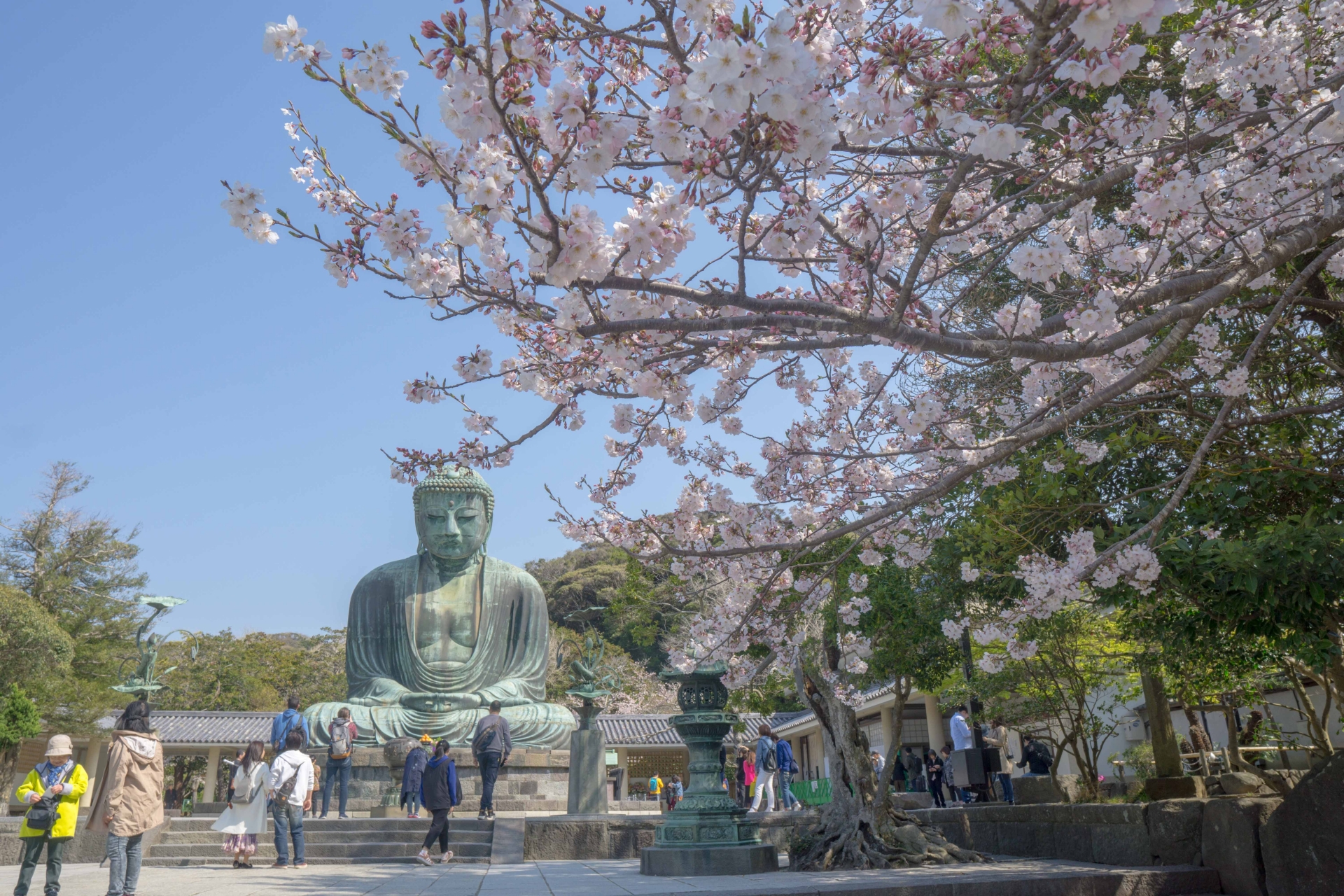
Take a breath of fresh sea air and see Kamakura’s temples and shrines’ beautiful gardens. The over 11-meter-tall Great Buddha is an icon of the area residing in Kotokuin Temple. Stop by the old Komachi shopping street and try some Hatosabure, dove-shaped biscuits.
If you have other sights that you are interested in seeing in the Kamakura area, feel free to contact us!
Available options
Price per person
Price per person<br/>Pickup included
What's included
Meet up with guide on foot within designated area of Kamakura
Kimono wearing experience *standard plan only
Licensed Local English Speaking Guide
Customizable Tour of your choice of 2-3 sites from 'What to expect' list
Detailed itinerary
1
Kimono Rental Wargo Kamakura Store: You can experience Wargo's Standard Kimono Plan. This budget plan offers an easy introduction to kimono wearing. The simple yet charming designs, featuring a mix of cuteness and elegance, are sure to appeal to everyone.
2
Meigetsuin Temple (明月院) is a temple of the Rinzai Zen Sect founded in 1160 in Kamakura. It is also known as Ajisaidera ("Hydrangea Temple") because hydrangea bloom in abundance on the temple grounds during the rainy season around June. 95% of the hydrangea here are of the Hime Ajisai ("Princess Hydrangea") variety; they are thus named because of their pretty blue colors.
The temple was originally a repose built by a son in memory of his father who had died in the struggle for power between the Taira and Minamoto clans in the late Heian Period. It later became part of a larger temple complex called Zenkoji, which was abolished during anti-Buddhist movements soon after the Meiji Restoration, leaving only Meigetsuin to remain as an individual temple today.
3
Stop 3
The shrine is dedicated to Hachiman, the patron god of the Minamoto family and of the samurai in general. The deified spirits of the ancient Emperor Ojin who has been identified with Hachiman, Hime-gami and Empress Jingu are enshrined at Tsurugaoka Hachimangu Shrine.
4
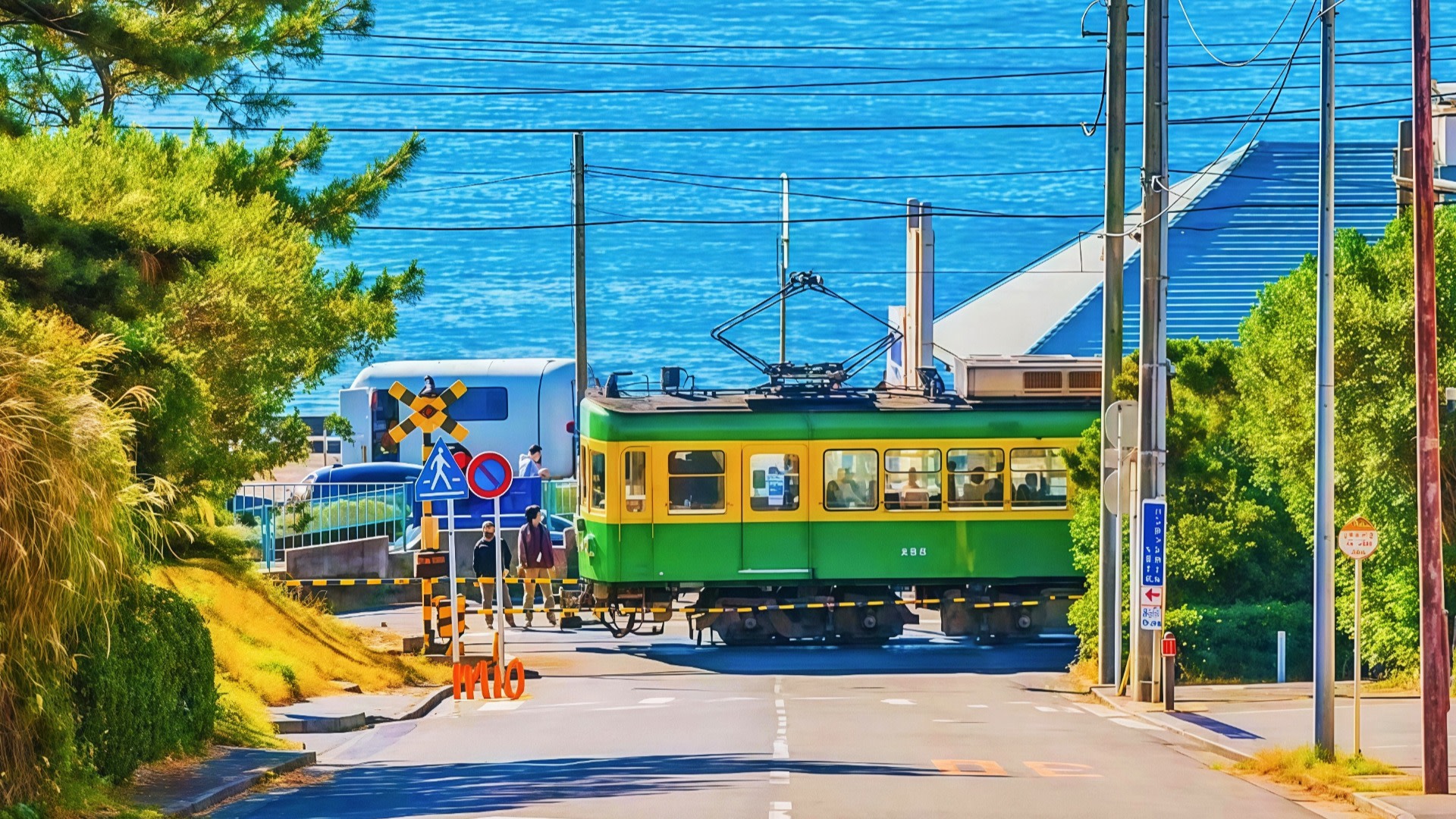
One of the most famous stations in Japan, you can view the electric street car as it travels down the track with the ocean in the background. A wonderful spot to stop for a photo. You can also visit the beach from here!
5
Hasedera (長谷寺) is a temple of the Jodo sect, famous for its eleven-headed statue of Kannon, the goddess of mercy. The 9.18 meter tall, gilded wooden statue is regarded as one of the largest wooden sculpture in Japan and can be viewed in the temple's main building, the Kannon-do Hall
6
A vibrant and fun shopping street in Kamakura! Stop by to try some pigeon shaped cookies and pick up some souvenirs
7
Stop 7
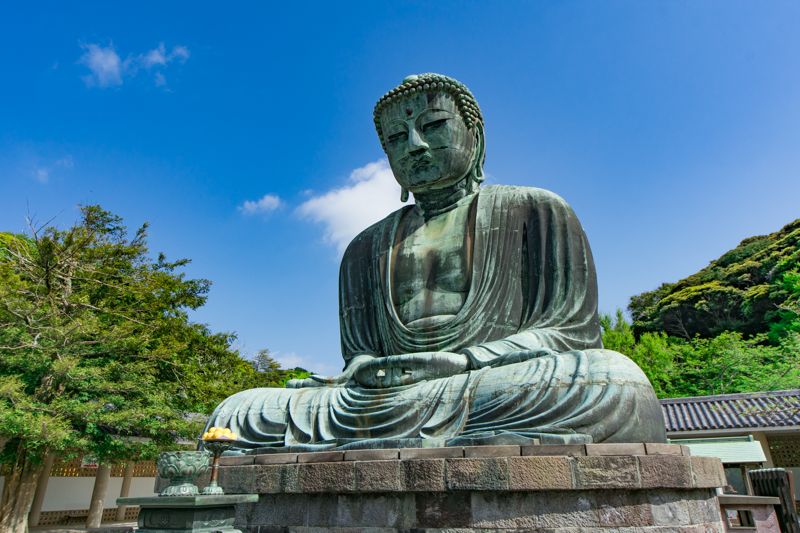
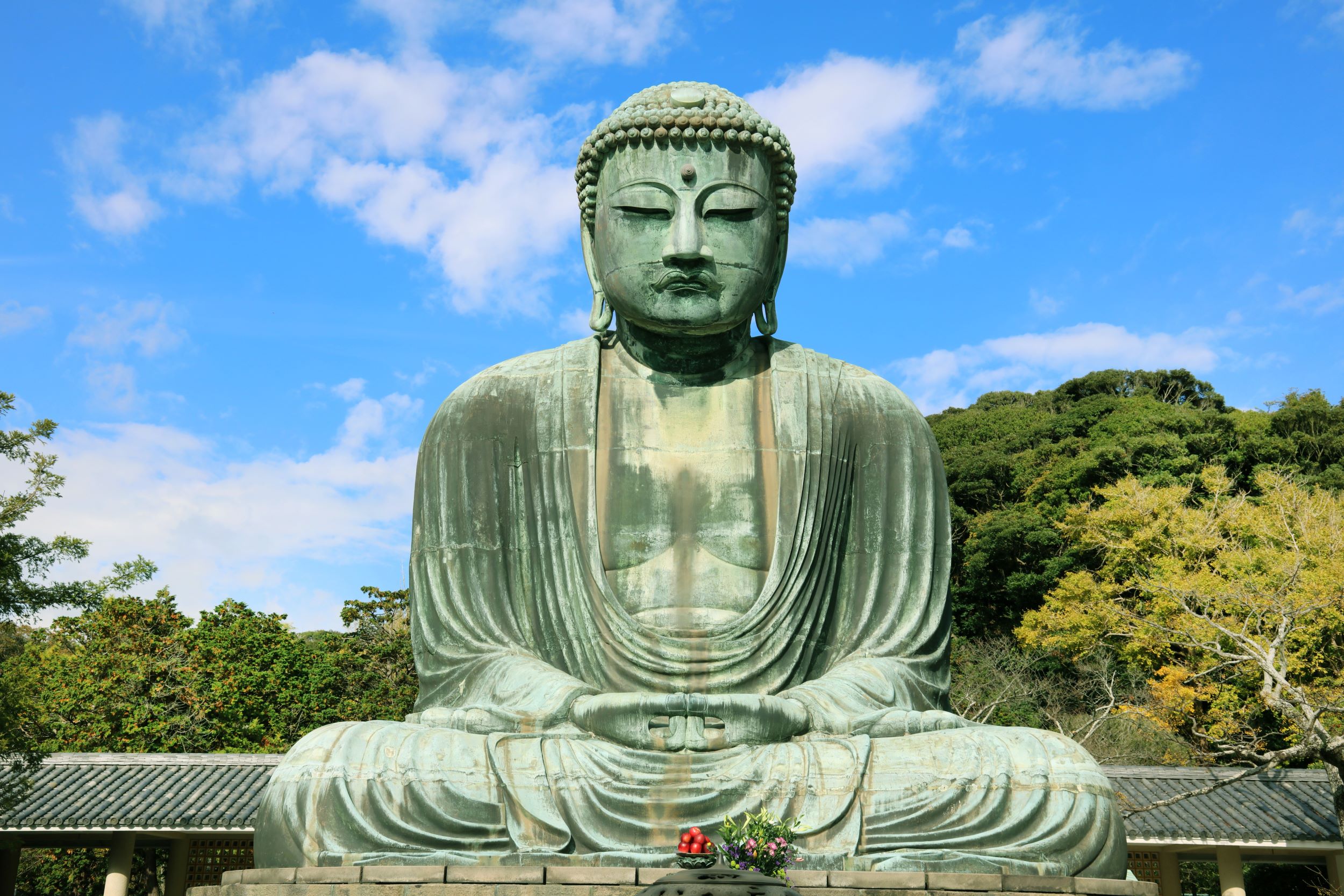
The Great Buddha of Kamakura (鎌倉大仏, Kamakura Daibutsu) is a bronze statue of Amida Buddha, which stands on the grounds of Kotokuin Temple. With a height of 11.4 meters, it has long been the second tallest bronze Buddha statue in Japan, surpassed only by the statue in Nara's Todaiji Temple and some recent creations.
8
Kenchoji (建長寺, Kenchōji) is the number one of Kamakura's five great Zen temples. The oldest Zen temple in Kamakura, Kenchoji was founded by the ruling regent Hojo Tokiyori in 1253 during the Kencho Era after which it was named. Its first head priest was Rankei Doryu, a Zen priest from China.
Although considerably smaller than during its heydays, Kenchoji still consists of a large number of temple buildings and subtemples, and stretches from the entrance gate at the bottom of the valley far into the forested hills behind. After passing through the Sanmon main gate, visitors will see Kenchoji's temple bell (Bonsho), designated a national treasure, on their right.
9
Eisho-ji Temple (英勝寺) is the only surviving nunnery in Kamakura, located near Tsurugaoka Hachimangu. Founded in the early Edo period by a woman connected to the Tokugawa family, it’s known as a “flower temple” for its seasonal blooms.
Visitors can enjoy a peaceful bamboo grove and a graceful Amida Buddha statue said to be by the famous sculptor Unkei. The quiet atmosphere makes it a hidden gem worth visiting.
What's not included
Transportation fees, Entrance fees, Lunch, and Other personal expenses
Private Vehicle
You cannot combine multiple tour groups.
Guide Entry fees are only covered for sights listed under What to Expect.
Available languages
Guide guide
JA
EN
Important information
Specialized infant seats are available
Service animals allowed
Public transportation options are available nearby
Infants and small children can ride in a pram or stroller
All areas and surfaces are wheelchair accessible
Transportation options are wheelchair accessible
Wheelchair accessible
Suitable for all physical fitness levels
Kimono Sizes: for woman 150cm-170cm, for men 165cm-200cm. If you cannot find a perfect fit Kimono, the professional staff can dress you in the Kimono as best as they can.
Start time: Your start time for the experience may vary. The estimated time for the experience will be about 1 hour from the tour start.
Your tour will be of 2 to 3 sights that you decide on with your guide from the itinerary list.
About Kamakura
Kamakura is a historic city known as the ancient capital of Japan, rich in Buddhist temples, Shinto shrines, and traditional architecture. Its coastal location and scenic beauty make it a popular destination for both cultural and nature lovers.
Top Attractions
Tsuruoka Hachimangu Shrine
A significant Shinto shrine dedicated to the deity Hachiman, known for its beautiful architecture and cultural significance.
Religious
1-2 hours
Free (donations appreciated)
Kotoku-in (Great Buddha of Kamakura)
Home to a massive bronze statue of Amida Buddha, one of Kamakura's most iconic landmarks.
Historical
1-2 hours
Free (donations appreciated)
Komachi-dori
A bustling street filled with traditional shops, restaurants, and souvenir stalls.
Cultural
1-2 hours
Free to explore
Hasedera Temple
A beautiful temple complex with stunning ocean views and a history dating back to the 8th century.
Religious
1-2 hours
Free (donations appreciated)
Zeniarai Benten Shrine
A unique shrine where visitors can wash money for good fortune, located in a serene forested area.
Religious
30-60 minutes
Free (donations appreciated)
Kamakura Beach
A popular beach for swimming, sunbathing, and water sports, offering beautiful ocean views.
Nature
2-3 hours
Free (rentals available)
Must-Try Local Dishes
Shirasu Don
A bowl of rice topped with fresh whitebait, a local delicacy.
Lunch/Dinner
Contains fish
Kamaboko
Fish cakes with various shapes and flavors, often served as a snack or part of a larger meal.
Snack
Contains fish
Houtou
A hearty vegetable and noodle soup, often made with local produce.
Dinner
Vegetarian options available
Matcha Sweets
Traditional sweets made with matcha (green tea), a specialty of the region.
Dessert
Vegetarian
Popular Activities
Hiking in the surrounding hills
Beach activities
Onsen (hot spring) visits
Scenic walks
Temple and shrine visits
Traditional crafts workshops
Swimming
Surfing
Best Time to Visit
April (cherry blossom season), November (autumn foliage)
These periods offer the most pleasant weather and stunning natural scenery, attracting large crowds of tourists.
15-25°C (April), 10-20°C (November)
59-77°F (April), 50-68°F (November)
Practical Information
Language
- Official: Japanese
- Widely spoken: English (limited)
- English: Limited
Currency
Japanese Yen (JPY)
Time Zone
JST (GMT+9)
Electricity
100VV, 50/60HzHz
Safety Information
Overall Safety Rating: Very safe
Kamakura is a very safe destination with low crime rates. However, standard precautions should be taken to ensure a safe and enjoyable trip.
Important Precautions:
- • Keep valuables secure in crowded areas.
- • Use licensed taxis or ride-sharing services.
- • Be cautious of your surroundings at night, especially in less touristy areas.
Getting there
By air
- Haneda Airport • 50 km from Kamakura
- Narita Airport • 100 km from Kamakura
By train
Kamakura Station
By bus
Kamakura Station Bus Terminal
Getting around
Public transport
The JR Yokosuka Line connects Kamakura to Tokyo and Yokohama, while the Enoden Line offers a scenic route along the coast.
Taxis
Available • Apps: JapanTaxi, Uber
Rentals
Car, Bike, Scooter
Neighborhoods
Komachi-dori
Hase
Yuigahama
Zaimokuza
Day trips
Enoshima Island
10 km from Kamakura • Half day
A small island known for its scenic views, shrines, and caves, offering a mix of nature and culture.
Yokohama
30 km from Kamakura • Full day
A major city with a rich history, known for its Chinatown, museums, and waterfront attractions.
Hakone
50 km from Kamakura • Full day or overnight
A scenic onsen (hot spring) town known for its views of Mount Fuji, traditional ryokan (inns), and hot springs.
Festivals
Kamakura Festival • April (specific dates vary)
Tsurugaoka Hachimangu Reitaisai • September 14-15
Great Buddha Festival • December (specific dates vary)
Pro tips
- Visit the Great Buddha early in the morning to avoid crowds.
- Explore the Enoden Line for a scenic and historic tram ride along the coast.
- Try local specialties like shirasu (whitebait) and kamaboko (fish cakes).
- Combine a visit to Kamakura with a day trip to nearby Enoshima or Hakone.
- Carry cash for small purchases and local markets, as not all places accept cards.
From $25
per person
Price varies by option
Secure booking
Free cancellation available
Instant confirmation


![[Kamakura | Tram Experience] Kamakura Great Buddha & Kamakura Tram Experience & Kamakura High School & Enoshima & Tsurugaoka Hachimangu Shrine & Komachi Street Tokyo-Kamakura Day Trip (From Tokyo)](https://res.klook.com/image/upload/activities/zkjn1owdsbswo6geschc.jpg)
![[Kamakura Day Trip] Kamakura High School & Kamakura Great Buddha & Enoshima (Including Enoden Experience) | Departure from Tokyo](https://res.klook.com/image/upload/activities/qx0r21r2yooekgv8uf8m.jpg)