Port Pick-Up: Hakodate Tour with Licensed Guide and Vehicle
Active
6h
For a full refund, cancel at least 24 hours before the scheduled departure time.
Instant confirmation
Mobile or paper ticket accepted
About this experience
This is the ideal tour for travelers wanting to discover Hakodate's highlights efficiently in a private vehicle accompanied by a government-licensed and experienced English-speaking guide!
Hakodate has a long history of international trade and as such hosted a small foreign community. That influence is evident in the European buildings, churches, and red-brick warehouses that you can see from the nostalgic streetcar that makes its rounds of the city.
Note 1: National Government Licensed Guide Interpreter certification is issued by the Japanese government requires a good knowledge and understanding of Japanese culture and history.
Note 2: You cannot visit all the sites on the intinerary. You must choose up to 4 and inform your guide.
Available options
Van(for 7 PAX or less)
Van(for 7 PAX or less)<br/>Pickup included
Regular Car(for 2 PAX or less)
Regular Car(for 2 PAX or less)<br/>Pickup included
What's included
Private vehicle
Customizable Tour of your choice of 3-4 sites from 'What to expect' list'
Licensed Local English Speaking Guide
Detailed itinerary
1
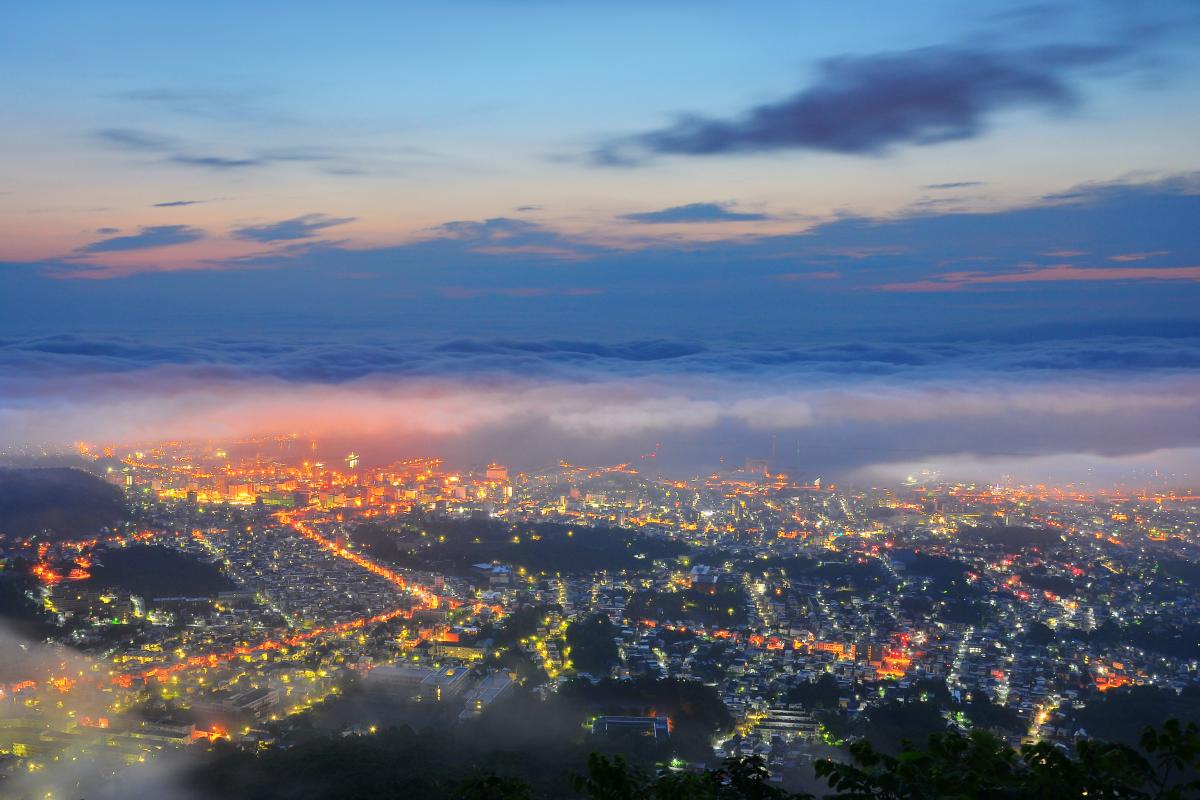
Mount Hakodate (函館山, Hakodateyama) is a 334 meter high, wooded mountain at the southern end of the peninsula on which much of central Hakodate is located. On clear days and nights, in particular, the views from the mountain are spectacular and included among Japan's three best night views alongside the views from Nagasaki's Mount Inasa and Kobe's Mount Rokko.
Facilities at the summit, which is accessible by ropeway, bus or car, include observation platforms (free of charge), souvenir shops, a cafe and a cafeteria style restaurant.
2
Designated as a "quasi national park" and located only twenty kilometers north of Hakodate, Onuma Park (大沼公園, Ōnuma Kōen) is known for its picturesque, island dotted lakes and majestic volcano, Mount Komagatake.
Onuma Park can be easily visited in either a day trip from Hakodate or on a stop over on a journey between Hakodate and Sapporo, since most limited express trains between the two cities stop at Onuma Koen Station, the central railway station.
3
Stop 3
Goryokaku Park is a historic star-shaped fort in Hakodate, now a popular public park. Originally built in the late Edo Period as a Western-style fortress, it later became the site of the last battle between the Tokugawa shogunate and the Meiji government. Today, the park is famous for its cherry blossoms, with over 1,000 trees blooming in early May. Visitors can also enjoy panoramic views from the nearby Goryokaku Tower.
*Entry to Goryokaku Park is free, but there is an admission fee for Goryokaku Tower.
4
Stop 4
The Hakodate Morning Market (函館朝市, Hakodate Asaichi) is held daily from 5am (from 6am during winter) to noon, just a few steps away from JR Hakodate Station. The market area spans about four city blocks.
Products on sale include various types of fresh seafood such as crabs (kani), salmon eggs (ikura) and sea urchin (uni), as well as fresh produce such as melons. Many restaurants can be found in the market area, offering fresh seafood breakfasts, such as uni-ikura domburi.
5
The harbor of Hakodate was one of the first to be opened to foreign trade in 1854 after Japan's era of isolation had come to an end. As a result, many traders from Russia, China and Western countries moved to Hakodate. Motomachi, at the foot of Mount Hakodate, became a district favored among the new foreign residents.
Many foreign looking buildings remain in the area today. Among the most famous are the Russian Orthodox Church, the Old British Consulate, the Chinese Memorial Hall, the prefectural government's former branch office building and the old Hakodate Public Hall (closed from November 2018 till April 2021).
Admission
300 yen
6
Hakodate Port was among the first Japanese ports to be opened to international trade towards the end of the Edo Period (1600-1867). Several red brick warehouses from past trading days survive along the waterfront in the bay area of Hakodate, and have recently been redeveloped into an atmospheric shopping, dining and entertainment complex.
Besides a typical range of trendy souvenir, fashion, interior and sweets shops, the complex also features a restaurant, a beer hall, a chapel for weddings and sightseeing cruises of the bay.
7
The Bay Area facing Hakodate Port offers an expansive vista of the harbor. This area features a row of old red-brick buildings that have been converted into a unique shopping mall, enticing visitors to stop in and enjoy some shopping or a tea break.
8
The Hakodate Museum of the Northern Peoples is located inside a building that would once have served as the Japan Bank and was built in 1926. The museum is an ode to the Ainu culture and offers you a fascinating look at this indigenous culture which is not well known outside of Japan.
You can also learn about other indigenous groups in Japan such as the Sakhalin who are from an island which is to the north of Hokkaido that is now a part of Russia.
Admission fees: Adult 300 JPY, Children 150 JPY
What's not included
Entrance fees, Lunch, and Other personal expenses
You cannot combine multiple tour groups.
Guide Entry fees are only covered for sights listed under What to Expect.
Available languages
Guide guide
JA
EN
Reviews breakdown
Tripadvisor
5.0
1 reviews
5★
1
4★
0
3★
0
2★
0
1★
0
Important information
Specialized infant seats are available
Service animals allowed
Infants and small children can ride in a pram or stroller
Transportation options are wheelchair accessible
Wheelchair accessible
Suitable for all physical fitness levels
There are only a limited number of car seats and booster seats. Rear-facing car seats are not available. You must contact us directly if you need them.
Only one reservation per group allowed. You cannot combine multiple reservations into one group.
About Hakodate
Hakodate is a vibrant port city in Hokkaido, renowned for its stunning panoramic views, historic sites, and delicious seafood. Its unique blend of Japanese and Western influences, combined with breathtaking natural scenery, makes it a must-visit destination in northern Japan.
Top Attractions
Mount Hakodate
A scenic mountain offering breathtaking panoramic views of Hakodate and the Tsugaru Strait. Accessible by ropeway or hiking.
Nature
1-2 hours
¥900 (ropeway)
Goryokaku Fort
A star-shaped fort built in the 19th century, now a popular cherry blossom viewing spot and historical landmark.
Historical
1-2 hours
Free (¥460 for museum entry)
Hakodate Morning Market
A bustling market offering fresh seafood, local produce, and traditional snacks. A must-visit for food lovers.
Cultural
1-2 hours
Varies
Hakodate Old Public Hall of Welfare
A historic building showcasing the architectural style of the early 20th century. Now a museum with exhibits on Hakodate's history.
Historical
1 hour
¥500
Hakodate Central Park
A beautiful park with walking trails, gardens, and seasonal flowers. A great spot for a leisurely stroll.
Nature
1-2 hours
Free
Must-Try Local Dishes
Kaisendon
A seafood bowl with a variety of fresh seafood, including crab, squid, and scallops, served over rice.
Lunch
Contains seafood
Ika no Shiokara
A traditional dish made from fermented squid guts, often served with rice or as a topping for noodles.
Snack
Contains seafood
Hakodate Ramen
A local variety of ramen with a rich, miso-based broth and topped with local ingredients like butter and corn.
Dinner
Contains gluten
Butadon
A rice bowl topped with grilled pork belly, a popular dish in Hokkaido.
Dinner
Contains pork
Popular Activities
Skiing at Esan Ski Resort
Hiking in Onuma Park
Onsen (hot spring) visits
Picnicking in Hakodate Central Park
Exploring Goryokaku Fort
Visiting the Hakodate Old Public Hall of Welfare
Swimming at Kunimi Beach
Boat tours in Hakodate Port
Best Time to Visit
June to August (summer), December to February (winter)
Summer is ideal for outdoor activities and festivals, while winter offers skiing and hot springs. Both seasons attract the most tourists.
20-25°C (summer), -5 to 0°C (winter)
68-77°F (summer), 23-32°F (winter)
Practical Information
Language
- Official: Japanese
- Widely spoken: English (limited)
- English: Limited
Currency
Japanese Yen (JPY)
Time Zone
JST (GMT+9)
Electricity
100VV, 50/60HzHz
Safety Information
Overall Safety Rating: Very safe
Hakodate is a very safe city with a low crime rate. Violent crime is rare, and petty crime is uncommon. However, as with any destination, it's important to stay aware of your surroundings and take basic precautions to ensure a safe and enjoyable trip.
Important Precautions:
- • Keep valuables secure and out of sight.
- • Use licensed taxis and ensure the meter is running.
- • Be cautious of pickpockets in crowded areas.
Getting there
By air
- Hakodate Airport • 15 km from city center
By train
Hakodate Station
By bus
Hakodate Bus Terminal
Getting around
Public transport
Buses are the primary mode of public transport in Hakodate. The bus network is efficient and covers most of the city.
Taxis
Available • Apps: JapanTaxi, DiDi
Rentals
Car, Bike, Scooter
Neighborhoods
Motomachi
Bay Area
Goryokaku
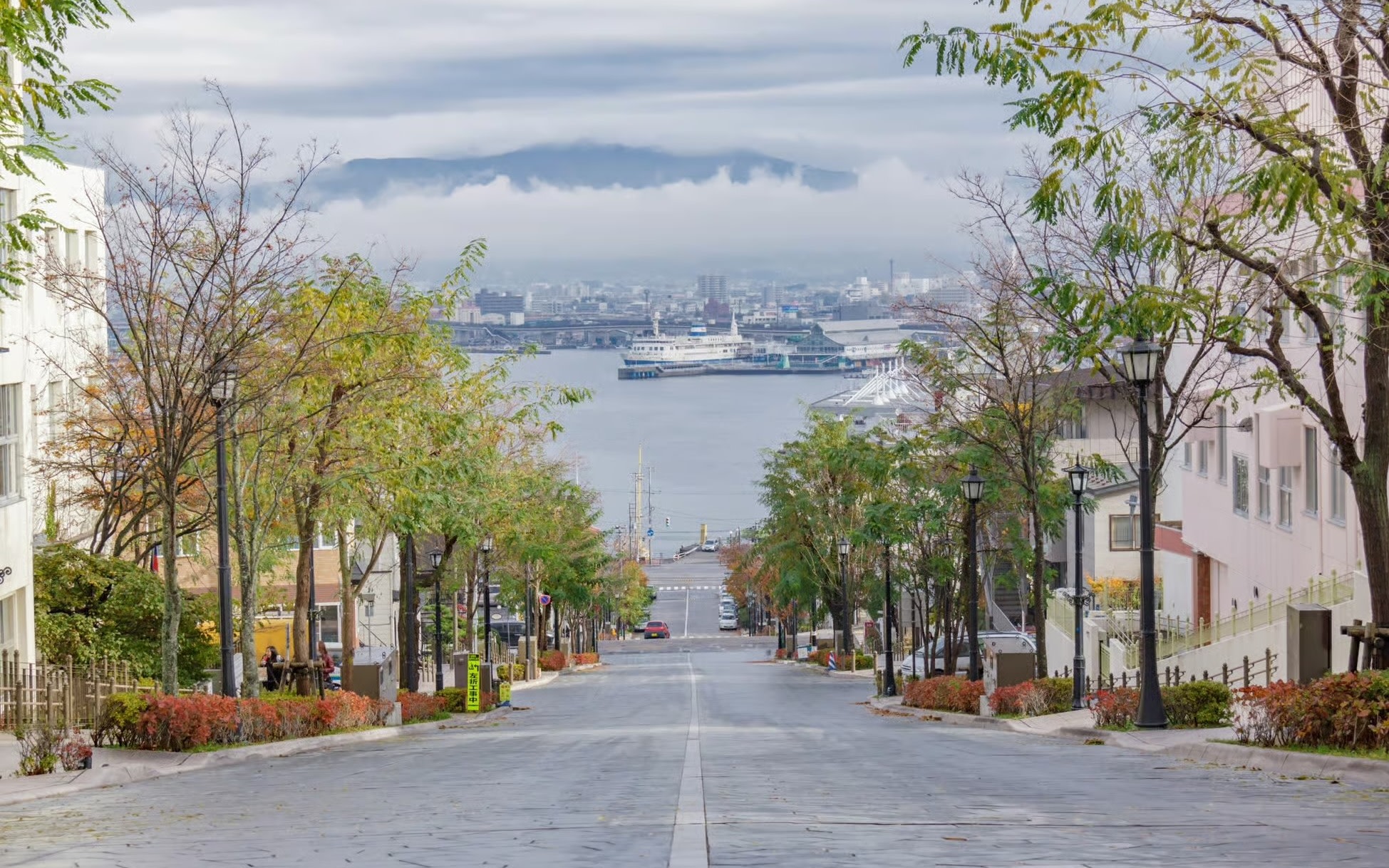
Daikanzaka
Day trips
Onuma Park
15 km from Hakodate • Half day to full day
A beautiful park with walking trails, gardens, and seasonal flowers. A great spot for a leisurely stroll and outdoor activities.
Kunimi Beach
20 km from Hakodate • Half day to full day
A scenic beach with clear waters and a beautiful coastline. A great spot for swimming, sunbathing, and water sports.
Esan Ski Resort
30 km from Hakodate • Full day
A popular ski resort offering a variety of slopes for all skill levels. A great spot for skiing and snowboarding in the winter.
Festivals
Hakodate Yukimatsuri (Snow Festival) • Early February
Hakodate Port Festival • Mid-August
Hakodate Cherry Blossom Festival • Late April to early May
Pro tips
- Visit Mount Hakodate for the best sunset views in the city.
- Try the local seafood bowls (kaisendon) at the Hakodate Morning Market.
- Explore the historic streets of Motomachi and Daikanzaka for a glimpse into Hakodate's past.
- Take a day trip to Onuma Park for beautiful nature and outdoor activities.
- Visit during the cherry blossom season (late April to early May) for stunning views of the blossoms at Goryokaku Fort.
From $25
per person
Price varies by option
Secure booking
Free cancellation available
Instant confirmation


![[Winter Limited] Hokkaido Classic Popular Day Tour & Hokkaido Winter Fun Day Tour (Snowmobile Experience Optional) | Chinese and English Tour Guides | Departing from Sapporo](https://res.klook.com/image/upload/activities/v55kt9lh0qrxkewcs0by.jpg)

![[Limited Cherry Blossom Season] Hokkaido, Japan Private Day Tour: Departure/Return in Hakodate | Customizable Itinerary](https://res.klook.com/image/upload/activities/gkqvtokfafv93mb1onsr.jpg)
![[Japan Hokkaido | Eastern Hokkaido Private Car Tour] Kushiro & Lake Akan Customized 5/7-Hour Private Car Charter | Flexible Itinerary](https://res.klook.com/image/upload/activities/l58dgrtwpgnnyzraywcb.jpg)
![[Private Car Charter in Hokkaido] Sapporo City to Furano/Hoshino Resorts/Noboribetsu/Lake Toya/Niseko and other areas](https://res.klook.com/image/upload/activities/u7smbhbj9rg0zpfqdfro.jpg)