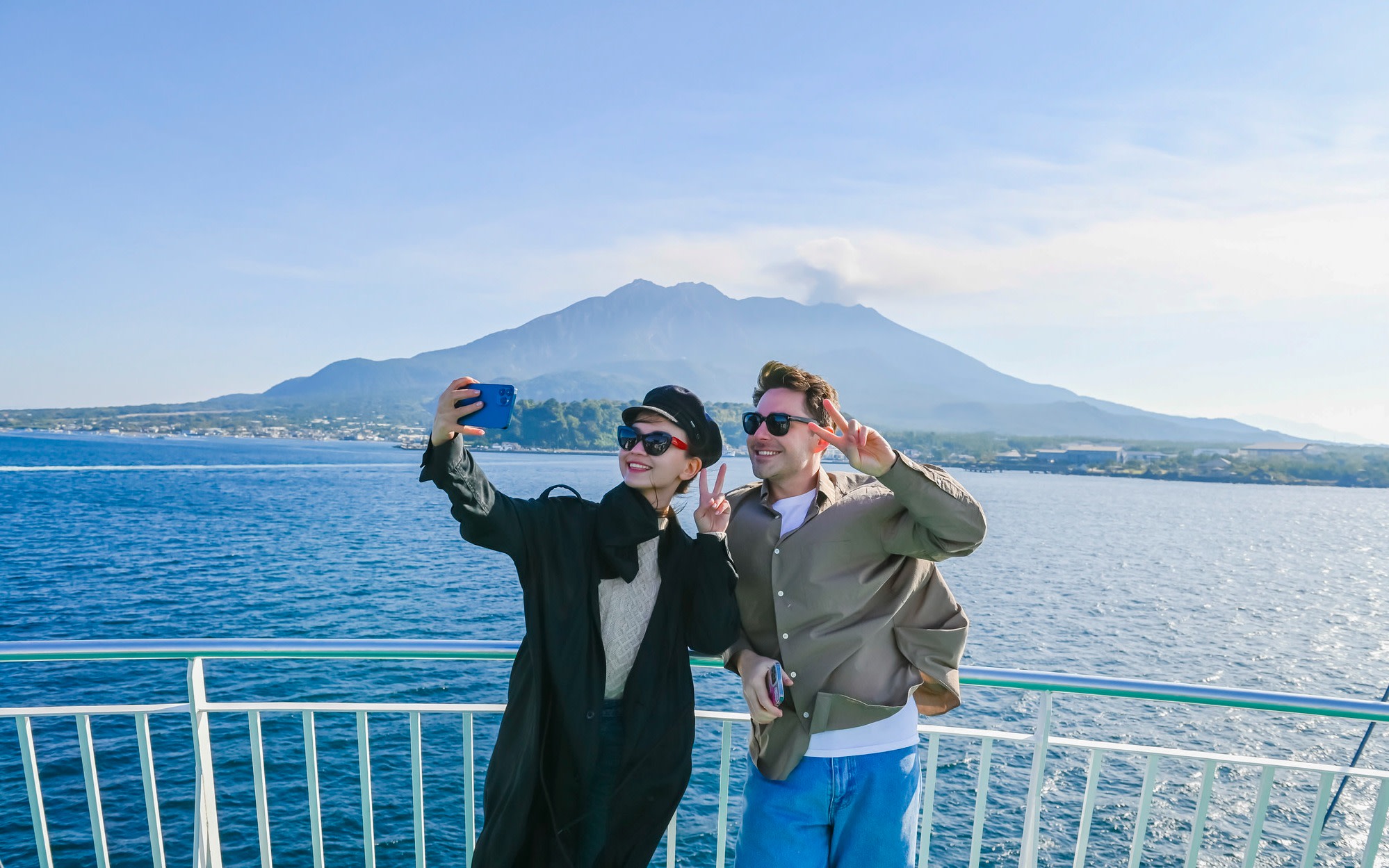
Kitakata Half-Day Private Tour with Government-Licensed Guide
Active
4h
For a full refund, cancel at least 24 hours before the scheduled departure time.
Instant confirmation
Mobile or paper ticket accepted
About this experience
This value-packed trip with a government-licensed and experienced multilingual tour guide is a fantastic and efficient way to explore Kitakata!
Blessed with an abundance of water and rice, Kitakata is known for its love of ramen and, also, for its most excellent sake. Walk around the town center and see the many remaining kura, or traditional Japanese storehouses, that have been converted into inns, shops, breweries, and specialty stores. Many of them are concentrated in the city center.
Your guide will start your day with a morning pickup at your hotel. Let us know what special requests you have for the day and we will customize your itinerary in advance!
Note*1: Please select your must-see spots from a list in the tour information to create your customized itinerary.
Note*2: The National Government Licensed Guide Interpreter certification is issued by the Japanese government requires a good knowledge and understanding of Japanese culture and history.
Available options
Kitakata Half-Day Private Tour with Government-Licensed Guide
Pickup included
What's included
Meet up with guide on foot within designated area of Kitakata
Licensed Local English Speaking Guide
Customizable Tour of your choice of 2-3 sites from 'What to expect' list
Detailed itinerary
1
Established in 1993, Kitakata Kura no Sato is a base for passing down the cultural tradition of building kura (traditional warehouses) and magariya (L-shaped houses), which are valuable parts of the lifestyle heritage of the Kitakata area.
Ten traditional-style buildings stand within this 4,500 square-meter area. These include a mise-gura (a kura used as a shop), a miso-gura (kura for preserving miso paste), a kokumotsu-gura (a kura for storing grain), and a kura-zashiki (a kura used as a residence), as well as the residences of local officials (Go-gashira and Kimoiri) constructed around a courtyard.
2
Kitakata’s ramen museum – full of everything ramen – has finally been completed! A ramen shrine was built in conjunction with the museum, where information about the history and story of Kitakata Ramen is exhibited. There is even a big ramen bowl at the centre of the shrine, where visitors can pray for good luck in love! Check out the shrine to find out if Kitakata Ramen will bring you romance!!
3
Established in 1790, this is an old sake brewery shop. Various sake making tools are displayed in the oldest warehouse, “Edo Warehouse”, built during the Edo period. You can also see in part how sake was made in those days. In the shop on the premises there is a sake tasting corner where you can taste over 10 different kinds of Yauemon rice wine for free. You can enjoy tasting as well as purchasing the sake which has been made from chosen local ingredients for local consumption.
4
Built in 1055, the Nagatoko is Shingu Kumano Shrine's worship hall and translates to “long floor”. It is designated as a Nationally Important Cultural Asset. Built as the main structure during the Heian period to the Kamakura period, its thatched roof is supported by 44 massive pillars, each one 45 cm in diameter. This comprises a single large, open stage with no walls, and is said to have been used for ascetic training by priests, as well as kagura dance festivals.
Housed inside a nearby large wooden frame is the shrine bell, which visitors to the shrine are welcome to hit with the wooden rod. There is also a famous copper pot where, allegedly, rice was rinsed before being offered to the gods; it was designated as an Important Cultural Property in 1959. This treasure is housed at the shrine along with many others and are on display for visitors along with national and prefectural designated cultural assets.
What's not included
Transportation fees, Entrance fees, Lunch, and Other personal expenses
Private transportation
You cannot combine multiple tour groups.
Guide Entry fees are only covered for sights listed under What to Expect.
Available languages
Guide guide
JA
EN
Important information
Service animals allowed
Public transportation options are available nearby
Infants and small children can ride in a pram or stroller
All areas and surfaces are wheelchair accessible
Transportation options are wheelchair accessible
Wheelchair accessible
Suitable for all physical fitness levels
This is a walking tour. Pick up is on foot.
About Fukushima Prefecture
Fukushima Prefecture, located in the Tōhoku region of Japan, is known for its diverse landscapes, rich history, and warm hospitality. From the coastal beauty of the Sanriku Coast to the serene mountains and hot springs, Fukushima offers a unique blend of natural wonders and cultural experiences.
Top Attractions
Ouchi-juku
A well-preserved post town from the Edo period, Ouchi-juku offers a glimpse into Japan's past with its traditional thatched-roof houses and cobblestone streets.
Historical
2-3 hours
Free to explore, meals and souvenirs vary in price
Bandai-Asahi National Park
This national park is famous for its stunning landscapes, including mountains, lakes, and hot springs. It's a paradise for hikers and nature lovers.
Nature
Full day
Free to enter, some attractions may have fees
Abukuma Cave
One of the largest limestone caves in Japan, Abukuma Cave offers a fascinating underground experience with stunning rock formations and illuminated tunnels.
Adventure
1-2 hours
¥1,000 - ¥1,500
Must-Try Local Dishes
Fukushima Ramen
A local variation of ramen with a rich, soy-based broth and thick noodles, often topped with chashu pork and green onions.
Lunch/Dinner
Contains gluten and soy, vegetarian and vegan options may be available upon request.
Yonezawa Beef
A high-quality, marbled beef similar to Wagyu, known for its tender texture and rich flavor. Often served as sushi, steak, or in hot pots.
Dinner
Not suitable for vegetarians or vegans.
Popular Activities
Hiking in Bandai-Asahi National Park
Exploring Abukuma Cave
Skiing in winter
Visiting hot springs (onsen)
Picnicking by Lake Inawashiro
Strolling through Ouchi-juku
Visiting Tsuru Castle in Aizuwakamatsu
Exploring Fukushima's samurai history
Best Time to Visit
April to May, and September to November
Spring offers cherry blossoms and mild weather, while autumn provides vibrant foliage and comfortable temperatures. These are the best times for outdoor activities and sightseeing.
10°C to 25°C
50°F to 77°F
Practical Information
Language
- Official: Japanese
- Widely spoken: English (limited)
- English: Limited
Currency
Japanese Yen (JPY)
Time Zone
JST (GMT+9)
Electricity
100VV, 50/60HzHz
Safety Information
Overall Safety Rating: Generally safe
Fukushima is generally safe for travelers, with low crime rates and a welcoming local population. However, it's important to be aware of potential natural hazards and follow local guidelines.
Important Precautions:
- • Be cautious of natural hazards, such as earthquakes and tsunamis
- • Carry a map and have a backup plan for transportation in rural areas
- • Be aware of cultural differences and local customs
Getting there
By air
- Fukushima Airport • 15 km from Fukushima City
By train
Fukushima Station
By bus
Fukushima Bus Center
Getting around
Public transport
Buses are the primary mode of public transport, offering frequent services to major attractions and neighborhoods.
Taxis
Available • Apps: JapanTaxi, DiDi
Rentals
Car, Bike, Scooter
Neighborhoods
Fukushima City Center
Aizuwakamatsu
Day trips
Nihonmatsu Castle
30 km from Fukushima City • Half day
A well-preserved castle with a rich history, offering stunning views of the surrounding area and insights into Japan's feudal past.
Lake Inawashiro
50 km from Fukushima City • Full day
A large, scenic lake surrounded by mountains, offering a variety of outdoor activities and stunning views.
Festivals
Fukushima Festival • August
Aizu Autumn Festival • October
Pro tips
- Try local specialties, such as Fukushima Ramen and Yonezawa Beef, at specialty restaurants and local eateries
- Visit Ouchi-juku for a unique historical experience, particularly during festivals and seasonal events
- Explore Bandai-Asahi National Park for stunning landscapes and outdoor activities, such as hiking and skiing
- Experience a traditional ryokan with private hot springs for a memorable and authentic cultural experience
- Plan your visit around local festivals and events for a vibrant and lively atmosphere
From $25
per person
Price varies by option
Secure booking
Free cancellation available
Instant confirmation


![[Tohoku, Japan | Akita Private Car Tour] Akita City & Lake Tazawa/Kashima/Kakunodate/Dakigaeri Gorge | Customizable Itinerary](https://res.klook.com/image/upload/activities/zm2dt7batadqyujferwr.jpg)
![[All checked-in Kagoshima Kirishima Line] Boutique small group one-day tour/Myth Park + Shrine Blessing + Maruo Waterfall + Takachiho Ranch Healing Tour](https://res.klook.com/image/upload/activities/zhcsk16pyjq0fkdzax6b.jpg)
![[Kyushu Pier Charter] Kagoshima/Miyazaki Pier Private Charter Day Tour | Customizable Itinerary](https://res.klook.com/image/upload/activities/jx6klzn76lcllthztftv.jpg)
![[Kagoshima Ibusuki Day Trip] Winter Limited Rapeseed Flower Field, Urashima Taro Ryugu Shrine, Experience Tangsen Gorge Flowing Noodles + Natural Sand Steam (Chinese Driver Guide)](https://res.klook.com/image/upload/activities/bd3gxlqcggx6ipiuqznp.jpg)