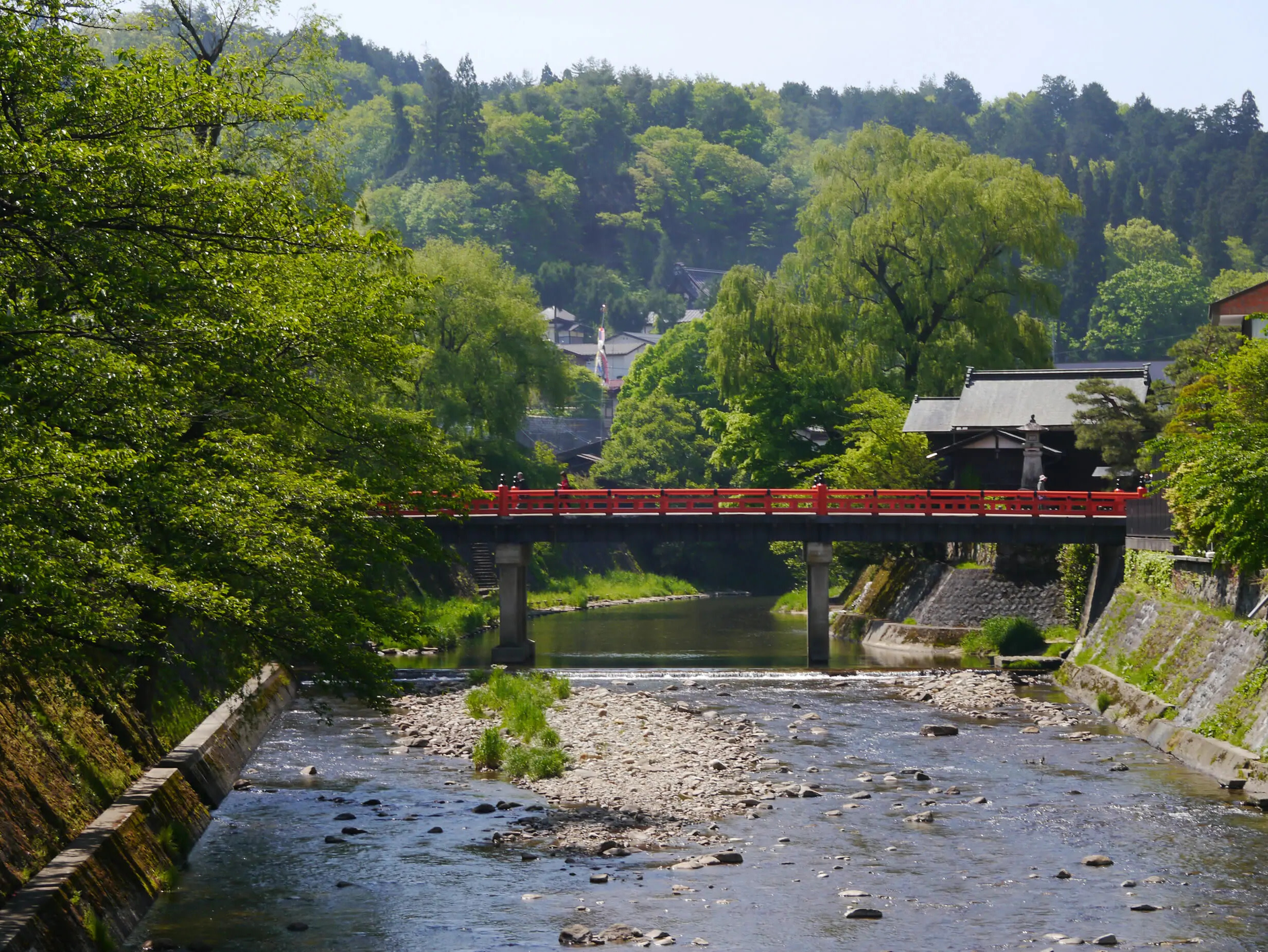
Takayama Arts & Crafts Local Culture Private Tour with Government-Licensed Guide
Active
6h
For a full refund, cancel at least 24 hours before the scheduled departure time.
Instant confirmation
Mobile or paper ticket accepted
About this experience
In this tour, your knowledgeable licensed local guide will accompany you on your journey through these local art and craft spots while offering fascinating insights into the origins, history and production techniques of the skilled Hida craftsmanship you will encounter.
Takayama is the best place to experience the fruits of this rich heritage. A myriad of local workshops and retail outlets remain and these establishments sell both folk crafts, such as Sashiko patchwork and Hanga wood block prints, and also traditional crafts borne from ‘high’ culture, including intricate wooden carving and Shunkeinuri lacquerware.
Note*1: You will not be able to see all the sights on this tour. You must choose at most 3 and inform your guide.
Note*2: The National Government Licensed Guide Interpreter certification is issued by the Japanese government requires a good knowledge and understanding of Japanese culture and history.
Available options
Takayama Arts & Crafts Local Culture Private Tour with Government-Licensed Guide
Pickup included
What's included
Customizable Walking Tour of your choice of 3-4 sites from 'What to expect' list
Licensed Local English-speaking Guide
Meet up with guide on foot within designated area of Takayama
Detailed itinerary
1
The Takayama Jin'ya is a surviving Edo period jin'ya which served as the government headquarters for Hida Province under the Tokugawa shogunate of Japan from 1692 to 1871.
2
Stop 2
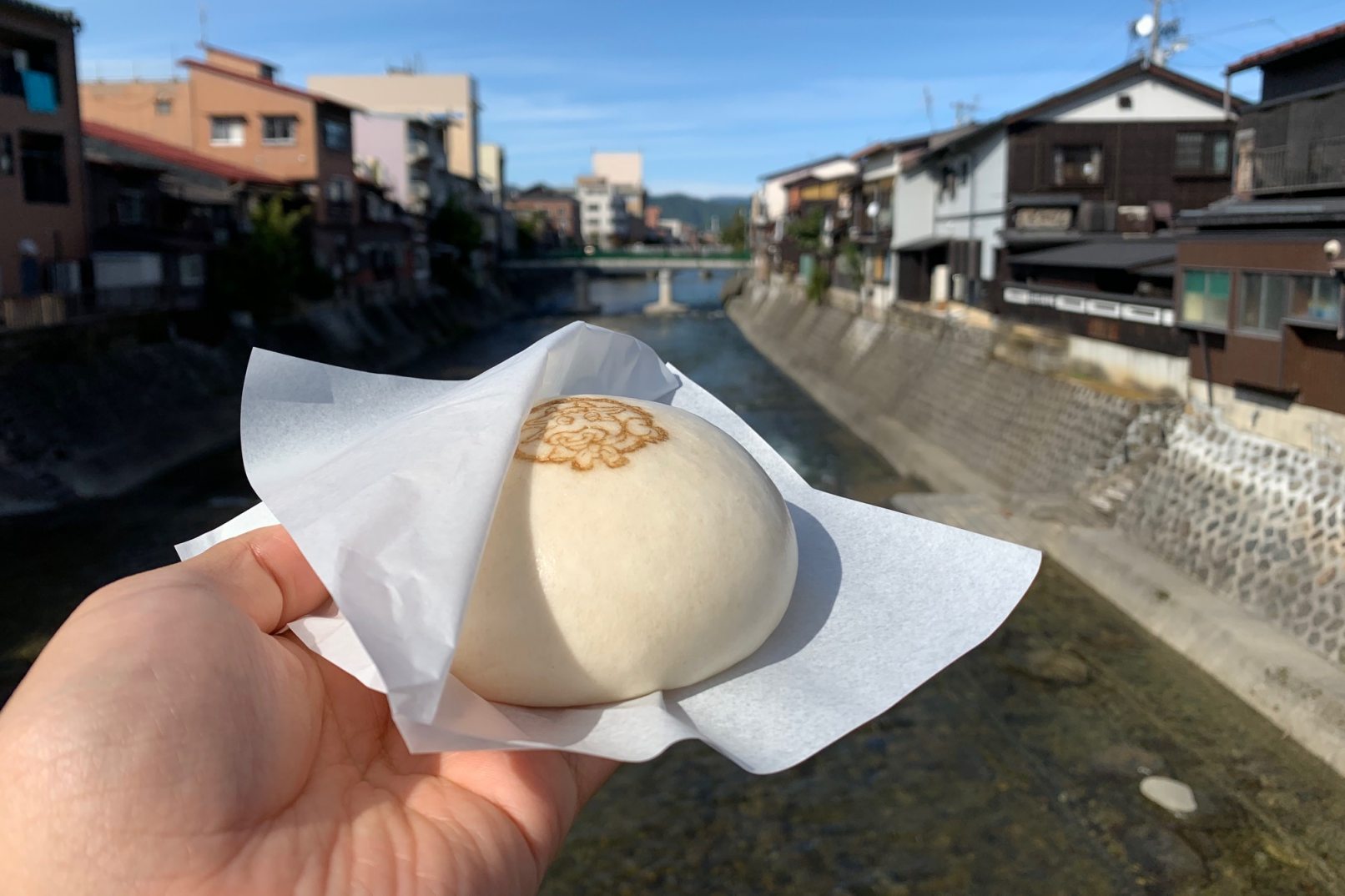
An essential Takayama tradition is called Asa-ichi. Behind this name hides the small morning market where fresh produce and local crafts are found.
3
Stop 3
The Miyagawa Morning Market has existed in one form or another for more than two centuries, and it's still a hub for fresh produce. The market is located on either bank of the Miya River between two bridges—Kajibashi and Yayoibashi. Every morning, weather permitting, you can buy everything from local fruit and vegetables to dolls and stylish chopsticks. As with all markets, the earlier you get there, the better. The juiciest, freshest products will get picked off first, and the market is a perfect place for people-watching.
4
Stop 4
The heart of Takayama is Sanmachi, the old town of preserved and restored buildings. During the Edo period (1603-1867), Takayama was a lively hub town bustling with craftsmen, merchants, and farmers from the surrounding area. Today that legacy is preserved in the three main streets and encircling districts of Sanmachi.
5
Stop 5
The Takayama Festival, held in spring (April 14 and 15) and autumn (October 9 and 10), is ranked as one of Japan's three most beautiful festivals (the other two are Kyoto's Gion Matsuri and the Chichibu Matsuri).
Four of the autumn festival's eleven floats (yatai) are exhibited at the Takayama Matsuri Yatai Kaikan (高山祭屋台会館), a hall next to Sakurayama Hachiman Shrine. The elaborately decorated floats are several hundred years old and beautiful examples of Takayama's legendary craftsmanship.
6
Stop 6
Visit this deeply traditional and unforgettable merchants’ house.
The Kusakabe were a family of merchants that worked for the shogunate in Takayama and prospered during the Edo period.
In 1879, after the original building had been lost in a fire, a skilled artisan by the name of Jisuke Kawajiri rebuilt the house in its traditional Edo period style using the unparalleled craftsmanship of the Hida region, which is the building as you see it now. It was designated a national Important Cultural Property in 1966, and is currently open to the public as a folk arts museum.
7
Matsuri no Mori (Festival Forest Museum) offers a glimpse into the vibrant world of Takayama’s famous festivals. The museum features full-sized replica floats (yatai), richly decorated with gold leaf and lacquer, as well as mechanical karakuri dolls that perform traditional dances in a dramatic underground hall.
In addition to the festival exhibits, visitors can explore a nature museum with a global insect collection and meet cute animals like squirrels and rabbits. There is also a peaceful tea house and a small art gallery on-site(10min walk from Matsuri no Mori).
Blending culture, nature, and local charm, Matsuri no Mori is an enjoyable stop for visitors of all ages.
8
This accessories shop centered on rabbit goods is located in the middle of the Hida Takayama townscape. While purchasing various products themed on rabbits, regardless of the material or purpose, the red bunny doll called Ubobo that was invented by the shop owner is a Takayama specialty that can only be bought here. Creating them with hopes for easy childbirth and to invite happiness, the shop offers netsuke (miniature carved Japanese ornament), oil blotting paper and other items besides Ubobo dolls. Their original products, such as a towel handkerchief called Usami and a collagen face wash towel, are extremely popular as souvenirs. In addition, they also hold regular storehouse exhibitions.
9
Hida Sashiko has been producing sashiko thread since 1975. Sashiko threads from Hida Sashiko have only been available for sale outside of Japan since 2010. Kiwi Threadz is honored to be awarded the sole distributorship of Hido Sashiko threads for New Zealand. The product is a wonderful addition to our range, we hope that you will try it and enjoy using it as much as we do. The threads come in two different lengths 50 meters and 145 meters, both variegated and mono colors.
What's not included
Transportation fees, Entrance fees, Lunch, and Other personal expenses
Private transportation
You cannot combine tour groups or multiple reservations.
Guide Entry fees are only covered for sights listed under What to Expect.
Available languages
Guide guide
JA
EN
Reviews breakdown
Viator
5.0
1 reviews
5★
1
4★
0
3★
0
2★
0
1★
0
Important information
Service animals allowed
Public transportation options are available nearby
Infants and small children can ride in a pram or stroller
All areas and surfaces are wheelchair accessible
Transportation options are wheelchair accessible
Wheelchair accessible
Suitable for all physical fitness levels
Tour dates can be changed up to 2 days before the tour. Any tour date change may result in a change of tour guide or tour unavailability.
This is a walking tour. Pick up is on foot.
About Takayama
Takayama is a charming mountain town in the Japanese Alps known for its well-preserved Edo-era streets, traditional architecture, and rich cultural heritage. It offers a glimpse into Japan's past with its historic districts, vibrant festivals, and delicious local cuisine, particularly its famous Hida beef and sake.
Top Attractions
Old Town (Sannomachi Street)
This well-preserved Edo-era district features beautifully maintained merchant houses, wooden facades, and traditional shops. It's a UNESCO World Heritage Site and the heart of Takayama's cultural heritage.
Historical/Architecture
2-3 hours
Free to explore (individual shops may charge)
Hida Folk Village (Hida no Sato)
An open-air museum featuring 30 traditional thatched-roof houses from the Hida region, showcasing the rural life and architecture of the Edo period.
Cultural/Historical
1-2 hours
600 JPY
Takayama Morning Market
A lively market offering local produce, crafts, and street food. It's a great place to experience the local culture and sample regional delicacies.
Cultural/Market
30 minutes to 1 hour
Free to enter (costs vary for food and items)
Takayama Jinya
A historic government office from the Edo period, now a museum showcasing the region's history and the samurai era. It features exhibits on local governance, trade, and daily life.
Historical/Museum
1 hour
320 JPY
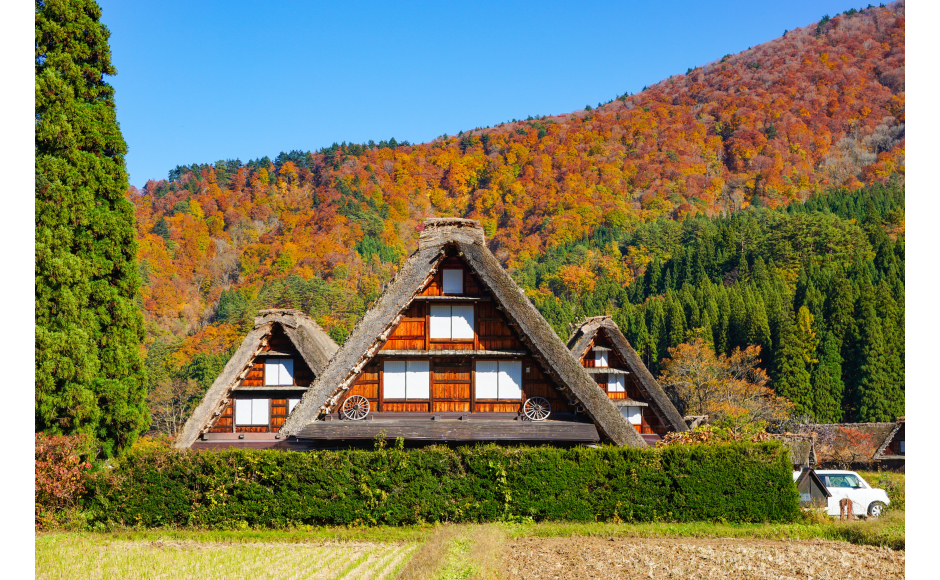
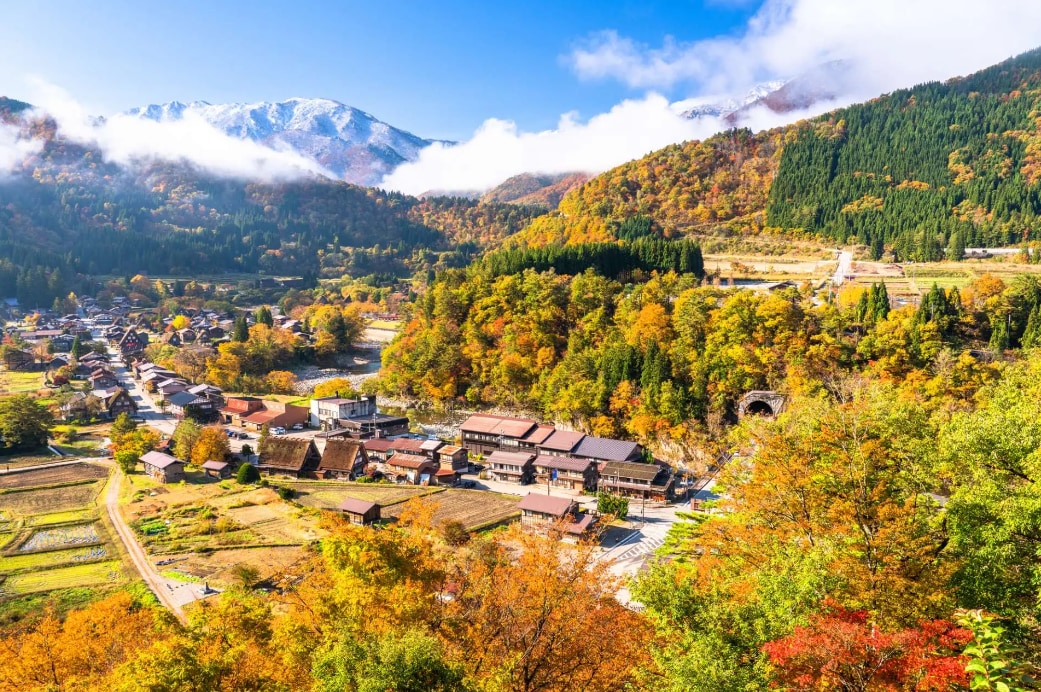
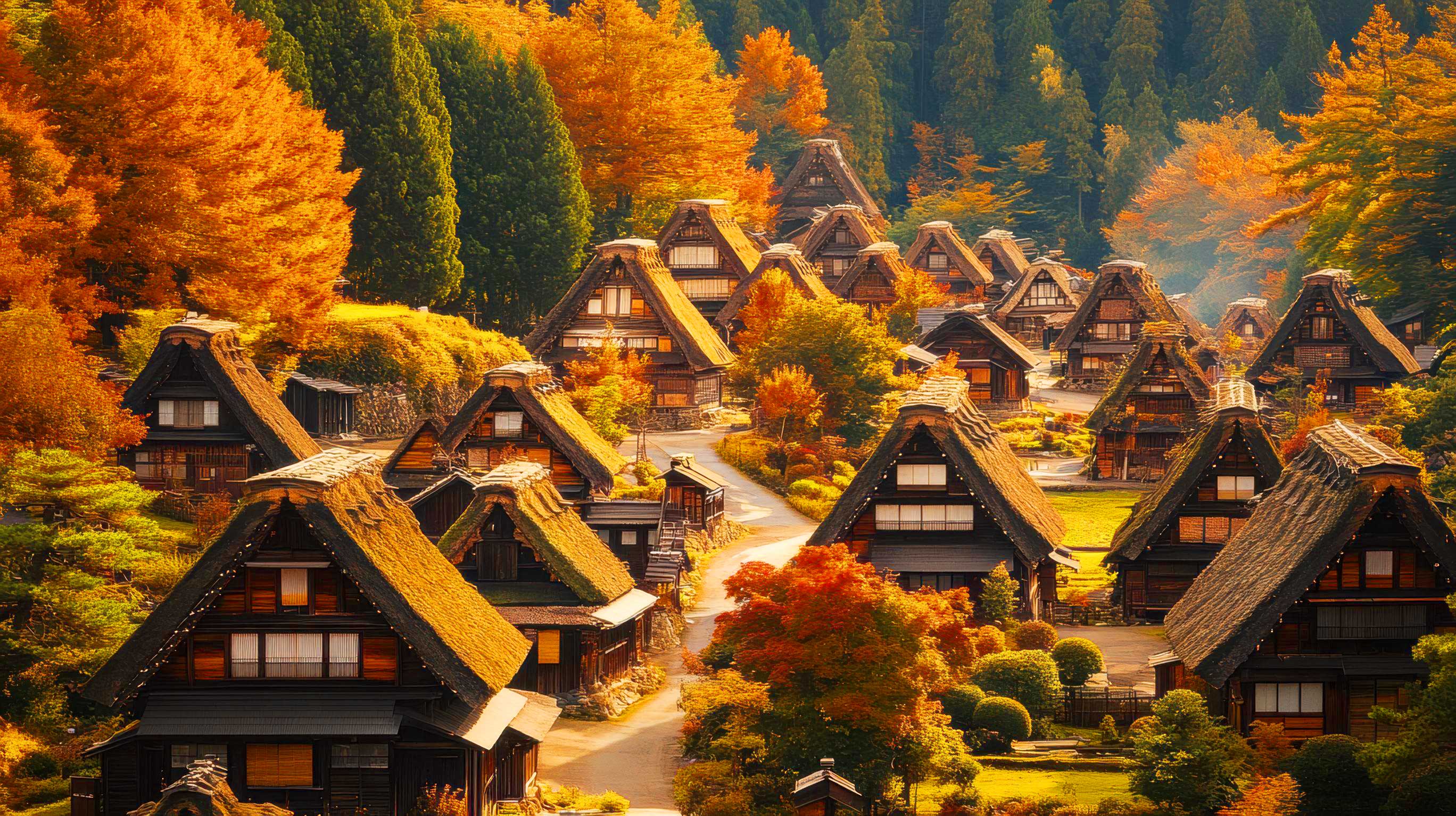
Shirakawa-go
A UNESCO World Heritage Site featuring traditional thatched-roof farmhouses, known as gassho-zukuri. This remote mountain village offers a unique glimpse into rural Japanese life.
Cultural/Historical
Half-day to full day
Free to enter the village (individual houses may charge for entry)
Must-Try Local Dishes
Hida Beef
A premium type of wagyu beef known for its tenderness and rich flavor. It's often served as sukiyaki or grilled.
Main Course
Contains beef, not suitable for vegetarians or vegans
Gohei Mochi
Grilled rice cakes skewered on bamboo sticks, often served with sweet soy glaze or miso paste.
Snack/Dessert
Vegetarian (check for miso or soy sauce if vegan)
Mitarashi Dango
Sweet rice dumplings skewered and grilled, brushed with a sweet soy-based glaze.
Snack/Dessert
Vegetarian (check for soy sauce if vegan)
Hoba Miso
Grilled miso paste on magnolia leaves, often topped with vegetables and Hida beef.
Main Course
Contains miso (fermented soybean paste), may contain beef
Popular Activities
Hiking in the Japanese Alps
Mountain biking
River rafting in the summer
Onsen bathing
Traditional tea ceremonies
Strolling through the old town
Visiting temples and shrines
Attending local festivals
Best Time to Visit
Spring (April to May) and Autumn (October to November)
These seasons offer comfortable temperatures and beautiful scenery, with cherry blossoms in spring and vibrant foliage in autumn. It's the best time for sightseeing and outdoor activities.
10°C to 20°C
50°F to 68°F
Practical Information
Language
- Official: Japanese
- Widely spoken: English (limited)
- English: Limited
Currency
Japanese Yen (JPY)
Time Zone
Japan Standard Time (JST, GMT+9)
Electricity
100VV, 50/60Hz (varies by region)Hz
Safety Information
Overall Safety Rating: Very safe
Takayama is a very safe destination with low crime rates. Violent crime is rare, and petty crime is uncommon. The town is well-maintained, and the locals are friendly and helpful.
Important Precautions:
- • Keep valuables secure and out of sight
- • Be cautious when using ATMs, especially at night
- • Avoid walking alone in isolated areas late at night
Getting there
By air
- Chubu Centrair International Airport • 100 km
- Nagoya Airfield (Komaki Airport) • 150 km
By train
Takayama Station
By bus
Takayama Bus Terminal
Getting around
Public transport
Buses are the primary mode of public transport. They are punctual and cover most tourist areas. A day pass is available for unlimited rides.
Taxis
Available • Apps: JapanTaxi, DiDi
Rentals
Car, Bike, Scooter
Neighborhoods
Old Town (Sannomachi Street)
Kamisannomachi
Higashiyama
Day trips
Shirakawa-go
60 km • Half-day to full day
A UNESCO World Heritage Site featuring traditional thatched-roof farmhouses, known as gassho-zukuri. This remote mountain village offers a unique glimpse into rural Japanese life.
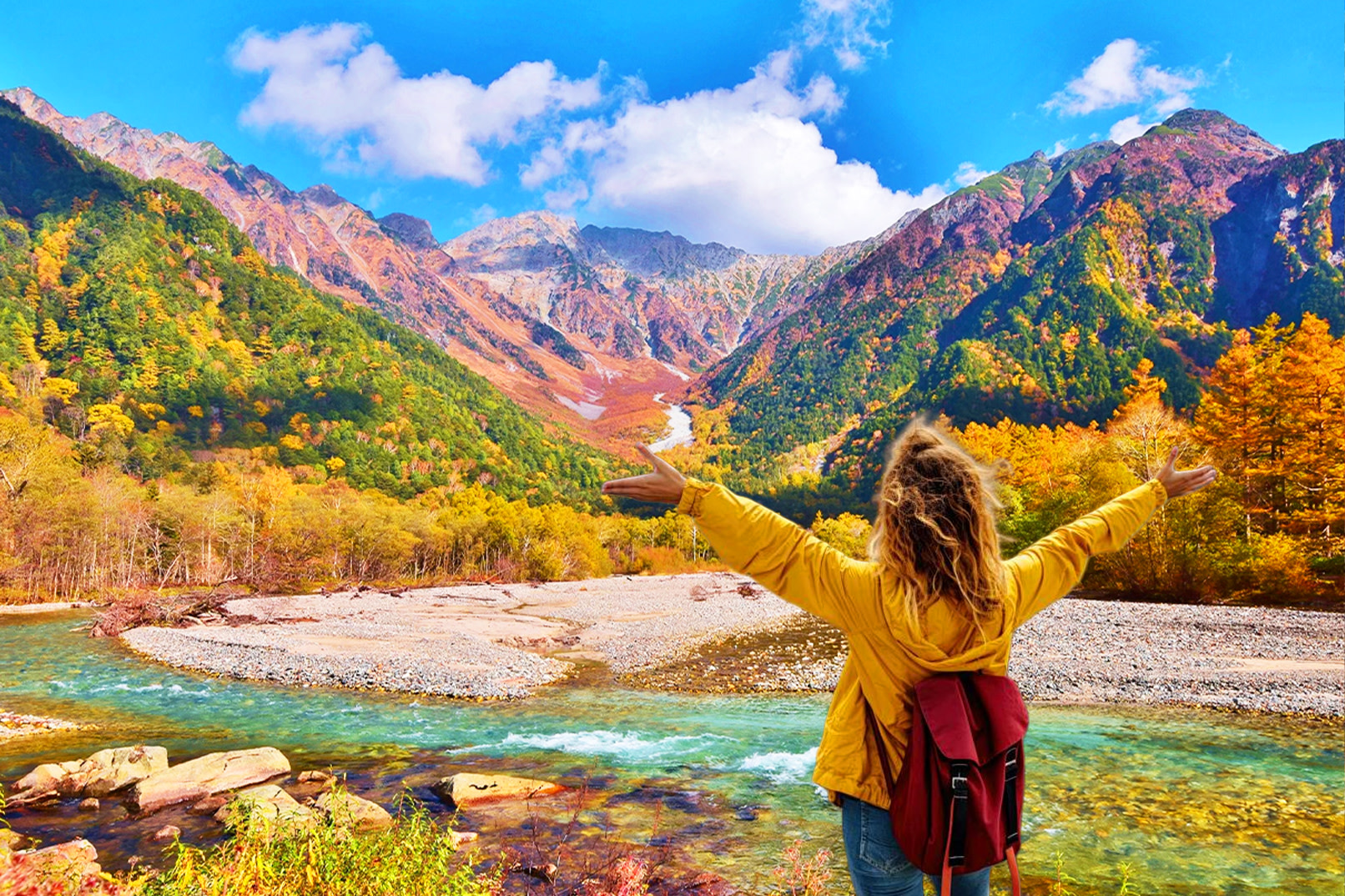
Kamikochi
50 km • Full day
A scenic alpine area in the Japanese Alps, offering stunning mountain views, hiking trails, and outdoor activities.
Gero Onsen
30 km • Half-day
A famous hot spring town known for its beautiful natural surroundings and historic inns. It's one of Japan's three most famous hot spring resorts.
Festivals
Takayama Festival (Takayama Matsuri) • April 14-15 (Spring Festival) and October 9-10 (Autumn Festival)
Winter Light-Up Festival • December to February
Hida Folk Village Festival • Various dates throughout the year (check schedule)
Pro tips
- Visit the Takayama Tourism Association for a free map and guide, as well as information on local events and attractions
- Try the famous Takayama ramen, a local noodle dish with a rich, miso-based broth
- Experience a traditional ryokan stay, complete with multi-course kaiseki meals and onsen baths
- Explore the old town in the evening when the streets are illuminated, creating a magical atmosphere
- Visit the morning market for a taste of local culture and to sample regional delicacies like gohei mochi and mitarashi dango
From $25
per person
Price varies by option
Secure booking
Free cancellation available
Instant confirmation


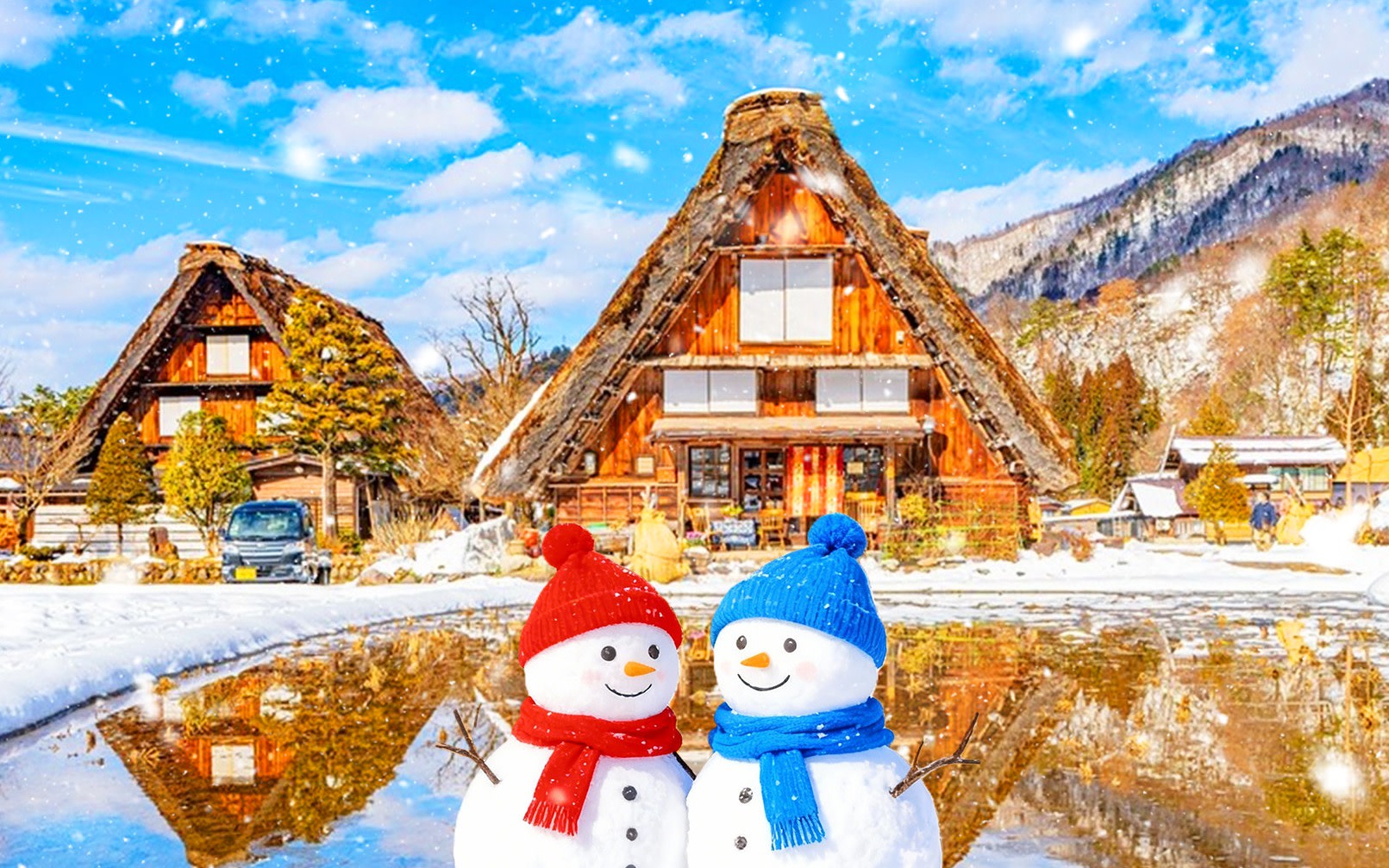
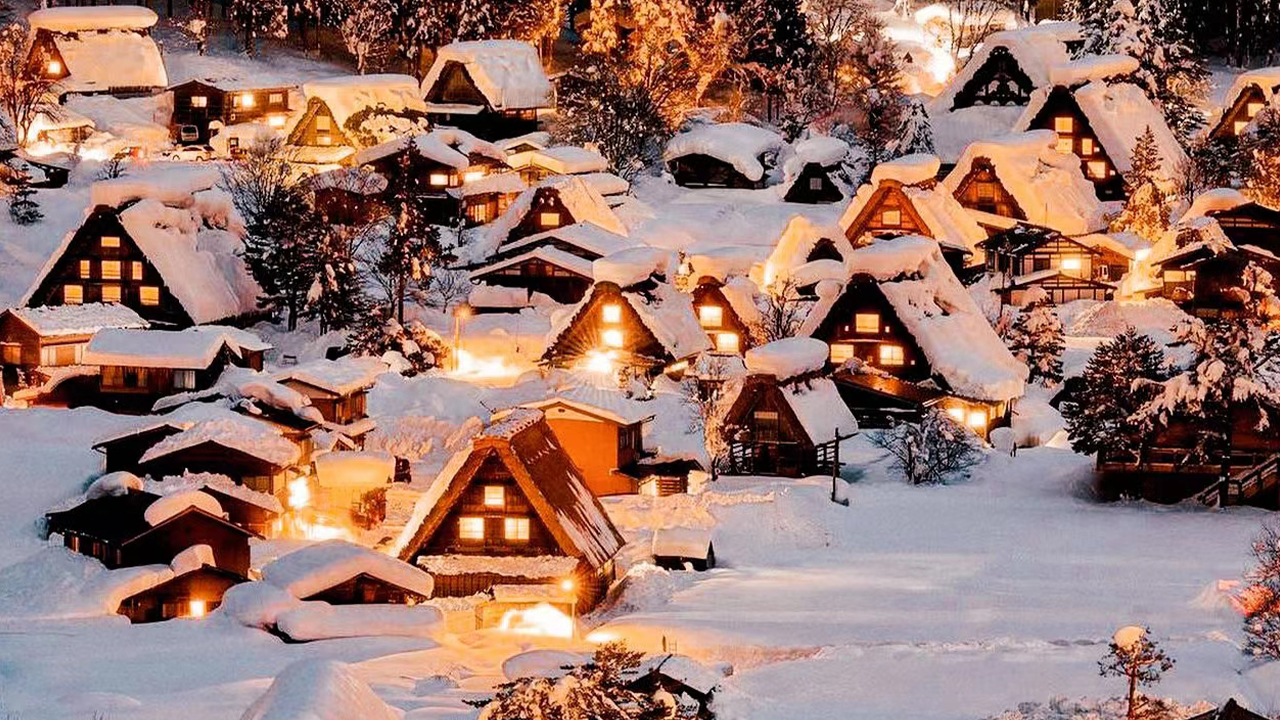
![[Shirakawa-go Light-Up 2026] Takayama Old Town & Shirakawa-go Light-Up Day Trip (4-9 person small group tour)](https://res.klook.com/image/upload/activities/vrfo9krvz5qvqweueiwz.jpg)
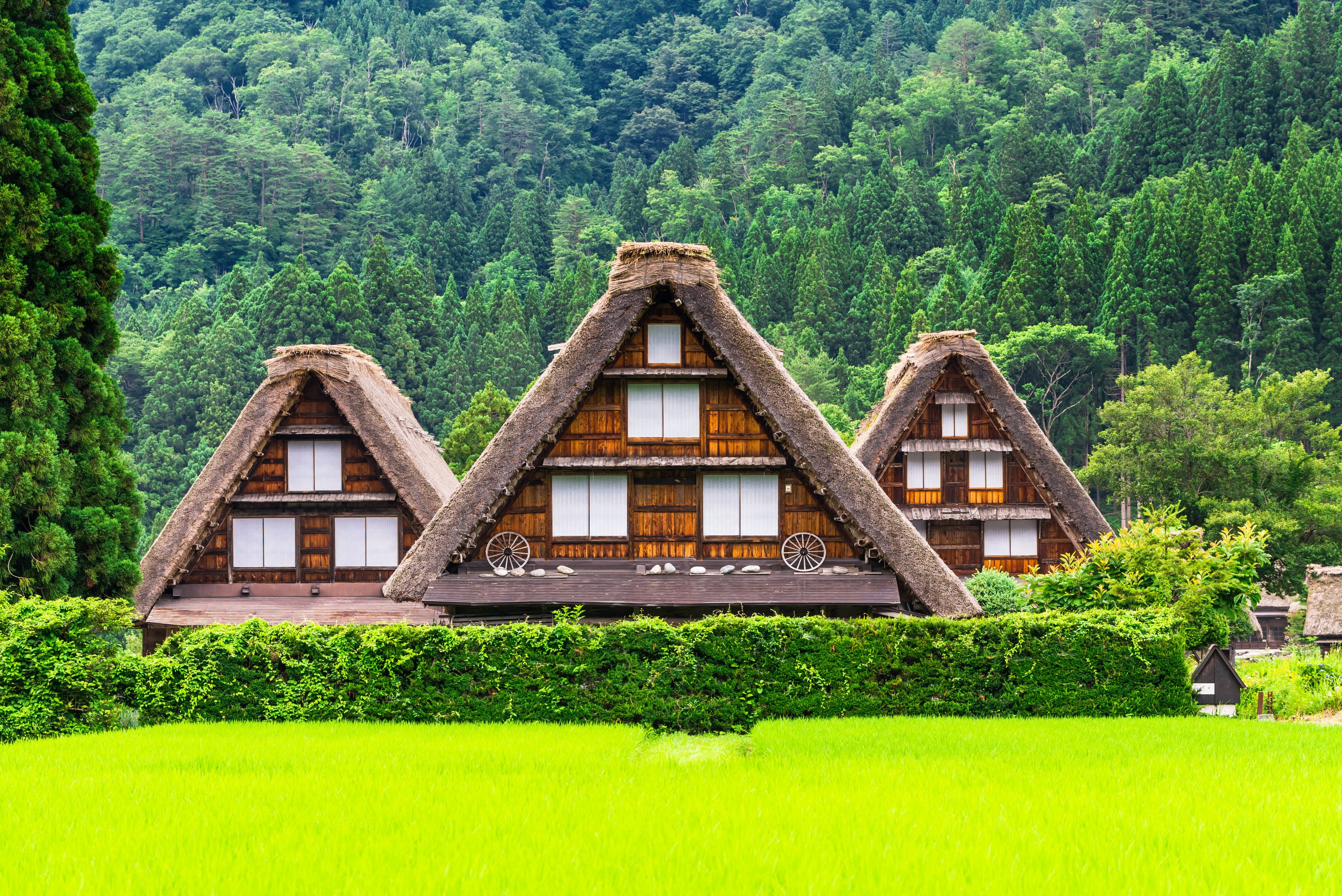
![[Nagoya Departure | Small Group Tour] Hida Takayama Old Town + World Heritage Shirakawa-go Gassho Village Day Trip](https://res.klook.com/image/upload/activities/okdwcuwsw1hhyxf2c9yh.jpg)