Hiraizumi Half-Day Private Trip with Government-Licensed Guide
Active
4h
For a full refund, cancel at least 24 hours before the scheduled departure time.
Instant confirmation
Mobile or paper ticket accepted
About this experience
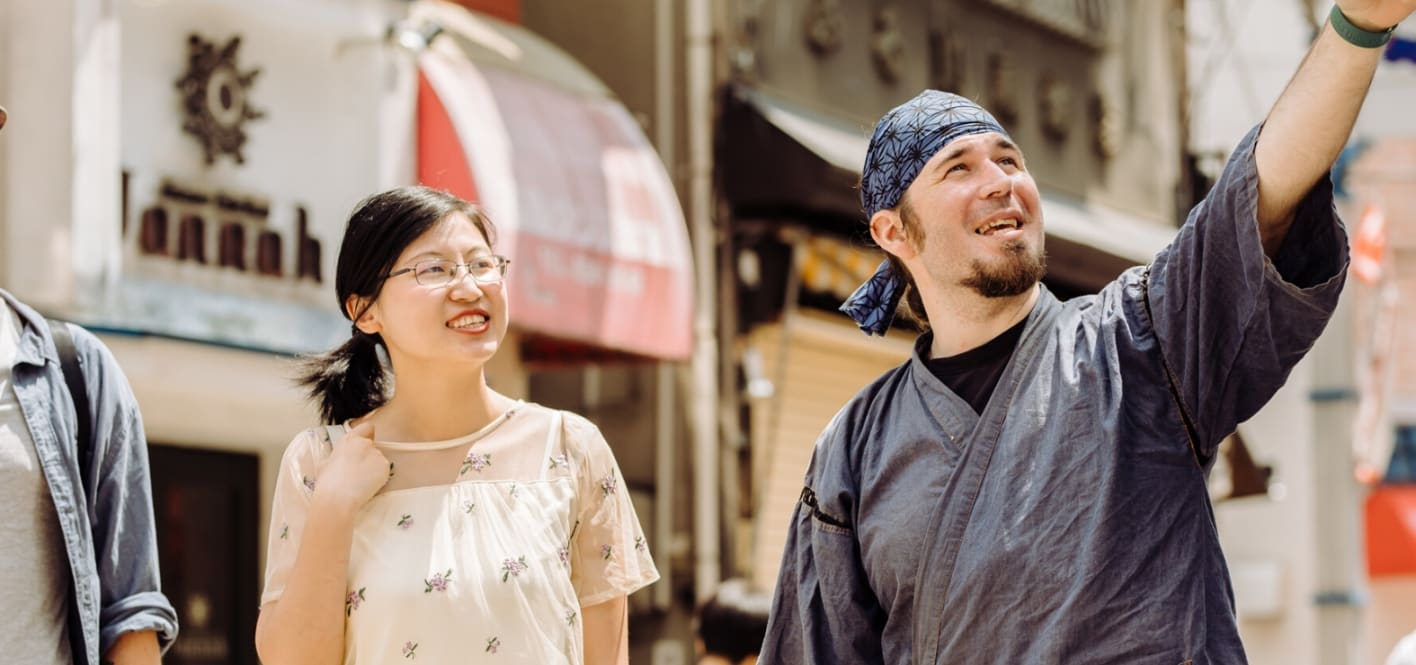
This value-packed trip with a government-licensed and experienced English Speaking tour guide is a fantastic and efficient way to explore Hiraizumi area!
Nestled in the mountains of southern Iwate is Hiraizumi, an ancient city that once rivaled Kyoto for its beauty and elegant surroundings. This was the capital of the Northern Fujiwara lands, an independent country that briefly flowered in the late 1100s. Today, you can see the remnants of that once-beautiful city while enjoying the gorges and other scenic beauty of southern Iwate.
Let us know what you would like to experience and we will customize a four-hour tour that's best for you!
Note*1: Please select your must-see spots from a list in the tour information to create your customized itinerary.
Available options
Hiraizumi Half-Day Private Trip with Government-Licensed Guide
Pickup included
What's included
Licensed Local English Speaking Guide
Meet up with guide on foot within designated area of Hiraizumi
Customizable Tour of your choice of 2-3 sites from 'What to expect' list
Detailed itinerary
1
Hiraizumi town is known for the Konjiki-do at Chusonji temple, a small gilded amida hall. The town is called the capital of Buddhism. Many temples influenced by the pure land philosophy are spotted in the town as well as many historic sites. The World Heritage consists of 5 sites; Chusonji temple, Motsuji temple, the ruins of Kanjizaio-in, the ruins of Muryoko-in, and Mt. Kinkei. All of the five sites constitute the land of Perfect Bliss. There are many other valuable temples and ruins besides World Heritage sites in Hiraizumi. Why don’t you come and see the land of Perfect Bliss?
2
Hiraizumi town is known for the Konjiki-do at Chusonji temple, a small gilded amida hall. The town is called the capital of Buddhism. Many temples influenced by the pure land philosophy are spotted in the town as well as many historic sites. The World Heritage consists of 5 sites; Chusonji temple, Motsuji temple, the ruins of Kanjizaio-in, the ruins of Muryoko-in, and Mt. Kinkei. All of the five sites constitute the land of Perfect Bliss. There are many other valuable temples and ruins besides World Heritage sites in Hiraizumi. Why don’t you come and see the land of Perfect Bliss?
3
Hiraizumi town is known for the Konjiki-do at Chusonji temple, a small gilded amida hall. The town is called the capital of Buddhism. Many temples influenced by the pure land philosophy are spotted in the town as well as many historic sites. The World Heritage consists of 5 sites; Chusonji temple, Motsuji temple, the ruins of Kanjizaio-in, the ruins of Muryoko-in, and Mt. Kinkei. All of the five sites constitute the land of Perfect Bliss. There are many other valuable temples and ruins besides World Heritage sites in Hiraizumi. Why don’t you come and see the land of Perfect Bliss?
4
Hiraizumi town is known for the Konjiki-do at Chusonji temple, a small gilded amida hall. The town is called the capital of Buddhism. Many temples influenced by the pure land philosophy are spotted in the town as well as many historic sites. The World Heritage consists of 5 sites; Chusonji temple, Motsuji temple, the ruins of Kanjizaio-in, the ruins of Muryoko-in, and Mt. Kinkei. All of the five sites constitute the land of Perfect Bliss. There are many other valuable temples and ruins besides World Heritage sites in Hiraizumi. Why don’t you come and see the land of Perfect Bliss?
5
The Sankozo (Treasure House) Museum, a little up the hill to the left, is not to be missed and has over 3,000 exhibits. Three, large impressive wooden, gilded statues of the Buddha greet the visitor on entry and another highlight is a stunning 1.74m-tall image of a "Thousand Arms" Kannon - the goddess of mercy.
6
Other buildings are a 19th century thatched Outdoor Noh Stage (Nohgakudo) next to the Hakusan Shrine.
7
Hiraizumi's other main sight is Motsuji Temple (Tel: 0191 46 2331) known for its beautiful strolling gardens.
Like Chusonji, Motsuji is believed to have been founded by the priest Ennin in the 9th century. Most of the buildings are no longer standing except for a few foundation stones, but the exquisite, tranquil Jodo teien Heian garden with its large pond is beautifully preserved. There is a small museum to the left of the main entrance with images of Motsuji's fascinating festivals (see below).
8
Takkoku no Iwaya Bishamondo Temple is a grand old temple built into a cliff rock wall approximately 1,200 years ago, and it also happens to be the next destination on your action packed day trip. The temple was built in the Heian period as a way of honoring the ruling government’s victory over the local indigenous population of the north, called the Emishi. Whilst the original look of the structure has been lost to time, it has nonetheless been rebuilt as an impressive structure in its own right, and a wonderful place to spend the afternoon and get lost in a little slice of Japanese history.
What's not included
Transportation fees, Entrance fees, Lunch, and Other personal expenses
Private transportation
You cannot combine multiple tour groups.
Guide Entry fees are only covered for sights listed under What to Expect.
Available languages
Guide guide
JA
EN
Reviews breakdown
Viator
4.0
1 reviews
5★
0
4★
1
3★
0
2★
0
1★
0
Tripadvisor
4.3
3 reviews
5★
2
4★
0
3★
1
2★
0
1★
0
Important information
Service animals allowed
Public transportation options are available nearby
Infants and small children can ride in a pram or stroller
All areas and surfaces are wheelchair accessible
Transportation options are wheelchair accessible
Wheelchair accessible
Suitable for all physical fitness levels
This is a walking tour. Pick up is on foot.
About Iwate Prefecture
Iwate Prefecture, located in the northern part of Japan's main island, Honshu, is known for its stunning natural landscapes, rich history, and traditional culture. The region is home to the iconic Mount Iwate, beautiful coastlines, and historic sites that offer a glimpse into Japan's past.
Top Attractions
Mount Iwate
Mount Iwate is a dormant volcano and one of the most iconic natural landmarks in Iwate Prefecture. It offers stunning views, hiking trails, and a unique landscape shaped by volcanic activity.
Nature
Full day
Free (parking fees may apply)
Morioka Castle Ruins
The ruins of Morioka Castle offer a glimpse into the region's feudal past. The castle was built in the early 17th century and played a significant role in the history of the region.
Historical
1-2 hours
Free (museum fees may apply)
Hiraizumi
Hiraizumi is a UNESCO World Heritage Site known for its historical temples and gardens that date back to the Heian and Kamakura periods. The site is a testament to the region's rich cultural heritage.
Historical
Half day to full day
¥500-¥1,000 per temple
Geibikei Gorge
Geibikei Gorge is a stunning natural attraction known for its scenic beauty and traditional boat tours. The gorge is lined with cliffs, waterfalls, and lush vegetation, making it a popular spot for nature lovers.
Nature
Half day
¥1,000-¥2,000 for boat tours
Tenshochi Park
Tenshochi Park is a beautiful park located in Bunkyo, Iwate. The park is known for its stunning cherry blossom trees, which attract visitors from all over Japan during the spring season.
Nature
1-2 hours
Free (parking fees may apply)
Must-Try Local Dishes
Wanko Soba
A popular noodle dish served in small bowls, allowing diners to enjoy multiple servings. The noodles are made from buckwheat flour and are typically served with a dipping sauce.
Dinner
Gluten-free option available (check with the restaurant)
Jajamen
A hearty noodle soup dish with a rich, miso-based broth, topped with various ingredients such as pork, seafood, and vegetables. The name 'Jajamen' comes from the Onomatopeic sound 'Jaja' made when slurping the noodles.
Dinner
Vegetarian option available (check with the restaurant)
Iwate Wagyu Beef
High-quality beef known for its marbling and tender texture. It is often grilled or served as part of a hot pot dish.
Dinner
Not suitable for vegetarians or vegans
Morioka Reimen
A cold noodle dish with a spicy and tangy broth, typically made with pork, seafood, and vegetables. It is a refreshing dish, perfect for hot summer days.
Dinner
Gluten-free option available (check with the restaurant)
Popular Activities
Hiking
Skiing
Snowboarding
Mountain biking
Onsen (hot springs)
Scenic walks
Picnicking
Temple visits
Best Time to Visit
April to October
The best time to visit Iwate is during the spring, summer, and early autumn when the weather is mild and pleasant. This period is ideal for outdoor activities and exploring the region's natural beauty.
10°C to 30°C
50°F to 86°F
Practical Information
Language
- Official: Japanese
- Widely spoken: English (limited)
- English: Limited
Currency
Japanese Yen (JPY)
Time Zone
GMT+9
Electricity
100VV, 50/60HzHz
Safety Information
Overall Safety Rating: Generally safe
Iwate is generally a safe destination for travelers, with low crime rates and a welcoming atmosphere. However, it's always important to be aware of your surroundings and take precautions to ensure a safe and enjoyable trip.
Important Precautions:
- • Be cautious of your belongings in crowded areas.
- • Use reputable taxi companies and agree on a price before starting your journey.
- • Research and book tours and services through reputable companies.
Getting there
By air
- Morioka Airport • 10 km from Morioka city center
By train
Morioka Station
By bus
Morioka Station Bus Terminal, Hanamaki Airport Bus Terminal
Getting around
Public transport
The bus network in Iwate is extensive and covers most of the prefecture. Buses are a convenient way to get around, especially for reaching areas not served by trains.
Taxis
Available • Apps: JapanTaxi, DiDi
Rentals
Car, Bike, Scooter
Neighborhoods
Morioka
Hiraizumi
Geibikei
Hanamaki
Ichinoseki
Day trips
Oirase Gorge
30 km from Morioka • Half day to full day
Oirase Gorge is a stunning natural attraction known for its scenic beauty, waterfalls, and lush vegetation. The gorge is a popular spot for hiking, photography, and enjoying the great outdoors.
Shirakami-Sanchi
100 km from Morioka • Full day
Shirakami-Sanchi is a UNESCO World Heritage Site known for its ancient beech forests, waterfalls, and scenic beauty. The site is a popular destination for hiking, nature walks, and enjoying the great outdoors.
Rikuchu Coast
50 km from Morioka • Full day
The Rikuchu Coast is a stunning stretch of coastline known for its dramatic cliffs, sandy beaches, and picturesque fishing villages. The coast is a popular destination for photography, scenic drives, and enjoying the natural beauty of the region.
Festivals
Morioka Sansa Odori • Early August
Iwate Ichiban Festival • Mid-July
Hanamaki Festival • Early October
Pro tips
- Visit during the autumn foliage season for stunning colors and pleasant weather.
- Try Wanko Soba, a popular noodle dish served in small bowls, for a unique and delicious dining experience.
- Explore the region's historic sites, such as Morioka Castle Ruins and Hiraizumi, for a glimpse into Japan's past.
- Experience the natural beauty of Iwate by hiking, skiing, or enjoying the great outdoors.
- Attend a local festival, such as the Morioka Sansa Odori or the Iwate Ichiban Festival, for a vibrant and energetic celebration of the region's culture and traditions.
From $25
per person
Price varies by option
Secure booking
Free cancellation available
Instant confirmation