Shimonoseki & Moji Port Full-Day Private Trip with Government-Licensed Guide
Active
6h
For a full refund, cancel at least 24 hours before the scheduled departure time.
Instant confirmation
Mobile or paper ticket accepted
About this experience
This value-packed trip with a government-licensed and experienced multilingual tour guide is a fantastic and efficient way to explore Shimonoseki and Moji port area!
Shimonoseki has prospered as a gateway to Eurasia. With a wealth of historical sites, ethnic atmosphere, beautiful scenery and Japanese cuisine, Shimonoseki will capture your heart. Shimonoseki is also surrounded on three sides by ocean, so it goes without saying that the seafood here is bar none. Be sure stop by Karato Market or any one of many restaurants to sample the seafood.
Let us know what you would like to experience and we will customize a six-hour tour that's best for you!
Note*1: Please select your must-see spots from a list in the tour information to create your customized itinerary.
Note*2: The National Government Licensed Guide Interpreter certification is issued by the Japanese government requires a good knowledge and understanding of Japanese culture and history.
Available options
Shimonoseki & Moji Port Full-Day Private Trip with Government-Licensed Guide
Pickup included
What's included
Meet up with guide on foot within designated area of Shimonoseki
Licensed Local English Speaking Guide
Customizable Tour of your choice of 3-4 sites from 'What to expect' list
Detailed itinerary
1
“Welcome! Welcome! Cheap! Cheap!” At the western edge of Yamaguchi, famous for its blowfish and energetic spirit is Karato Market. Not only will you hear auctioneers hawking fish, but there are also vegetable and flower corners, making this the local “kitchen”, where it is crowded every day. The biggest difference from Tsukiji Market in Tokyo is that anyone can purchase products here. After the stock for business has been traded at 7 am, vendors would take the time to explain to tourists the different kinds of fish, how to eat them and recommendations of the day.
2
A port with Western-influenced architecture from a past age of prosperity and modernization
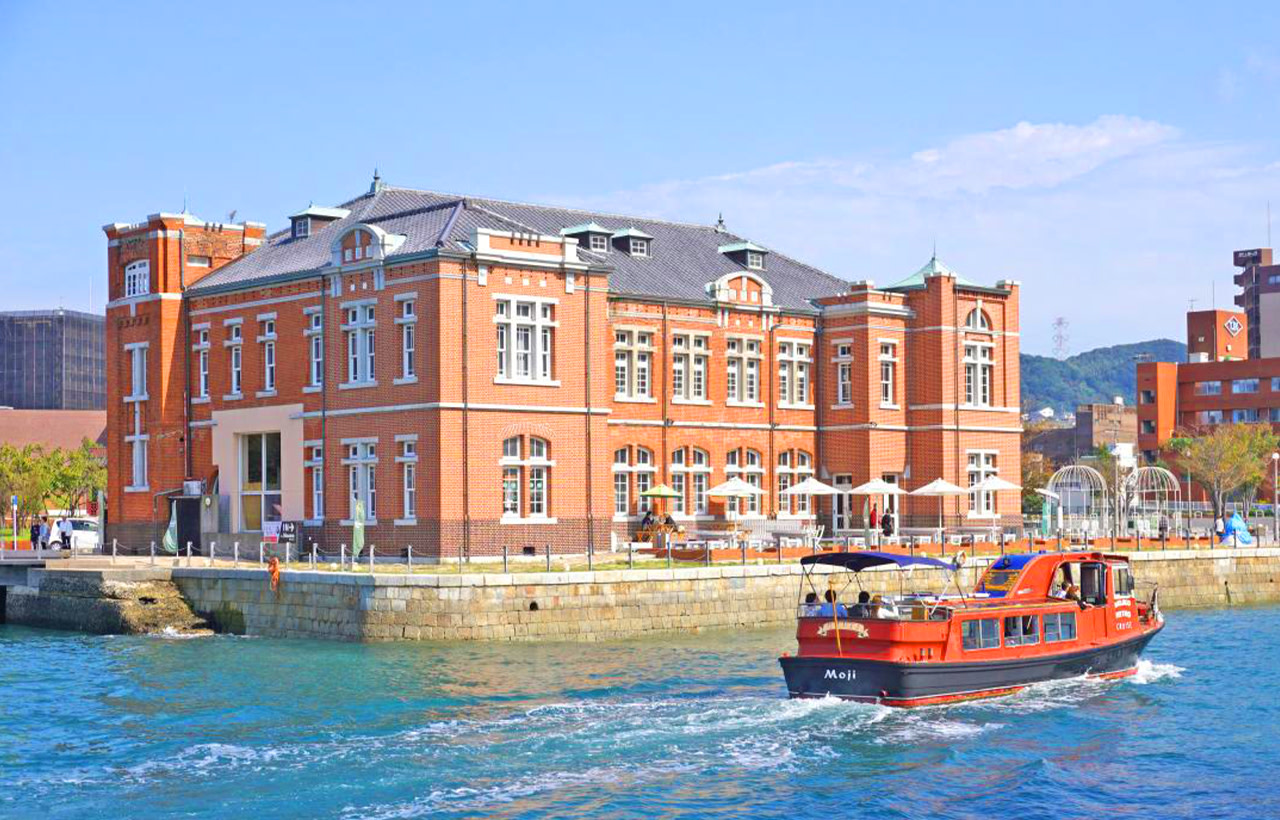
Moji Port is home to numerous historic buildings that have survived and been preserved in pristine condition since the late 19th century. The area is attractive, particularly at night, and many visit the area to see the remarkably well-preserved buildings.
3
The Kanmon Kaikyo, also known as Straits of Shimonoseki, is a narrow strait that separates Yamaguchi prefecture from Fukuoka prefecture into Kyushu Island of Japan. You will be able to walk through the Kanmon Tunnel, built under the Kanmon Kaikyo, which is about 55 meters (60 yards) below sea level. The tunnel was completed in 1958 and took a total of 21 years to build!
The recommended photo taking spot in the tunnel is at the borders of Fukuoka prefecture and Yamaguchi prefecture; it’s not often will you be able to stand right at the border of two huge islands! It will take you about 15 minutes to walk through the 780 meter (853 yard) long tunnel, and once you are out, you will be greeted by a fantastic view of the Kanmon Kaikyo as well as the Kanmonkyo Bridge that connects Yamaguchi and Fukuoka prefecture.
4
Kaikyo Yume Tower was built in 1996 as a landmark of the Kanmon Kaikyo, and has since been regarded by tourists and locals as the symbol of Shimonoseki. A 360 degree panoramic view of Shimonoseki and the nature surrounding it can be appreciated from the 143 meter (156 yard) high observatory deck. It is especially recommended to visit Kaikyo Yume Tower at night when it will be illuminated. The fantastic night view of Shimonoseki provides a romantic atmosphere and it is perfect for a date spot!
5
In 1612, there was a duel between Miyamoto Musashi and Sasaki Kojiro, both swordsman from the ancient times, at Ganryujima Island. This duel is today known as the “Ganryujima no Kessen”, or “Battle of Ganryujima” in English. A statue is found on the island that depicts the duel between the two renowned swordsman and you can learn the history of these two men there. Access to Ganryujima is via a 10 minute boat ride from Karato Port.
6
The Chofu region is just 20 minutes from Shimonoseki Station by bus, and is known for its quaint atmosphere brought upon by the old Japanese style street. You can walk along the river of Chofu and visit the “Jokamachi Chofu” museum, where you can learn about the history of Shimonoseki. Apart from that, there are various old buildings and artifacts around the region that you can explore. The Chofu region is a must-visit for those who love Japanese history!
7
Shimonoseki served as an important port since the early days as a gateway between the Honshu region and the rest of Asia. A British Consulate was hence built in Shimonoseki in 1906. At the Shimonoseki Former British Consulate, a beautiful building with striking red bricks, you can learn about the history of the British interactions with Japan and view various artifacts on display. The Shimonoseki Former British Consulate is located just 100 meters (109 yards) from Karato Market, so you definitely won’t have to worry about being hungry either.
8
In 1185, during the battle of Dan-no-Ura, legends say that Emperor Antoku, then only 7 years old, was plunged into the Kanmon Kaikyo and drowned by his grandmother to prevent him from being captured by the enemies. The Akama Shrine saw the end of the Taira Clan in 1185 and served as a turning point in ancient Japan’s history.
At the Akama Shrine, not only will you be able to learn about such history of Japan, you will also be able to view the various temples and shrines that served the people for hundreds of years. Furthermore, you can view the area where Emperor Antoku was said to be drowned. This place today serves as a power spot for family health, water safety and more. Akama Shrine is definitely worth a visit for those who love Japanese history too.
9
Hinoyama Park is located at the summit of Mount Hinoyama, a 268 meters (293 yards) tall hill located just nearby Kanmonkyo Bridge. Here, you will be presented with a marvelous 360 degree panoramic view of Shimonoseki and the nature surrounding it. The recommended spot to enjoy this fantastic view is at the observatory deck slightly below the Ropeway Boarding area. This observatory is also open at night, and serves as the perfect spot for appreciating the amazing night landscape of Shimonoseki!
What's not included
Transportation fees, Entrance fees, Lunch, and Other personal expenses
Private transportation
You cannot combine multiple tour groups.
Guide Entry fees are only covered for sights listed under What to Expect.
Available languages
Guide guide
JA
EN
Reviews breakdown
Viator
5.0
1 reviews
5★
1
4★
0
3★
0
2★
0
1★
0
Tripadvisor
4.5
2 reviews
5★
1
4★
1
3★
0
2★
0
1★
0
Important information
Service animals allowed
Public transportation options are available nearby
Infants and small children can ride in a pram or stroller
All areas and surfaces are wheelchair accessible
Transportation options are wheelchair accessible
Wheelchair accessible
Suitable for all physical fitness levels
This is a walking tour. Pick up is on foot.
About Shimonoseki
Shimonoseki is a vibrant port city in Yamaguchi Prefecture, known for its rich history, delicious seafood, and strategic location at the narrowest point of the Kanmon Straits. The city offers a mix of historical sites, natural beauty, and modern attractions, making it a unique destination in Japan.
Top Attractions
Kanmon Straits
The Kanmon Straits are a narrow body of water separating Honshu and Kyushu, known for their scenic views and historical significance. The straits offer beautiful sunsets and opportunities for marine activities.
Nature
2-3 hours
Free (some activities may have fees)
Shimonoseki Aquarium
One of the largest aquariums in Japan, the Shimonoseki Aquarium features a wide variety of marine life, including dolphins, whales, and penguins. The aquarium also has interactive exhibits and educational programs.
Nature
2-3 hours
¥2,500
Akama Shrine
Akama Shrine is a historic Shinto shrine dedicated to the goddess of the sea. The shrine is known for its beautiful torii gate, which stands in the water, and its significance in Japanese mythology.
Historical
1-2 hours
Free (donations appreciated)
Shimonoseki City Museum of History and Folklore
This museum offers a comprehensive look at the history and culture of Shimonoseki, from its ancient origins to its modern development. The museum features exhibits on local crafts, traditions, and historical events.
Museum
1-2 hours
¥500
Kintaikyo Bridge
The Kintaikyo Bridge is a historic wooden bridge that spans the Nishiki River. The bridge is known for its unique design and historical significance, as it was built in the 17th century to connect the city to the Iwakuni Castle.
Architecture
2-3 hours
Free (pedestrian access), ¥300 (vehicle toll)
Must-Try Local Dishes
Fugu (Pufferfish)
Fugu is a delicacy in Shimonoseki, known for its delicate flavor and tender texture. It is prepared by specially trained chefs to remove the poisonous parts, making it safe to eat.
Main course
Contains fish, not suitable for those with fish allergies
Shimonoseki Ramen
Shimonoseki ramen is a local specialty featuring a rich, soy-based broth with thick noodles, topped with chashu (braised pork) and green onions. The broth is made with a blend of soy sauce, pork bone, and seafood.
Main course
Contains pork, soy, and seafood
Yaki Onigiri (Grilled Rice Balls)
Yaki onigiri are grilled rice balls filled with various ingredients, such as salmon, mackerel, or pickled plum. They are a popular street food in Shimonoseki and can be found at many local markets and festivals.
Snack
Vegetarian options available, contains fish or other fillings
Kani (Crab)
Shimonoseki is famous for its crab, particularly hairy crab and snow crab. The crab is typically steamed or boiled and served with soy sauce or butter.
Main course
Contains shellfish, not suitable for those with shellfish allergies
Popular Activities
Hiking in nearby mountains and forests
Boating and fishing in the Kanmon Straits
Scuba diving and snorkeling in local waters
Visiting local onsens (hot springs)
Strolling along the waterfront
Enjoying a traditional tea ceremony
Exploring historical sites and museums
Participating in local festivals and events
Best Time to Visit
Spring (March to May) and Autumn (September to November)
Spring offers pleasant temperatures and cherry blossoms, while autumn provides comfortable weather and beautiful fall foliage. These seasons are ideal for sightseeing and outdoor activities.
15-25°C
59-77°F
Practical Information
Language
- Official: Japanese
- Widely spoken: English (limited)
- English: Limited
Currency
Japanese Yen (JPY)
Time Zone
GMT+9
Electricity
100VV, 50/60HzHz
Safety Information
Overall Safety Rating: Generally safe
Shimonoseki is generally a safe city with low crime rates. However, as with any destination, it is important to take precautions to ensure a safe and enjoyable trip.
Important Precautions:
- • Keep valuables secure and out of sight
- • Be cautious of strangers offering help or services
- • Use reputable tour operators and transportation services
Getting there
By air
- Yamaguchi-Ube Airport • 30 km from Shimonoseki
By train
Shimonoseki Station
By bus
Shimonoseki Bus Center
Getting around
Public transport
The bus system is efficient and affordable, with routes covering most attractions. Buses are clean, punctual, and equipped with English announcements.
Taxis
Available • Apps: JapanTaxi, DiDi
Rentals
Car, Bike, Scooter
Neighborhoods
Kanmoncho
Mishima
Nishiki
Akama-cho
Day trips
Iwakuni
30 km from Shimonoseki • Half day to full day
Iwakuni is a historic city known for its well-preserved samurai district, Kintaikyo Bridge, and Iwakuni Castle. The city offers a mix of historical sites, cultural attractions, and natural beauty.
Hagi
50 km from Shimonoseki • Full day
Hagi is a historic city known for its well-preserved Edo-period streets, samurai residences, and Hagi Castle. The city offers a mix of historical sites, cultural attractions, and natural beauty.
Yamaguchi
40 km from Shimonoseki • Half day to full day
Yamaguchi is a historic city known for its well-preserved Edo-period streets, Rurikoji Temple, and Yamaguchi Castle. The city offers a mix of historical sites, cultural attractions, and natural beauty.
Festivals
Akama Shrine Festival • April
Shimonoseki Fugu Festival • February
Shimonoseki Port Festival • July
Pro tips
- Visit the Kanmon Straits in the late afternoon for stunning sunsets
- Try fugu (pufferfish) at a licensed restaurant for a unique culinary experience
- Explore the city's historical sites and museums to learn about its rich history and culture
- Take a day trip to nearby cities and towns, such as Iwakuni, Hagi, or Yamaguchi, for a comprehensive regional experience
- Enjoy local seafood and sake at one of the city's many restaurants and bars
From $25
per person
Price varies by option
Secure booking
Free cancellation available
Instant confirmation