


Hachinohe Full-Day Private Trip with Government-Licensed Guide
Active
6h
For a full refund, cancel at least 24 hours before the scheduled departure time.
Manual confirmation
Mobile or paper ticket accepted
About this experience
This value-packed trip with a government-licensed and English speaking tour guide is a fantastic and efficient way to explore Hachinohe city!
Well-known for having some of the best seafood in Japan, this quaint destination is also a bustling area of activity due to its popular morning markets. Many prefer to spend the day by checking out the morning markets early on for great deals and delicious fare before heading off to many of the scenic destinations Hachinohe has to offer to relax, unwind, and enjoy the natural scenery that Japan is so famous for.
Let us know what you would like to experience and we will customize a six-hour tour that's best for you!
Note*1: Please select your must-see spots from a list in the tour information to create your customized itinerary.
Available options
Hachinohe Full-Day Private Trip with Government-Licensed Guide
Pickup included
What's included
Licensed Local Guide
Customizable Tour of your choice of 3-4 sites from 'What to expect' list
Detailed itinerary
1
Hasshoku Center in Aomori is a premier marketplace showcasing the foods and catches of Hachinohe Port. More than 60 shops make up the 170-meter long Big Street. There are also two large restaurants inside where you can try local dishes and freshly caught fish. If you want something even fresher, head to Shichirin-mura and grill your own seafood or other purchases over a charcoal grill.
2
Nothing can compare to starting the morning at a Morning Market in Hachinohe. By far, the most famous and popular is the Sunday Morning Market at Tatehana Wharf. The market has a dazzling array of food to eat, produce and seafood to buy, and sights to see. As the seasons change, so do the items that line the stalls, making no two trips the same.
3
The Tanesashi Coast is the portion of the coastline in Hachinohe that starts at the Kabushima Shrine and runs down to the neighboring town of Hashikami. It is part of the Sanriku Fukko National Park and its dynamic views, changing from soft sandy beaches to craggily dramatic cliffs to sprawling wildflower fields, make it an absolute must-see when in the area. The coast is great for driving and biking, but to truly see ALL that the coast has to offer, we recommend walking it. Start at Kabushima and follow the Michinoku Shiokaze Trail, a 1000km trail that runs the whole length of the national park, until you reach the Tanesashi Natural Lawn.
4
One of the most prestigious shrines in the area is the Kushihiki Hachimangu. Besides having a long name, this shrine has a long and important history in the area and was once one of the patron shrines of the Nanbu clan. The shrine is home to two national treasures that are housed in a small but worthwhile museum on the shrine grounds.
5
The shrine sits on top of a hill on Kabushima Island (now a peninsula thanks to a small landbridge) in the middle of the breeding grounds for the black-tailed gull. The shrine, the people of Hachinohe, and the black tailed-gulls have passed the centuries in harmony, weathering wars, tsunamis, and famines together. Unfortunately, the shrine was lost in a fire and burned down in 2015. But this did not dishearten the people of Hachinohe and it certainly did not deter the black-tailed gulls from coming back to their breeding grounds. Since the fire, the people of Hachinohe have come together to rebuild the shrine, but stop their construction every year when the birds return so that they can breed, nest, and raise their young in peace. The shrine is set to be finished in March 2020, just in time to welcome the birds back again.
6
The shrine sits on top of a hill on Kabushima Island (now a peninsula thanks to a small landbridge) in the middle of the breeding grounds for the black-tailed gull. The shrine, the people of Hachinohe, and the black tailed-gulls have passed the centuries in harmony, weathering wars, tsunamis, and famines together. Unfortunately, the shrine was lost in a fire and burned down in 2015. But this did not dishearten the people of Hachinohe and it certainly did not deter the black-tailed gulls from coming back to their breeding grounds. Since the fire, the people of Hachinohe have come together to rebuild the shrine, but stop their construction every year when the birds return so that they can breed, nest, and raise their young in peace. The shrine is set to be finished in March 2020, just in time to welcome the birds back again.
7
Explore nine fun and interesting park zones spread out across 37-hectares of wide, beautiful landscapes at the Hachinohe Park! You can stroll through the gardens, take a ride on a roller coaster or two at the amusement park, see exotic and lively animals at the zoo, and even enjoy some flower viewing during the spring seasons! Sporting the largest collection of cherry trees in the entire city, this park comes alive with beautiful pink and white blossoms from April to May. If you’re lucky, you may even spot some of the most interesting species of cherry tree found in Japan: the Yoshino, Yamazakura, and double-flowered Yaezakura!
If you’re traveling with family, you’ll be delighted to know that there are child-friendly attractions found throughout the park! The indoor play area found in the amusement park is an especially fun and exciting way to spend the day with energetic little ones! Even those traveling without younger members can enjoy all the splendors Hachinohe Park has to offer.
8
Complete with an observation deck to give you even better views of the surrounding scenery, the Ashigezaki Lookout is the perfect place to get natural and scenic photographs to remember your time spent in Japan. The area was once used for military purposes, but has since become a peaceful place for relaxation and contemplation. Visitors find it hard to think of the worries and stresses of life when they’re surrounded by such beautiful sights – if you’re feeling especially worried or stressed, you might want want to stay a little while longer or take a few more pictures to help calm you!
9
Half the fun of visiting a new area is learning about the history and traditions that people there hold dear to their hearts. What better way to learn all you can about this oceanside city than to visit the Hachinohe City Museum! There you’ll be treated to exhibits featuring the history, customs, folklore, archeology, ideas, and beliefs of Hachinohe and its people. You can also enjoy audio and video displays that will give you a greater appreciation for the city’s festivals, events, folklore, dialect, performing arts, and even local school songs! It’s an amazing opportunity to get a better appreciation for the city without breaking the bank!
10
If walking around and taking pictures of all the gorgeous sights creates a rumbling in your stomach, then your best bet for a satisfying meal is to head to Miroku Yokocho! You’ll have 26 unique and interesting food stalls to choose from at this food market that serve anything from local seafood to senbei-jiru to ramen and more! The inviting atmosphere is perfect for nervous travelers that don’t know what to expect, and the friendly and helpful stall operators go above and beyond the call of duty to help everyone get exactly what they want! If you’re worried about your language ability, don’t be; there are pictures at every stall, and some even have translations to help foreign tourists! Come hungry, leave satisfied!
11
Listed as one of Japan’s top 100 castles to visit, Nejo Castle – sometimes refereed to as just ‘Ne Castle’ – has been a National Historic Site since 1941. It was built around 1334 and stood for nearly three centuries before it was destroyed for relocation. Thanks to the efforts of the city of Hachinohe, the castle has been restored to its former glory and is a tribute to the memory of the original castle. Visitors can explore the main castle, workshops, barns, stables, and other areas around the castle to get a sense of what life in Japan was like almost 700 years ago!
12
This national treasure is one of the most exquisite shrines to visit in all of Japan! The rich, ornate decorations and spiritual atmosphere give visitors a unique and personal look into Japanese culture. Dating back all the way to the Kamakura Period of Japanese history, this shrine has seen countless numbers of pilgrims throughout the ages. Depending on when you decide to visit this popular shrine you might be lucky enough to arrive during a festival or local ceremony! The autumn festivals are said to the be the most impressive, so keep an eye on the calendar if you want to enhance your Hachinohe shrine experience!
What's not included
Other personal expenses
Entrance fee (for yourself)
Transportation fee (for yourself)
Lunch
Private transportation
Available languages
Guide guide
JA
EN
Reviews breakdown
Viator
5.0
1 reviews
5★
1
4★
0
3★
0
2★
0
1★
0
Important information
Specialized infant seats are available
Service animals allowed
Public transportation options are available nearby
Infants and small children can ride in a pram or stroller
All areas and surfaces are wheelchair accessible
Transportation options are wheelchair accessible
Suitable for all physical fitness levels
Wheelchair accessible
About Aomori Prefecture
Aomori Prefecture, located in the northernmost part of Japan's main island Honshu, is known for its stunning natural landscapes, rich cultural heritage, and delicious cuisine. It's home to the famous Nebuta Matsuri, beautiful apple orchards, and the iconic Shirakami-Sanchi mountain range, a UNESCO World Heritage site.
Top Attractions
Shirakami-Sanchi
A UNESCO World Heritage site, Shirakami-Sanchi is a pristine mountain range known for its ancient beech forests and rich biodiversity. It's a popular destination for hiking and nature lovers.
Nature
Full day to overnight
Free (some trails and facilities may have fees)
Aomori Nebuta Museum Wa Rasse
This museum is dedicated to the famous Aomori Nebuta Festival, showcasing the history and artistry of the festival's iconic floats. Visitors can see large-scale Nebuta floats and even try making their own.
Museum
2-3 hours
Adults: ¥800, Children: ¥400
Sannai-Maruyama Site
A large archaeological site dating back to the Jomon period, Sannai-Maruyama is one of the most important historical sites in Japan. Visitors can explore reconstructed pit dwellings and learn about the Jomon culture.
Historical
2-3 hours
Adults: ¥500, Children: ¥250
Osorezan
A sacred mountain and one of Japan's three most important Buddhist sites, Osorezan is believed to be a gateway to the afterlife. The area is known for its eerie landscapes and hot springs.
Religious
Full day
Free (some facilities may have fees)
Lake Towada
A beautiful crater lake formed by a volcanic eruption, Lake Towada is known for its clear blue waters and stunning natural surroundings. It's a popular destination for hiking, boating, and photography.
Nature
Full day
Free (some activities and facilities may have fees)
Must-Try Local Dishes
Ika no Shiokara
A traditional dish made from fermented squid guts, seasoned with salt and sometimes chili. It's a popular local delicacy and a must-try for adventurous eaters.
Snack
Not suitable for vegetarians or vegans, contains allergens (fish, shellfish).
Aomori Ramen
A local ramen variety featuring a rich, soy-based broth, thin noodles, and toppings like chashu pork, menma (fermented bamboo shoots), and green onions. It's a hearty and comforting dish perfect for cold weather.
Dinner
Can be made vegetarian or vegan upon request, but traditional recipes contain meat and seafood.
Japonica Rice
A short-grain rice variety grown in Aomori, known for its excellent quality and sweet, sticky texture. It's a staple in Japanese cuisine and is used in a wide range of dishes, from simple rice bowls to elaborate sushi.
Breakfast/Lunch/Dinner
Naturally gluten-free, suitable for vegetarians and vegans.
Aomori Apples
Aomori is famous for its high-quality apples, which are sweet, crisp, and juicy. They are enjoyed fresh, in desserts, or as apple juice and cider.
Snack/Dessert
Naturally gluten-free, suitable for vegetarians and vegans.
Popular Activities
Hiking in Shirakami-Sanchi
Skiing and snowboarding in the winter
Mountain biking and cycling
Onsen (hot spring) visits
Apple picking (seasonal)
Boating on Lake Towada
Visiting historical sites and museums
Participating in local festivals
Best Time to Visit
September to November
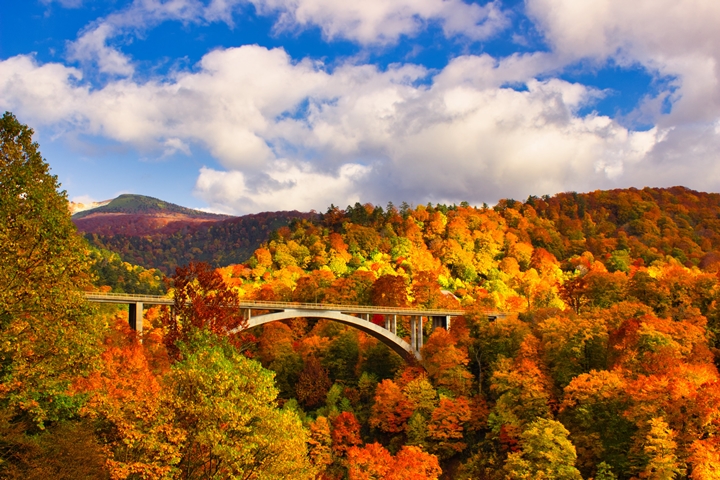
Autumn is the best time to visit Aomori for pleasant weather, vibrant fall foliage, and the famous Aomori Nebuta Festival in August. The snow has melted, making it easier to explore the outdoors.
10°C to 20°C
50°F to 68°F
Practical Information
Language
- Official: Japanese
- Widely spoken: English (limited)
- English: Limited
Currency
Japanese Yen (JPY)
Time Zone
JST (Japan Standard Time, GMT+9)
Electricity
100VV, 50/60HzHz
Safety Information
Overall Safety Rating: Generally safe
Aomori is generally a safe destination for travelers, with low crime rates and a peaceful atmosphere. However, as with any destination, it's important to be aware of your surroundings and take precautions to ensure a safe and enjoyable trip.
Important Precautions:
- • Keep valuables secure and be aware of your surroundings, especially in crowded areas.
- • Use licensed taxis and tour operators to avoid scams and ensure safety.
- • Be cautious of strangers offering help or services, as they may be trying to scam you.
Getting there
By air
- Aomori Airport • 15 km from Aomori city center
By train
Aomori Station
By bus
Aomori Station Bus Terminal, Aomori Airport Bus Terminal
Getting around
Public transport
Buses are the primary mode of public transport in Aomori. They are reliable and cover most of the prefecture, but schedules may be limited in rural areas.
Taxis
Available • Apps: JapanTaxi, DiDi
Rentals
Car, Bike, Scooter
Neighborhoods
Aomori City
Hirosaki
Towada
Shimokita Peninsula
Day trips
Shirakami-Sanchi
About 100 km from Aomori City • Full day to overnight
A UNESCO World Heritage site, Shirakami-Sanchi is a pristine mountain range known for its ancient beech forests and rich biodiversity. It's a popular destination for hiking and nature lovers.
Hirosaki
About 40 km from Aomori City • Half day to full day
A charming city with a rich samurai history, Hirosaki is known for its beautiful castle, apple orchards, and the famous Hirosaki Neputa Festival.
Lake Towada
About 60 km from Aomori City • Full day
A beautiful crater lake formed by a volcanic eruption, Lake Towada is known for its clear blue waters and stunning natural surroundings. It's a popular destination for hiking, boating, and photography.
Festivals
Aomori Nebuta Festival • Early August (2nd - 7th)
Hirosaki Neputa Festival • Early August (1st - 7th)
Aomori Winter Festival • February (varies by year)
Pro tips
- Visit during the autumn foliage season for stunning fall colors and pleasant weather.
- Try local specialties, such as Aomori ramen, ika no shiokara, and apple-themed dishes and desserts.
- Explore the prefecture's natural beauty, from the ancient beech forests of Shirakami-Sanchi to the crystal-clear waters of Lake Towada.
- Participate in local festivals and events, such as the Aomori Nebuta Festival and the Hirosaki Neputa Festival, for a unique and unforgettable cultural experience.
- Stay in a traditional ryokan for a unique and authentic experience, complete with kaiseki meals, private onsen, and beautiful gardens.
From $25
per person
Price varies by option
Secure booking
Free cancellation available


![[Aomori Prefecture] Tour the history and architecture in Towada City, the art city](https://media-cdn.tripadvisor.com/media/attractions-splice-spp-674x446/07/af/79/08.jpg)



![[From Sendai Station] Zao Fox Village & Ginzan Onsen Day Trip Tour](https://res.klook.com/image/upload/activities/cke1dvtr6wmkbquupss7.jpg)