


Aomori Full-Day Private Trip with Government-Licensed Guide
Active
6h
For a full refund, cancel at least 24 hours before the scheduled departure time.
Instant confirmation
Mobile or paper ticket accepted
About this experience
This value-packed trip with a government-licensed and experienced multilingual tour guide is a fantastic and efficient way to explore Aomori city!
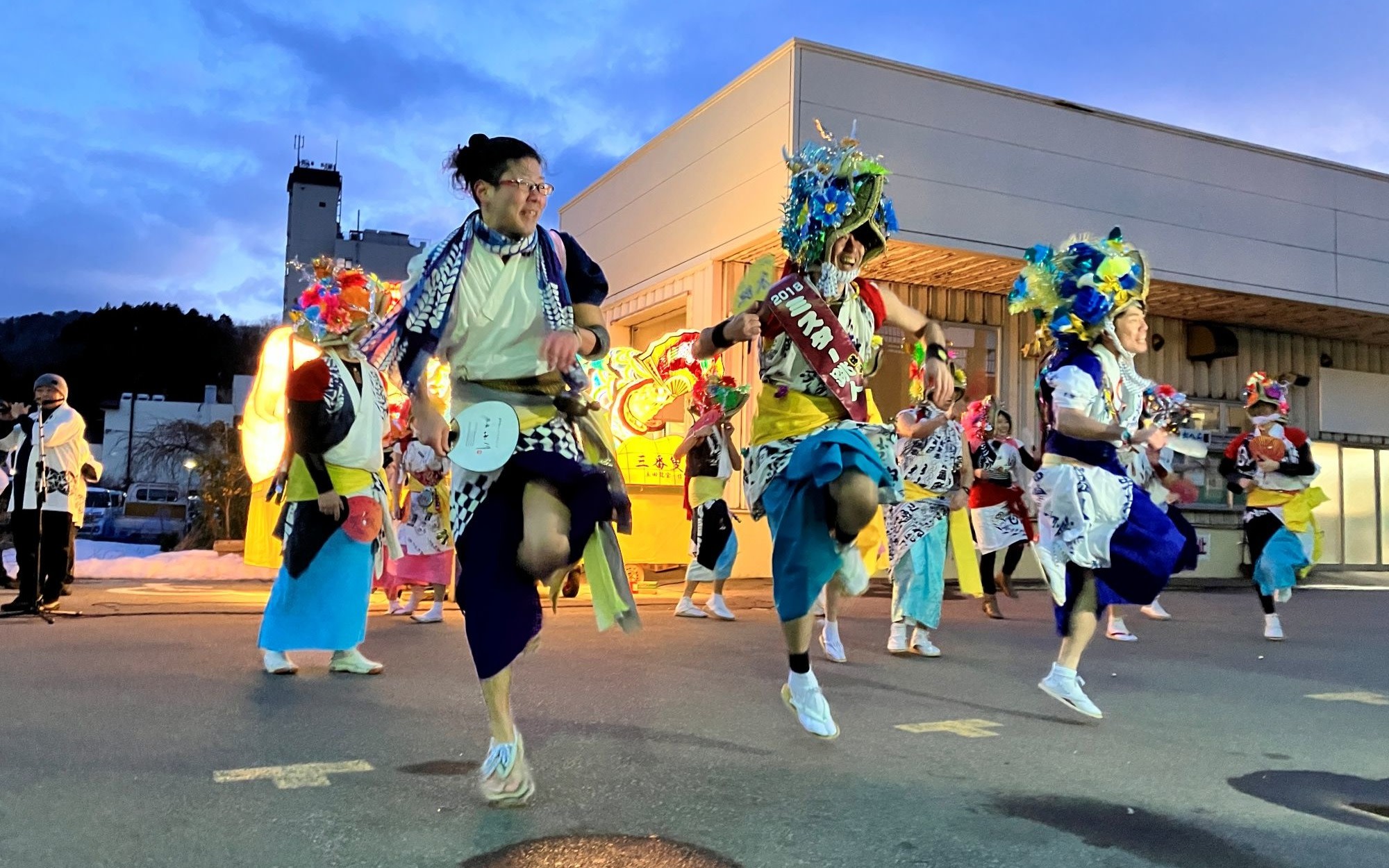
Aomori is known for its abundant nature, apple production, and its summertime Nebuta festivals – considered the best of all the summer Tohoku festivals. Beneath the surface, Aomori has a surprising number of attractions to offer, encompassing history, culture, art, and cuisine – as well as a number of seasonal highlights that will surely keep visitors wanting to return.
Let us know what you would like to experience and we will customize a six-hour tour that's best for you!
This tour dos not go to Hirosaki.
Note*1: Please select your must-see spots from a list in the tour information to create your customized itinerary.
Available options
Aomori Full-Day Private Trip with Government-Licensed Guide
Pickup included
What's included
Licensed Local English-speaking Guide
Meet up with guide on foot within designated area of Aomori city
Customizable Tour of your choice of 3-4 sites from 'What to expect' list
Detailed itinerary
1
Located in Mutsu Bay, Aomori city retains its Edo Period grid pattern, though the city was heavily bombed in World War II. Most of Aomori's attractions are recent buildings including a number of contemporary architectural gems: the Wa Rasse and A-Factory near Aomori Station, Aomori Bay Bridge and the Aomori Prefecture Tourist Center (ASPAM).
2
Stop 2
Wa Rasse arts and cultural center dedicated to Aomori's famous Nebuta Festival. On display at Wa Rasse are five floats from the previous year's Nebuta festival along with video installations, sounds, photographs and introductions to famous Nebuta artists over the ages.
3
Aomori Prefectural Folk Museum (Tel: 017 777 1585), which has a large collection of Jomon period pottery, miniature reconstructions of Jomon huts and tools from this early period of Japanese history, the study of which was revolutionized by the discovery and excavation of the Sannai Maruyama Site and the Komakino stone circles in Aomori, south west of the city near the Aomori Museum of Art.
4
Stop 4
The Aomori Contemporary Art Center (ACAC) on the grounds of Aomori Public College was designed by the internationally-acclaimed architect Tadao Ando and the building and its water feature blends beautifully with the surrounding woodland. The Aomori Contemporary Art Center stages frequent exhibitions by both Japanese and foreign contemporary artists. There are buses to the university campus from Aomori Station.
5
The Munakata Shiko Memorial Museum of Art (Tel: 017 777 4567) exhibits the woodblock prints of Aomori native Munakata Shiko (1903-1975), the "Vincent van Gogh of Aomori" including his masterpiece Ten Great Disciples of Buddha, as well as the artist's oil paintings, illustrated books and calligraphy. To get to the Munakata Shiko Memorial Museum of Art by public transport take a Yokouchi Kanjo-sen bus from Aomori Station.
6
Stop 6
The Aomori Museum of Art (Tel: 017 777 4567) is close to the Jomon-period Sannai Maruyama archeological site and the white cubic building was designed by architect Jun Aoki to harmonize with its historical surroundings. The Aomori Museum of Art houses various permanent and temporary exhibitions including works by Shiko Munakata, Marc Chagall and Paul Klee. The huge, white dog sculpture by Yoshitomo Nara at the museum has become a symbol of Aomori. Take a bus bound for the Driving License Center and get off at Kenritsu Bijitsukan-mae (20 minutes).
7
Stop 7
The Sannai-Maruyama archaeological site reveals the reconstructed foundations of a Jomon era settlement.
Having only been first discovered in 1992, the site was declared a special national historic landmark in 2000 – protecting the location from being overdeveloped and losing the historical treasures in the process.
Visitors can freely explore the large grounds, taking in the different huts and settlements, as well as the large six-pillared structure that dominates the main site.
What's not included
Transportation fees, Entrance fees, Lunch, and Other personal expenses
Private transportation
You cannot visit Hirosaki on this tour.
You cannot combine multiple tour groups.
Guide Entry fees are only covered for sights listed under What to Expect.
Available languages
Guide guide
JA
EN
Reviews breakdown
Viator
4.5
15 reviews
5★
13
4★
0
3★
0
2★
0
1★
2
Tripadvisor
5.0
18 reviews
5★
18
4★
0
3★
0
2★
0
1★
0
Important information
Service animals allowed
Public transportation options are available nearby
Infants and small children can ride in a pram or stroller
All areas and surfaces are wheelchair accessible
Transportation options are wheelchair accessible
Wheelchair accessible
Suitable for all physical fitness levels
You cannot visit Hirosaki on this tour.
This is a walking tour. Pick up is on foot.
About Aomori
Aomori, the capital of Aomori Prefecture, is known for its vibrant festivals, stunning natural beauty, and rich cultural heritage. The city offers a unique blend of traditional Japanese charm and modern attractions, making it a fascinating destination for travelers.
Top Attractions
Nebuta Museum Wa Rasse
This museum showcases the history and art of the famous Nebuta Festival, featuring impressive floating festival floats and interactive exhibits.
Museum
1-2 hours
Moderate (¥800-¥1,500)
Aomori Bay Area
A scenic area with beautiful views of the bay, parks, and walking trails. It's a great place for a leisurely stroll or a picnic.
Nature
1-3 hours
Free
Asamushi Onsen
A historic hot spring resort with a rich history dating back to the Heian period. The area is known for its relaxing onsen (hot spring) baths and traditional ryokan (inns).
Religious
Half day to overnight
Moderate to Expensive (¥1,000-¥10,000 depending on activities and accommodations)
Must-Try Local Dishes
Aomori Ramen (Asamushi Ramen)
A local ramen variety with a miso-based broth and corn, butter, and chicken as key ingredients. It's known for its rich, creamy flavor.
Lunch/Dinner
Contains gluten and dairy
Gindara (Black Cod)
Aomori is famous for its high-quality black cod, often grilled and served with a sweet soy-based sauce.
Dinner
Gluten-free if sauce is adjusted
Popular Activities
Hiking in Shirakami-Sanchi
Skiing in the winter
Soaking in onsen (hot springs)
Strolling through parks and gardens
Visiting museums and historical sites
Experiencing local festivals
Boating in Aomori Bay
Skiing and snowboarding
Best Time to Visit
Late spring to early autumn (May to October)
This is the best time to visit Aomori for pleasant weather and outdoor activities. The city hosts its famous Nebuta Festival in August, attracting many visitors.
10°C to 25°C
50°F to 77°F
Practical Information
Language
- Official: Japanese
- Widely spoken: English (limited)
- English: Limited
Currency
Japanese Yen (JPY)
Time Zone
JST (GMT+9)
Electricity
100VV, 50/60HzHz
Safety Information
Overall Safety Rating: Very safe
Aomori is a very safe city with low crime rates. Violent crime is rare, and petty crime is uncommon. However, as with any destination, it's important to stay aware of your surroundings and take basic precautions.
Important Precautions:
- • Keep valuables secure and out of sight.
- • Be cautious when using ATMs, especially at night.
- • Stay aware of your surroundings, especially in crowded areas and on public transportation.
Getting there
By air
- Aomori Airport • 15 km from city center
By train
Aomori Station
By bus
Aomori Bus Center
Getting around
Public transport
The bus system is the primary mode of public transportation in Aomori. Buses are reliable and frequent.
Taxis
Available • Apps:
Rentals
Car, Bike, Scooter
Neighborhoods
Central Aomori
Aomori Bay Area
Day trips
Hirosaki
30 km from Aomori • Half day to full day
Hirosaki is a charming city known for its beautiful Hirosaki Castle, cherry blossoms, and traditional festivals. It's a great day trip for history and culture enthusiasts.
Shirakami-Sanchi
100 km from Aomori • Full day
A UNESCO World Heritage site known for its ancient beech forests and stunning natural beauty. It's a great destination for hiking and nature lovers.
Festivals
Nebuta Festival • Early to mid-August
Aomori Winter Festival • February
Pro tips
- Learn a few basic Japanese phrases to enhance your experience and interact with locals.
- Try the local specialties, such as Aomori ramen and black cod, for an authentic culinary experience.
- Visit the Nebuta Museum Wa Rasse to learn about the festival's history and create your own Nebuta.
- Pack layers, as the weather can vary significantly, especially in the winter.
- Consider staying in a traditional ryokan for a unique and memorable experience.
From $25
per person
Price varies by option
Secure booking
Free cancellation available
Instant confirmation


![[Tohoku Day Trip] Ginzan Onsen & Zao Snow Monsters & Special Lunch | Departure from Sendai](https://res.klook.com/image/upload/activities/u8lhf3qs9pwqjwsmvscg.jpg)
![[Hokkaido, Japan | Eastern Hokkaido Private Car Tour] Lake Akan ⇆ Abashiri \ Shiretoko Utoro Customized 5\7-Hour Private Car Charter | Flexible Itinerary](https://res.klook.com/image/upload/activities/h3qtse8if3cn2fxjsewo.jpg)

![[Japan, Hokkaido | Eastern Hokkaido Chartered Car Tour] Abashiri ⇆ Shiretoko Utoro Customized 5/7-Hour Chartered Car | Flexible Itinerary](https://res.klook.com/image/upload/activities/pemfwkzymo23vdu3kh8k.jpg)
![[From Sendai Station] Zao Fox Village & Ginzan Onsen Day Trip Tour](https://res.klook.com/image/upload/activities/cke1dvtr6wmkbquupss7.jpg)
