Kurashiki Full-Day Private Tour with Government-Licensed Guide
Active
6h
For a full refund, cancel at least 24 hours before the scheduled departure time.
Instant confirmation
Mobile or paper ticket accepted
About this experience
This value-packed trip with a government-licensed and experienced English Speaking tour guide is a fantastic and efficient way to explore Kurashiki!
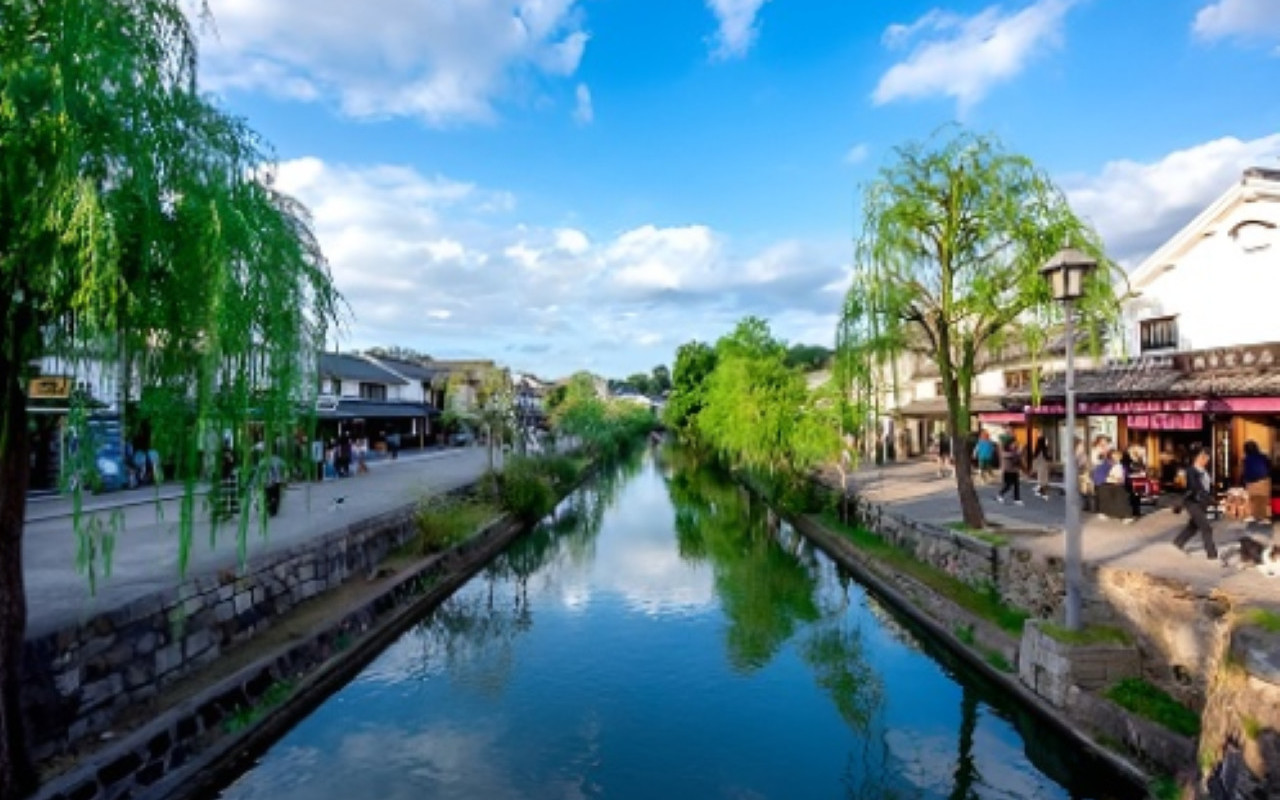
The main attraction in Kurashiki is its atmospheric Bikan quarter, an area of historic buildings along an old willow-edged canal, laneways lined with old wooden houses and shops, and perfectly preserved Edo period mills. Visiting Kurashiki Bikan is like taking a step back in time!
Let us know what you would like to experience and we will customize a six-hour tour that's best for you!
Note*1: Please select your must-see spots from a list in the tour information to create your customized itinerary.
Available options
Kurashiki Full-Day Private Tour with Government-Licensed Guide
Pickup included
What's included
Meet up with guide on foot within designated area of Kurashiki
Licensed Local English Speaking Guide
Customizable Tour of your choice of 3-4 sites from 'What to expect' list
Detailed itinerary
1
Stop 1
Canals were built to allow boats and barges to navigate between the city's storehouses and the nearby port. A central section of the city's former canal system has been preserved in the Bikan Historical Quarter (倉敷美観地区, Kurashiki Bikan Chiku). The weeping willow trees that line the canal and the stone bridges that cross over the water make for a picturesque scene.
2
Stop 2
The Ohara Museum of Art (大原美術館, Ōhara Bijutsukan) was Japan's first museum of Western art. It is a private museum consisting of three adjacent buildings next to the canal and a separate building located in Ivy Square.
The Main Gallery building was constructed when the museum was founded, and features most of the museum's highlights. On display are masterpieces of Western art by Picasso, El Greco, Gauguin, Modigliani, Rodin, Klee, Pollock and Kandinsky among others. The artists in the collection span a wide variety of periods and nationalities.
1300 yen (includes entrance to the Kojima Museum)
3
Beside the Main Gallery are the Annex building and a building housing the Craft Art Gallery and the Asiatic Art Gallery. The Annex features a number of works by Japanese artists, and includes both oil paintings and sculptures. The Craft Art Gallery displays ceramics, woodblock prints, stencil dyeing, and other crafts. The Asiatic Art Gallery includes artefacts from Egypt and antiques from China.
The final building, the Kojima Museum, is located a five minute walk away in Ivy Square and is included in the admission fee. It is a gallery for Kojima Torajiro, a Japanese artist who painted in the Western style. Kojima purchased much of the art on display at the Main Gallery on behalf of Ohara Magosaburo, the owner of the Kurabo textile company and founder of the Ohara Museum. In fact, the Ohara Museum was built by Ohara in 1930 to commemorate Kojima, who had died the year before.
1300 yen (includes entrance to the Kojima Museum)
4
The Ohashi family was foremost amongst the merchant class of Kurashiki, and this is the residence they built for themselves in 1796. The house is typical of the machiya (Japanese for "town house") of Kurashiki's wealthy merchants. There are tatami floored rooms with elegant sliding doors and hanging scrolls for entertaining guests as well as private quarters, storage rooms and a kitchen.
In one striking difference with other machiya, the Ohashi Residence (大橋家住宅, Ōhashi-ke Jūtaku) is not built directly on the road but has a front gate and an open area, which was an architectural style exclusive to samurai residences. During the Edo Period (1603-1867), a strict caste system separated the social classes, with the samurai at the top and the merchants at the bottom. That the Ohashi family was able to use architectural designs usually reserved for samurai, was indicative of their local importance.
Admission
550 yen
5
Ivy Square is a complex of brick buildings covered in ivy that include museums, restaurants and a hotel. The area was the site of the first modern cotton mill in Japan, and the brick buildings were originally built as part of the mill in 1889. During the Edo Period (1603-1867), before the construction of the mill, the site was used as the office of the local magistrate, who exercised control of the city as a direct representative of the shogunate.
In building Japan's first modern cotton mill, the Kurashiki Bosekijo (Kurashiki spinning mill) company, also known as Kurabo, reaped the profits of introducing new industrial techniques to the country. The company is still active today in the textile and various other industries. Kurabo has built a memorial hall in one of the former cotton warehouses which traces the company's history to the present day. A number of other museums are located within and around Ivy Square:
6
The Kurabo Museum illustrates the history of the Kurashiki Bosekijo (Kurashiki spinning mill) company. There are five rooms each devoted to a different time period, from the company's foundation in 1888 to the present day. Artefacts are displayed for each time period.
Admission: 250 yen
7
This museum is dedicated to the artist Kojima Torajiro (1881-1929), who painted in the Western style. A number of his works are on display, as well as works of Egyptian and Islamic art from his own collection. The museum is part of the Ohara Museum, which houses many European works Kojima purchased on behalf of the owner.
8
Okayama has been Japan's denim capital since the 1970s, and Kurashiki's textile heritage lives on in vintage-styled denim, especially in this quirky lane of popular Japanese clothing brands. Denim fanatics should come for the denim-hued ice-cream, burgers (¥350) and steamed buns – all tinted with natural blue dyes. Even the benches and bathroom are jeans-inspired.
9
This museum is housed in an attractive complex of rice warehouses dating from the late 18th century, with interesting exhibits of exquisite household items from across Japan, including ceramics, glassware, textiles and furniture. There is little explanation but it's available in English.
10
Part gallery and part fun-house, this small museum is devoted to local legend Momotarō, with memorabilia, toys and depictions of the 'peach boy' from over the years. On the ground floor is a collection of amusing displays designed to trick the eye – get a photo of yourself emerging from a peach like Momotarō himself. The 'interactive' displays are dated (think high-school projects before computers), but this is part of the charm. Silly fun for a rainy day.
What's not included
Transportation fees, Entrance fees, Lunch, and Other personal expenses
Private Vehicle
You cannot combine multiple tour groups.
Guide Entry fees are only covered for sights listed under What to Expect.
Available languages
Guide guide
JA
EN
Reviews breakdown
Tripadvisor
5.0
3 reviews
5★
3
4★
0
3★
0
2★
0
1★
0
Important information
Service animals allowed
Public transportation options are available nearby
Infants and small children can ride in a pram or stroller
All areas and surfaces are wheelchair accessible
Transportation options are wheelchair accessible
Wheelchair accessible
Suitable for all physical fitness levels
This is a walking tour. Pick up is on foot.
About Kurashiki
Kurashiki is a charming city in Japan's Okayama Prefecture, renowned for its well-preserved Edo-era canal district, known as the Bikan Historical Quarter. This picturesque area, with its traditional storehouses, willow-lined canals, and lantern-lit streets, offers a glimpse into Japan's rich history. The city is also a gateway to the famous Kojima jeans and the scenic Mount Kojima.
Top Attractions
Bikan Historical Quarter
The Bikan Historical Quarter is the heart of Kurashiki, featuring a well-preserved canal district lined with traditional Edo-era storehouses, willow trees, and lantern-lit streets. This picturesque area offers a glimpse into Japan's rich history and is a popular spot for photos and leisurely strolls.
Historical/Cultural
1-2 hours
Free to explore
Kurashiki Ivy Square
Kurashiki Ivy Square is a unique and iconic building covered in ivy, featuring a large Ferris wheel and a rooftop garden. The building houses shops, restaurants, and a small museum, making it a popular spot for visitors and locals alike.
Architecture/Cultural
1 hour
Free to enter, Ferris wheel rides cost around 600 JPY
Ohara Museum of Art
The Ohara Museum of Art is a renowned art museum featuring a collection of Japanese and Western art, including works by famous artists such as Monet, Renoir, and Van Gogh. The museum is housed in a beautiful building with a traditional Japanese garden.
Museum/Art
1-2 hours
1,000 JPY for adults, discounts available for seniors and groups
Kurashiki Arimatsu Festival Floating Lanterns
The Kurashiki Arimatsu Festival is a vibrant and colorful event featuring floating lanterns, traditional performances, and food stalls. The festival takes place annually in October and is a popular attraction for both locals and tourists.
Cultural/Event
Evening event, lasting several hours
Free to attend
Kojima Jeans Street
Kojima Jeans Street is a famous shopping district known for its high-quality denim and jeans. The area is home to numerous jeans shops, factories, and museums, making it a popular destination for fashion enthusiasts and shoppers.
Shopping/Cultural
Half-day
Varies depending on purchases
Must-Try Local Dishes
Kurashiki Yakitori
Grilled chicken skewers, marinated in a sweet and savory sauce, and served with a side of rice or noodles
Snack
Contains meat and soy
Kurashiki Ramen
A local variety of ramen, featuring a rich and flavorful pork-based broth, topped with sliced pork, green onions, and a soft-boiled egg
Lunch/Dinner
Contains meat and soy
Kurashiki Sushi
Fresh and delicious sushi, made with locally sourced seafood and served in various styles, including nigiri, maki, and sashimi
Lunch/Dinner
Contains fish and soy
Popular Activities
Hiking on Mount Kojima
Kayaking and paddleboarding on nearby islands
Picnicking in the Bikan Historical Quarter
Relaxing at a traditional ryokan or onsen
Exploring the Bikan Historical Quarter
Visiting the Ohara Museum of Art
Trying local crafts and workshops
Swimming and sunbathing on nearby islands
Best Time to Visit
Spring (March to May) and Autumn (September to November)
These seasons offer pleasant weather with mild temperatures, making it ideal for exploring the city's historical sites and enjoying outdoor activities. The cherry blossoms in spring and vibrant foliage in autumn add to the city's charm.
15-25°C
59-77°F
Practical Information
Language
- Official: Japanese
- Widely spoken: English (limited)
- English: Limited
Currency
Japanese Yen (JPY)
Time Zone
GMT+9
Electricity
100VV, 50/60HzHz
Safety Information
Overall Safety Rating: Very safe
Kurashiki is a very safe city, with a low crime rate and a strong sense of community. The city is well-maintained, clean, and welcoming, with a focus on safety and security. Travelers can feel comfortable and secure when exploring the city and its attractions.
Important Precautions:
- • Stay aware of your surroundings and keep valuables secure
- • Use licensed taxis and agreed-upon fares
- • Research and book tours and services through reputable and licensed providers
Getting there
By air
- Okayama Airport • 20 km from city center
By train
Kurashiki Station
By bus
Kurashiki Station Bus Terminal, Kurashiki ICBS (Intercity Bus Terminal)
Getting around
Public transport
The bus system is efficient and affordable, with routes covering most of the city's major attractions. Buses are clean, punctual, and equipped with English announcements and signs.
Taxis
Available • Apps: JapanTaxi, DiDi
Rentals
Car, Bike, Scooter
Neighborhoods
Bikan Historical Quarter
Central Kurashiki
Kojima
Day trips
Mount Kojima
10 km from Kurashiki • Half-day to full-day
Mount Kojima is a scenic and picturesque mountain located near Kurashiki, offering hiking trails, panoramic views, and a peaceful escape from the city.
Okayama Castle
20 km from Kurashiki • Half-day
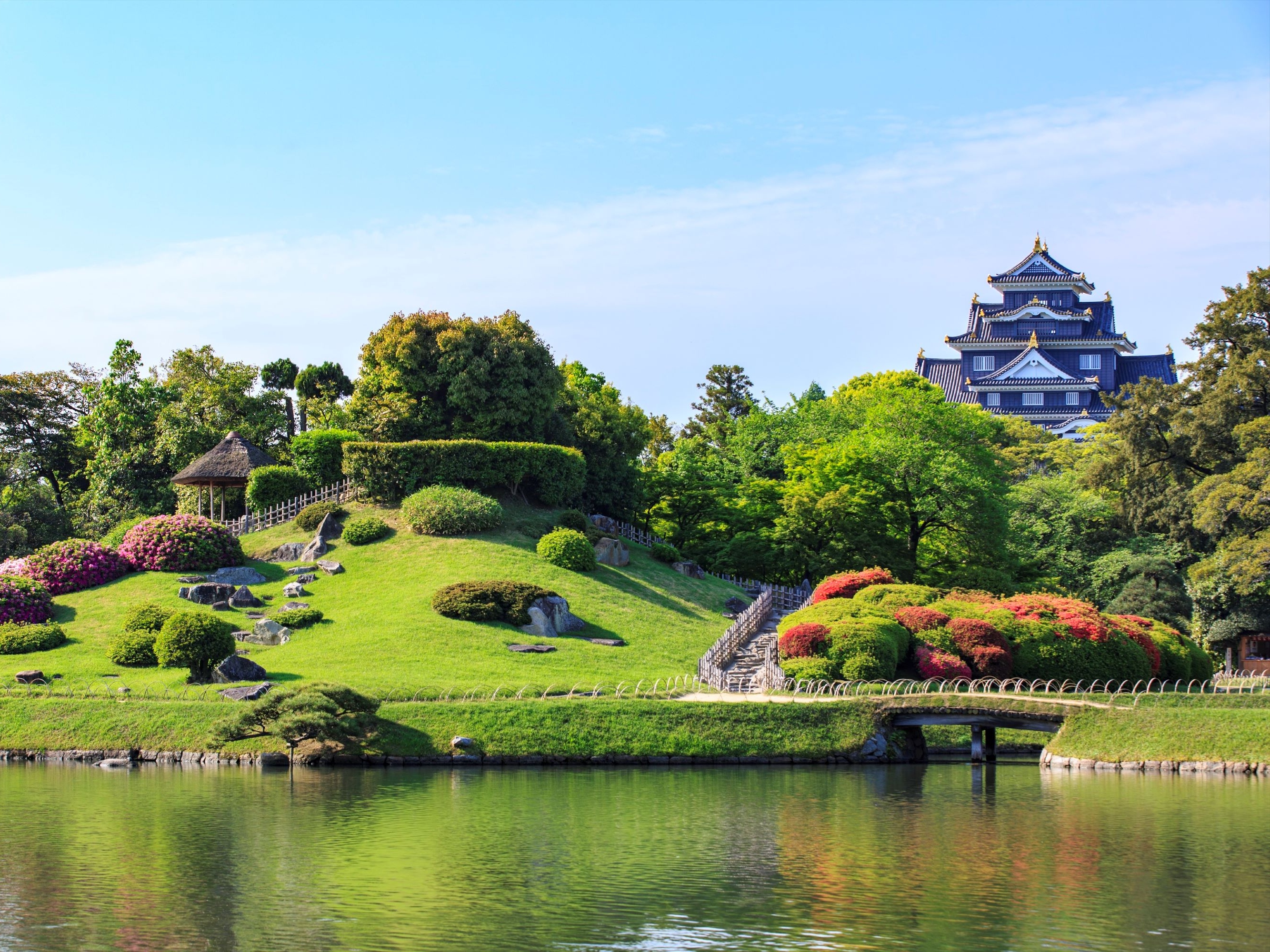
Okayama Castle is a stunning and well-preserved castle located in nearby Okayama City, featuring a beautiful black exterior, a five-story main keep, and a surrounding park with cherry blossom trees.
Kurashiki's neighboring islands
Varies by island, typically 30-60 minutes by ferry • Full-day
Kurashiki is located near several beautiful and scenic islands, offering a variety of outdoor activities, beaches, and relaxation opportunities.
Festivals
Kurashiki Arimatsu Festival • Annually in October
Kurashiki Bikan Historical Quarter Illuminations • Annually from late November to early March
Pro tips
- Visit the Bikan Historical Quarter in the evening, when the lanterns are lit, for a magical and romantic atmosphere
- Try local specialties, such as Kurashiki yakitori, Kurashiki ramen, and Kurashiki sushi, for an authentic and delicious culinary experience
- Explore the city's unique and charming neighborhoods, such as the Bikan Historical Quarter, Central Kurashiki, and Kojima, for a more in-depth and immersive experience
- Use an IC card, such as ICOCA, for easy and convenient payments on public transportation, as well as discounts and special offers
- Visit the Ohara Museum of Art to see a collection of Japanese and Western art, including works by famous artists such as Monet, Renoir, and Van Gogh
From $25
per person
Price varies by option
Secure booking
Free cancellation available
Instant confirmation