Atami Full-Day Private Tour with Government-Licensed Guide
Active
6h
For a full refund, cancel at least 24 hours before the scheduled departure time.
Manual confirmation
Mobile or paper ticket accepted
About this experience
This is the ideal pick for time-tight travelers wanting to discover lots of Atami highlights in a day. A coastal town long famed for its many hot springs, the town has recently reinvented itself as a destination for museum lovers, Japanese culture fans and ocean sports enthusiasts.
Atami located at the root of Izu Peninsula and facing Sagami Bay, is area with modern hotels, Japanese inns with historical backgrounds. In Atami, there are plenty of places where you can appreciate the arts and traditional cultural experiences, not only Onsen spots.
Your guide will fully support your Atami day trip. We assure you will spend plenty of time at one of the best-known hot spring havens, Atami.
Note*1: Please select your must-see spots from a list in the tour information to create your customized itinerary.
Note*2: The National Government Licensed Guide Interpreter certification is issued by the Japanese government requires a good knowledge and understanding of Japanese culture and history.
Available options
Atami Full-Day Private Tour with Government-Licensed Guide
Pickup included
What's included
Licensed Local Guide
Customizable Tour of your choice of 3-4 sites from 'What to expect' list
Detailed itinerary
1
It is said that the famous Atami Umezono Plum Park is where you can see the earliest plum blossoms in Japan. Every year, the first plum flowers bloom in late November to early December. The park has 59 varieties and 472 plum trees that blossom in full glory, including ancient trees that are over a century old. Every year, from January to March, there is a Plum Festival, and foot baths and souvenir shops open in the park during this time. Depending on the day, the festival has events like free amazake tastings, and is busy with people.
2
Also known as Kinomiya Daimyojin, Kinomiya Shrine has long been believed to be the home of the guardian deity of Atami. Next to the main hall, the Ogusu sacred tree, a designated National Natural Monument, is also known as a power spot. The tree has lived for more than two millennia, and its trunk is 24 meters thick. At night the shrine is lit up, and you can enjoy its changing expressions at different hours of the day.
3
MOA Art Museum has a collection of around 3,500 items, including national treasures and important cultural properties, primarily of Eastern paintings, writings, and handicrafts. Situated on an elevated part of Atami, another of its charms is the way that you can get a view of the ocean, Izu-Oshima and Hatsushima, as well as other seasonal features: cherry blossoms and azaleas in spring, the bright green leaves in early summer, the foliage in autumn, and more.
4
At the Akao Herb and Rose Garden, you can admire roses and herbs that have been collected from all over the world. The garden interior is dotted with 12 miniature gardens, and guests will take a dedicated shuttle bus that comes with a guide.
The unspoiled natural settings and gorgeous scenery will spoil your senses. Of course, you can see the flowers, and the garden also has shopping, dining, and cosmetics that use herbs and roses. You can enjoy the cherry blossoms from February to April.
5
Atami Castle is a scenic spot in Atami. Though it’s called a castle, it is not a historic building; it is an amusement facility where guests can learn about the culture and history of the Edo and Sengoku periods. From the main tower and the foot bath-equipped balcony on the first floor, you can get an unbroken view of the Atami townscape.
6
Kiunkaku was built as a villa in 1919. After being the possession of three wealthy individuals, it was remade as a traditional inn in 1947 and has been beloved even by writers as a representative Japanese space.
Now owned by the city of Atami, many visitors come to see it every year. At its center is a Japanese garden in the chisen kaiyu style, where visitors can walk around the central pond as they enjoy the view.
7
A historic shrine even visited by Ieyasu Tokugawa, Izusan Shrine is also the birthplace of the famous name of Izu. Said to be where Minamoto no Yoritomo and Masako Hojo bonded, it is famous as a shrine for making connections. Located 170 meters above sea level, you can see the entirety of Sagami Bay from here.
8
Fifteen minutes away from Atami Station on foot, many people come Atami Sun Beach in summer to enjoy its resort vibe and to go swimming. It is lit up at night, making for a wondrous atmosphere.
9
Atami Onsen is said to have been used since the Nara Period (710 - 794), and therefore has a rich history. In the Edo Period (1603 - 1868), the first shogun, Ieyasu Tokugawa, paid a visit here and is said to have loved it so much that he had the onsen brought to Edo (now Tokyo).
10
In front of Atami Station, the two shopping districts are Nakamise shopping arcade and Heiwa shopping arcade, as well as long-established shops founded in the 60s and 70s.
Unlike shopping malls, many smaller shops are gathered for a very unique Japanese shopping experience. Restaurants, cafes, sushi shops and dried food stores and of course souvenirs from Izu Peninsula can be found. Why not take a stroll and munch on some hot spring buns? Start and end your journey by shopping here.
11
Geigi are professional artists who liven up events with traditional arts like Japanese dancing and shamisen (musical instrument). Atami is one of the best geigi districts in the nation. After the Imperial Villa was built in Atami in 1888, Atami developed quite rapidly. Venture entrepreneurs, traders, railway kings and more came from Tokyo by ships and built villas in Atami. The geigi culture was rooted in Atami where they entertained one and all. On the weekends at Atami’s Geigi Kenban you can see dancing of the “Hana-no-mai” done by professionals that generally people don’t have the opportunity to see easily. Tea and sweets are provided so you can enjoy a bit of a café break. The Geigi wear decorations to mark the four seasons, so pay careful attention as they add to the story through dance. After seeing the Geigi dance, you can chat with them and take commemorative photos. Come and enjoy the traditional culture and hospitality of Atami.
12
Once the heart of Atami, many tourists crowded the streets of Ginza Atami. At the entrance of the intersection to the shopping arcade is the Atami Chamber of Commerce building, which was originally a bank until 1975. The dignified retro building still has the flavour of days past. Additionally, at the entrance of uptown remains a long-established confectionery shop from the Atami Fire of 1950. The building remains the same as it was when it was built in 1947 and continues to do business.
13
Ajiro has prospered as a port city and today is a well-known hot spring resort, still retaining a popular charm that exudes tranquillity and peacefulness. Easily accessible by bus, just 30 minutes from Atami Station or alternatively just three stops away on a local train, one is greeted with a nostalgic Japanese scene of previous times, where rows of dried fish adorn alleyway shops. Such daily goods are the staple groceries for many local folk who desire foods naturally yet exquisitely salted by the ocean, in a way unique to Ajiro, also prized by visitors who travel specially to purchase them. Slightly different in taste to central Atami, this local gourmet cuisine, the stunning ocean scenery and the ability to soak in hot springs are indeed the very drawcards of Ajiro.
What's not included
Other personal expenses
Lunch - Lunch (for yourself)
Entrance fee (for yourself)
Private transportation
Available languages
Guide guide
JA
EN
Important information
Specialized infant seats are available
Service animals allowed
Public transportation options are available nearby
Infants and small children can ride in a pram or stroller
All areas and surfaces are wheelchair accessible
Transportation options are wheelchair accessible
Suitable for all physical fitness levels
Wheelchair accessible
About Shizuoka Prefecture
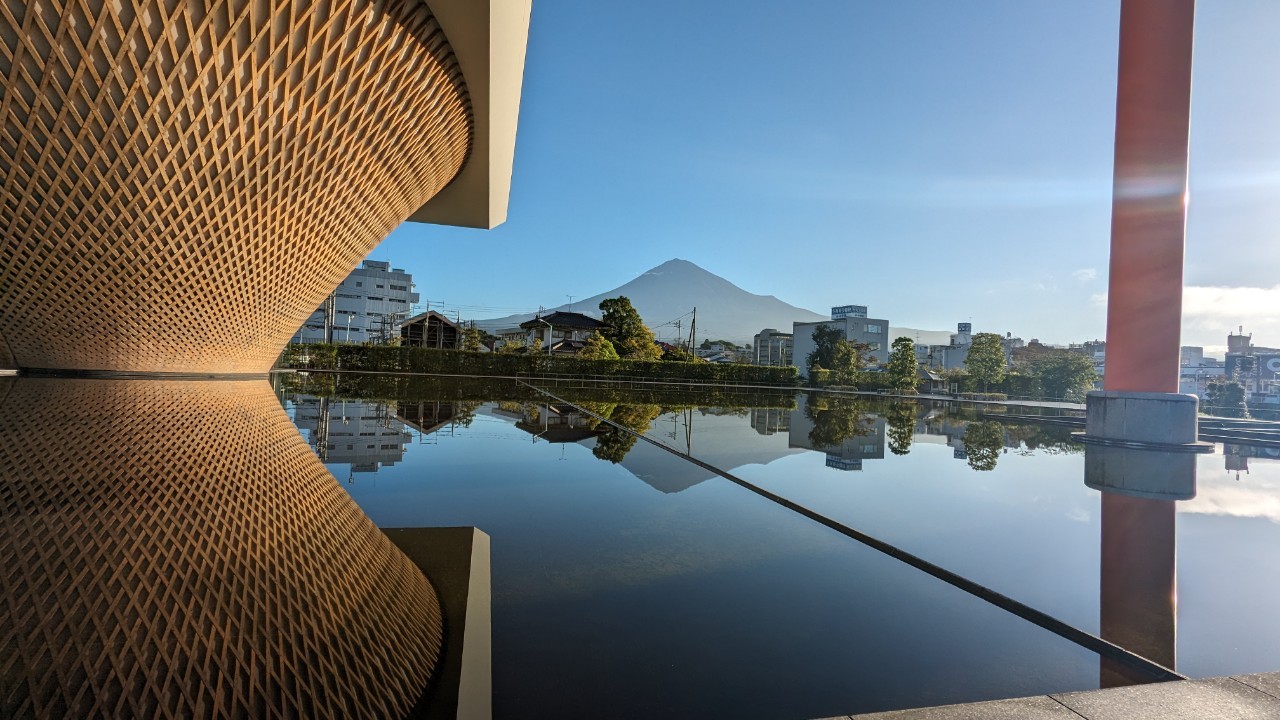
Shizuoka Prefecture is a picturesque region in the Chubu area of Japan, known for its stunning natural landscapes, including Mount Fuji, lush tea plantations, and the Pacific coastline. It's a destination that offers a blend of outdoor adventures, cultural experiences, and culinary delights, making it unique and appealing to a wide range of travelers.
Top Attractions
Mount Fuji
Iconic and majestic, Mount Fuji is Japan's highest peak and a UNESCO World Heritage Site. It's a symbol of Japan and a must-see for any visitor.
Nature
Full day for hiking, shorter for sightseeing
Free to view, permits required for climbing in season
Shizuoka Sengen Shrine
A historic Shinto shrine dedicated to the goddess of Mount Fuji, offering a serene and cultural experience.
Religious
1-2 hours
Free
Nihondaira Plateau
A scenic plateau offering breathtaking views of Mount Fuji and the surrounding area, perfect for hiking and picnicking.
Nature
Half day to full day
Free
Must-Try Local Dishes
Houtou
A hearty noodle soup made with flat udon noodles, vegetables, and miso or miso-based broth. It's a local specialty of the Yamanashi and Shizuoka regions.
Dinner
Vegetarian options available, but traditionally contains fish or meat broth.
Unagi (Freshwater Eel)
Grilled eel glazed with a sweet soy-based sauce, served over rice. Shizuoka is known for its high-quality unagi.
Lunch/Dinner
Not suitable for vegetarians or vegans.
Wasabi
Shizuoka is one of the few places in Japan where wasabi is grown. It's a spicy green condiment often served with sushi or sashimi.
Condiment
Vegan and vegetarian-friendly.
Popular Activities
Hiking Mount Fuji
Scuba diving in the Izu Peninsula
Paragliding in Shizuoka City
Onsen (hot spring) visits
Tea ceremony experiences
Beachcombing in Numazu
Visiting Shizuoka Sengen Shrine
Exploring Hamamatsu Castle
Best Time to Visit
April to May, September to November
These months offer pleasant weather, ideal for outdoor activities and sightseeing. Spring brings cherry blossoms, while autumn offers beautiful fall foliage.
15°C to 25°C
59°F to 77°F
Practical Information
Language
- Official: Japanese
- Widely spoken: English (limited)
- English: Limited
Currency
Japanese Yen (JPY)
Time Zone
GMT+9
Electricity
100VV, 50/60HzHz
Safety Information
Overall Safety Rating: Very safe
Shizuoka is a very safe destination for travelers, with low crime rates and a welcoming atmosphere. However, as with any destination, it's important to stay aware of your surroundings and take precautions to ensure a safe and enjoyable trip.
Important Precautions:
- • Keep valuables secure and out of sight
- • Be cautious of strangers offering unsolicited help or services
- • Use reputable taxi companies and avoid unlicensed cabs
Getting there
By air
- Shizuoka Airport • 15 km from central Shizuoka City
By train
Shizuoka Station
By bus
Shizuoka Chuo Bus Terminal
Getting around
Public transport
Efficient and punctual, the train network is the best way to get around Shizuoka and to nearby cities.
Taxis
Available • Apps: JapanTaxi, DiDi
Rentals
Car, Bike, Scooter
Neighborhoods
Shizuoka City
Numazu
Day trips
Izu Peninsula
100 km from Shizuoka City • Full day
The Izu Peninsula offers stunning coastal scenery, hot springs, and beautiful beaches. It's a perfect getaway for nature lovers and those seeking relaxation.
Hamamatsu
60 km from Shizuoka City • Half day to full day
Hamamatsu is a city rich in history and culture, known for its samurai heritage, castles, and museums. It's a great destination for history buffs and culture enthusiasts.
Festivals
Fuji Shibazakura Festival • April to June
Shizuoka City Summer Festival • July to August
Pro tips
- Visit the Shizuoka Prefectural Tea Museum to learn about the region's famous green tea and sample different varieties
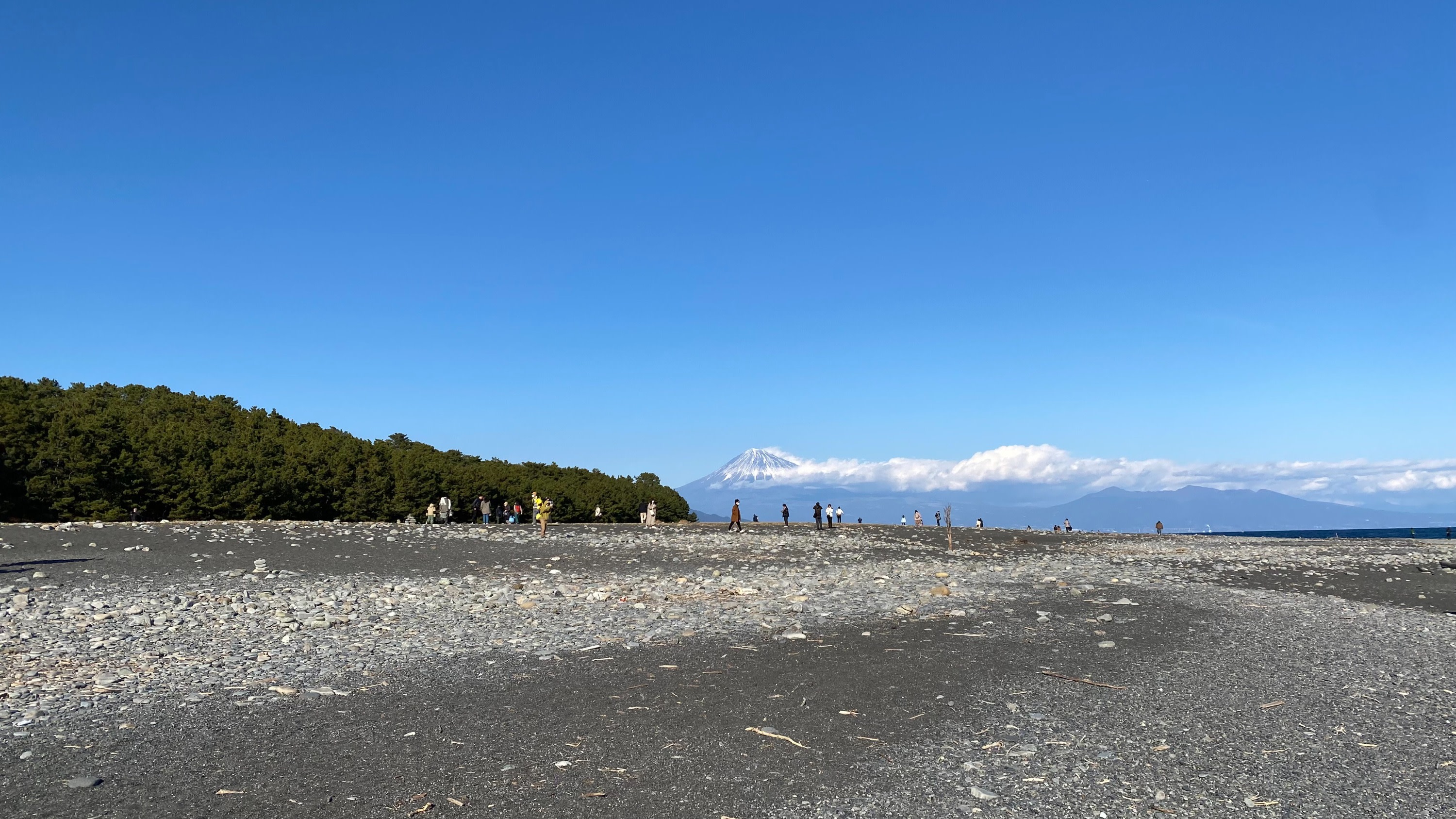
- Explore the Miho no Matsubara, a scenic pine tree-lined beach with stunning views of Mount Fuji
- Try houtou, a local specialty dish made with flat udon noodles, vegetables, and miso or miso-based broth
- Take a day trip to the Izu Peninsula for stunning coastal scenery, hot springs, and beautiful beaches
- Visit the Shizuoka Sengen Shrine, a historic Shinto shrine dedicated to the goddess of Mount Fuji
From $25
per person
Price varies by option
Secure booking
Free cancellation available