Golden Triangle tour with Royal Rajasthan 8 Days
Active
4d
For a full refund, cancel at least 24 hours before the scheduled departure time.
Instant confirmation
Mobile or paper ticket accepted
About this experience
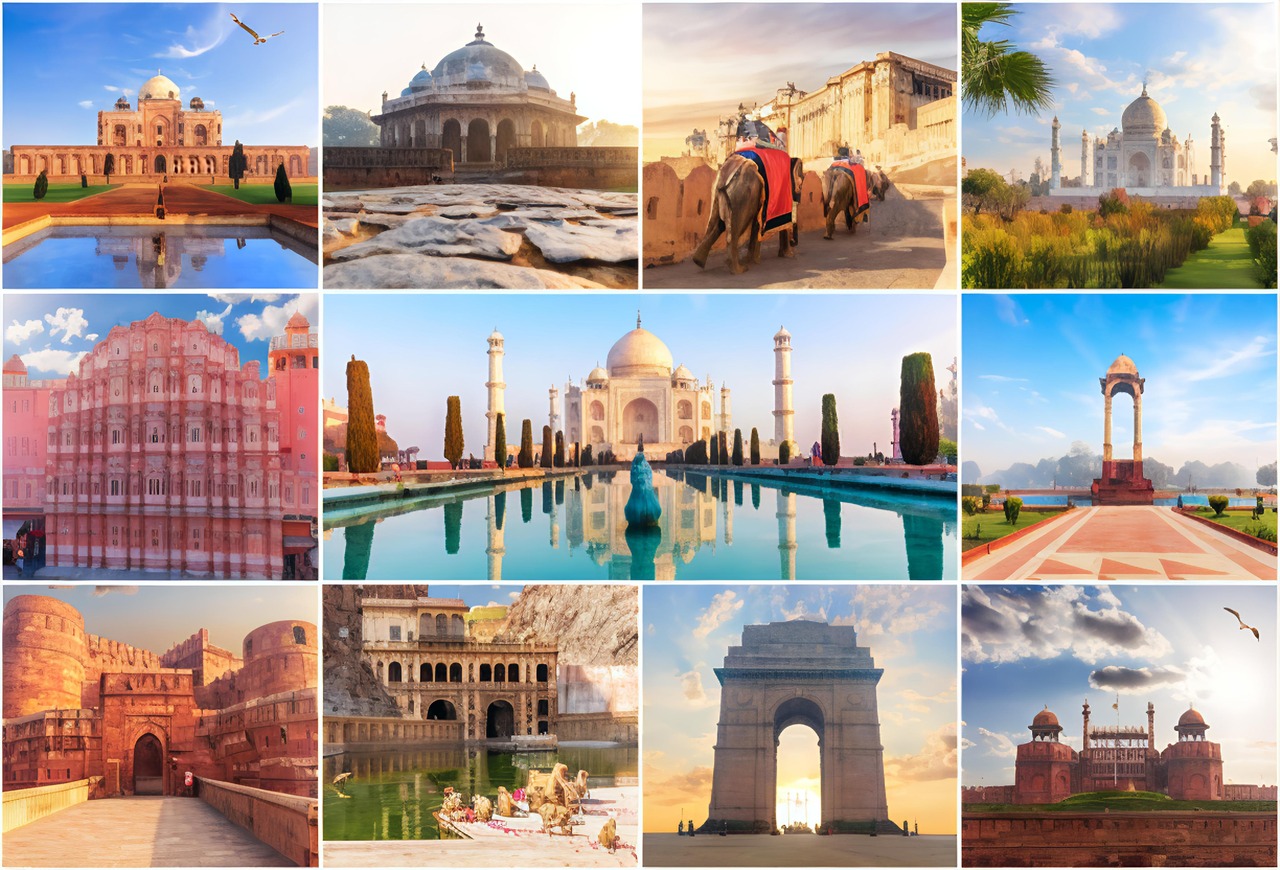
Discover the best of India’s rich heritage and royal legacy on this private 8-day Golden Triangle with Royal Rajasthan tour. Starting from Delhi, explore the iconic landmarks of the capital before heading to Agra to witness the timeless beauty of the Taj Mahal. Journey through the regal cities of Jaipur, Jodhpur, and Udaipur — each offering a unique blend of palaces, forts, and vibrant culture. Enjoy personalized service with a private guide and vehicle, comfortable accommodations, and scenic drives through India’s historic heartland. This tour is perfect for travelers seeking a deep dive into India's architectural grandeur and royal past, with a convenient return to Delhi for departure.
Available options
Guide and Car Only
Car with Driver + Guide. Only entrance fees and breakfast are not included.
Pickup included<br/>Pickup included
Car+Guide Only
Include: Air Conditioned Car + Guide + All Toll Taxes & Parking <br/>Exclude : Monument Entrance Fees + Meals + Drinks are not included<br/>Pickup included
Car +Guide+ Entry Fee + Lunch
Car with Driver + Guide + Entrance fees + Breakfast at 5 Star Hotel.
Pickup included<br/>Pickup included
What's included
Hotel pickup and drop-off
Professional guide
Bottled water
Detailed itinerary
1
Stop 1
Day 1, Sightseeing in Delhi, Later ( Drive to Agra ). 4 hours . Overnight Stay at Hotel
2
Qutub Minar is the tallest brick minaret in the world, standing at 73 meters, and a UNESCO World Heritage Site. Built in the early 13th century by Qutb-ud-din Aibak and later completed by his successors, it is a stunning example of Indo-Islamic architecture. The intricately carved sandstone tower is surrounded by ancient ruins, including the Quwwat-ul-Islam Mosque and the mysterious Iron Pillar.
3
Stop 3
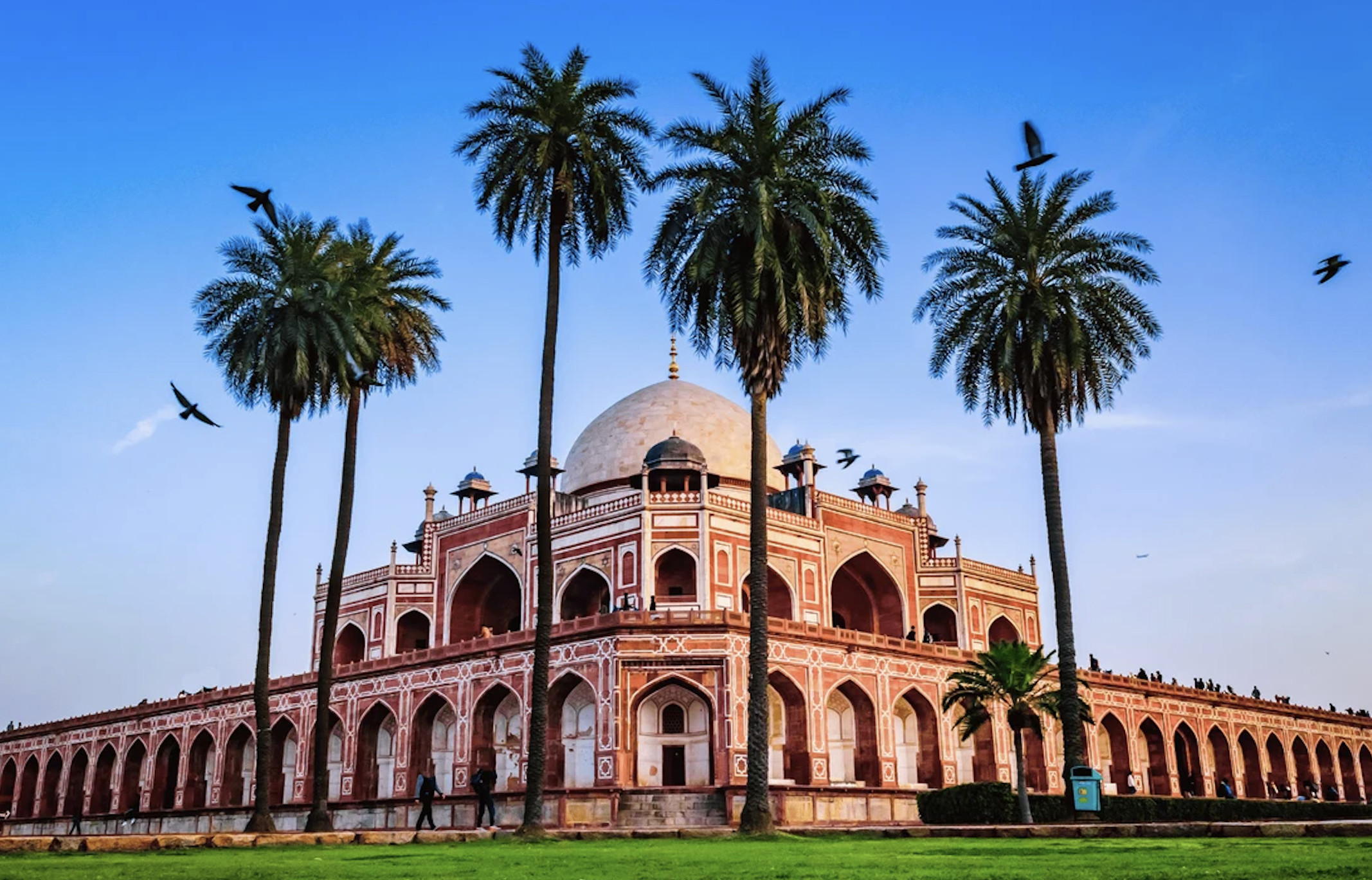
Humayun's Tomb is a magnificent 16th-century mausoleum built by Empress Bega Begum for her husband, Emperor Humayun. Located in Delhi, this UNESCO World Heritage Site is considered the first garden tomb of the Indian subcontinent. Its Persian-style architecture, red sandstone facade, and symmetrical gardens inspired the design of later Mughal monuments — including the Taj Mahal.
4
Stop 4
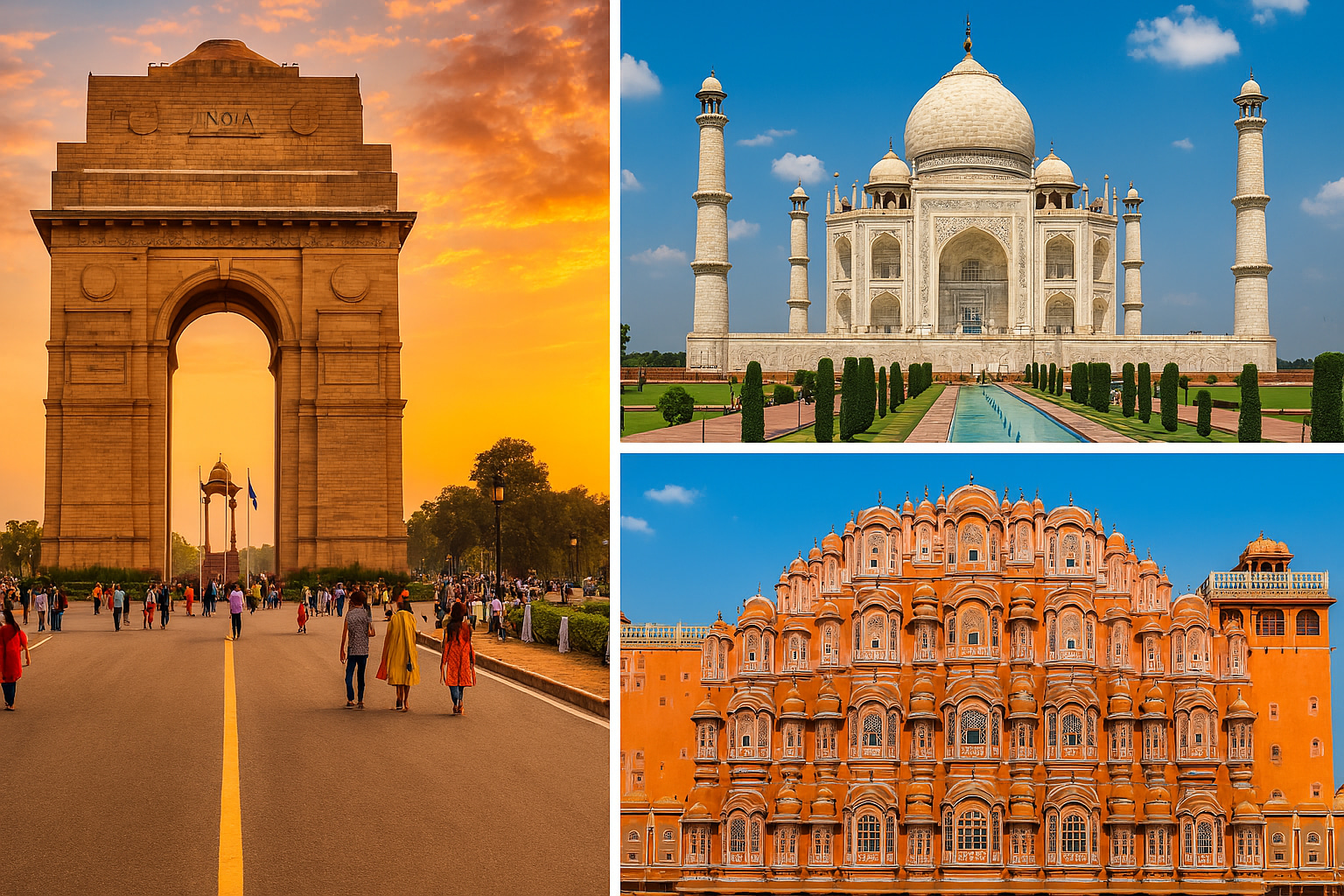
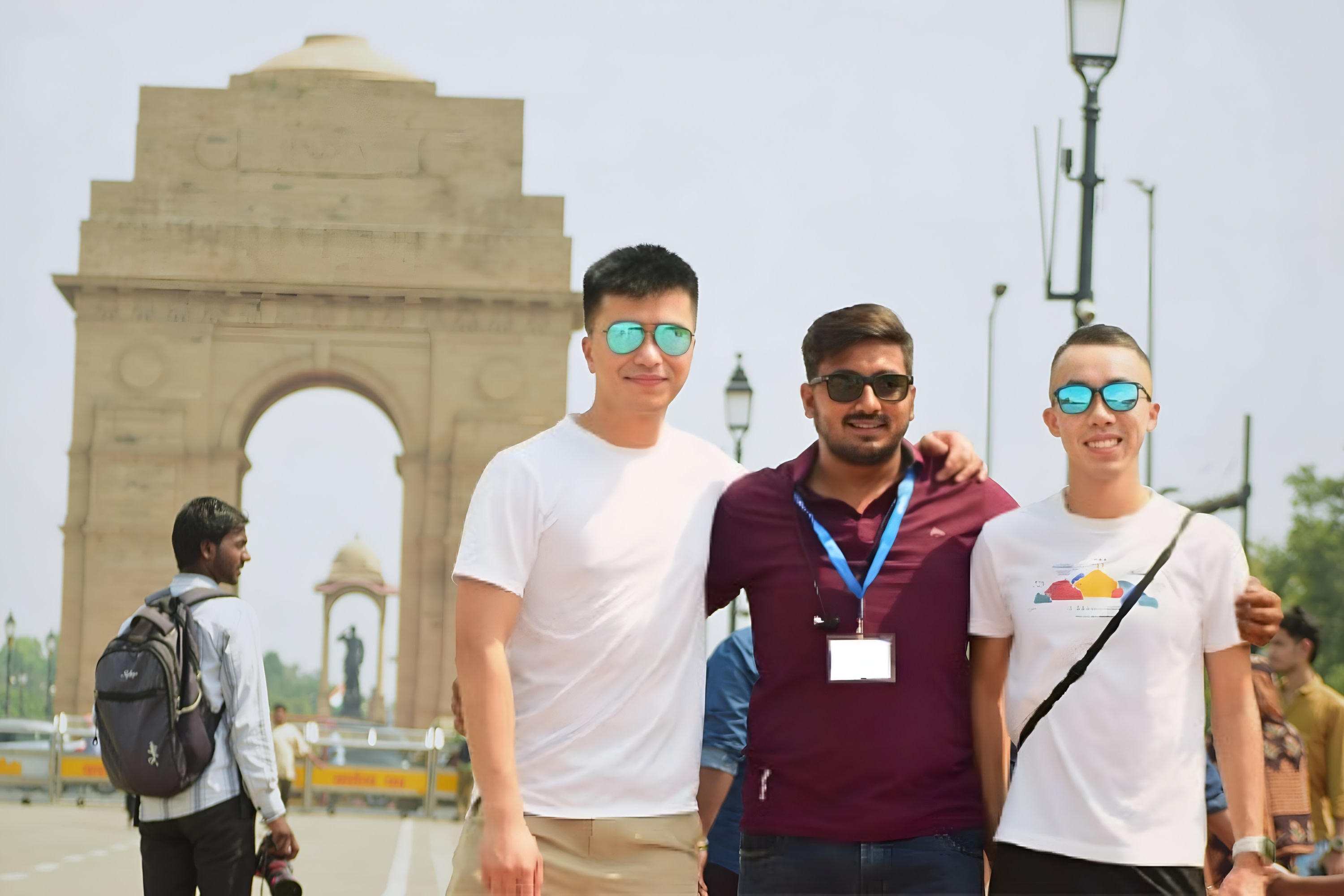
India Gate is a prominent war memorial located in the heart of New Delhi. Built in 1931, it honors the 70,000 Indian soldiers who lost their lives during World War I. Designed by Sir Edwin Lutyens, this 42-meter-high arch stands proudly along the Rajpath. The eternal flame, Amar Jawan Jyoti, beneath the arch burns in memory of unknown soldiers and symbolizes India’s respect for its fallen heroes.
5
Stop 5
Jama Masjid in Delhi is one of the largest and most impressive mosques in India. Built by Mughal Emperor Shah Jahan between 1650 and 1656, this grand structure features red sandstone and white marble, with three massive domes and two towering minarets. The mosque can hold over 25,000 worshippers in its vast courtyard and offers panoramic views of Old Delhi from its southern minaret.
6
Stop 6
The Parliament House of India, also known as Sansad Bhavan, is an iconic circular building in New Delhi where the Lok Sabha and Rajya Sabha sessions are held. Designed by British architects Sir Edwin Lutyens and Sir Herbert Baker, it was completed in 1927. The structure is a symbol of India's democratic foundation and is surrounded by beautiful gardens, making it a striking landmark near Raisina Hill.
7
Stop 7
The Red Fort, or Lal Qila, is a majestic 17th-century Mughal fortress located in Old Delhi. Built by Emperor Shah Jahan in 1648, this UNESCO World Heritage Site is made of stunning red sandstone and served as the main residence of the Mughal emperors for nearly 200 years. With its massive walls, elegant palaces, and beautiful gardens, the fort stands as a powerful symbol of India’s rich history and independence — famously, it’s where the Prime Minister hoists the national flag on every Independence Day.( DRIVE PASS )
8
Agrasen ki Baoli is a 14th-century stepwell hidden in the heart of New Delhi, near Connaught Place. This historic structure features 103 stone steps descending into a now-dry well, with symmetrical arches lining its walls. Believed to have been originally built by the legendary king Agrasen and later rebuilt during the Tughlaq or Lodi period, the baoli is known for its haunting silence, unique architecture, and cultural significance. It’s a peaceful yet mysterious escape from the city's hustle.
9
Stop 9
Raj Ghat is a serene memorial dedicated to Mahatma Gandhi, located on the banks of the Yamuna River in Delhi. It marks the spot where Gandhiji was cremated on January 31, 1948. The black marble platform, set in a peaceful garden, bears his last words — "Hey Ram". Visitors from around the world come here to pay tribute to the Father of the Nation in a space that reflects simplicity, peace, and deep respect.
10
Stop 10
Akshardham Temple in Delhi is a spectacular example of modern Indian architecture and spiritual heritage. Opened in 2005, this sprawling complex showcases intricate carvings, beautiful gardens, and captivating exhibitions about Indian culture and history. The temple, dedicated to Bhagwan Swaminarayan, also features a stunning musical fountain show and a boat ride that brings ancient India’s stories to life.
11
Stop 11
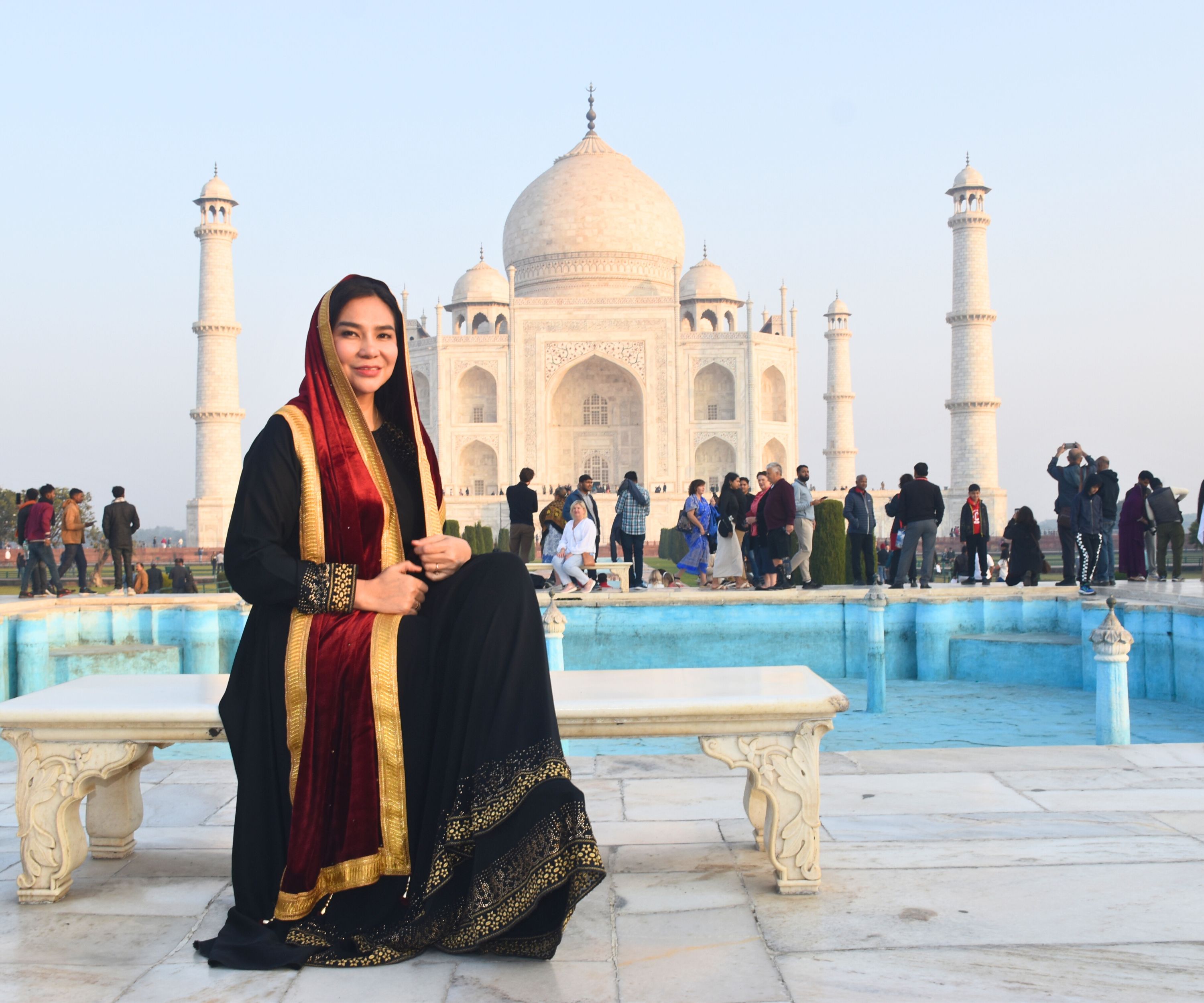
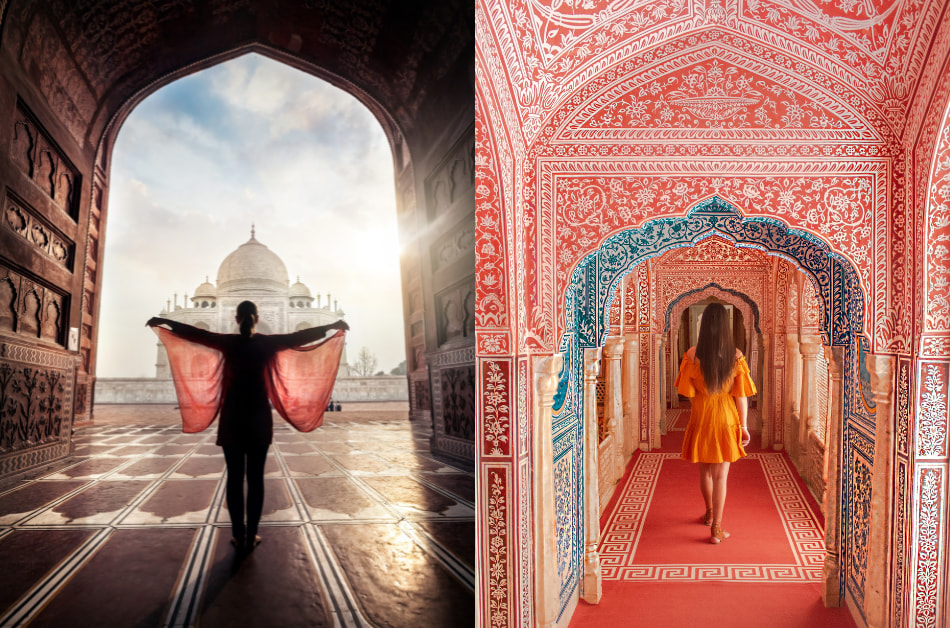
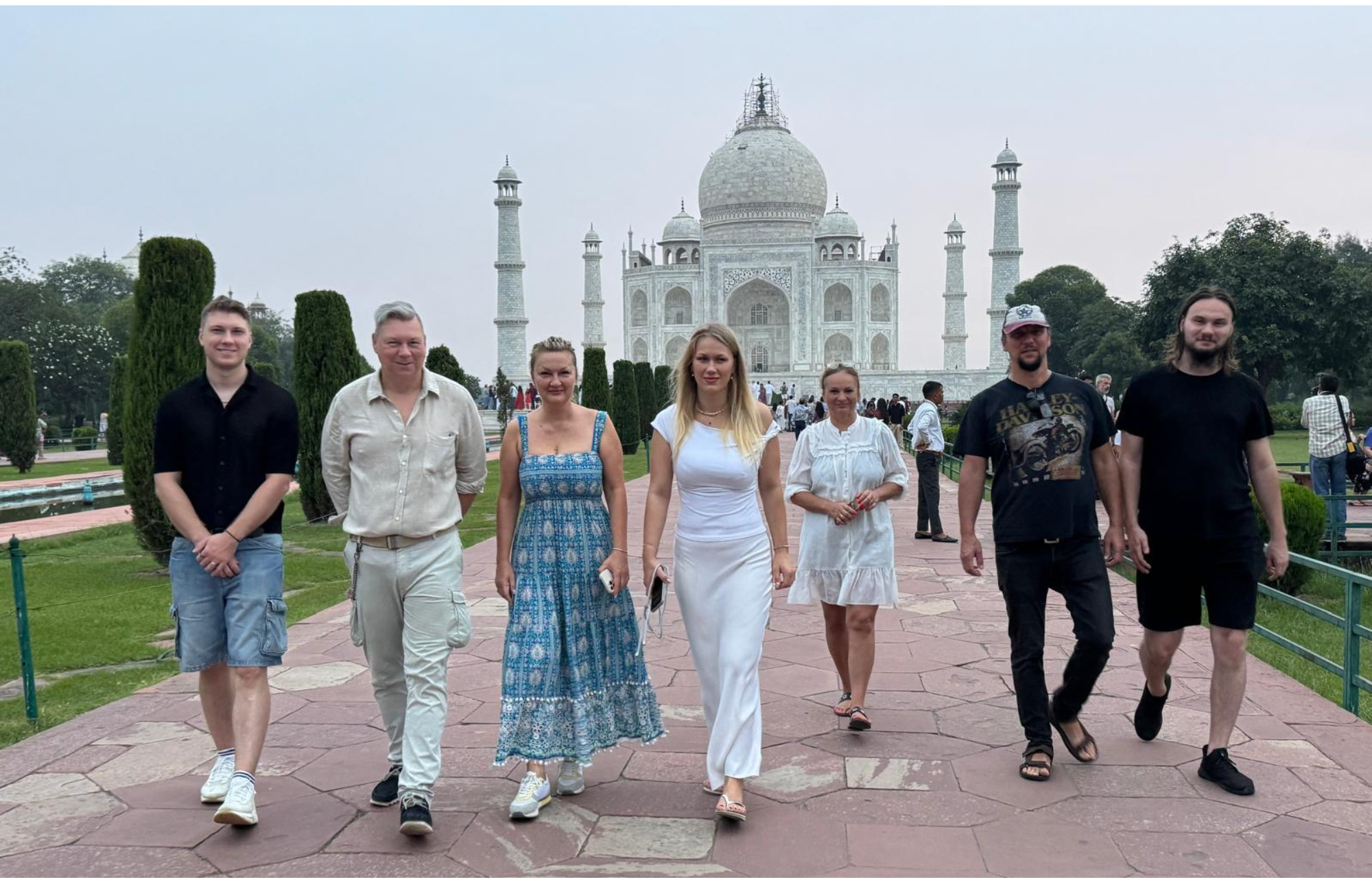
Watching the sunrise at the Taj Mahal is a magical experience. As the first golden rays gently illuminate the white marble monument, the Taj seems to glow with an ethereal beauty. The soft morning light enhances the intricate details of this symbol of eternal love, creating a peaceful and unforgettable moment for every visitor.
12
Stop 12
Agra Fort is a massive 16th-century fortress built by Emperor Akbar, located near the Taj Mahal. This UNESCO World Heritage Site served as the main residence of the Mughal emperors and showcases a blend of Islamic and Hindu architectural styles. Inside its imposing red sandstone walls, you’ll find beautiful palaces, mosques, and audience halls that tell stories of India’s rich royal past.
13
Fatehpur Sikri is a stunning 16th-century fortified city built by Emperor Akbar near Agra. Known for its well-preserved palaces, mosques, and courtyards, it served as the Mughal empire’s capital for a brief period. The architectural marvels, including the Buland Darwaza and Jama Masjid, beautifully blend Persian, Indian, and Islamic styles, making Fatehpur Sikri a must-visit UNESCO World Heritage Site.
14
Abhaneri Baoli, also known as Harshat Mata Stepwell, is a beautiful ancient stepwell located near Jaipur. Built in the 8th century, it features stunning geometric steps and intricate carvings that showcase the architectural brilliance of that era. This stepwell was designed not only as a water reservoir but also as a cool retreat during hot summers, reflecting the ingenuity of ancient Indian engineering. ( OPTIONAL ). Overnight Stay at Hotel
15
Stop 15
City Palace, Jaipur is a magnificent royal complex located in the heart of the Pink City. Built in the 18th century by Maharaja Sawai Jai Singh II, it blends Rajput, Mughal, and European architectural styles. The palace houses museums showcasing royal costumes, weapons, and artworks, along with beautiful courtyards, gardens, and ornate halls, offering a glimpse into Jaipur’s royal heritage.
16
Stop 16
Jantar Mantar, Jaipur is an 18th-century astronomical observatory built by Maharaja Sawai Jai Singh II. It houses the world’s largest stone sundial and a collection of unique architectural instruments designed to measure time, predict eclipses, and track celestial bodies with remarkable accuracy. This UNESCO World Heritage Site is a fascinating blend of science and architecture.
17
Stop 17
Hawa Mahal, also known as the "Palace of Winds," is a stunning five-story pink sandstone façade in Jaipur. Built in 1799 by Maharaja Sawai Pratap Singh, it features 953 small windows (jharokhas) designed to allow royal ladies to observe street life without being seen. Its unique honeycomb structure also keeps the palace cool with natural air circulation.
18
Stop 18
Jal Mahal, meaning "Water Palace," is a beautiful palace situated in the middle of Man Sagar Lake in Jaipur. Built with red sandstone, this five-story architectural marvel appears to float on water, with four floors submerged when the lake is full. It offers a serene and picturesque view, especially during sunrise and sunset, making it a favorite spot for photographers.
19
Stop 19
Birla Temple, also known as Laxmi Narayan Temple, is a beautiful white marble temple located in Jaipur. Built by the Birla family, it blends traditional Indian architectural styles with modern design. The temple is dedicated to Lord Vishnu and Goddess Lakshmi and is known for its serene ambiance and intricate carvings.
20
Stop 20
Nahargarh Fort is a majestic hilltop fort overlooking Jaipur, built in 1734 by Maharaja Sawai Jai Singh II. It was originally constructed as a retreat and defense fort, offering panoramic views of the Pink City below. The fort’s blend of Rajput and European architectural styles, along with its peaceful surroundings, makes it a popular spot for sunset views and photography.
21
Stop 21
Mehrangarh Fort is one of the largest and most majestic forts in India, perched 400 feet above Jodhpur city. Built in the 15th century by Rao Jodha, this massive structure features imposing gates, intricately carved palaces, and stunning courtyards. The fort offers breathtaking panoramic views of the "Blue City" below and houses a museum showcasing royal artifacts, arms, costumes, and paintings from Rajasthan’s rich history.
22
Stop 22
Jaswant Thada is a beautiful white marble cenotaph located near Mehrangarh Fort in Jodhpur. Built in 1899 in memory of Maharaja Jaswant Singh II, it is often referred to as the "Taj Mahal of Marwar." The monument features delicate marble carvings, peaceful gardens, and a serene lake, making it a tranquil spot that reflects royal Rajput elegance and architectural grace.
23
Stop 23
Umaid Bhawan Palace is one of the world’s largest private residences, located in Jodhpur. Built between 1929 and 1943 by Maharaja Umaid Singh, this grand palace blends Indo-colonial and Art Deco styles. A part of the palace is now a luxury hotel, while another section houses a museum showcasing royal artifacts. Surrounded by lush gardens, it stands as a symbol of Jodhpur’s royal heritage and modern elegance.
24
Stop 24
City Palace, Udaipur is a grand architectural marvel overlooking Lake Pichola. Built over 400 years by several Maharanas of Mewar, it beautifully blends Rajasthani and Mughal styles. The palace complex features courtyards, balconies, towers, and stunning interiors with intricate mirror work and paintings. It also houses a museum showcasing royal artifacts, offering a regal glimpse into Udaipur’s glorious past.
25
Stop 25
Jagdish Temple is a historic Hindu temple located in the heart of Udaipur, near the City Palace. Built in 1651 by Maharana Jagat Singh, it is dedicated to Lord Vishnu and is a fine example of Indo-Aryan architecture. The temple features intricately carved pillars, beautifully sculpted ceilings, and a grand stone staircase, making it a spiritual and architectural gem of the city.
26
Saheliyon Ki Bari is a beautiful garden built in the 18th century by Maharana Sangram Singh for the royal ladies of the court. Located in Udaipur, this charming retreat features lush green lawns, marble pavilions, lotus pools, and elegant fountains. Designed as a place of leisure for the queen and her maids, the garden offers a peaceful escape with its Mughal-inspired layout and serene ambiance.
27
Stop 27
Monsoon Palace, also known as Sajjangarh Fort, is a hilltop palace overlooking Udaipur city, built by Maharana Sajjan Singh in the 19th century. Originally intended as an astronomical center, it later served as a monsoon retreat for the royal family. Perched atop the Aravalli Hills, the palace offers breathtaking panoramic views of Lake Pichola, the city, and surrounding countryside — especially stunning at sunset.
28
Lake Pichola is a serene and picturesque artificial lake in Udaipur, built in 1362 AD. Surrounded by hills, palaces, temples, and ghats, it is one of the most iconic attractions of the city. The lake is home to the famous Lake Palace (Jag Niwas) and Jag Mandir, which appear to float on its tranquil waters. A boat ride during sunset offers magical views of Udaipur’s royal charm.
What's not included
Food and Drinks
Any Persnal Expances
Gratuities
Available languages
Guide guide
DE
EN
IT
FR
ES
Important information
Infants and small children can ride in a pram or stroller
Infants are required to sit on an adult’s lap
Not recommended for travelers with spinal injuries
Not recommended for travelers with poor cardiovascular health
Suitable for all physical fitness levels
The Tour Can be customised to meet your preference - just let us know
please carry a valid photo ID for all visit
pickup is available from anywhere within delhi, noida, or agra please mention your exact pickup location while booking to help us arrange timely service
1-3 people:- Sedan
4-5 people:- SUV
6+ people:- Mini Van
About New Delhi
New Delhi, the capital of India, is a vibrant blend of ancient history and modern development. It offers a rich cultural experience with its historic monuments, bustling markets, and diverse cuisine. The city is a gateway to understanding India's past and present.
Top Attractions
Red Fort
A UNESCO World Heritage Site and a symbol of India's struggle for independence. Built by Emperor Shah Jahan in the 17th century.
Historical
2-3 hours
₹35 ($0.50) for Indians, ₹500 ($7) for foreigners
Qutub Minar
Another UNESCO World Heritage Site, this towering minaret is a fine example of early Indo-Islamic architecture.
Historical
1-2 hours
₹30 ($0.40) for Indians, ₹500 ($7) for foreigners
India Gate
A war memorial dedicated to the soldiers who died in World War I and the Afghan Wars. A popular evening spot for locals and tourists.
Historical
1 hour
Free
Humayun's Tomb
A UNESCO World Heritage Site and a precursor to the Taj Mahal. This beautiful Mughal garden tomb is a must-visit.
Historical
1-2 hours
₹30 ($0.40) for Indians, ₹500 ($7) for foreigners
Lotus Temple
A Baha'i House of Worship known for its flower-like shape. It is a symbol of peace and unity.
Religious
1 hour
Free
Must-Try Local Dishes
Butter Chicken
Creamy tomato-based curry with tender chicken pieces, originated in Delhi.
Dinner
Non-vegetarian
Chole Bhature
Spicy chickpea curry served with deep-fried bread.
Lunch
Vegetarian
Chaat
A variety of savory snacks like Pani Puri, Bhel Puri, and Aloo Tikki.
Snack
Vegetarian, some options vegan
Paratha
Stuffed flatbread cooked on a griddle, often served with yogurt or pickle.
Breakfast
Vegetarian, some options vegan
Popular Activities
River rafting in Rishikesh
Hot air ballooning in Jaipur
Trekking in the Aravalli Range
Spa treatments in luxury hotels
Yoga and meditation in Rishikesh
Strolls in Lutyens' Delhi
Attending a classical music or dance performance
Visiting art galleries and museums
Best Time to Visit
October to March
This is the most pleasant time to visit with cooler temperatures and various festivals. It's ideal for sightseeing and outdoor activities.
15°C to 35°C
59°F to 95°F
Practical Information
Language
- Official: Hindi, English
- Widely spoken: Punjabi, Urdu, Bhojpuri
- English: Widely spoken in urban areas
Currency
Indian Rupee (INR)
Time Zone
IST (GMT+5:30)
Electricity
230VV, 50HzHz
Safety Information
Overall Safety Rating: Exercise caution
New Delhi is generally safe for tourists, but petty crimes like pickpocketing and scams can occur. Be cautious, especially in crowded areas.
Important Precautions:
- • Use trusted transport options
- • Avoid walking alone at night
- • Be cautious of strangers offering help
Getting there
By air
- Indira Gandhi International Airport • 16 km from city center
By train
New Delhi Railway Station, Old Delhi Railway Station
By bus
Inter-State Bus Terminal (ISBT), Dhaula Kuan Bus Stand
Getting around
Public transport
Clean, efficient, and air-conditioned. Connects major attractions and neighborhoods.
Taxis
Available • Apps: Ola, Uber
Rentals
Car, Bike, Scooter
Neighborhoods
Connaught Place
Old Delhi
Lutyens' Delhi
Hauz Khas
Day trips
Agra
233 km from Delhi • Full day
Home to the iconic Taj Mahal, Agra is a must-visit for history and architecture lovers.
Jaipur
268 km from Delhi • Full day or overnight
The Pink City is known for its palaces, forts, and vibrant culture.
Rishikesh
240 km from Delhi • Full day or overnight
A spiritual and adventure hub, Rishikesh is famous for yoga, meditation, and river rafting.
Festivals
Diwali • October-November (dates vary)
Holi • March (dates vary)
Republic Day • January 26
Pro tips
- Use the Delhi Metro for efficient and affordable travel around the city.
- Try street food from busy stalls to ensure freshness and hygiene.
- Bargain politely in markets, but be prepared to pay a fair price.
- Carry small denominations for shopping and street food.
- Respect local customs and traditions, especially when visiting religious sites.
From $25
per person
Price varies by option
Secure booking
Free cancellation available
Instant confirmation