Old & New Delhi City Tour- Full Day or Half Day(Best of Delhi)
Active
12h
For a full refund, cancel at least 24 hours before the scheduled departure time.
Instant confirmation
Mobile or paper ticket accepted
About this experience
Experience the rich heritage and vibrant culture of India’s capital with this 8-hour private city tour of Old and New Delhi. Begin your journey in the historic heart of Old Delhi with a visit to Jama Masjid, followed by a rickshaw ride through the bustling lanes of Chandni Chowk, where you’ll explore traditional markets and taste authentic street food. Discover the grandeur of the Red Fort and pay homage at Raj Ghat, the memorial of Mahatma Gandhi. Later, transition to the wide boulevards and colonial charm of New Delhi, visiting iconic landmarks such as India Gate, Rashtrapati Bhavan (President’s House), Humayun’s Tomb, Lotus Temple, and the towering Qutub Minar. This tour includes a private air-conditioned vehicle, a knowledgeable guide, and flexible timing, offering a comfortable and personalized way to explore the best of both historic and modern Delhi in just one day.
Available options
Half Day Old Delhi Tour
Include: Air Conditioned Car + Guide + All Toll Taxes & Parking Fees <br/>Exclude: Monument Fees, Meals<br/>Pickup included
Old & New Delhi with Tickets
Included: Air Conditioned Car + Guide ( Approved by Ministry ) + Monument fees + All Taxes & Parking Fees.<br/>Excluded: Meal & Other gratuity.<br/>Pickup included
Guide Only
Included: In this Option : We provide you Only Guide ( Approved by Ministry Of Tourism)<br/>Excluded: Vehicle, Monument fees, Meals & Other gratuity.<br/>Pickup included
New & Old Delhi Without Ticket
Include: Air Conditioned Car + Guide + All Toll Taxes & Parking Fees<br/>Exclude: Monument fees, Meals<br/>Pickup included
Half Day New Delhi Tour
Include: Air Conditioned Car + Guide + All Toll Taxes & Parking Fees <br/>Exclude: Monument Fees, Meals<br/>Pickup included
What's included
Lunch
Mineral Bottled Water
All Monuments Tickets
All Parking and Taxes
Guide
Detailed itinerary
1
Stop 1
Pick up from anywhere in Delhi, Noida, Gurugram, Ghaziabad, or Faridabad. Choose any pick up time between 8 AM to 10 AM.
2
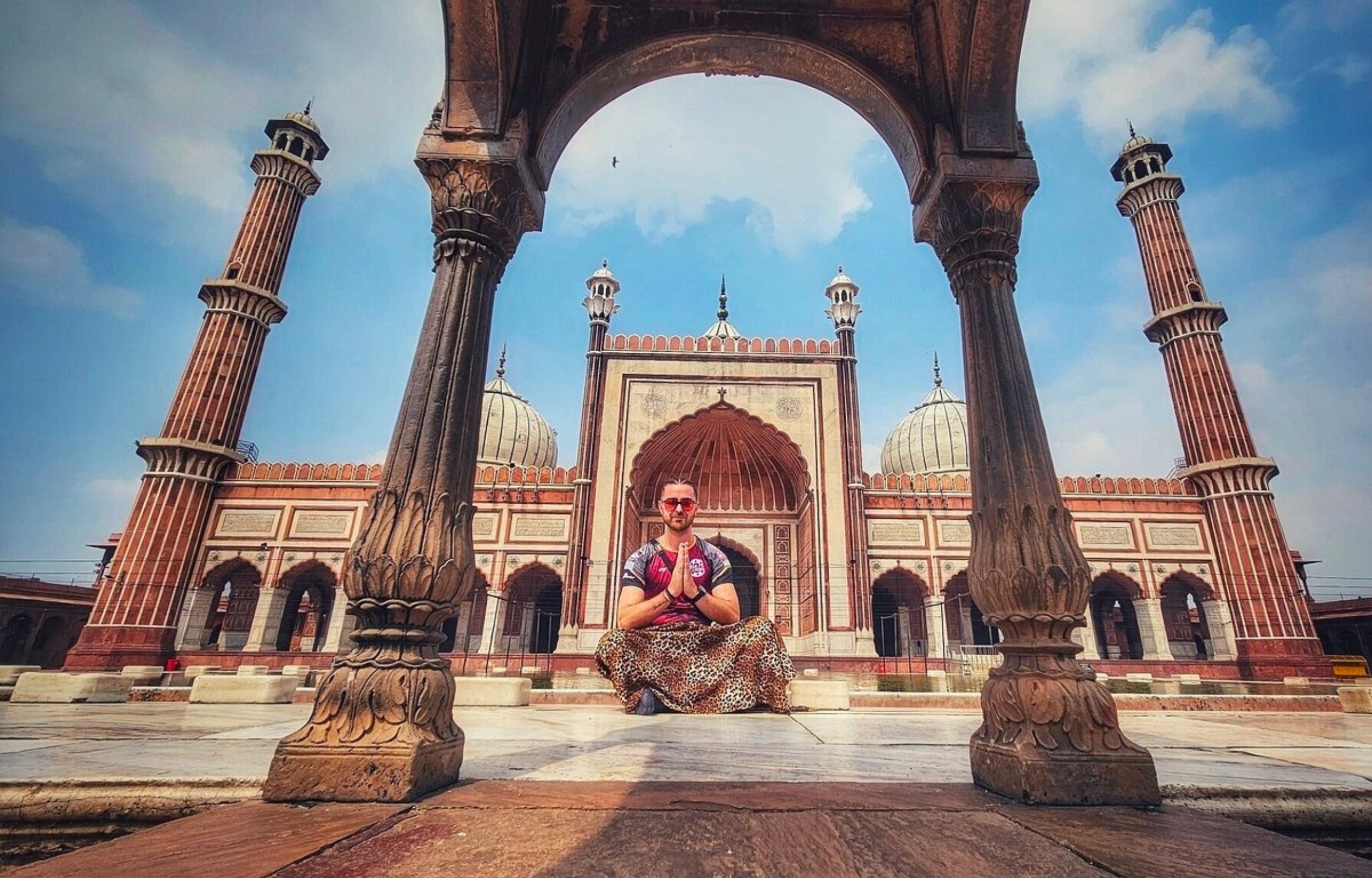
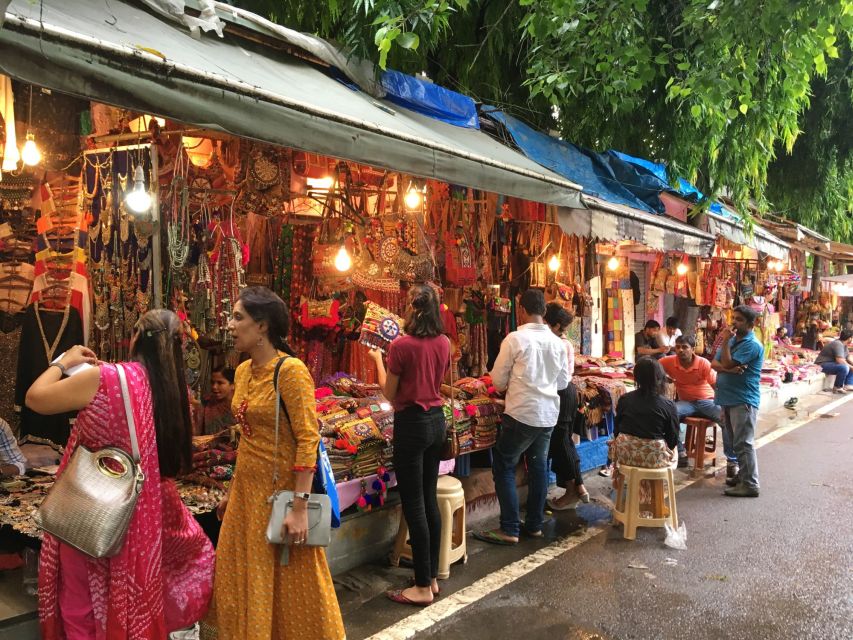
(9:00 AM). Jama Masjid, located in Old Delhi, is one of the largest and most impressive mosques in India. Built by Mughal Emperor Shah Jahan between 1650 and 1656, it can accommodate over 25,000 worshippers in its vast courtyard. The mosque features stunning Mughal architecture with red sandstone and white marble, and its towering minarets offer panoramic views of the old city. It remains an active place of worship and a symbol of Delhi’s rich Islamic heritage. Enjoy a thrilling rickshaw ride through the narrow, bustling lanes of Chandni Chowk — one of Delhi’s oldest and busiest markets. As you ride past centuries-old shops, colorful bazaars, and historic havelis, you'll witness the true essence of Old Delhi. The aroma of street food, the sound of temple bells, and the vibrant chaos all around make this ride a truly unforgettable cultural experience.
3
Stop 3
(11:30 AM). The Red Fort, also known as Lal Qila, is a UNESCO World Heritage Site and one of Delhi’s most iconic landmarks. Built by Mughal Emperor Shah Jahan in 1648, this massive red sandstone fortress served as the main residence of the Mughal emperors for nearly 200 years. Its impressive architecture, grand gates, and historic halls reflect the glory of the Mughal era. Today, it stands as a symbol of India's rich history and hosts the Prime Minister’s Independence Day speech every year.
4
Stop 4
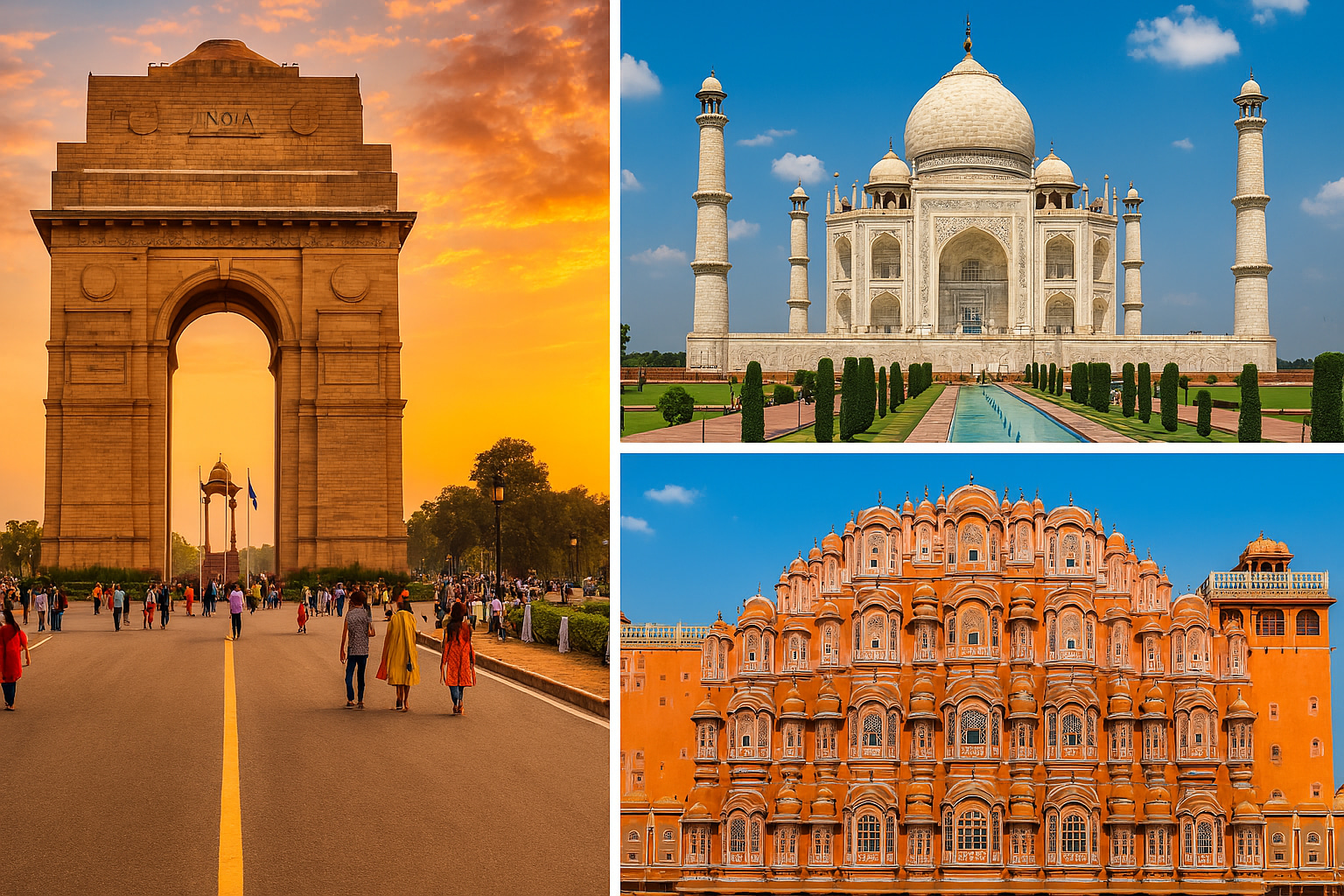
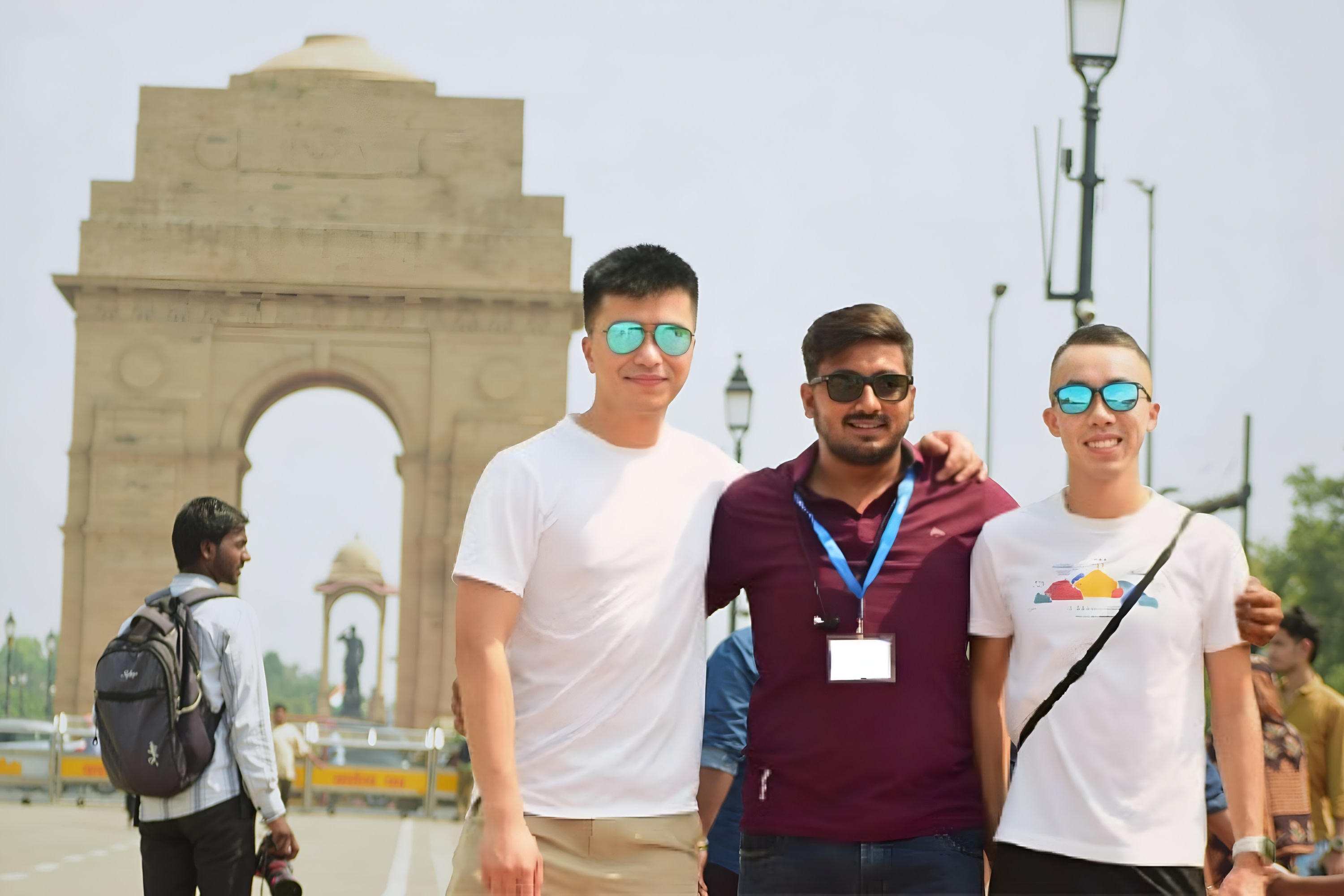
(2:30 PM ). India Gate is a prominent war memorial located in the heart of New Delhi. Designed by Sir Edwin Lutyens and built in 1931, it honors the 70,000 Indian soldiers who lost their lives during World War I. Standing 42 meters tall, the arch is surrounded by lush lawns and is especially beautiful when lit up at night. Beneath it burns the Amar Jawan Jyoti, an eternal flame dedicated to the unknown soldiers.
5
Stop 5
The Parliament House of India, located in New Delhi, is the seat of the country’s supreme legislative body. Designed by British architects Sir Edwin Lutyens and Herbert Baker, the circular building was completed in 1927. Its impressive architecture features 144 pillars and a central hall where major national decisions are made. Surrounded by lush gardens, it is a symbol of India’s democratic foundation and political heritage.
6
Stop 6
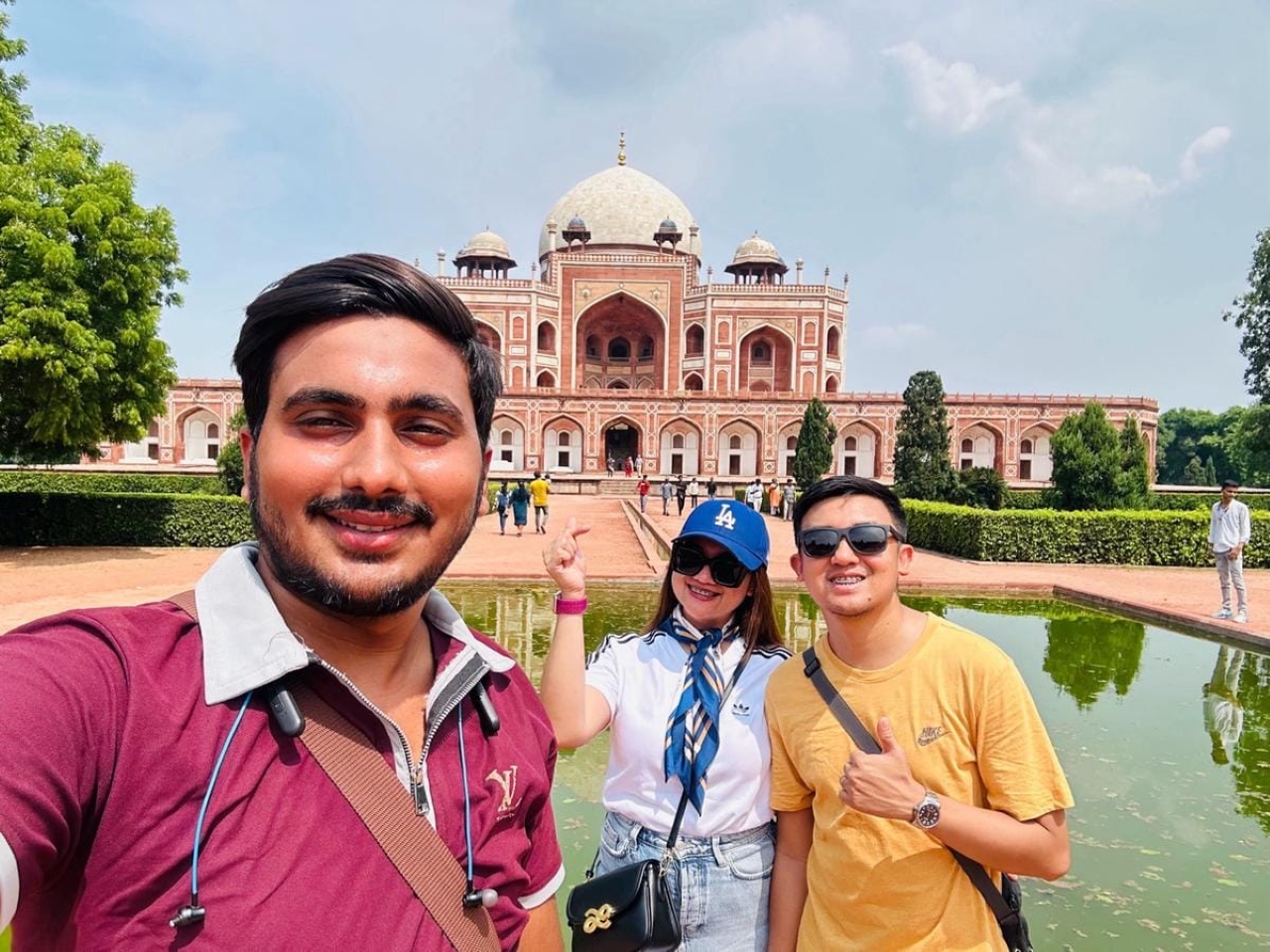
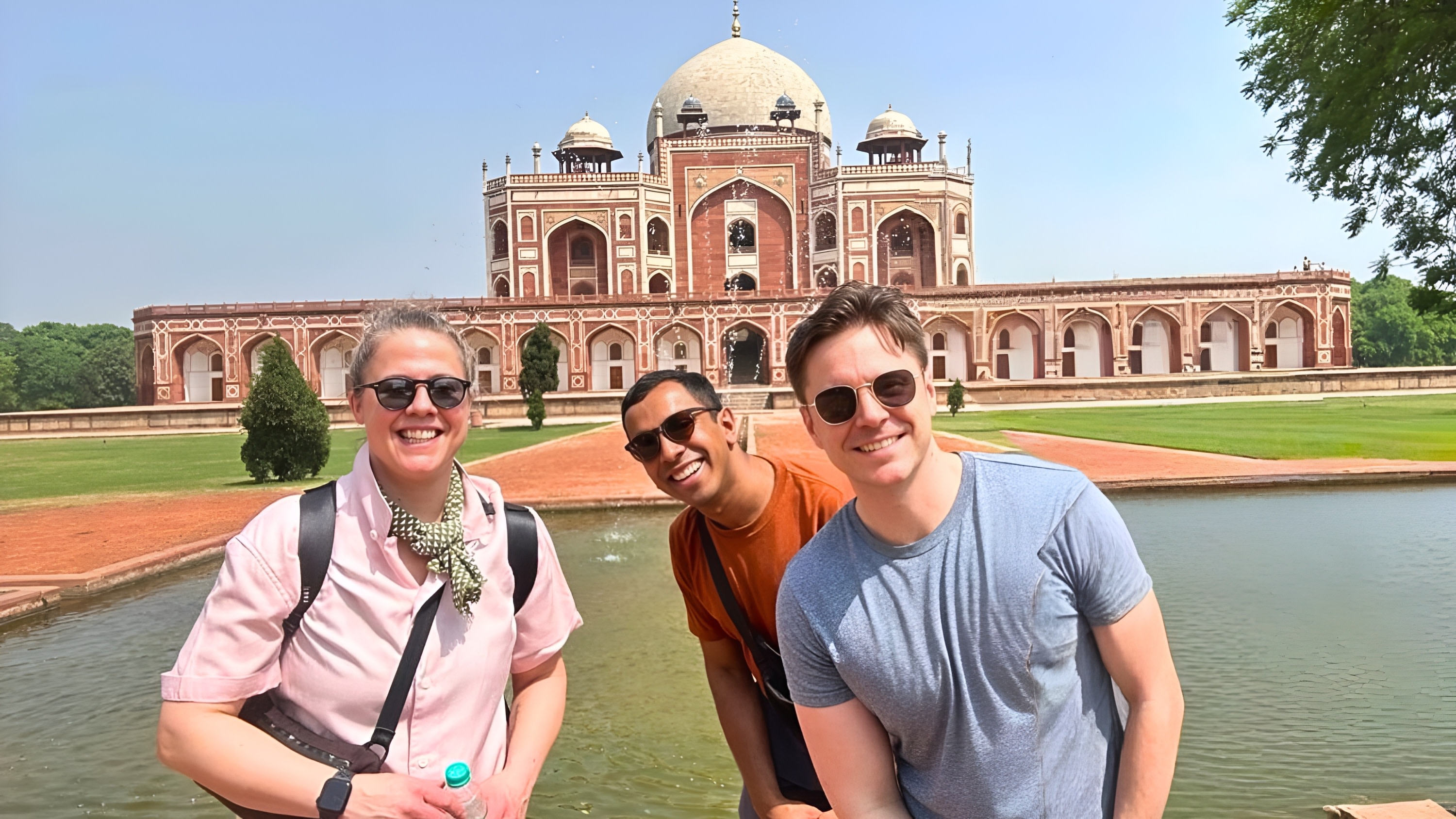
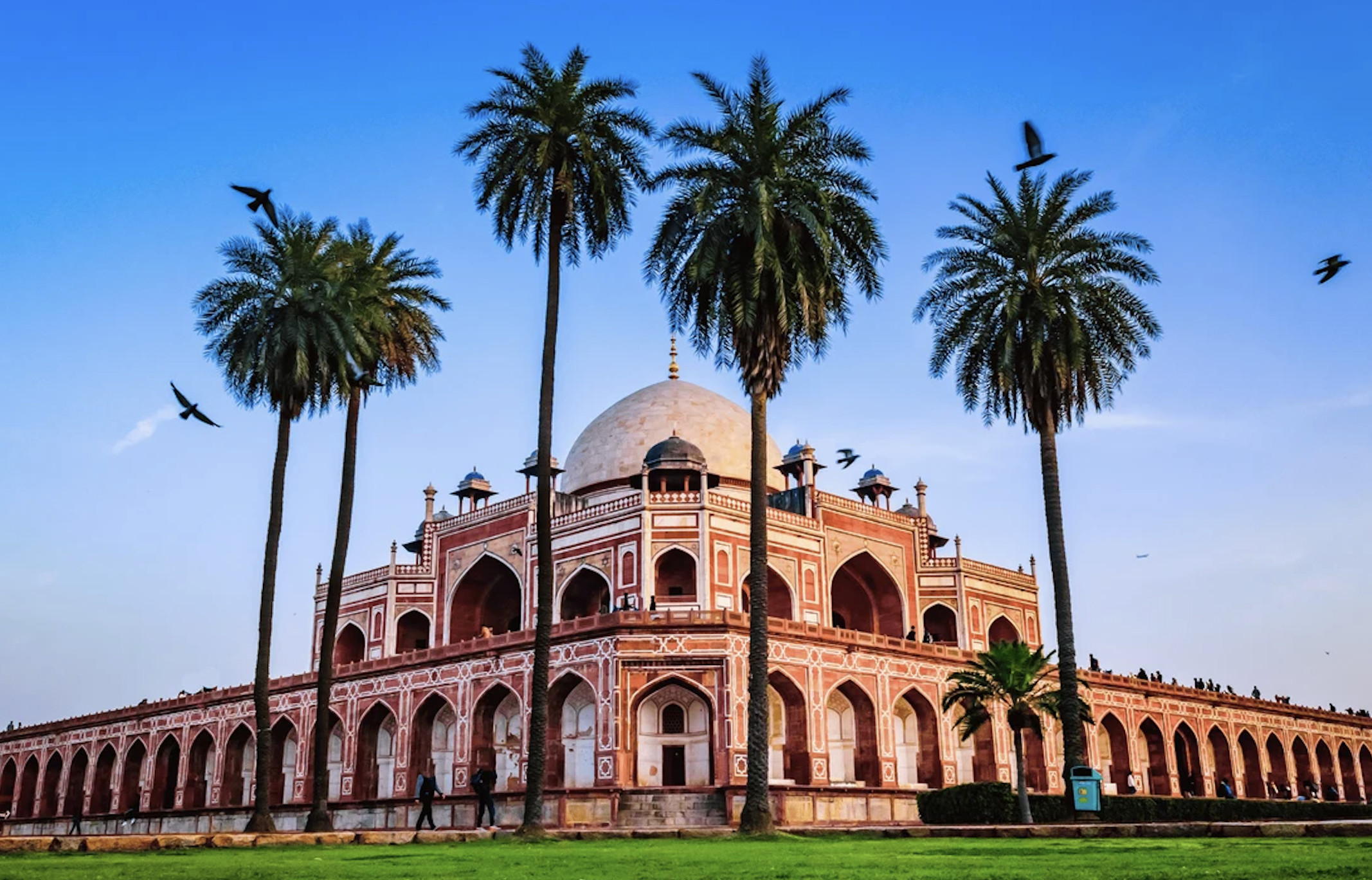
(3:30 PM ). Humayun's Tomb is a stunning example of Mughal architecture and a UNESCO World Heritage Site, located in New Delhi. Built in 1570 by Empress Bega Begum in memory of her husband, Emperor Humayun, it was the first garden tomb in India. The monument's red sandstone structure, Persian-style gardens, and intricate detailing later inspired the design of the Taj Mahal. It stands as a symbol of love and architectural brilliance from the Mughal era.
7
Stop 7
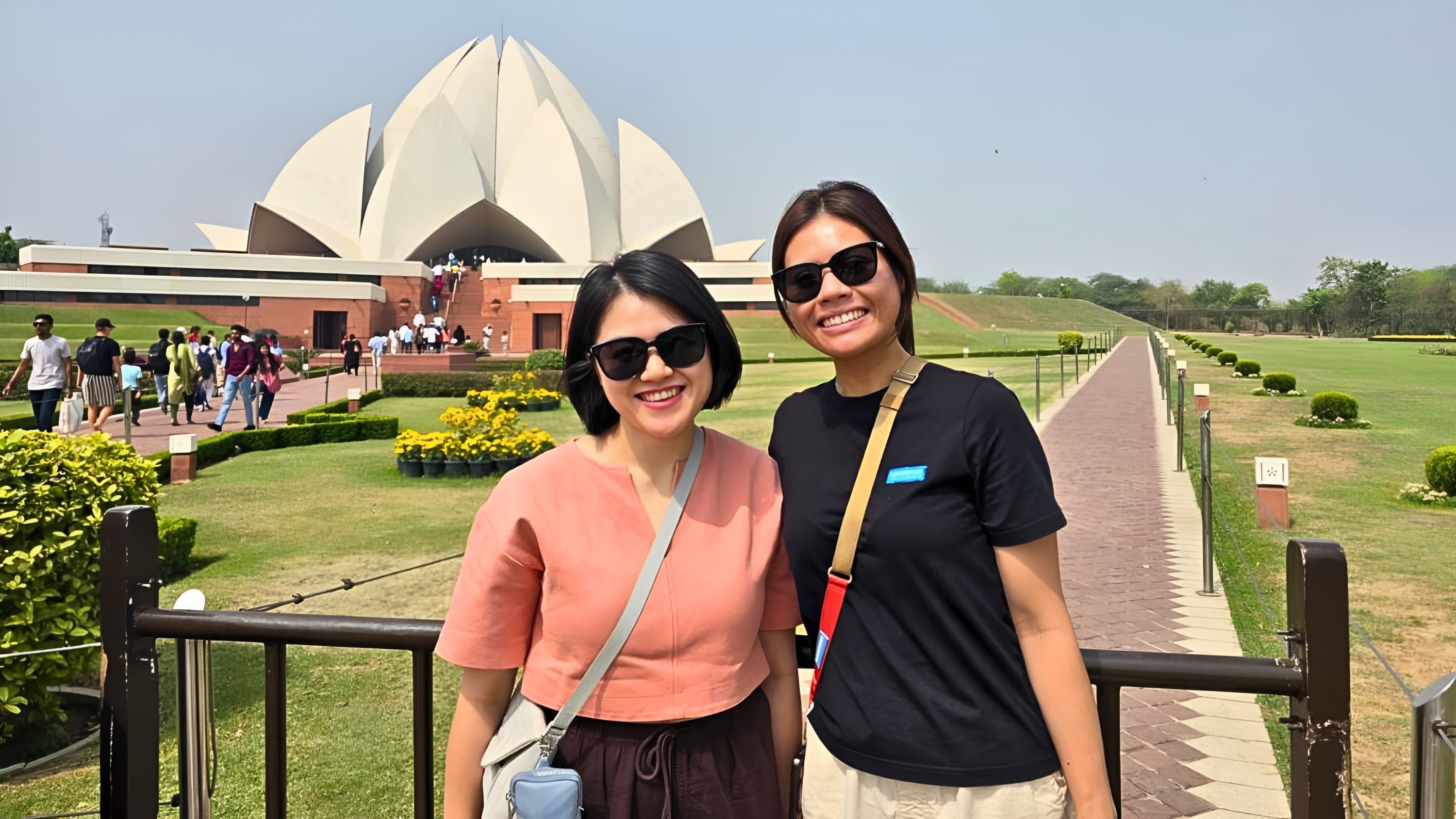
(4:30 PM ). The Lotus Temple, located in New Delhi, is a Baháʼí House of Worship known for its unique flower-like architecture. Open to people of all faiths, it symbolizes unity and peace. The temple’s serene ambiance and stunning white marble petals make it a popular spot for meditation and reflection. It is one of the most visited buildings in India.
8
Stop 8
(5:30 PM ). Qutub Minar is a UNESCO World Heritage Site and the tallest brick minaret in the world, located in Delhi. Built in the early 13th century by Qutb-ud-din Aibak and later completed by his successors, it stands 73 meters high. Made of red sandstone and marble, the tower is adorned with intricate carvings and verses from the Quran. Qutub Minar is a remarkable example of Indo-Islamic architecture and one of Delhi’s most iconic monuments.
9
Stop 9
Akshardham means “the eternal abode of God.” The temple is dedicated to Bhagwan Swaminarayan and reflects Indian culture, spirituality, and architecture. It was built by the BAPS (Bochasanwasi Akshar Purushottam Swaminarayan Sanstha) and inaugurated on 6th November 2005 by Pramukh Swami Maharaj in the presence of President Dr. A.P.J. Abdul Kalam.
The temple is constructed from Rajasthani pink sandstone and Italian Carrara marble—without using steel or concrete, as per ancient Indian Shilpa Shastra traditions.
Its grand structure features 234 intricately carved pillars, 9 domes, 20,000 statues, and the majestic Gajendra Pith—a base made of 148 sculpted elephants weighing around 3,000 tons.
The main temple is 141 feet high, 316 feet wide, and 356 feet long, making it a masterpiece of ancient-style stone architecture.
What's not included
All kinds drinks & tipping
Available languages
Guide guide
EN
Important information
Infants are required to sit on an adult’s lap
Not recommended for travelers with spinal injuries
Not recommended for pregnant travelers
Not recommended for travelers with poor cardiovascular health
Suitable for all physical fitness levels
The Tour Can be customised to meet your preference - just let us know
please carry a valid photo ID for all visit
pickup is available from anywhere within delhi, noida, or agra please mention your exact pickup location while booking to help us arrange timely service
1-3 people:- Sedan
4-5 people:- SUV
6+ people:- Mini Van
About New Delhi
New Delhi, the capital of India, is a vibrant blend of ancient history and modern development. It offers a rich cultural experience with its historic monuments, bustling markets, and diverse cuisine. The city is a gateway to understanding India's past and present.
Top Attractions
Red Fort
A UNESCO World Heritage Site and a symbol of India's struggle for independence. Built by Emperor Shah Jahan in the 17th century.
Historical
2-3 hours
₹35 ($0.50) for Indians, ₹500 ($7) for foreigners
Qutub Minar
Another UNESCO World Heritage Site, this towering minaret is a fine example of early Indo-Islamic architecture.
Historical
1-2 hours
₹30 ($0.40) for Indians, ₹500 ($7) for foreigners
India Gate
A war memorial dedicated to the soldiers who died in World War I and the Afghan Wars. A popular evening spot for locals and tourists.
Historical
1 hour
Free
Humayun's Tomb
A UNESCO World Heritage Site and a precursor to the Taj Mahal. This beautiful Mughal garden tomb is a must-visit.
Historical
1-2 hours
₹30 ($0.40) for Indians, ₹500 ($7) for foreigners
Lotus Temple
A Baha'i House of Worship known for its flower-like shape. It is a symbol of peace and unity.
Religious
1 hour
Free
Must-Try Local Dishes
Butter Chicken
Creamy tomato-based curry with tender chicken pieces, originated in Delhi.
Dinner
Non-vegetarian
Chole Bhature
Spicy chickpea curry served with deep-fried bread.
Lunch
Vegetarian
Chaat
A variety of savory snacks like Pani Puri, Bhel Puri, and Aloo Tikki.
Snack
Vegetarian, some options vegan
Paratha
Stuffed flatbread cooked on a griddle, often served with yogurt or pickle.
Breakfast
Vegetarian, some options vegan
Popular Activities
River rafting in Rishikesh
Hot air ballooning in Jaipur
Trekking in the Aravalli Range
Spa treatments in luxury hotels
Yoga and meditation in Rishikesh
Strolls in Lutyens' Delhi
Attending a classical music or dance performance
Visiting art galleries and museums
Best Time to Visit
October to March
This is the most pleasant time to visit with cooler temperatures and various festivals. It's ideal for sightseeing and outdoor activities.
15°C to 35°C
59°F to 95°F
Practical Information
Language
- Official: Hindi, English
- Widely spoken: Punjabi, Urdu, Bhojpuri
- English: Widely spoken in urban areas
Currency
Indian Rupee (INR)
Time Zone
IST (GMT+5:30)
Electricity
230VV, 50HzHz
Safety Information
Overall Safety Rating: Exercise caution
New Delhi is generally safe for tourists, but petty crimes like pickpocketing and scams can occur. Be cautious, especially in crowded areas.
Important Precautions:
- • Use trusted transport options
- • Avoid walking alone at night
- • Be cautious of strangers offering help
Getting there
By air
- Indira Gandhi International Airport • 16 km from city center
By train
New Delhi Railway Station, Old Delhi Railway Station
By bus
Inter-State Bus Terminal (ISBT), Dhaula Kuan Bus Stand
Getting around
Public transport
Clean, efficient, and air-conditioned. Connects major attractions and neighborhoods.
Taxis
Available • Apps: Ola, Uber
Rentals
Car, Bike, Scooter
Neighborhoods
Connaught Place
Old Delhi
Lutyens' Delhi
Hauz Khas
Day trips
Agra
233 km from Delhi • Full day
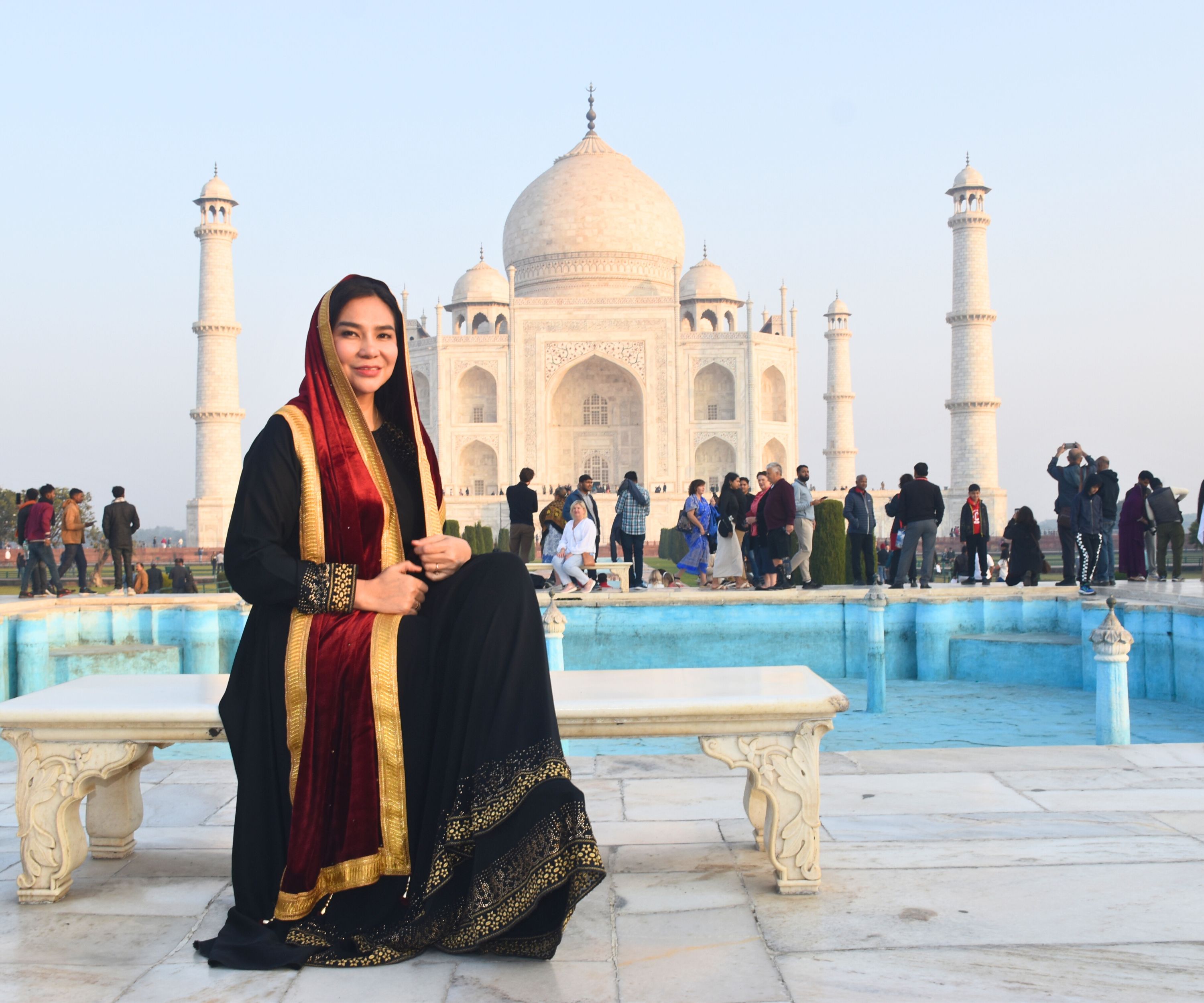
Home to the iconic Taj Mahal, Agra is a must-visit for history and architecture lovers.
Jaipur
268 km from Delhi • Full day or overnight
The Pink City is known for its palaces, forts, and vibrant culture.
Rishikesh
240 km from Delhi • Full day or overnight
A spiritual and adventure hub, Rishikesh is famous for yoga, meditation, and river rafting.
Festivals
Diwali • October-November (dates vary)
Holi • March (dates vary)
Republic Day • January 26
Pro tips
- Use the Delhi Metro for efficient and affordable travel around the city.
- Try street food from busy stalls to ensure freshness and hygiene.
- Bargain politely in markets, but be prepared to pay a fair price.
- Carry small denominations for shopping and street food.
- Respect local customs and traditions, especially when visiting religious sites.
From $25
per person
Price varies by option
Secure booking
Free cancellation available
Instant confirmation