Bridge on the River Kwai and Thailand-Burma Railway Guided Tour
Active
11h
For a full refund, cancel at least 24 hours before the scheduled departure time.
Instant confirmation
Mobile or paper ticket accepted
About this experience
The Bridge on the River Kwai and Thailand-Burma Railway Tour offers a fascinating journey into the history and landscapes of Thailand during World War II. This guided tour takes you to the iconic bridge, which became a symbol of the hardships faced by soldiers and prisoners of war during the construction of the railway.
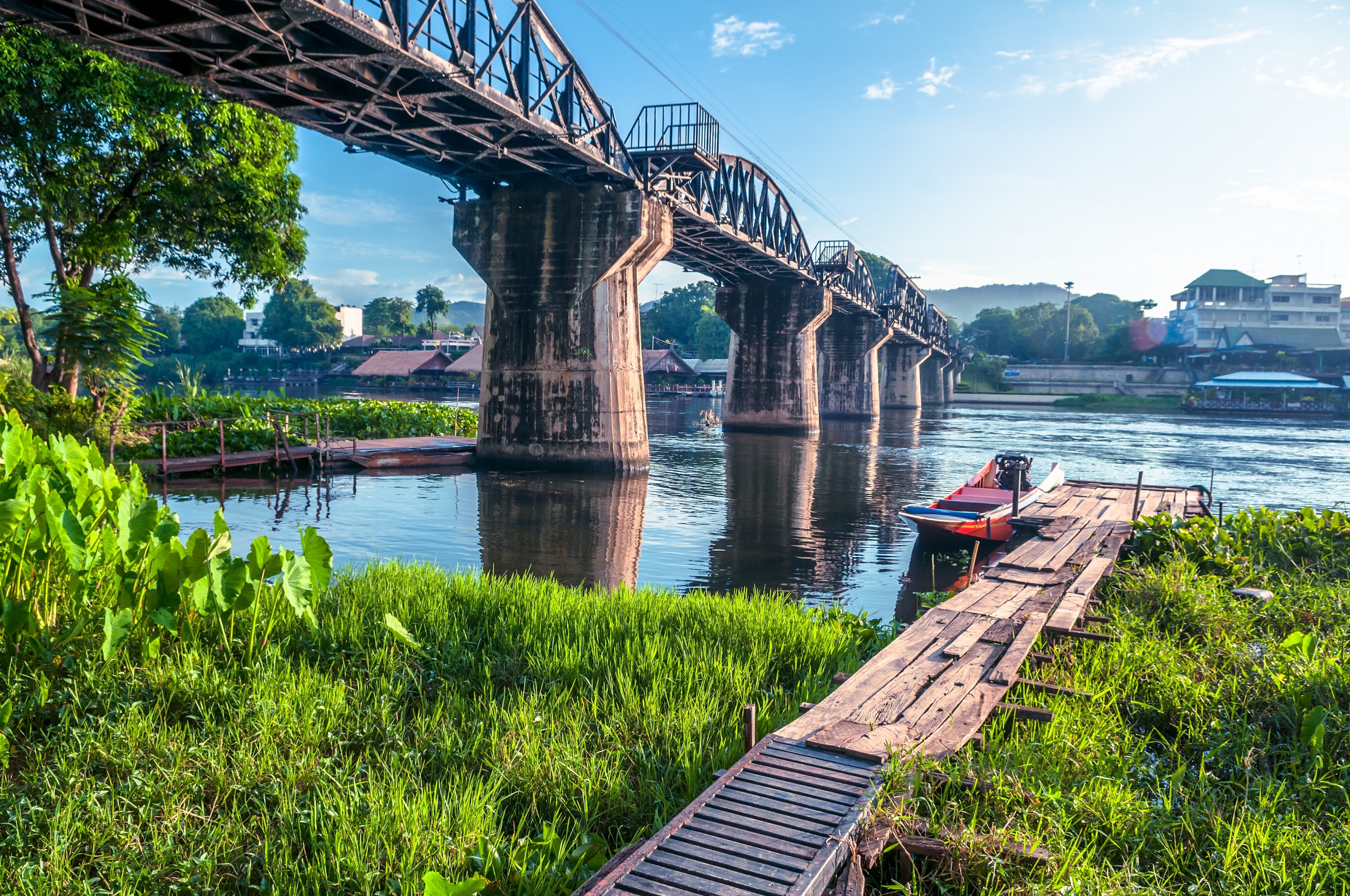
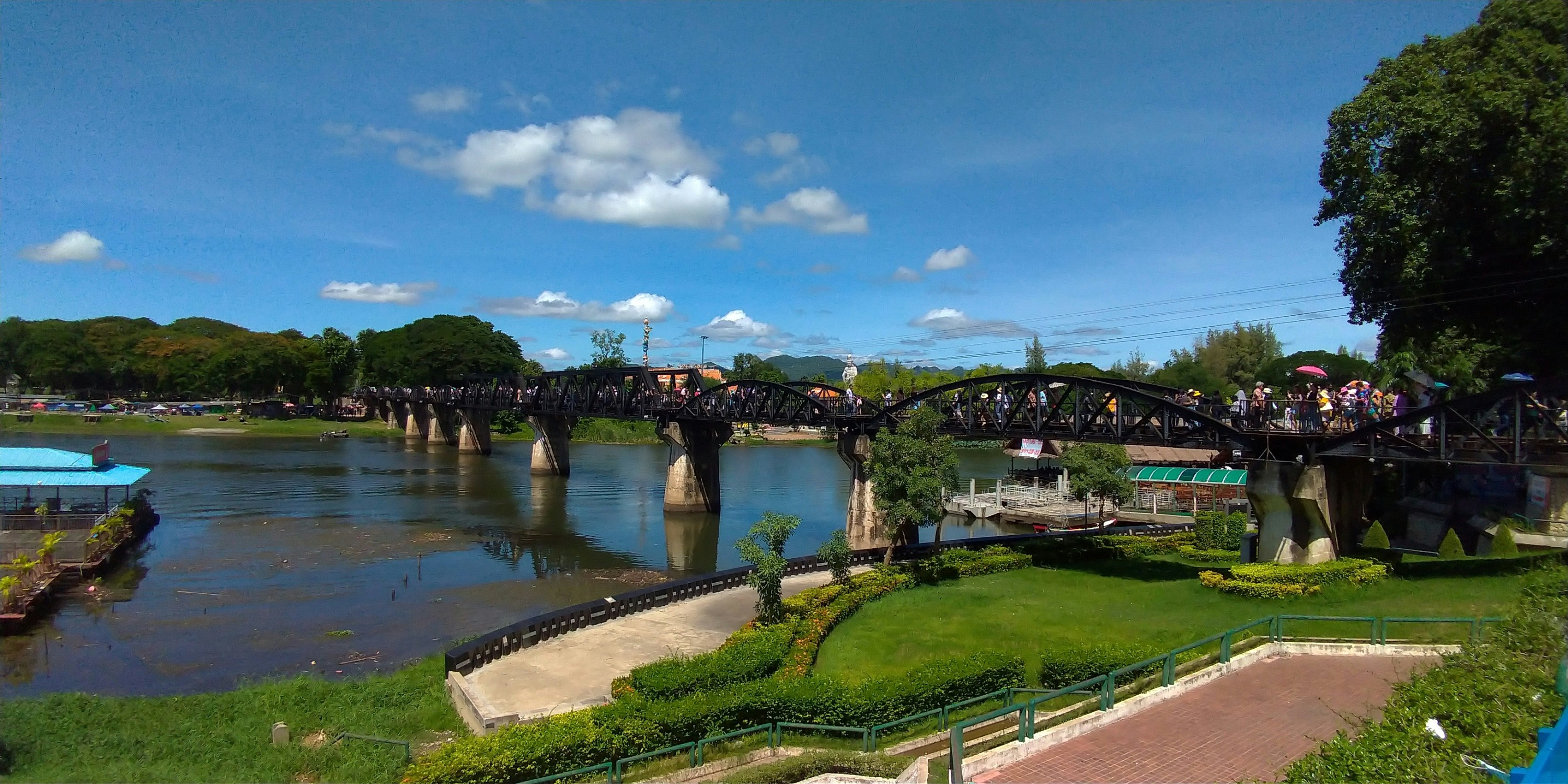
Your adventure begins with a Hotel pick up from Bangkok and then taking a scenic drive to Kanchanaburi, where you’ll learn about the historical significance of the bridge and the railway, often referred to as the "Death Railway." As you stand on the bridge, you can appreciate the stunning views of the river and surrounding countryside, all while reflecting on the poignant history.
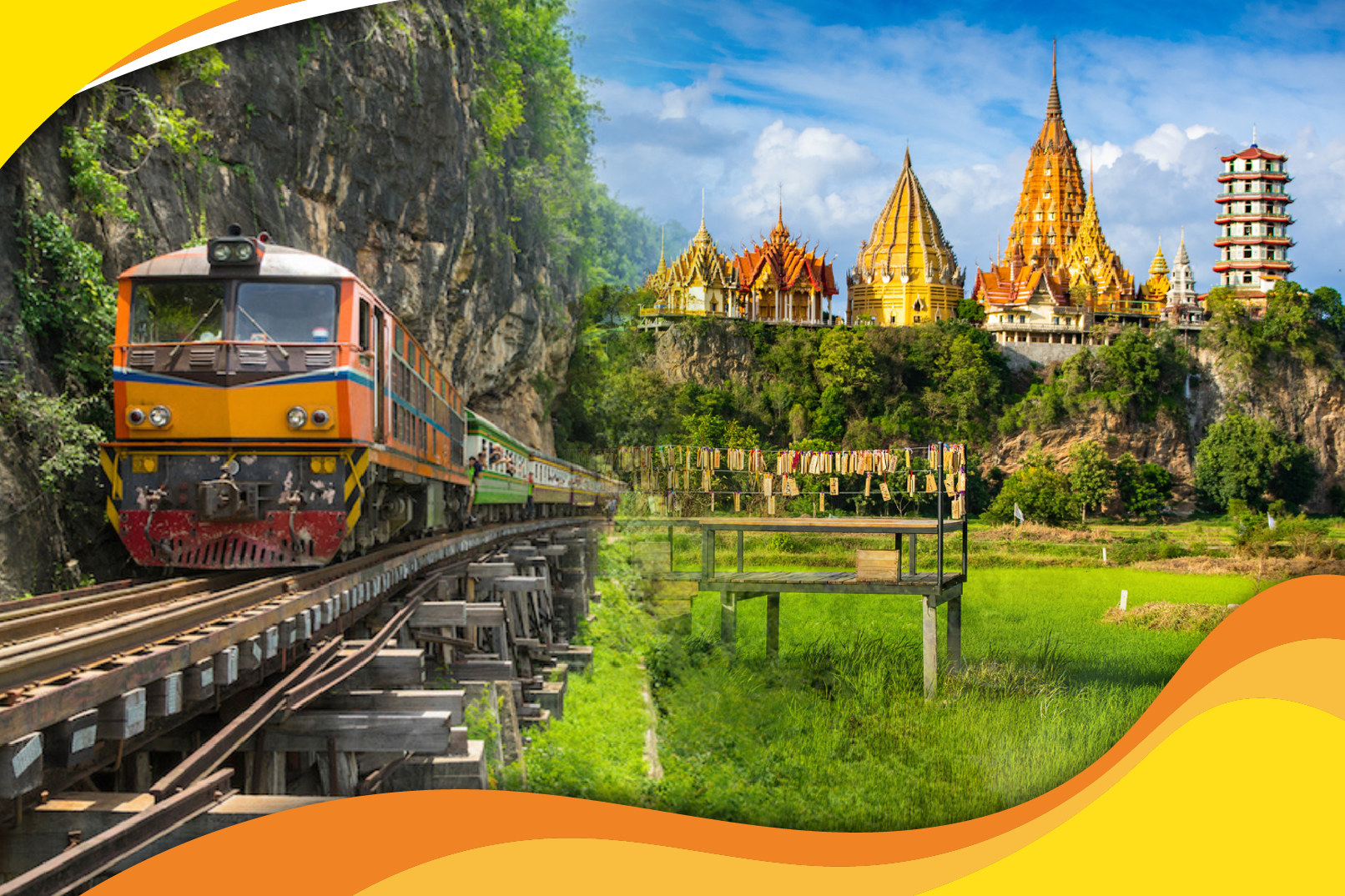
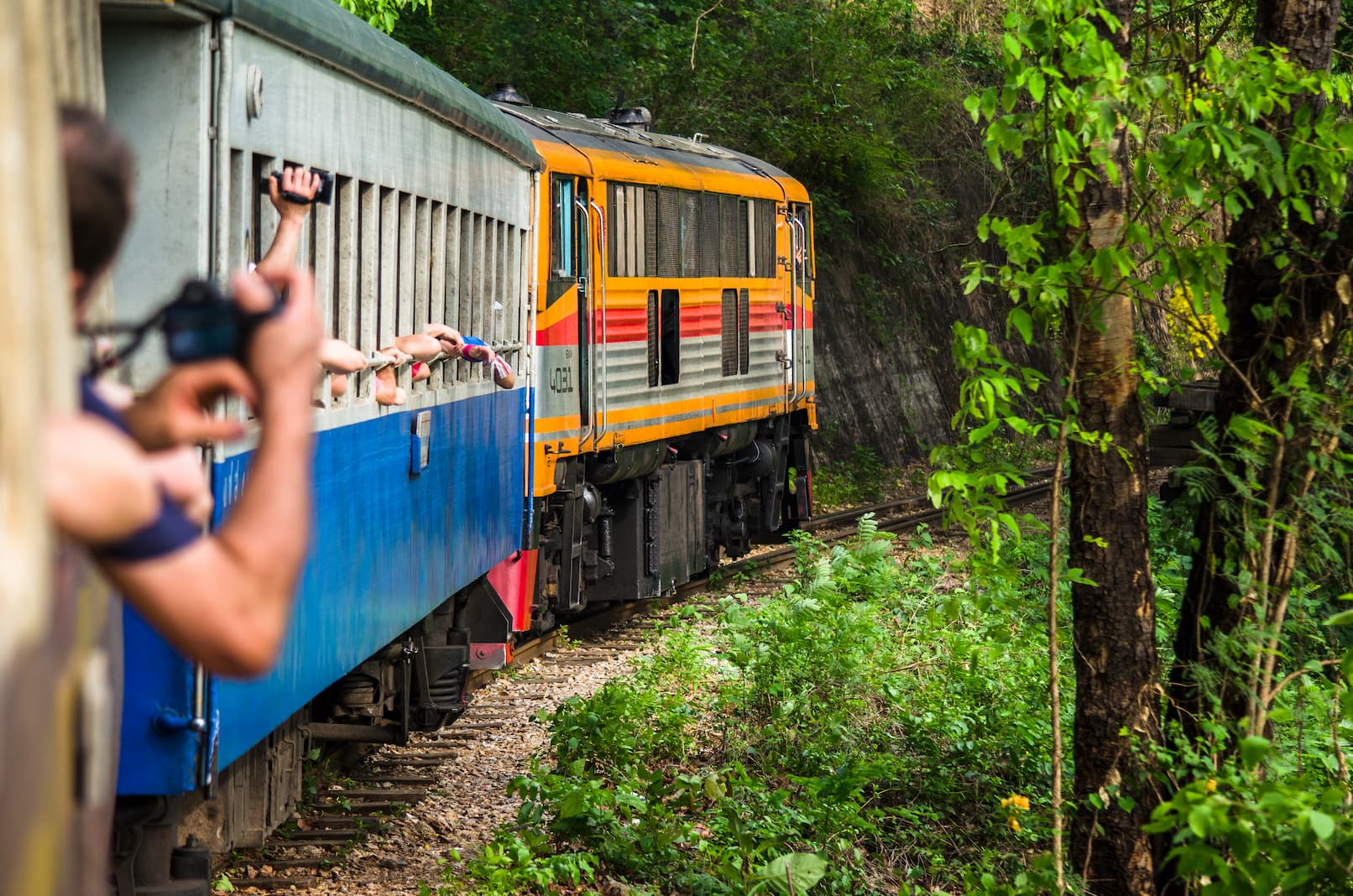
The tour includes a ride on the Thailand-Burma Railway, providing a unique opportunity to experience the same tracks that were built under harrowing conditions. You'll also visit the War Museum and the Allied War Cemetery, which honor the memories of those who suffered during this period.
Available options
Private Tour
Private Tour: This is a private tour option<br/>Pickup included
Shared Tour
Duration: 10 hours<br/>Lunch: Thai Set Lunch<br/>Joined Tour: This is a joined tour with fellow customers<br/>Pickup included
What's included
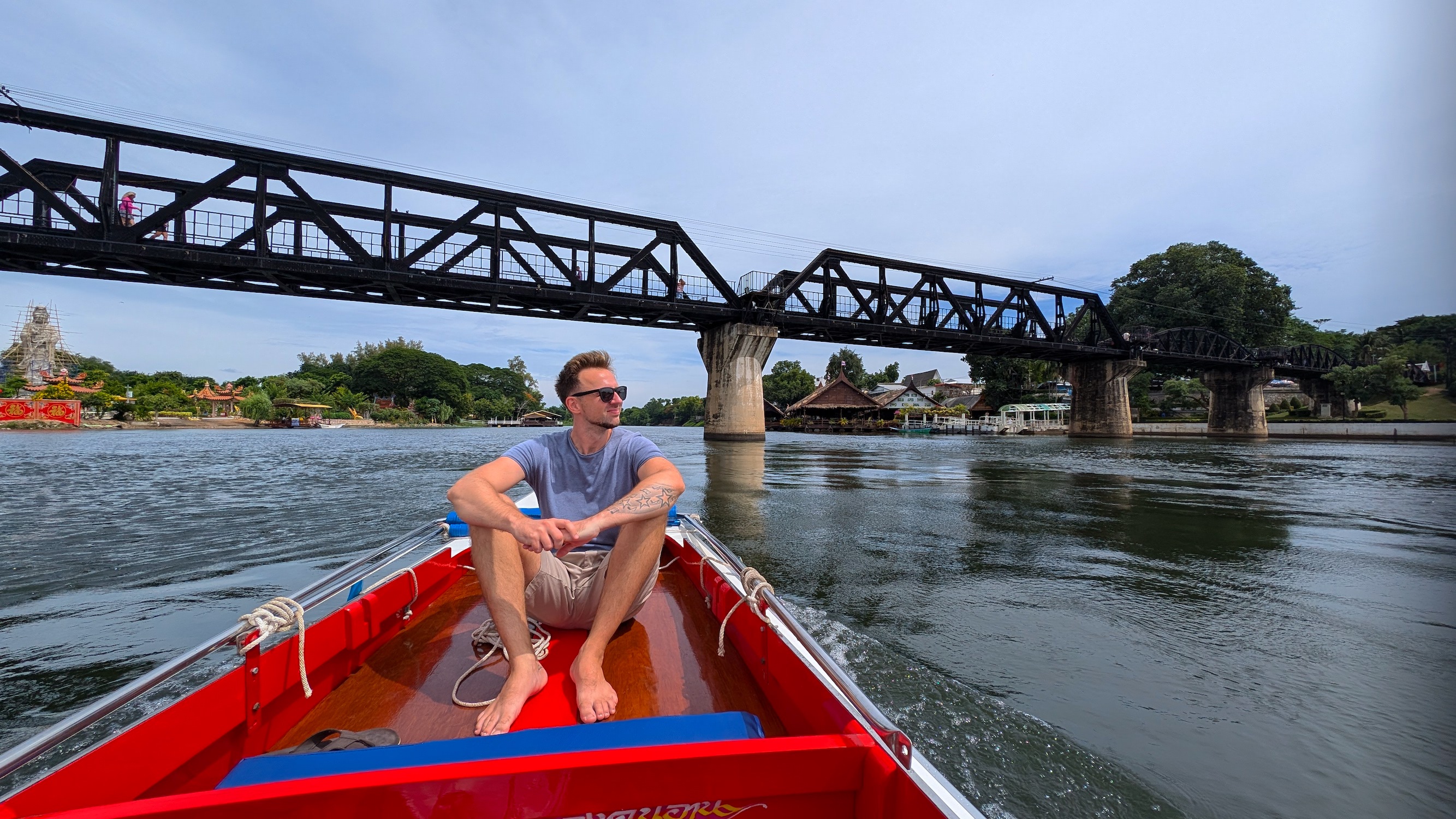
Long-tailed speedboat ride
Buffet lunch
Transport by air-conditioned vehicle
All Entrance Fees
Train ride along the Death Railway (exclude 300 Baht Seat Fee)
Hotel pick up and drop-off (centrally located Bangkok hotels only)
Professional Thai local guide
Detailed itinerary
1
Stop 1
The Khwae Yai River, also known as the Si Sawat, is a river in western Thailand. It has its source in the Tenasserim Hills and flows for about 380 kilometres through Sangkhla Buri, Si Sawat, and Mueang Districts of Kanchanaburi Province, where it merges with the Khwae Noi to form the Mae Klong River at Pak Phraek.
2
Stop 2
The bridge on the river Kwai, that many people know from the 1957 movie with the same name or from the book by Pierre Boulle is part of the infamous Death Railway, built during World War II from 1942 to 1943.
The railway connected Kanchanaburi in Western Thailand with Rangoon in Myanmar, called Burma back then, and was about 415 kilometers long. On both ends construction began in June 1942 working towards each other. In October 1943 the two sides met, finishing the railway.
3
Stop 3
The Kanchanaburi War Cemetery is the main prisoner of war cemetery for victims of Japanese imprisonment while building the Burma Railway. It is on the main road, Saeng Chuto Road, through the town of Kanchanaburi, Thailand, adjacent to an older Chinese cemetery.
4
Stop 4
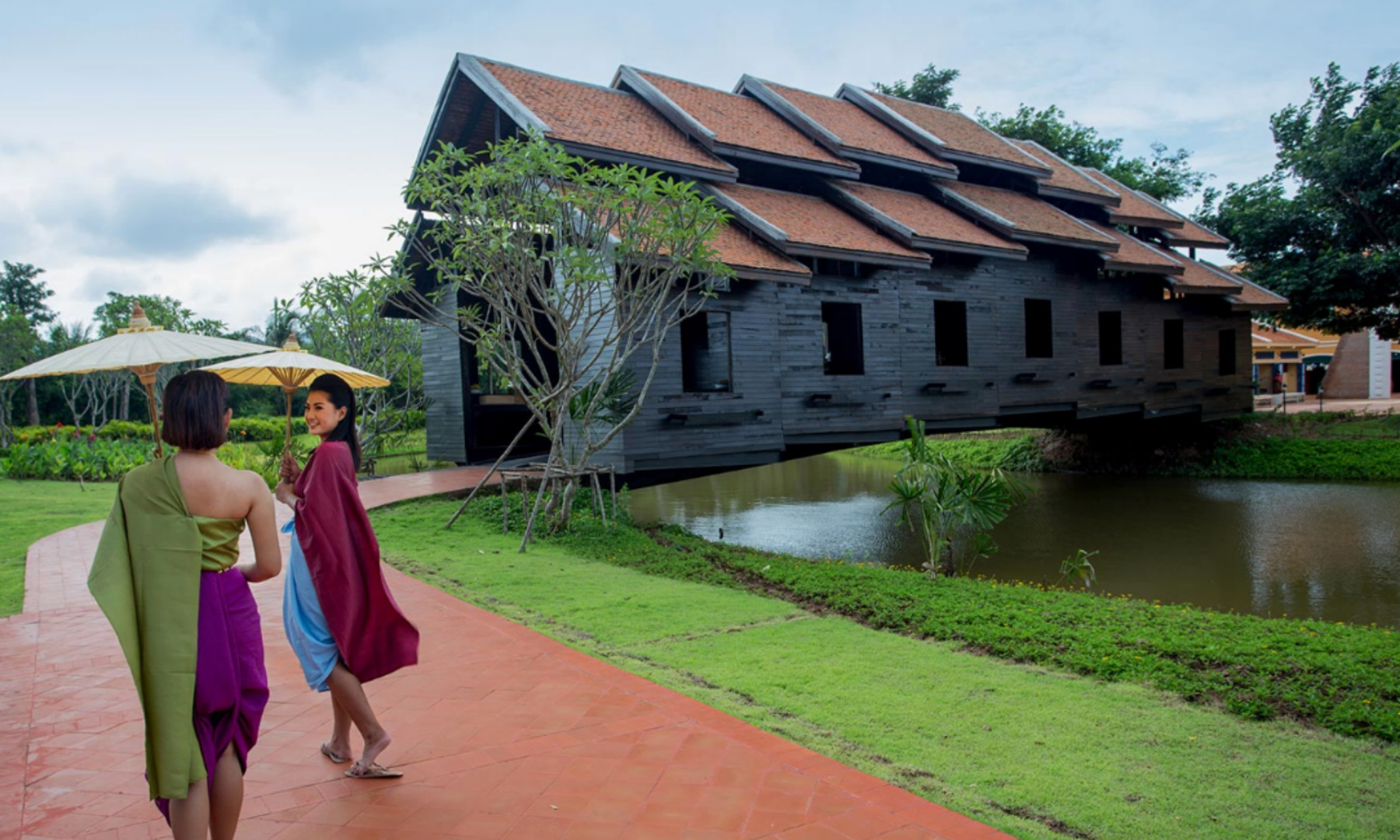
This small museum, opened in 1977, mostly focuses on the terrible ordeals of the POWs who built the Death Railway. Their harsh living conditions are shown in many original photos, letters and drawings from that time as well as personal effects and war relics, including an unexploded Allied bomb dropped to destroy the bridge. One of the three galleries is built from bamboo in the style of the shelters (called attap) the POWs lived in.
What's not included
Any personal expenses
Mandatory Fee for Seat on the train
Available languages
Guide guide
TH
EN
Reviews breakdown
Viator
4.5
189 reviews
5★
123
4★
42
3★
15
2★
7
1★
2
Tripadvisor
4.5
158 reviews
5★
112
4★
26
3★
10
2★
4
1★
6
Important information
Suitable for all physical fitness levels
You must provide your hotel details at time of booking, failure to do so may result in cancellation
Child rate is priced for children lower than 100cm tall. If Over 100cm, please pay the adult rates.
Timings at each part of the tour may be changed at the discretion of the guide and the group
300baht is payable by all guests on the train which will include a guaranteed seat. This can be paid at the train station in cash to the guide.
This tour can be taken shared with other passengers OR private with own vehicle and guide
River Kwai is approx 130km from Bangkok with a stop on the way time permitting.
Tour includes hotel pick up / drop off and is available from most central Bangkok hotels. This Option can be amended and/or cancelled. You will be able to arrange pick up from your hotel or a nearby location when you call to confirm your reservation. Hotel pick up may be 30-60 minutes prior to tour Start time/Departure time (depending on hotel location).
Important notes
I Asia Thailand will contact you immediately after your booking to reconfirm your booking. Please ensure that you have entered the correct contact details upon booking.
If you have not been contacted by I Asia Thailand, please call us at +66 96 821 3089 (hours of operation are from 08.00am to 18.00pm Monday to Friday and 09.00am to 17.00pm Saturday and Sunday) or email to thailand@iasiathailand.com
If you will not be arriving at your destination with sufficient time to ensure reconfirmation, please contact the local service provider prior to travel.
Upon pickup, please present your confirmation/voucher or photo ID in exchange for your activity.
About Bangkok
Bangkok, the vibrant capital of Thailand, is a dynamic blend of traditional culture and modern urban life. Known for its ornate temples, bustling street markets, and world-class street food, Bangkok offers a unique and unforgettable travel experience.
Top Attractions
Grand Palace
The Grand Palace is a complex of buildings that served as the royal residence from 1782 to 1925. It is a stunning example of Thai architecture and houses the Emerald Buddha.
Historical/Architecture
2-3 hours
500 THB
Wat Arun
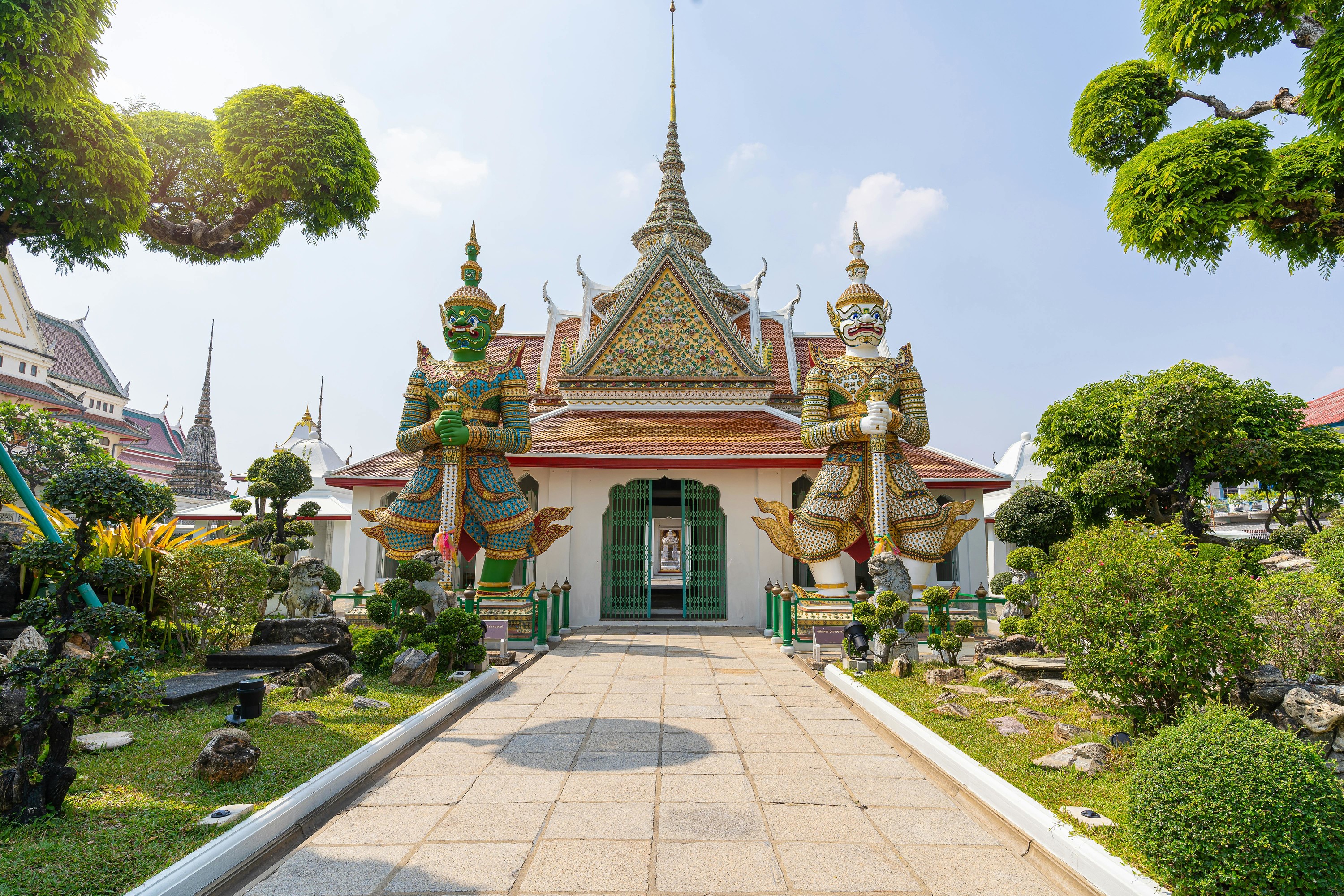
Wat Arun, also known as the Temple of Dawn, is a stunning temple located on the west bank of the Chao Phraya River. It is famous for its beautiful porcelain decorations and the iconic prang (spire).
Religious/Architecture
1-2 hours
50 THB
Chatuchak Weekend Market
One of the world's largest markets, Chatuchak Weekend Market offers a vast array of goods, from clothing and accessories to food and antiques.
Shopping/Cultural
Half day to full day
Varies
Chao Phraya River
The Chao Phraya River is the lifeblood of Bangkok. Taking a boat tour along the river offers a unique perspective of the city and its many temples and palaces.
Nature/Scenic
1-3 hours
Varies
Chatuchak Park
Chatuchak Park is a large and lush urban park that offers a peaceful escape from the bustling city. It is home to a variety of plants, animals, and recreational facilities.
Nature/Relaxation
1-2 hours
Free
Must-Try Local Dishes
Pad Thai
Stir-fried rice noodles with eggs, tofu, shrimp, and a sweet and tangy sauce, garnished with crushed peanuts and lime.
Dinner
Can be made vegetarian or vegan.
Tom Yum Goong
A spicy and sour shrimp soup with lemongrass, kaffir lime leaves, galangal, and chili.
Dinner
Contains seafood.
Som Tum
A spicy green papaya salad made with shredded papaya, tomatoes, green beans, peanuts, and a tangy dressing.
Lunch/Snack
Can be made vegetarian or vegan.
Mango Sticky Rice
Sweet ripe mango served with sticky rice and coconut milk.
Dessert
Vegetarian.
Popular Activities
Hiking in Erawan National Park
Kayaking on the Chao Phraya River
ATV tours in Hin Lek Fai
Spa and massage treatments
Boat tours on the Chao Phraya River
Visiting temples and parks
Visiting temples and historical sites
Attending traditional Thai performances
Best Time to Visit
November to February
This is the most pleasant time to visit with cooler temperatures and lower humidity. It's peak tourist season with lively festivals and events.
22°C to 34°C
72°F to 93°F
Practical Information
Language
- Official: Thai
- Widely spoken: English, Chinese
- English: Moderately spoken in tourist areas, limited elsewhere
Currency
Thai Baht (THB)
Time Zone
GMT+7
Electricity
220VV, 50HzHz
Safety Information
Overall Safety Rating: Exercise caution
Bangkok is generally safe for tourists, but petty crime, scams, and traffic accidents can occur. Be cautious of your surroundings, especially in crowded areas and at night.
Important Precautions:
- • Be cautious of strangers approaching you with offers or requests.
- • Avoid unlicensed taxis and tuk-tuks.
- • Be wary of jet ski rentals and gem shops.
Getting there
By air
- Suvarnabhumi Airport • 30 km from city center
- Don Mueang International Airport • 20 km from city center
By train
Hua Lamphong Railway Station, Krung Thep Aphiwat Central Terminal
By bus
Mo Chit Bus Terminal, Ekamai Bus Terminal, Southern Bus Terminal (Sai Tai Mai)
Getting around
Public transport
Clean, efficient, and air-conditioned, the MRT is a convenient way to get around.
Taxis
Available • Apps: Grab, Bolt
Rentals
Car, Bike, Scooter
Neighborhoods
Khao San Road
Sukhumvit
Chinatown (Yaowarat)
Silom
Banglamphu
Day trips
Ayutthaya
80 km from Bangkok • Full day
Ayutthaya is a UNESCO World Heritage Site and the former capital of the Kingdom of Siam. It is known for its stunning temples and historical ruins.
Damnoen Saduak Floating Market
105 km from Bangkok • Half day to full day
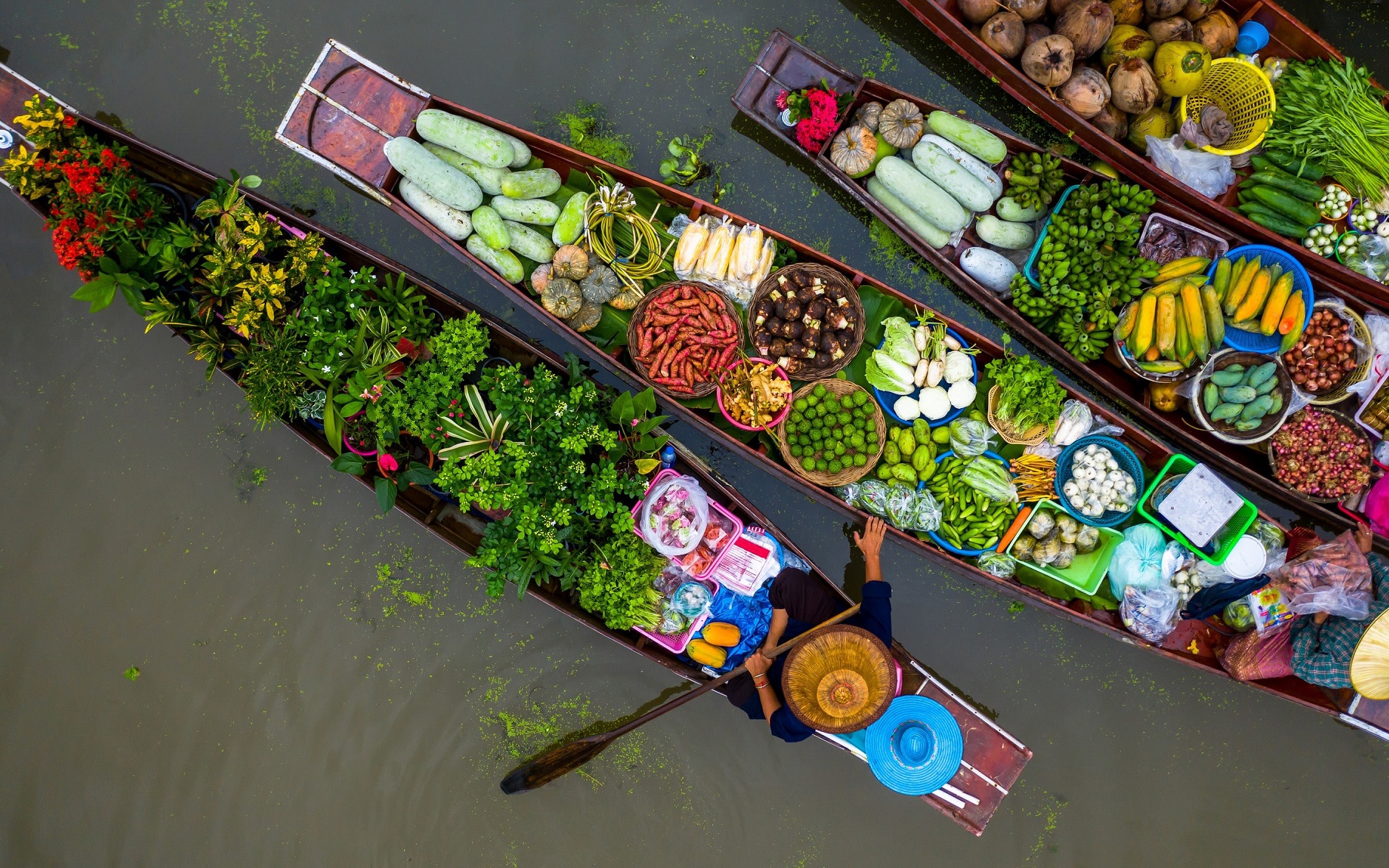
Damnoen Saduak is one of the most famous floating markets in Thailand, offering a unique shopping and dining experience on the water.
Maeklong Railway Market
80 km from Bangkok • Half day to full day
Maeklong Railway Market is a unique market where vendors set up their stalls on the railway tracks, and a train passes through several times a day.
Festivals
Songkran • April 13-15
Loy Krathong • Full moon night in November
Vegetarian Festival • September/October (dates vary by year)
Pro tips
- Learn a few basic Thai phrases to enhance your experience and show respect for the local culture.
- Use the BTS Skytrain and MRT subway to avoid traffic and get around the city quickly and efficiently.
- Haggle and bargain when shopping at markets and street stalls, but do so politely and respectfully.
- Try street food, but choose stalls with high turnover and good hygiene practices.
- Dress modestly and respectfully, especially when visiting religious sites.
From $25
per person
Price varies by option
Secure booking
Free cancellation available
Instant confirmation