Private Historic Walking Tour to Lucca
Active
2h
All sales are final. No refund is available for cancellations.
Instant confirmation
Mobile or paper ticket accepted
About this experience
Step back in time with a walking tour through Lucca’s rich history. Begin at San Colombano Bastion and climb to the city’s impressive Renaissance walls for sweeping views of rooftops and towers. Continue to the 17th-century Napoleon Square and admire the stately Palazzo Ducale. Marvel at the graceful Gothic lines of Lucca Cathedral and trace medieval defenses at Porta San Gervasio. Pass by the mysterious Clock Tower and stroll Via Fillungo, the city’s main medieval street lined with historic shopfronts and lively charm. Conclude your journey at Amphitheater Square, once a Roman arena, now a vibrant hub of markets and cafés—where the past and present of Lucca unfold in every step.
Available options
Private Historic Walking Tour to Lucca
What's included
Official Tour Guide
Private Guided Tour
Detailed itinerary
1
Begin your journey through Lucca’s layered history at the weathered San Colombano Bastion, one of eleven mighty ramparts that form the city’s iconic walls. Step into its mysterious tunnels and learn about the bastion’s strategic importance in safeguarding the nearby Saint Peter Gate—a key entry point to the city since the 17th century.
2
Stop 2
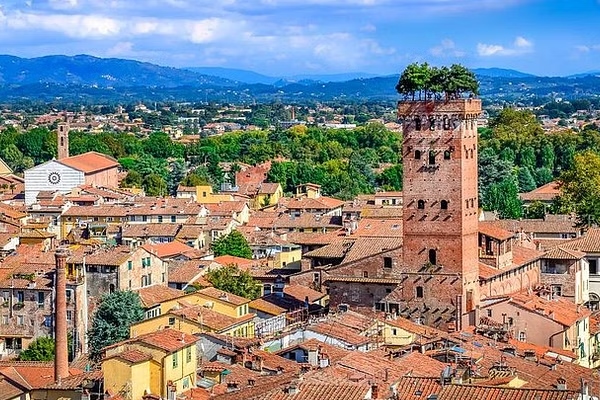
Then, climb the staircase hidden within the bastion to reach Lucca’s legendary city walls, among the best preserved and second-largest Renaissance fortifications in Europe. Strolling along the elevated promenade, enjoy sweeping views of terracotta rooftops, hidden gardens, and centuries-old towers, all while reflecting on the battles that once raged outside these very walls.
3
Your walk continues to the expansive 17th-century Napoleon Square. Dominated by the stately Palazzo Ducale, this square served as the political nucleus of 19th-century Lucca and still radiates noble grandeur today.
4
Next, admire the quiet majesty of Lucca Cathedral, dedicated to Saint Martin of Tours, the town’s patron saint. With its graceful arcades and soft Gothic style, it offers a unique architectural contrast to the more austere cathedrals of Florence, embodying Lucca’s distinctive character.
5
Continue your route to San Gervasio Gate, one of the four surviving gates from the 13th century. The twin towers still preserve medieval features like battlements and the remains of the original moat, offering a glimpse into medieval military engineering.
6
Stop 6
As you pass the towering 14th-century Clock Tower—the tallest in Lucca—pause to appreciate its striking timepiece and the folklore attached to it. Legends whisper of a young woman who tried to stop time itself and paid the ultimate price, adding a touch of mystery to this city landmark.
7
Stop 7
After that, stroll along Via Fillungo, Lucca’s medieval main street, winding through the heart of the old town. Once named after a powerful noble family from Garfagnana, today it bustles with traditional shopfronts, artisan boutiques, and charming façades, a perfect way to soak in the vibrant atmosphere of Lucca’s historic center.
8
Wrap up your journey at the captivating Amphitheater Square, where echoes of the Roman past remain embedded in its elliptical shape. Built atop the ruins of a Roman amphitheater, the lively square is now a haven of open-air markets, cafés, and restaurants. It’s the perfect spot to rest your feet and watch Lucca’s living history unfold before your eyes.
What's not included
Gratuities and Refreshments
Available languages
Guide guide
EN
IT
Important information
Wheelchair accessible
Infants and small children can ride in a pram or stroller
Public transportation options are available nearby
Not recommended for travelers with poor cardiovascular health
Suitable for all physical fitness levels
Meeting point
At the Sculpture Obelisco located in Piazzale Giuseppe Verdi, your tour guide shall be waiting with a Signboard.
About Lucca
Lucca is a charming medieval city in Tuscany, renowned for its well-preserved Renaissance walls, stunning architecture, and rich history. Its narrow streets, historic churches, and vibrant culture make it a captivating destination for travelers.
Top Attractions
Lucca Walls
The Renaissance walls of Lucca are a unique and iconic feature of the city. Built in the 16th and 17th centuries, these walls encircle the historic center and offer a scenic walking path with stunning views.
Historical/Architecture
1-2 hours
Free
Lucca Cathedral (San Martino)
This stunning cathedral is a masterpiece of Romanesque architecture. It houses the famous Volto Santo, a wooden crucifix brought to Lucca in the 12th century.
Religious/Historical
1 hour
Free (Bell Tower: €5)
Piazza dell'Anfiteatro
This unique oval-shaped piazza is built on the site of an ancient Roman amphitheater. Surrounded by charming buildings, it's a great place to relax and enjoy the atmosphere.
Historical/Architecture
30 minutes to 1 hour
Free
Torre Guinigi
This medieval tower is famous for the oak trees growing on its roof. Climbing to the top offers a panoramic view of Lucca and its surroundings.
Historical/Architecture
30 minutes
€5
Lucca Comics & Games
One of the largest comic and gaming conventions in Europe, held annually in October. It attracts thousands of visitors and features exhibitions, cosplay, and meet-and-greets with famous artists and writers.
Entertainment/Cultural
3-4 days
Varies by event and ticket type
Must-Try Local Dishes
Buccellato
A sweet bread with raisins and anise seeds, often enjoyed for breakfast or as a snack.
Breakfast/Snack
Vegetarian
Tordelli Lucchesi
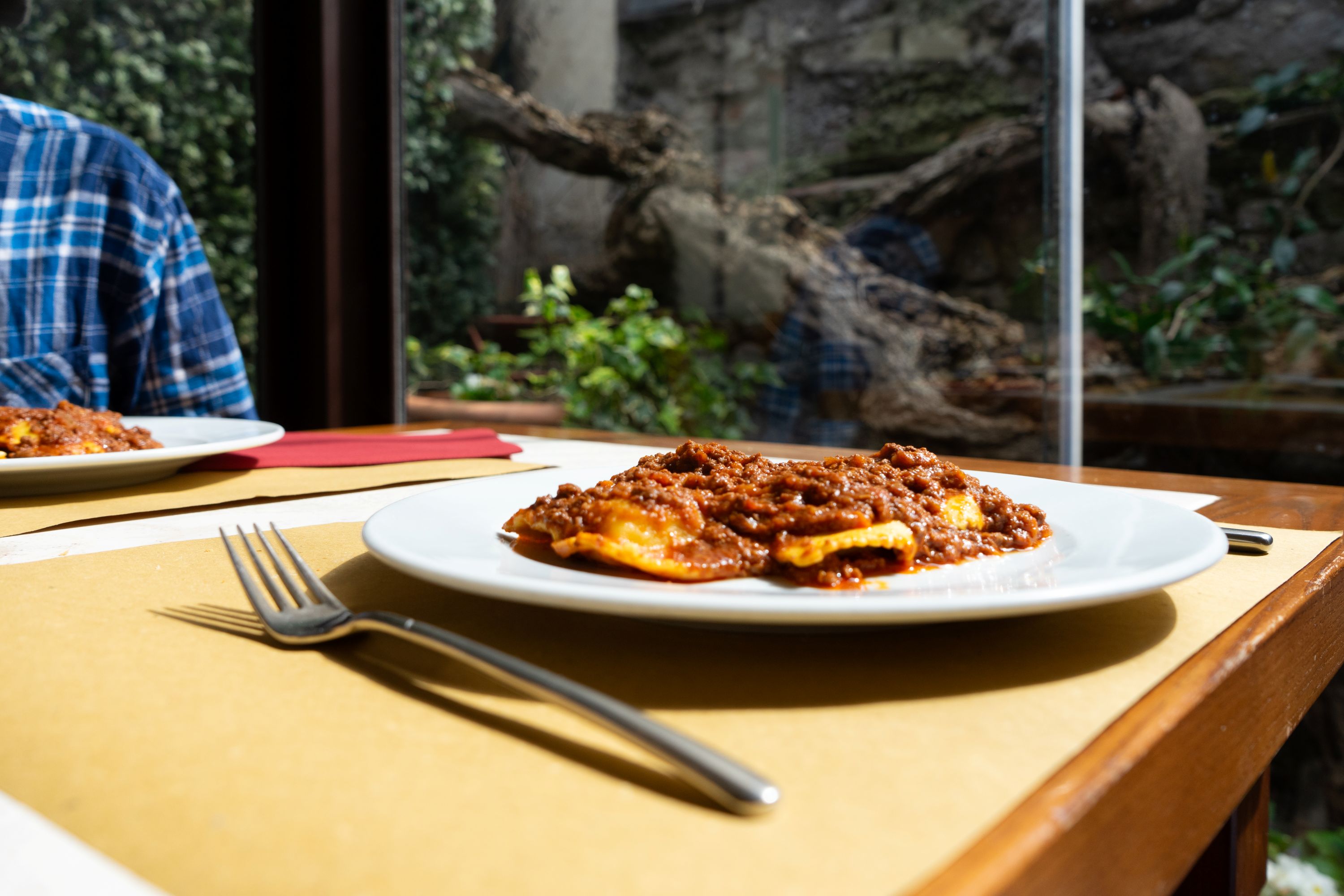
A traditional pasta dish filled with meat and herbs, served with a rich sauce.
Main Course
Contains meat
Bistecca alla Fiorentina
A thick-cut T-bone steak, grilled and seasoned with olive oil, salt, and pepper.
Main Course
Contains meat
Castagnaccio
A rustic chestnut flour cake, often served with a drizzle of honey or olive oil.
Dessert
Vegetarian, Gluten-free
Popular Activities
Hiking
Biking
Rock climbing
Wine tasting
Spa treatments
Leisurely walks along the walls
Visiting museums and galleries
Attending festivals and events
Best Time to Visit
June to August
This is the busiest time of year, with warm weather and numerous festivals. It's ideal for those who enjoy outdoor activities and vibrant city life.
22°C to 32°C
72°F to 90°F
Practical Information
Language
- Official: Italian
- Widely spoken: English, French, German
- English: Moderately spoken
Currency
Euro (EUR)
Time Zone
GMT+1 (CET), GMT+2 (CEST during daylight saving time)
Electricity
230VV, 50HzHz
Safety Information
Overall Safety Rating: Generally safe
Lucca is generally a safe city with low crime rates. However, as with any tourist destination, it's important to be aware of your surroundings and take precautions to protect yourself and your belongings.
Important Precautions:
- • Keep valuables secure and out of sight
- • Be cautious of pickpockets in crowded areas
- • Use licensed taxis or ride-sharing services
Getting there
By air
- Pisa International Airport • 20 km (12 miles)
- Florence Airport • 80 km (50 miles)
By train
Lucca Station
By bus
Lucca Bus Terminal
Getting around
Public transport
The VaiBus system is efficient and covers most of the city and surrounding areas. Buses are frequent and reliable.
Taxis
Available • Apps: MyTaxi, FreeNow
Rentals
Car, Bike, Scooter
Neighborhoods
Centro Storico
San Marco
San Paolo
Day trips
Pisa
20 km (12 miles) • Half day
Pisa is famous for its iconic Leaning Tower, but it also offers a rich history, beautiful architecture, and vibrant student culture.
Florence
80 km (50 miles) • Full day
Florence is the capital of Tuscany and a UNESCO World Heritage site, known for its art, architecture, and history.
Vinci
30 km (18 miles) • Half day
The birthplace of Leonardo da Vinci, Vinci offers a museum dedicated to the famous artist and inventor, as well as beautiful countryside and local wineries.
Festivals
Lucca Summer Festival • July
Lucca Comics & Games • October
Lucca in Festa • December
Pro tips
- Visit the Torre Guinigi for a unique perspective of the city and its famous oak trees on the roof
- Explore the city's hidden gems, such as the underground tunnels and secret passages, on a guided tour
- Attend a local festival or event for an authentic and immersive experience, such as the Lucca Summer Festival or Lucca Comics & Games
- Try local specialties, such as Buccellato and Tordelli Lucchesi, at traditional osterias and trattorias
- Rent a bike to explore the city's walls and surrounding countryside, and enjoy the scenic views and fresh air
From $25
per person
Price varies by option
Secure booking
Free cancellation available
Instant confirmation